1. Revitalizing the '80s Aesthetic with Neutral Stucco
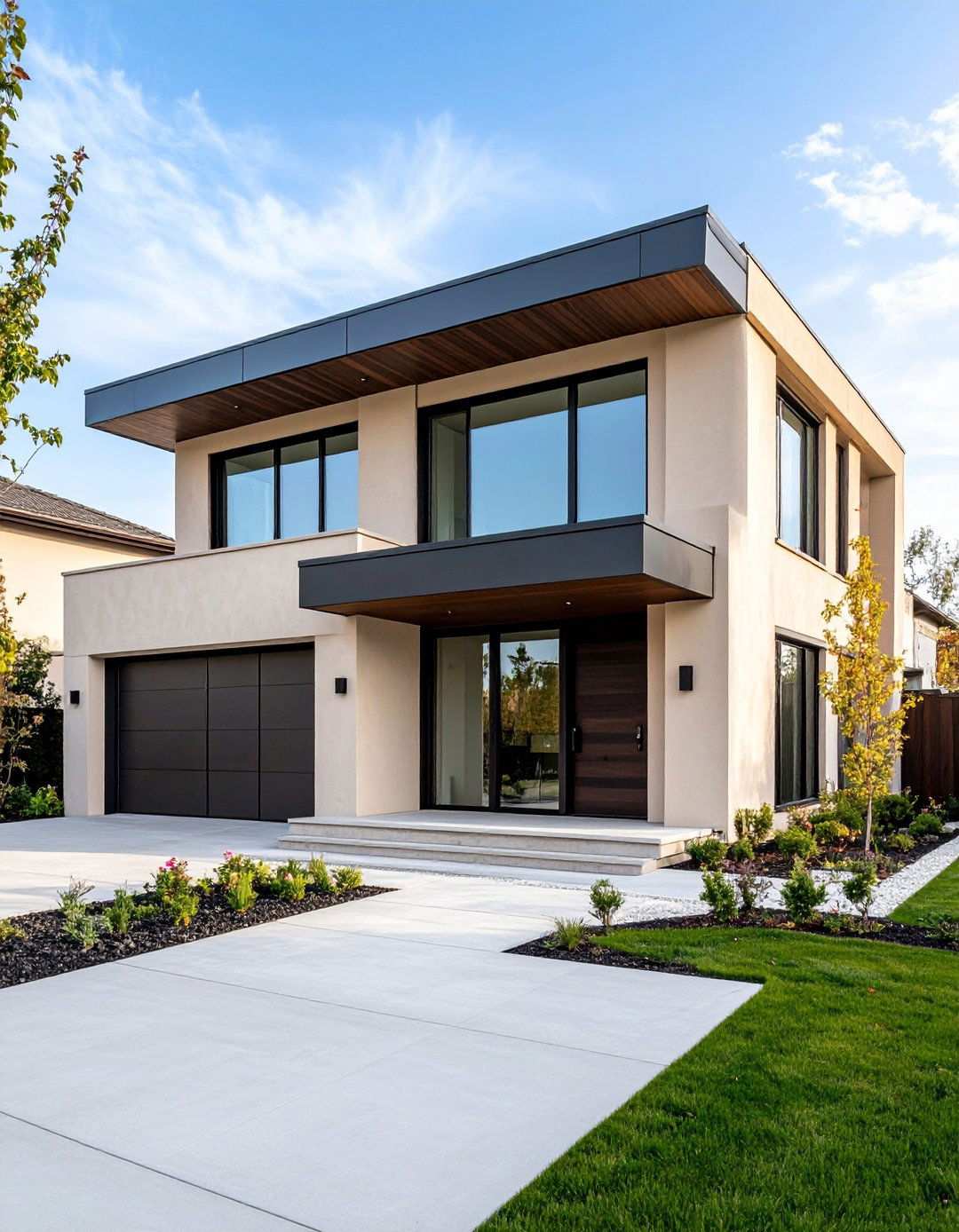
The 1980s residential design movement celebrated bold innovation and sophisticated minimalism, paving the way for a revolutionary approach to exterior design. Contemporary style emerged, often featuring neutral stucco over traditional siding, and homes grew in size while exteriors became increasingly eclectic. A palette of neutral tones, including beige and taupe, paired with dark wood finishes provided a striking backdrop for postmodern homes that pushed boundaries with vibrant hues like pink, turquoise, and bright yellow. By incorporating geometric architectural elements and thoughtfully combining materials, 1980s exterior design ideas continue to captivate modern homeowners seeking distinctive, character-rich facades that blend functionality with aesthetic appeal.
2. Honoring the '80s with Timeless Stucco and Cedar Siding
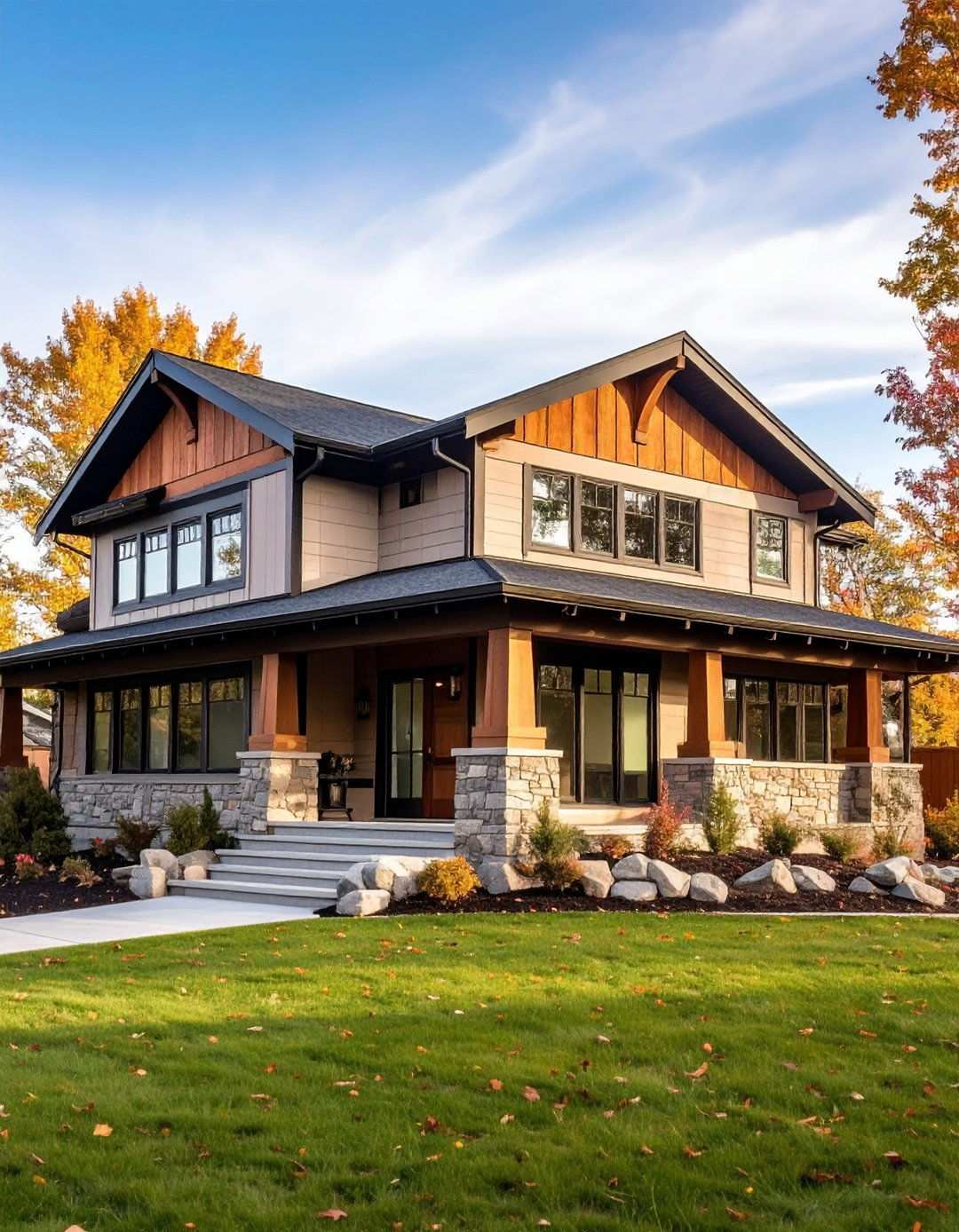
During the 1980s, synthetic stucco experienced a resurgence in the United States as a cost-effective alternative to genuine stucco. This versatile exterior material became synonymous with contemporary 1980s house design, boasting sleek, clean lines that emphasized geometric forms. To evoke the authentic 1980s look while maintaining modern appeal, opt for warm beige, soft taupe, or creamy off-white stucco finishes. The unbroken appearance of stucco siding minimizes visual clutter, allowing other architectural elements like large windows or bold entry doors to take center stage. Modern stucco systems boast excellent durability and energy efficiency, rendering them a stylish and practical choice for today’s homeowners who crave that distinct 1980s aesthetic.

As an Amazon Associate I earn from qualifying purchases.
3. Bringing Back the Warmth with Cedar Horizontal Siding
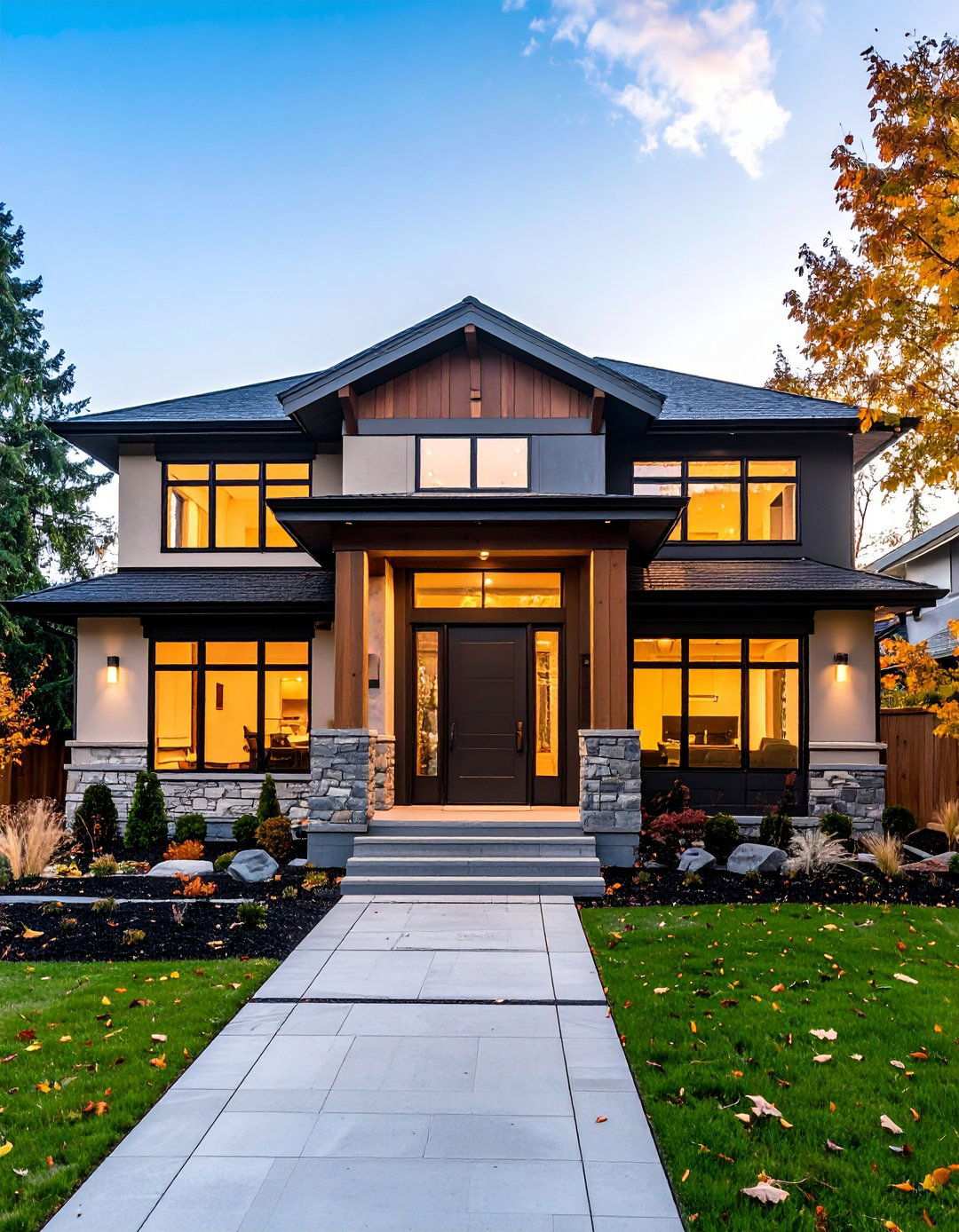
Cedar siding was a staple of many 1980s homes, despite being often repainted over the years. The natural warmth and texture of cedar horizontal siding perfectly encapsulated the decade’s appreciation for organic materials paired with clean, contemporary lines. Consider using wide horizontal cedar planks with a natural or honey-toned stain to showcase the wood’s beautiful grain patterns. This approach creates a sense of visual width while maintaining the streamlined appearance that characterized 1980s architecture. Cedar siding weathers beautifully over time, developing a distinguished patina that adds character. Regular maintenance ensures longevity, while the natural insulation properties of cedar contribute to energy efficiency, rendering this classic 1980s exterior choice both environmentally conscious and timeless.
Dynamic Facade Compositions
The 1980s architectural landscape celebrated diversity through bold combinations of contrasting materials on single facades. By pairing smooth textures with natural wood accents or juxtaposing brick sections with sleek metal panels, designers created visually captivating compositions. Today, there’s a renewed interest in using a variety of materials to highlight distinctive features on a home, such as incorporating stone or Western red cedar around entryways or architectural focal points. This approach allows different exterior zones to serve distinct purposes while maintaining a cohesive design narrative. To achieve this, consider using stucco for main wall surfaces while incorporating cedar or stone accents around entryways, windows, or other architectural highlights. The key to success lies in striking a balance between proportion and visual interest, ensuring that each material contributes to the home’s sophisticated, multi-layered appearance without overwhelming the composition.
4. Expansive Glass Surfaces and Seamless Connections
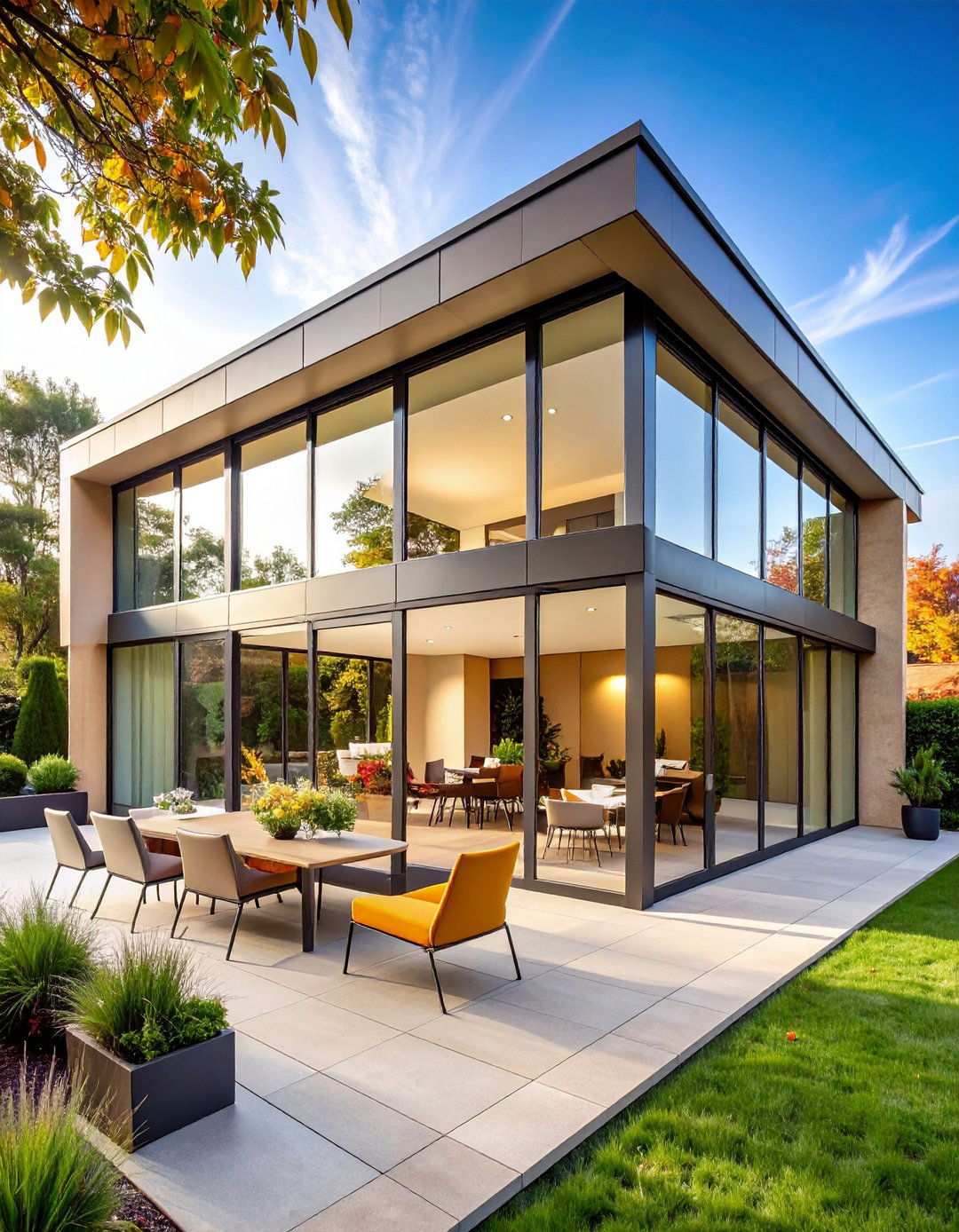
The 1980s contemporary architecture movement saw the rise of large windows and sliding doors, which blurred the boundaries between indoor spaces and outdoor patios. These expansive glass surfaces maximized natural light while creating seamless connections between interior and exterior environments. By installing floor-to-ceiling windows in living areas or creating dramatic window walls, homeowners can create focal points for their home’s facade that not only enhance the aesthetic appeal but also provide practical benefits like improved natural lighting and enhanced views. Modern high-performance glass options offer superior energy efficiency compared to their 1980s counterparts, allowing homeowners to capture the aesthetic benefits while improving comfort and reducing utility costs.
5. Bold Rooflines and Geometric Forms
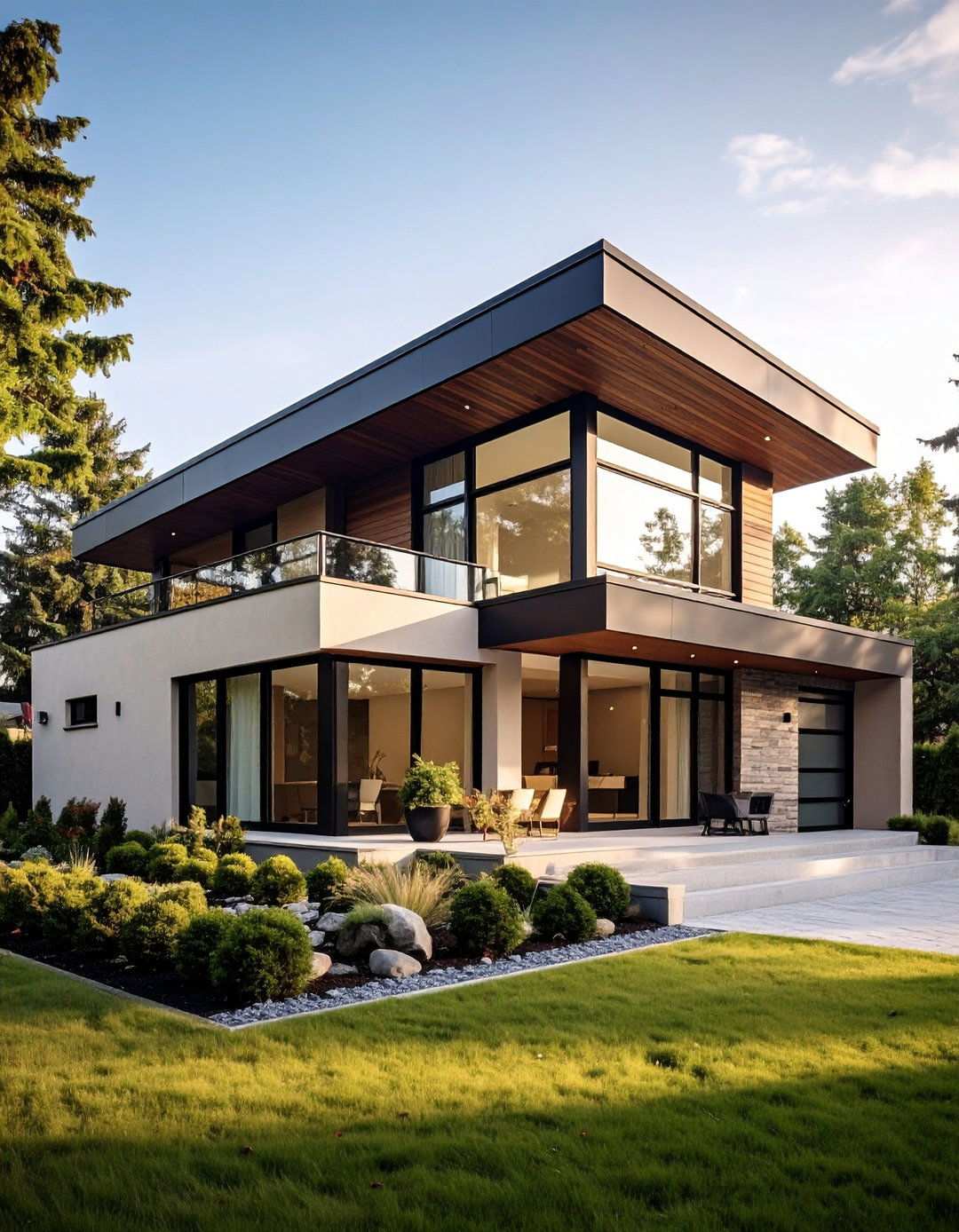
Postmodern architecture in the 1980s featured asymmetrical roofs with geometric shapes and an emphasis on simplicity, rejecting traditional symmetrical designs in favor of dynamic, sculptural forms that created visual intrigue. Homeowners can now achieve a similar look by incorporating geometric roof extensions, angular dormers, or contrasting roofline heights, which work particularly well when combined with large windows and clean siding materials. To maintain balance despite asymmetry, it’s essential to ensure that unusual roof forms enhance rather than overwhelm the overall design. Modern construction techniques have made these bold rooflines more practical and weather-resistant than their 1980s predecessors, preserving their striking visual impact while offering homeowners a unique opportunity to express their personal style.
6. Timeless Neutrals: Beige and Taupe
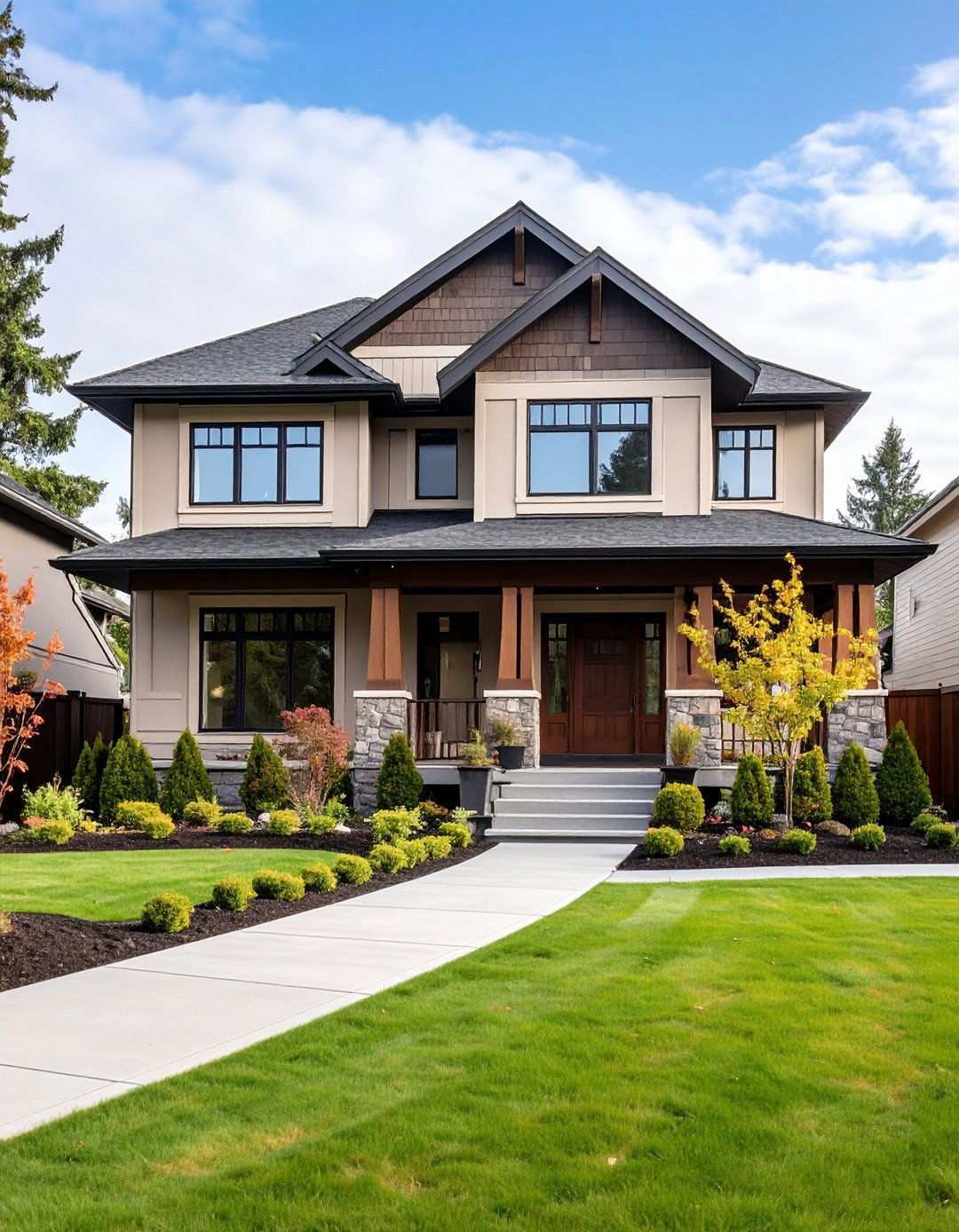
The 1980s residential design aesthetic was characterized by a sophisticated and timeless exterior color palette, crafted by pairing neutral tones like beige and taupe with dark wood finishes. These warm neutral hues provided a refined backdrop that elegantly complemented natural materials while maintaining visual cohesion, resulting in a cohesive look that remains visually stunning today. By selecting rich, creamy beige or warm taupe for main siding areas, homeowners can add depth with slightly darker trim colors or natural wood accents, creating an inviting and harmonious exterior. The versatility of beige and taupe allows them to seamlessly integrate with various landscape styles and neighboring homes, making the exterior feel both distinctive and harmoniously integrated within its surroundings.
7. Geometric Entryways: 1980s Design Revival
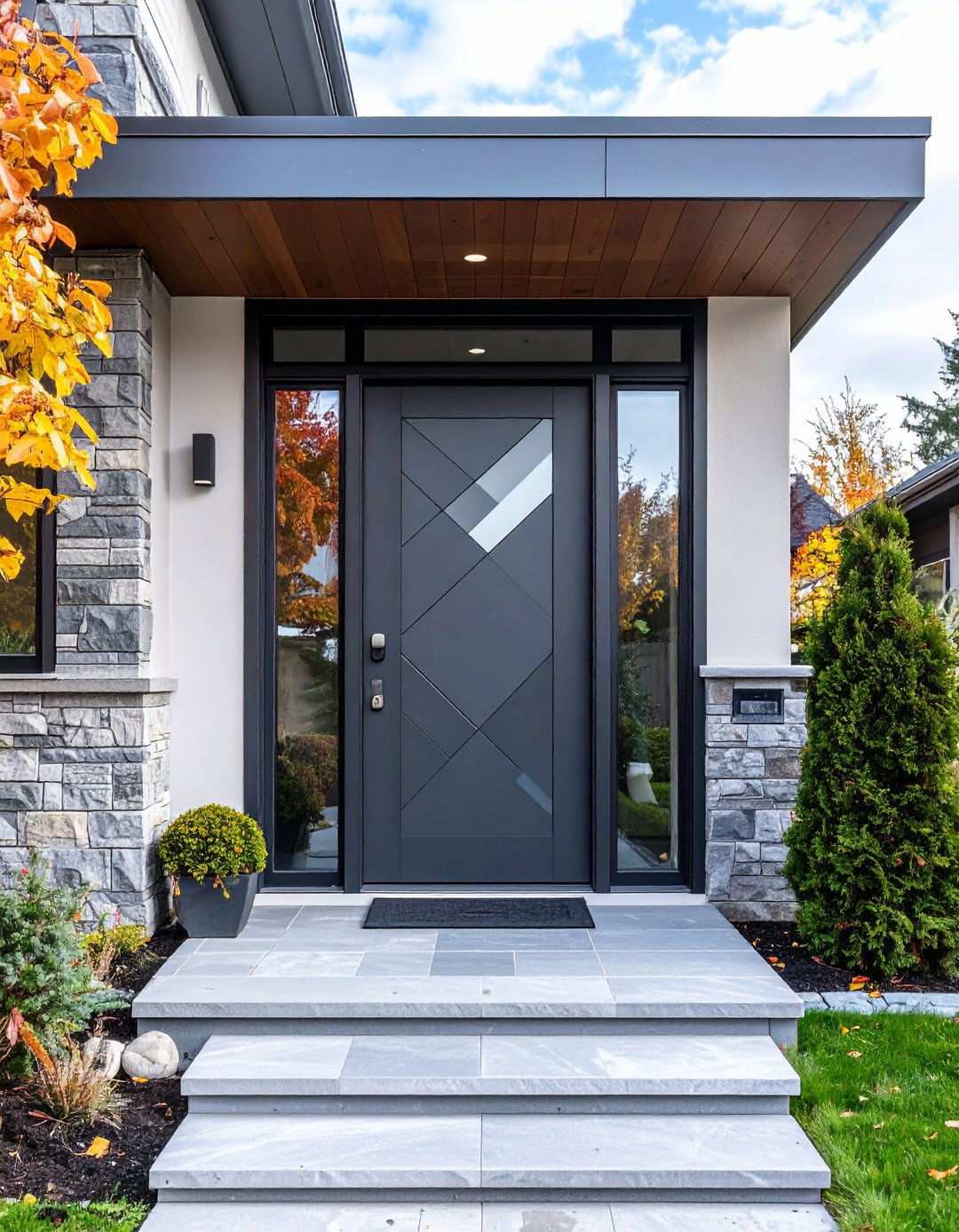
A bold geometric entry door is a standout feature of 1980s design, capturing the innovative spirit of a bygone era. Contemporary homeowners can update their entrance with a stunning door featuring angular panels, diagonal elements, or cutting-edge hardware that emphasizes clean lines and modern functionality. For added visual interest, consider bold colors like deep navy, charcoal gray, or vibrant accent hues that beautifully contrast with neutral siding. The door should serve as a striking focal point while maintaining proportion with the overall facade. With modern materials like fiberglass or steel offering superior durability and security compared to original 1980s doors, homeowners can upgrade their entryway with sleek, state-of-the-art designs.
8. Illuminating Design: Skylights and Roof Windows
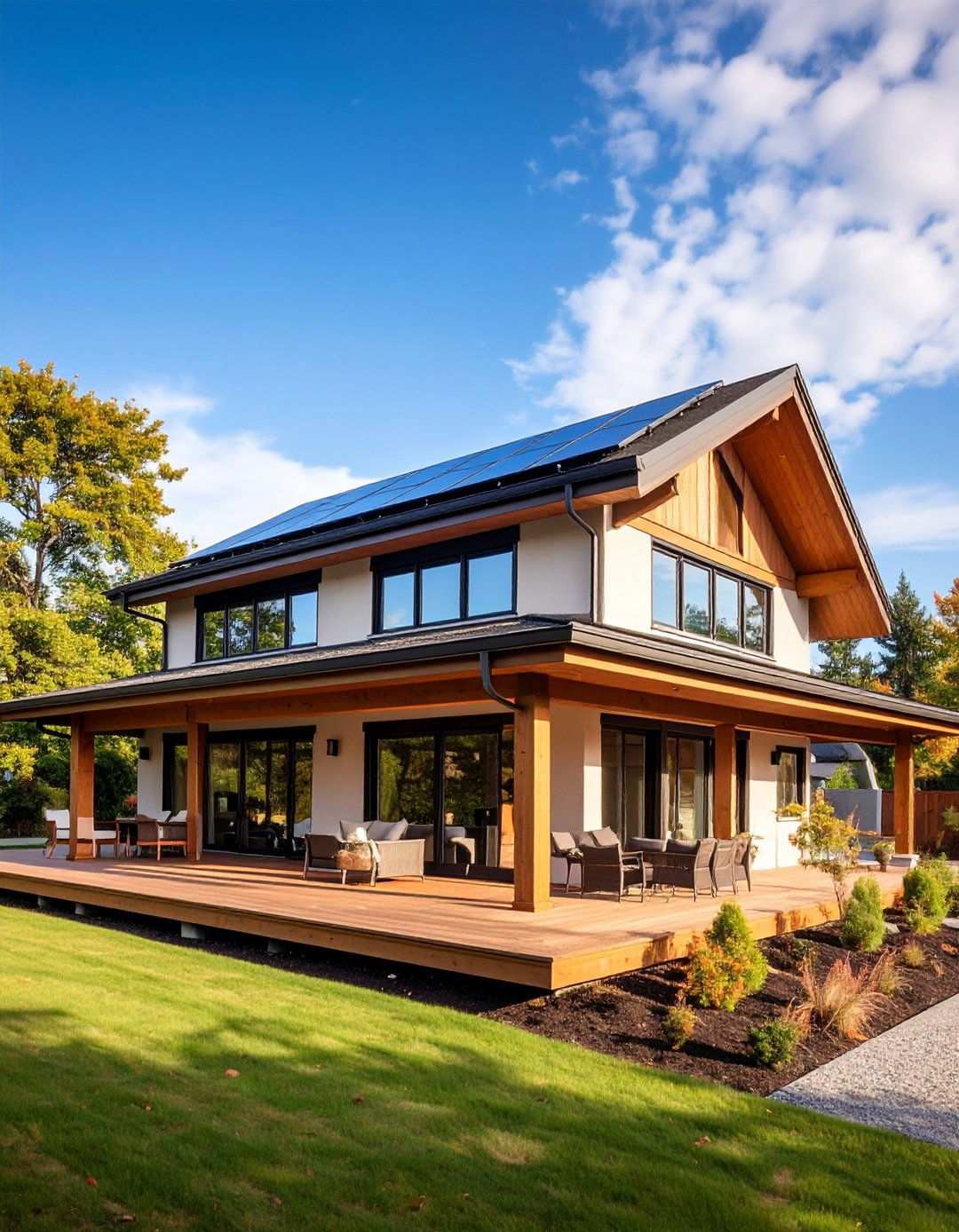
The emphasis on natural light in 1980s home design philosophy led to the increased use of skylights, which not only brought abundant daylight into interior spaces but also created visually appealing roof line variations that elevated exterior aesthetics. Strategically placing skylights above living areas, kitchens, or hallways can maximize natural illumination throughout the home. Modern skylight technology boasts superior energy efficiency, weather resistance, and UV protection compared to their 1980s counterparts, making them a more practical choice for contemporary homeowners. Low-profile designs that maintain clean roof lines while providing maximum light penetration are particularly well-suited to contemporary architectural styles, enhancing both interior comfort and exterior aesthetics with functional beauty.
9. Horizontal Siding with Clean Lines
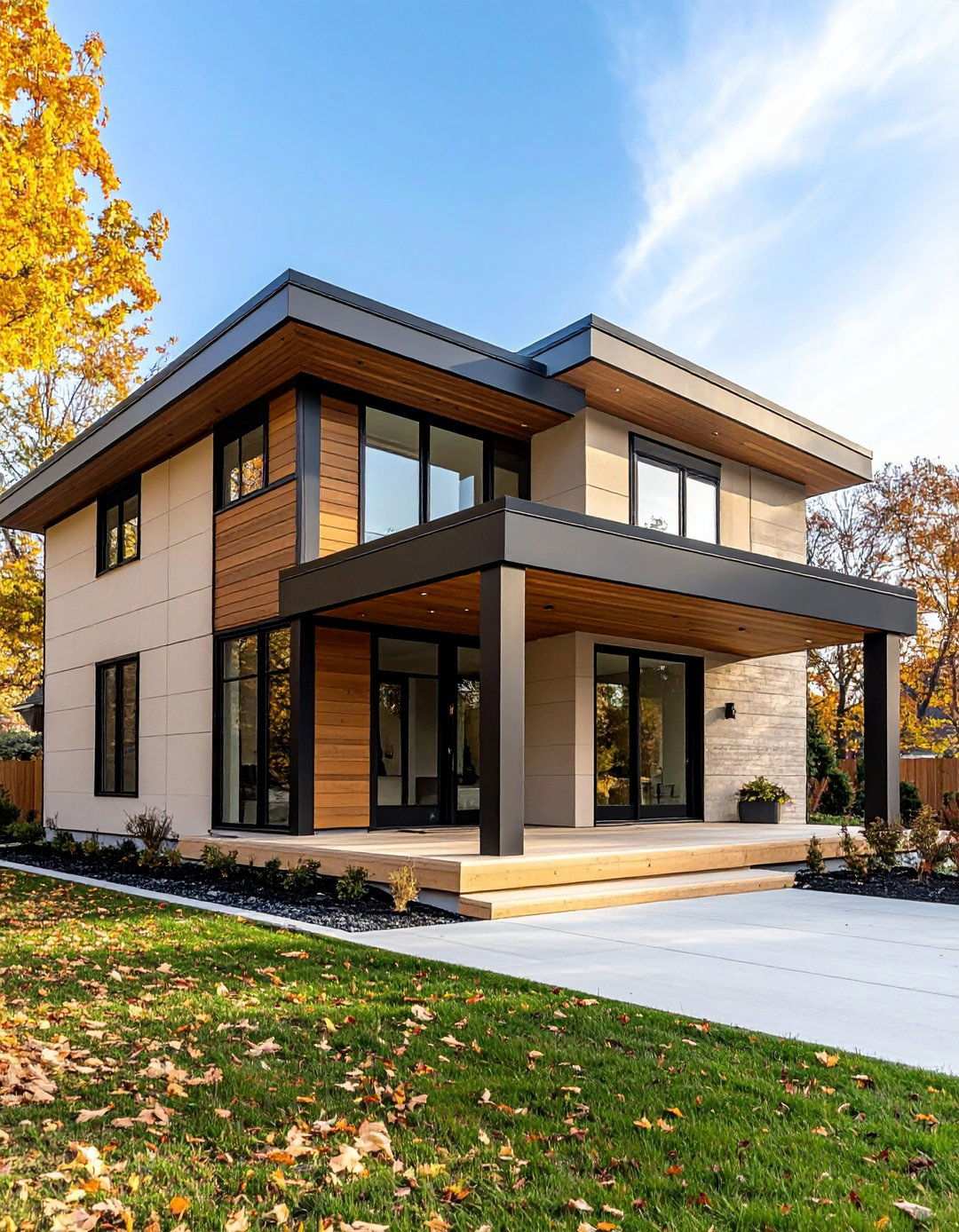
Streamlined aesthetics dominated the 1980s contemporary architectural landscape, with horizontal siding emerging as the preferred choice for creating a sense of modernity. Wide plank horizontal boards draw attention to a home’s width while maintaining a clean, uncluttered appearance that harmonizes with modern design principles. For a cohesive look, select fiber cement, vinyl, or engineered wood siding in consistent widths to replicate the distinct 1980s style. This horizontal orientation is particularly well-suited to ranch-style homes and contemporary designs, creating a visual flow that makes homes appear larger and more refined. Modern siding materials boast superior durability and reduced maintenance needs while retaining the clean aesthetic that defined 1980s horizontal siding.
10. Integrated Outdoor Living Spaces
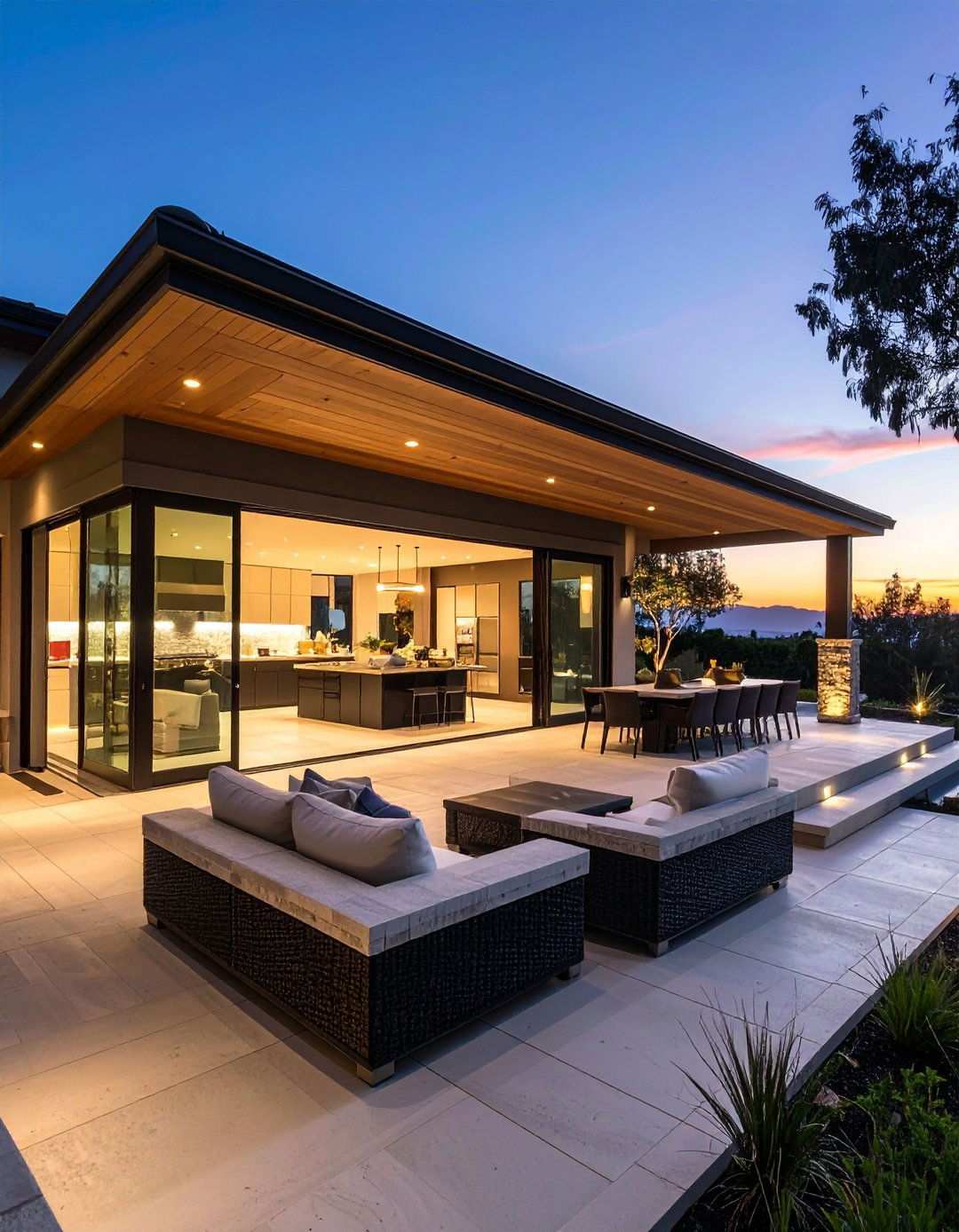
The 1980s revolutionary idea of seamless indoor-outdoor living transformed the concept of living spaces through thoughtfully designed patios, decks, and covered areas that seamlessly extended the home’s living area. Create covered patios with harmonious rooflines or design deck systems that harmonize with your home’s architectural style and exterior materials. Expansive windows and sliding doors connecting indoor spaces with outdoor patios were key features that amplified this integration. Maintaining visual cohesion between indoor and outdoor spaces is crucial, so use consistent materials and color schemes to create a sense of continuity. Consider incorporating outdoor kitchens, fire features, or built-in seating that echoes the clean lines and geometric forms of 1980s design while providing functional outdoor entertainment areas that exude sophistication.
11. Bronze and Dark Metal Accents
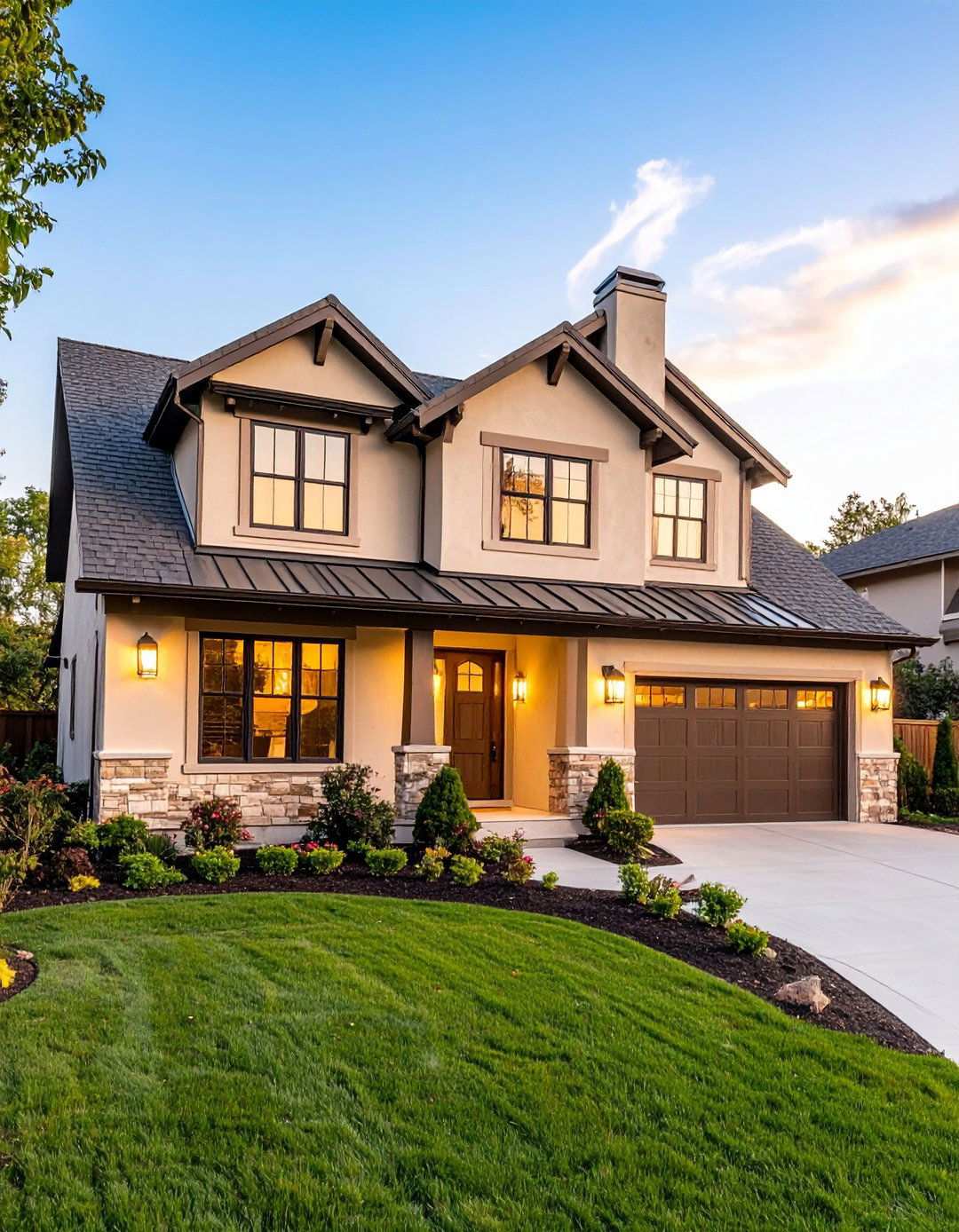
Bronze-colored windows and gutters were iconic elements of 1980s contemporary exterior design, providing sophisticated metallic accents that complemented neutral color schemes. These warm metal tones add depth and richness without overpowering the overall design composition. Choose bronze or dark bronze finishes for window frames, gutters, downspouts, light fixtures, and hardware elements to create a consistent and cohesive look. The uniformity of metal finishes throughout the exterior creates visual cohesion while adding subtle luxury touches. Modern bronze finishes boast superior durability and weather resistance compared to original 1980s materials, ensuring long-lasting beauty with minimal maintenance requirements while preserving that distinctive 1980s aesthetic appeal.
12. Dynamic Stucco Textures
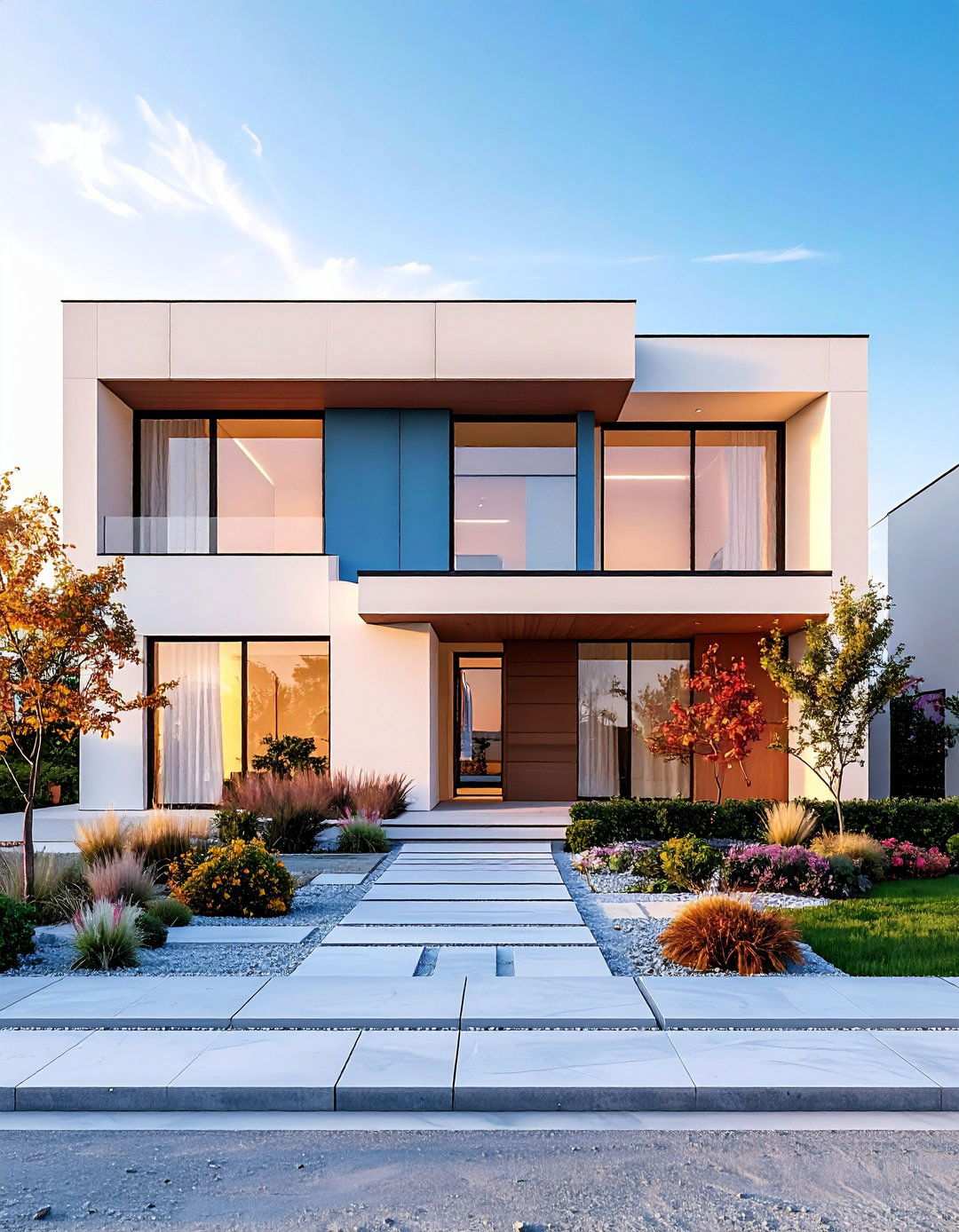
The 1980s saw a significant shift towards textured stucco finishes, which not only added visual interest but also provided a tactile experience. Stucco’s versatility allowed architects to shape and texture it to achieve various architectural styles and designs. Consider dash, sand, or lace textures that create nuanced pattern variations while maintaining the clean lines characteristic of 1980s design. These textured surfaces bring depth and dimension to large wall areas, preventing the monotony that can come with flat, uniform appearances. Furthermore, modern stucco techniques have improved weather resistance and durability, allowing for creative texture combinations that complement any architectural style. When choosing textures, consider the scale and proportions of your building to ensure a harmonious balance.
13. Harmonious Monochromatic Color Palettes
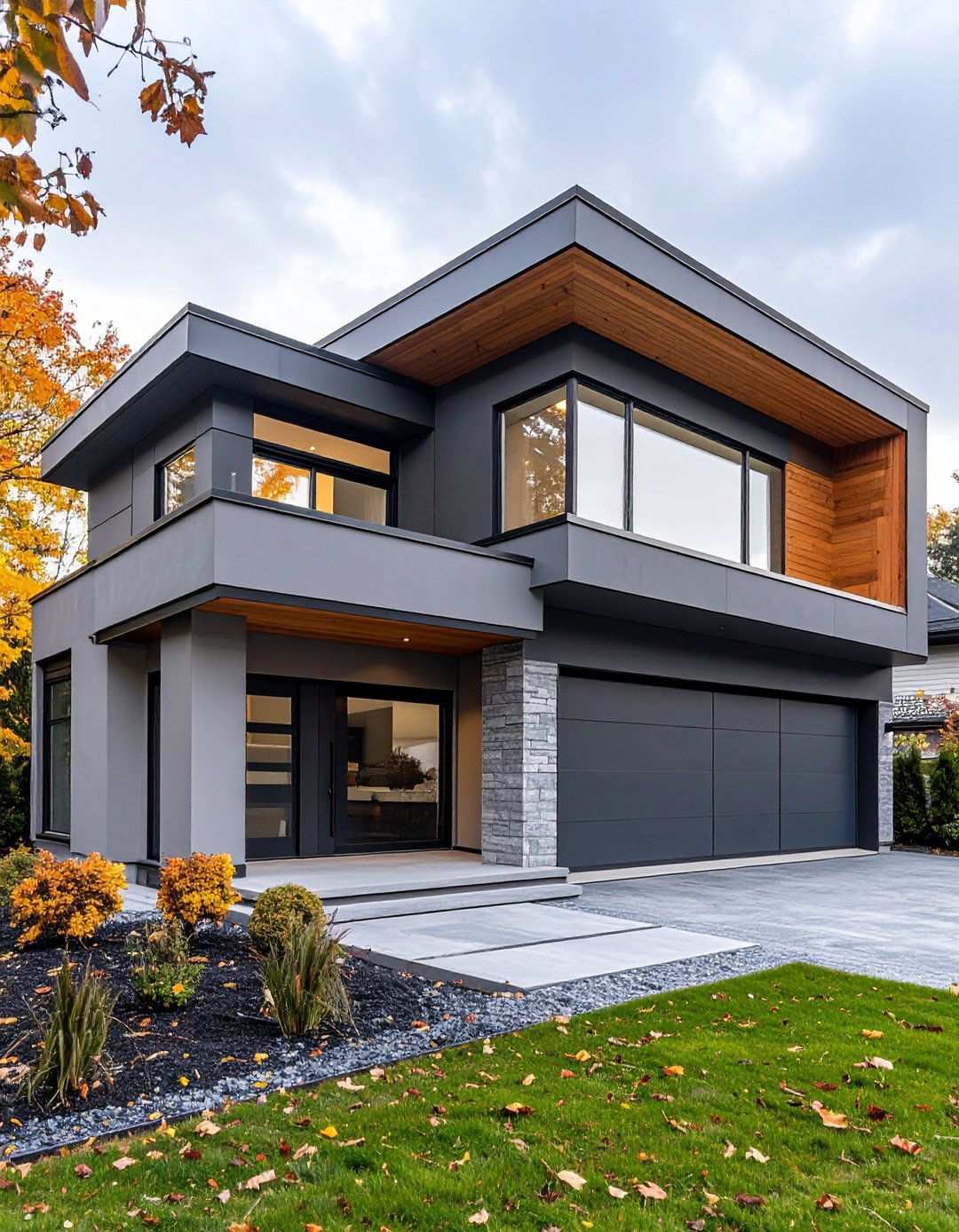
In 1980s design, sticking to a single color family was a deliberate choice, eliminating visual clutter and creating a sophisticated exterior composition. By using variations of a single color throughout the exterior, architects achieved subtle depth without introducing competing hues. This approach is particularly well-suited for contemporary architectural styles, emphasizing form and proportion over decorative color contrasts. Monochromatic schemes create timeless appeal that won’t quickly become dated, while allowing architectural elements like rooflines, windows, and landscaping to provide visual interest. Moreover, this cohesive approach enables homeowners to make a lasting impression, as the exterior design exudes a sense of maturity and refinement. The result is a sophisticated exterior that exemplifies 1980s design philosophy while maintaining contemporary relevance.
14. Seamless Garage Door Integration
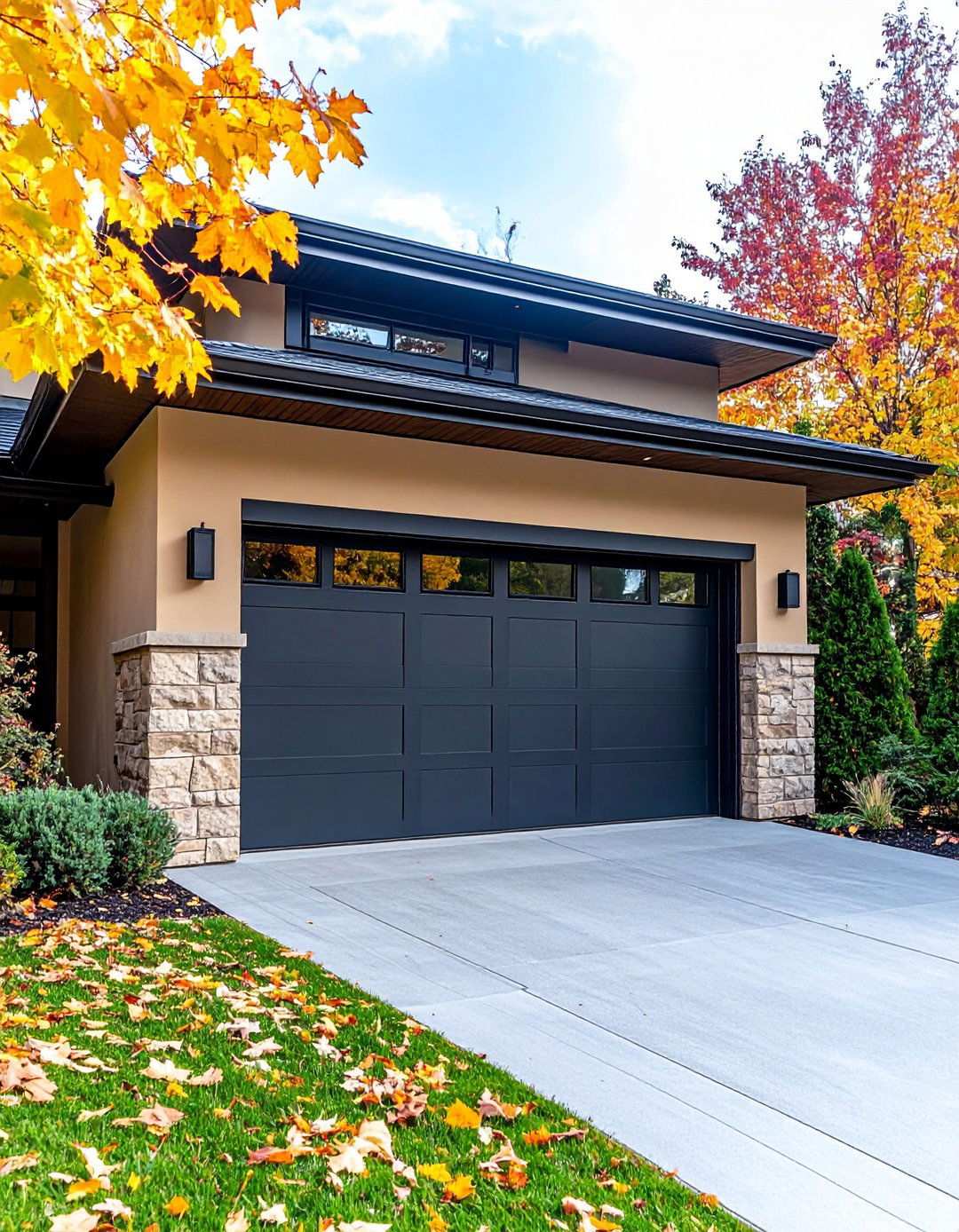
As 1980s architects sought to minimize visual disruption from utilitarian elements, designing seamless garage door integration became a crucial consideration. Rather than standing out as separate elements, choose garage doors that complement your home’s overall aesthetic. Modern garage doors offer a wide range of design options, from clean contemporary panels to doors with windows that match your home’s fenestration patterns. When selecting materials and colors, consider coordinating with your siding and trim to create a seamless integration that enhances rather than detracts from your home’s curb appeal. By combining smart garage door technology with a clean, sophisticated design, homeowners can maintain a quality 1980s exterior look while enjoying modern convenience and functionality.
15. Geometric Landscape Design
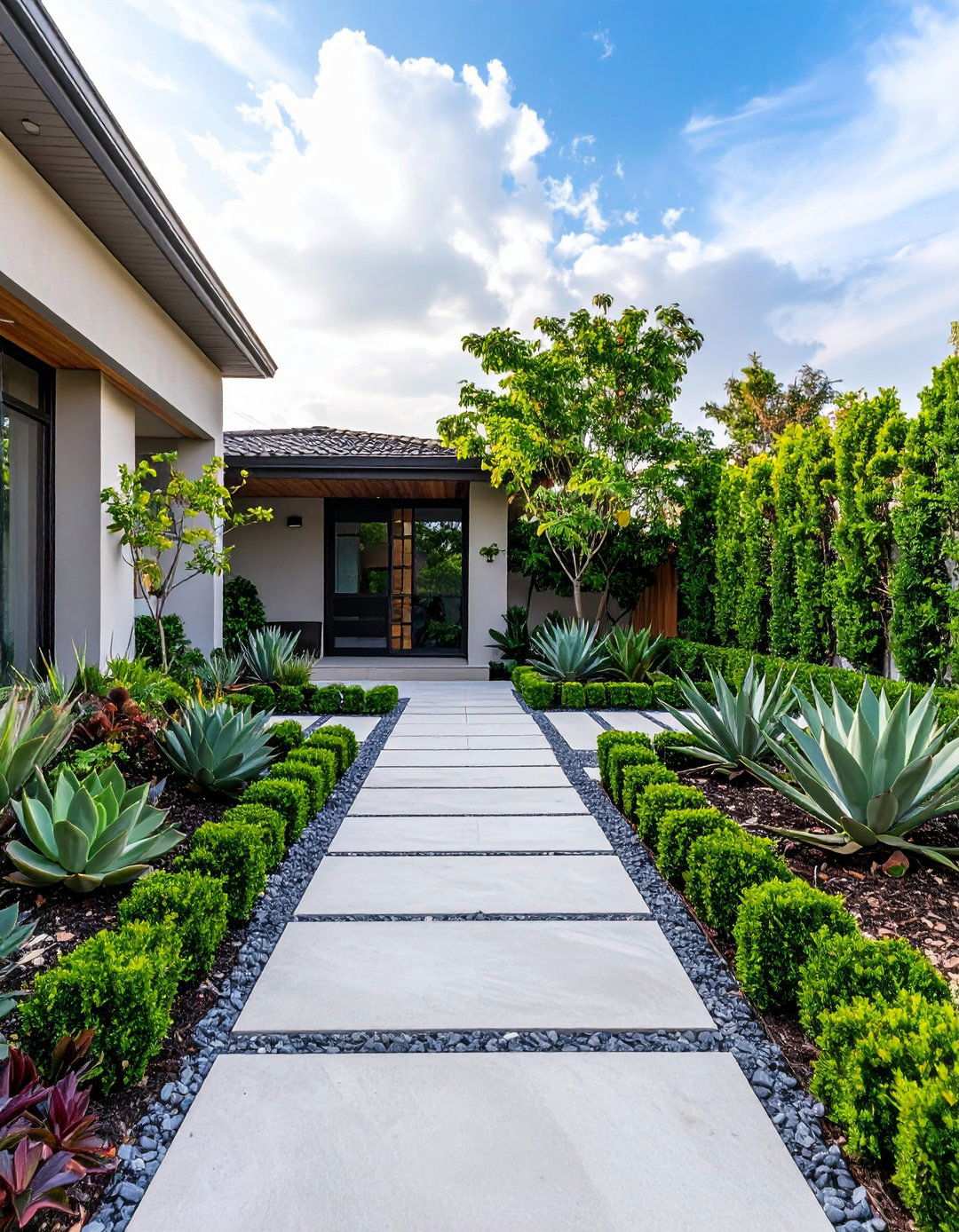
To achieve a cohesive look for your home exterior, consider incorporating geometric landscape design principles. Inspired by the clean lines of 1980s architecture, this approach involves using shapes and patterns to create a sense of order and balance in your outdoor spaces. A well-designed walkway, for instance, can be created using large, rectangular concrete pavers, drawing a straight line from the driveway to the front entrance. To enhance this visual pathway, use geometric shapes in plant arrangements, such as ornamental grasses, boxwood hedges, or architectural succulents positioned in linear or curved patterns. By adopting this design strategy, you can create a low-maintenance garden that exudes the timeless style of the 1980s while maintaining year-round visual appeal.
16. Contemporary Window Arrangements
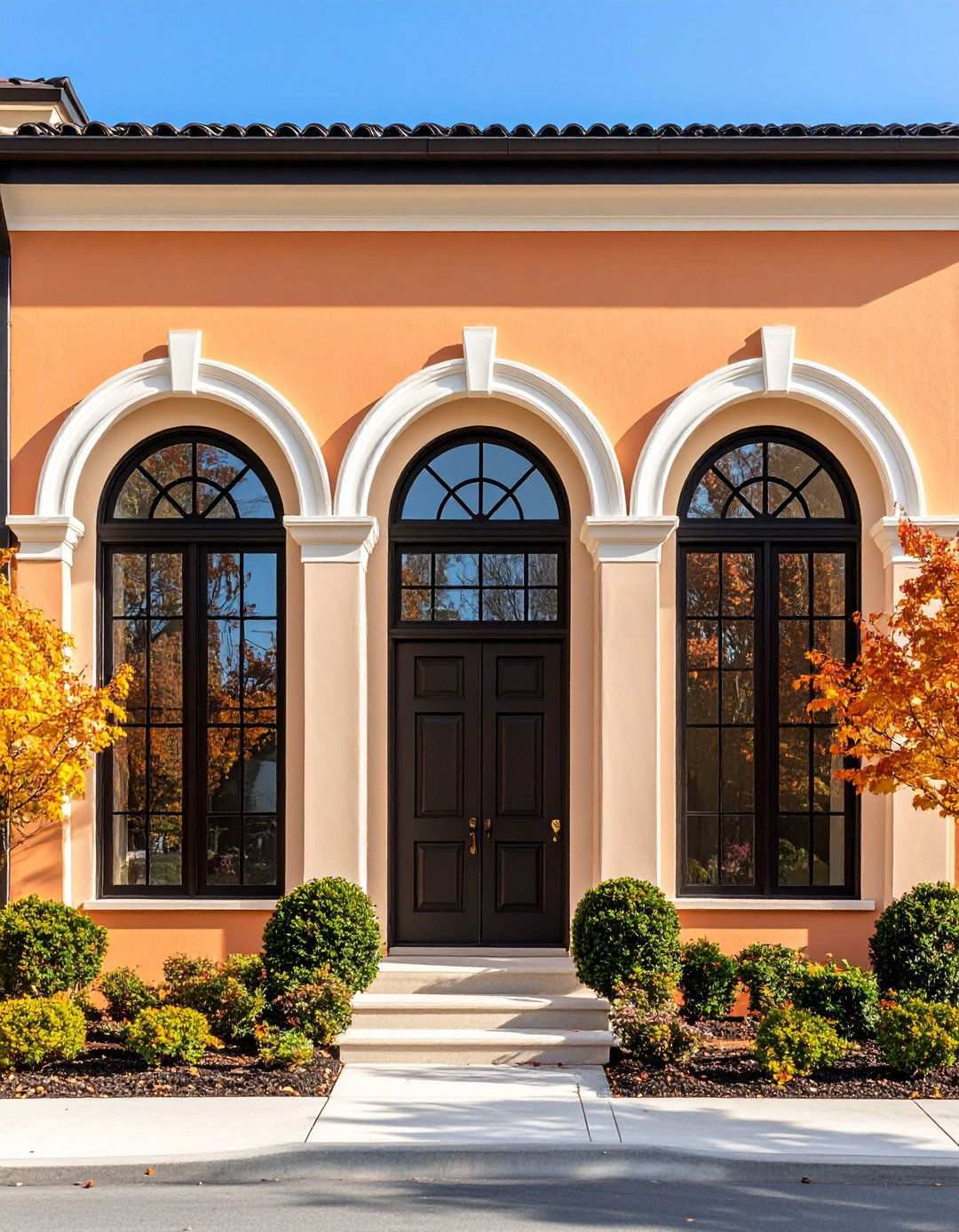
The innovative window designs of the 1980s played a crucial role in defining the era’s aesthetic. By experimenting with non-traditional window configurations, designers achieved a look that was both visually striking and functional. To replicate this effect, consider grouping windows in a way that emphasizes horizontal lines, or add specialty shapes like circular or triangular windows as accent elements. When combining different window sizes and shapes, strike a balance to ensure adequate natural light penetration and avoid overwhelming the exterior composition. Given the advancements in modern energy-efficient windows, you can now capture the aesthetic charm of the 1980s while benefiting from superior performance, comfort, and reduced energy costs. Think carefully about how window placement affects both interior lighting and exterior design, ensuring that each window contributes to the overall visual appeal of your home.
17. Neutral Brick and Stone Combinations
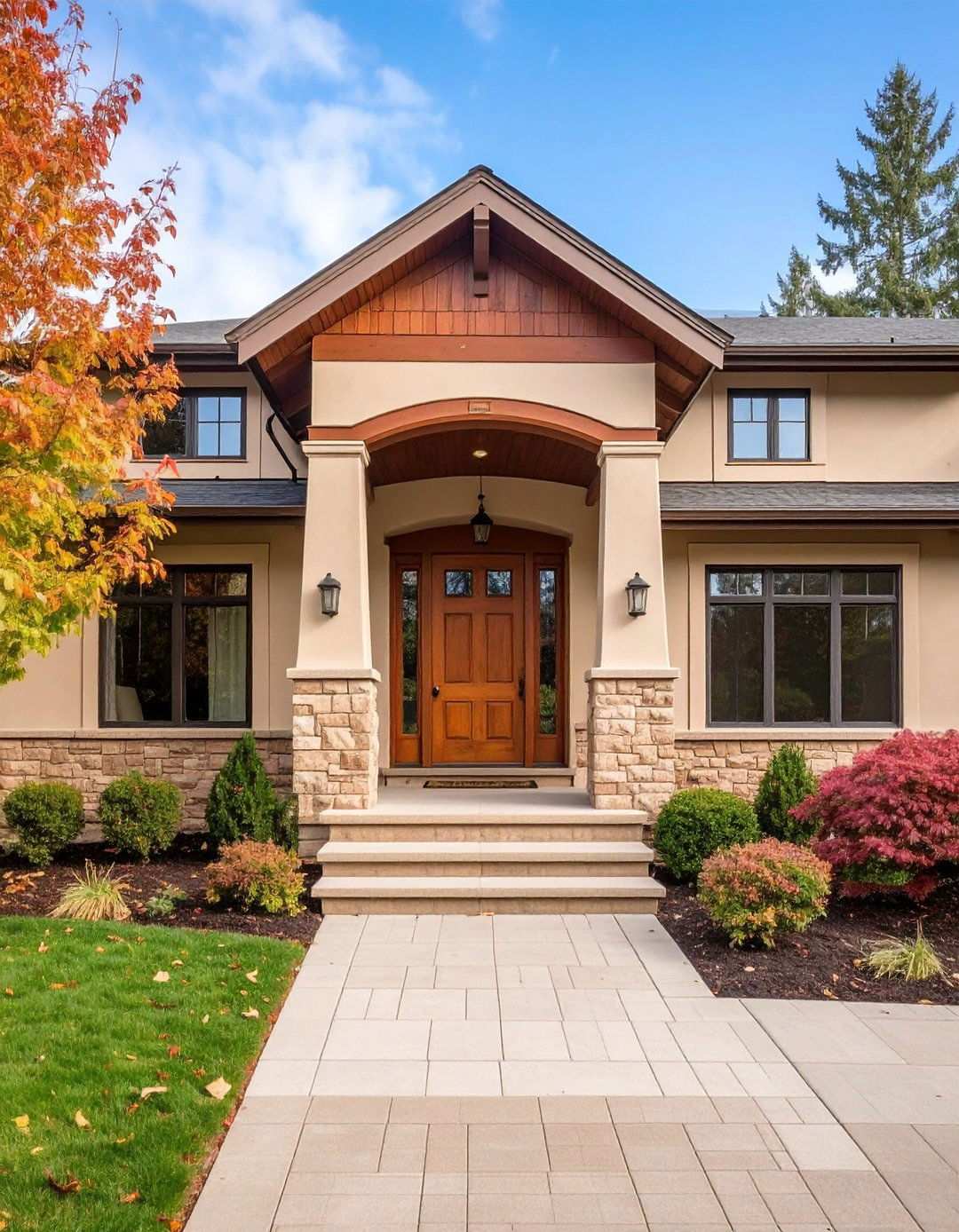
In 1980s construction, brick was prized for its durability and low maintenance, often paired with other materials to create sophisticated exterior compositions. To achieve a similar look, consider using brick in neutral tones like soft gray, beige, or warm tan, then combine it with stucco or wood siding for visual interest. This combination is particularly effective when creating architectural zones, such as using brick for foundation areas and lighter materials for upper wall sections. The natural texture and color variation of brick add warmth and character to contemporary designs while providing excellent durability. Modern brick options boast improved weather resistance and consistent coloring compared to original 1980s materials, making them an attractive choice for updating your home’s exterior.
18. Flat and Low-Pitched Roofs
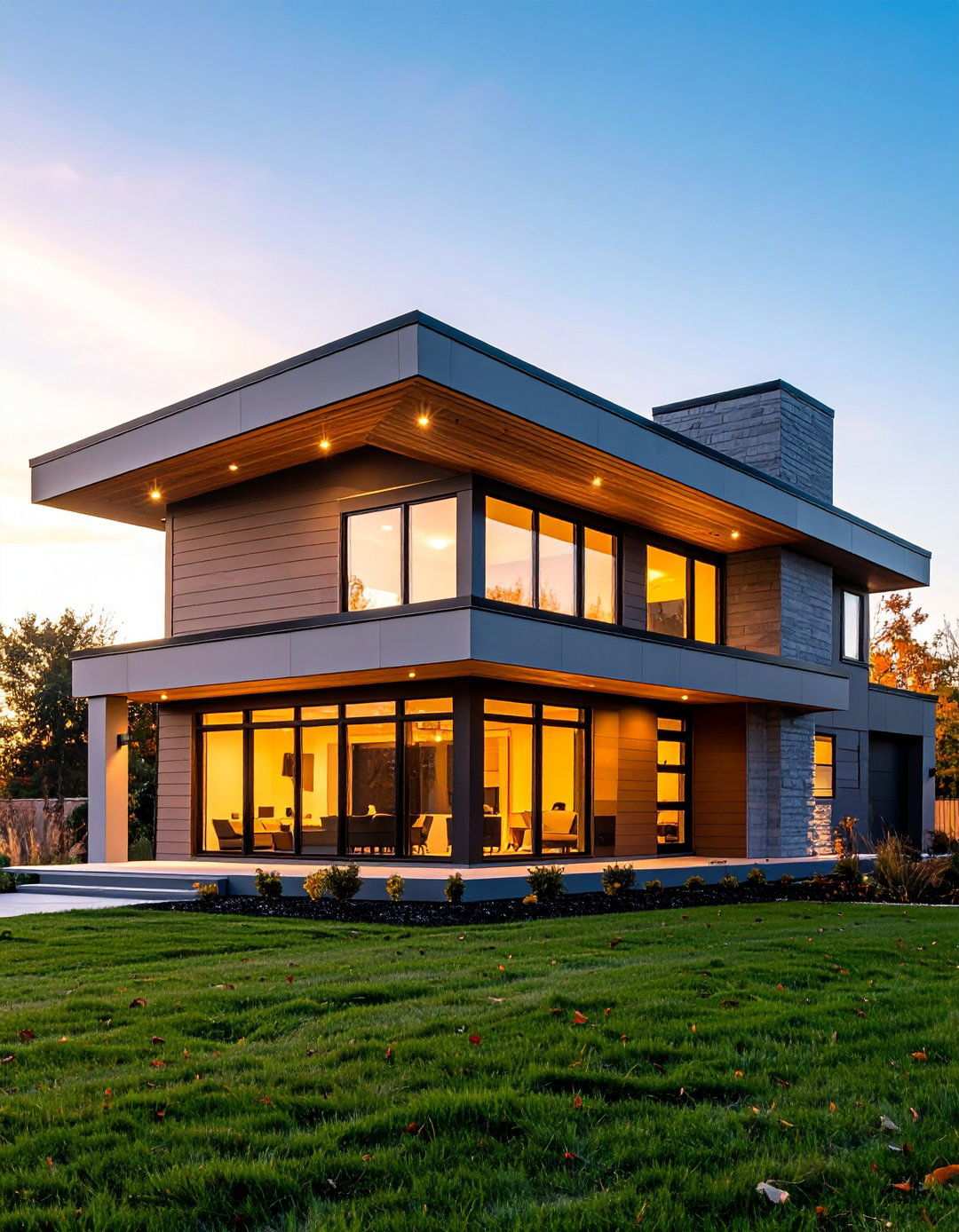
Ranch and suburban homes of the 1980s are instantly recognizable by their low-pitched roofs, which emphasize horizontal lines and a thoroughly modern aesthetic. These roof forms create uncluttered profiles that perfectly complement modern siding materials and expansive window installations, allowing homeowners to achieve a defining characteristic of 1980s contemporary design. Aiming for flat or very low-pitched roofs with concealed gutters and minimal overhangs can help evoke the essence of the decade’s architectural style. With modern roofing materials and techniques offering superior weather protection and energy efficiency compared to original 1980s installations, homeowners can now enjoy the benefits of a bygone era while safeguarding against the challenges of the past. The clean, geometric design of simplified roof forms allows other striking architectural elements to take center stage, including interesting siding materials and dramatic window arrangements.
19. Iron Ore and Dark Charcoal Exteriors
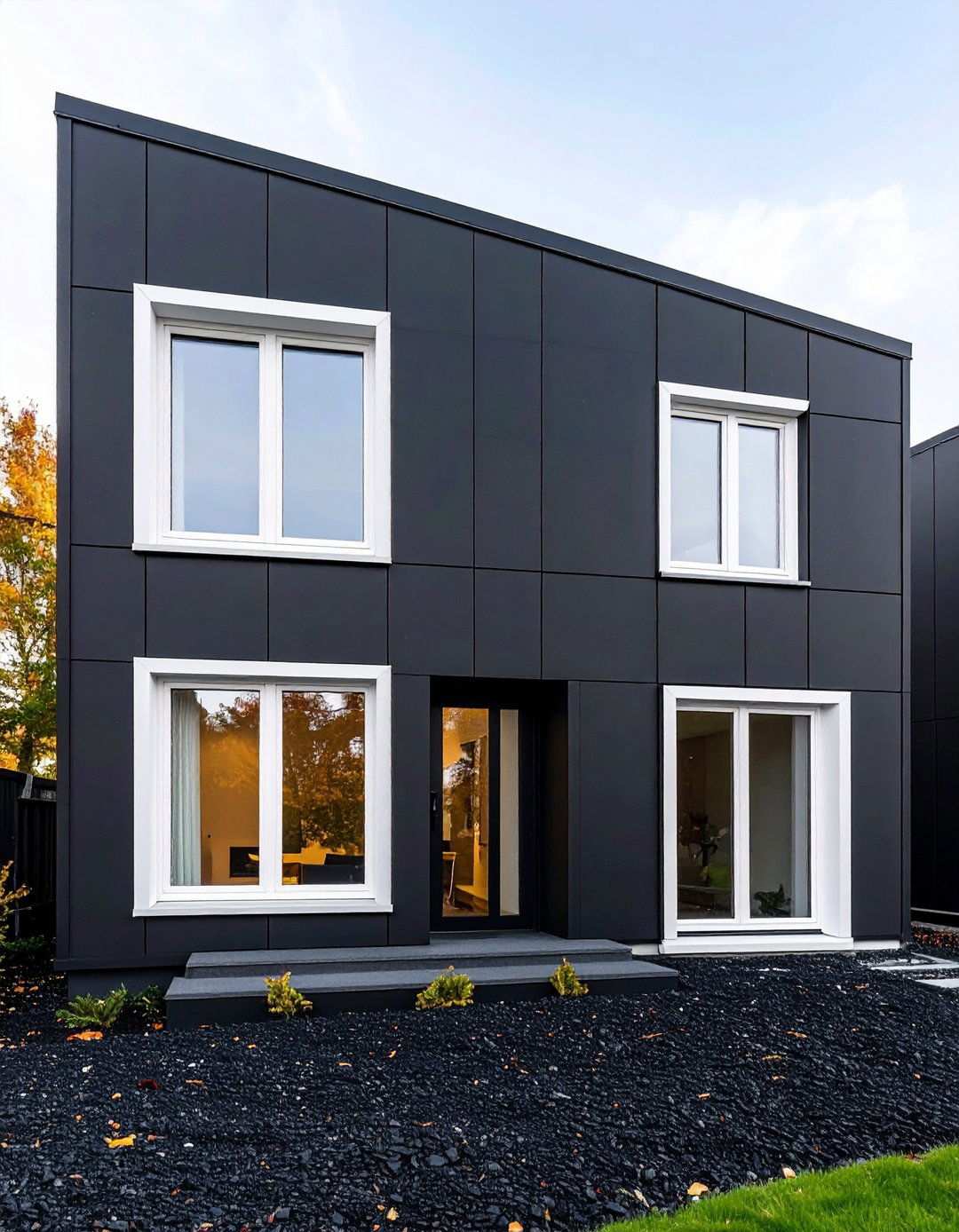
Sherwin-Williams Iron Ore has become a game-changer for homeowners looking to update their 1980s contemporary, offering a sophisticated, dark neutral that skillfully emphasizes architectural form and creates a bold, eye-catching curb appeal. This deep, charcoal-inspired color works remarkably well with contemporary architectural styles, accentuating clean lines and geometric elements in a way that’s both dramatic and visually striking. While dark exteriors do require thoughtful consideration when it comes to trim colors and accents to maintain visual balance, the end result is a striking, memorable appearance that sets homes apart in residential neighborhoods. With modern paint formulations offering superior fade resistance and durability compared to original 1980s dark colors, homeowners can enjoy long-lasting beauty with minimal maintenance while their dark neutrals provide a timeless backdrop for seasonal decorative elements.
20. Fiber Cement Siding Systems
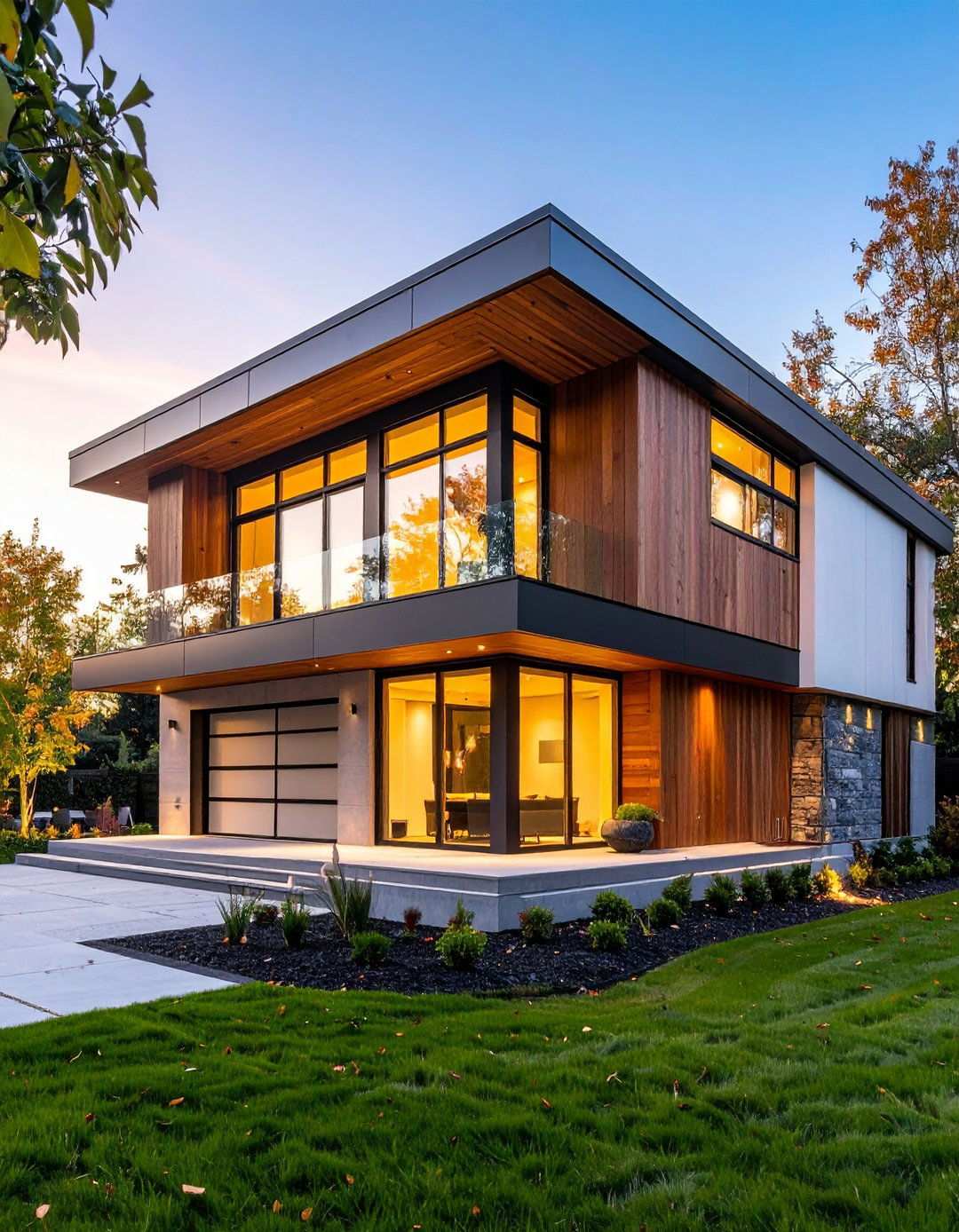
Fiber cement siding, first introduced in the late 1980s, has become a staple of modern home design due to its superior durability and design flexibility compared to traditional options. When choosing fiber cement siding, homeowners can opt for materials that mimic the look of wood, stucco, or other materials while providing enhanced weather resistance and lower maintenance requirements. The versatility of fiber cement siding allows for various textures and finishes that can capture the authentic 1980s aesthetic while offering modern performance benefits, making it an ideal choice for homeowners seeking that distinctive look without the associated maintenance challenges. With fiber cement siding maintaining its appearance longer than many traditional materials, it provides excellent long-term value and a consistent, clean appearance that perfectly complements contemporary architectural styles.