1. Reviving the Vintage Vibe with Teak Dining Tables
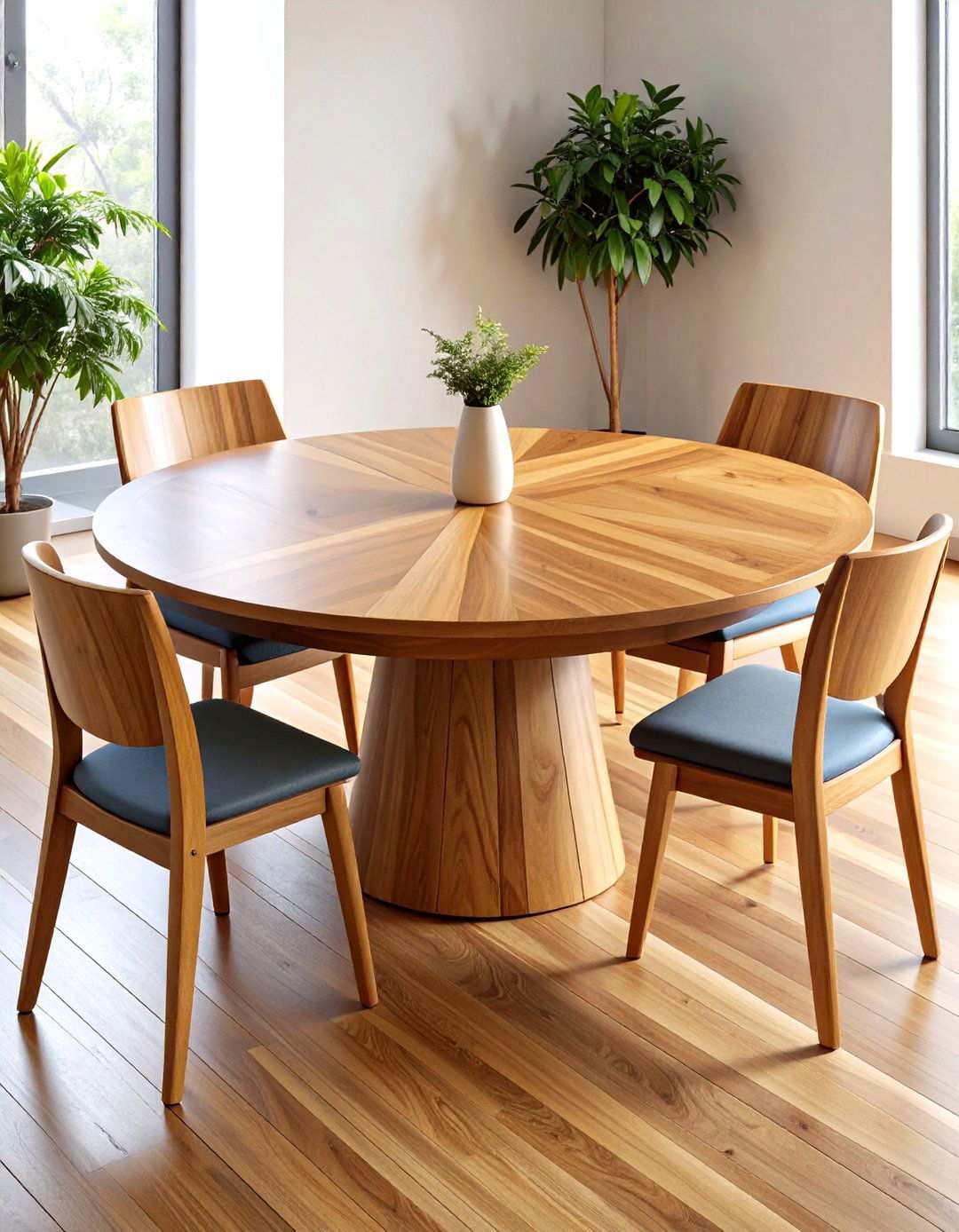
The teak wood dining table remains a quintessential element in 1970s-inspired design, imbuing dining spaces with a natural warmth that’s equal parts Scandinavian elegance and organic charm. As the focal point of the room, teak tables boast rich, golden-brown grain patterns that develop a beautiful patina over the years, telling the story of countless meals shared with loved ones. Built to withstand the demands of daily life, teak is prized for its exceptional durability, thanks to its natural oils that provide protection against moisture, insects, and wear. Whether you opt for a round pedestal design that fosters intimate conversations or a rectangular model with butterfly leaves for larger gatherings, teak tables offer versatility and longevity. Look for vintage pieces that showcase exceptional craftsmanship, such as dovetail joints and smooth finishes, or consider contemporary reproductions that strike a balance between nostalgia and modern practicality.
2. The Luxurious Appeal of Velvet Dining Chairs
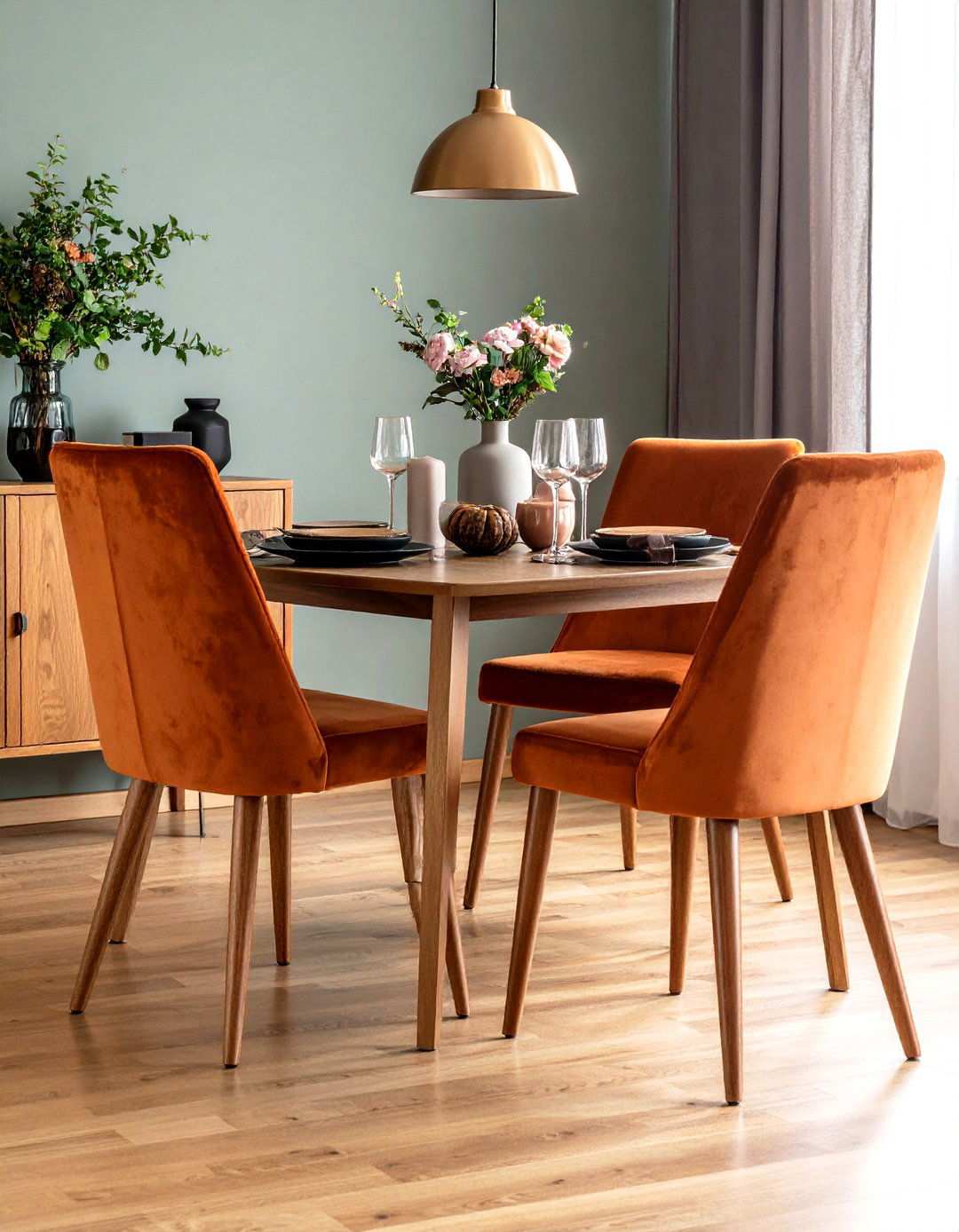
Velvet dining chairs embody the opulent comfort that defined 1970s interior design, where functionality and aesthetics merged to create spaces that exuded warmth and personality. Rich, jewel-toned velvets in burnt orange, deep burgundy, and chocolate brown create an inviting atmosphere that encourages lingering conversations over extended meals. The plush texture of velvet adds visual and tactile interest, reflecting light beautifully under period-inspired lighting fixtures that showcase the era’s flair for drama. Modern velvet chairs often feature stain-resistant treatments that preserve the authentic look while addressing practical concerns. For maximum comfort, choose high-backed designs with curved silhouettes that evoke the era’s fascination with organic shapes. Alternatively, opt for swivel bases that capture the space-age essence of 1970s design. When mixed with other seating styles, velvet chairs work harmoniously to create the collected look that 1970s decorators cherished, eschewing matching furniture sets for a more eclectic, curated aesthetic.

As an Amazon Associate I earn from qualifying purchases.
3. Sputnik Chandeliers for Elevated Dining Ambiance
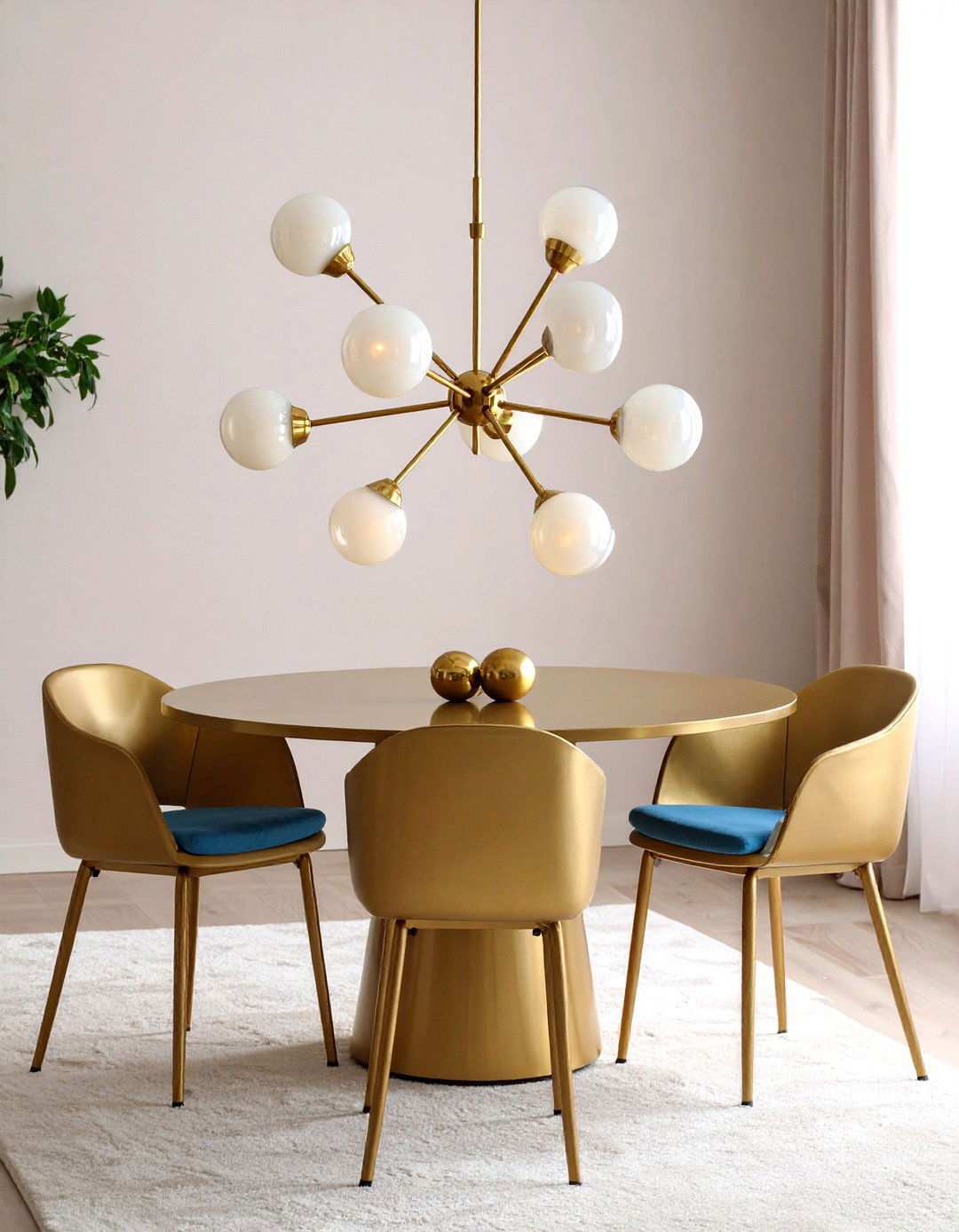
Sputnik chandeliers are instantly recognizable 70s design icons, boasting a starburst silhouette composed of multiple light bulbs that imbue dining areas with a touch of futuristic flair. These dramatic fixtures seamlessly blend artistic expression with functional lighting, serving as conversation-starting focal points in spaces that celebrate retro style. Available in a range of finishes such as polished brass, satin chrome, and burnished bronze, sputnik lights effortlessly complement diverse color schemes and furniture aesthetics. Contemporary interpretations often incorporate soft-touch opaline glass globes or delicate alabaster shades, subtly shifting the original design’s focus from bright, radiant illumination to softer, more diffused light distribution. To maximize versatility, consider fixtures with adjustable height settings, ideal for seamlessly transitioning between various dining settings.
4. Avocado Tone Color Palettes for Cozy Retro Dining
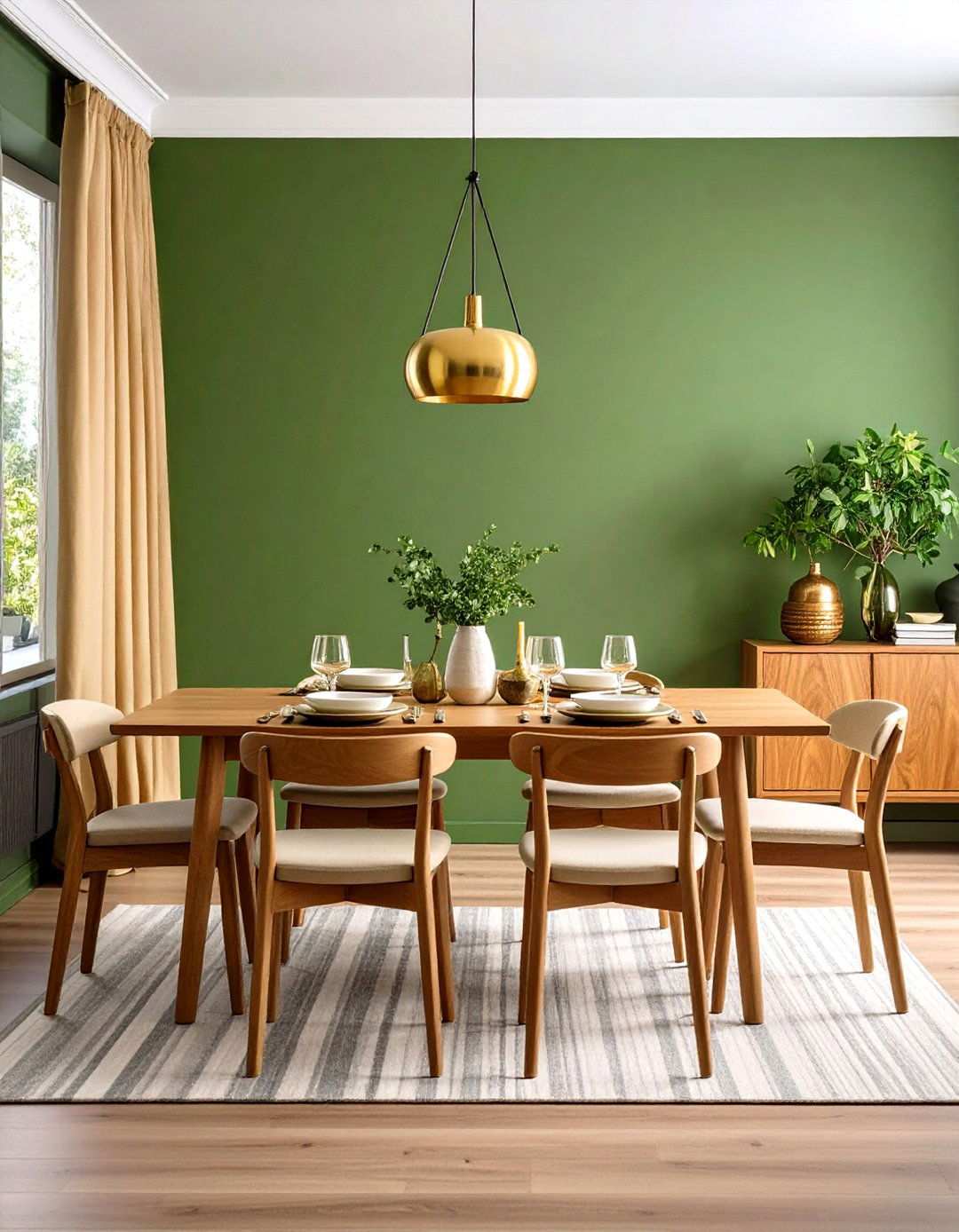
Avocado green has become an unmistakable symbol of 70s design, radiating freshness and natural vitality in dining room color schemes. This distinctive hue can be beautifully applied to accent walls, creating striking backdrops for teak furniture and complementary brass accents. The earthy undertones inherent to avocado green perfectly complement the richness of warm wood grains, while also providing sufficient contrast to stimulate visual interest. Homeowners seeking a more subdued alternative to bold avocado tone can opt for olive green, which still conveys vintage character without overwhelming the senses. To prevent the space from becoming too monolithic, balance avocado tones with complementary accents such as cream, brown, or gold. Authentic period color combinations feature avocado paired with harvest gold and burnt orange.
5. Plush Shag Rugs for Sensory 70s Dining Room Comfort
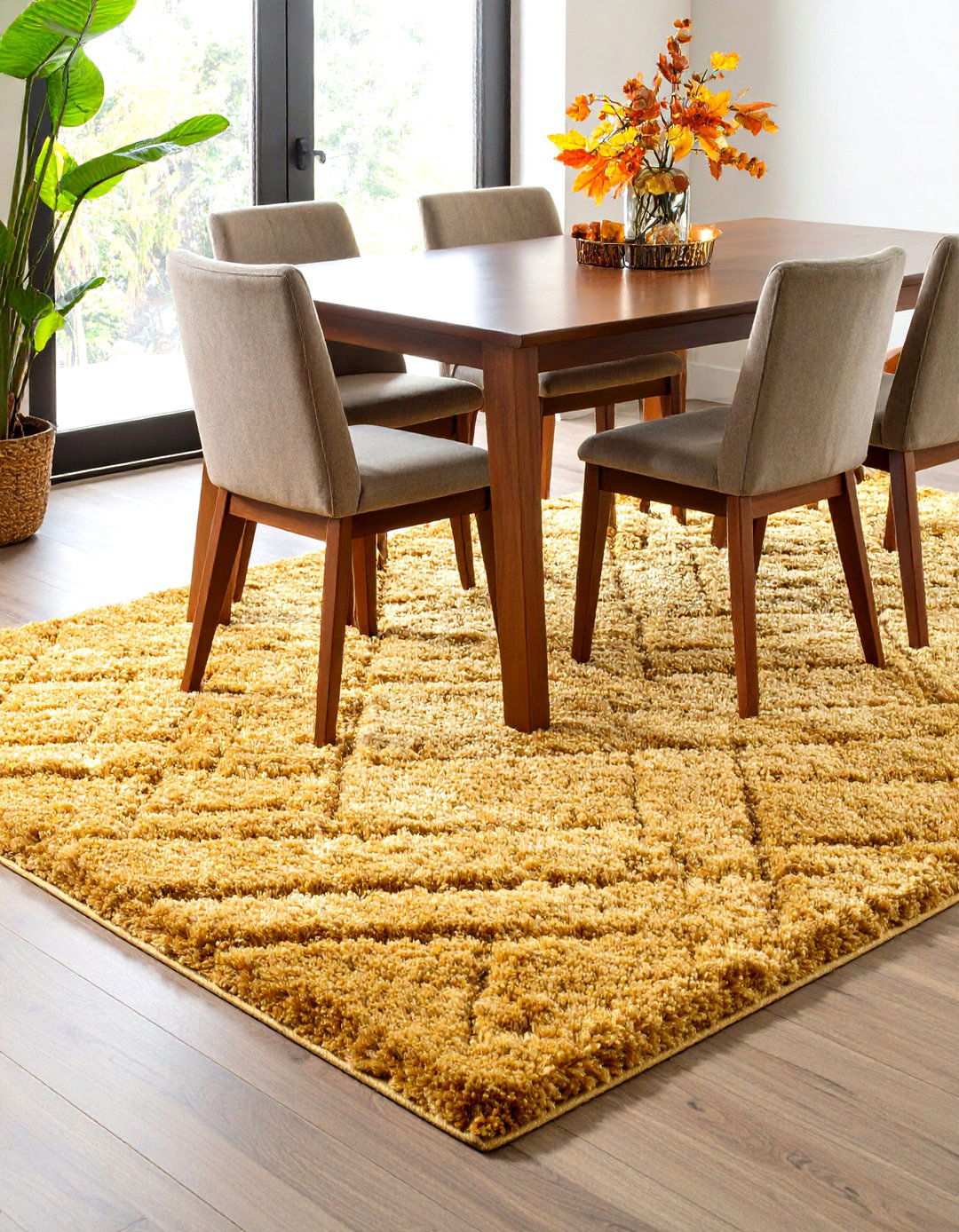
Thick, plush shag rugs played a crucial role in creating inviting, textured foundations in 70s dining rooms, beckoning barefoot relaxation after formal meals. These deep-pile carpets came in a vibrant array of colors, including harvest gold, avocado green, and burnt orange, often featuring striking patterns or bold, unadulterated hues that perfectly complemented the era’s adventurous design approach. Contemporary shag rugs, in contrast, tend to favor neutral tones that seamlessly blend with modern interiors, yet still provide a luxurious underfoot experience. For dining areas where spills are a concern, choose washable cotton or synthetic options that effortlessly maintain their texture and color. By juxtaposing smooth teak surfaces with plush floor coverings, you can create a visually engaging contrast that elevates the room’s overall sensory appeal. Position large, rectangular rugs to accommodate all dining chairs, ensuring effortless navigation when chairs are pulled out from the table.
6. Bold Geometric Wallpaper Patterns for Unforgettable Dining Rooms
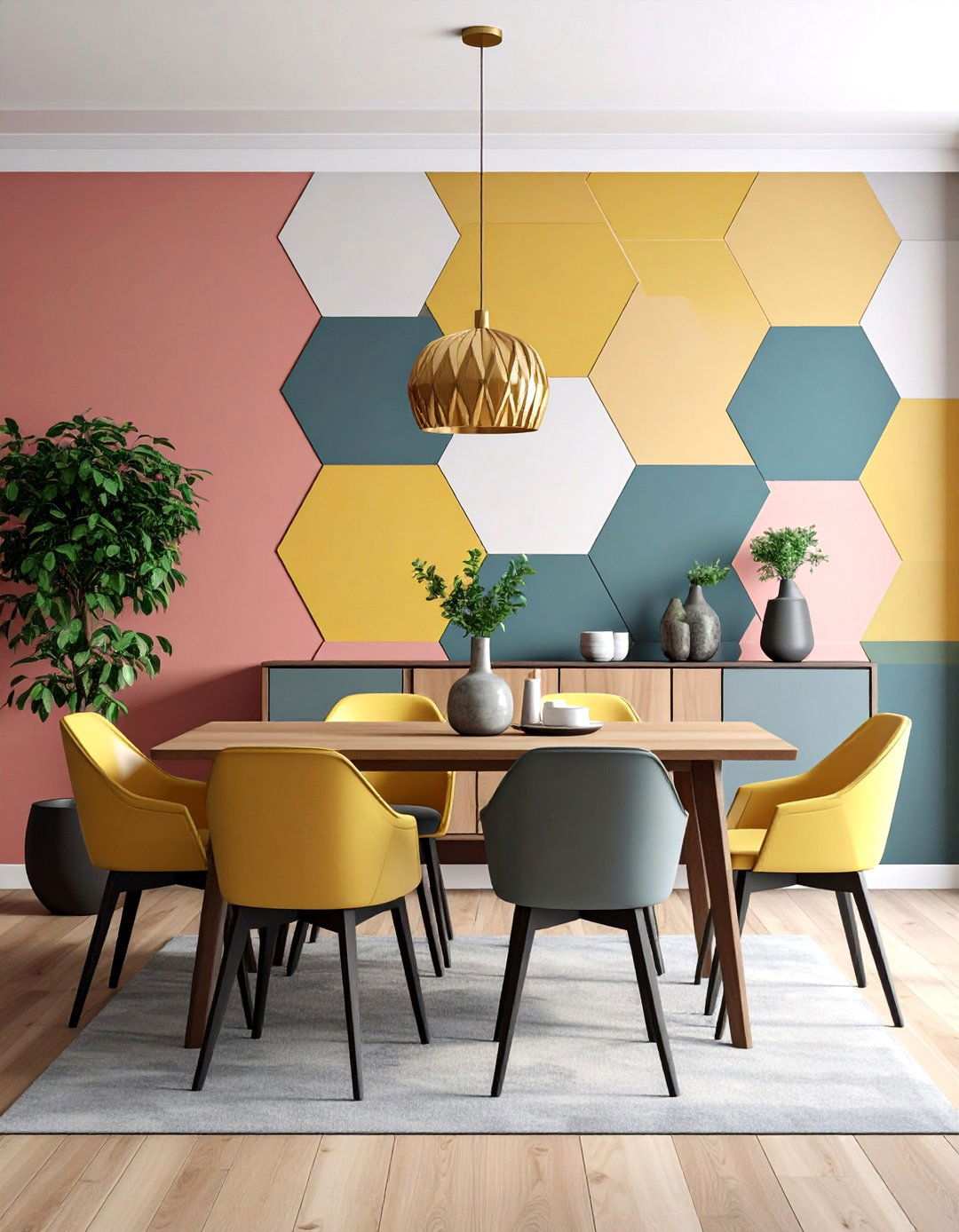
A defining feature of 70s interior design, bold geometric patterns brought a sense of dynamic energy to dining rooms through the strategic use of contrasting colors and repeating shapes. These modern and experimental designs often incorporated squares, circles, hexagons, and psychedelic swirls that paid homage to the era’s avant-garde artistic spirit. To prevent overwhelming smaller dining spaces, geometric patterns work best on single accent walls, where their visual impact can be fully appreciated. Contemporary geometric wallpapers have updated color palettes that stay true to their bold graphic appeal, making them a timeless choice for modern homes. For those who want flexibility in their design choices, removable wallpaper options are a great way to go, especially in rental properties or spaces where design changes are frequent. The addition of metallic accents in gold or copper can further elevate geometric designs, adding a touch of glamour that catches the eye.
7. Harvest Gold Accents for Warming Up Your 70s-Style Dining Room
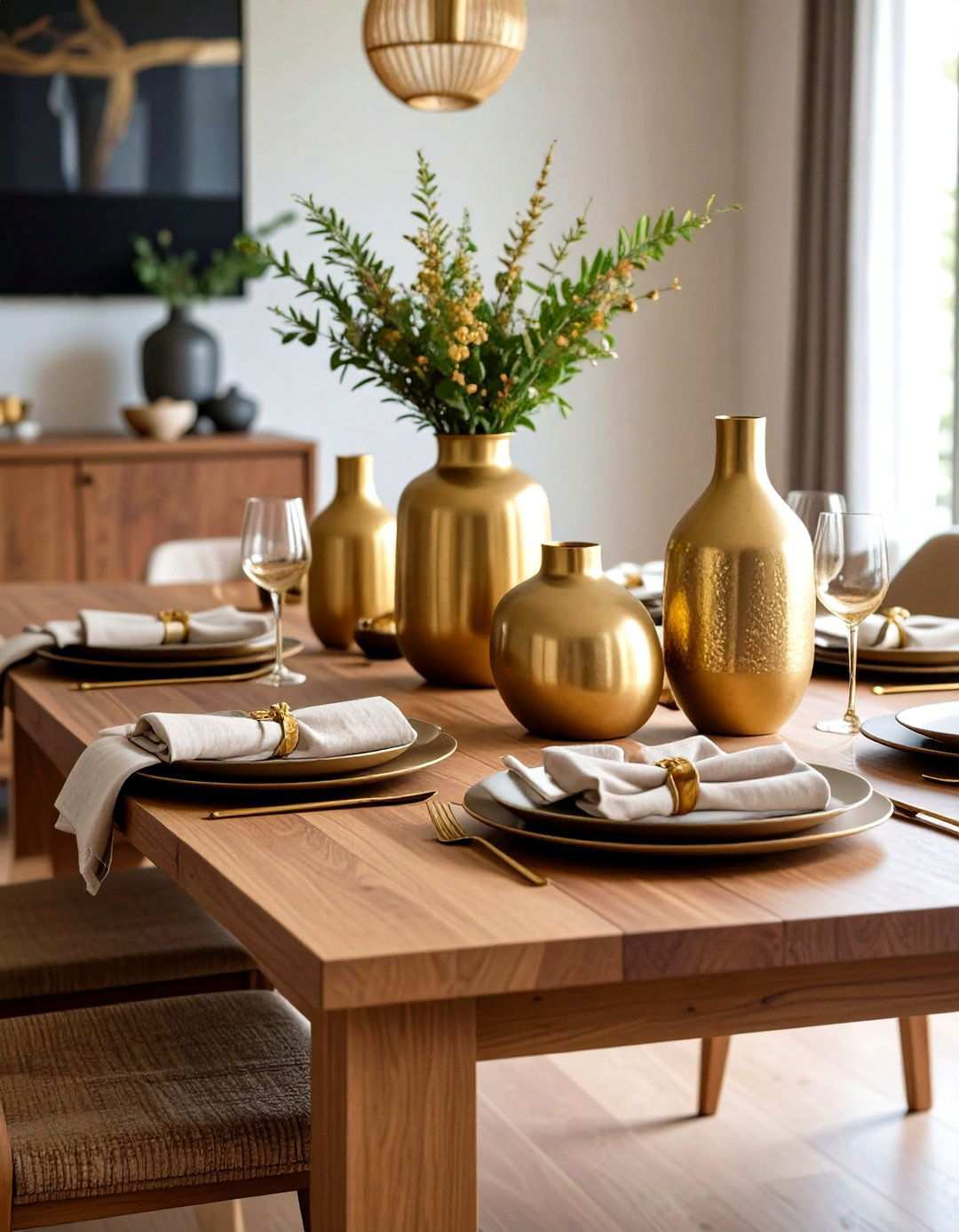
Harvest gold, a rich and sophisticated color, dominated 70s dining rooms with its inviting warmth and ability to foster a sense of community. This versatile hue can be effortlessly integrated into textiles, ceramics, and decorative accessories, creating a cohesive design theme that complements neutral color schemes. Authentic applications of harvest gold included using it for carpet, appliances, and upholstery fabrics, which created a seamless design flow throughout connected living spaces. For a more subtle vintage nod, modern interpretations might incorporate harvest gold through artwork, throw pillows, or table linens. The inherent warmth of this color pairs beautifully with both natural wood finishes and darker painted surfaces, making it an excellent choice for various decorating styles. Brass light fixtures and copper serving pieces that echo harvest gold’s metallic undertones can add an extra layer of sophistication to your dining room.
8. Macrame Wall Hangings for Adding a Bohemian Touch to Your Dining Room
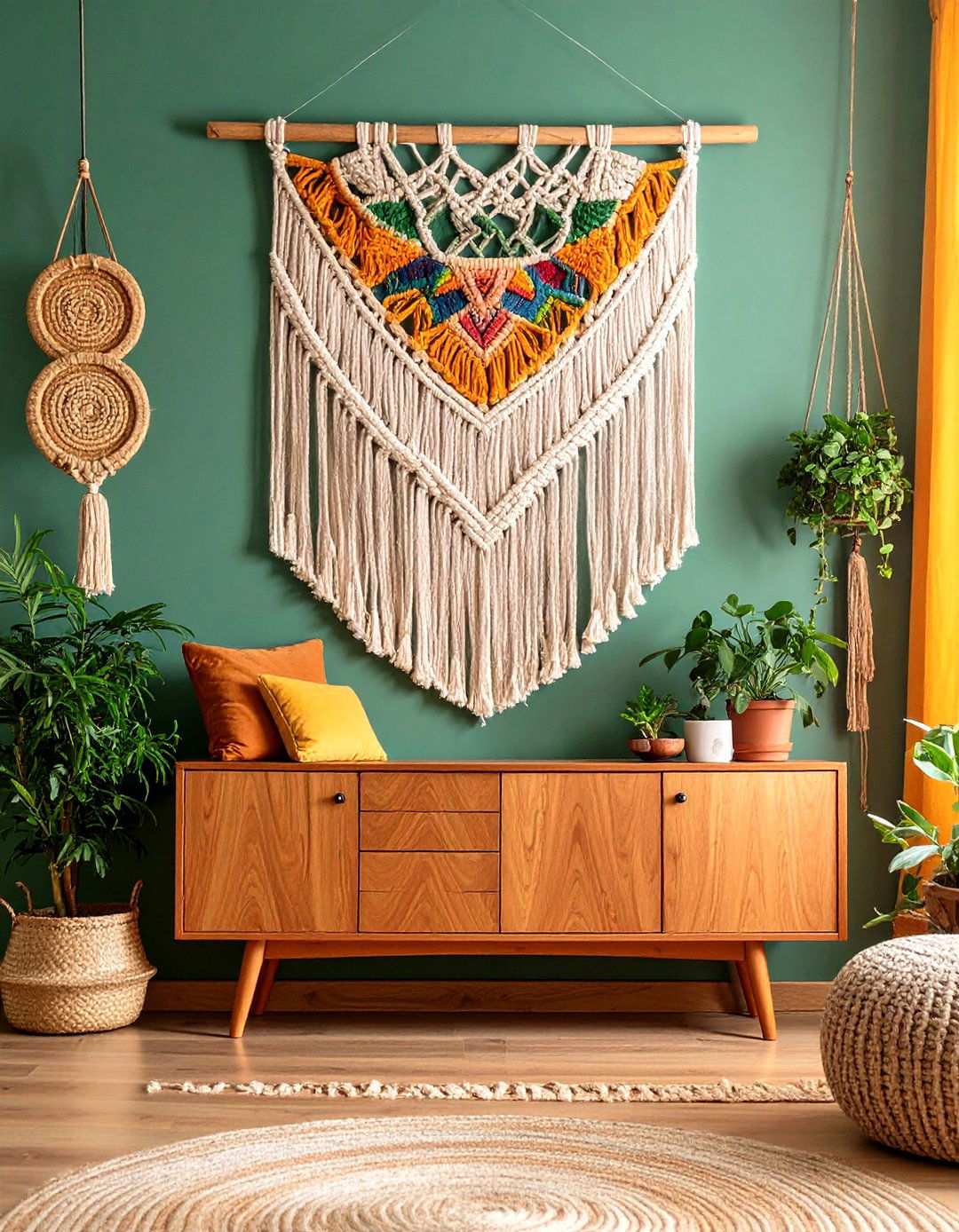
Macrame wall hangings were a hallmark of the 70s bohemian spirit, introducing a handcrafted texture and organic appeal to dining room walls. These woven fiber artworks created a visual softness that balanced harder furniture surfaces, while also reflecting the era’s counterculture values. Natural cotton or jute fibers are ideal for achieving an authentic look, although synthetic options can provide easier maintenance for busy dining areas. Large-scale pieces can serve as dramatic focal points above sideboards or buffets, while smaller designs can be grouped together to create a unique gallery wall. The organic, handcrafted element of macrame complements natural materials commonly used in 70s design schemes, adding a touch of artisanal character to your dining room. Modern macrame often incorporates colored fibers or geometric patterns, updating traditional techniques to suit contemporary spaces. These versatile pieces can add three-dimensional interest without requiring significant wall space or permanent installation.
9. Wood Paneling Walls for Timeless Cozy Ambiance
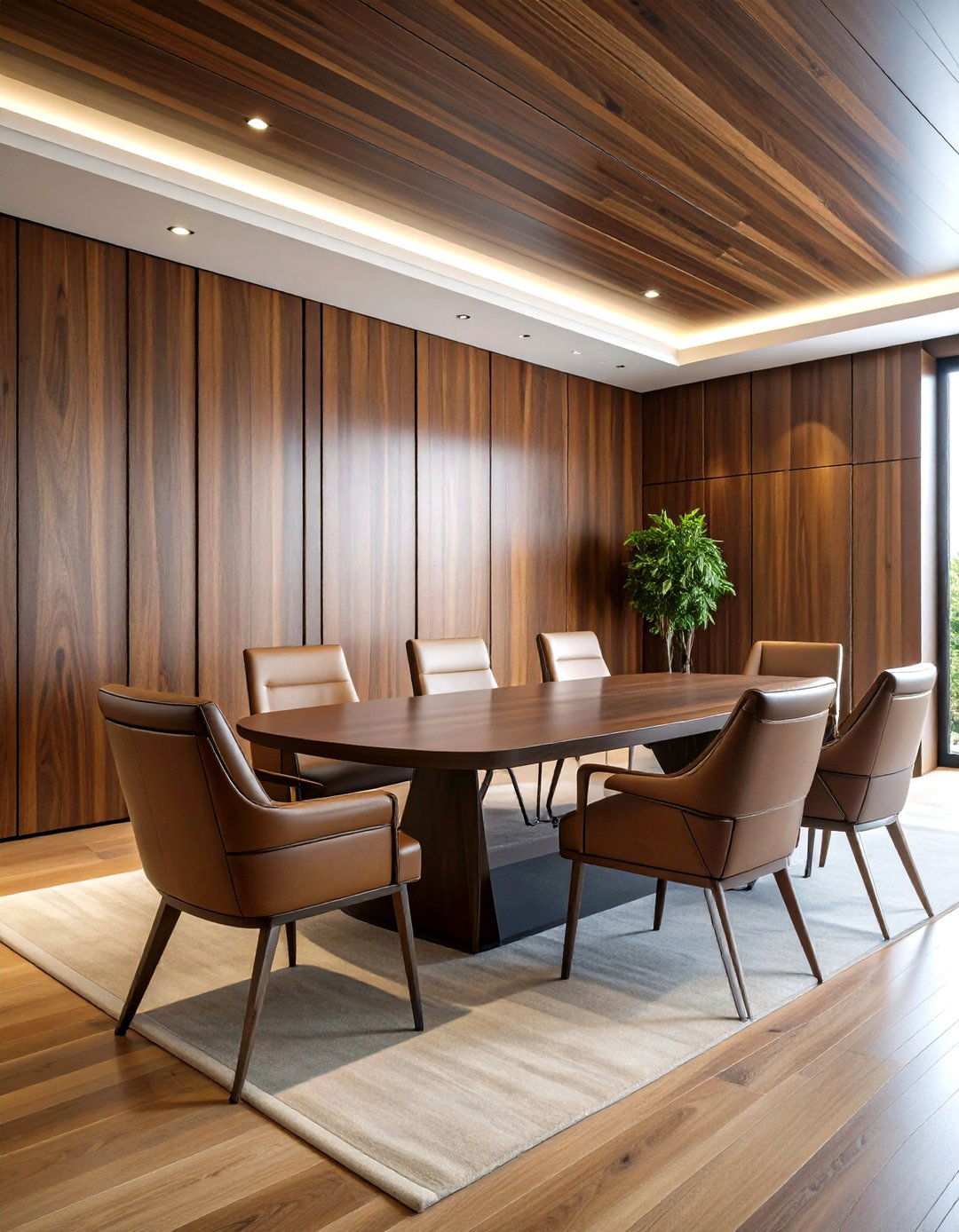
Wooden paneling walls have long been synonymous with the warmth and coziness of bygone eras, particularly in 70s dining spaces where they played a pivotal role in creating intimate environments perfect for family gatherings and social events. By incorporating rich walnut, oak, or pine boards installed horizontally or vertically, homeowners can add a touch of architectural interest to their dining areas while providing an ideal backdrop for period artwork and decorative accessories. The juxtaposition of wooden wall paneling with leather accents and curved seating yields instantly moodier and cozier atmospheres, but caution must be taken to avoid overwhelming the space with darker tones. A harmonious balance can be achieved by pairing wood paneling with lighter ceiling colors and strategic lighting solutions, thus preventing the space from feeling cramped. Modern homeowners may opt to update the traditional wood installation by incorporating painted paneling in contemporary colors, which maintains the textural benefits while introducing a fresh aesthetic. For a more subtle approach, consider partial paneling that extends halfway up the walls, topped with coordinating paint colors to maintain visual balance.
10. Tulip Dining Tables for Enduring Modernist Elegance
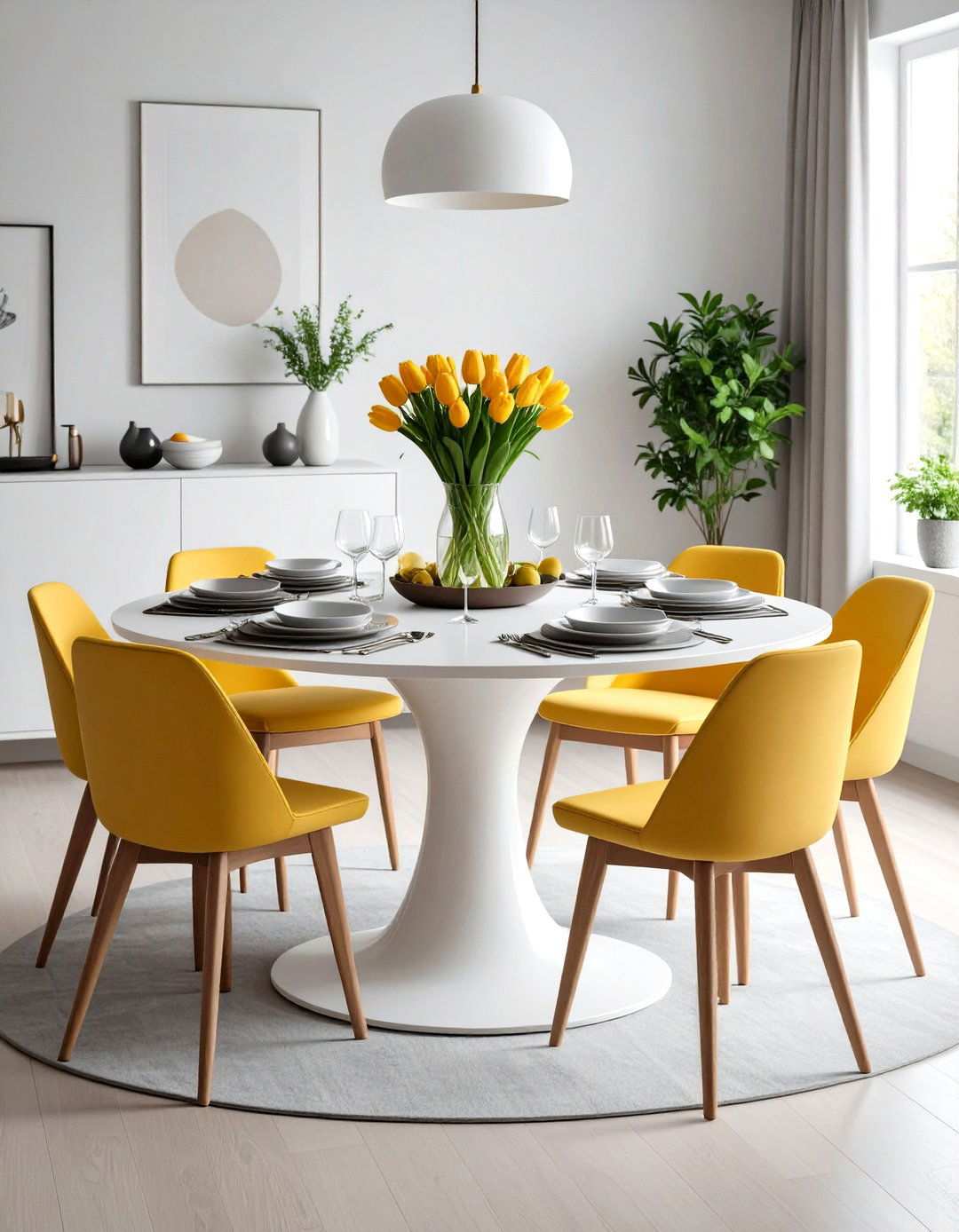
Tulip tables, characterized by their sleek pedestal bases and circular tops, dominated 1970s modernist dining furniture, exuding space-saving elegance that was particularly suited to smaller homes and apartments. These stylish pieces often featured plastic or fiberglass construction, reflecting the era’s fascination with space-age technology and futuristic design concepts. The elimination of leg interference by the single central support creates more comfortable seating arrangements around the table’s perimeter, making Tulip tables a practical choice for family gatherings and social events. Contemporary versions of these iconic designs often incorporate marble, wood, or composite tops mounted on metal bases, offering similar aesthetic appeal with enhanced durability. White finishes create clean, minimalist looks that brighten dining areas, while colored options add playful personality, allowing homeowners to adapt the design to various decorating themes.
11. Burnt Orange Color Schemes for Radiant Warmth and Energy
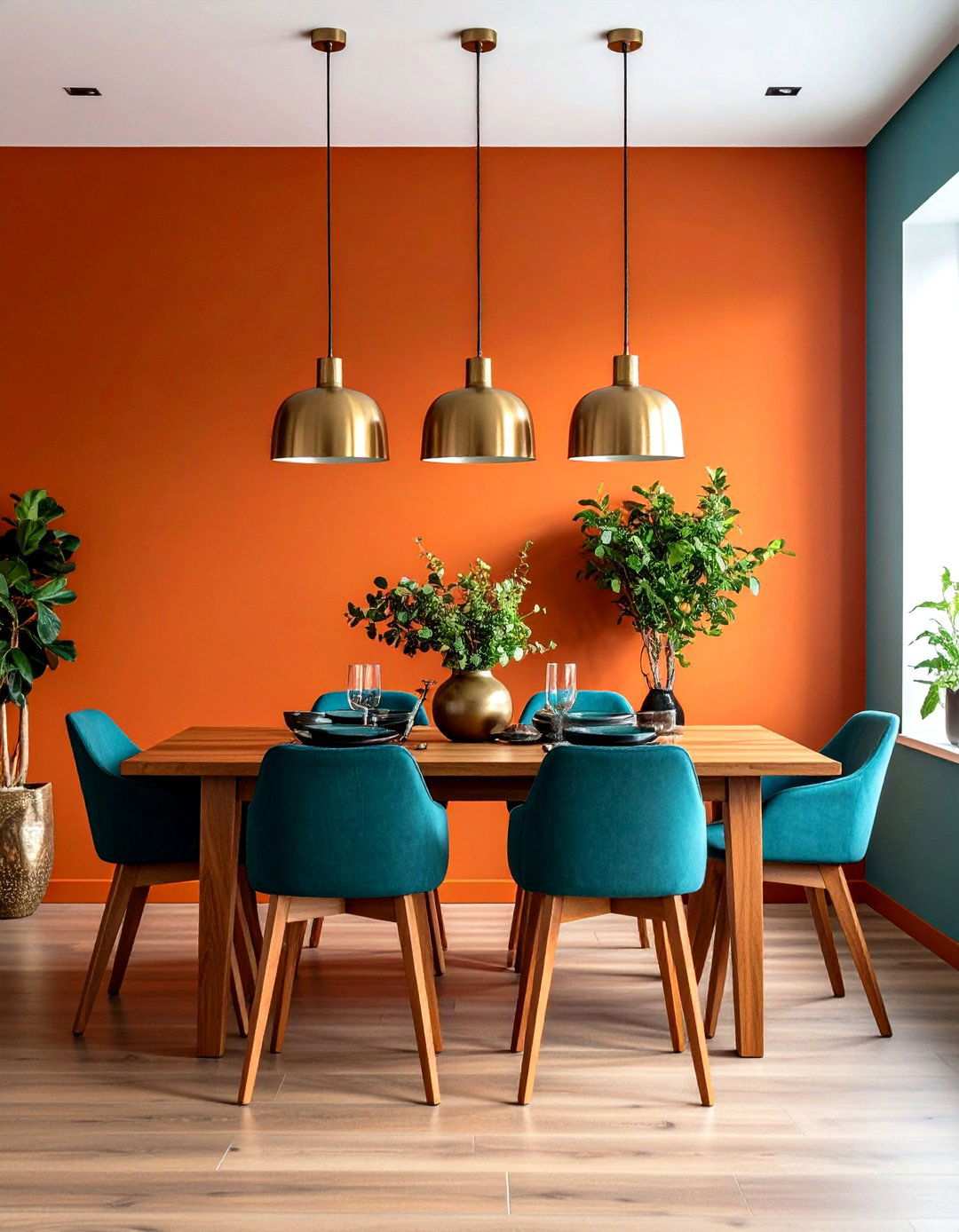
Burnt orange played a starring role in 70s dining rooms, creating vibrant backdrops that stimulated appetite and conversation during family meals. This bold hue works exceptionally well as an accent wall color, paired with neutral whites, creams, and browns to maintain balanced visual appeal. Burnt orange appeared in various forms throughout the decade, from paint and upholstery to ceramics and textiles, creating cohesive design themes that extended throughout connected living areas. In modern applications, homeowners can harness the energy of burnt orange by incorporating it in smaller doses through artwork, textiles, or ceramic accessories, rather than overwhelming wall coverage. The warm undertones of burnt orange complement brass fixtures and wood furniture beautifully, while cooler accent colors like teal or navy provide striking contrast, allowing homeowners to rotate seasonal orange accents to maintain freshness while honoring the decade’s adventurous color philosophy.
12. Embracing Vibrancy with Molded Plastic Dining Chairs
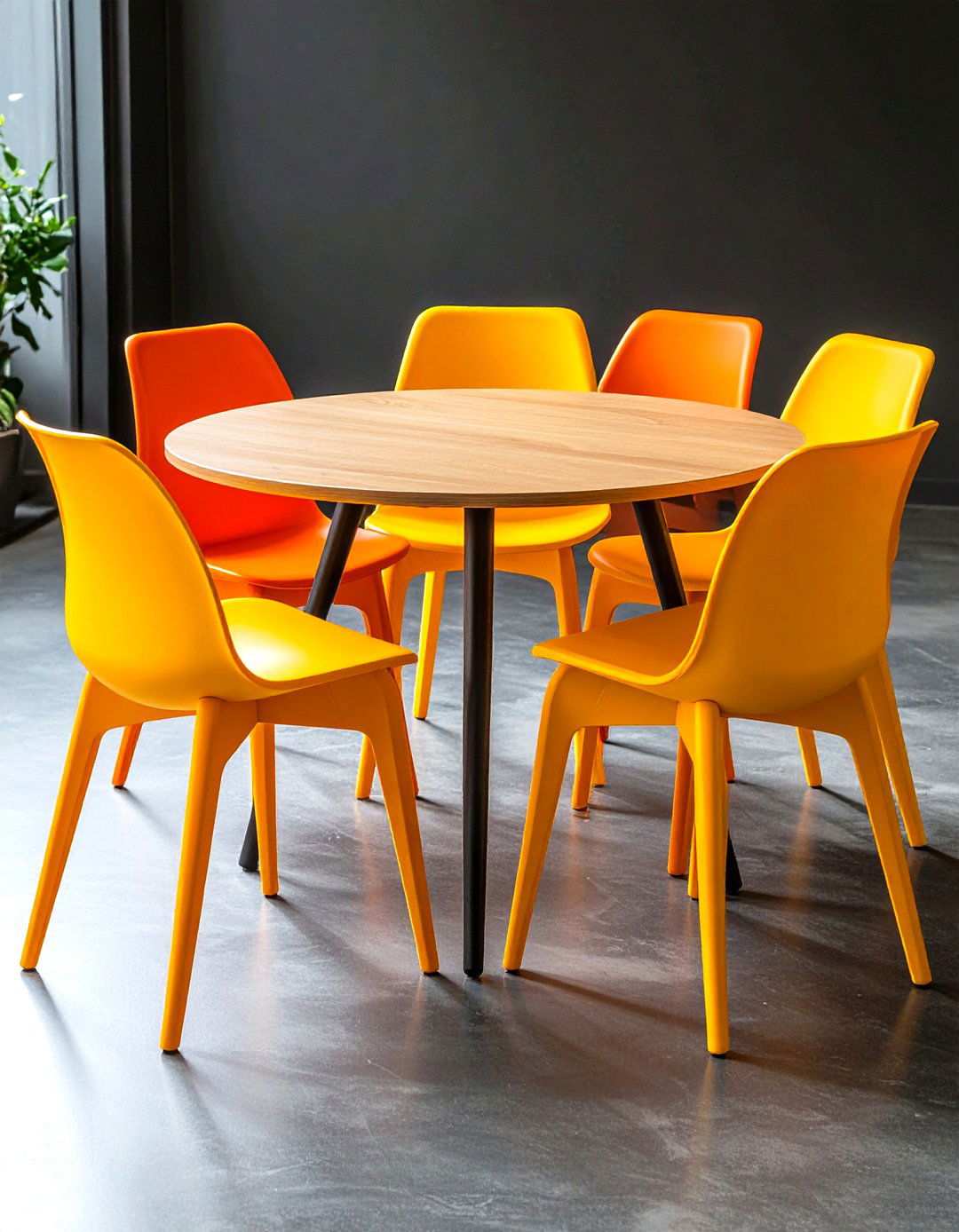
Molded plastic chairs exploded onto the 70s design scene in a burst of bright colors, becoming an instant hit in dining rooms thanks to their lightweight, maintenance-free design and optimistic aesthetic. This wave of affordable seating options allowed homeowners to experiment with bold color combinations without breaking the bank, making it easier to keep up with the era’s playful mood. The functional yet stylish chairs added a pop of color that could be easily rearranged or swapped out as tastes evolved, and contemporary versions have taken these designs to the next level with ergonomic improvements that maintain the distinctive curved silhouettes that made them so appealing. The stackable designs offer practical storage solutions for smaller spaces or entertaining needs, while mixing different colors around a single table creates a unique and eclectic look. Alternatively, using matching sets can add a touch of formality to the space. With their weather-resistant properties, these chairs are perfect for extending the entertaining season by transitioning seamlessly from indoors to outdoors.
13. Pendant Lighting: A Key Element of 70s Dining Table Illumination
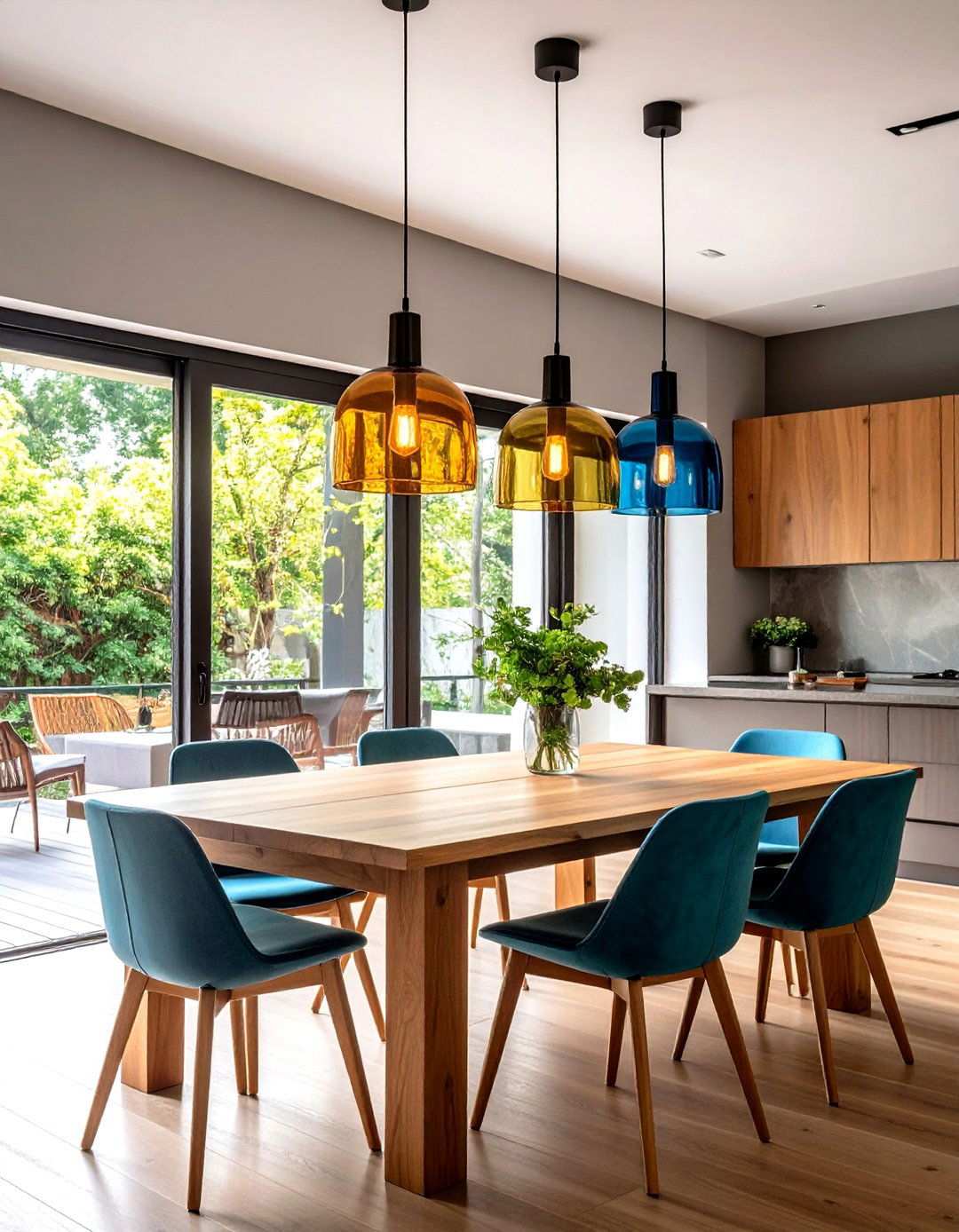
Pendant lighting fixtures played a vital role in 70s design schemes, providing both functional illumination and decorative appeal. Glass or metal pendants suspended over dining tables offered a more intimate lighting experience than traditional chandeliers while still providing ample brightness for dining activities. Oversized light fittings and colorful glass accents added a touch of retro-modern flair to the space, while amber, green, or blue glass shades filtered light beautifully, complementing the era’s vibrant color schemes. Installing multiple pendants at varying heights created dynamic visual arrangements suitable for longer dining tables or kitchen islands. The ability to dim the lights allowed for versatile mood control, from bright task lighting during meals to softer ambient illumination for entertaining. Today, modern LED options have made these designs even more energy-efficient, while careful bulb selection and shade materials have preserved the authentic aesthetic appeal that made them so iconic.
14. Natural Textures in 70s Dining: The Revival of Rattan and Wicker
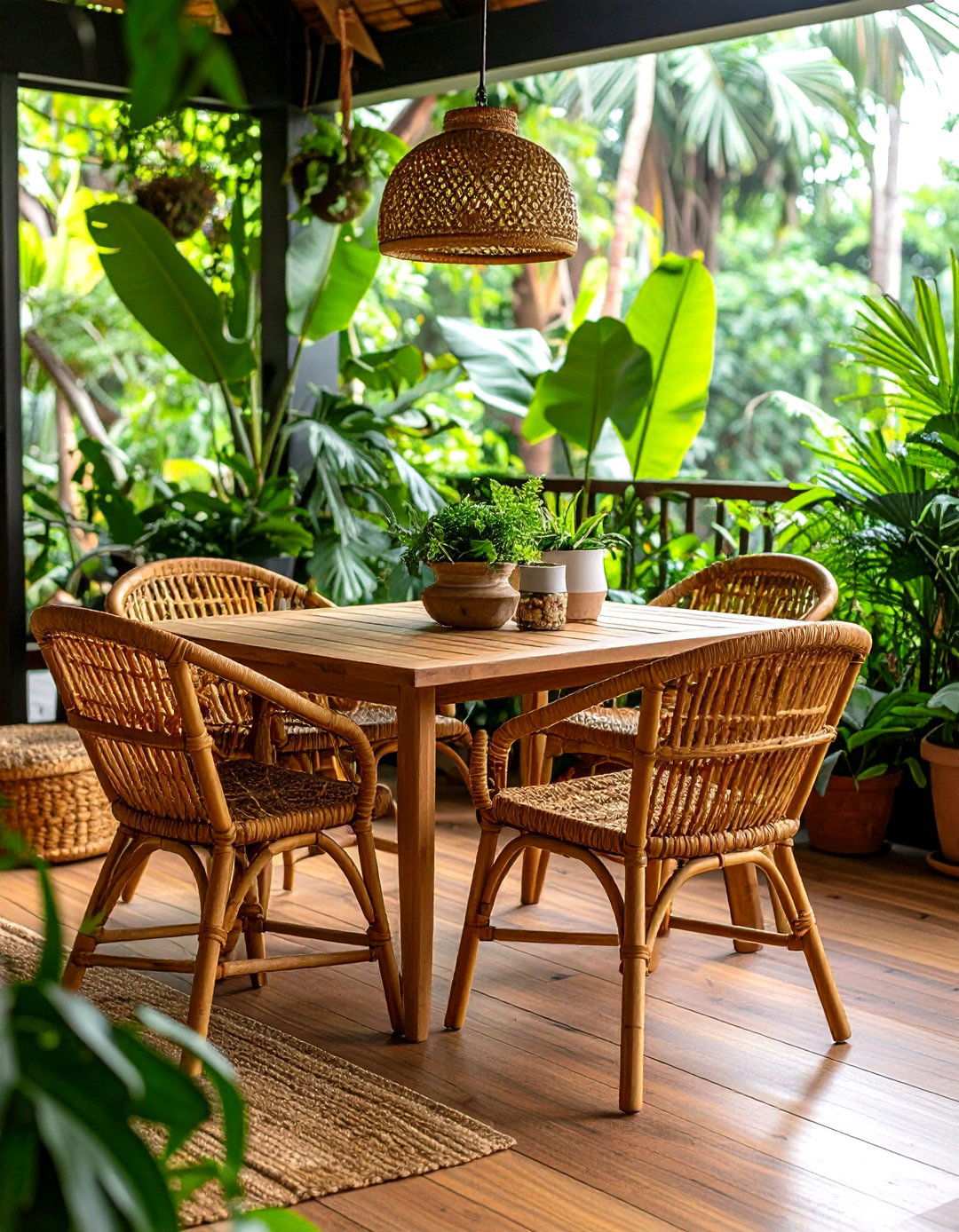
Rattan and wicker furniture seamlessly blended 1970s environmental consciousness and casual lifestyle preferences, transporting diners to a world of laid-back tranquility. This organic duo added depth and visual warmth to dining spaces, providing the perfect backdrop for extended conversations and memorable meals. By incorporating natural materials, designers could balance bold color choices and synthetic accents, creating a harmonious blend of earthy and modern elements. For those seeking a unified aesthetic, peacock chairs, woven basket dining chairs, and rattan bar carts formed cohesive natural themes that extended the indoor space seamlessly into the outdoors. A key benefit of modern rattan is its improved durability and ergonomic design, preserving the authentic textural appeal that defined the era. Experiment with eclectic combinations by mixing rattan seating with other materials, or opt for an all-natural look to create a bohemian-inspired dining space. The lightweight construction of rattan furniture also allows for effortless rearrangement, making it an ideal choice for flexible entertaining configurations.
15. Captivating Ambiance: Lava Lamps in 70s Dining Spaces
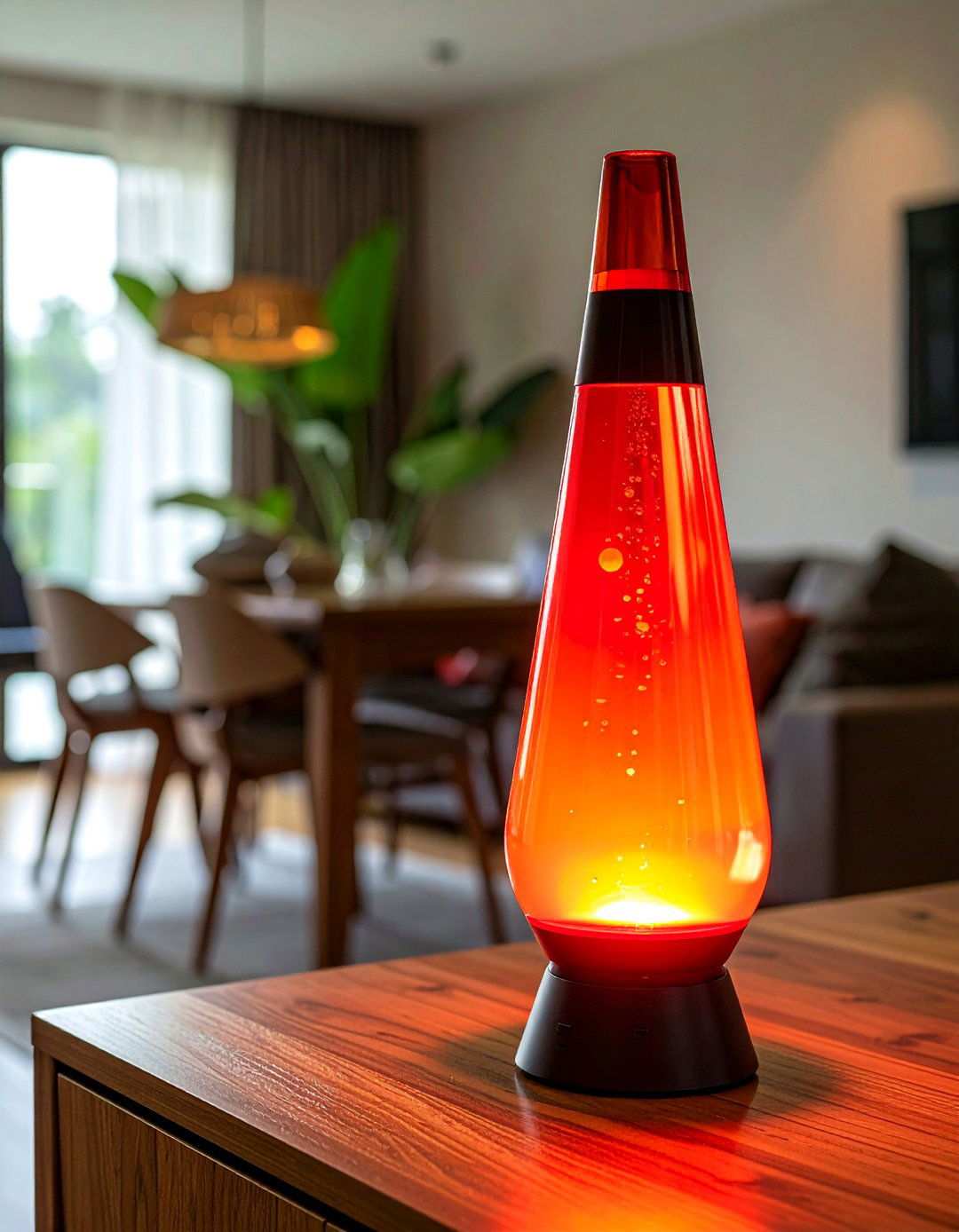
Lava lamps, with their hypnotic, glowing liquid, became a staple in 1970s dining rooms, effortlessly capturing the decade’s free-spirited cultural essence. These quirky table decorations provided an enchanting, colorful spectacle, serving as the perfect icebreaker during dinner parties and family gatherings. Strategically placing lava lamps on sideboards, serving tables, or corner surfaces ensured that their mesmerizing motion wouldn’t disrupt the dining experience. Contemporary lava lamps boast improved safety features and energy efficiency, while maintaining the classic bulbous silhouette and captivating fluid motion that defined the originals. Select colors that harmonize with your overall design scheme, ranging from classic orange-red combinations to more muted blue or green options. The soft, indirect lighting emitted by lava lamps creates a cozy atmosphere perfect for intimate dining experiences, while adding an authentic period touch that transcends generations.
16. Elevating Dining with Chrome and Brass Accents for Retro Glamour
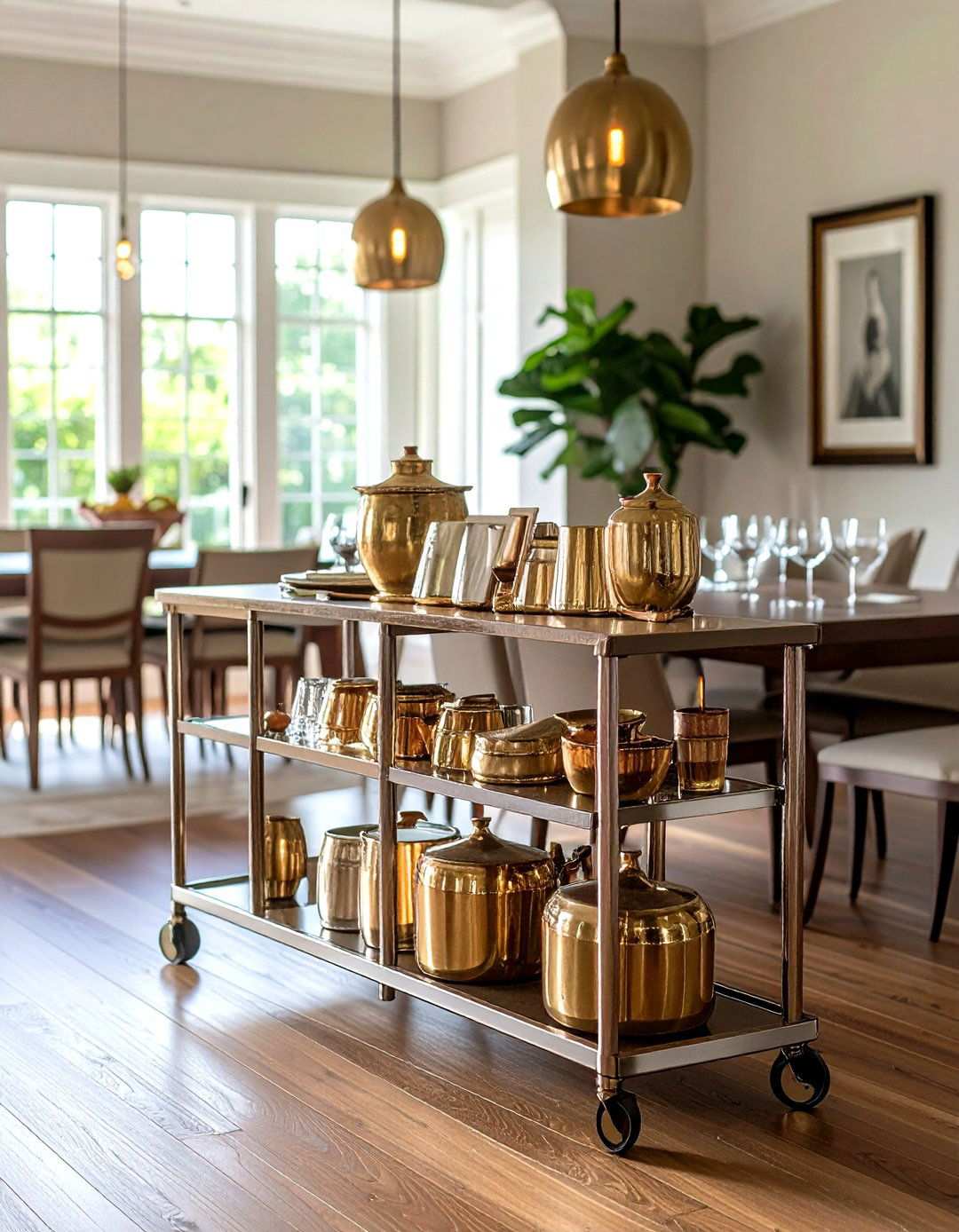
Incorporating chrome and brass elements into dining room furniture, lighting, and decor brought a sense of futuristic charm that typified 70s design sensibilities. These shiny surfaces introduced a striking contrast to natural textures, imbuing casual dining spaces with sophisticated allure. Chrome bar carts, brass serving pieces, and metallic picture frames injected a touch of era-specific glamour without overwhelming neutral color palettes. To maintain the lustrous quality of chrome, regular polishing is necessary, while brass develops an attractive patina over time that lends vintage charm. Modern reproductions often feature protective coatings that minimize maintenance requirements while preserving the authentic aesthetic of metallic accents. For added visual interest, pair warm brass tones with cooler chrome accents or choose one metal family for a cohesive look that seamlessly blends retro style with modern sophistication in the dining space.
17. Blending Dining and Living: The Open-Plan Connection of 70s Homes
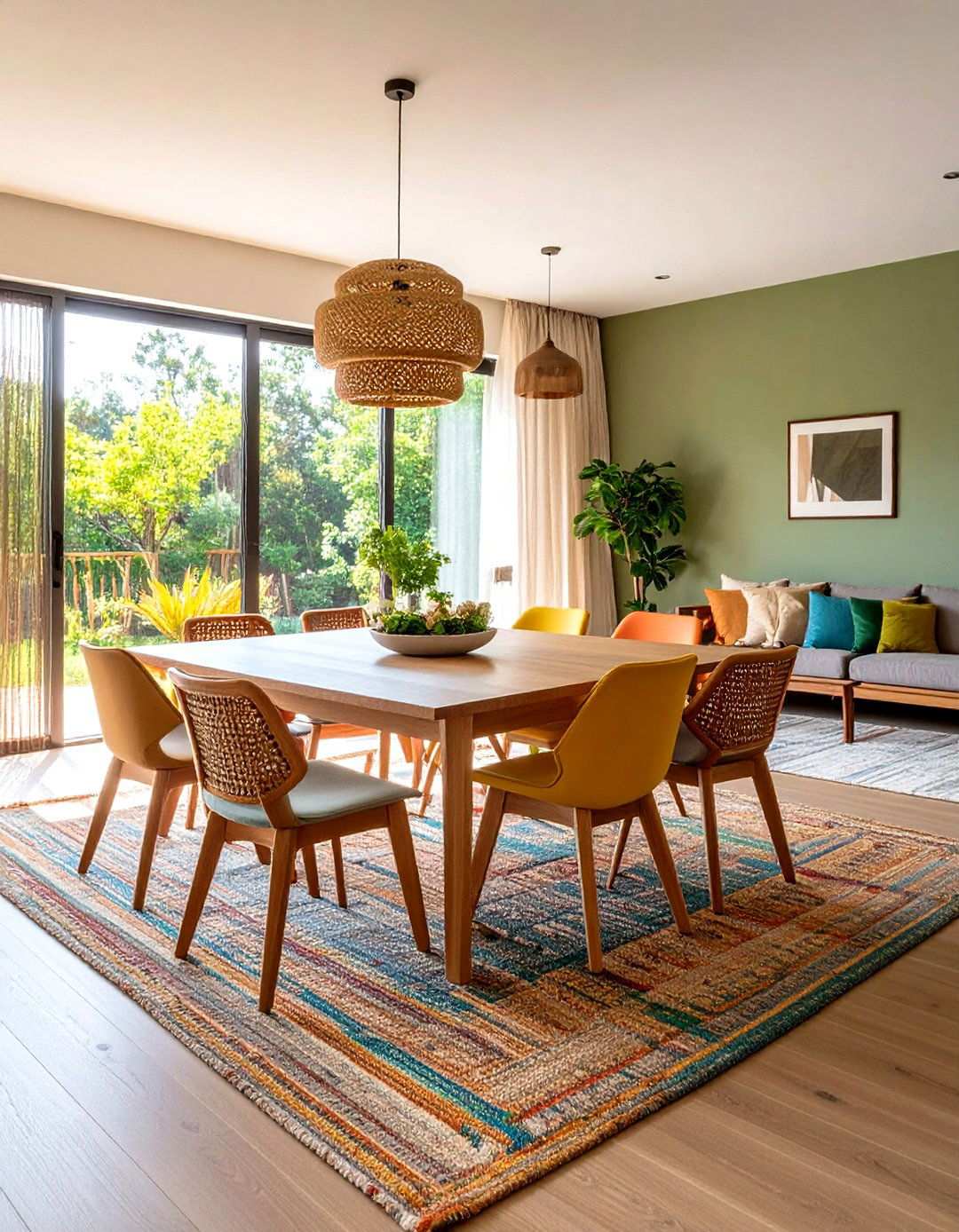
The 70s saw a shift towards open-plan layouts that merged dining spaces with living areas, reflecting the era’s emphasis on family togetherness and relaxed socializing. These integrated spaces created a sense of continuity while encouraging interaction between cooking, dining, and relaxation activities. To define distinct zones within the open-plan layout, utilize area rugs, strategic furniture placement, and lighting adjustments that create visual separation without physical barriers. Sunken living areas that connected to dining spaces added a dramatic touch to ranch-style homes, while modern open concepts benefit from cohesive flooring materials and coordinated color schemes that unify different functional areas. Consider incorporating sliding panels or decorative screens that offer flexibility between open and semi-private configurations, allowing for adaptability to varying entertaining needs or family activities requiring different levels of separation.
18. Reflective Statements in 1970s Dining Room Lighting Design
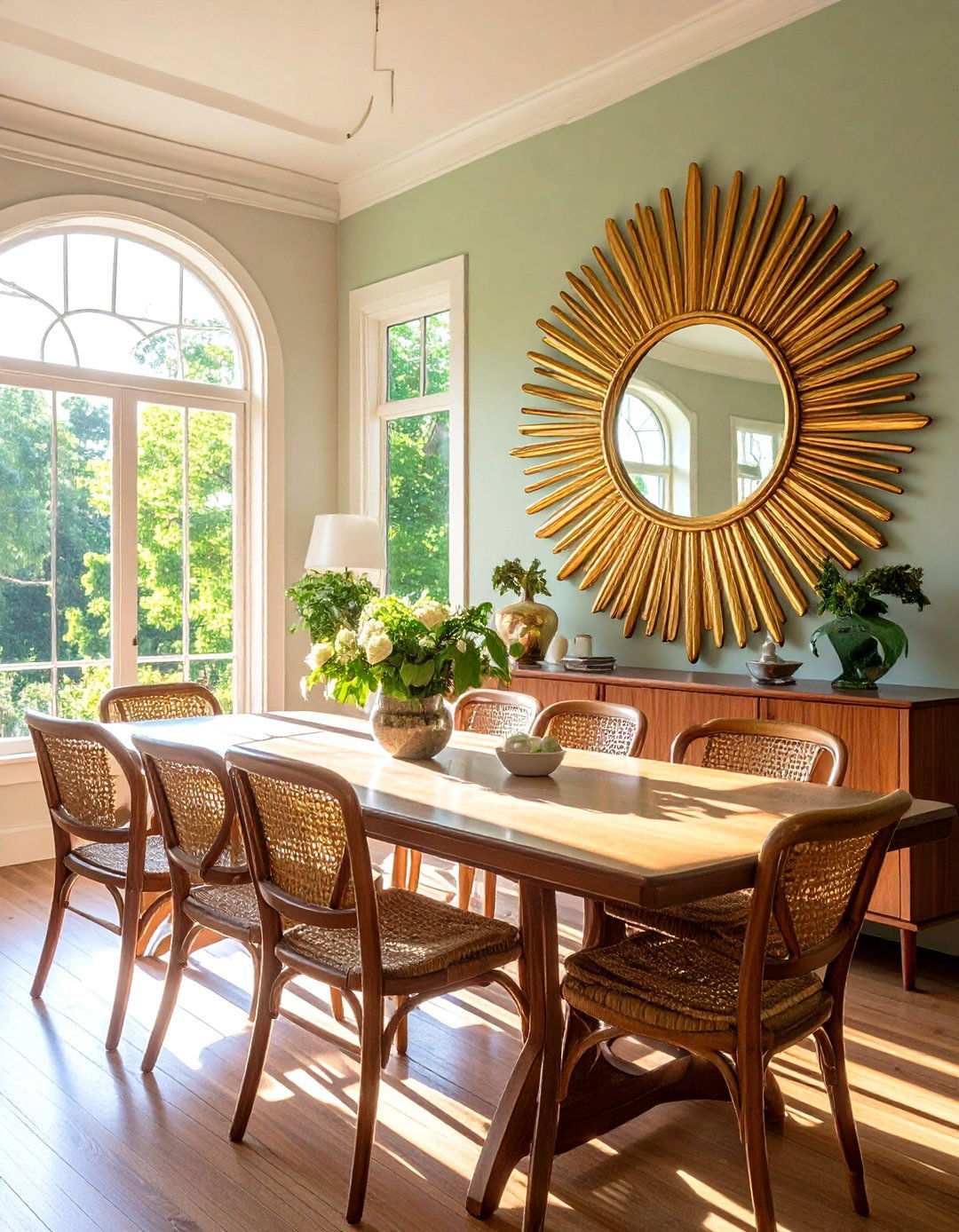
In 1970s dining rooms, large, intricately patterned, or uniquely shaped mirrors effectively drew attention and amplified the space’s overall illumination. By reflecting light, these mirrors created an illusion of larger, brighter areas, making smaller dining spaces feel more inviting. Mirrors with sunburst designs, geometric patterns, and heavily ornate frames complemented the era’s bold decorative style, while brass frames and stainless steel accents coordinated with period-specific metallic accessories and lighting fixtures. Strategically placing mirrors opposite windows maximized natural light reflection, and they could also create visually appealing sight lines between connected rooms. Today, contemporary designs might feature oversized round mirrors or asymmetrical styles that reinterpret classic concepts for modern homes. Additionally, the reflective surfaces showcase beautiful table settings and dinner arrangements, elevating special occasion dining experiences with an air of glamour.
19. Earthy 1970s Dining Accessories in Ceramic and Stoneware
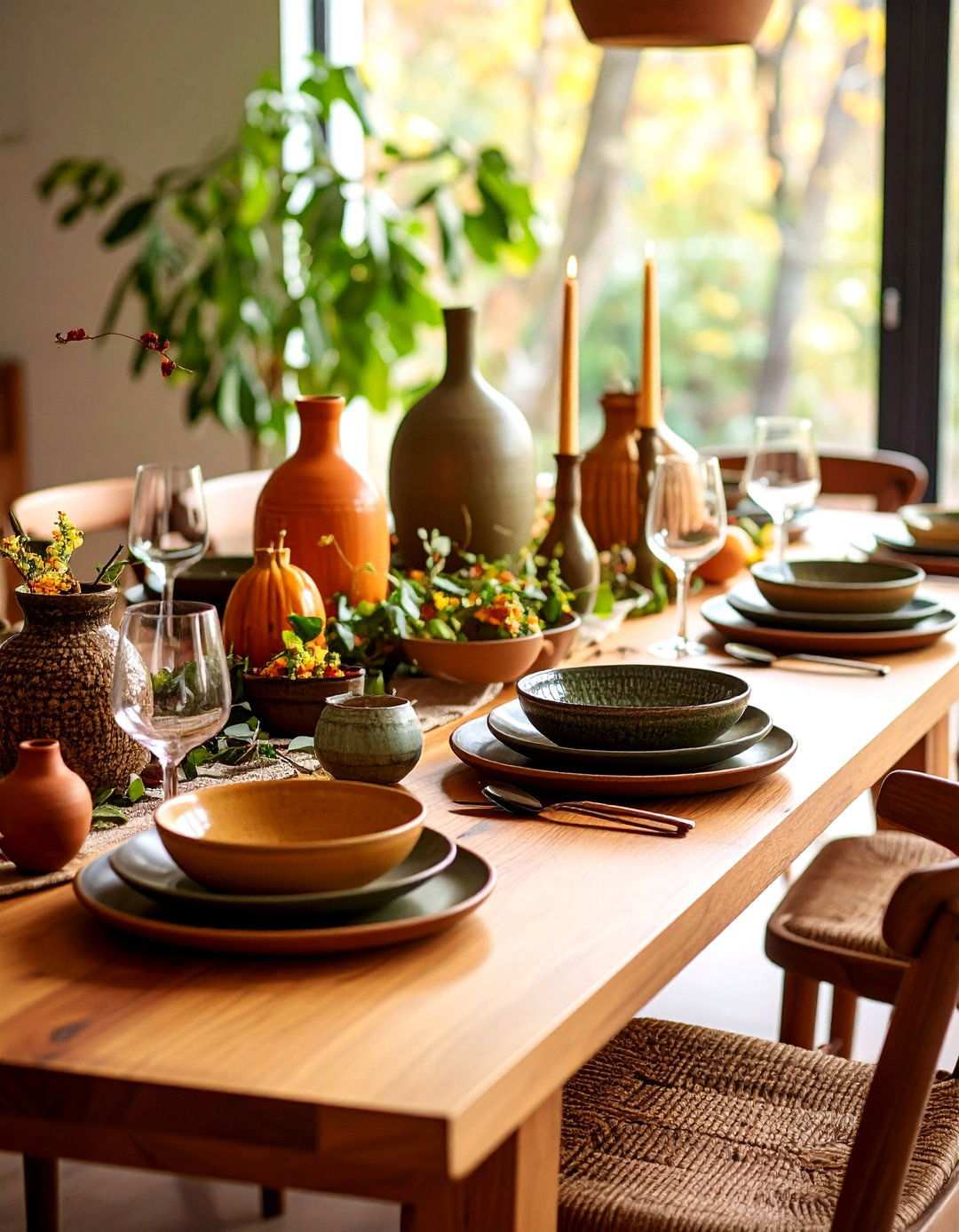
Ceramic and stoneware pieces with earthy tones and rustic charm were a staple in 1970s dining rooms, providing durable, oven-safe dishes perfect for hearty family meals and popular casseroles. These pieces were characterized by natural glazes in shades of brown, orange, and green that blended harmoniously with wood furniture and natural fiber textiles. The emphasis on handcrafted, artisanal ceramics during this era reflects a preference for unique, high-quality pieces over mass-produced alternatives. Large serving bowls, textured vases, and sculptural candlesticks added depth and visual interest to dining surfaces while serving a functional purpose. Modern ceramic artists often draw inspiration from 1970s aesthetics, creating pieces that combine earthy tones with organic shapes to bridge the gap between vintage appeal and contemporary craftsmanship. Mixing and matching different pottery pieces can create a unique, collected look that develops over time, offering a distinct character that 1970s decorators prized above formal coordination.
20. Eclectic 70s Dining Style Through Mixed Seating Arrangements
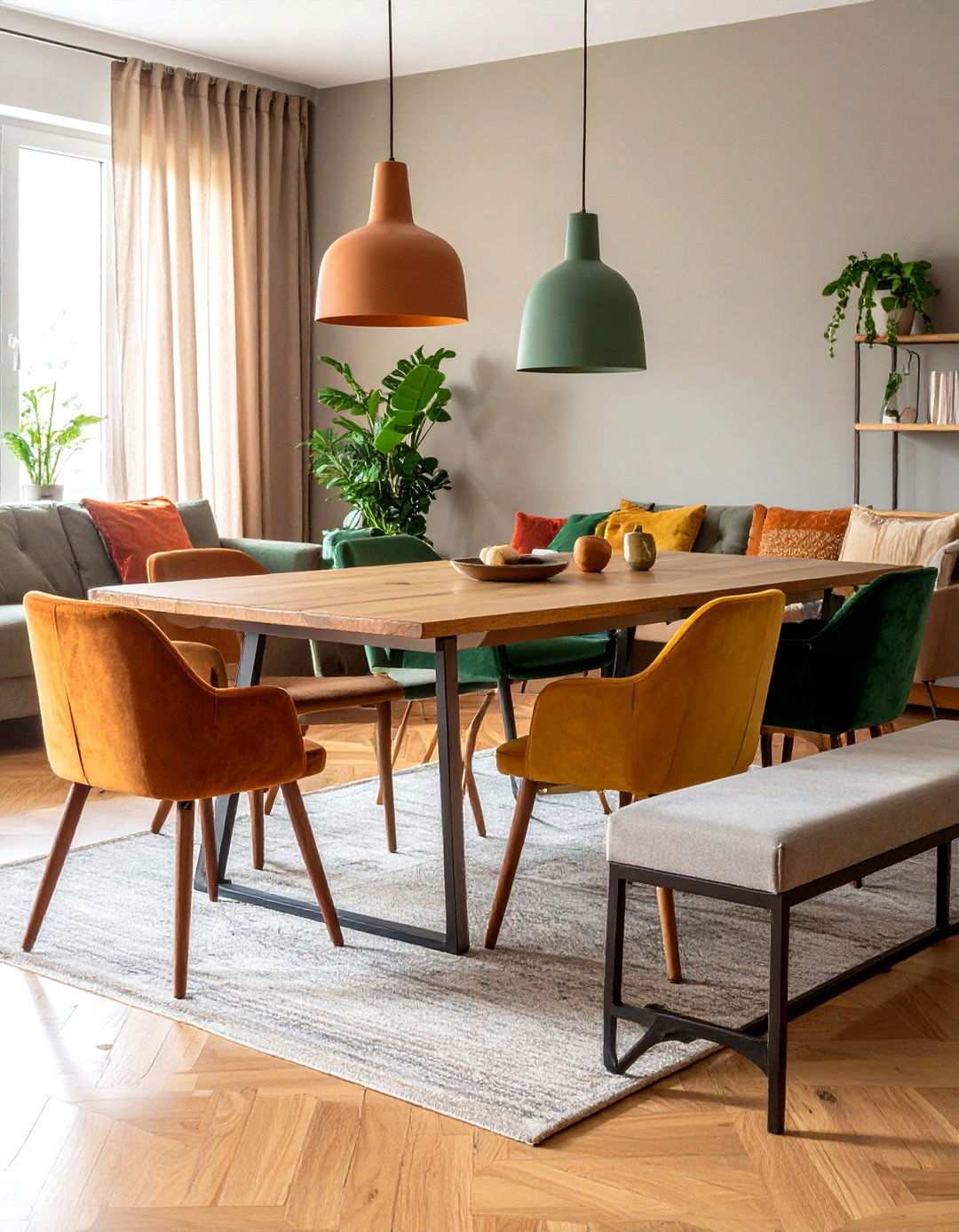
Vintage and modern pieces blended together seamlessly to create the iconic, collected appeal of 70s dining room style. By combining mismatched furniture from different eras and styles, homeowners could express their personal taste and family history without adhering to the uniformity of showroom perfection. This approach to decorating allowed for a dynamic, eclectic look that aged beautifully, as each new piece added to the narrative of the space. Bold prints and earthy tones played a unifying role, tying together disparate elements with a shared color palette rather than identical materials. As a result, budget-friendly decorating could evolve gradually, reflecting the unique tastes and discoveries of the family over time. The varied heights, textures, and styles of these mixed seating arrangements created a comfortable, adaptable space that suited the diverse needs of family members and dining occasions alike, while honoring the experimental spirit that made 70s design so memorable.