1. Illuminating Inspiration: The Power of North-Facing Art Room Windows
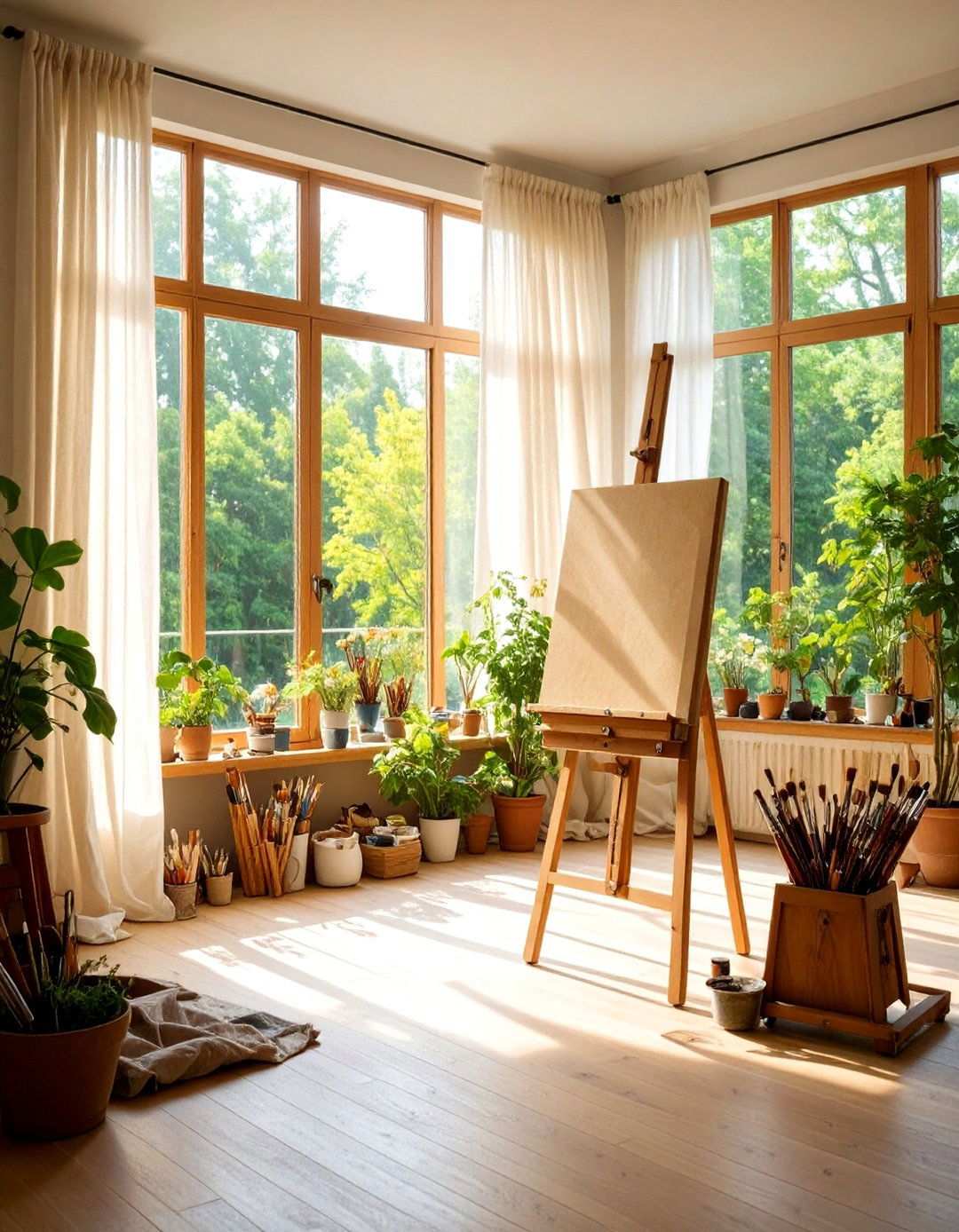
A north-facing art room is a haven for creativity, as the consistent natural light pours in, unshaken by the ebbs and flows of the day. By positioning your easel or work table at a precise 35-degree angle from the window, you can harness the gentle, indirect illumination, expertly balancing light and shadow. This harmonious relationship allows for accurate color perception and detailed work, freeing you to focus on your artistic process. If your art room is deprived of north-facing windows, savvy lighting designers recommend installing sheer curtains or diffusion materials to soften harsh southern or western light, creating a more controlled environment for artistic expression.
2. Lighting the Way: High CRI LED Art Room Lighting Systems
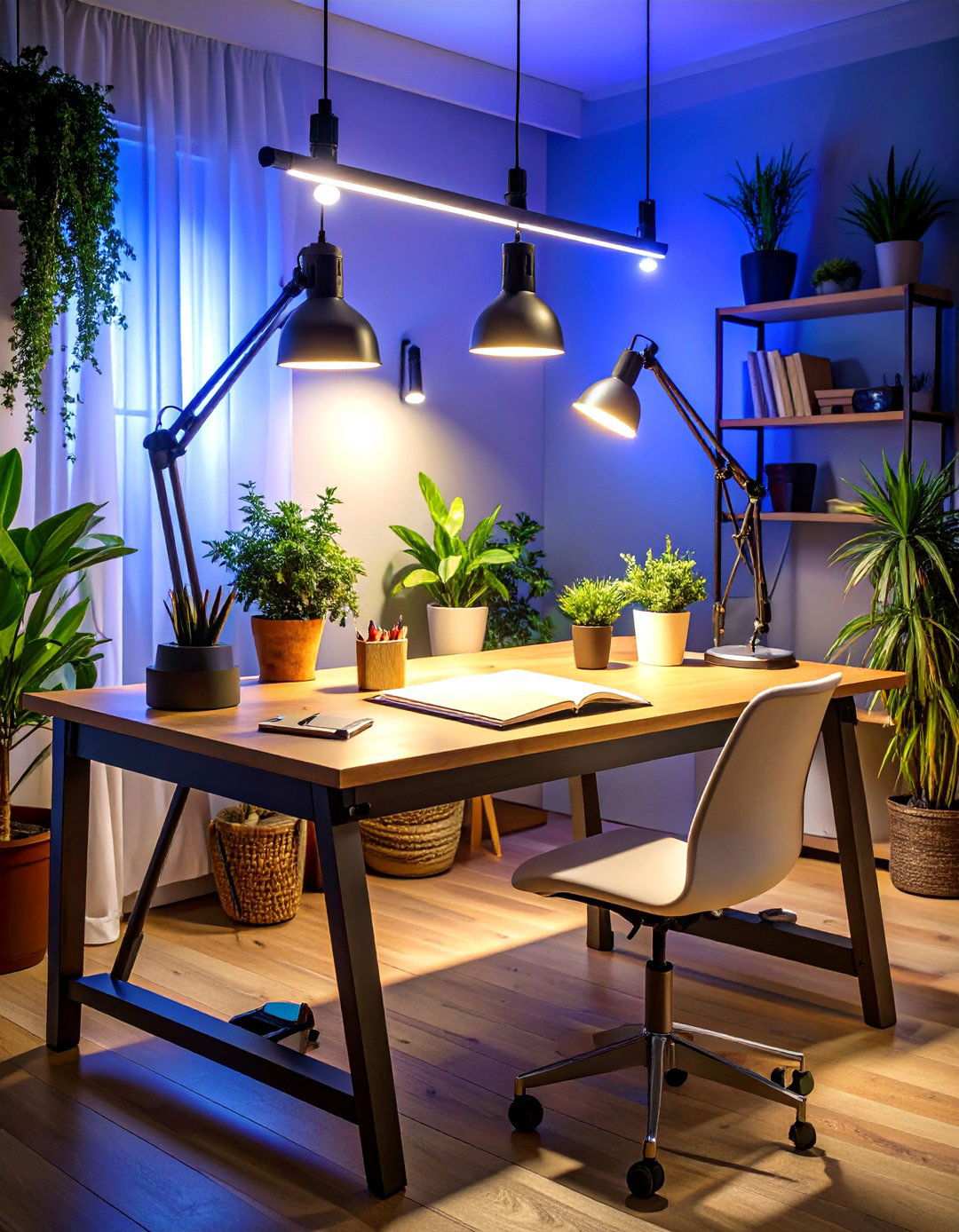
Cutting-edge LED lighting systems, boasting Color Rendering Index (CRI) values of 90 or higher, are revolutionizing the art room experience. By choosing bulbs with a color temperature between 5000K and 5500K, you can tap into the ideal balance of warm and cool light, unveiling true colors without distortion. Track lighting systems offer unparalleled flexibility, allowing you to direct light precisely where needed, while avoiding unwanted shadows on your work surface. Consider adjustable LED strips or specialized art studio lights that can be positioned to illuminate both your workspace and your canvas evenly. This premium lighting ensures your art room maintains consistent illumination, unfazed by external weather conditions or time of day, empowering you to unleash your creative potential.

As an Amazon Associate I earn from qualifying purchases.
3. Transformative Art Room Storage Solutions on Wheels
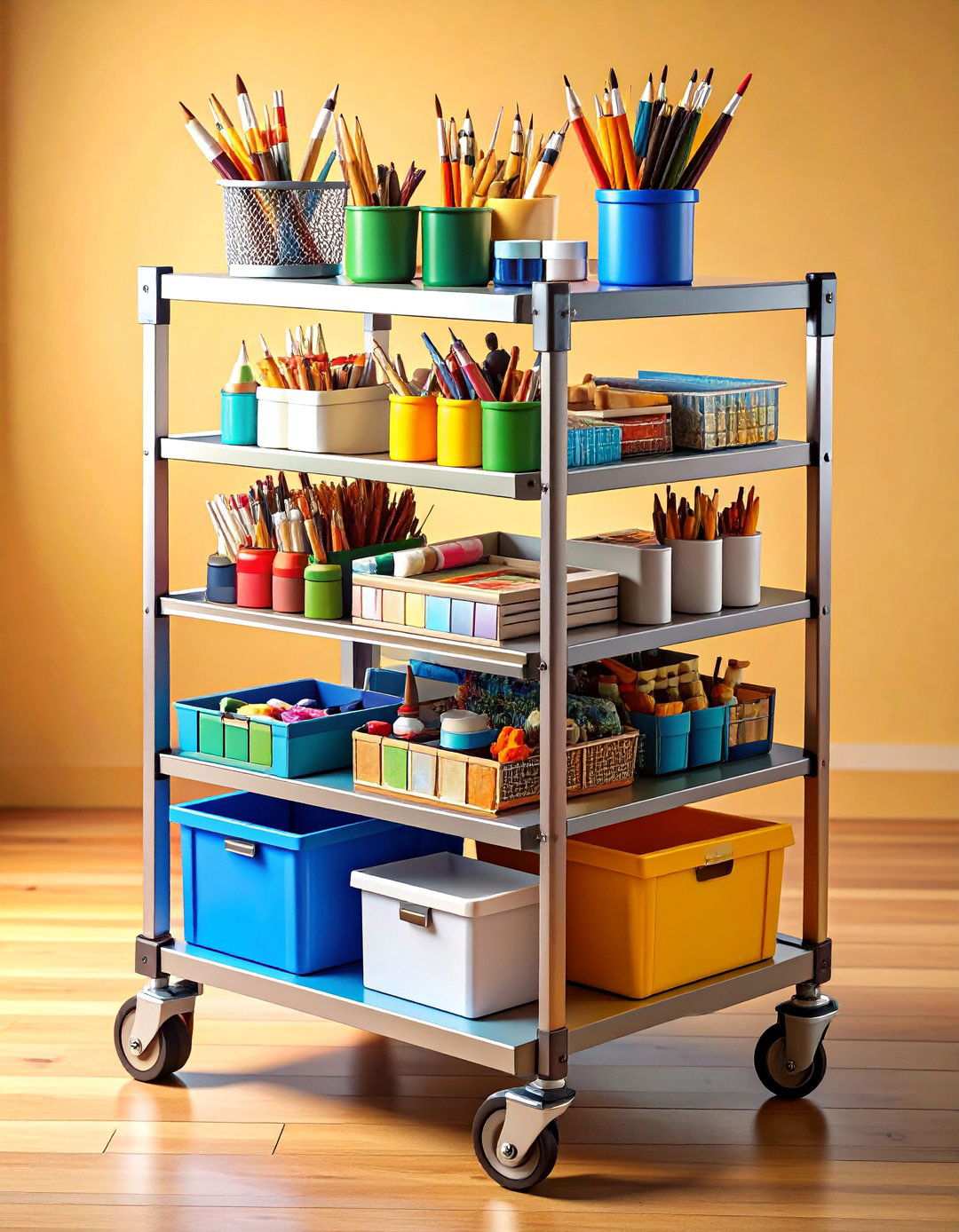
Mobile three-tiered carts serve as agile command centers for art room organization, empowering you to transport supplies wherever inspiration strikes. These versatile storage units keep frequently used materials like brushes, paints, and tools at your fingertips while maintaining the flexibility to relocate your entire workspace. By positioning your rolling cart adjacent to your main work table, you can create a spacious, well-organized surface area while categorically arranging supplies within easy reach. The mobility aspect proves particularly advantageous when cleaning your art room or working on sprawling projects that demand different viewing angles. When selecting carts, consider choosing models with varied shelf heights to accommodate a range of supply sizes, from tall brush holders to flat storage for paper and canvases. This thoughtful organizational system elevates your art room into a highly efficient creative workspace.
4. Blending Art and Business: The Art Room and Home Office Hybrid
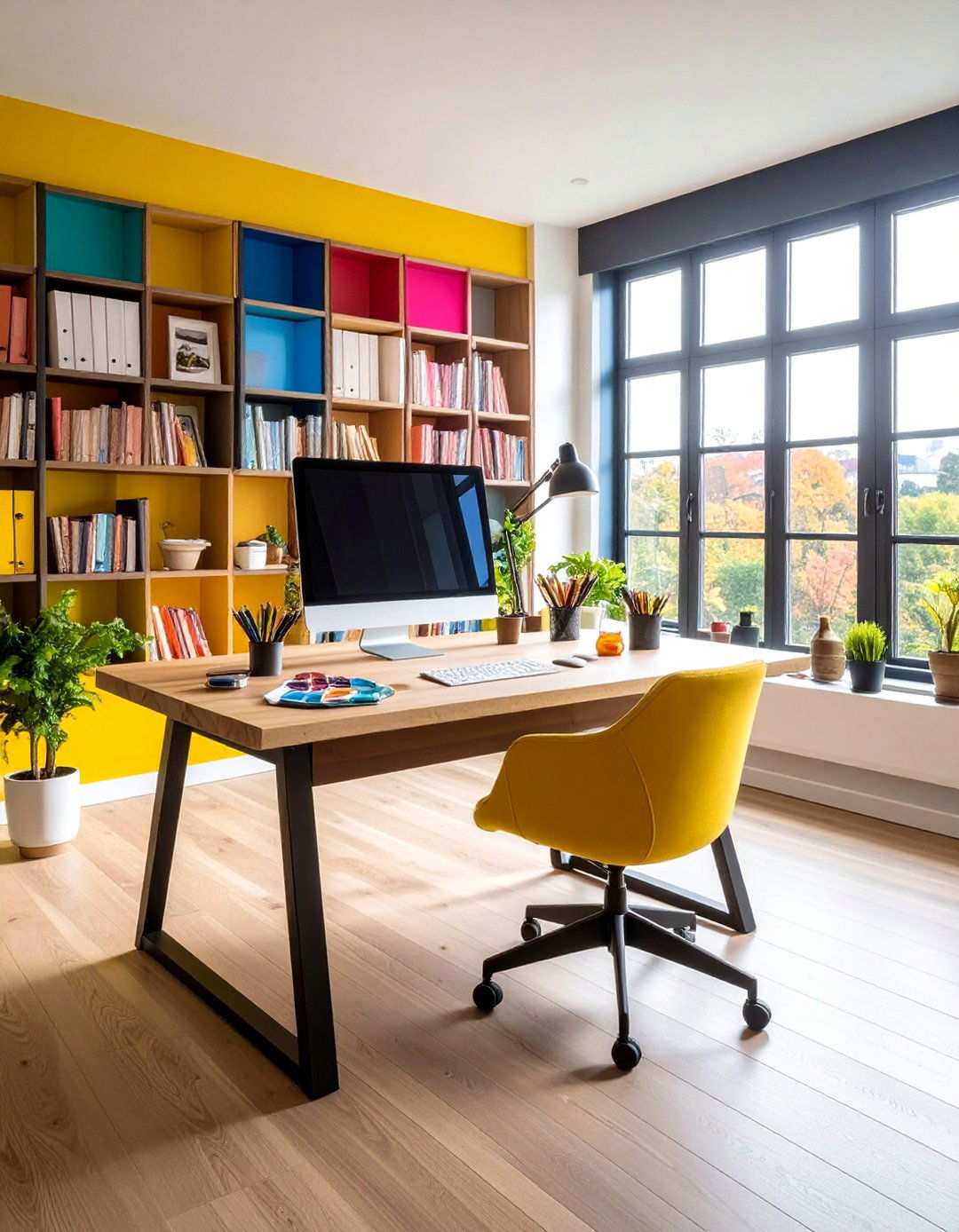
Combining your art room with a home office creates a dynamic, multifunctional space that seamlessly integrates creative and professional needs. Utilize room dividers, shelving units, or storage cabinets to define separate workspace areas while maintaining an airy, open feel. Install dual-purpose furniture like a desk that can effortlessly switch between computer work and art projects, allowing for a seamless transition between functions. Visible wall-mounted storage solutions keep art supplies organized while freeing up desk space for office tasks, making this arrangement particularly valuable for artists who work from home. Consider situating both areas near natural light sources to benefit both types of work, creating a cohesive environment that fosters productivity and creativity.
5. Customizable Art Room Storage with Pegboard Walls
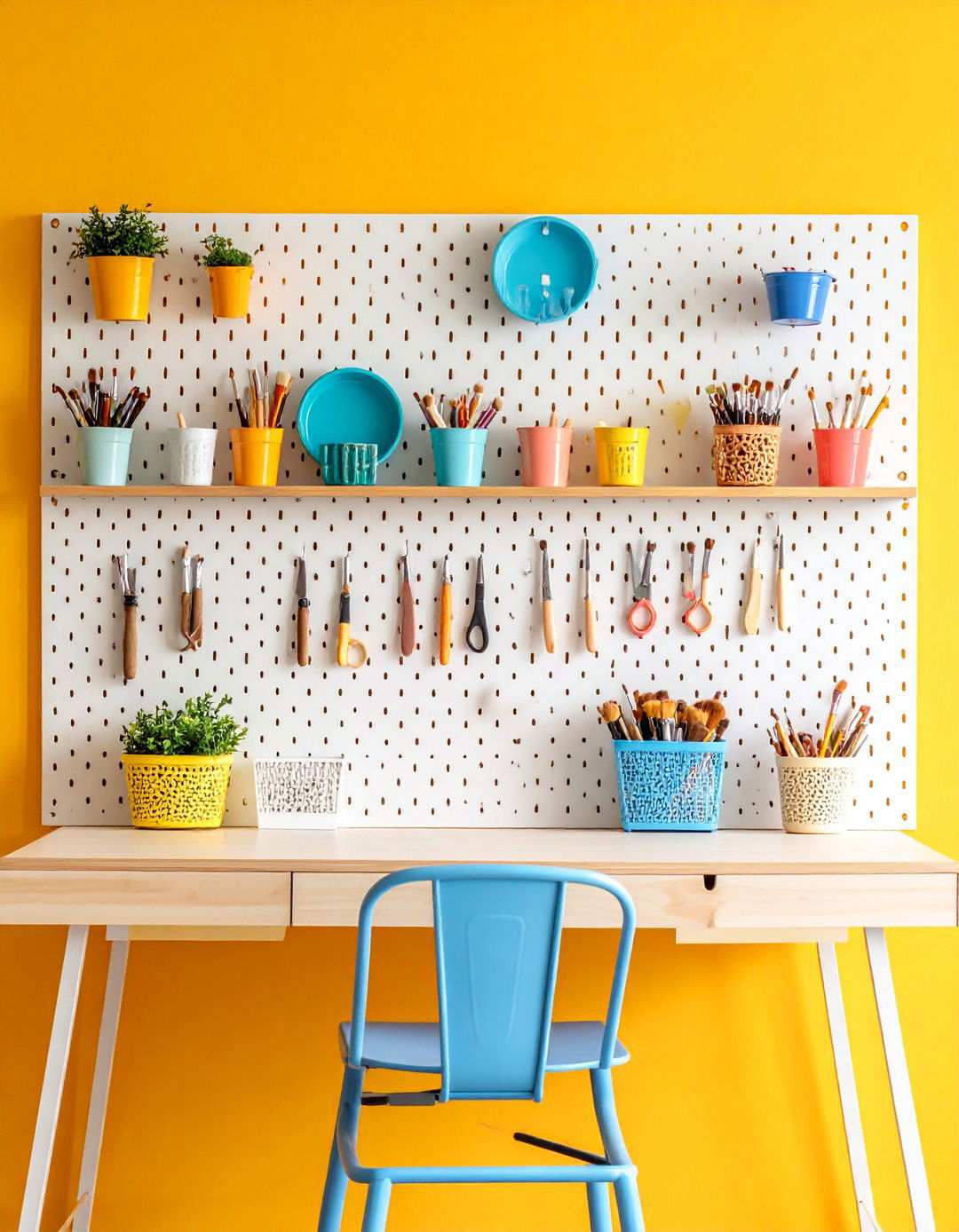
Pegboard walls revolutionize art room storage by providing adaptable, visually accessible organization systems that evolve with your changing supply needs. These versatile mounting systems can accommodate an array of tools and supplies, from scissors and rulers to brushes and small containers, using hooks, shelves, and baskets. Install pegboard at eye level above your work surface to keep essential tools within easy reach while maintaining a clutter-free workspace. The transparent accessibility of pegboard storage makes it simple to identify when supplies need replenishment, preventing clutter and promoting a tidy workspace. Paint your pegboard to match your art room’s color scheme, transforming functional storage into a visually appealing design element that grows with your art practice, allowing you to reconfigure storage arrangements as your techniques and supply needs evolve.
6. Transforming Closets into Artistic Retreats
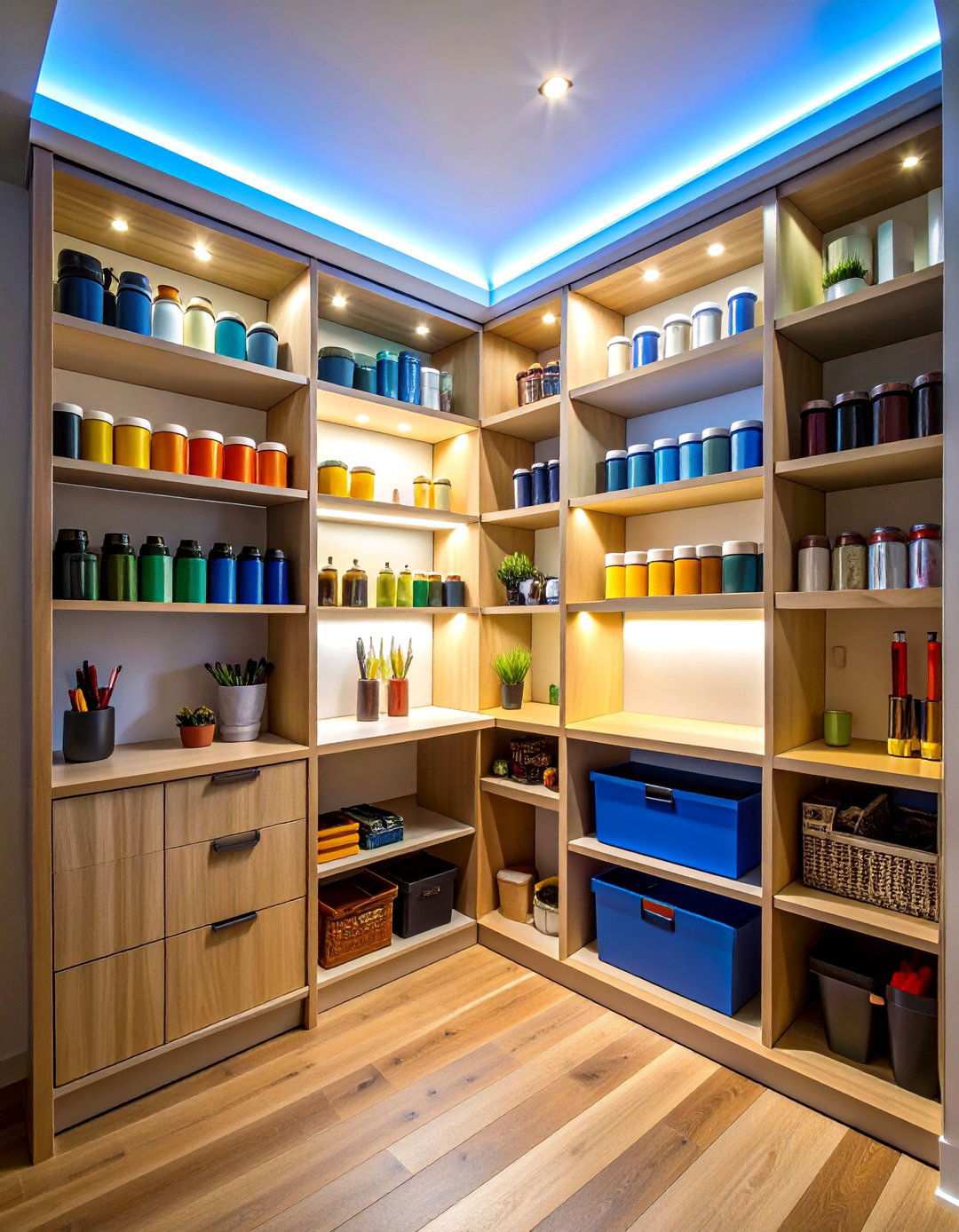
Optimizing a forgotten closet into an intimate art space not only boosts productivity but also establishes a serene creative haven. To begin, remove existing rods and introduce shelving, a fold-down workstation, and precise lighting, effectively creating a self-contained work environment. This compact setup fosters intense focus, containing any creative chaos within a neatly defined area. To make the most of available space, repurpose the closet’s existing shelving system for storing art supplies, incorporating compact containers and organizers to maximize vertical storage. The diminutive scale of this art sanctuary encourages immersive work sessions and can be easily secured when not in use. To ensure a comfortable working space, consider investing in a small fan and LED strip lighting to regulate temperature and ambiance.
7. Artful Gallery Wall Displays in the Art Room
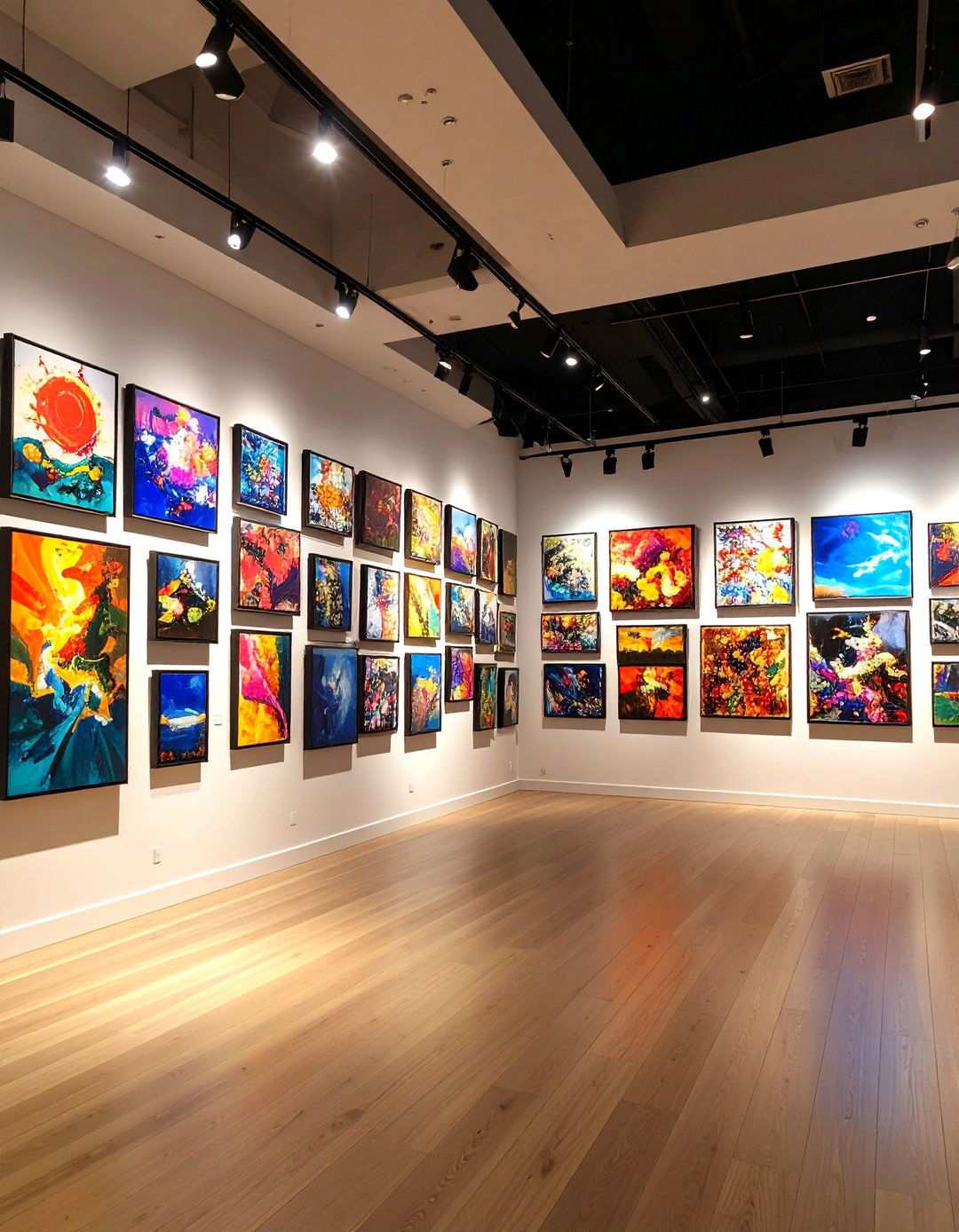
A thoughtfully designed gallery wall not only showcases finished works but also inspires new creative endeavors. To create a visually striking display, position artwork at eye level by combining an assortment of frame sizes and styles. This dynamic arrangement allows for regular rotations, keeping your art space fresh and motivating. The blank canvas of white walls provides the perfect backdrop for vibrant artwork, elevating the perceived value of your creative space. When designing your gallery wall, consider using picture ledges or wire systems that simplify the process of changing displays while minimizing damage risks. To add a touch of professionalism, illuminate your gallery wall with picture lights or track lighting, setting a new standard for high-quality art presentations.
8. Basement Conversion Projects: Ideal Art Rooms
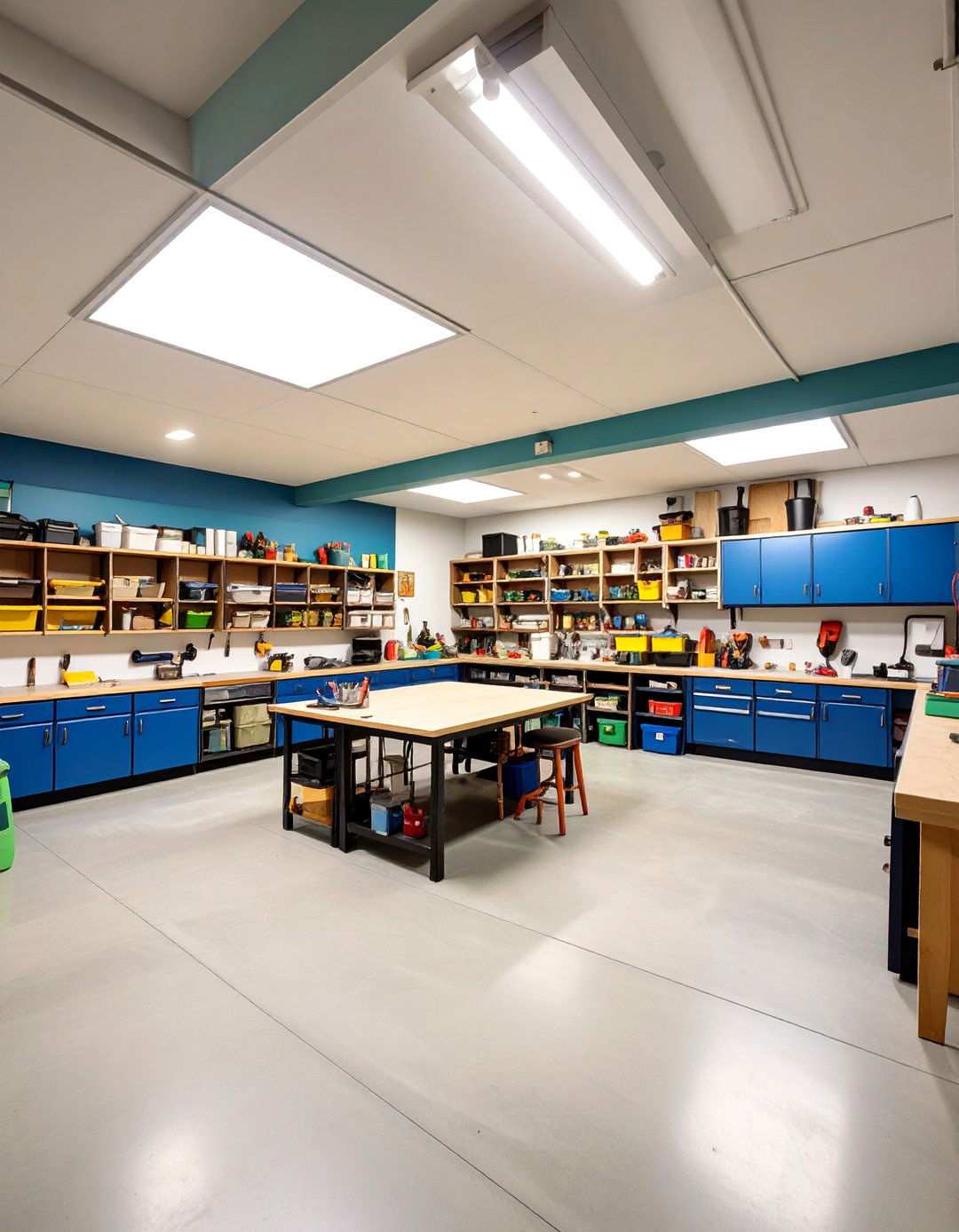
Basements present an ideal opportunity for sprawling art projects, providing a natural buffer from household activities. When converting basement space into an art room, prioritize moisture control, sufficient lighting, and ventilation to ensure a functional workspace. The durable concrete floors in basements render them perfect for messy art projects, eliminating concerns about damage or spills. To combat the typically dim environment, install ceiling-mounted lighting systems and opt for daylight-balanced LED fixtures for accurate color representation. The basement’s consistent temperature stability makes it an ideal location for storing art supplies and works in progress. Furthermore, this location offers exceptional sound isolation, ideal for art room activities that might disturb household members while providing boundless creative freedom.
9. Elevating Art Room Storage Solutions with Magnetism
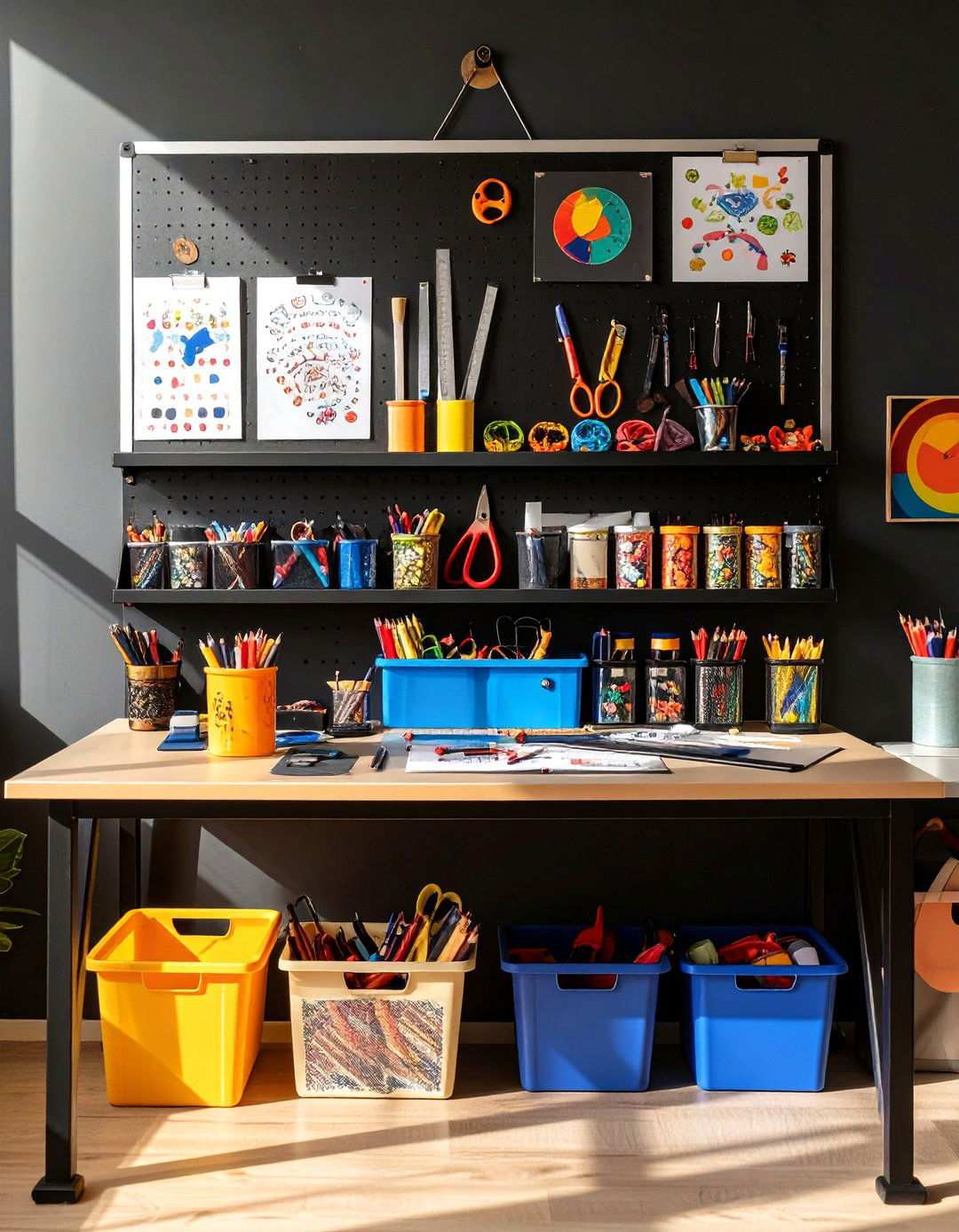
By leveraging magnetic forces, art rooms can be transformed into efficient and accessible spaces, utilizing vertical surfaces to showcase frequently used metal tools and supplies. To create bespoke magnetic boards, consider repurposing cookie sheets, metal panels, or applying magnetic paint to hold essential tools such as scissors, rulers, and other metal implements. This storage method keeps essential tools within reach, freeing up valuable desk and drawer space, while reducing the likelihood of clutter accumulation. Attach small magnetic containers to store paper clips, thumbtacks, and other tiny supplies that tend to go missing in traditional storage systems. The instant accessibility provided by magnetic storage minimizes workflow interruptions and maintains creative momentum, fostering an environment conducive to productivity and focus. Combining magnetic storage with color-coding systems enables intuitive organization that family members can easily maintain, ensuring the art room remains organized even with multiple users.
10. Crafting Inspiring Attic Art Room Environments
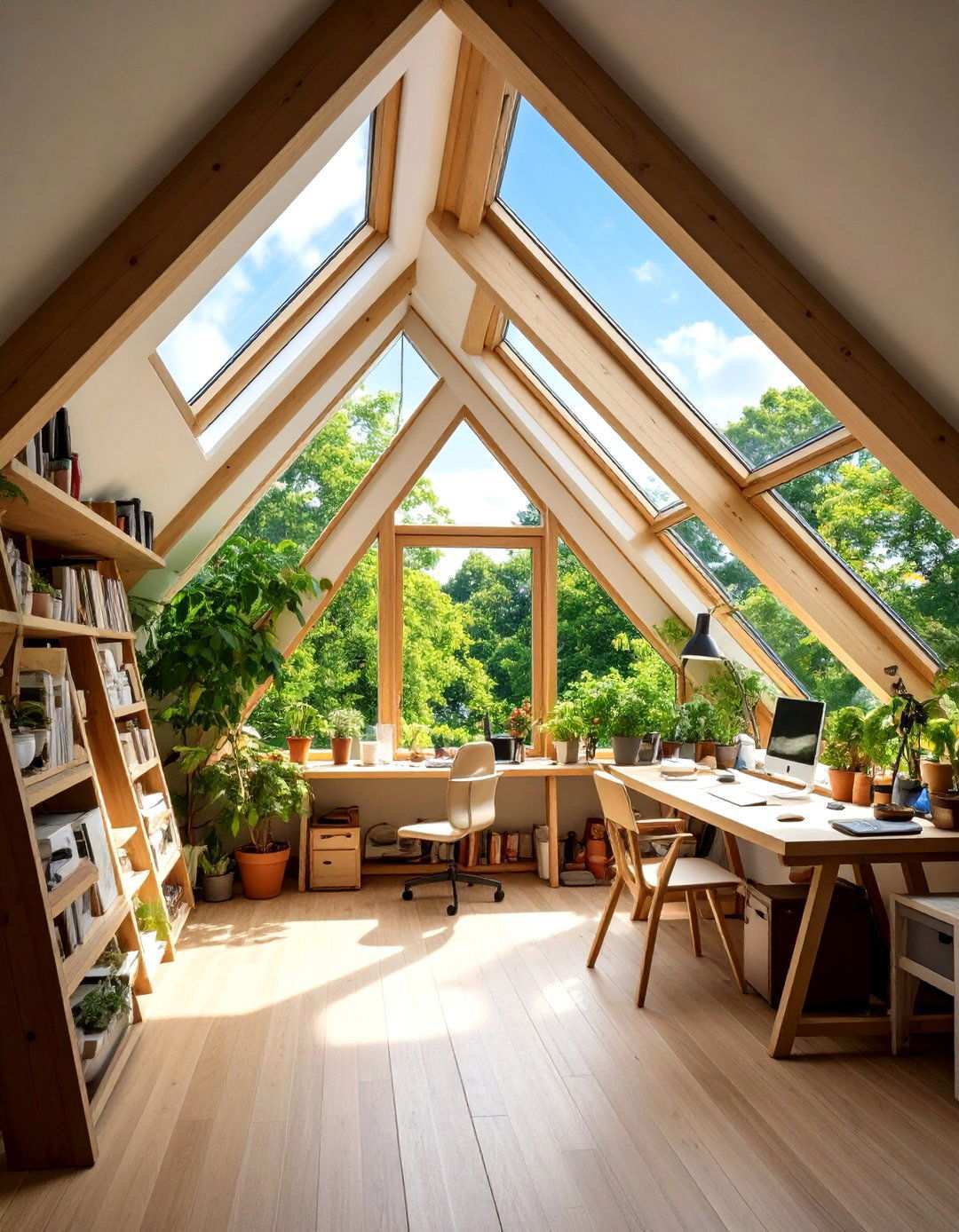
Attics offer secluded art room settings ideal for uninterrupted creative work, making the most of otherwise underutilized square footage. To address heating and cooling concerns in attic art rooms, it’s crucial to protect both artwork and supplies from temperature extremes. The unique sloping ceilings of attics present opportunities for custom-built shelving and organizing systems, effectively utilizing vertical space. Installing skylights or dormer windows brings natural light into attic art rooms, creating inspiring work environments with breathtaking views of treetops or the sky. When planning attic art rooms, it’s essential to consider the structural implications of heavy art supplies and furniture, ensuring proper weight distribution to prevent damage to the space. This elevated creative space offers a range of psychological benefits, providing a literal retreat from daily life where artistic focus can flourish.
11. Unlocking the Potential of Under-stair Art Room Spaces
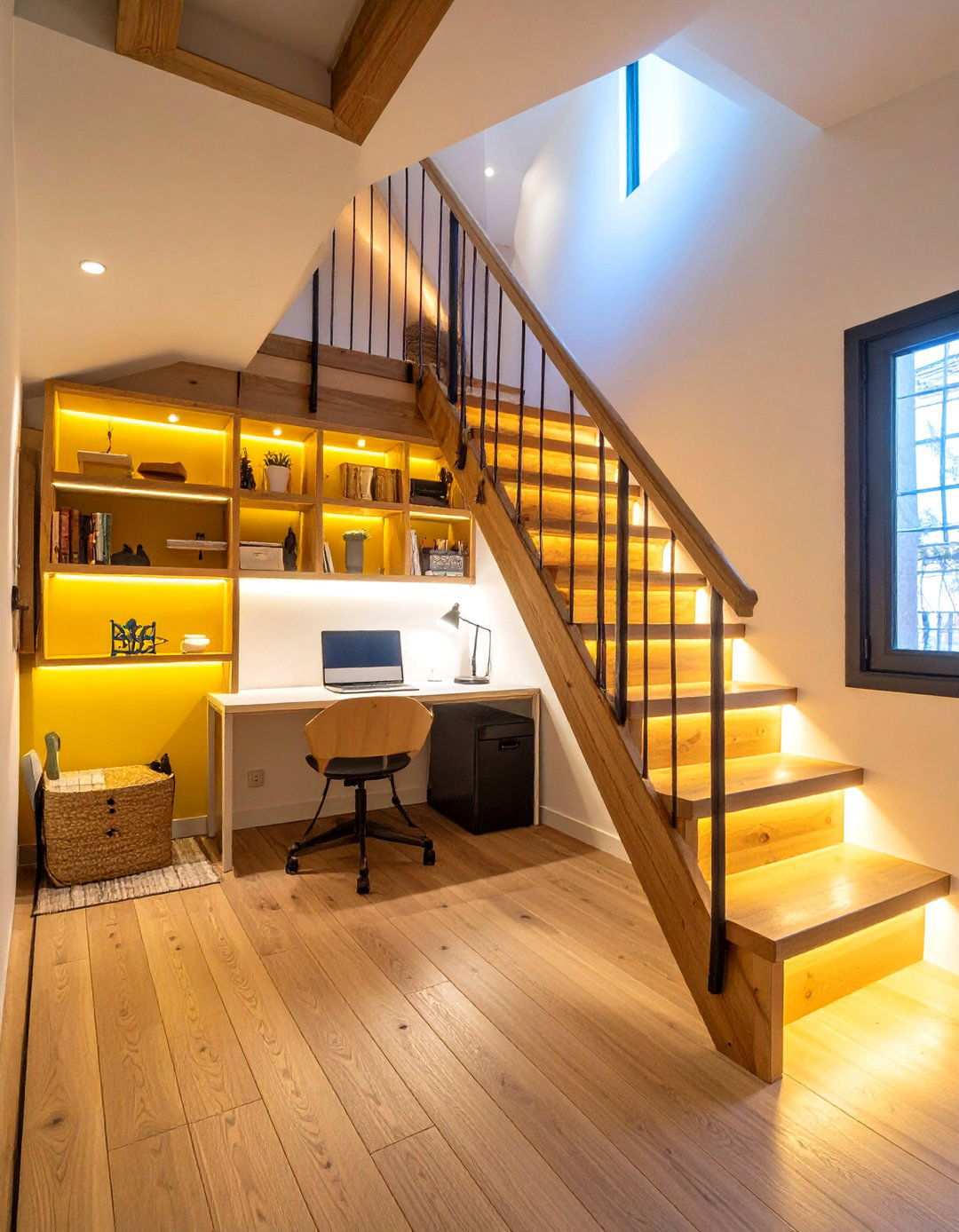
The area beneath staircases offers unique opportunities for compact art room installations that maximize every available square foot of space. To create functional workspaces within the angular confines of under-stair areas, consider installing wall-mounted easels, fold-down desks, and custom shelving. This often-overlooked space provides natural privacy and sound dampening for concentrated creative work, making it an ideal setting for focused productivity. Address lighting challenges in under-stair art rooms by strategically placing LED strips or track lighting systems, ensuring a well-illuminated space that stimulates creativity. The cozy, cave-like atmosphere of under-stair spaces can enhance creative focus while providing a dedicated area that doesn’t compete with other household functions. When planning under-stair art rooms, it’s essential to ensure adequate electrical access, as these spaces often lack convenient outlets for lighting and equipment.
12. Garage Art Room Workspaces: A Perfect Blend
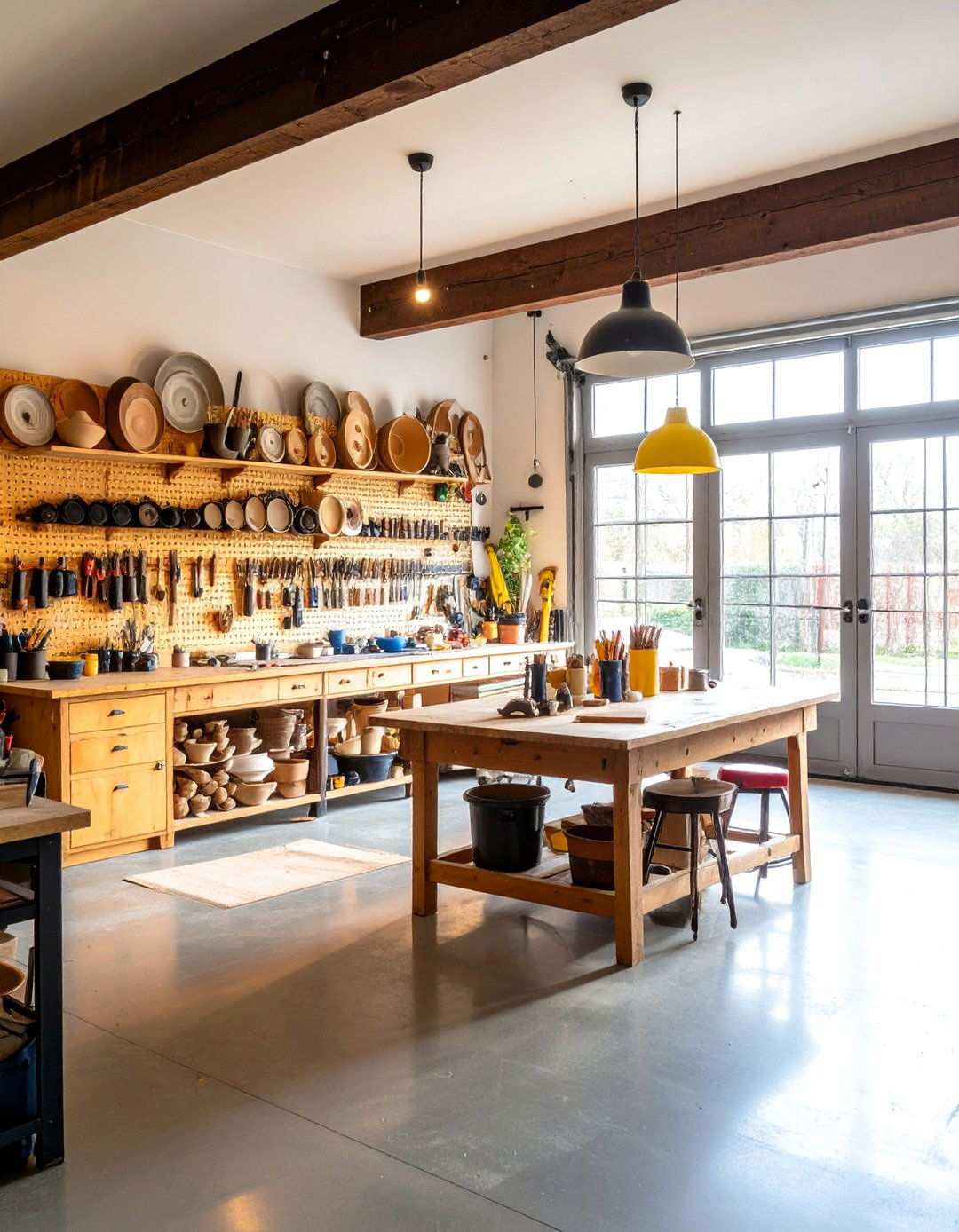
Garage art rooms stand out for their ability to host large-scale projects and messy creative endeavors in a well-ventilated environment, thanks to the overhead doors that provide an abundance of airflow. The concrete floors and utility connections found in garages make them ideal for art forms that require robust workspaces, such as pottery and sculpture. To transform garage space into a highly functional art environment, consider installing pegboard systems, workbenches, and storage solutions. The high ceilings in most garages also allow for the installation of tall easels and large canvas storage systems, providing ample space for storing and displaying artwork. When designing a garage art room, it’s essential to take into account seasonal temperature variations and consider adding climate control for year-round comfort. This versatile space is particularly beneficial for artists who work with multiple mediums, offering a dedicated area for both delicate and heavy-duty creative activities while maintaining a separation from living areas.
13. The Psychology of Art Room Color Schemes
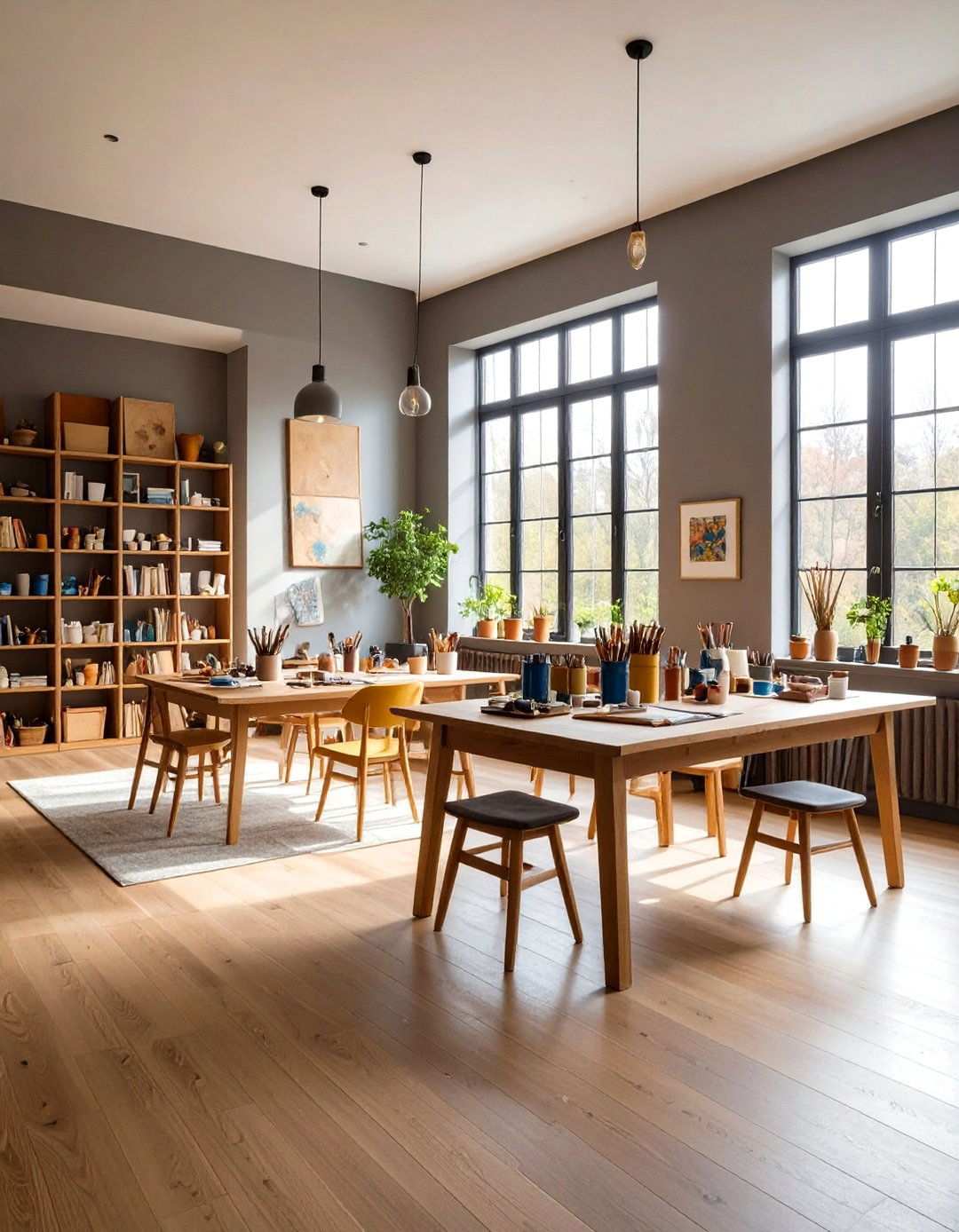
Neutral backgrounds are essential for art rooms, and mid-gray walls provide the perfect canvas for showcasing artwork without competing with it. Design trends currently favor warm, earthy tones that create cozy and inspiring environments, fostering focus and creativity. White walls can also create a gallery-like atmosphere, showcasing artwork beautifully while maximizing light reflection throughout the space. When choosing a color scheme, it’s crucial to consider how wall colors interact with your primary art mediums. For instance, cool grays work well for oil painters, while warm whites complement watercolor work. To avoid visual competition with your artwork, steer clear of highly saturated wall colors that can affect color perception. The psychological impact of color in art rooms extends beyond aesthetics, influencing mood, energy levels, and creative output. By choosing colors that support your artistic goals, you can create an environment where you genuinely enjoy spending time and feel inspired to create.
14. Seamlessly Integrating Digital Art Technology
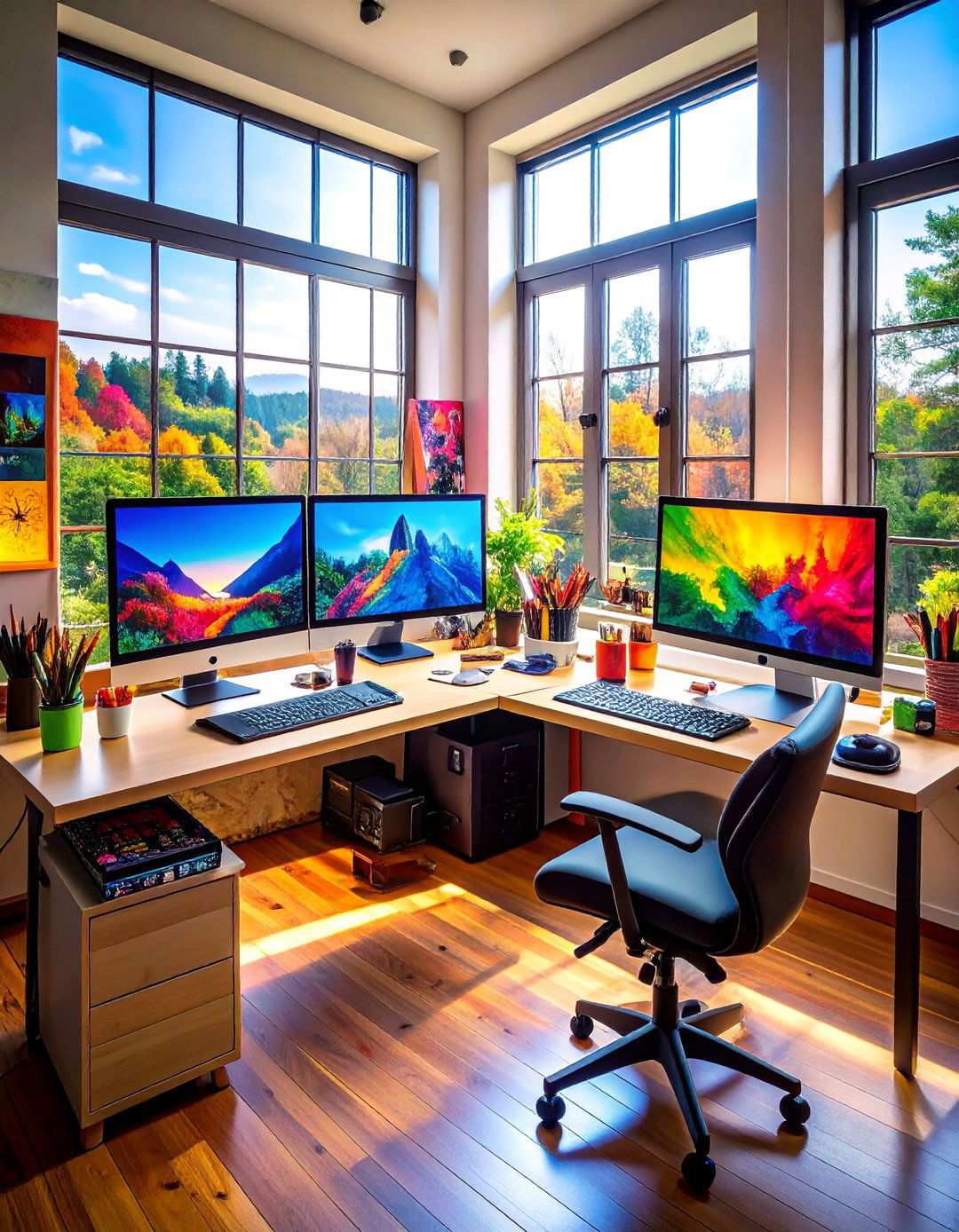
Modern art rooms are increasingly incorporating digital design stations alongside traditional art supplies, creating hybrid spaces that support both digital and physical creative work. To create a professional digital art environment, consider installing ergonomic desk setups with adjustable monitors, drawing tablets, and proper cable management. Cloud storage solutions like Google Drive can also help organize digital artwork files and lesson plans, ensuring easy access from any device. When planning art room layouts, be sure to consider the electrical demands of digital equipment and ensure adequate outlets and possibly adding dedicated circuits for high-power devices. Integrating charging stations for tablets and phones into your art room design will keep creative tools powered and ready for use. By seamlessly integrating digital art technology, you can transition between traditional and digital art creation with ease, preparing your space for evolving creative practices.
15. Elevating Creative Spaces: Dining Room Conversions
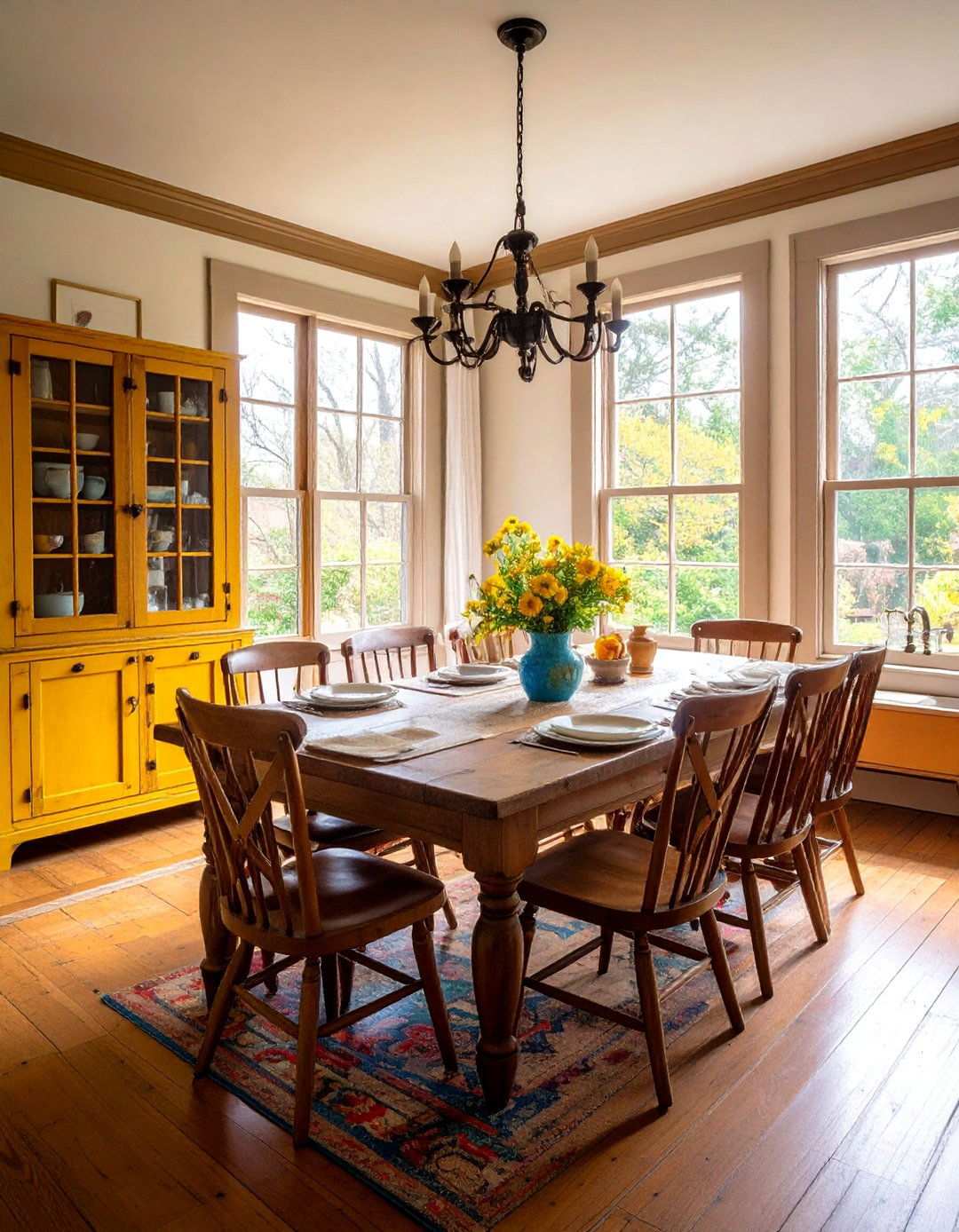
Transforming formal dining rooms into art spaces unlocks ample room and frequently benefits from natural light pouring in through expansive windows, meticulously designed to amplify mealtime ambiance . Retain the existing dining table as a spacious work surface and capitalize on built-in china cabinets as readily available storage for art supplies . Position your art room near the kitchen to capitalize on access to sinks for effortless cleanup and convenient snack preparation during extended creative sessions . This central location facilitates family-friendly art spaces where creative pursuits can seamlessly integrate with daily life. Draw inspiration from the dining room’s existing lighting fixtures as a foundation for art room illumination, supplementing with task lighting as necessary . The formal atmosphere of dining rooms can significantly enhance the perceived significance of creative work, encouraging more substantial artistic endeavors while maintaining the room’s inherent hospitality.
16. Essential Art Room Components: Easels and Display Systems
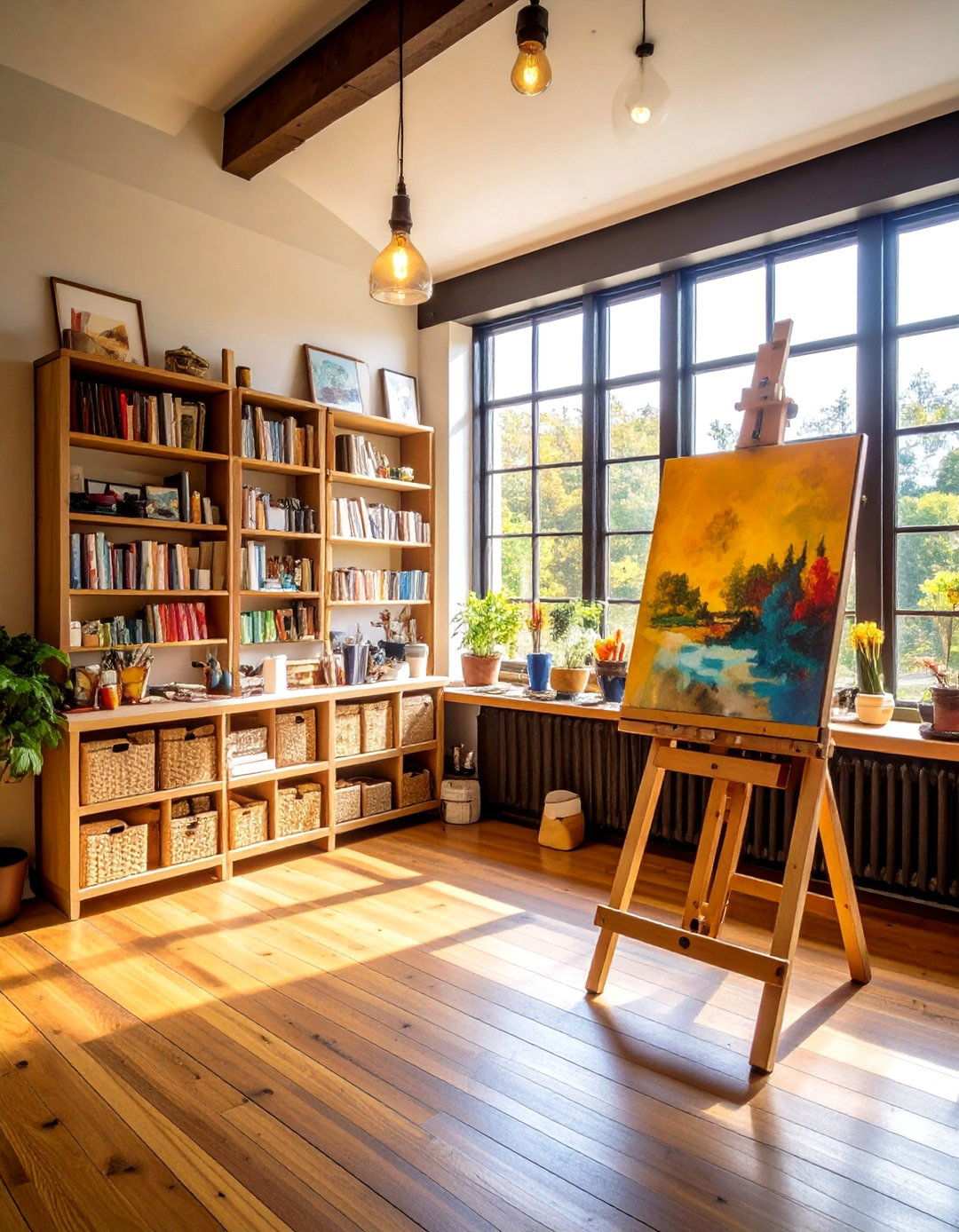
Adjustable easels form the core of effective art room design, providing stable platforms that accommodate various canvas sizes and artistic techniques . Wall-mounted easels optimize space in compact art rooms while offering convenient storage options for works in progress . Create adaptable display systems using clothespins and sturdy wire to showcase finished pieces without damaging walls with holes . Consider investing in easels featuring built-in storage compartments for frequently used supplies, such as brushes, paints, and other essential materials. Position easels near windows to take advantage of natural light while ensuring artificial lighting systems can provide sufficient illumination for evening work. Ensure your easel placement doesn’t create shadows from your working arm, which can negatively impact color perception and detailed work . High-quality easel systems evolve with your artistic development, supporting a wide range of artistic pursuits, from small sketches to large-scale paintings.
17. Prioritizing Art Room Comfort and Safety
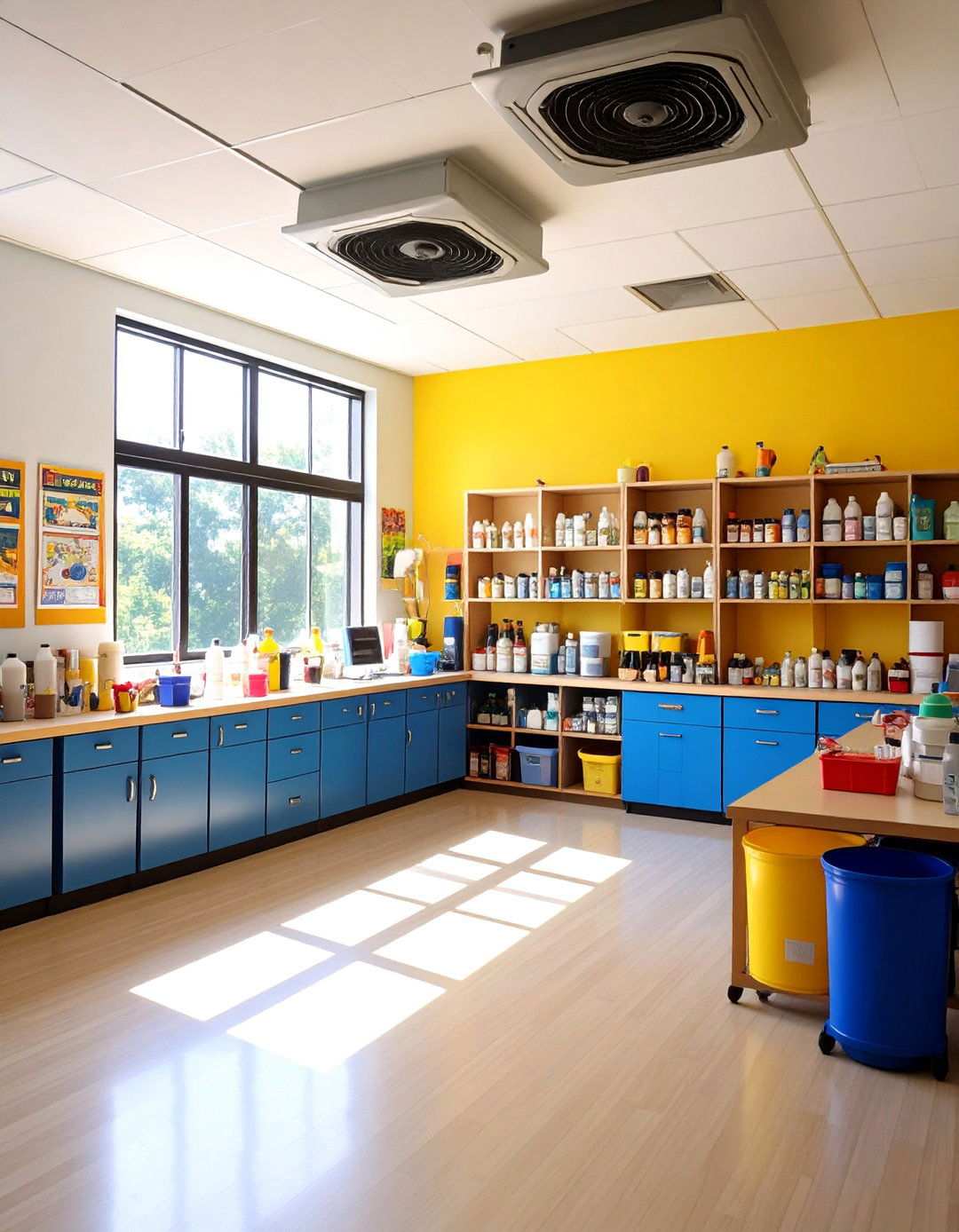
Proper ventilation in art rooms is crucial for protecting health while working with paints, solvents, and other materials that may emit fumes . Garage art rooms benefit from overhead door ventilation systems that provide exceptional air circulation for messy or odorous projects . Install exhaust fans or air filtration systems in enclosed art rooms to maintain air quality during extended creative sessions. Consider the strategic placement of ventilation systems to avoid disturbing lightweight materials or creating drafts that affect delicate work . Keep windows accessible for natural ventilation, especially when working with oil paints or other materials requiring adequate air circulation . Safety considerations extend beyond ventilation to encompass proper storage of hazardous materials, sufficient lighting to prevent accidents, and clear pathways that prevent trips and falls. Install smoke detectors and have fire extinguishers specifically designed for art materials readily available in your creative space .
18. Elevating Art Room Efficiency with Storage-Friendly Furniture
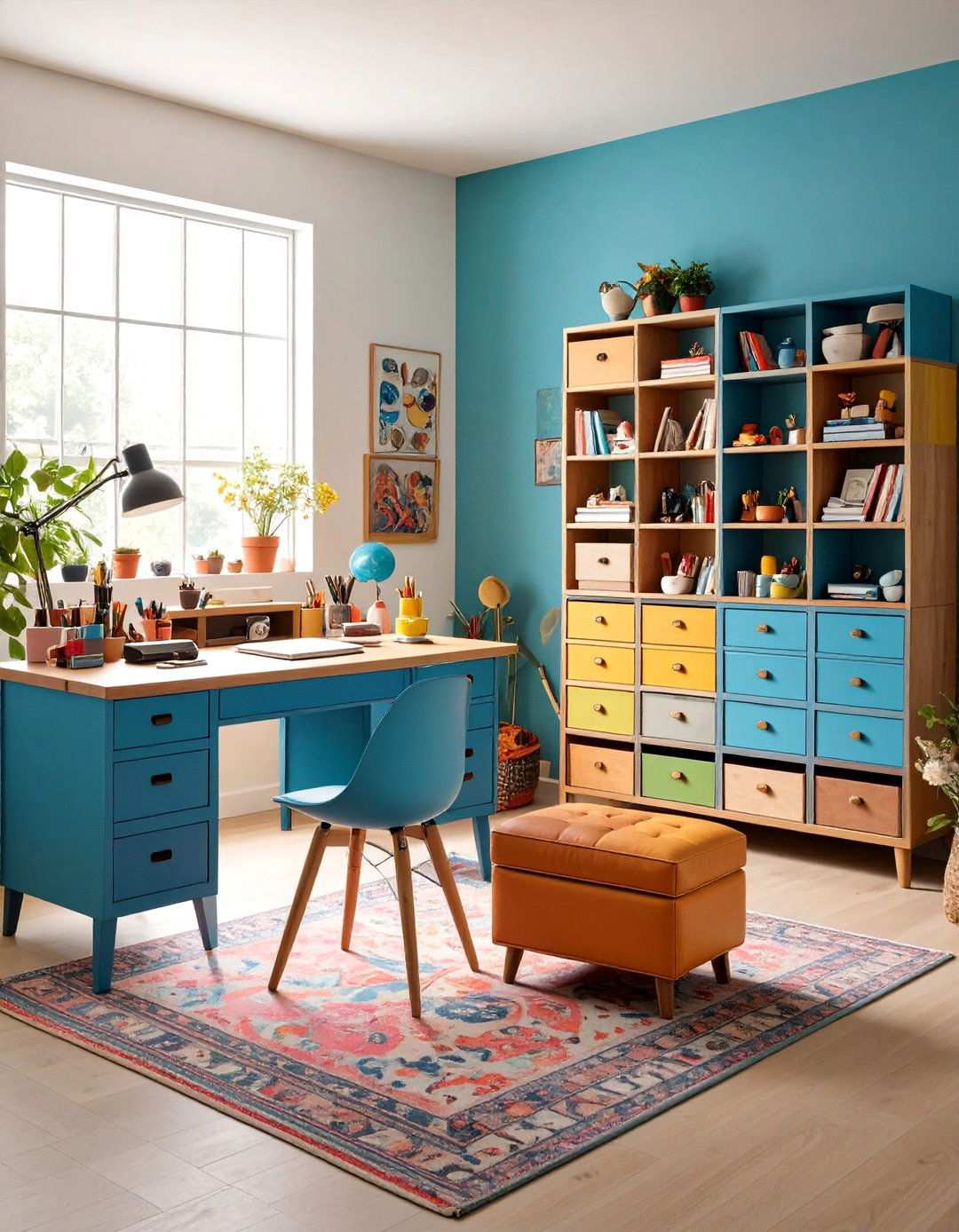
Optimizing art room layout through multifunctional furniture designs empowers creative professionals to work efficiently while storing supplies in an organized manner. By pairing workspace with storage solutions, artists can maintain tidy work surfaces and swiftly access the tools they need. When selecting furniture, consider the versatility it offers, such as storage ottomans that serve as seating and conceal art supplies, or repurposed vintage pieces like dressers and card catalogs that provide one-of-a-kind storage solutions while adding character to the space. To maintain a polished appearance when hosting guests or utilizing the art room for various purposes, consider installing curtains or cabinet doors to conceal open storage areas. The thoughtful selection of functional furniture enables art rooms to feel intentional and organized, fostering creative concentration and promoting household harmony.
19. Illuminating Art Room Creativity with Customized Lighting
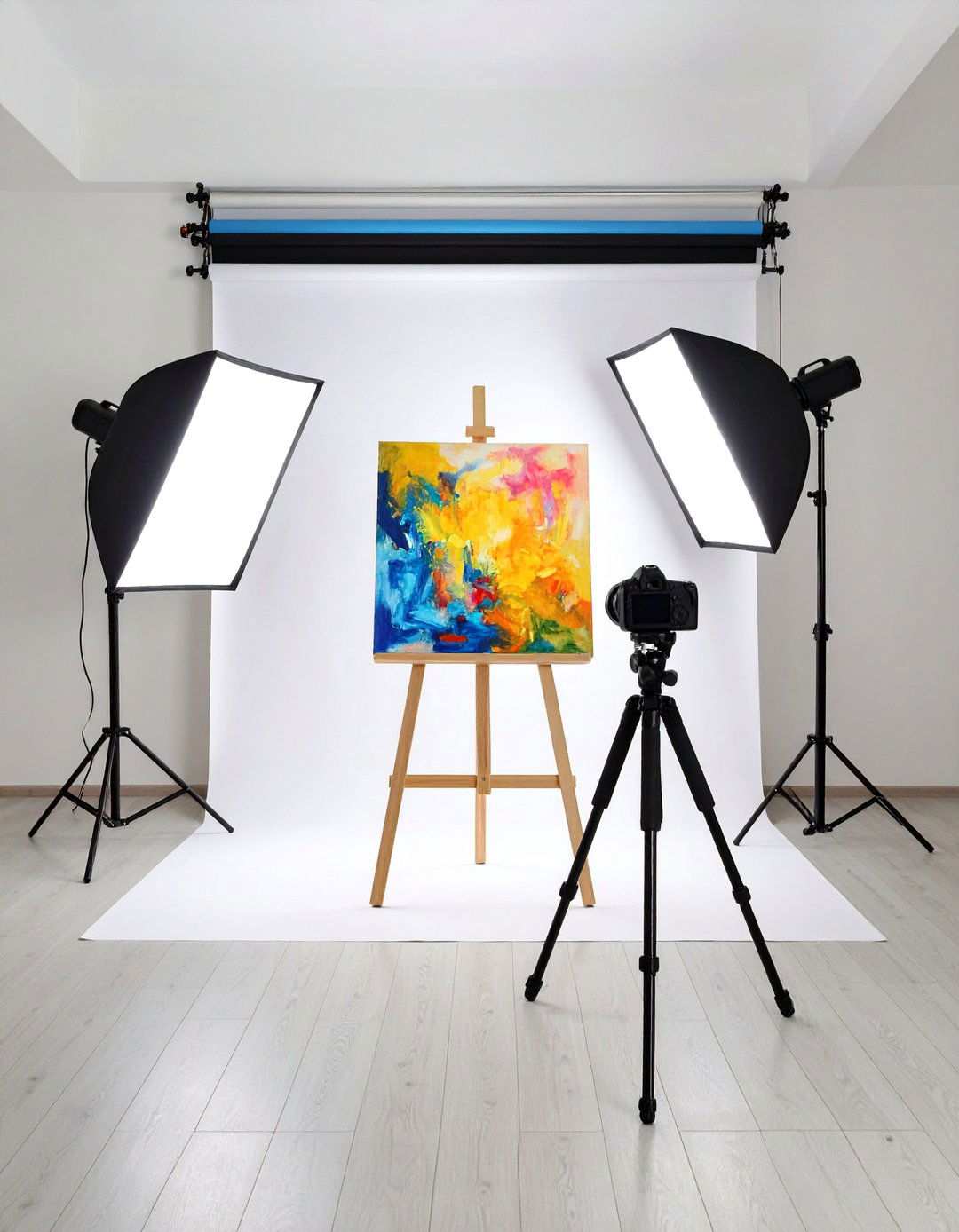
Tailoring lighting setups in art rooms enables the capture of high-quality photographs of finished artwork, a crucial aspect of portfolio development and online sharing. Positioning adjustable LED lights at 45-degree angles helps minimize glare and shadows when photographing glossy or textured artwork. Furthermore, color-tunable lighting systems enable artists to adjust both temperature and intensity according to specific documentation needs or display requirements. Portable lighting solutions offer flexibility, allowing for effortless repositioning of lighting setups without permanent installation. Maintaining consistent lighting conditions ensures accurate color reproduction in photographs, guaranteeing that digital documentation accurately represents the physical artwork. This dual-purpose approach to art room lighting supports both the creative process and the professional presentation of finished work.
20. Harmonizing Art Room Design with Nature
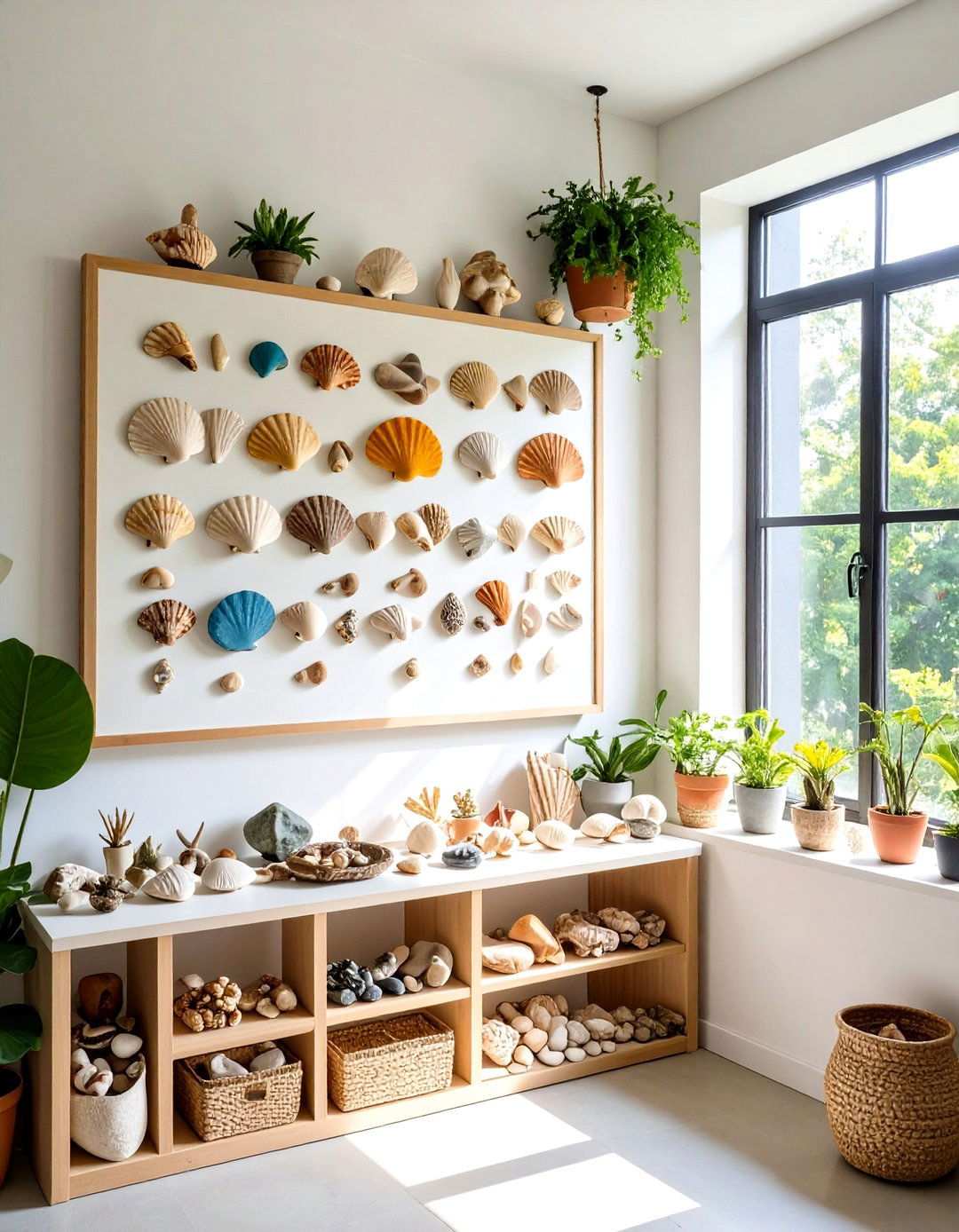
Incorporating natural elements into art room design fosters inspiring environments that change with the seasons, sparking fresh creative energy. Displaying seasonal collections such as shells, leaves, or stones serves as both inspiration and subject matter for artistic exploration. By drawing on educational philosophies like Reggio Emilia, artists can surround themselves with carefully chosen natural elements that soothe and inspire. Placing work areas near windows offering views of gardens or natural landscapes provides ongoing inspiration and a connection to the outdoors. Consider incorporating living plants that thrive in art room conditions, adding oxygen and natural beauty while requiring minimal maintenance. Rotating natural displays seasonally maintains interest and provides new inspiration for artistic work, creating art rooms that feel alive and connected to the natural world. This approach supports both creativity and well-being.