1. Cultivating Harmony: Zen-Inspired Dry Rock Gardens
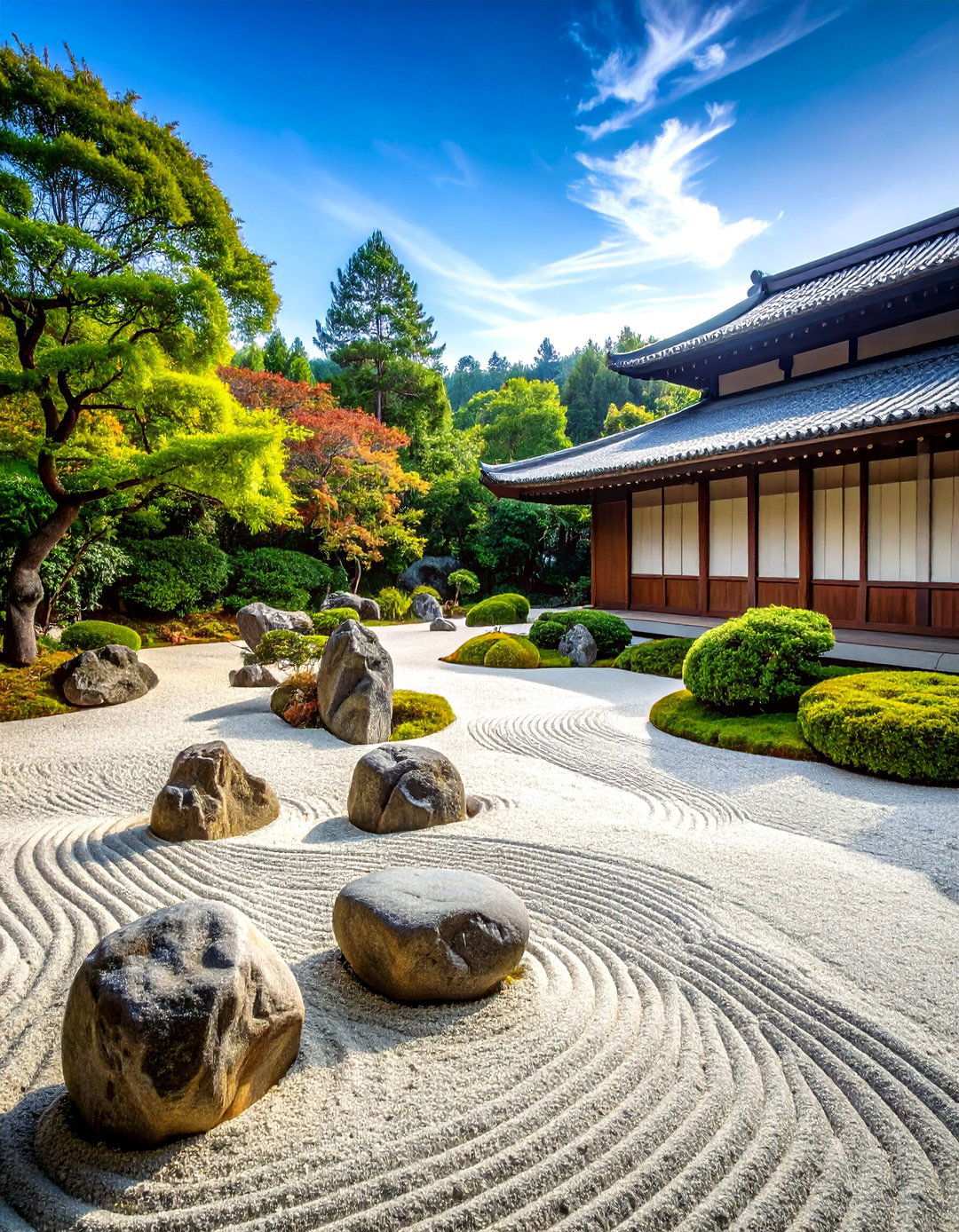
A tranquil escape from the world’s noise, traditional karesansui rock gardens bring profound serenity to any outdoor space through the subtle yet powerful principles of Japanese minimalist design. This distinctive style features stones and raked gravel or sand patterns that evoke the abstract concepts of water and natural landscapes. As an integral part of the meditative process, the carefully arranged stones and flowing gravel patterns invite the mind to wander and explore the realms of the imagination. To create a visually stunning dry rock garden, position large focal stones asymmetrically to represent majestic mountains or distant islands, then rake fine gravel around them in fluid patterns that suggest the gentle undulations of water or meandering streams. Employ a fine-toothed metal rake to smooth the gravel, followed by a specially designed, wide-toothed rake to draw the intricate pattern. With its low-maintenance requirements and minimal plantings, this design allows the contemplative beauty of stone and sand to take center stage, creating a serene space for quiet reflection and spiritual contemplation.
2. Weaving Bamboo into Your Asian Landscaping
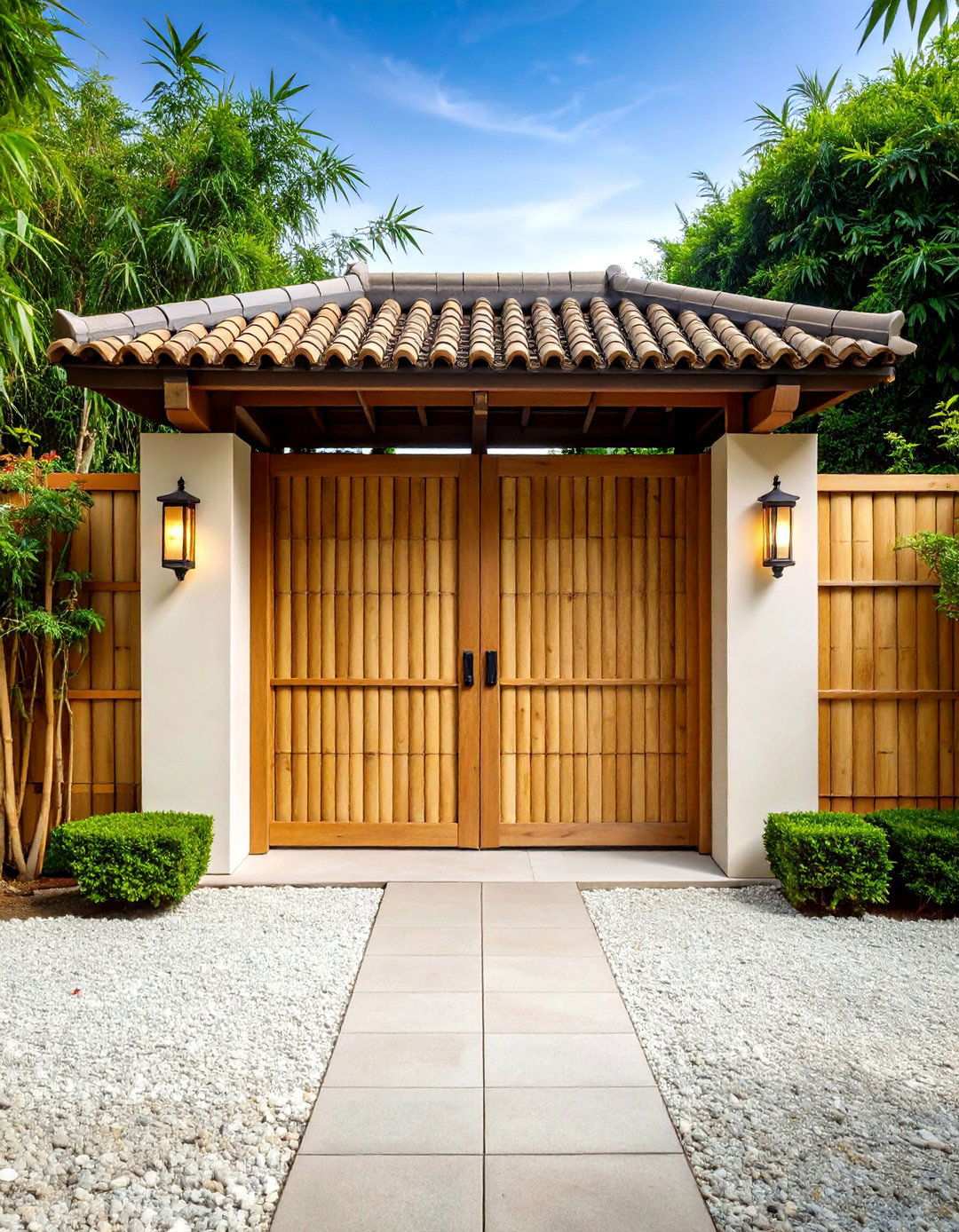
Bamboo screens are an attractive and functional element in Asian garden design, offering an elegant solution for creating seclusion while maintaining the aesthetic integrity of the space. This versatile plant creates airy, natural barriers that allow light to filter through while providing shelter from the outside world. Phyllostachys Bissetii, a particularly hardy species, thrives in a range of environments, tolerating cold temperatures, windy conditions, salt sprays, and poor soils with ease. To establish a bamboo containment system, install barriers to control the plant’s spread and maintain your desired garden shape. A simple bamboo fence can effectively block views of the outside world, while a gate and attractive arbor create a clear entrance. The soothing sounds of rustling bamboo leaves enhance the meditative quality of your Asian landscaping, providing year-round screening that grows denser with time.

As an Amazon Associate I earn from qualifying purchases.
3. Authentic Asian Landscaping with Koi Pond Water Features
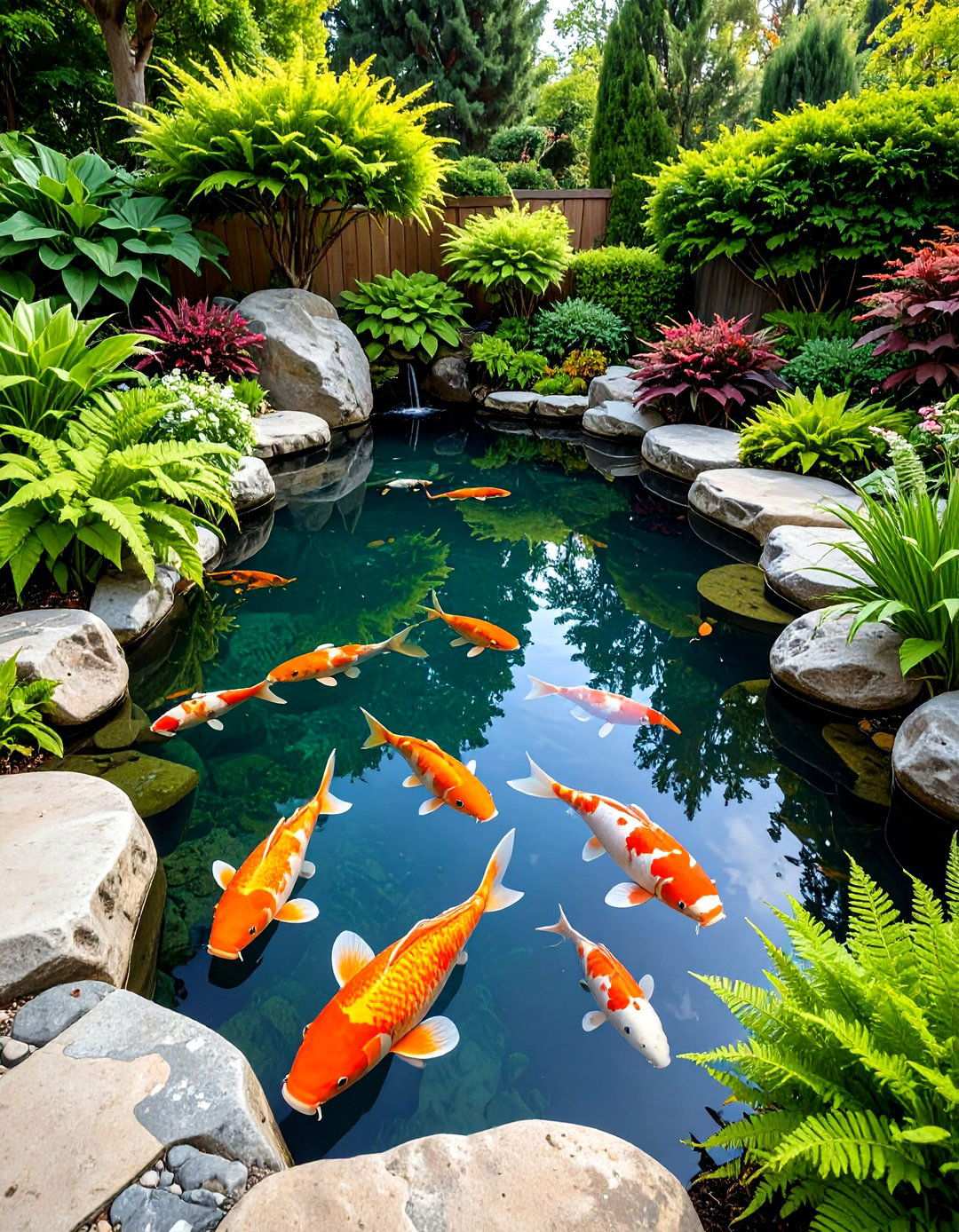
A vibrant koi pond serves as the heart of authentic Asian landscaping, infusing your garden with soothing movement, rich colors, and an air of life. To create a striking Japanese garden design, incorporate a koi pond, which brings hours of enchantment, with goldfish proving more resilient than koi. However, both species may need to be overwintered indoors in cold climates. Design your pond with fluid, natural shapes to uphold the organic aesthetic at the core of Asian design principles. These serene water features, often home to over 1200 koi fish, turtles, birds, and other wildlife, help maintain the peaceful ambiance of the Japanese Garden. Surround the pond with carefully curated stones, ornamental grasses, and shade-loving plants like hostas or ferns, allowing the “living jewels” to shine against the sky. This captivating display generates immense delight for visitors, making it the highlight of the garden.
4. Strategic Placement of Stone Lanterns in Asian Landscaping Design
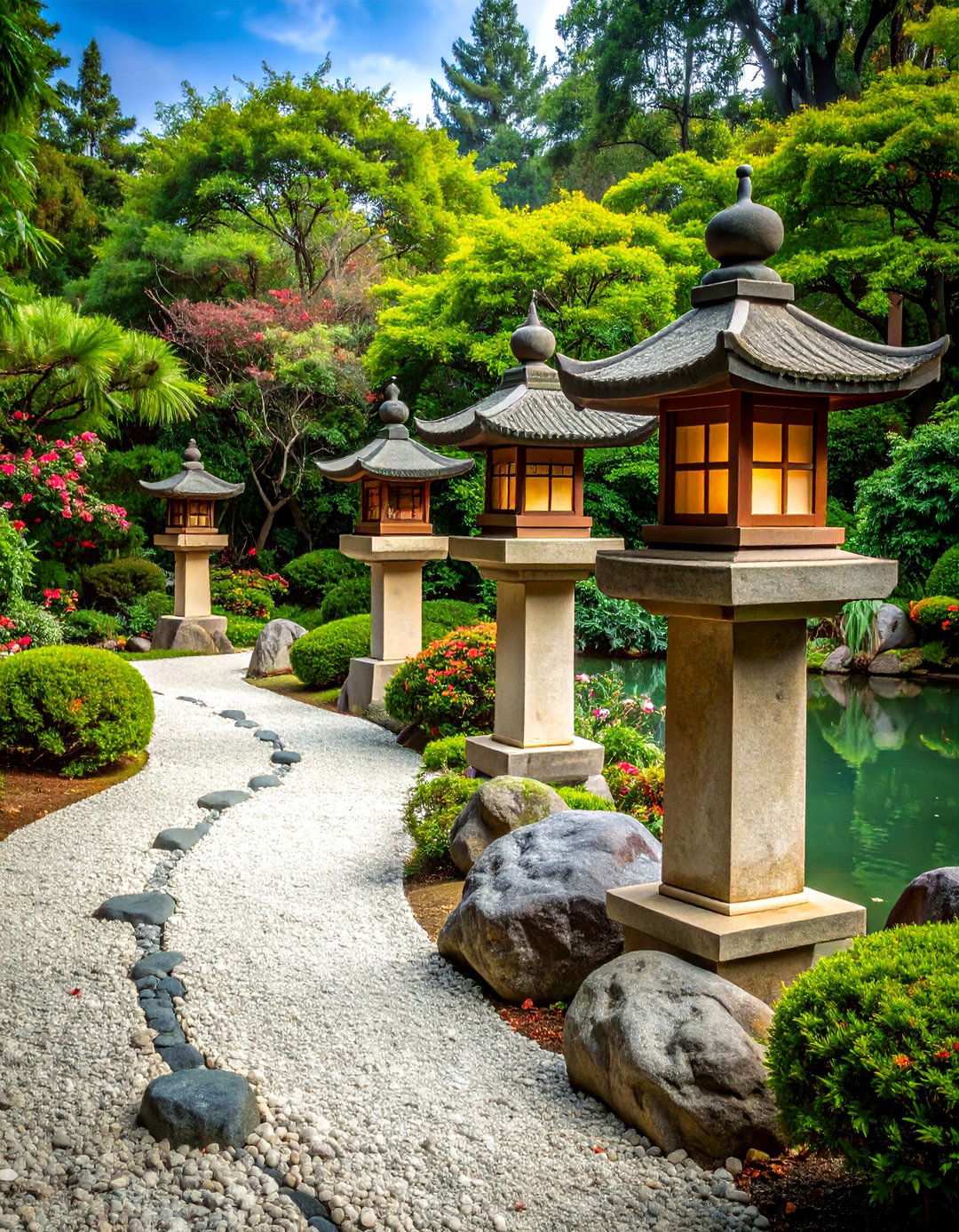
Thoughtfully placing stone lanterns integrates both functional lighting and symbolic significance into your Asian landscaping design. In the Muromachi/Momoyama period (1336 – 1600), lanterns gained popularity in tea gardens and pathways leading to the teahouse as a practical element to illuminate challenging path sections. These features embody profound spiritual, philosophical, and symbolic meanings, serving as guardians of the garden, representing brightness, spiritual enlightenment, and protection from evil. Strategically position lanterns along winding pathways to guide visitors through the garden, near water features for contemplation, or as focal points in meditation areas. Lanterns shaped like pagodas add character without occupying excessive space. Choose from a variety of traditional styles, including Kasuga, yukimi, or pagoda forms, ensuring they harmonize with your landscape’s natural elements. In larger gardens, spark the interest of guests by incorporating multiple styles of lanterns.
5. Asian Landscaping Japanese Maple Tree Focal Points
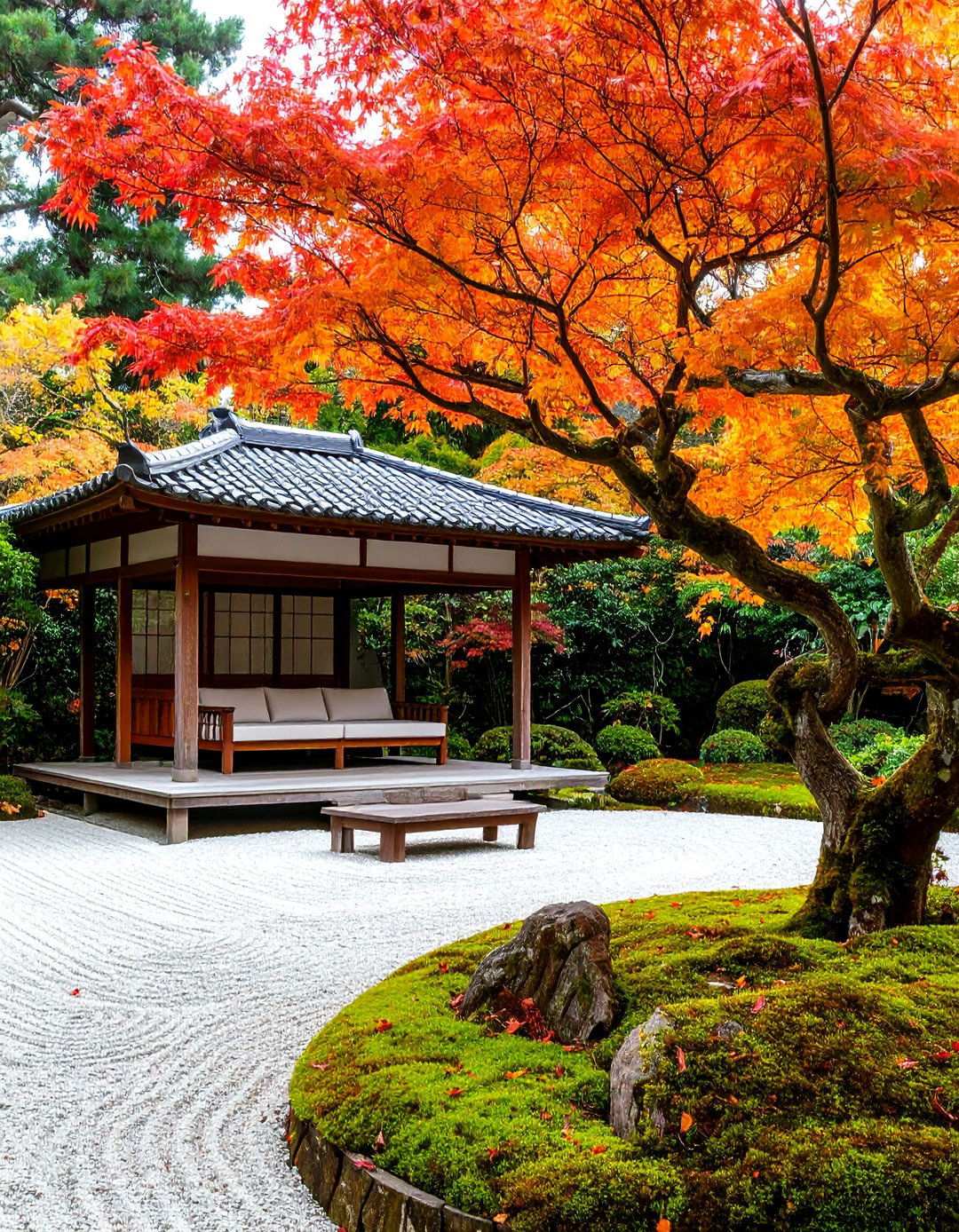
In Asian gardens, Japanese maple trees stand out as magnificent focal points, offering breathtaking seasonal interest that captivates the senses year-round. Their striking colors and distinctive silhouettes make them a staple in Asian landscaping designs, where they’re often showcased against a backdrop of lush greens and vibrant foliage. To highlight their natural beauty, gardeners in Japanese garden design often prune trees into shapes that emphasize their architectural form, revealing a deeper appreciation for the plant’s inherent character. By strategically placing Japanese maples as specimen trees, you can fully appreciate their elegant branching patterns and vibrant hues from multiple vantage points. With proper care, these trees will reward you with a kaleidoscope of colors, shifting from warm reds in autumn to lush greens in spring, creating a living masterpiece that anchors your garden’s design.
Positioning Japanese maples near seating areas or along pathways allows their seasonal transformations to become a dynamic backdrop for relaxation and contemplation. Their serene presence also makes them a perfect complement to stone arrangements, where their ever-changing beauty can be fully appreciated. By incorporating Japanese maples into your Asian landscaping design, you’ll create a breathtaking oasis that reflects the harmony and balance found in traditional Japanese gardens.
6. Asian Landscaping Moss Garden Groundcover Design
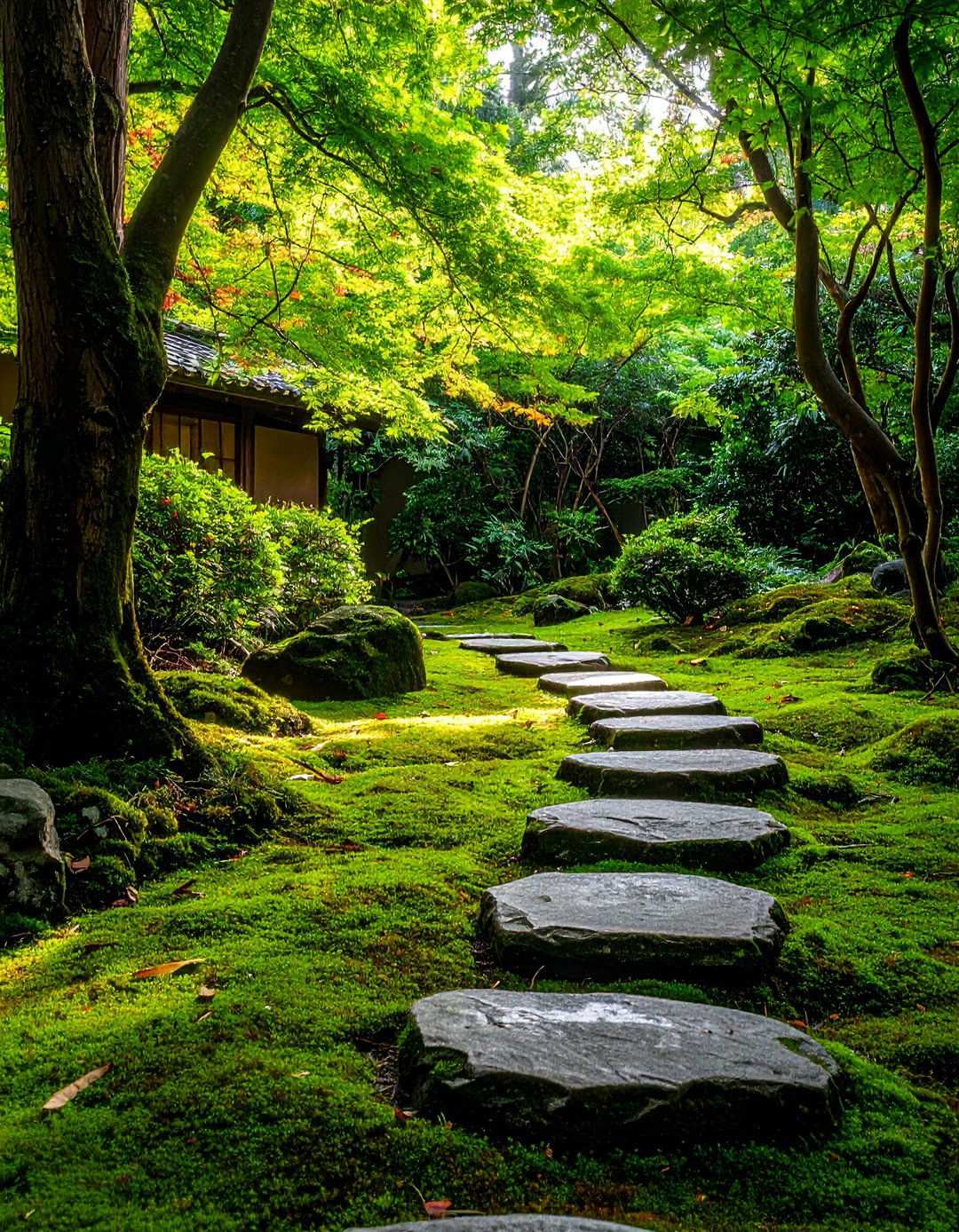
Moss gardens embody the soothing essence of Asian landscaping philosophy, creating a tranquil atmosphere that transports visitors to a serene world of natural beauty. By establishing a lush carpet of moss, you can create a sense of calm and serenity in even the busiest of spaces, where the soft texture and gentle hues evoke a deep sense of tranquility. However, it’s essential to note that moss requires careful maintenance, particularly in areas with heavy foot traffic, where stepping stone walkways can help protect this delicate groundcover. To create a Japanese Zen Garden, designers often incorporate essential elements such as gravel, stones, and moss, carefully balancing these elements to create a harmonious and contemplative space.
To establish a thriving moss garden, choose areas with consistent moisture and filtered light, such as beneath tree canopies or alongside water features. Tea gardens, in particular, often feature mossy groundcovers, stone lanterns, and neatly manicured plants, creating a sense of serenity and balance that’s quintessentially Japanese. By incorporating pathways made from flat stones or wooden boards, you can protect the delicate moss while maintaining easy access for maintenance. With their velvety texture and diverse shades of green, moss gardens provide year-round interest and require minimal maintenance once established in suitable conditions.
7. Asian Landscaping Tea Garden Retreat Design
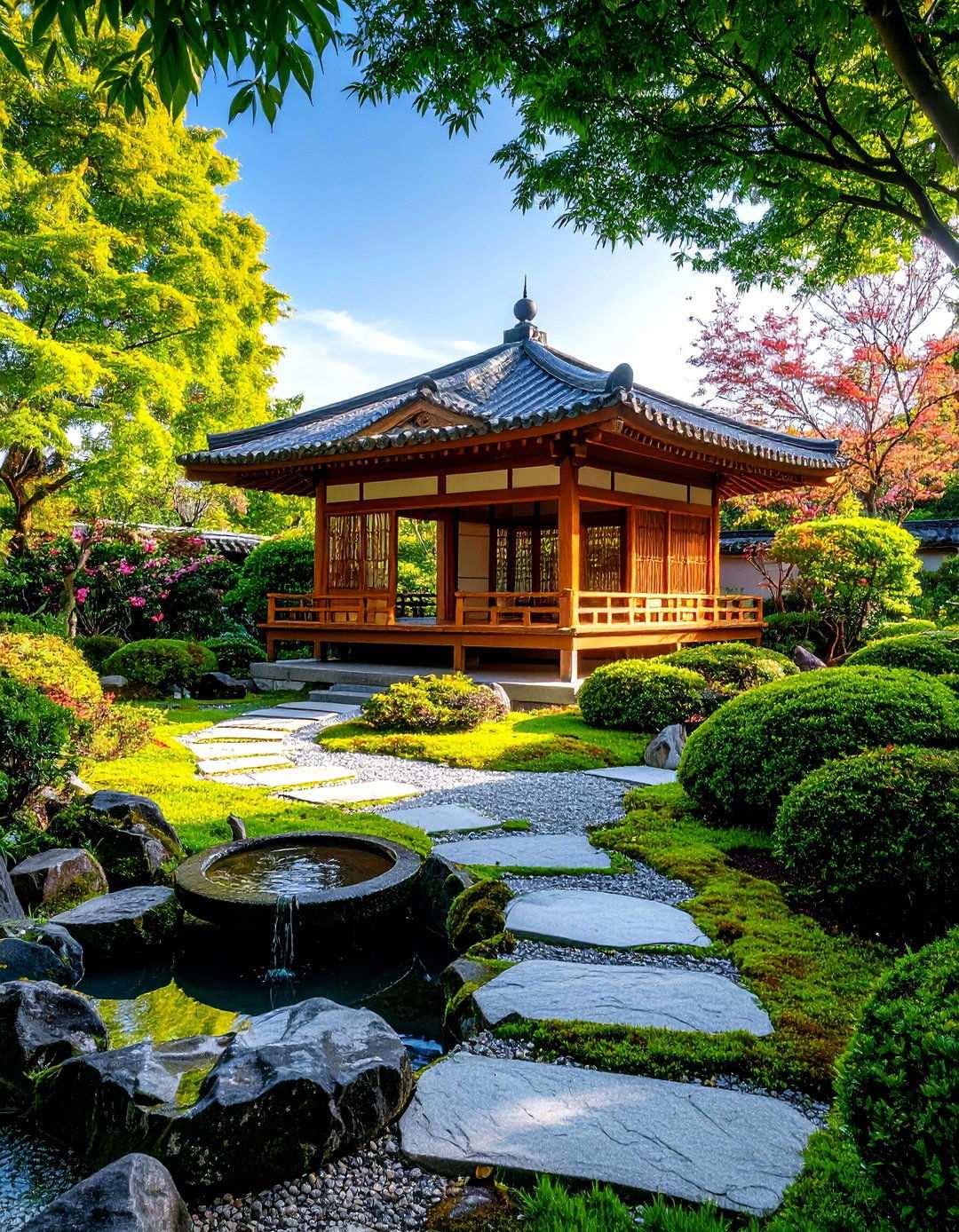
Traditional Asian tea gardens embody the essence of serene landscaping, crafting secluded spaces designed for introspection and ritual. Originating from ancient Chinese esoteric rituals, Japanese tea gardens were meant to evoke a contemplative mood in those approaching the teahouse for ceremonial tea. Underpinned by Buddhist principles of balance and minimalism, these tranquil retreats serve as idyllic settings for meditation, self-reflection, and a deep appreciation for the natural world. To create a harmonious tea garden, consider an outer area connected by meandering pathways to an intimate inner sanctuary featuring a small pavilion or seating area. The tea garden’s purpose is to gently disengage visitors from the world’s distractions, strip away worries, and prepare them for the tranquil experience of sharing tea with friends. Incorporate thoughtfully designed elements such as stone basins for purification, meticulously pruned greenery, and subtle ambient lighting to guide the visitor on an enchanting journey from everyday concerns to profound mindfulness.
8. Asian Landscaping Bonsai Display Garden Areas
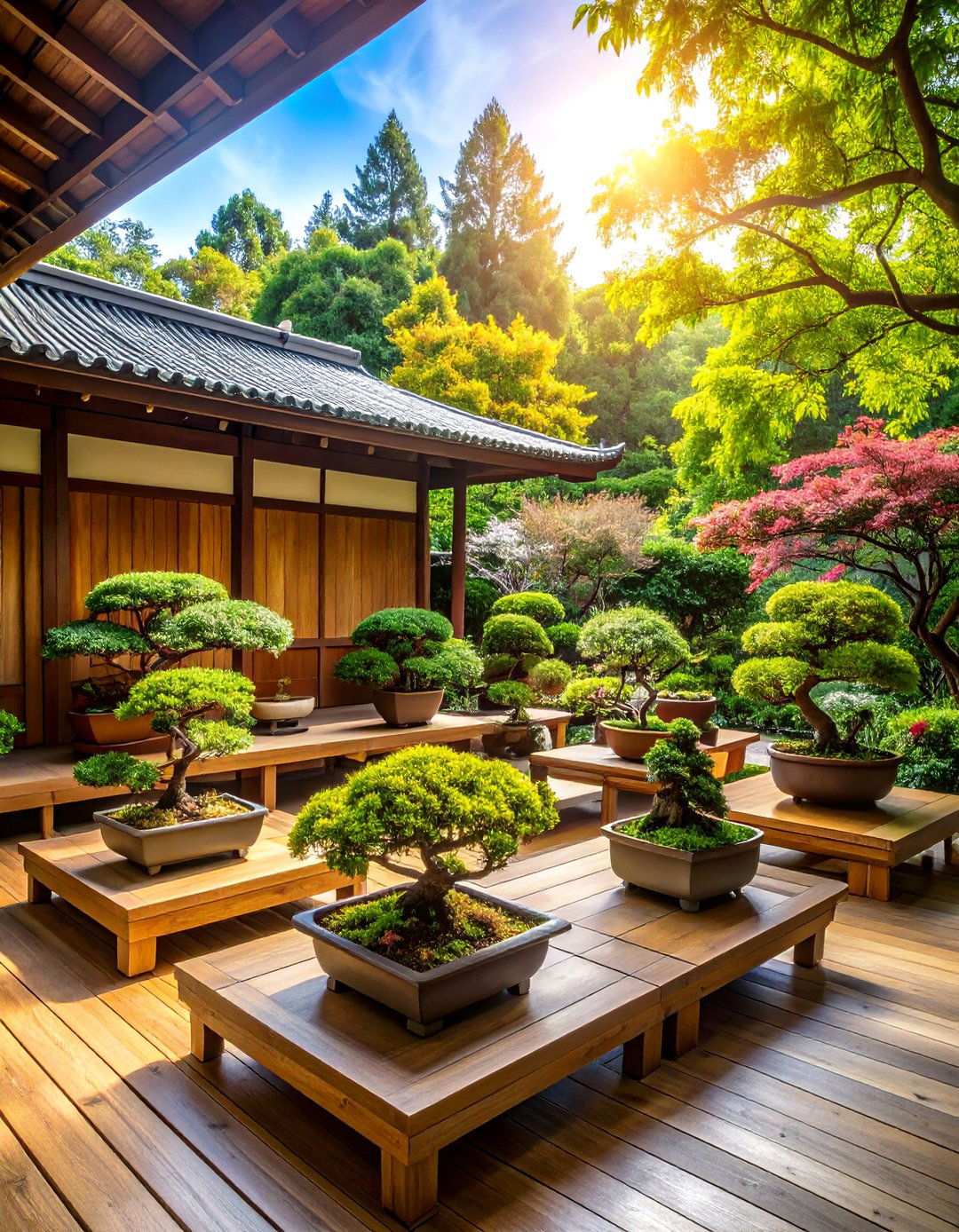
A well-crafted bonsai display area showcases the exquisite artistry of miniature tree cultivation, exemplifying the harmonious union between human creativity and natural beauty. In Feng Shui, the practice of bonsai cultivation transcends mere tree placement; it’s about cultivating a symbiotic environment where both you and your plant can thrive together in perfect balance. According to Feng Shui principles, strategically placing your bonsai in the eastern or southeastern sector of your home can foster the free flow of positive energy, promoting growth and prosperity. Design elevated platforms or benches at varying heights to showcase diverse bonsai specimens, allowing for multiple viewing angles and a deeper appreciation of these living works of art. Representing harmony, equilibrium, peace, and good fortune, bonsai trees can elevate the ambiance of any space. Consider rotational display spaces and protection from harsh weather conditions while maintaining optimal viewing positions. Feng Shui experts recommend placing bonsai trees in the south, east, and south-east corners of any given space to maximize their benefits.
9. Harmonizing with Asian Aesthetic: Bridge Garden Design Elements
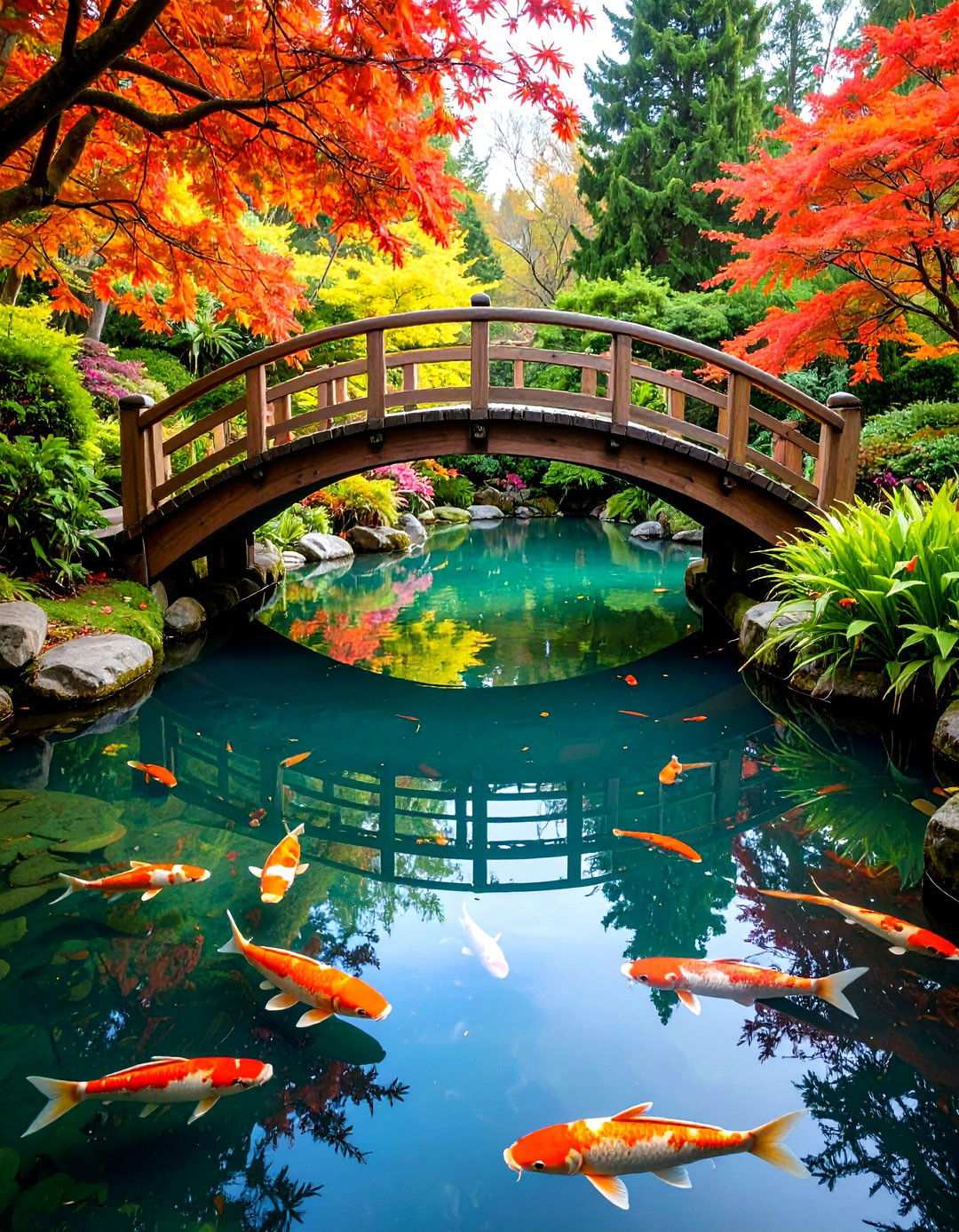
Asian landscaping bridges embody both functional and symbolic significance, signifying the life journey and connection between various garden areas. Their tranquil, high-arched pedestrian design creates an optical illusion of a full circle, reminiscent of the moon. Strategically placed bridges in Asian-style gardens, often adjacent to water features, draw attention and encourage leisurely exploration. Design bridges with smooth, natural curves using materials like wood or stone, subtly blending them with the overall garden aesthetic. Wooden bridges evoke a timeless Japanese ambiance, while stone bridges exude permanence and classical beauty. By situating bridges to frame different garden vistas, visitors are invited to pause and appreciate diverse perspectives. The reflection of an arched bridge in serene water effectively doubles its visual impact, conveying wholeness and continuity.
10. Navigating Asian Landscaping: Stepping Stone Pathway Design Principles
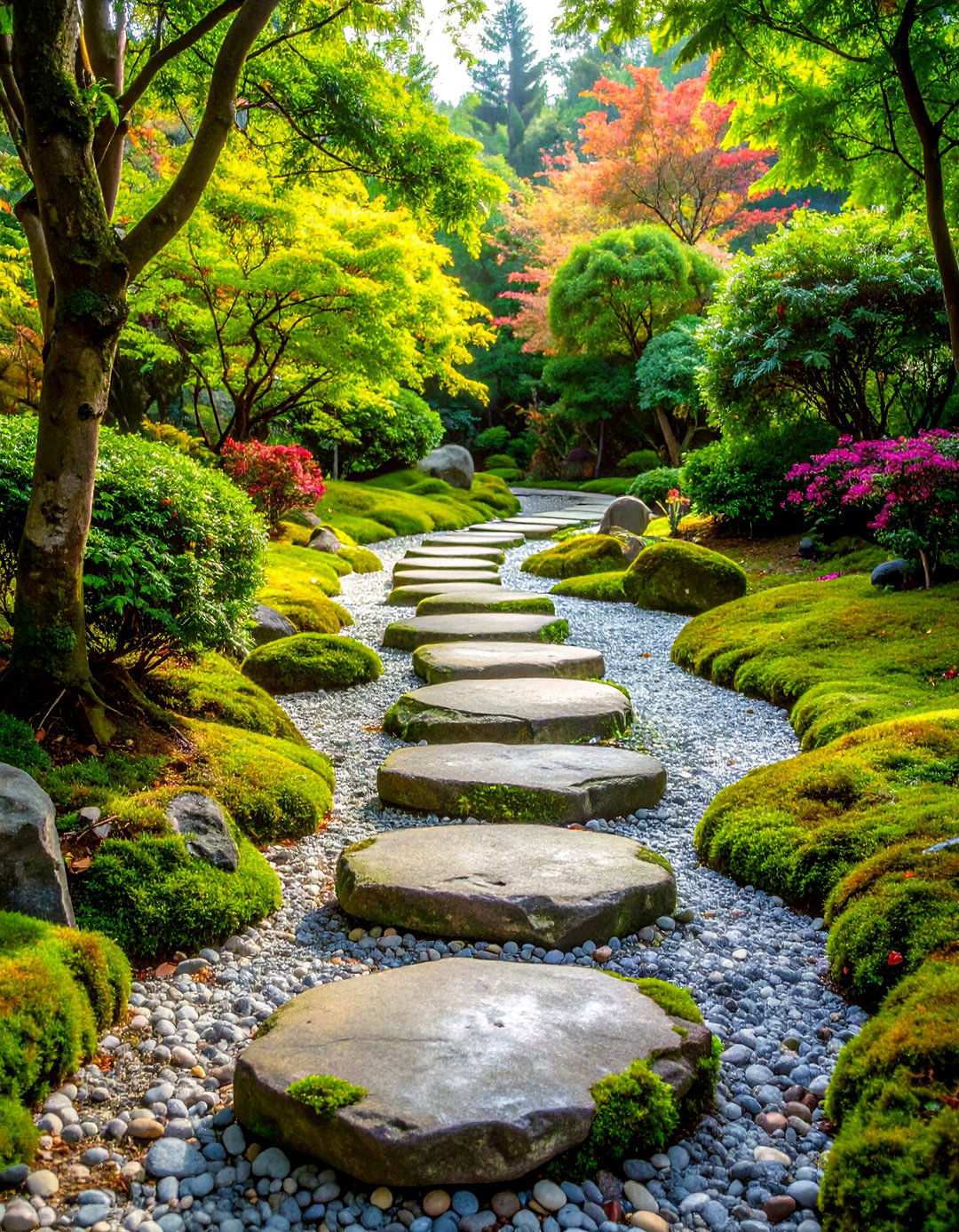
Carefully crafted stepping stone pathways encourage visitors to navigate Asian landscapes mindfully, fostering deliberate movement and contemplation. Strategically placed stepping stones and paving stones, partially buried in gravel and moss, subtly guide visitors through the garden. Creating soothing stone pathways in zen gardens is essential for guiding visitors through a serene landscape, utilizing textured stones in natural colors arranged irregularly to promote harmonious flow. Pathways embody the journey of life and exploration of nature, designed for mindful strolling and meditation. Space stones to encourage measured, deliberate steps, cultivating present-moment awareness and mindfulness. Select materials that will contrast with larger rocks and gravel, such as darker colored stepping stones. Vary stone shapes and sizes while maintaining consistent spacing, and partially embed them in moss, gravel, or groundcover to create the illusion of natural occurrence rather than artificial placement.
11. Harmonizing Asian Landscaping with Water Wall and Fountain Design
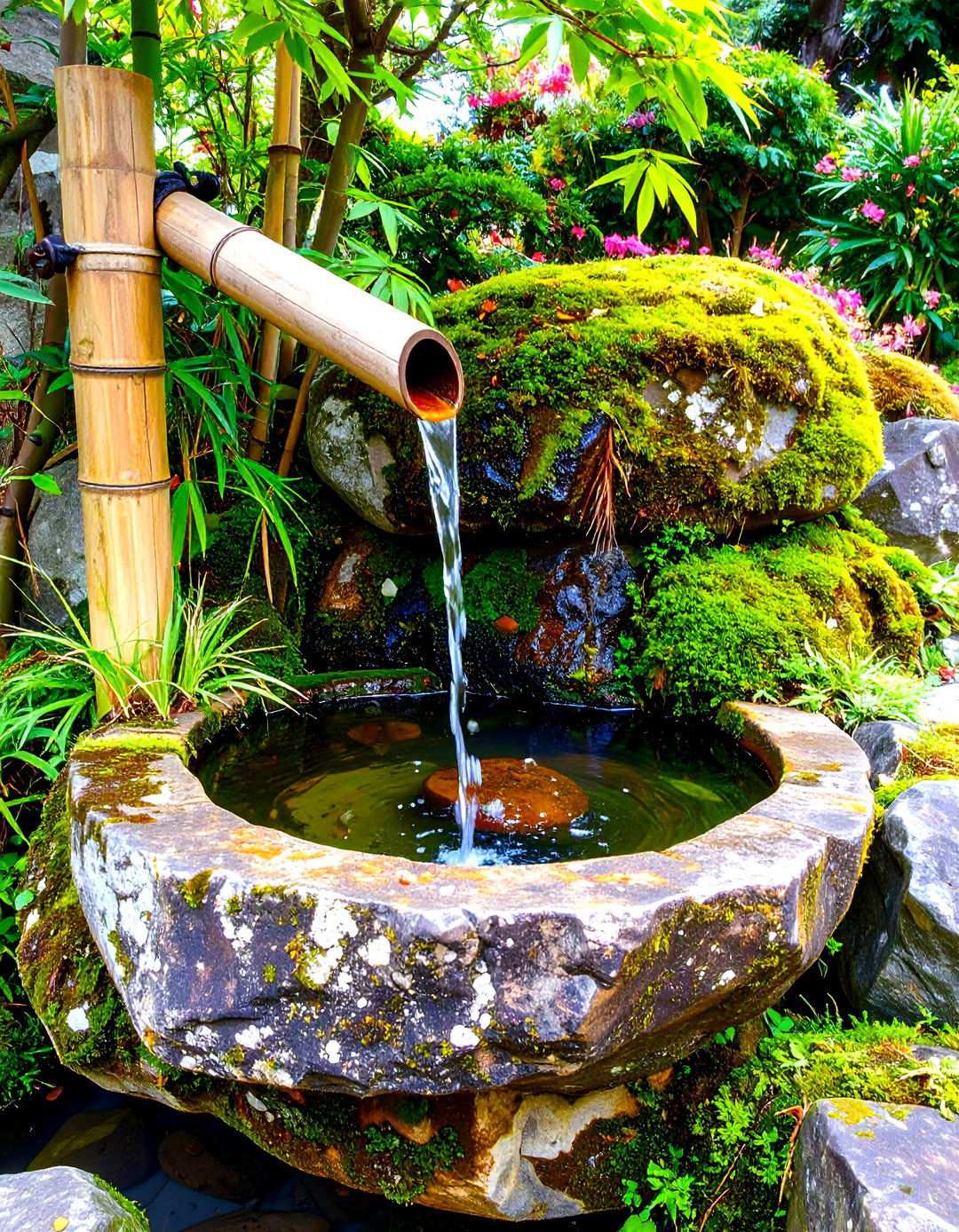
Asian landscaping environments thrive on the calming effects of flowing water, creating a serene ambiance that’s fundamental to their design. A bamboo water wall generates a gentle water soundscape, complemented by the reflective surfaces of a pond, which invites contemplation. In Japanese gardens, the soothing sounds of moving water from waterfalls are punctuated by two ponds and streams, fostering a tranquil atmosphere that’s conducive to meditation. Although water isn’t a traditional element in Zen gardens, its presence can create a more soothing environment, perfect for meditation. Incorporating bamboo fountains or stone cascades provides gentle trickling sounds that won’t overwhelm the garden’s peaceful atmosphere. Shishi-odoshi, the water-filled bamboo tube that creates a soothing clacking sound, was designed to appreciate the subtle nuances of sound. Strategically positioning water features allows their soothing sounds to mask urban noise while creating natural rhythms that enhance meditation and relaxation throughout your Asian landscaping design.
12. Asian Landscaping Feng Shui Energy Flow Design
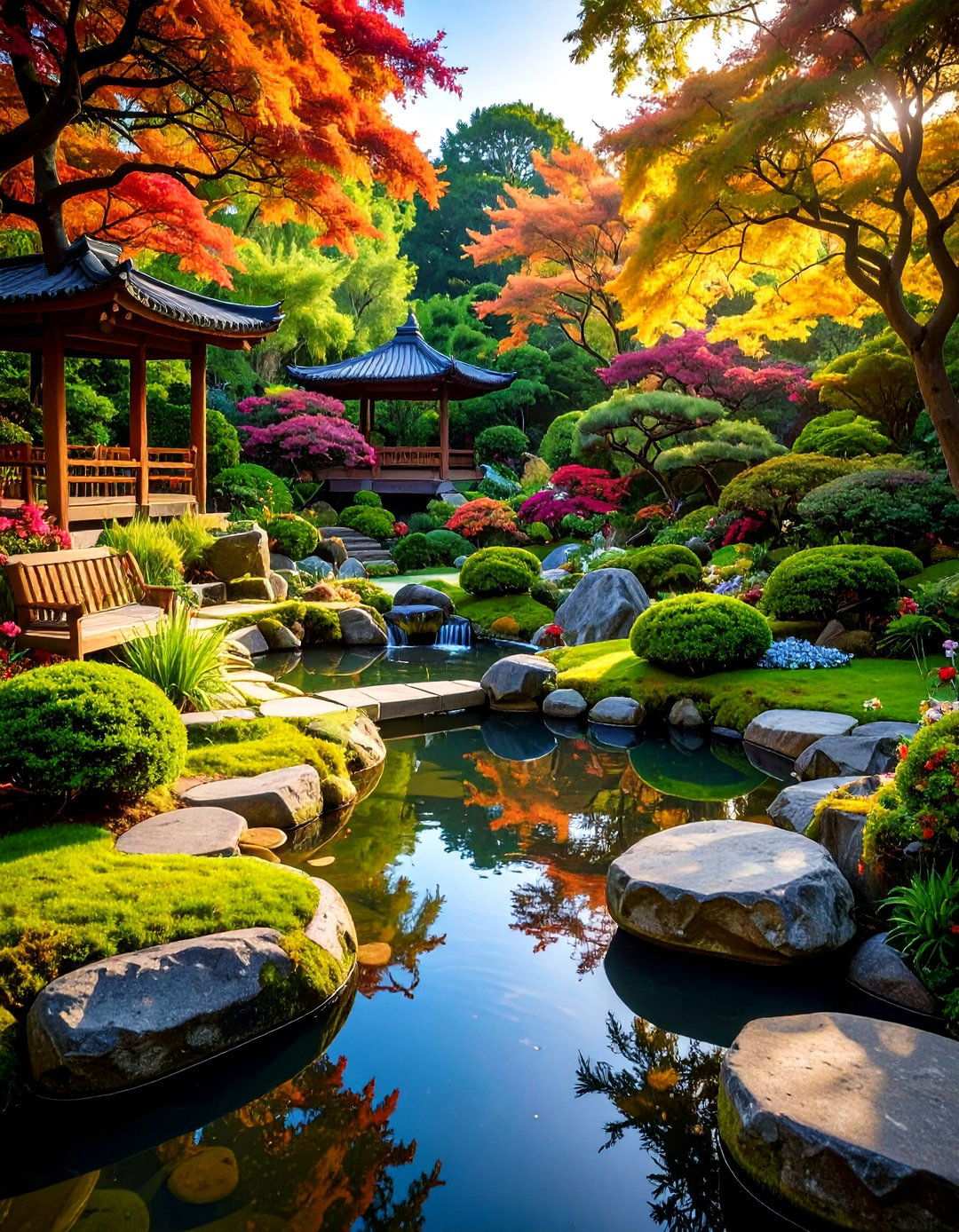
Feng Shui principles in Asian landscaping promote harmonious energy flow, fostering prosperity, health, and spiritual well-being throughout your outdoor space. A Feng Shui garden design focuses on balancing energy flow by strategically placing elements like water features, rocks, and plants to create harmony and invite positive energy. Inspired by the philosophy of Feng Shui, gardens are meticulously designed to balance the elements of water, plants, stone, and architecture, creating spaces that exude peace and balance. This design approach often emphasizes curved pathways, open spaces, and natural materials. Achieving balance is crucial in Feng Shui, and this principle applies to landscaping placement as well, ensuring locations complement the overall balance of outdoor spaces. Design your garden with the five elements—wood, fire, earth, metal, and water—represented through suitable plants, materials, and features. The five lobes are considered auspicious in Asia because they’re associated with the five Feng Shui elements.
13. Integrating Asian Pagoda Elements for Timeless Landscaping
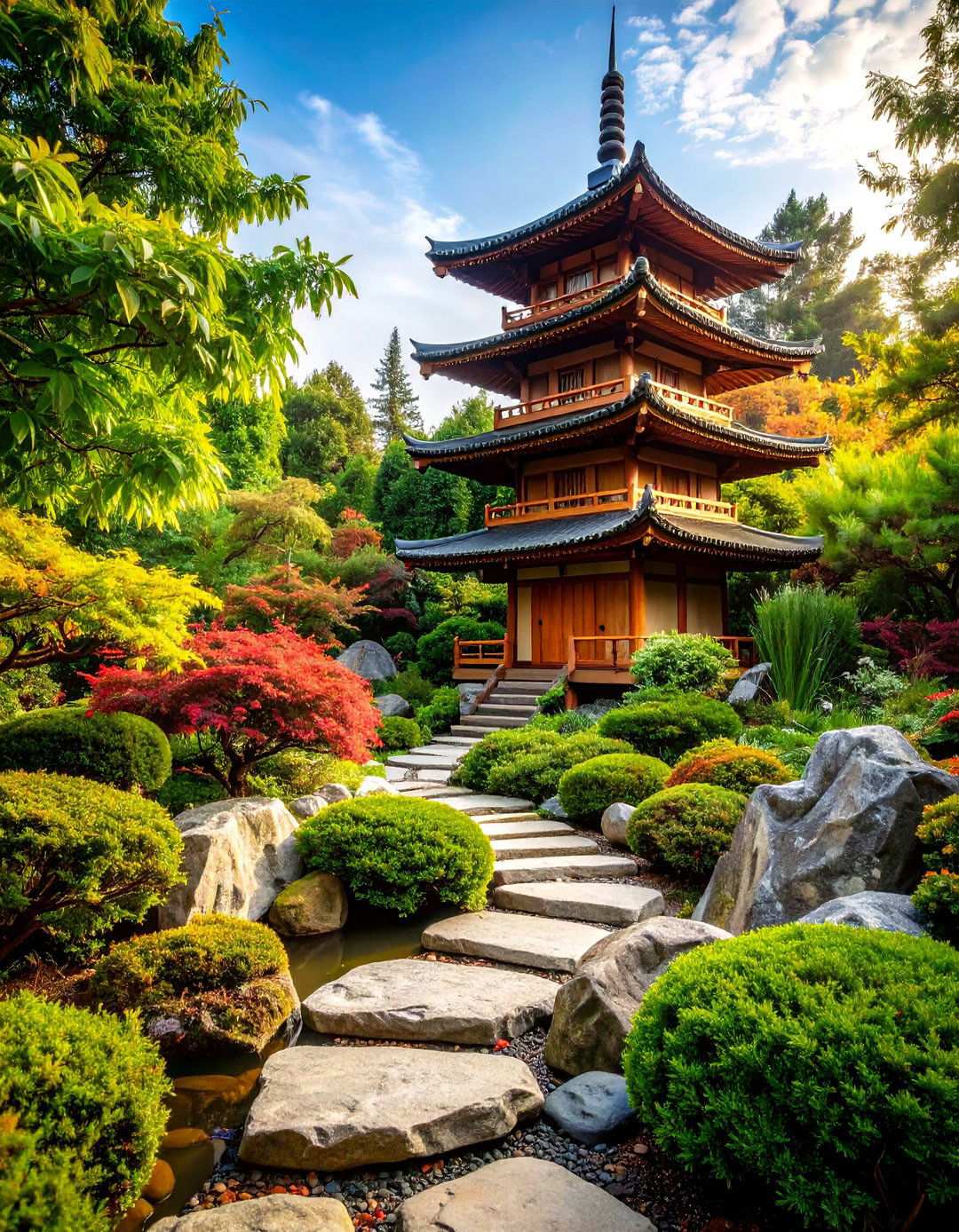
Asian pagoda structures bring a rich architectural depth to landscaping, drawing the eye and capturing the essence of serene design. Inspired by traditional Japanese wooden towers, these multi-story elements embody the harmony of the universe, symbolizing the interconnectedness of earth, fire, water, wind, and void. When incorporating pagodas and Asian sculptures, adopt a restrained approach, allowing softer, more subtle elements to take center stage. Strategically position pagodas for optimal viewing, balancing their scale with surrounding landscape features to create a harmonious visual balance. Low-maintenance Japanese garden design often relies on nuanced variations in color and texture, echoing the pyramidal form of the pagoda or framing it with the gentle spread of low-growing branches. By incorporating authentic Asian architectural elements, such as pagodas, stone lanterns, stepping stone paths, native plants, serene koi ponds, and peaceful zen gardens, you can create a captivating landscape that exudes spiritual symbolism and timeless appeal.
14. Designing Intimate Meditation Spaces in Your Asian Landscaping
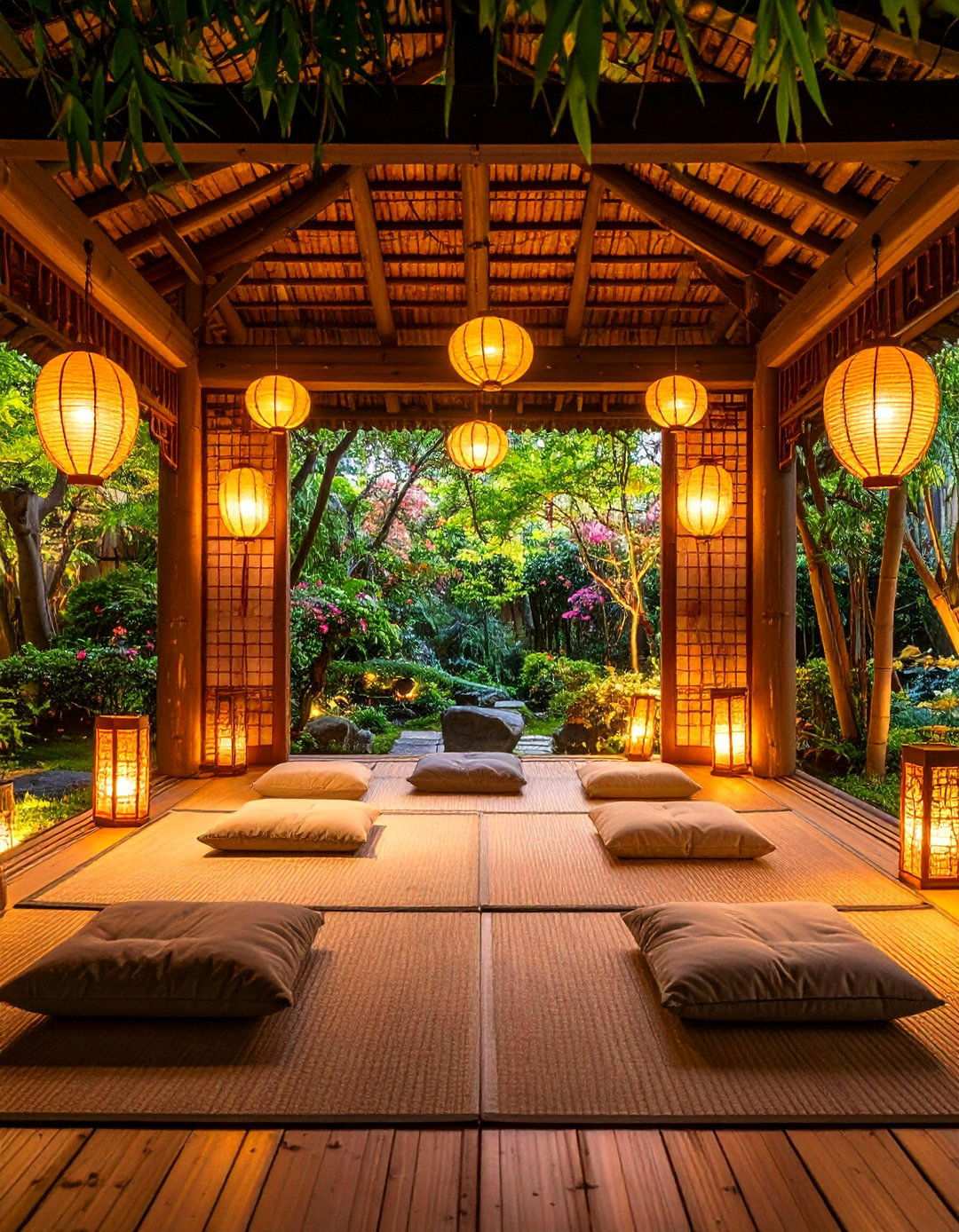
Intimate meditation areas within an Asian landscaping provide tranquil sanctuaries where contemplation and spiritual practice can unfold undisturbed by the demands of daily life. Create a serene retreat in your Japanese garden with a teahouse or pavilion crafted from natural materials like bamboo or wood, perfect for quiet moments or social gatherings. Small, enclosed courtyards (yuan) in gardens offer secluded spaces for meditation, painting, sipping tea, or playing the cithare, inviting relaxation and inner peace. To foster a meditative atmosphere, consider including plush cushions in cozy nooks, surrounded by natural materials that bring a sense of calm. Design these spaces with comfortable seating, wind protection, and carefully chosen elements that promote serenity. By creating a series of tranquil garden “rooms,” you can cultivate a sense of peace and quiet contemplation, characteristic of the Asian garden experience. Add subtle water sounds, fragrant plants, and soft lighting to create an immersive meditative environment, ensuring both privacy and comfort for extended periods of peaceful reflection.
15. Asian Landscaping Rock Arrangements: Harmonizing Spirit and Nature
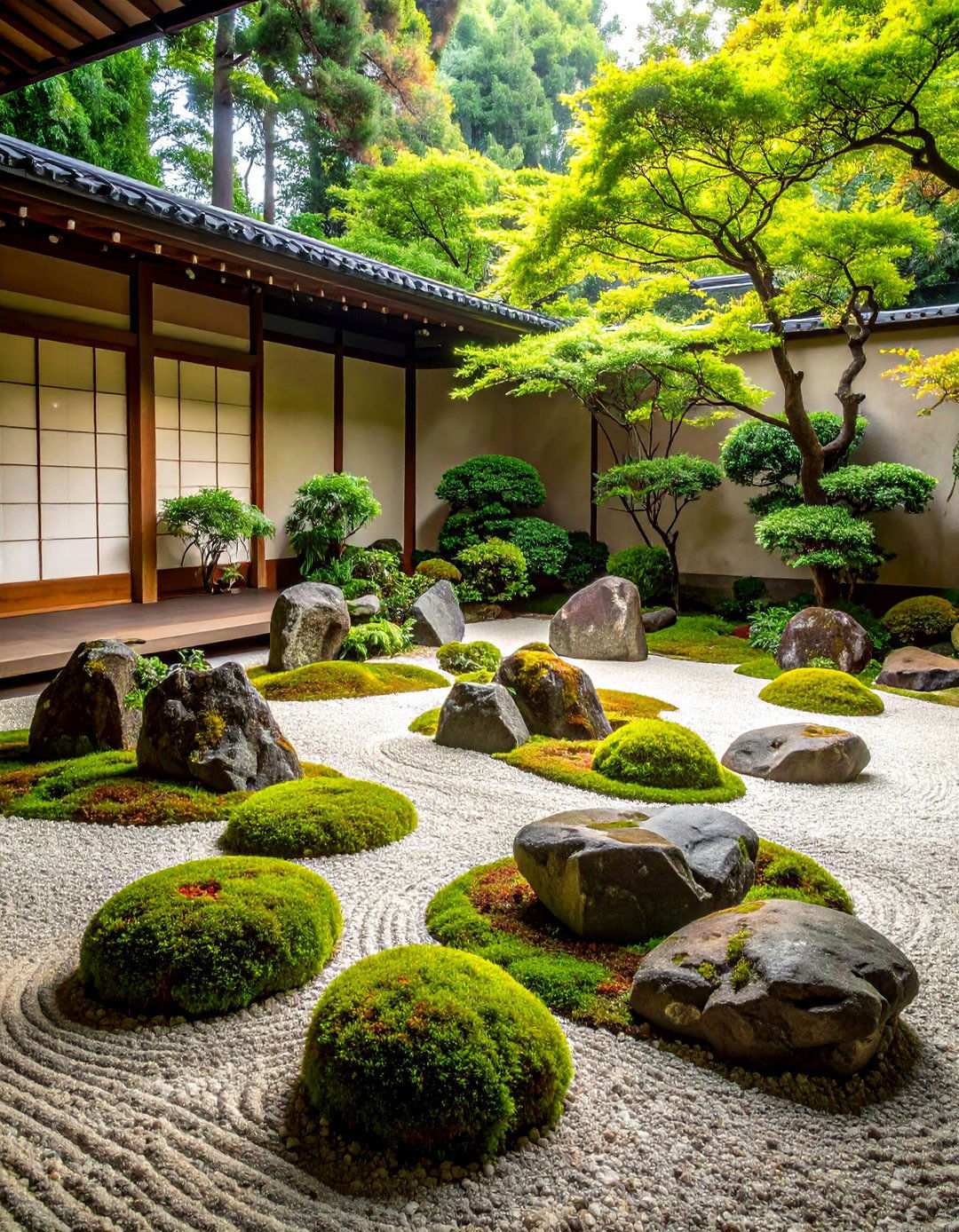
In Asian landscaping design, strategic rock arrangements serve as the cornerstone of powerful focal points, distilling the essence of natural landscapes into miniature form. A fundamental aspect of creating a Japanese garden lies in the deliberate placement of rocks, which are believed to embody spiritual essence. These rocks are positioned horizontally, with other elements such as moss, streams, or plants carefully arranged around them in a harmonious balance. The rocks and stones composition holds immense importance in Asian gardening, striking a balance between powerful stability and serene tranquility. The revered “Shichigosan stone arrangement” involves grouping stones in seven, five, and three configurations, considered a blessing in disguise. To achieve visual cohesion, it’s essential to select materials in proportion to the garden room’s size and the surrounding yard, as oversized stones can overwhelm smaller spaces, while smaller rocks may become lost amidst sweeping landscapes. By incorporating stones with captivating textures, colors, and natural weathering patterns, you can infuse your Asian landscaping composition with age, permanence, and character.
16. Integrating Ornamental Grasses: Timeless Movement in Asian Landscaping
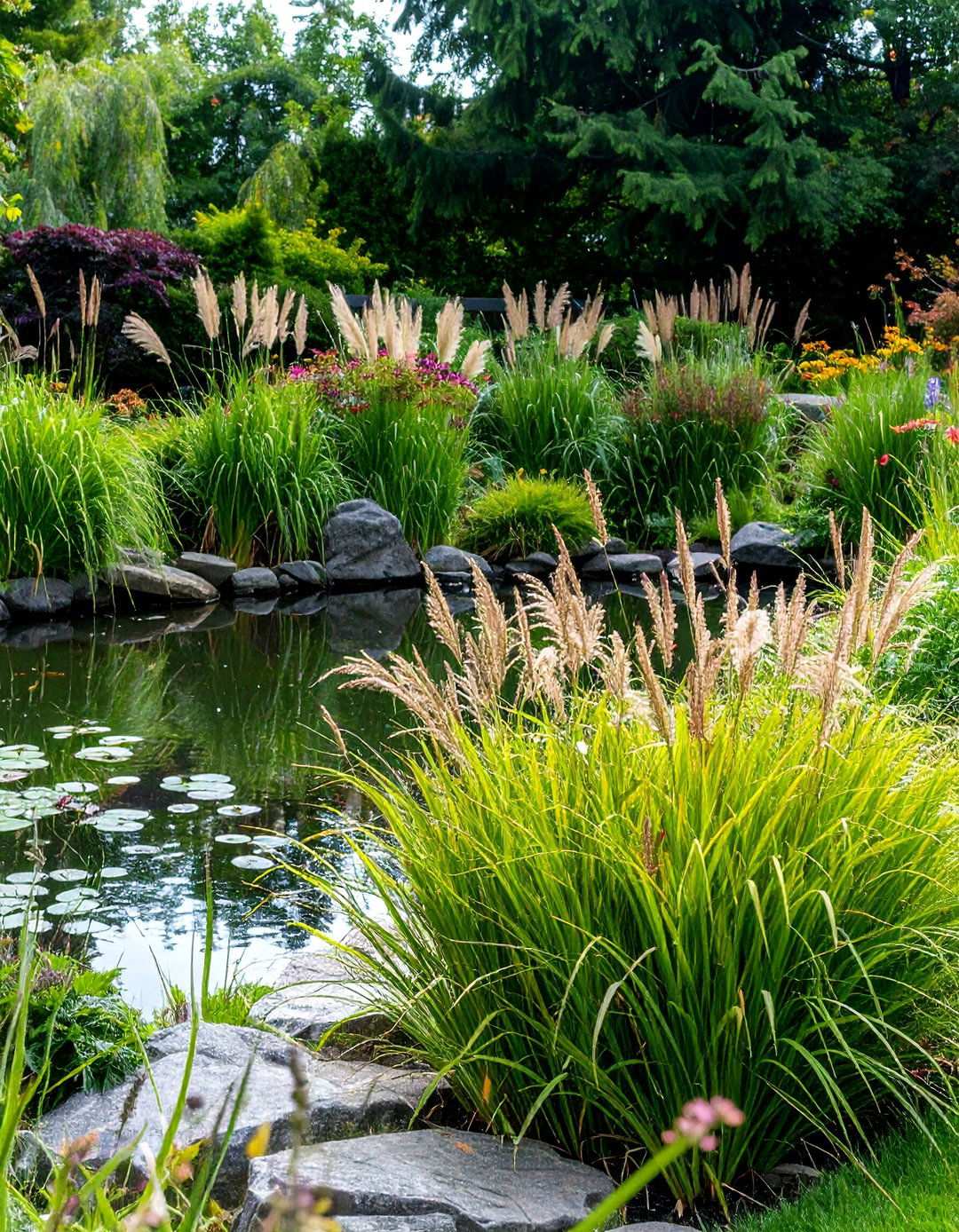
Ornamental grasses bring a touch of elegance, seasonal allure, and textural diversity to Asian landscaping throughout the year, accentuating its natural beauty. Papyrus and ornamental grasses, paired with groundcovers, breathe life into the stream edge, creating fluid borders that subtly soften hardscape elements. Shaded sections of Japanese gardens rely on understated color contrasts and striking textural differences to foster interest, with variegated Hakone grass expertly softening the edges of beds. When selecting grasses, prioritize those that complement your local climate while providing long-term structure and seasonal transformations in color and texture. The marriage of Japanese bloodgrass, stone pagoda lanterns, and moss-draped rocks surrounding ponds exemplifies the distinct Asian aesthetic that seamlessly blends disparate elements. Strategically position ornamental grasses to harness breezes, create gentle movement, or provide a backdrop for more prominent garden features. By incorporating these versatile plants, you can imbue your landscape with a sense of serenity while injecting life and seasonal interest into the static elements.
17. Harmonizing with Nature: Asian Landscaping's Cherry Blossom Tree Feature Design
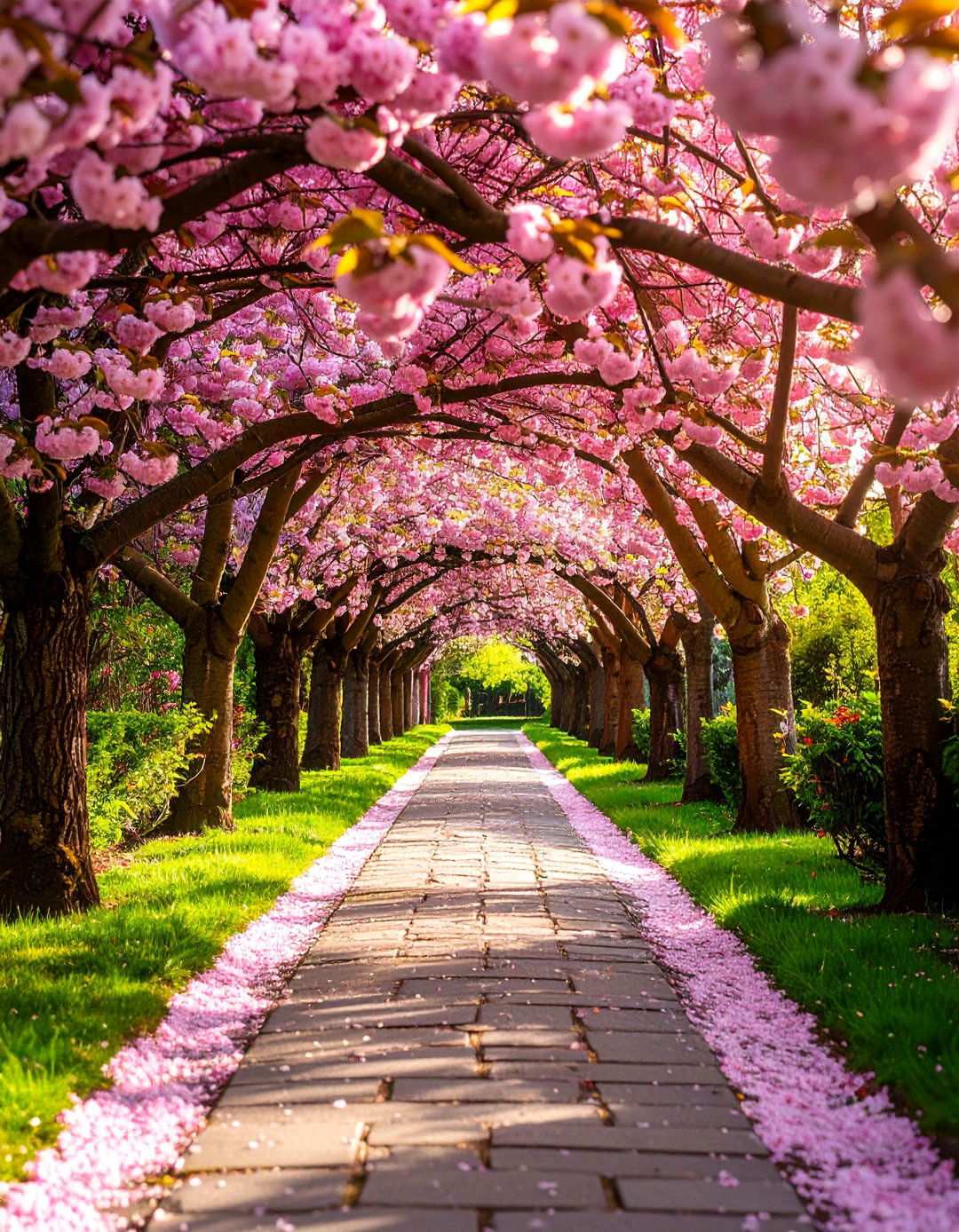
Cherry blossom trees play a pivotal role in Asian landscaping, imbuing gardens with the essence of fleeting beauty. During the brief yet breathtaking periods of March and April, these trees transform gardens into vibrant tapestries, weaving unforgettable experiences that bridge the gap between nature and tradition. Within the realm of Asian landscaping, the allure of cherry blossoms, the soothing tranquility of koi ponds, and the meticulous artistry of bonsai gardens converge to create a perfect blend of aesthetics and mindfulness. Strategically positioning cherry trees to frame indoor spaces and garden pathways allows for the creation of dynamic, season-changing living art. When selecting placement locations, consider both the tree’s striking flowering period and its elegant form during the dormant months, incorporating miniature landscape scenes, carefully chosen statuary, and small water features that harmonize with shade-tolerant plants and precise pruning. The profound cultural significance of cherry blossoms lends depth to your landscaping while providing practical benefits through shade and seasonal interest.
18. Waterless Wonders: Asian Landscaping's Gravel and Sand Garden Pattern Design
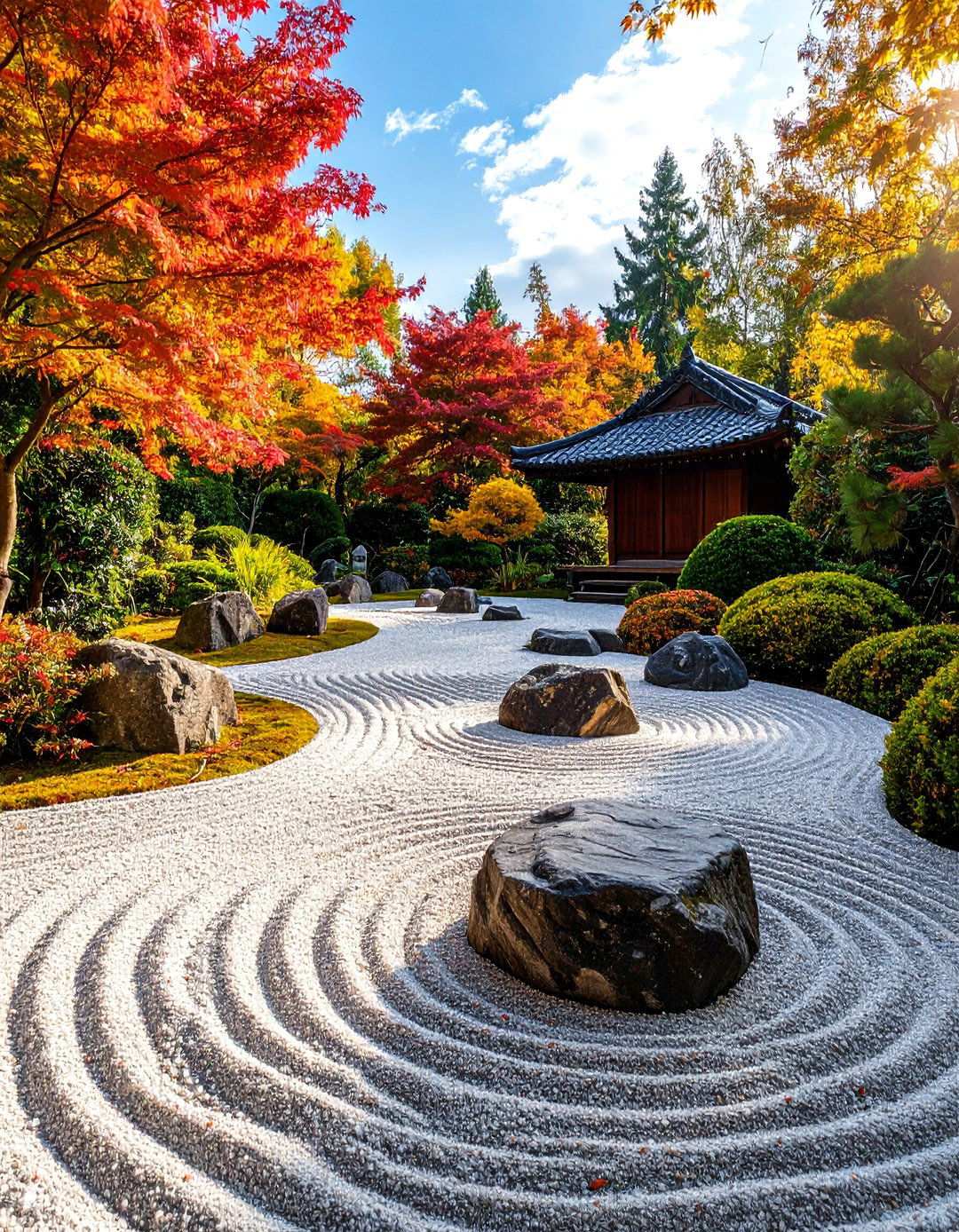
Raked gravel and sand patterns evoke a meditative ambiance, symbolizing water’s essence without the need for maintenance. In Zen gardens, the stylized landscape composition represents water’s presence through undulating waves of gravel, carefully formed shallow furrows, and patterns that mimic movement. Typically, these designs incorporate large rocks, either paired with real waterfalls or simulated by using gravel or sand to represent flowing water. Rocks can signify distant lands, while sand or gravel convey the flow of water, creating the illusion of a vast ocean or meandering stream. The deliberate placement of lines around larger rocks evokes ripples, while wavy lines recall a winding watercourse, and straight lines evoke serenity. Most often, crushed white or beige granite is employed, carefully crafted with specially designed rakes to maintain the intricate patterns. Through regular raking, the design remains fresh, allowing for mindful maintenance practices that forge a spiritual connection with your garden’s essence.
19. Asian Landscaping Courtyard Garden Enclosed Design
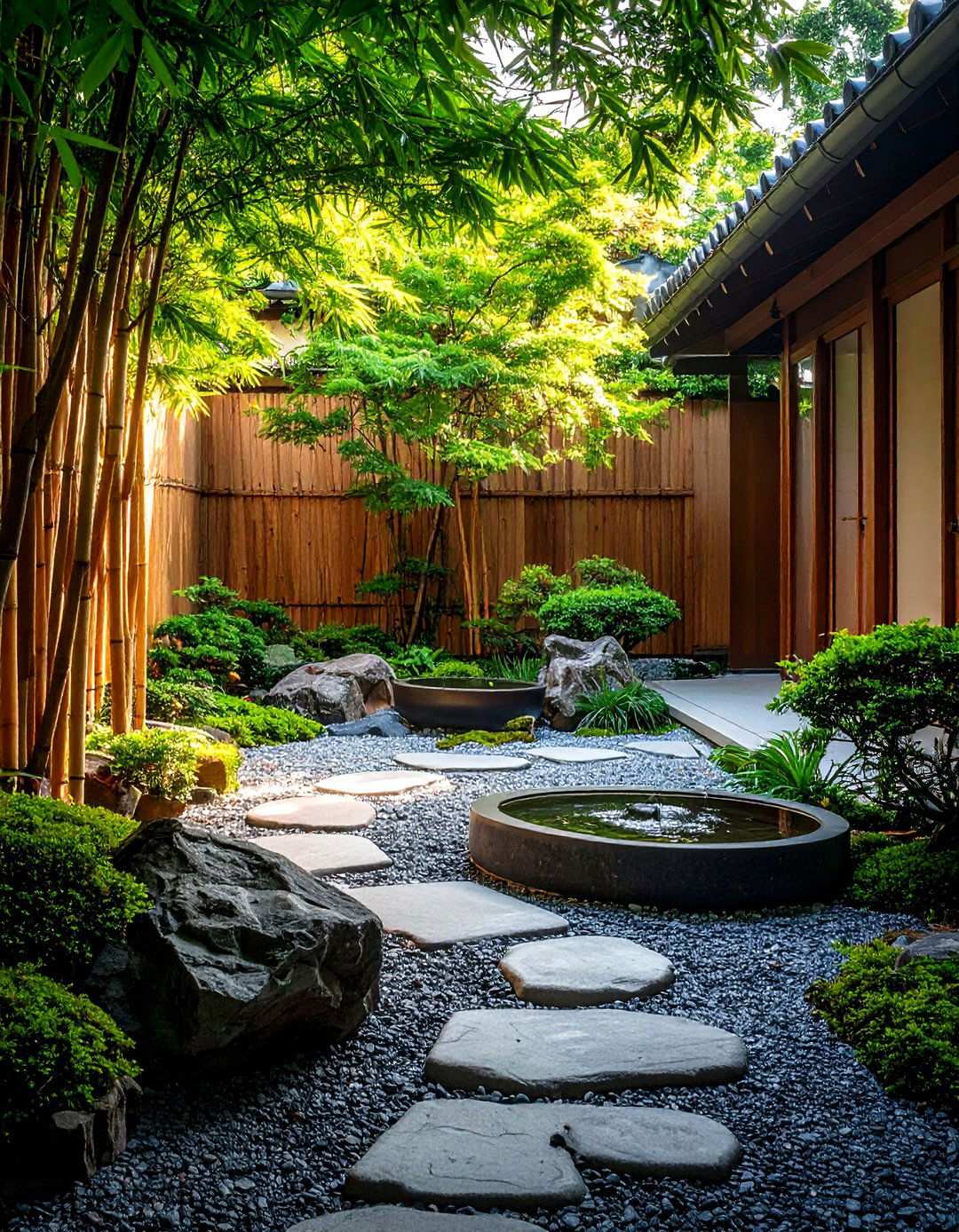
Creating an Intimate Oasis
Within larger Asian landscapes, intimate courtyard gardens serve as secluded sanctuaries for contemplation and cultural expression, reflecting the authentic style of the region. These compact private gardens, often found adjacent to Japanese homes, are designed to be viewed from indoor vantage points, typically through windows or sliding glass doors that seamlessly connect the inside to the outdoors. To craft a secluded garden room, consider enclosing the area with a wall, fencing, bamboo screening, lattice panels, or formal hedging. By incorporating small meditation courtyards and minimalist Asian rock gardens with a touch of greenery, homeowners can create elegant small Asian-style garden and courtyard designs. Given the limited sunlight and space, plants in these gardens are carefully selected for their shade tolerance and meticulously pruned to prevent overgrowth, thereby maintaining a peaceful, enclosed atmosphere in line with Asian courtyard traditions.
Thoughtfully Designing Secluded Spaces
In creating these intimate spaces, homeowners can incorporate carefully chosen elements like small water features, select plantings, and artistic stone arrangements that can be appreciated from close viewing distances. By doing so, the peaceful atmosphere of the enclosed space is preserved, allowing individuals to fully appreciate the serene ambiance of the Asian courtyard. The judicious selection of design elements, combined with the careful consideration of space and sunlight, enables the creation of a tranquil Asian-style courtyard garden that embodies the essence of this traditional design.
20. Asian Landscaping Moon Viewing Deck Platform Design
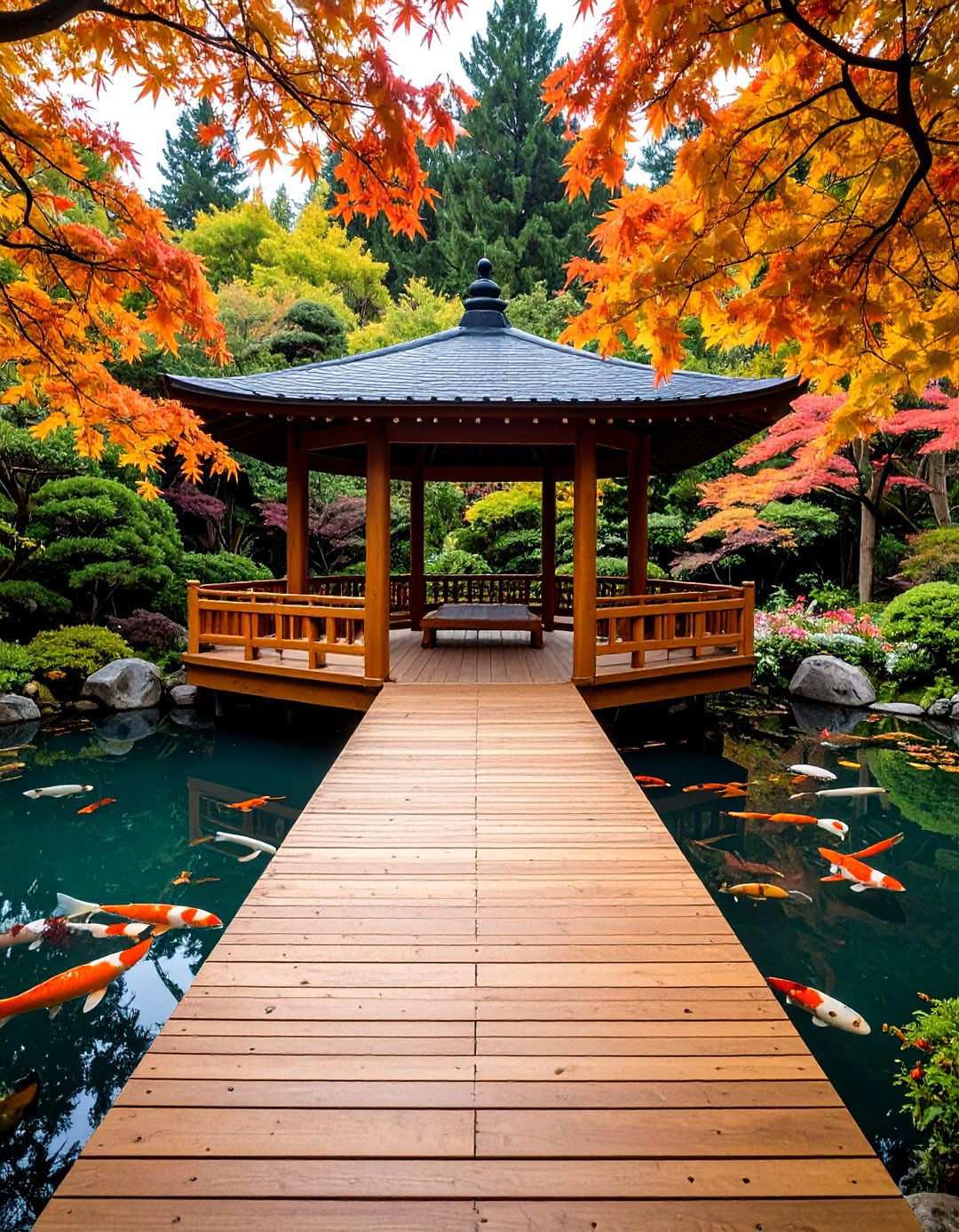
Celebrating the Beauty of the Moon
Moon viewing decks offer elevated platforms specifically designed for contemplating the celestial beauty of the night sky, while also embodying the Asian tradition of connecting with natural cycles. Drawing inspiration from the Silver Pavilion Garden in Kyoto, these elevated areas can be designed to resemble a flat cone symbolic of Mount Fuji, with its summit hidden in the clouds. The Pavilion, perched above a koi pond and surrounded by Japanese maples, magnolias, and bamboo, features a panoramic view with four covered structures that offer a serene escape. When positioning these elevated platforms, it is essential to offer unobstructed views of the sky while maintaining a visual connection to key garden elements below, such as covered outdoor lounge rooms, sun decks, rock gardens, shade gardens, and raised boardwalks.
Designing Serene Moon Viewing Areas
To construct moon viewing areas, natural materials should be used, which will weather gracefully over time, providing a comfortable seating area for extended periods of contemplation. A high-arched pedestrian bridge, spanning calm waters, can create the illusion of a full circle, symbolic of the moon. This thoughtful design element not only enhances the beauty of the moon viewing area but also creates a sense of harmony between the natural and built environments, embodying the essence of Asian-style landscaping.