1. Harmonious Japanese Oasis: A Space for Mindful Living
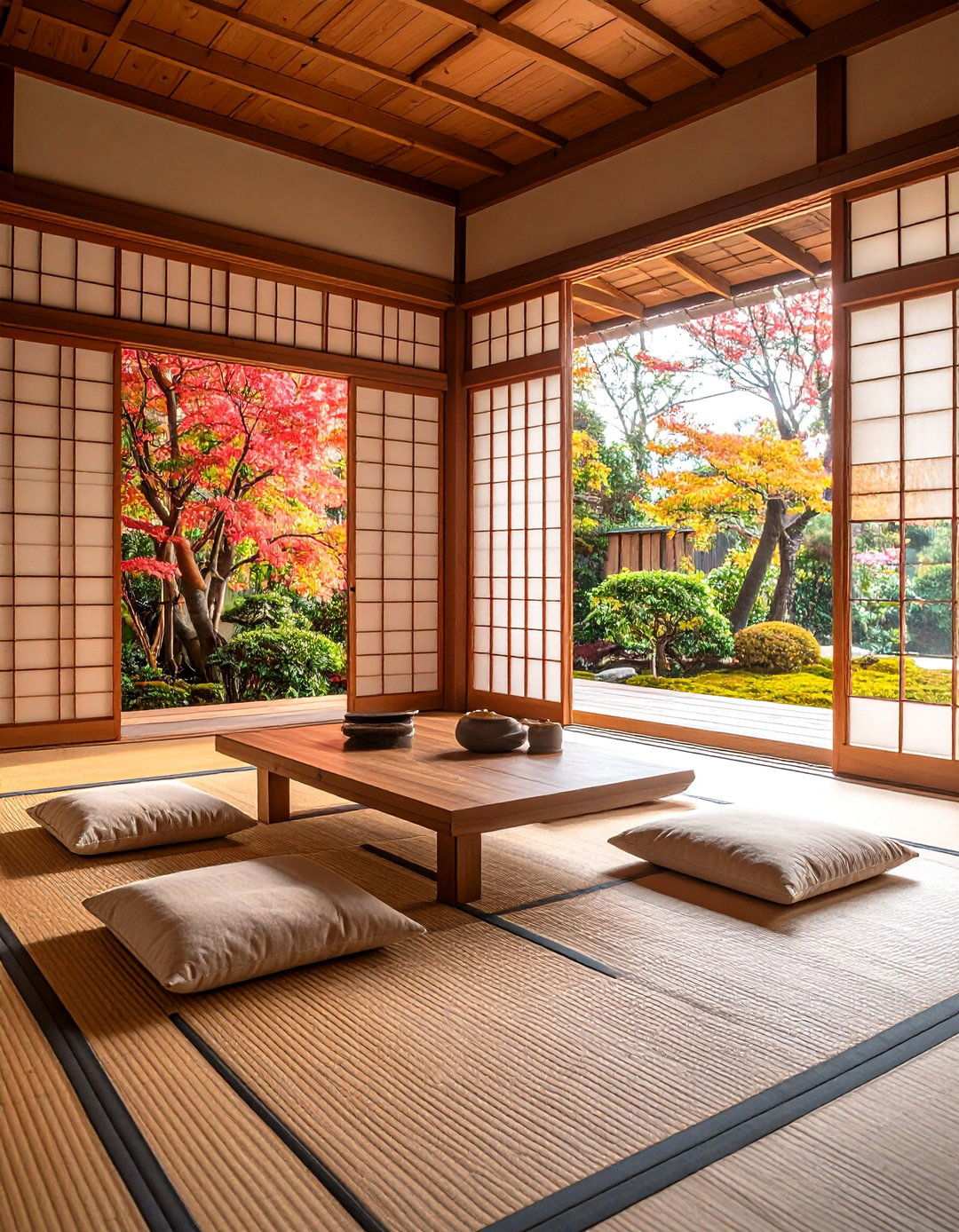
Asian living rooms have long been synonymous with serenity and cultural richness, and the Japanese minimalist approach is no exception. This design philosophy, rooted in the concept of “less is more,” emphasizes simplicity, natural materials, and a deep connection to the surroundings. By incorporating traditional tatami mats, you can create a tranquil atmosphere that embodies the essence of Japanese living room design.
Tatami mats, expertly crafted from rice straw, serve as the foundation for authentic Japanese living room design. The natural texture and warmth of these mats invite barefoot living, adding a tactile element to minimalist spaces. As a result, they become an ideal choice for meditation spaces and living rooms alike. To maintain the authentic Japanese aesthetic, arrange low wooden furniture directly on the tatami mats, and supplement with floor cushions for additional seating.

As an Amazon Associate I earn from qualifying purchases.
The natural golden hue of tatami mats harmoniously complements neutral wall tones, creating a sense of visual continuity throughout the space. For those looking to incorporate tatami into modern homes, consider a partial installation, creating designated sitting areas that honor traditional Japanese living customs while adapting to contemporary lifestyles.
2. Harmonizing the Five Elements in a Living Room Oasis
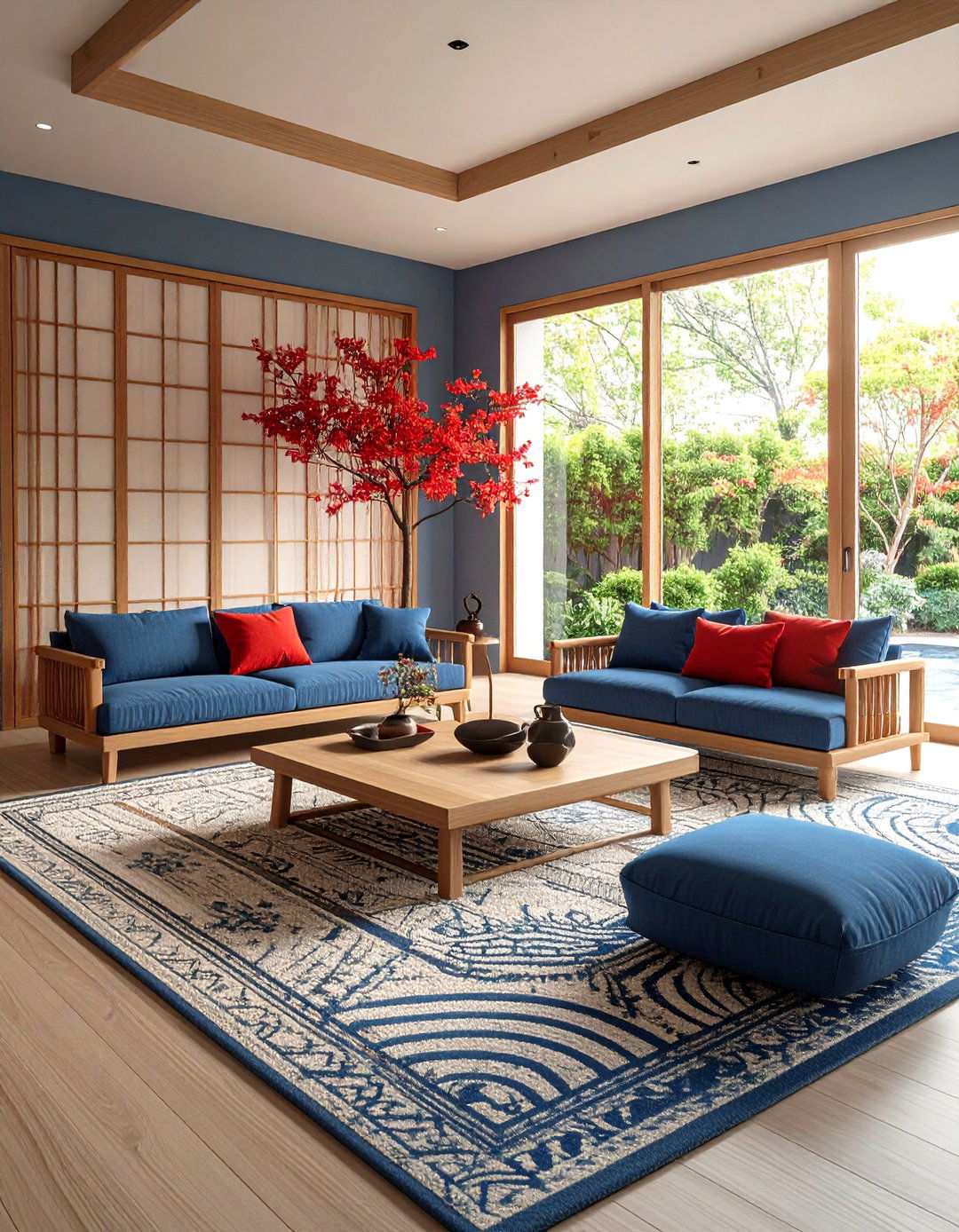
A living room that embodies the essence of feng shui is one that skillfully balances the five elements: wood, fire, earth, metal, and water. By thoughtfully incorporating these elements, you can create a sanctuary that fosters a sense of well-being and harmony. Wood is effortlessly introduced through live plants, statement furniture, and rich wood tones, while fire is elegantly incorporated via warm lighting and fiery red accents. Earthy tones and textures can be achieved with yellow rugs, ceramic accents, and natural stone elements, and metal is beautifully represented through sleek steel furniture and metallic accents. Water-inspired features, such as flowing shapes and soothing blue hues, contribute to a tranquil ambiance, while positioning your main seating in the command position allows for clear views of entrances, promoting feelings of security and control. To further refine your living room’s energy, refer to the bagua map, which will guide you in selecting optimal colors and elements based on your space’s unique location within your home. By embracing natural materials, such as bamboo and stone, you can seamlessly bridge the connection between your indoor and outdoor environments. Thoughtful balance of opposing elements can create a dynamic equilibrium, for instance, pairing angular metal furniture with flowing water elements can result in a captivating harmony that elevates your living space.
3. Reviving the Warmth of Korean Tradition in Your Living Room
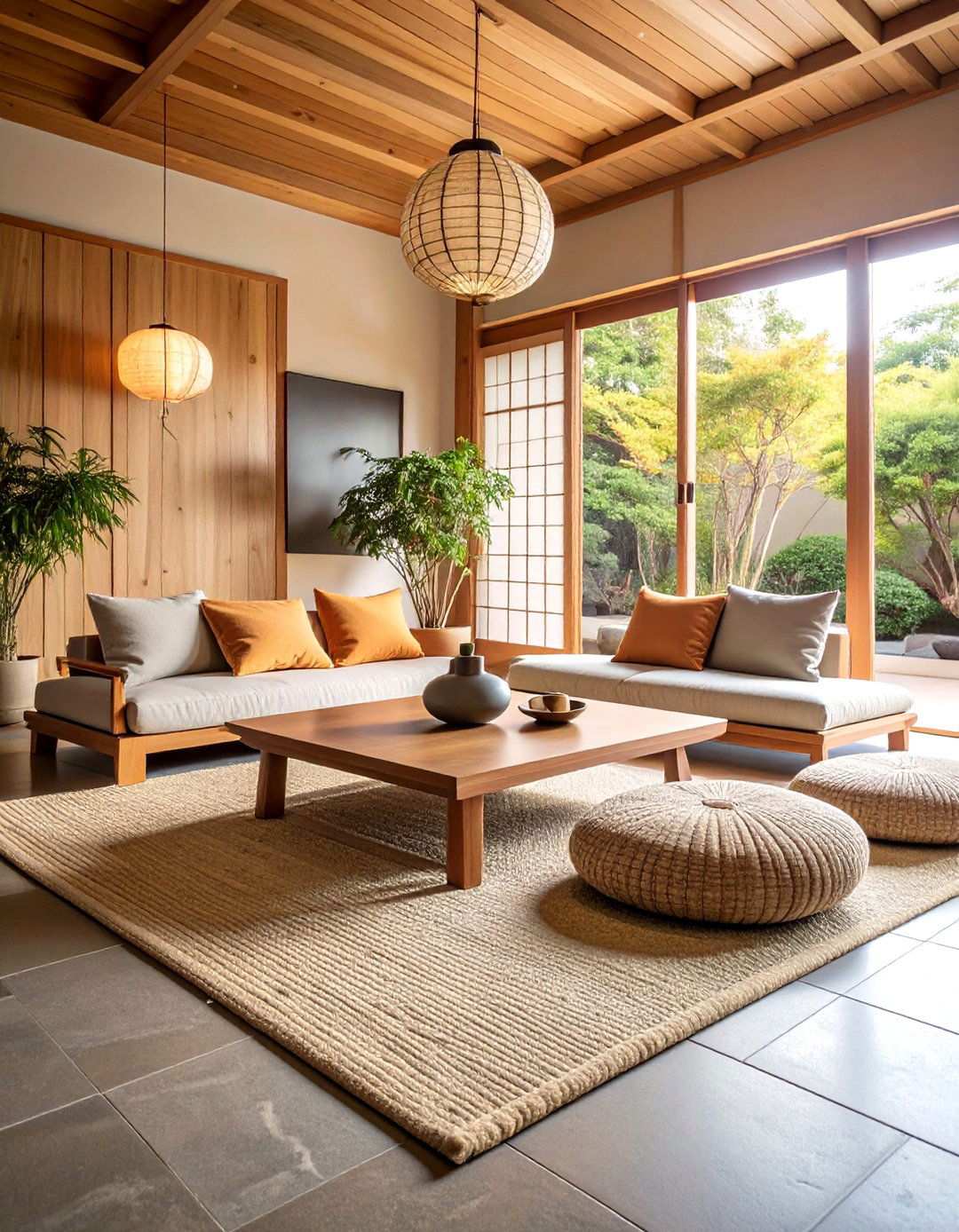
Inspired by the ancient Korean ondol system, modern living room designs are transforming comfort through radiant floor heating that not only warms the body but also connects us to a rich cultural heritage. By harnessing the power of hydronic systems beneath floors, you can recreate the same warmth that once defined traditional Korean floor sitting. This unique approach redefines the way we live and interact, as warm floors become the focal point of the room, inviting intimate conversations and relaxation. By arranging low-profile Korean-style furniture directly on heated floors, you can create cozy nooks perfect for sharing stories and laughter. This innovative heating method also offers health benefits by improving blood circulation and maintaining a comfortable room temperature. To get the most out of your ondol-inspired floor heating, choose flooring materials that conduct heat efficiently, such as natural stone or engineered wood, and incorporate floor cushions and low tables to evoke the spirit of traditional Korean living spaces in your contemporary home.
4. Finding Serenity in a Natural Material Oasis
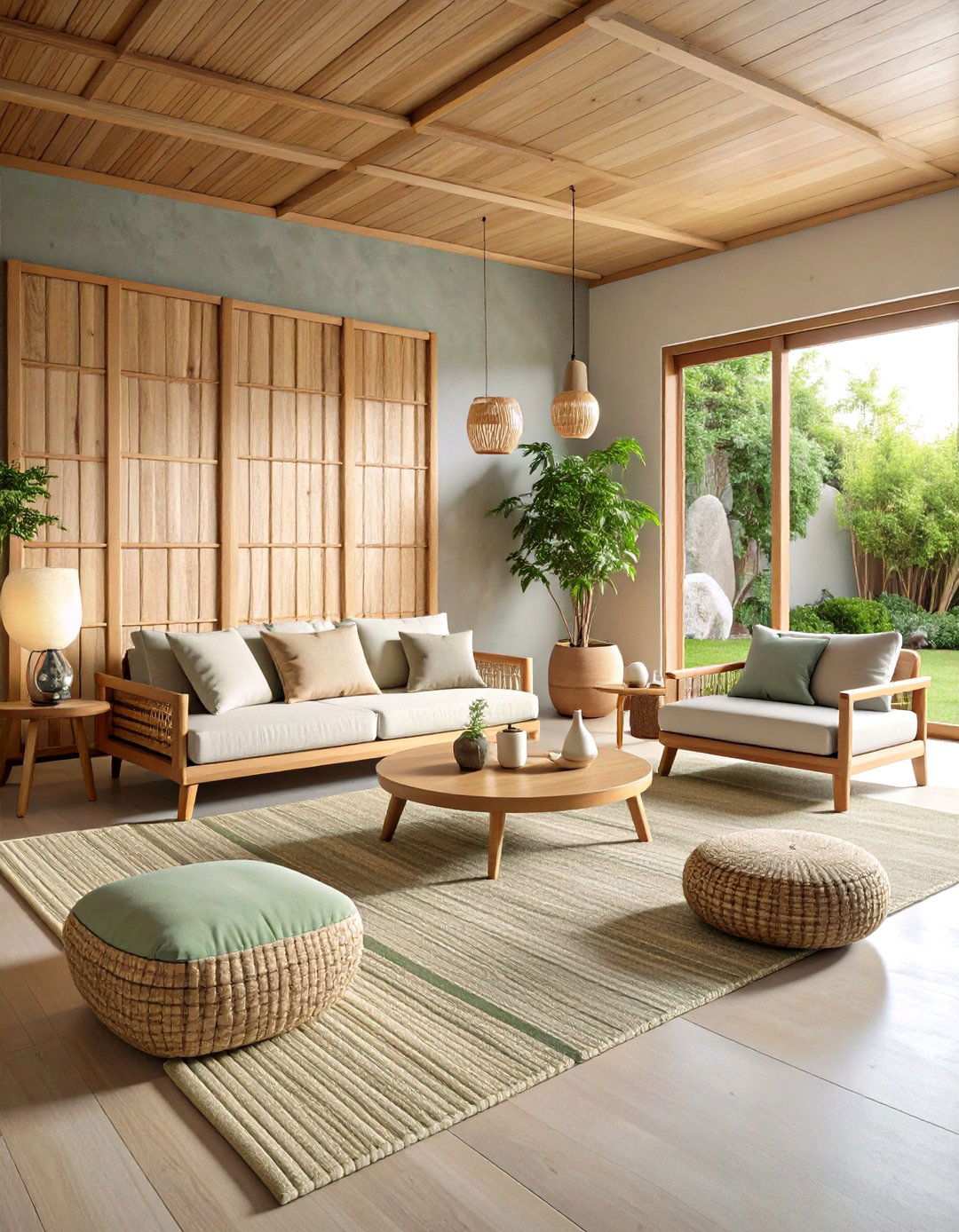
In the pursuit of a peaceful living room, natural materials take center stage, establishing a profound connection to the great outdoors while promoting tranquility. Wood, stone, and bamboo serve as the foundation for this serene design, each element carefully selected to create a visually harmonious and texturally rich environment. Untreated wood is a staple for furniture and flooring, while stone is used to create feature walls or decorative pieces that command attention. Bamboo is skillfully incorporated as screens, accents, or flooring to add an organic touch. To maintain this natural energy flow, avoid synthetic materials and instead opt for organic cotton, linen, and wool textiles that harmoniously complement the earthy foundation. Clean-lined furniture with smooth surfaces, crafted from sustainable materials, also contribute to the calm atmosphere. The layering of different natural textures – rough stone against smooth bamboo, weathered wood alongside polished metals – adds depth and visual interest while adhering to the zen principle of simplicity.
5. Low-Profile Asian Living Room with Floor Seating
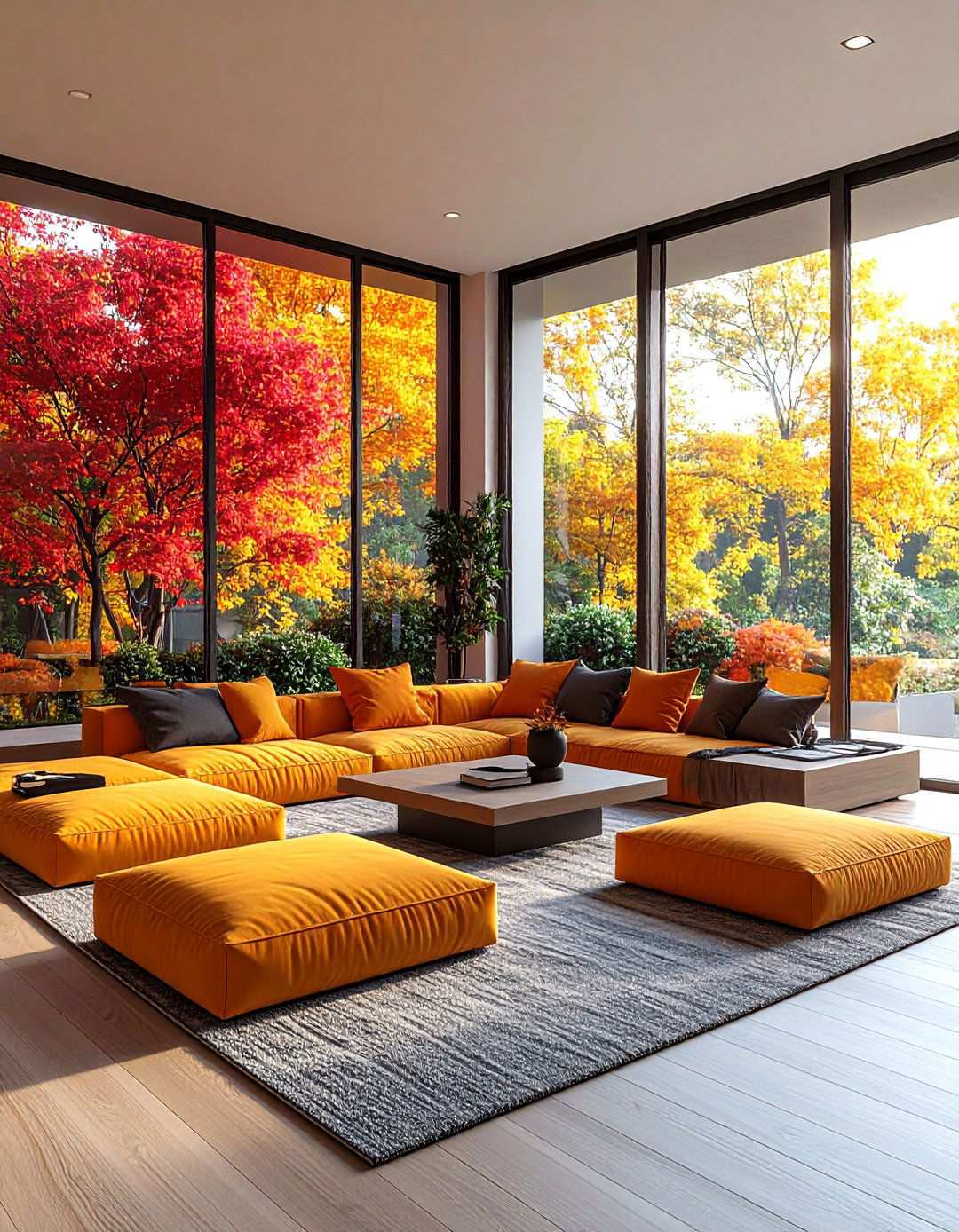
A harmonious blend of comfort and functionality defines low-to-ground furniture, a staple of traditional Asian design principles. By embracing the concept of floor sitting, homeowners can cultivate a sense of grounding and connection to the natural world. This design approach fosters an open layout, with floor cushions, low sofas, and minimalist coffee tables working in tandem to create a seamless visual flow. The resulting arrangement naturally encourages family and guests to gather in close proximity, fostering a sense of community. Platform-style seating with built-in storage is an excellent choice for maximizing functionality while preserving clean lines. In many Eastern cultures, floor sitting is revered for its health benefits and ability to create a more connected living experience. To further enhance the space, incorporate adjustable floor cushions that can be easily rearranged to suit various activities, from casual dining to meditation practices. The reduced sight lines created by floor seating have the added benefit of making rooms feel more spacious, while promoting a relaxed and informal atmosphere perfect for modern family life.
6. Sliding Shoji Screen Living Room Dividers
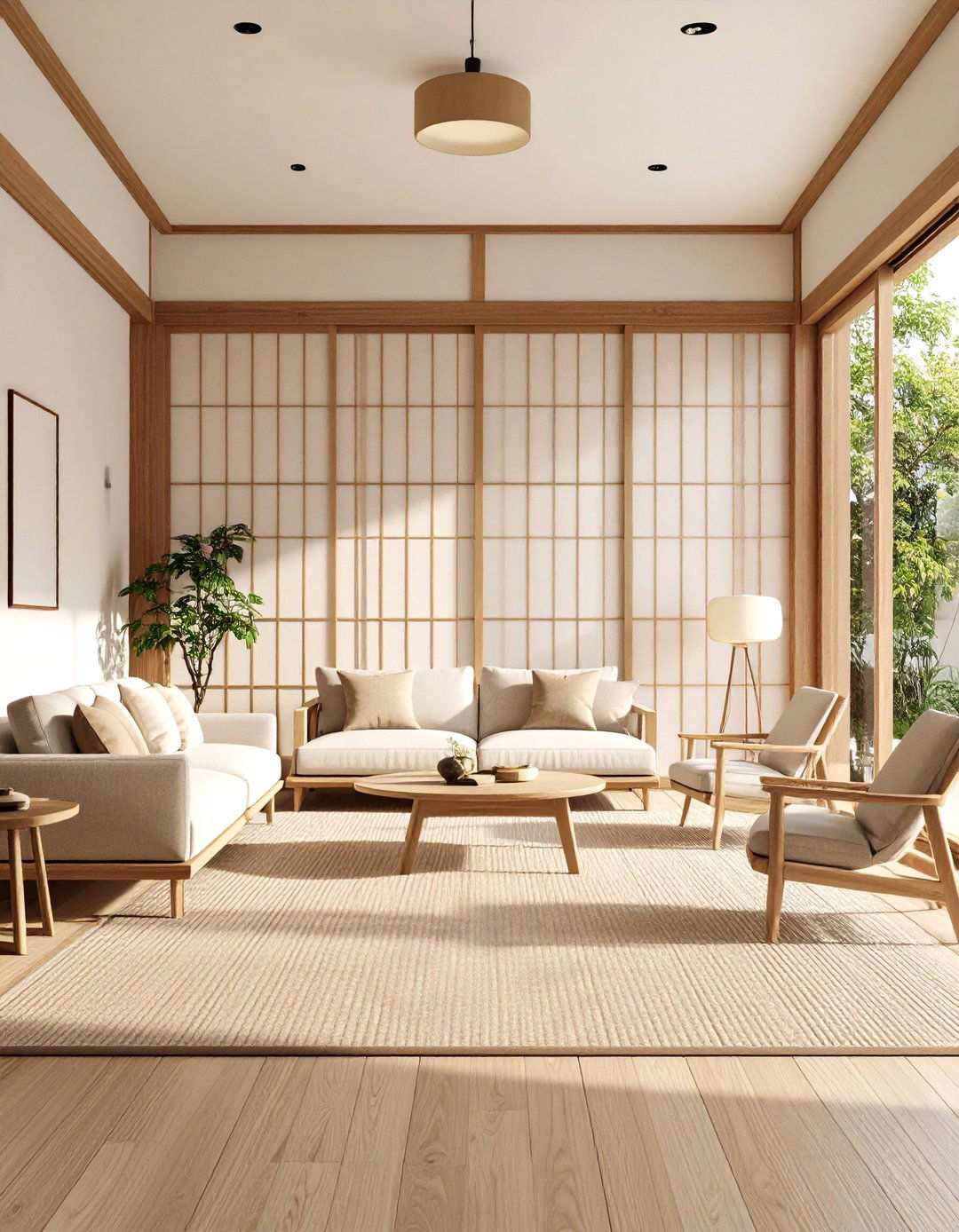
Shoji screens, crafted from delicately layered rice paper and wooden frameworks, serve as versatile room dividers that allow for flexibility while maintaining an open layout. By filtering natural light through their translucent panels, these screens provide the perfect balance between privacy and openness. Geometric patterns etched into traditional shoji screens cast beautiful shadows and add visual interest to minimalist aesthetics. Modern interpretations of shoji screens often incorporate sliding mechanisms for effortless operation and durable materials for long-lasting performance. The sliding door concept is an excellent way to maximize space efficiency while preserving the flexibility to open or close areas as needed. Consider using shoji screens to create temporary meditation spaces, conceal storage areas, or separate living and dining zones. The soft, diffused light produced by these screens not only eliminates harsh shadows but also contributes to the serene atmosphere essential to Asian-inspired living room design.
7. Eco-Chic Bamboo Designs for Asian-Inspired Living Rooms
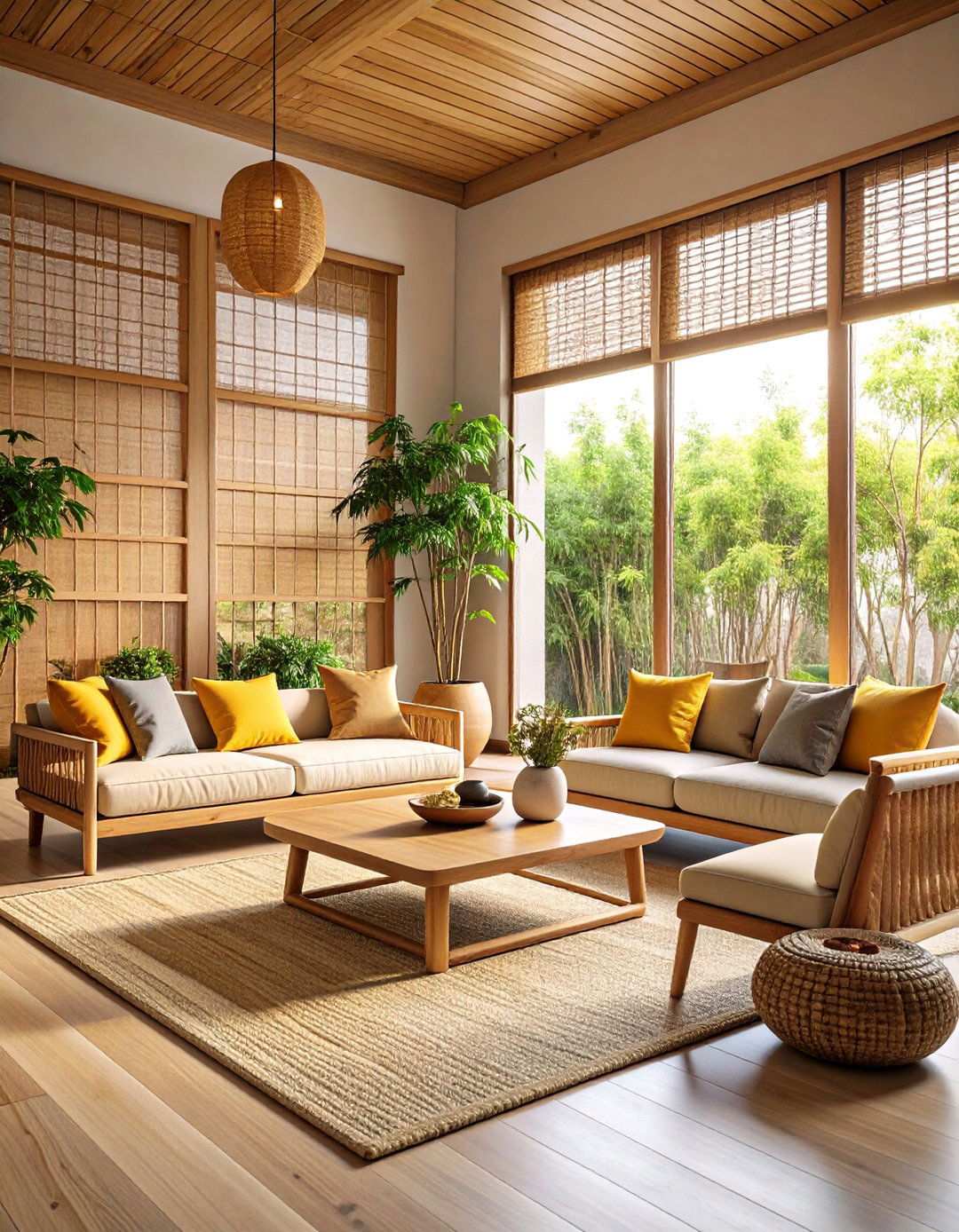
Bamboo’s organic texture and renewable properties create a seamless connection between indoor and outdoor spaces, reflecting a harmonious balance between sustainability and style. By incorporating bamboo elements such as flooring, furniture, window treatments, and decorative accents, homeowners can craft a cohesive design narrative that celebrates the material’s natural beauty. Bamboo’s golden undertones effortlessly complement neutral color schemes, injecting warmth and visual interest into minimalist spaces. To maximize the aesthetic potential of bamboo, consider statement pieces like coffee tables, shelving units, or accent chairs that showcase the material’s unique grain patterns. Bamboo window treatments not only provide seclusion but also filter natural light, creating peaceful and serene environments that embody the essence of Asian design. The rapid growth and eco-friendly properties of bamboo align with modern environmental values while honoring traditional Asian design principles. By combining bamboo with other natural materials like stone and wood, homeowners can create layered textures that enrich the organic ambiance of their living space.
8. Soft and Serene Neutral Color Palettes for Asian-Inspired Living Rooms
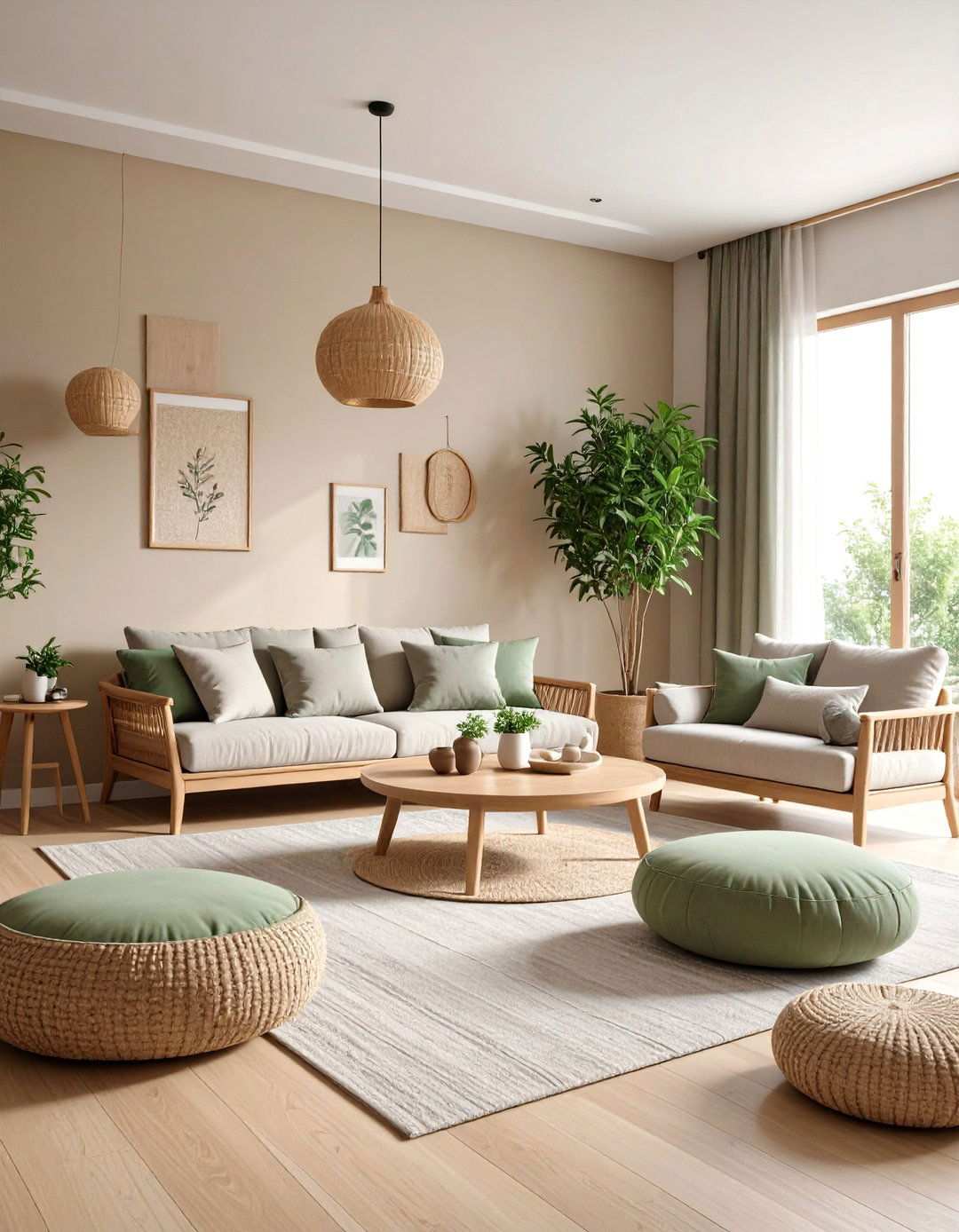
Calming neutral colors like beige, soft white, muted gray, and subtle green tones form the foundation for soothing Asian-inspired living room design, fostering a sense of harmony and tranquility. In traditional Japanese homes, natural colors derived from wooden elements and plant materials are often favored, creating spaces that feel intimately connected to nature. These understated color schemes allow architectural details and natural materials to take center stage, minimizing visual competition. Earthy tones like beige and muted greens have a calming effect, while soft shades enhance the serene atmosphere of the space. To create depth and interest without disrupting the peaceful ambiance, consider layering different shades of the same color family. Warm whites for walls, soft grays for textiles, and natural wood tones for furniture can establish a cohesive palette. Rather than bold painted accents that might overwhelm the space, incorporate subtle color variations through natural materials like stone, bamboo, and plants, which will add a sense of visual harmony to the environment.
9. Harmonizing Indoor Plant Life with Zen Design
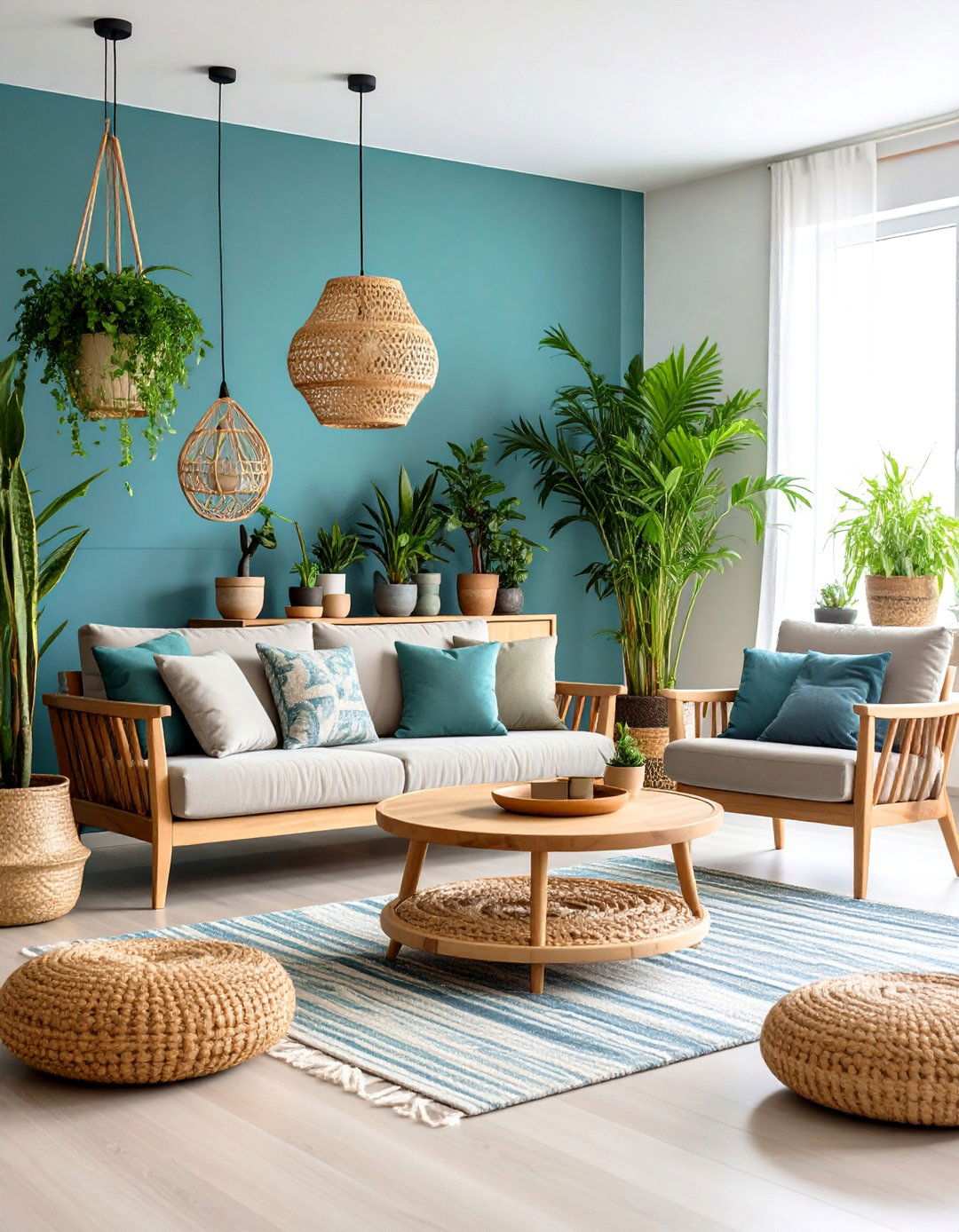
Elevated by the principles of Asian design, indoor plants are integral components of a serene living room ambiance. Not only do they purify the air and promote a sense of freshness, but they also contribute to a tranquil atmosphere. For a profound impact, consider incorporating species like bonsai trees and bamboo, which embody life and growth while refraining from overpowering the space. Low-maintenance varieties such as ferns and moss are highly recommended, as they complement clean-lined furniture and enhance the serenity of the area. Employ layered plant setups at diverse heights using innovative planters, elevated stands, and hanging fixtures to foster visual depth. By selecting plants with striking architectural forms, you can create a cohesive look while preserving the simplicity fundamental to zen design. Nature’s vitality and the energy of plants collectively elevate the overall atmosphere of your living space, ultimately fostering a stronger connection to the natural world central to Asian design. In line with feng shui principles, group plants in odd numbers to establish balanced and harmonious arrangements.
10. Balancing Water Elements with Asian Aesthetic
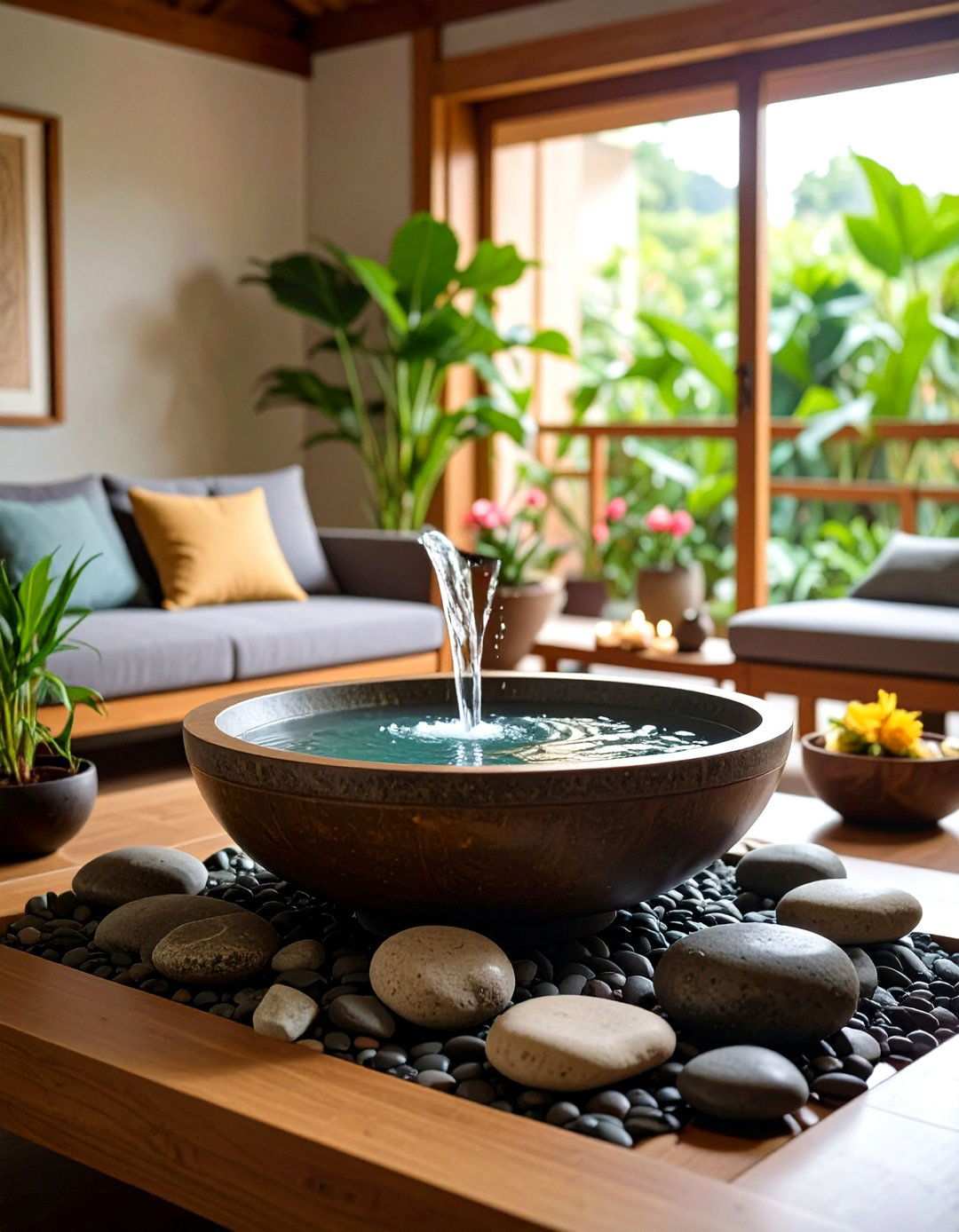
Elegant water features significantly enhance the serene ambiance of Asian living rooms by providing visual interest and soothing sounds. Even simple and unassuming arrangements such as ceramic vases filled with stones and water can have a profound impact on the room’s atmosphere. The gentle sound of flowing water skillfully masks external noise, creating an environment perfect for relaxation and contemplation. As per feng shui, water elements possess the power to symbolize flow and abundance, making them a vital component in promoting positive energy circulation. Carefully select water features that harmonize with your room’s dimensions—small tabletop fountains for cozy spaces, or larger installations for expansive areas. By incorporating indoor rock gardens accompanied with water elements, you can seamlessly combine multiple natural elements to create a robust connection to outdoor environments. For optimal placement, adhere to feng shui principles by situating water elements in the north area of the room to support career and life path energy.
11. Harmonizing with Simplicity: Minimalist Furniture in Asian Living Rooms
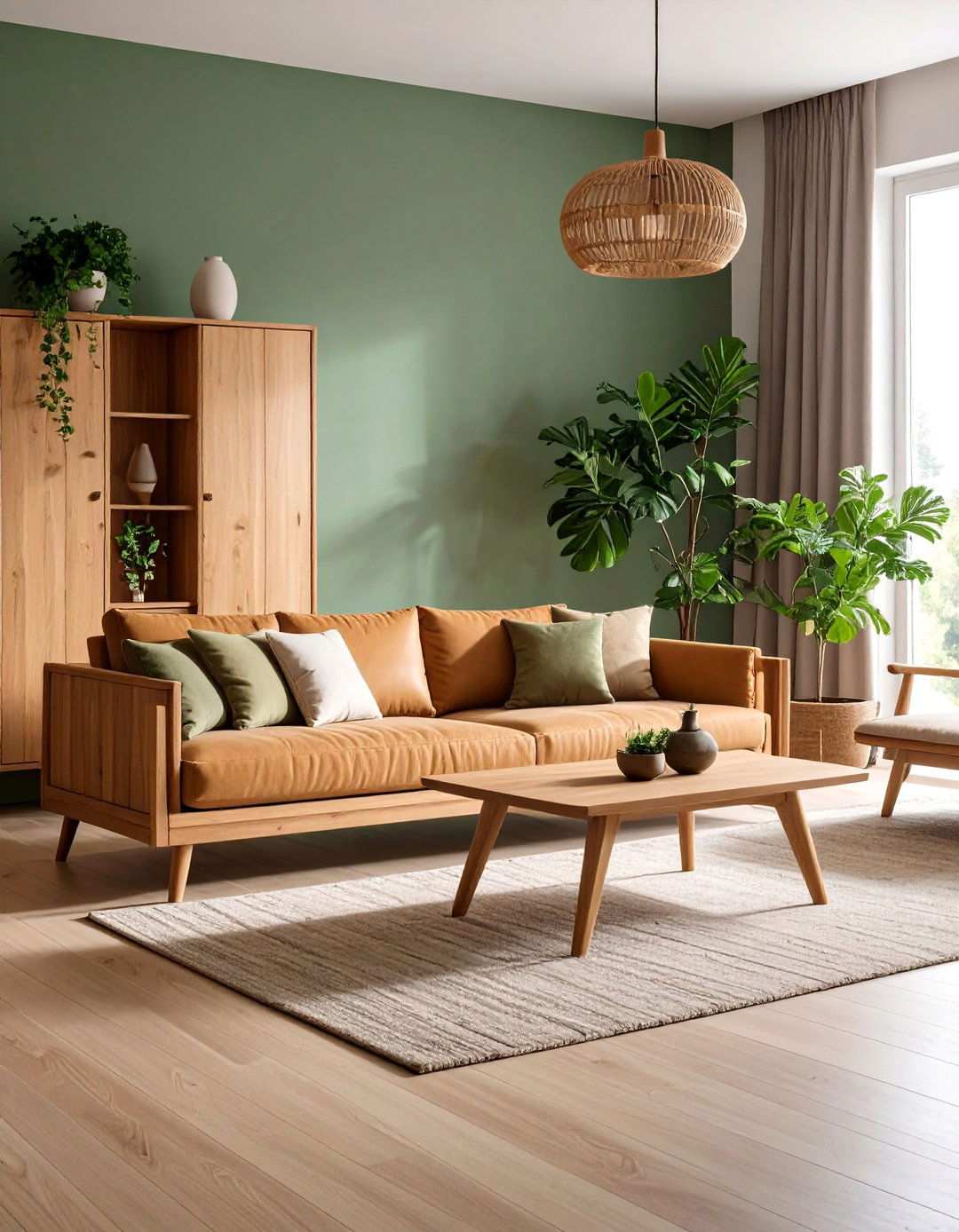
Elegant, unadorned furniture designs create a sense of visual calm, a fundamental aspect of Asian living room aesthetics. By concentrating on a limited number of functional pieces, rather than over-accessorizing, you can cultivate a serene atmosphere that embodies the essence of minimalism. Opt for sleek, low-profile furniture crafted from natural materials, characterized by clean lines and smooth surfaces, to foster a sense of tranquility within the space. In Asian-inspired design, quality takes precedence over quantity; choose well-crafted pieces that will mature beautifully and maintain their understated elegance over time. Modern, low-slung furniture, paired with plush floor cushions offering flexible seating options, creates an inviting and uncluttered environment. Arrange the furniture to facilitate clear pathways and open spaces, allowing energy to flow freely while nurturing intimate conversation areas. Thoughtfully integrated storage solutions ensure clutter-free surfaces that uphold the principles of simplicity and zen.
12. Illuminating the Space: Maximizing Natural Light in Asian Living Rooms
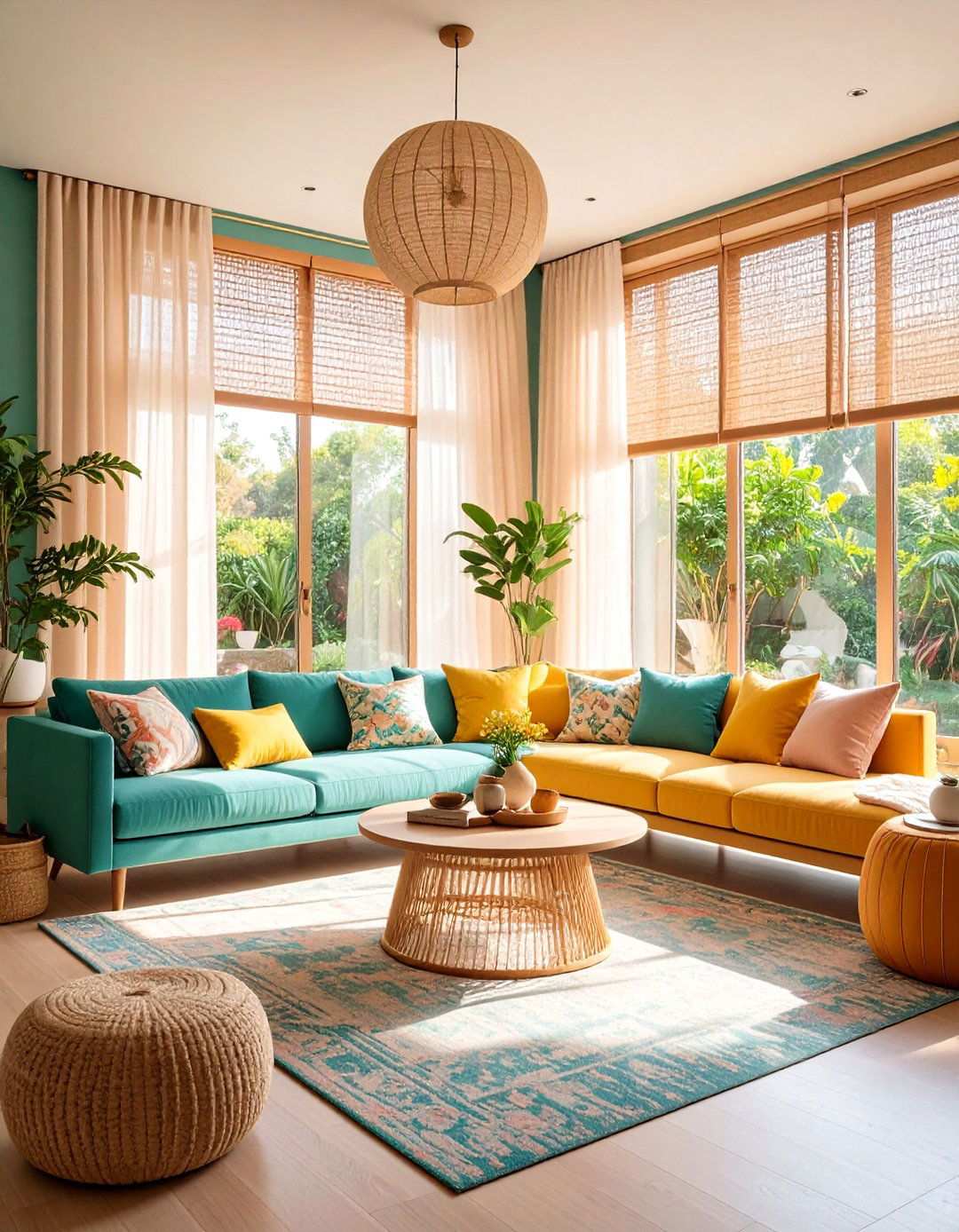
Large windows and judicious window treatments create a seamless transition between indoors and outdoors, bathing Asian living rooms in natural light and invigorating the senses. By embracing the beauty of natural light, you can establish an airy, open atmosphere that fosters well-being through exposure to the natural day-night cycle. Asian zen interiors celebrate the majesty of sunlight over artificial illumination, utilizing expansive windows and open floor plans to craft bright, inviting spaces. Sheer curtains or bamboo blinds filter light gently while preserving privacy when necessary. Shoji screens allow daylight to flood the room, softening the light and creating a warm ambiance. Strategically positioning mirrors reflects natural light deeper into the space, conjuring the illusion of larger, more open areas. As day gives way to evening, supplement natural light with warm, soft artificial illumination that mimics daylight’s gentle quality, ensuring the serene atmosphere endures throughout the day.
13. Cultivating Mindfulness through Meditation Corner Design
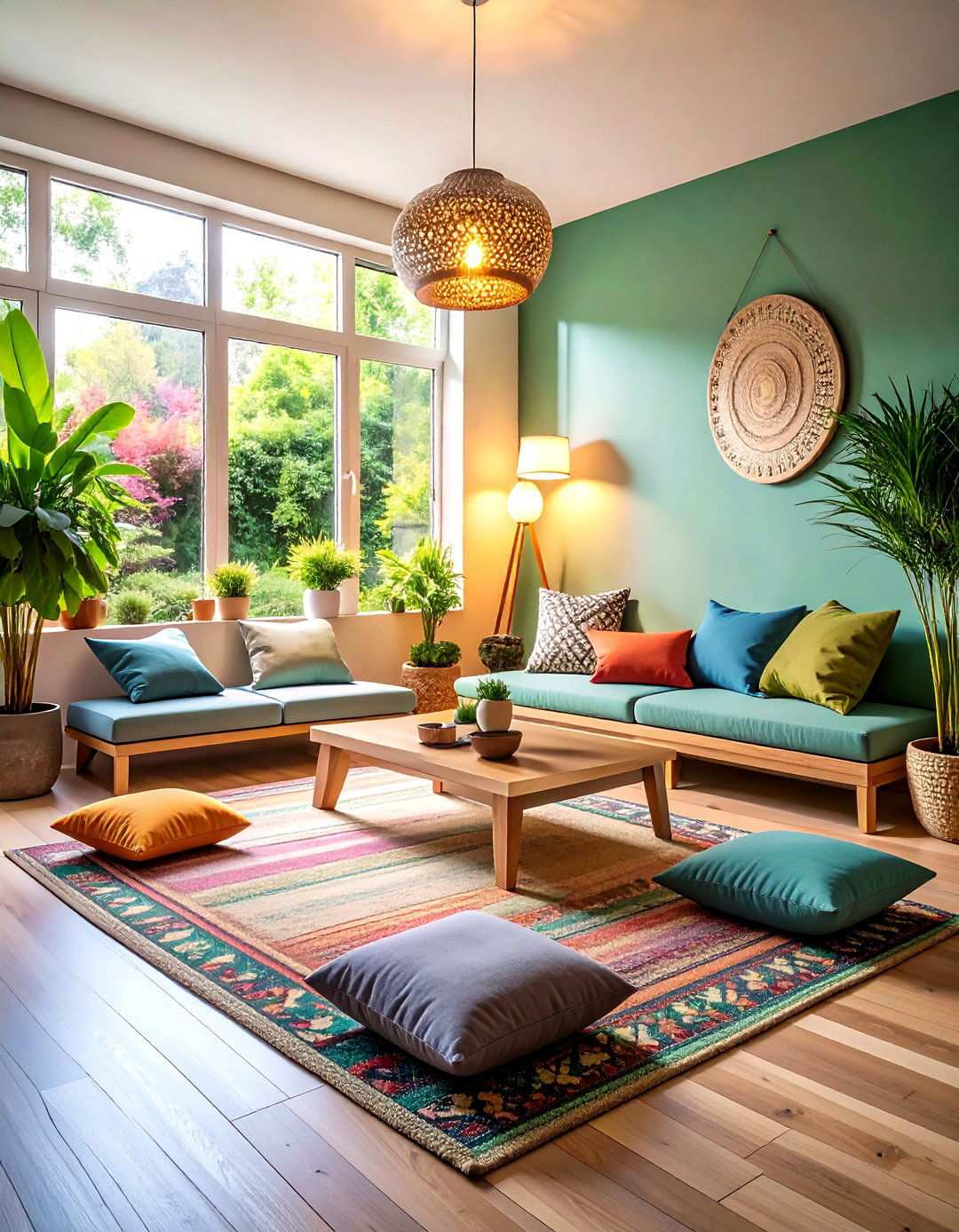
By incorporating thoughtfully designed meditation corners, homeowners can create inviting spaces for mindfulness and reflection within their living room environment. These tranquil retreats can be crafted using simple cushions, natural materials, and subtle lighting to foster a contemplative atmosphere. Ideal locations for meditation corners are areas with natural light and minimal foot traffic, featuring comfortable floor cushions or a small meditation bench. To enhance the meditative quality, consider incorporating elements like small sand or gravel raking tables, which can be used to practice the zen habit of creating patterns for peace and clarity. Minimal decoration is essential, with options such as small plants, simple artwork, or water features that promote relaxation and serenity. Art and decor that reflect zen principles, such as abstract pieces, calligraphy, or nature-inspired prints with clean lines, can further enhance the peaceful ambiance. Ultimately, the meditation area should feel seamlessly integrated with the larger living space while maintaining its function as a peaceful retreat for daily mindfulness practices.
14. Harmonizing Spaces with Curved Furniture
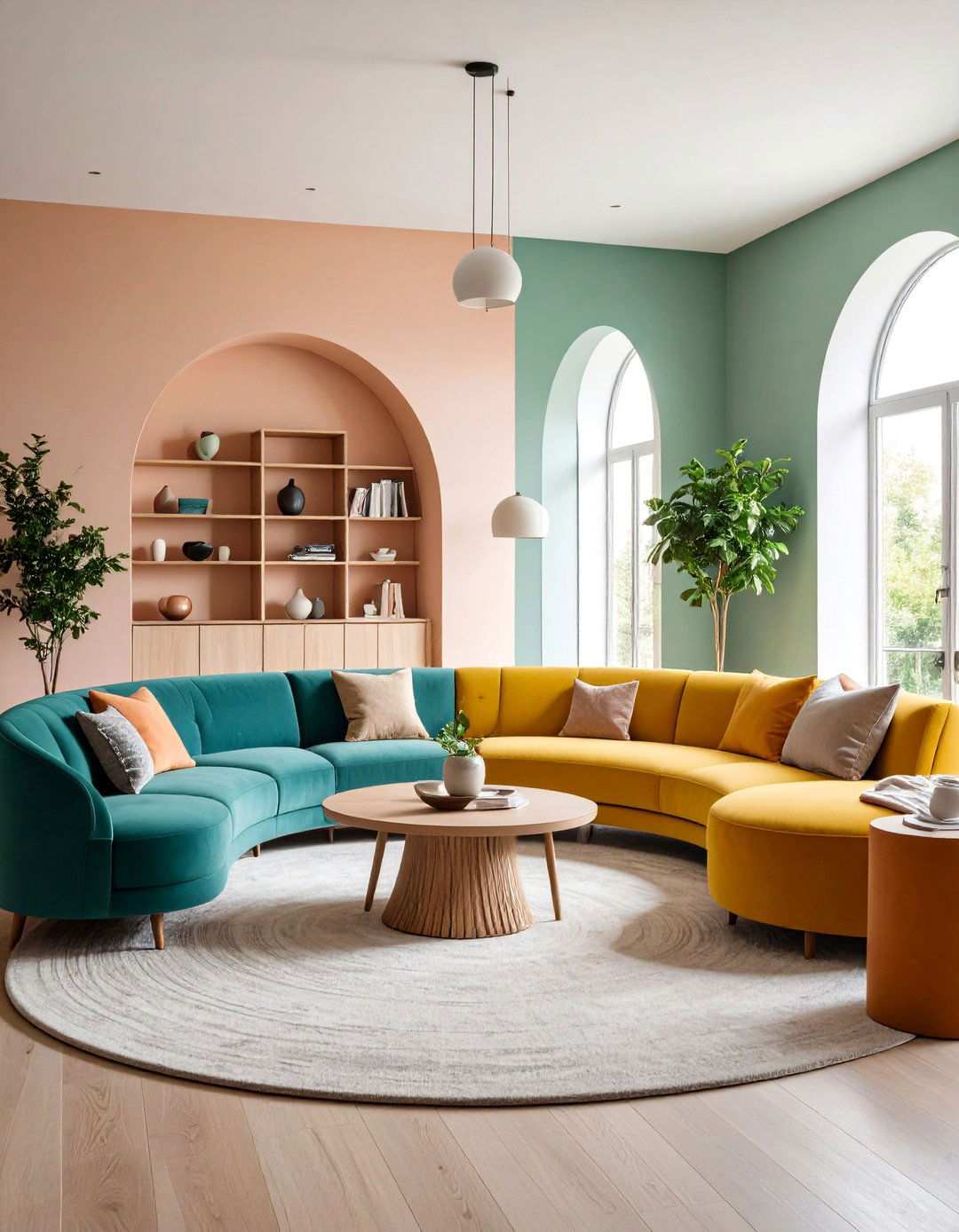
Incorporating curved furniture elements, such as round coffee tables and organic seating shapes, is a great way to align with Asian design principles while countering the harsh energy that sharp angles can create. Curved sofas and rounded furniture designs evoke cozy, intimate feelings, reflecting the growing trend toward organic shapes and earthy colors. In feng shui philosophy, curved furniture symbolizes harmony, representing the natural flow of energy and promoting peaceful atmospheres. When selecting furniture, choose coffee tables, side tables, and seating with gentle curves that soften the overall room aesthetic while maintaining functionality. The soft lines and curved silhouettes of curved elements invite relaxation, contrasting beautifully with structured architectural elements to add dimension and visual interest. Curved elements can include arched doorways, rounded plant containers, or furniture with flowing lines that echo natural forms. By incorporating curved furniture, homeowners can create safer environments for families with children while supporting the zen principle of gentle, flowing energy throughout the living space.
15. Cultivating Serenity in the Tea Ceremony Area
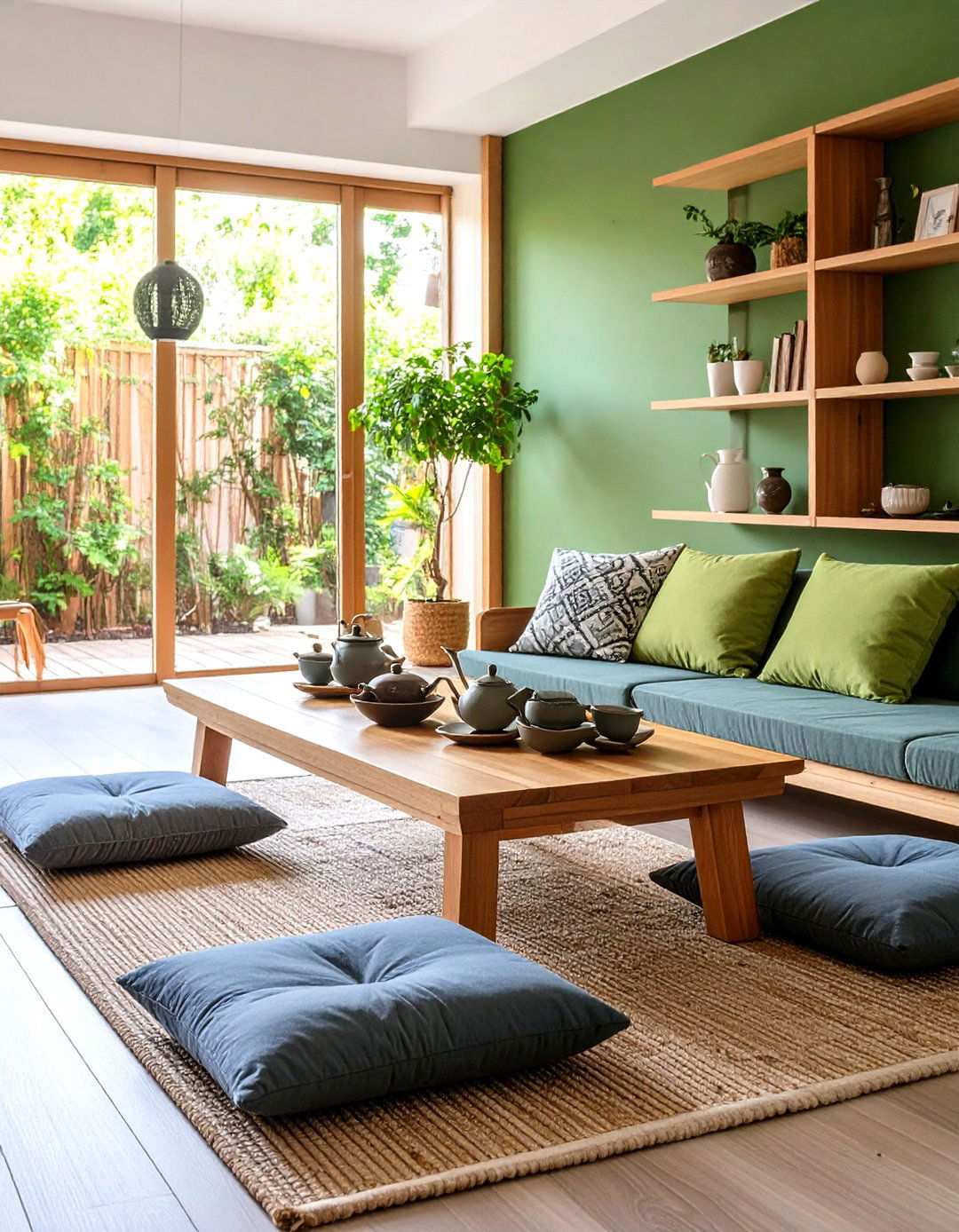
To create an immersive cultural experience, tea ceremony areas should be designed with intimate spaces that encourage peaceful gathering and contemplation. Wooden low tables accompanied by floor cushions can seamlessly blend functionality with the tranquil ambiance of a traditional Japanese setting. The kotatsu, a multifaceted Japanese heated table, can serve various purposes, from hosting tea ceremonies to doubling as a workspace, encapsulating the essence of efficient space utilization characteristic of Asian design. Establish a dedicated tea area by combining a low table with plush floor seating and thoughtful storage solutions for tea-related items. This carefully crafted space will not only evoke a genuine cultural experience but also serve as a practical living area. Emphasize the ritualistic aspects of tea preparation and service by choosing handcrafted ceramic pieces and natural materials that amplify the sensory experience. As a testament to the flexibility inherent in Asian design, this area can effortlessly transition from a tea service to a casual dining or workspace, underscoring the adaptability that defines Asian living room design. Showcase traditional tea implements and serving pieces in carefully designated niches or simple shelving to strike a balance between cultural significance and spatial organization.
16. Harnessing Texture in Asian Living Room Accents
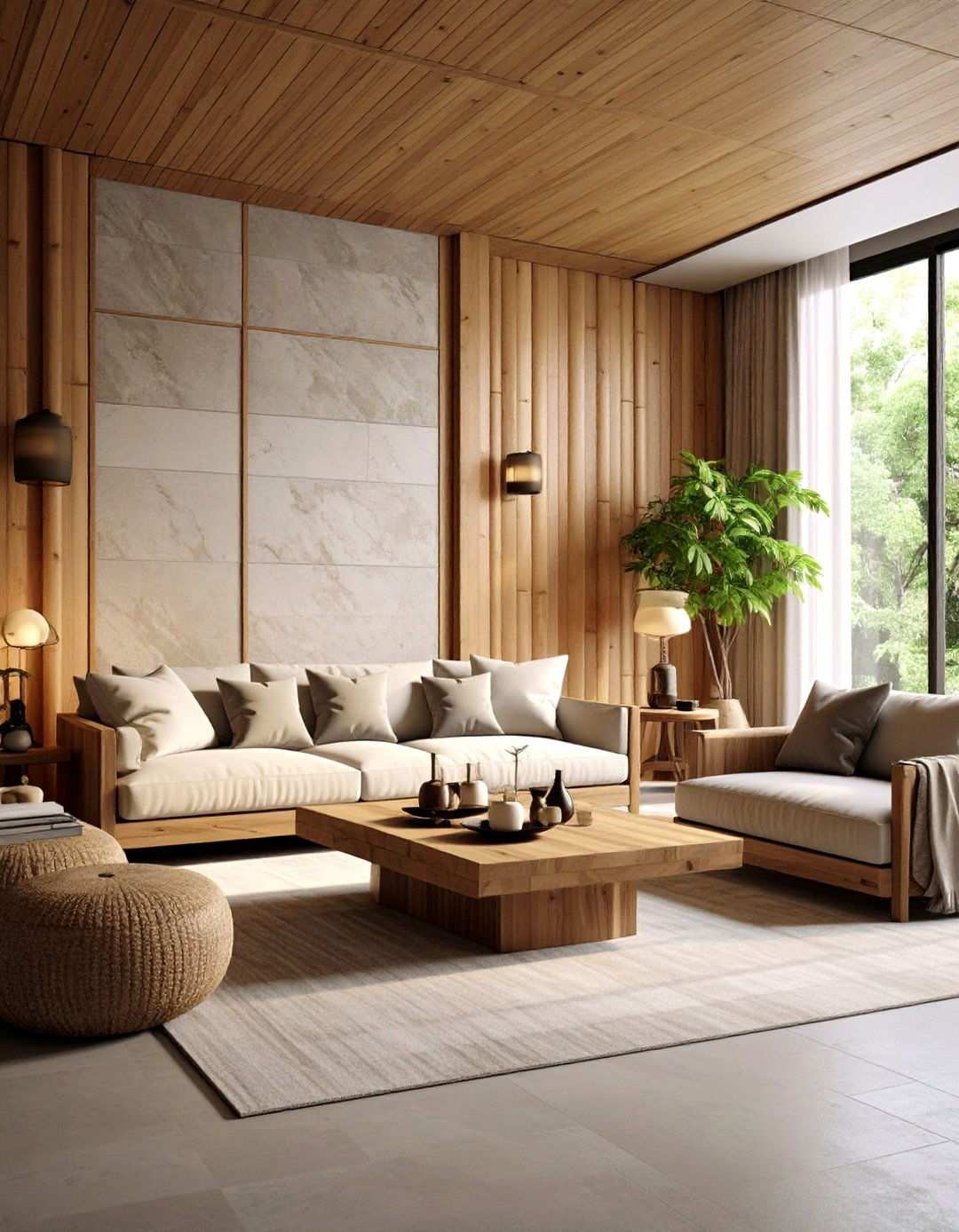
Textured walls offer a unique way to infuse visual interest and tactile appeal into Asian living rooms while honoring the organic material focus fundamental to authentic design. Materials such as stone, bamboo, or reclaimed wood can be used to create striking feature walls that serve as focal points without overwhelming the space’s minimalist aesthetic. Consider techniques like venetian plaster, natural stone cladding, or bamboo panel installations that add depth and dimension while respecting the natural material preferences of Asian design. Wall molding and architectural details have become increasingly popular as methods to add visual interest without cluttering the space. Textured walls can incorporate earthy tones that harmonize with furniture and decor, creating subtle visual variations that prevent spaces from feeling flat and two-dimensional. By incorporating earth tones in wall treatments, you can create stability and grounding energy, serving as a neutral backdrop for furniture and decorative elements. To maintain the serene atmosphere central to Asian living room design, balance textured walls with smooth surfaces on furniture and floors to prevent visual overwhelm.
17. Adaptable Asian Living Spaces with Flexible Furniture
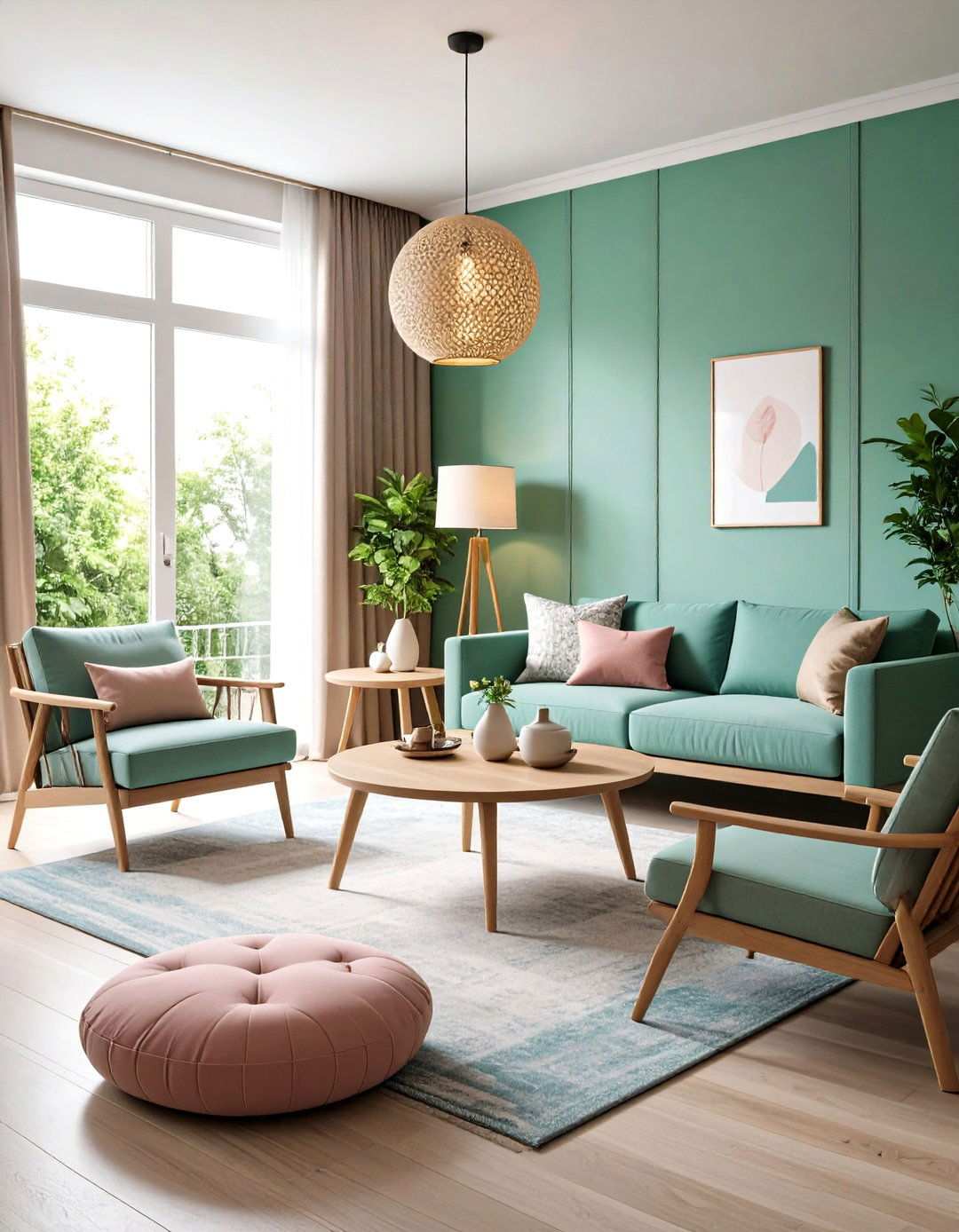
Effortless adaptability is a hallmark of Asian living rooms, where multifunctional spaces seamlessly transition between activities. By incorporating flexible, movable furniture, homeowners can easily transform their rooms to suit changing needs. Traditional Korean ondol rooms showcase this versatility, switching from living spaces to dining areas to bedrooms through the strategic arrangement of furniture. Accentuating the importance of space efficiency, lighter chairs, end tables, and cordless lamps can be effortlessly rearranged as the day unfolds. Furniture with hidden storage, nesting capabilities, or clever folding mechanisms not only provides practical functionality but also maintains clean lines. Clusters of nesting tables, for instance, can replace monolithic coffee tables, offering flexibility for entertaining and everyday use. Moreover, floor cushions and lightweight seating can be effortlessly moved and stored when not needed, preserving the serene, uncluttered aesthetic characteristic of Asian design. By embracing adaptability, Asian design principles promote harmony with changing circumstances while cultivating peaceful, organized environments that balance solitude and social interaction.
18. Grounding Presence in Asian Living Rooms through Stone and Rock Elements
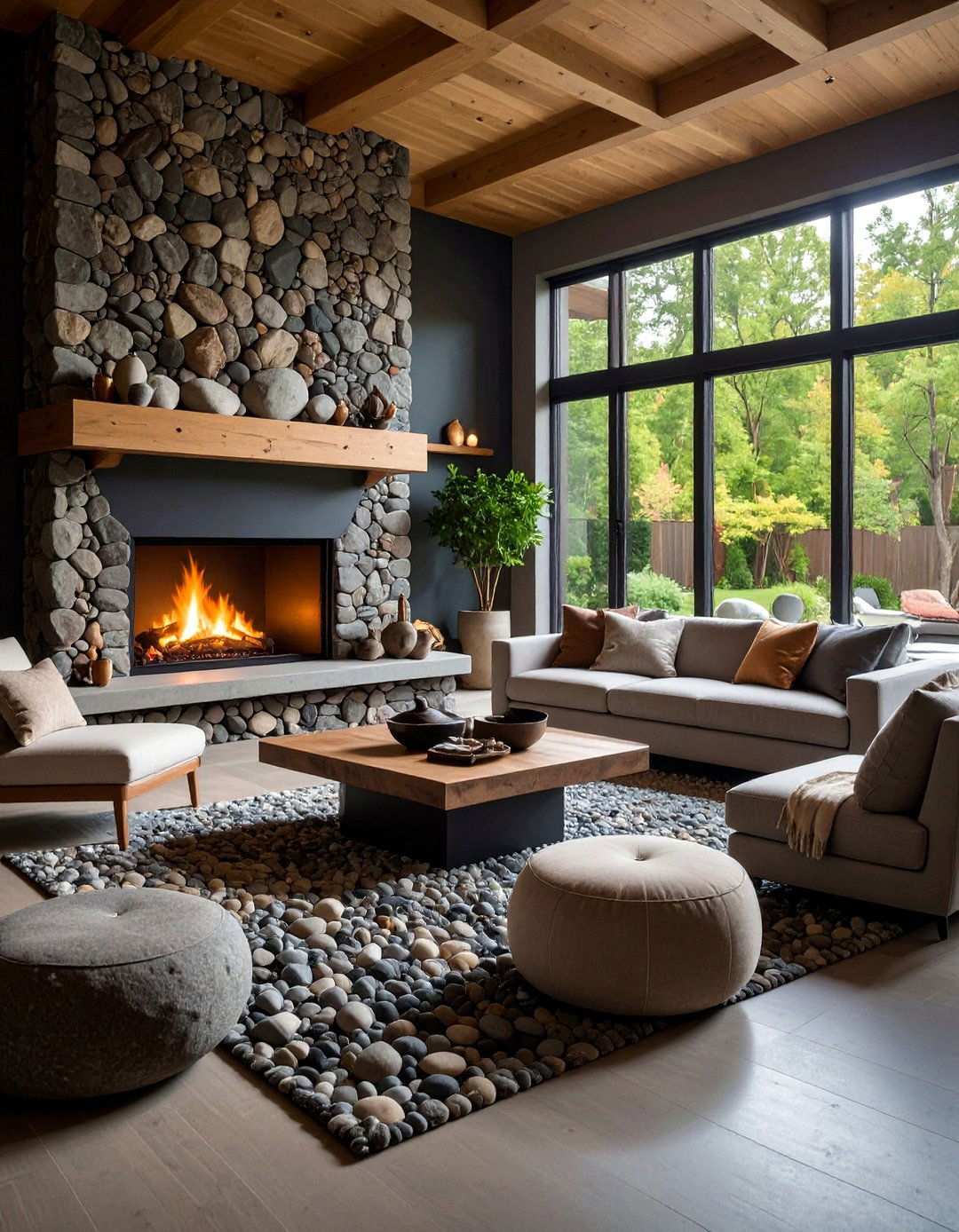
The incorporation of stone and rock elements in Asian living rooms creates a profound sense of grounding and connection to the natural environment. By harnessing the enduring qualities of these ancient materials, homeowners can establish a strong foundation for their design. Feature walls, decorative pieces, or functional elements like fireplace surrounds can all serve to anchor the space. The serene ambiance of a rock garden, a carefully arranged stone display, or a simple pebble-filled bowl can transport occupants to a meditative state. Select stones with unique textures, colors, or shapes that harmonize with your room’s color palette while providing visual weight and stability. Additionally, natural accents like stone lamps or decorative bowls can introduce a touch of the outdoors, subtly transforming the atmosphere of the room. Whether through sculptural pieces, zen gardens, or practical items, earth elements represented by stone can instill stability and grounding energy, underscoring the connection to nature that lies at the heart of Asian design principles.
19. Creating Ambiance with Layered Lighting in Asian Living Rooms
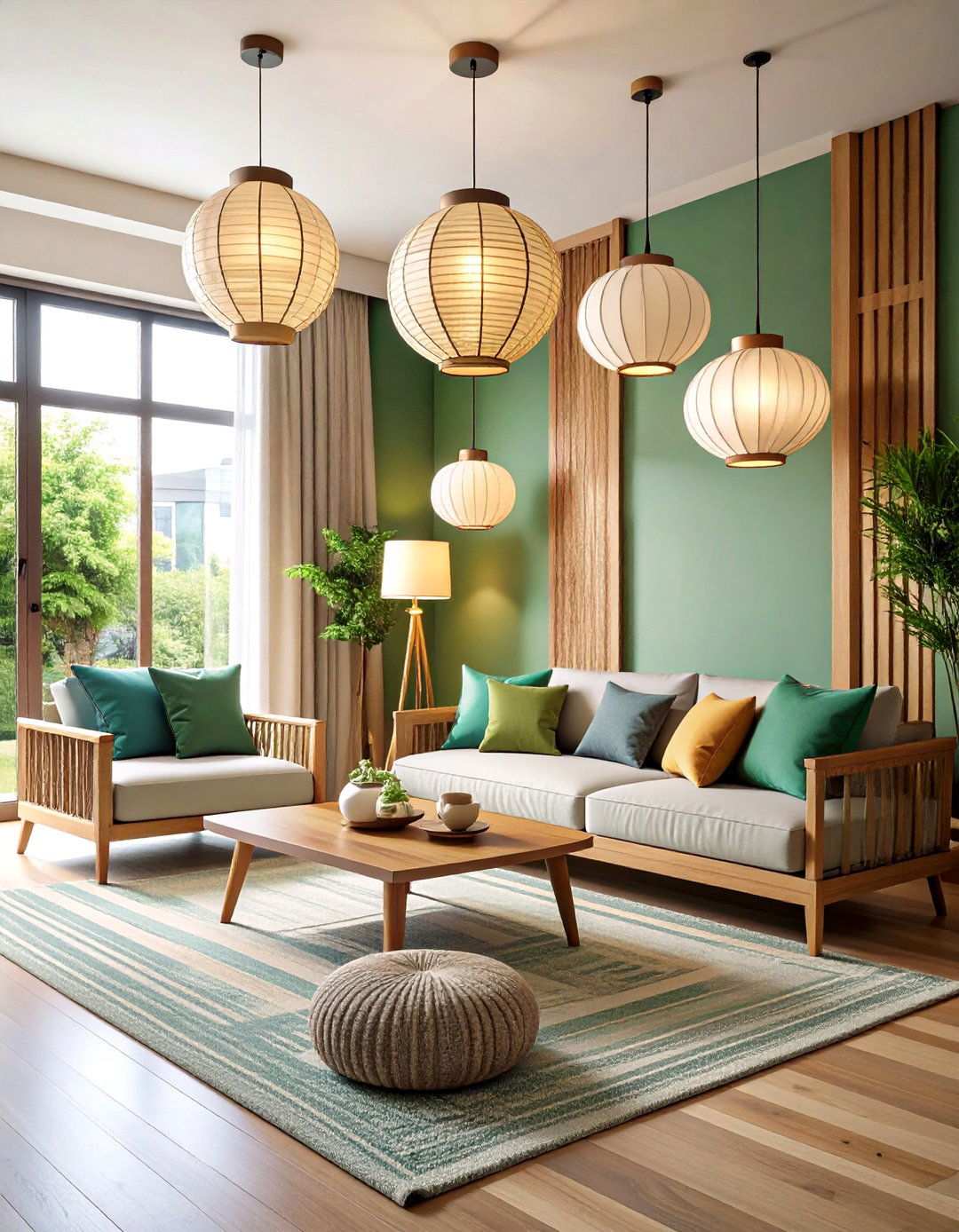
Adaptable environments that seamlessly transform throughout the day can be achieved through the strategic use of layered lighting systems. By incorporating multiple light sources at varying heights, spaces can be designed to shift moods and provide gentle, warm illumination. The integration of statement fixtures, architectural lighting, and sculptural floor lamps replaces conventional lighting with dimensional warmth, adding visual interest to the space. In Asian zen interiors, smaller light sources like pendant lights and lanterns crafted from natural materials are preferred over harsh overhead fluorescent lighting. A thoughtfully curated lighting scheme featuring vintage and modern fixtures creates a timeless appeal while fostering an interplay of texture, color, and light. To achieve this level of ambiance, incorporate at least three light sources that vary in height and placement, offering multiple options for different activities and times of day. The strategic use of paper lanterns, bamboo fixtures, and warm LED bulbs contributes to the soft, diffused lighting that supports relaxation and meditation while maintaining the focus on natural materials essential to Asian living room design.
20. Seamless Indoor-Outdoor Connections in Asian Living Room Design
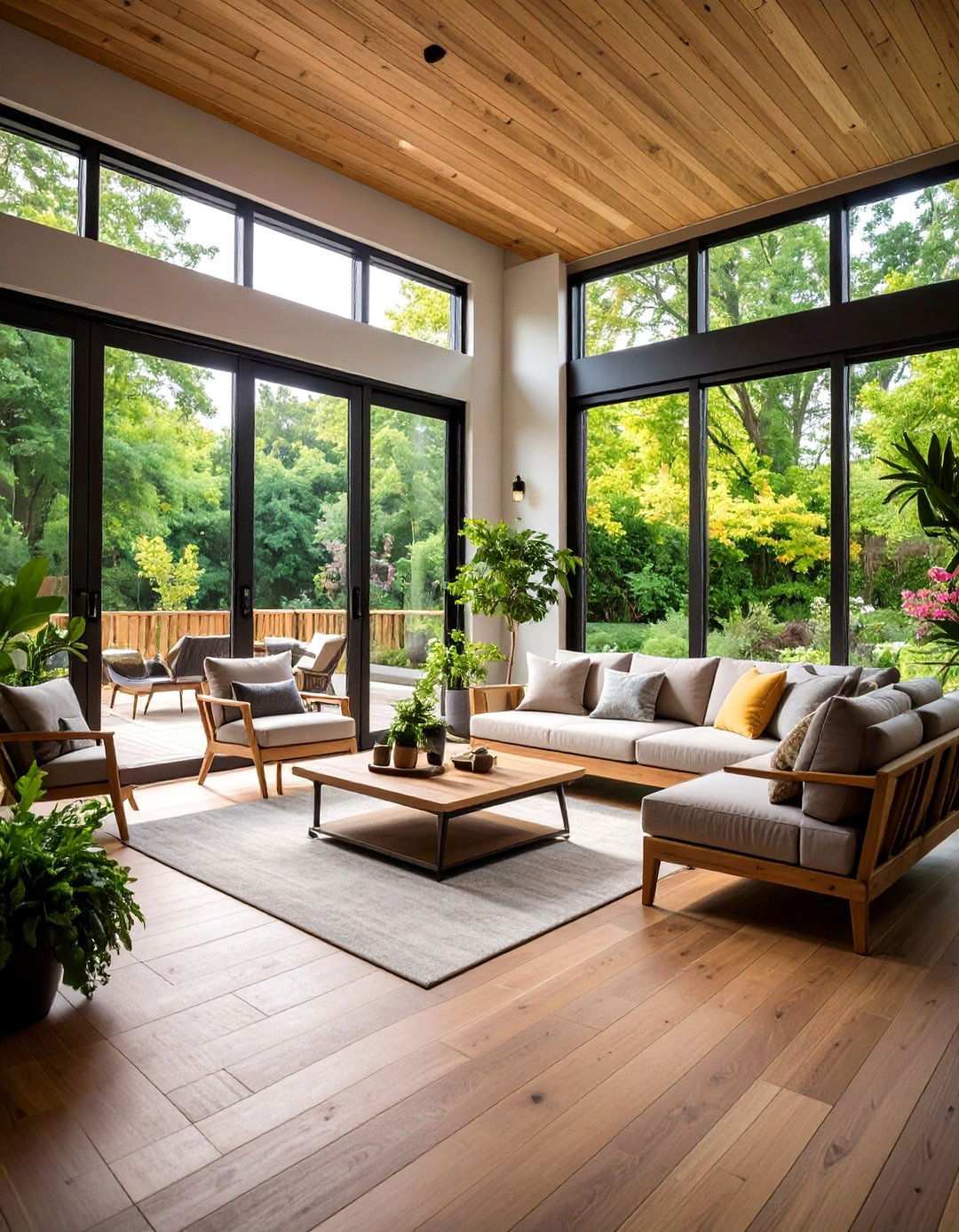
Asian living rooms excel at blurring the boundaries between indoor and outdoor environments, fostering a seamless connection between the two. This design approach, driven by biophilic principles, integrates nature through the incorporation of greenery, organic materials, and outdoor views that promote well-being and tranquility. Elevated wooden decks extend the living space into the outdoors, creating inviting platforms for tea service, meditation, or simply taking in the natural surroundings. Large windows and open floor plans allow the natural environment to become an integral part of the interior design while maintaining comfortable indoor climate control. When choosing furniture and decor, opt for items that can easily transition between indoor and outdoor use, such as weather-resistant natural materials and portable seating options. By incorporating design elements, materials, and views that connect humans to nature, the fundamental Asian principle of living in harmony with the natural world is reinforced, creating living spaces that feel expansive and connected while maintaining a peaceful, grounded atmosphere.