1. Dynamic Harmony Through Placing Disparate Elements
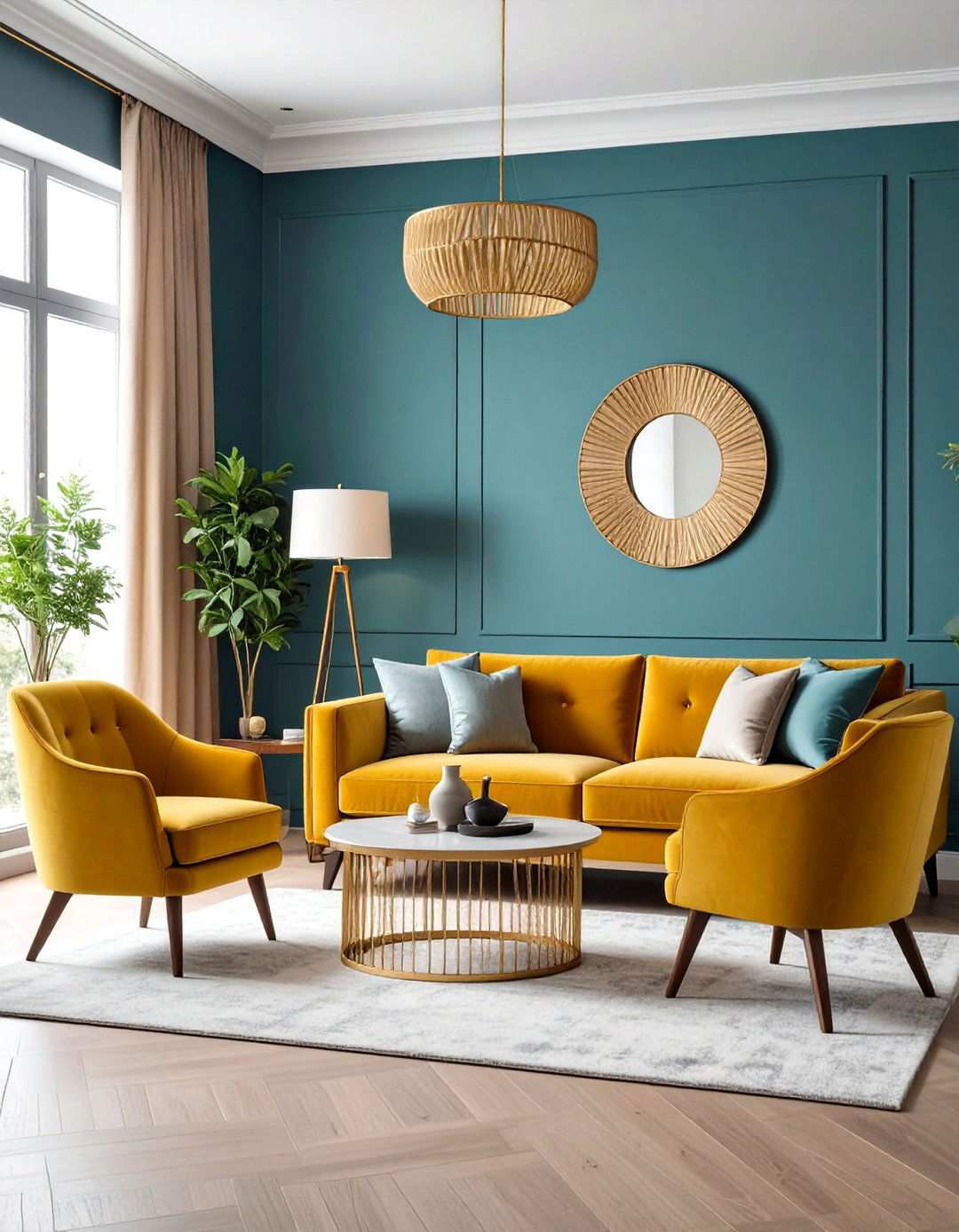
Strategic placement of disparate elements can create visually dynamic spaces without sacrificing harmony. By juxtaposing dissimilar components, designers can achieve equilibrium while fostering creativity and personal expression. Unlike traditional symmetrical arrangements, this approach encourages experimentation with scale, proportion, and unexpected combinations. As a result, rooms are transformed into captivating environments that feel both sophisticated and lived-in, offering endless possibilities for customization while maintaining visual stability and aesthetic appeal. The key lies in balancing dissimilar elements to create a sense of equilibrium and visual stability.
2. Crafting Asymmetrical Balance with Room Layouts
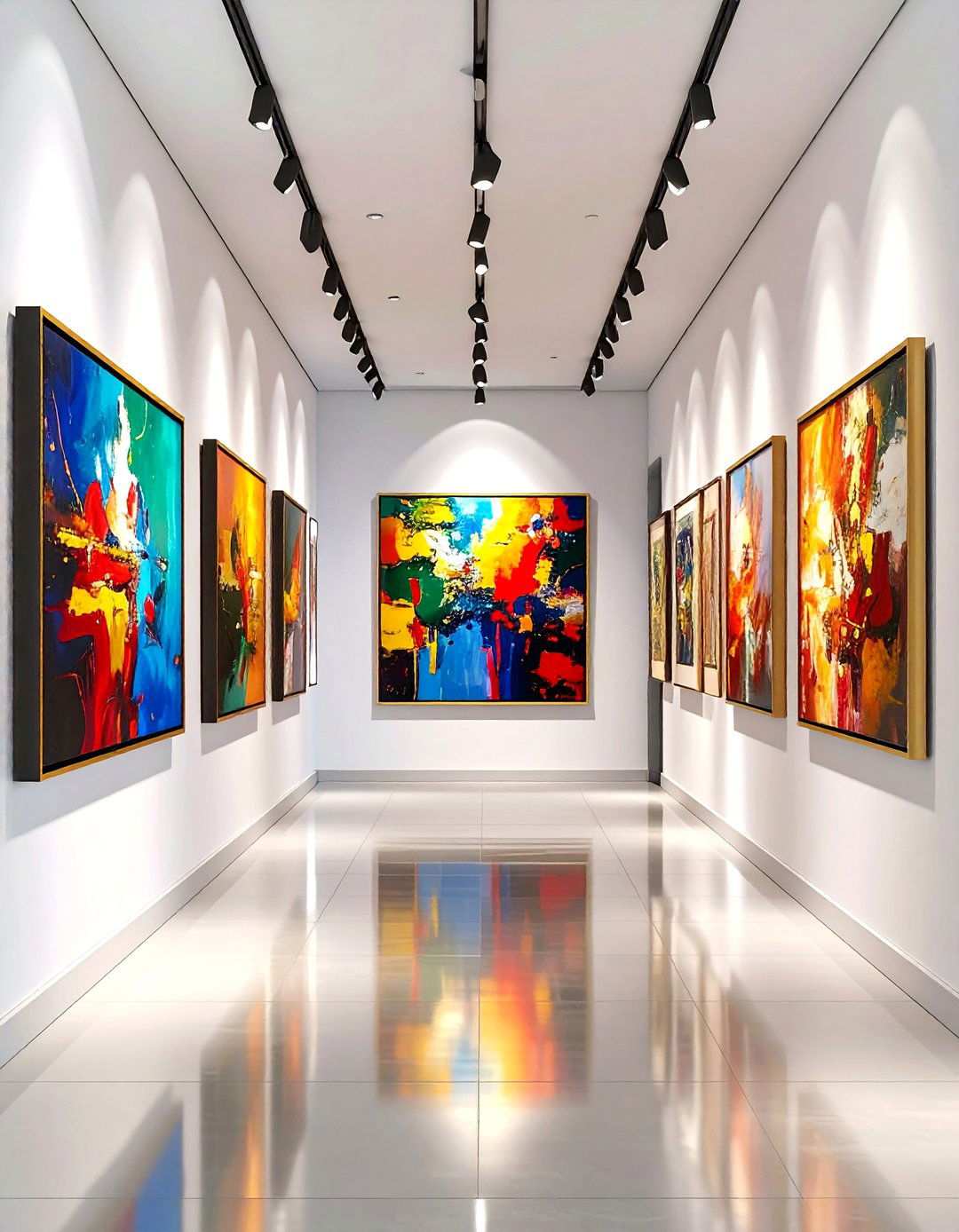
A thoughtful arrangement of furniture can create captivating living spaces through intentional imbalance. Consider pairing a large sectional sofa with a cluster of smaller elements on the opposite side of the room, such as accent chairs and a side table. By varying chair heights, textures, and colors within your chosen palette, you can add interest while preserving cohesion throughout the space. The smaller grouping should collectively match the visual presence of the larger piece, ensuring that the room feels balanced without losing its sense of dynamism.

As an Amazon Associate I earn from qualifying purchases.
3. Unconventional Balance: Crafting Visual Interest with Lighting Fixtures
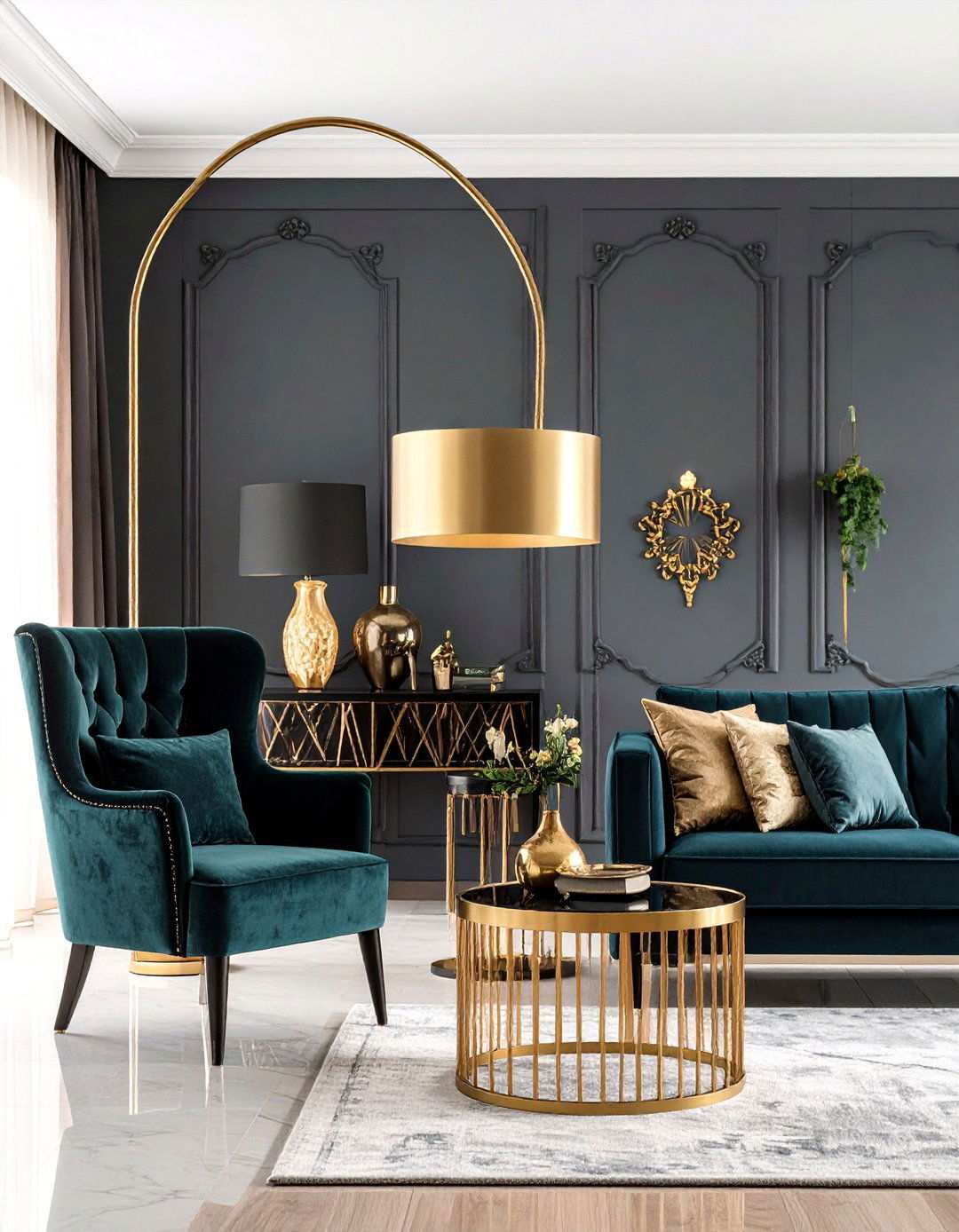
Striking a balance between form and function, use asymmetrical lighting fixtures to imbue your space with dynamic visual appeal and practical illumination. Break away from symmetry by placing a stately floor lamp on one side of a seating area, offset by a shorter table lamp and decorative accents on the opposite side. This innovative approach creates a multi-layered lighting effect at varying heights, maintaining visual equilibrium through careful placement. Experiment with pendant lights of different heights above kitchen islands or dining areas, or opt for asymmetrical chandeliers featuring offset elements. By combining diverse light sources that harmonize rather than replicate each other, you’ll achieve a balanced illumination that elevates both functionality and aesthetic appeal.
4. Unconventional Balance: Expressing Creativity through Asymmetrical Color Block Walls
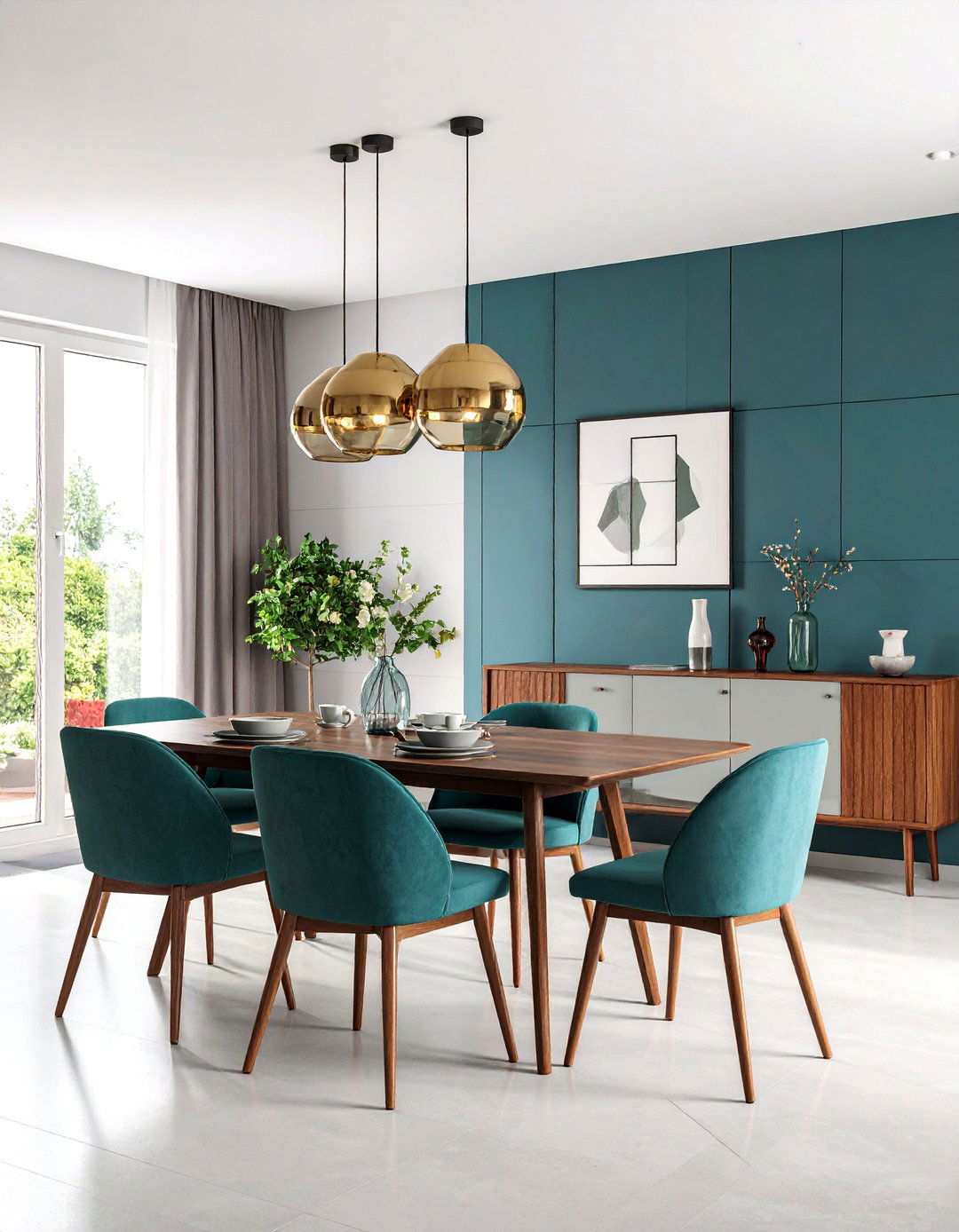
Elevate your space with asymmetrical color block walls that serve as bold focal points through thoughtful color placement, moving beyond traditional paint schemes. Apply contrasting colors to geometric shapes, organic forms, or architectural elements that defy symmetry. For instance, paint a deep accent color on one section of a wall, allowing the majority of the space to remain neutral, and balance the visual weight with carefully placed furniture or artwork. This technique enables you to express your creativity while maintaining room harmony through deliberate color distribution. When selecting your palette, consider the space’s natural light, existing furniture colors, and desired mood to ensure the asymmetrical color blocks enhance the space rather than overwhelming it.
5. Unconventional Balance: Maximizing Functionality with Asymmetrical Floating Shelves
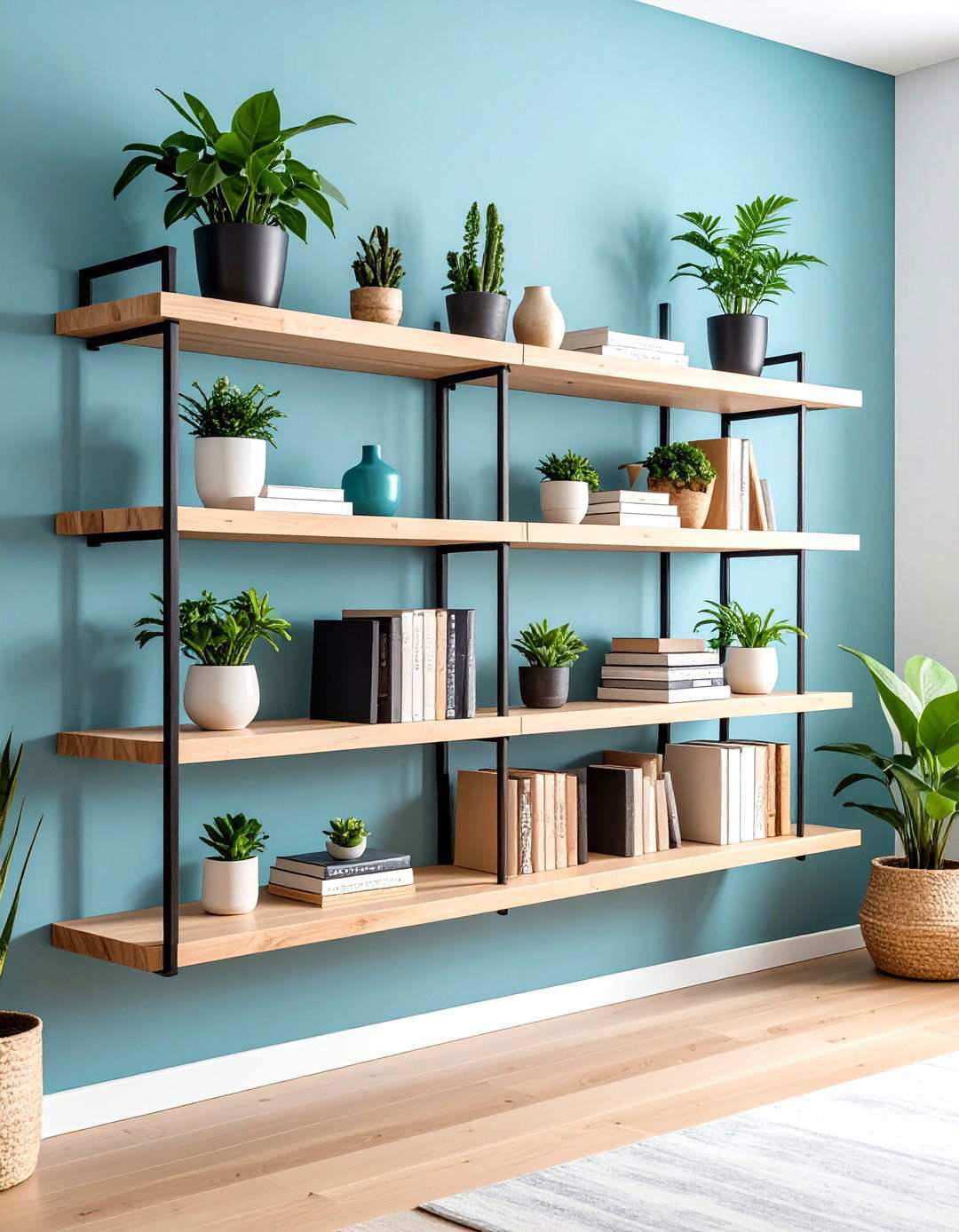
Unlock the full potential of your walls by installing asymmetrical floating shelves that provide both storage and visual interest through varied placement and styling. Move away from symmetrical, identically spaced shelves by creating dynamic wall displays with different shelf lengths, heights, and spacing intervals. Place a long shelf high on one side and balance it with two shorter shelves at different levels on the opposite side. Style each shelf with a curated mix of objects featuring varying heights, textures, and colors, while maintaining visual weight distribution. Combine books, plants, decorative objects, and functional items to create layers of interest, maximizing wall space utilization and crafting a captivating, museum-like display that reflects your unique style and functionality.
6. Beyond Traditional: Achieving Asymmetrical Balance in Dining Spaces
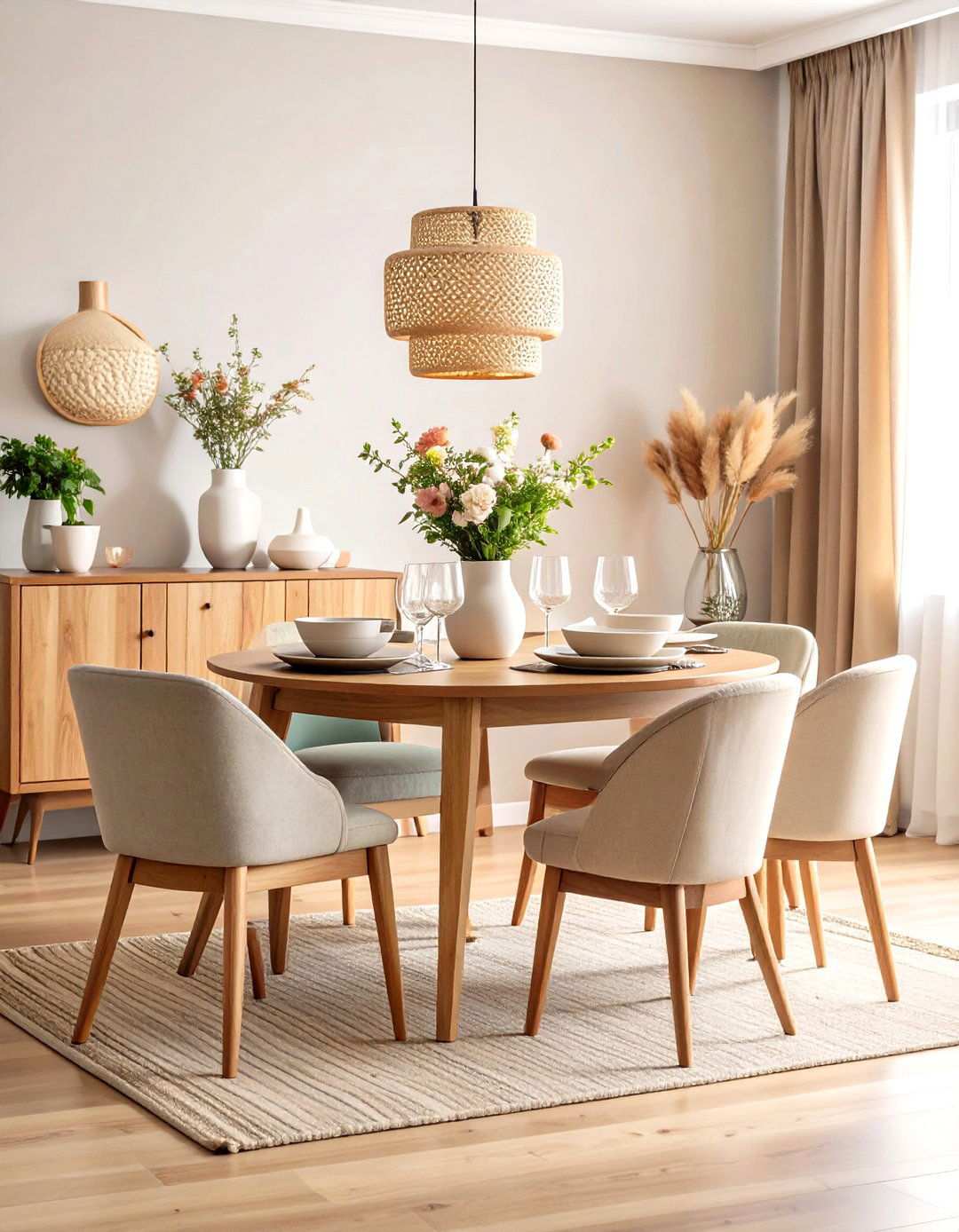
By experimenting with unconventional placements and harmonious contrasts, you can create captivating dining spaces that go beyond traditional centered arrangements. Consider positioning your dining table slightly off-center, then counterbalance this placement with a mix of furniture pieces such as a buffet, bookshelf, or accent chair. Varying chair styles around the table, perhaps juxtaposing upholstered chairs with wooden ones, can maintain color connections while fostering a sense of conversation and visual interest. Furthermore, incorporating unique lighting fixtures, like a cluster of pendant lights, above the table can amplify the balanced yet unexpected aesthetic.
7. Unconventional Harmony: Achieving Asymmetrical Balance in Bedroom Nightstands
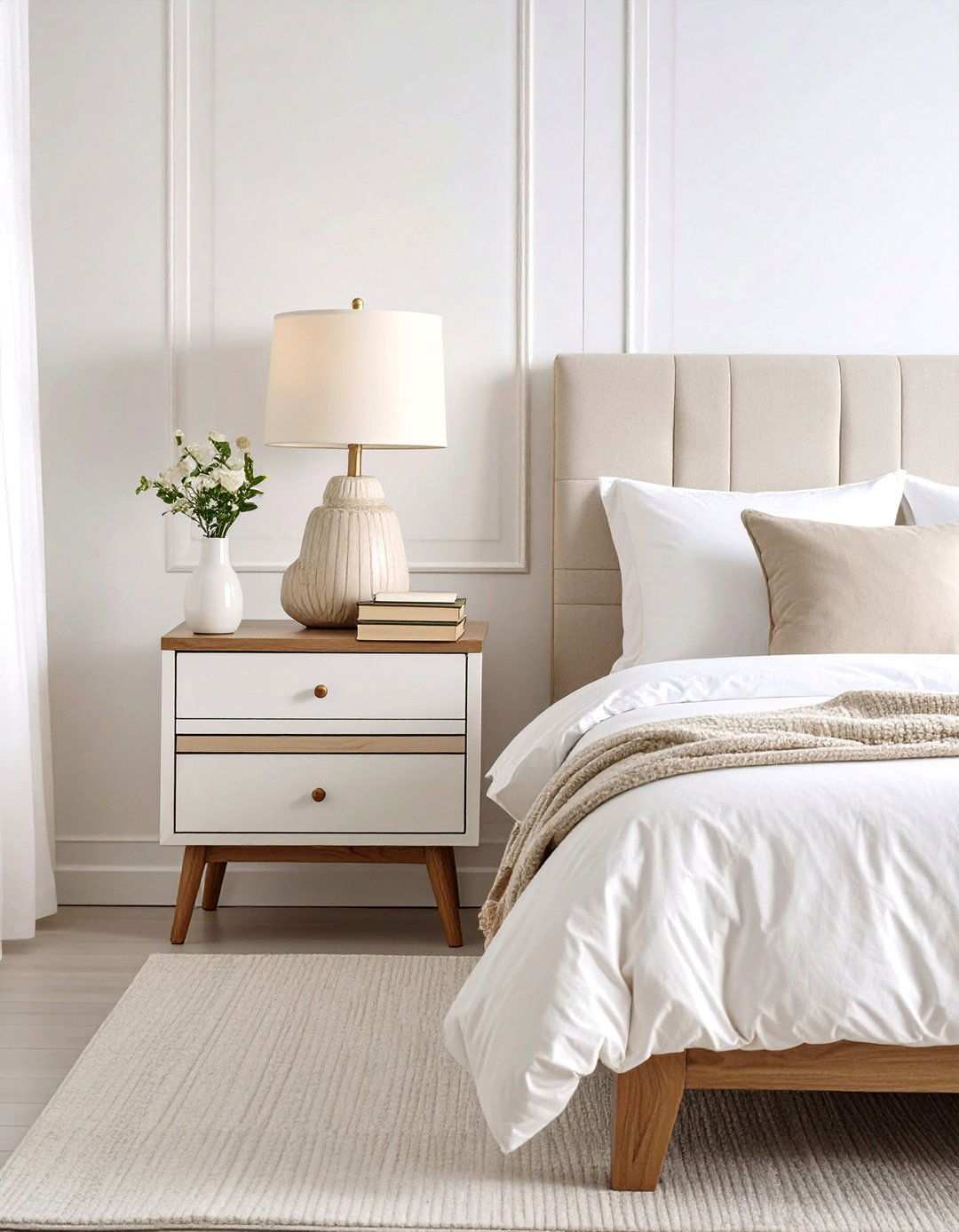
Designing asymmetrical balance bedroom nightstands is an excellent way to infuse personalized functionality into your sleeping space while maintaining visual harmony on either side of the bed. Instead of matching nightstands, opt for different pieces that share similar visual weight – a tall, narrow table balanced by a shorter, wider piece, for instance. Style each surface with varying accessories: a table lamp and books on one side, paired with a floor lamp and small decorative objects on the other. By mixing materials like wood and metal, or varying heights while maintaining similar color palettes, you can achieve cohesive asymmetrical balance.
8. Whimsical Composition: Arranging Asymmetrical Balance in Living Room Accessories
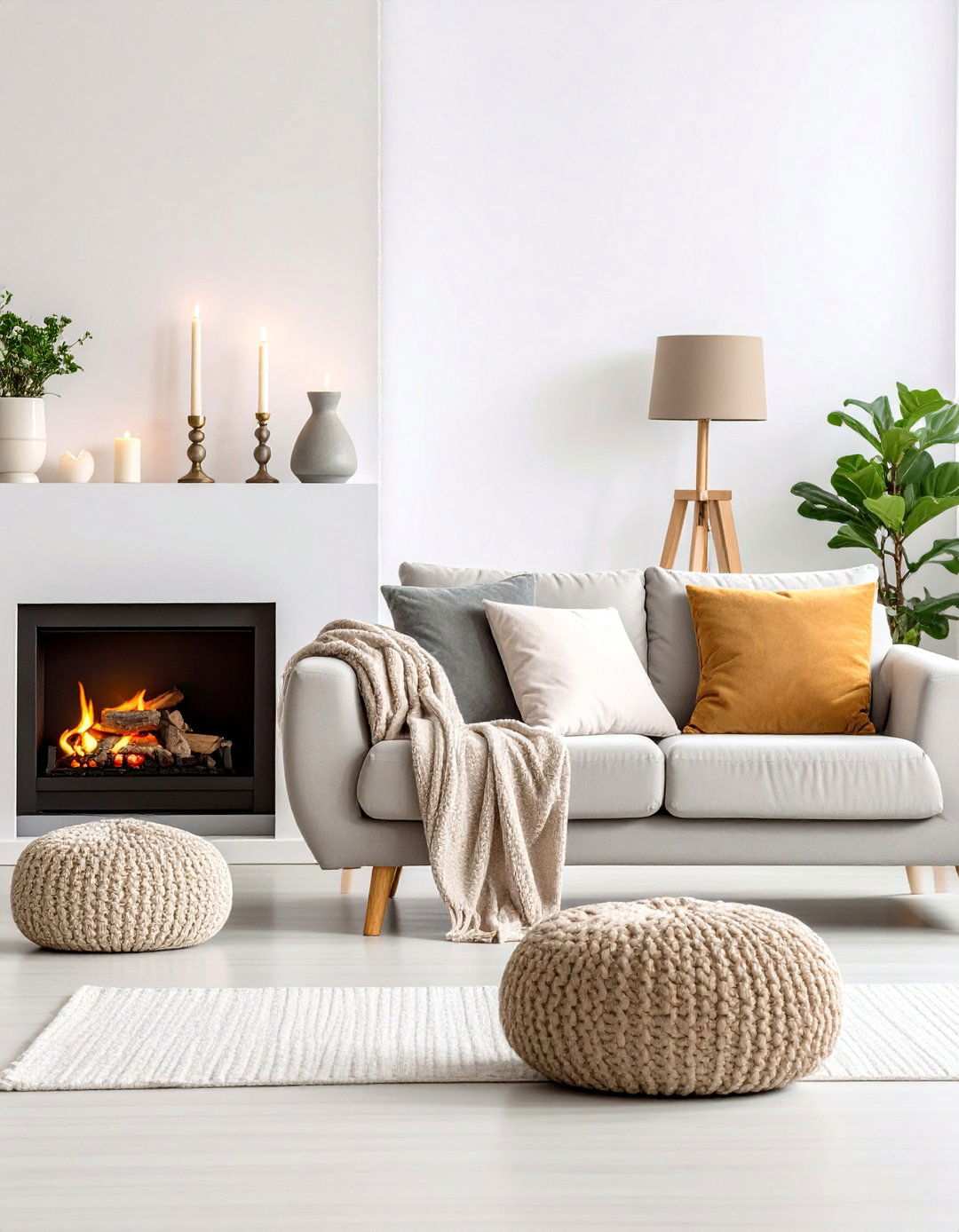
To create a visually captivating living room, try arranging asymmetrical balance accessories by thoughtfully placing decorative objects, pillows, and functional items. Group accessories in odd numbers, such as three candlesticks on one side of a mantel balanced by a single larger object on the other. Mix pillow sizes, patterns, and textures on sofas while maintaining color harmony. Place a large plant in one corner and counterbalance it with a grouping of smaller objects elsewhere. By distributing visual weight thoughtfully and allowing each piece to contribute to the overall composition, you can add personality to your space and prevent it from feeling too formal or predictable.
9. Mastering Asymmetrical Balance in Kitchen Island Decor
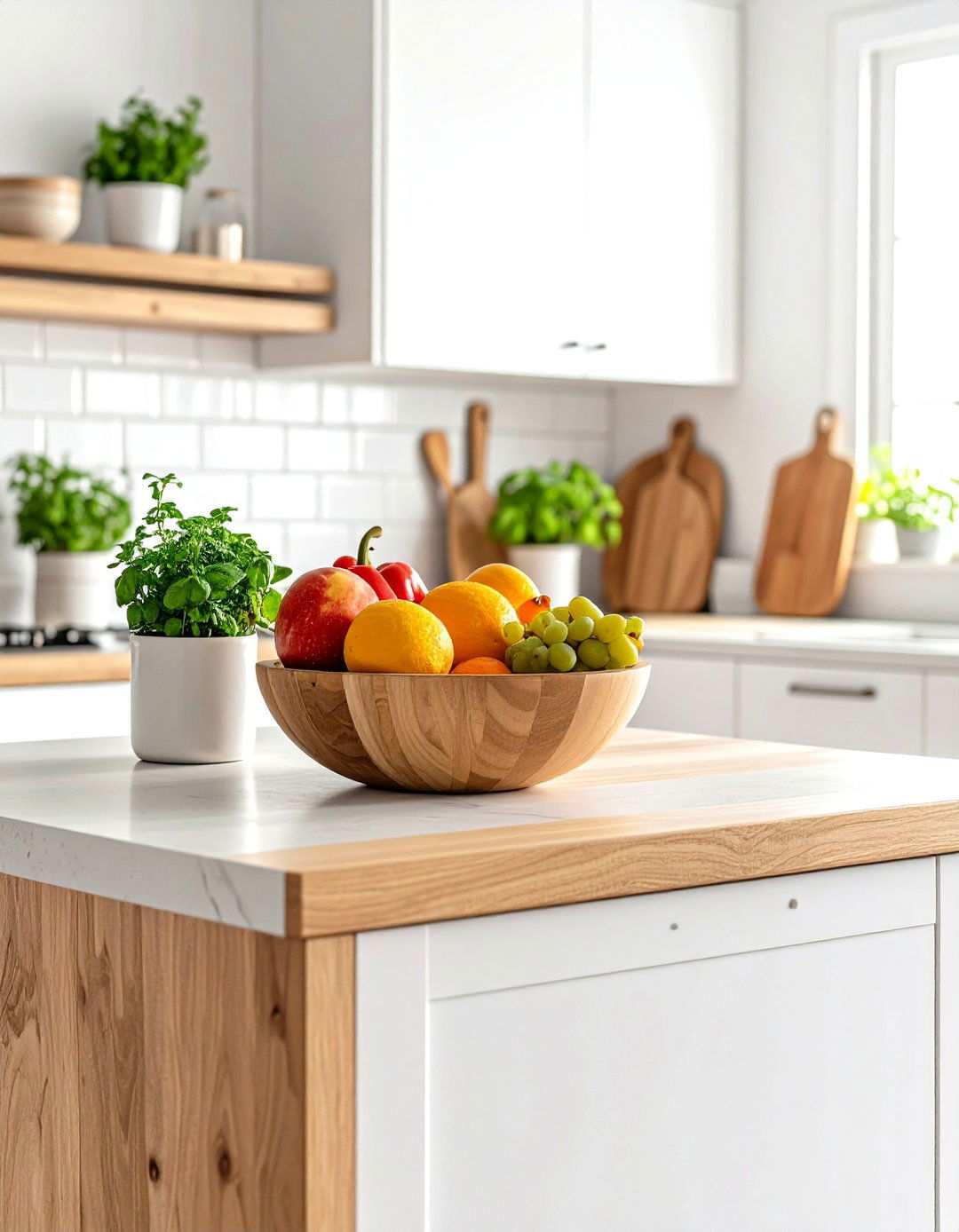
Achieve a harmonious balance in kitchen island decor by incorporating asymmetrical elements that heighten functionality and visual appeal. Disregard traditional centering methods and instead position a decorative bowl or vase towards one end of the island. Counterbalance its visual weight with a grouping of varying-sized cutting boards or a collection of small potted plants on the opposite side. Mix and match bar stool heights and styles to create an engaging visual rhythm without adhering to perfect symmetry. Consider employing pendant lighting at diverse heights above the island or utilizing uneven hardware placement on cabinets. This approach seamlessly integrates the kitchen’s practical nature with thoughtfully curated design elements, resulting in a space that feels both aesthetically pleasing and functional.
10. Crafting Inviting Asymmetrical Balance in Entryway Designs
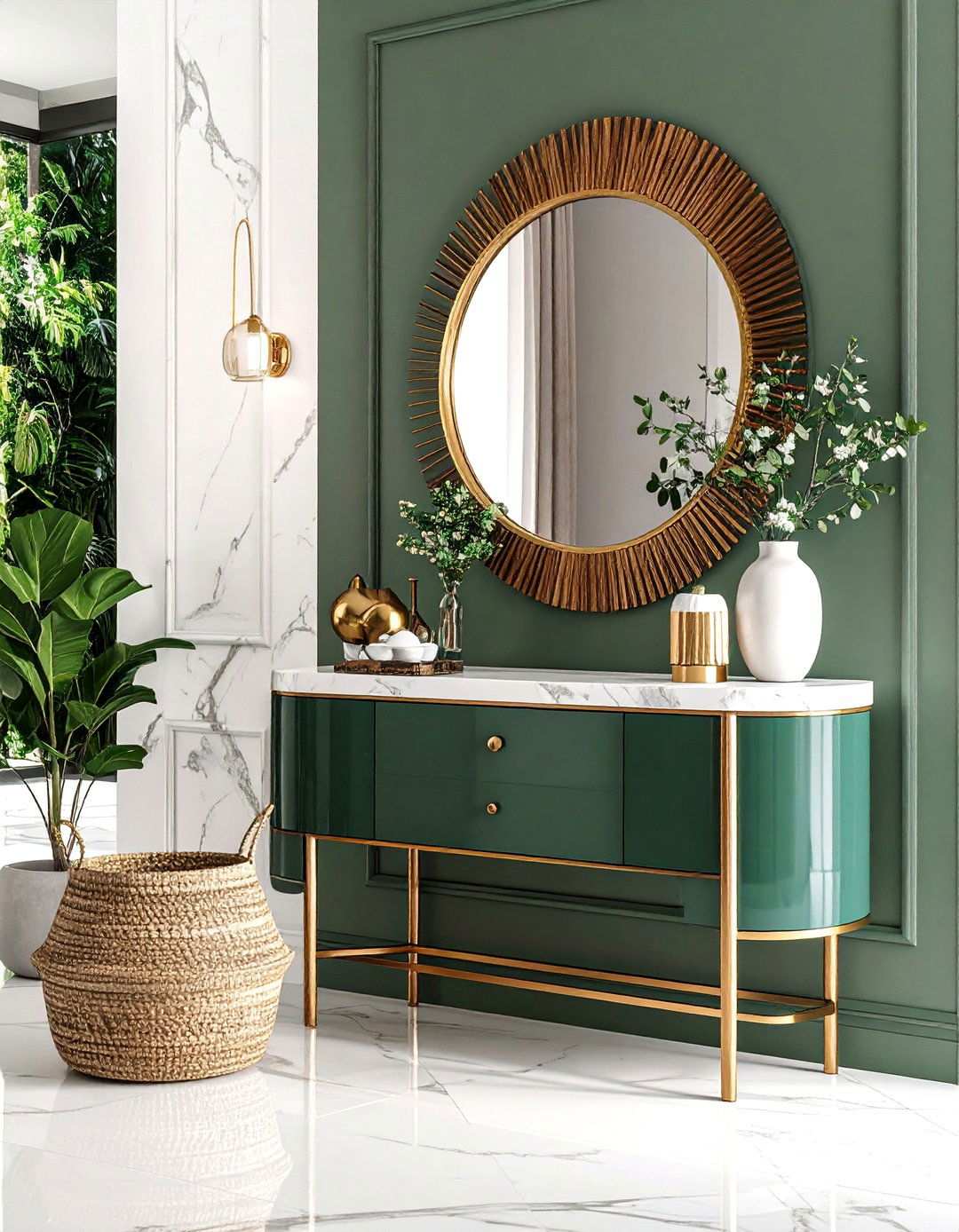
Transform entryway designs into welcoming spaces by implementing the principles of asymmetrical balance. Create a sense of visual equilibrium by placing a console table against one wall and pairing it with a tall mirror or striking artwork grouping on the adjacent wall. Combine different storage solutions, such as a coat rack on one side and a decorative basket on the other, while preserving the flow of the space. Enhance the ambiance with varied lighting, incorporating wall sconces at different heights or a combination of ceiling and table lighting. This approach skillfully maximizes the limited space in entryways, while establishing a captivating introduction to your home’s design aesthetic and setting the tone for interior spaces.
11. Achieving Asymmetrical Balance Through Textile Mixing
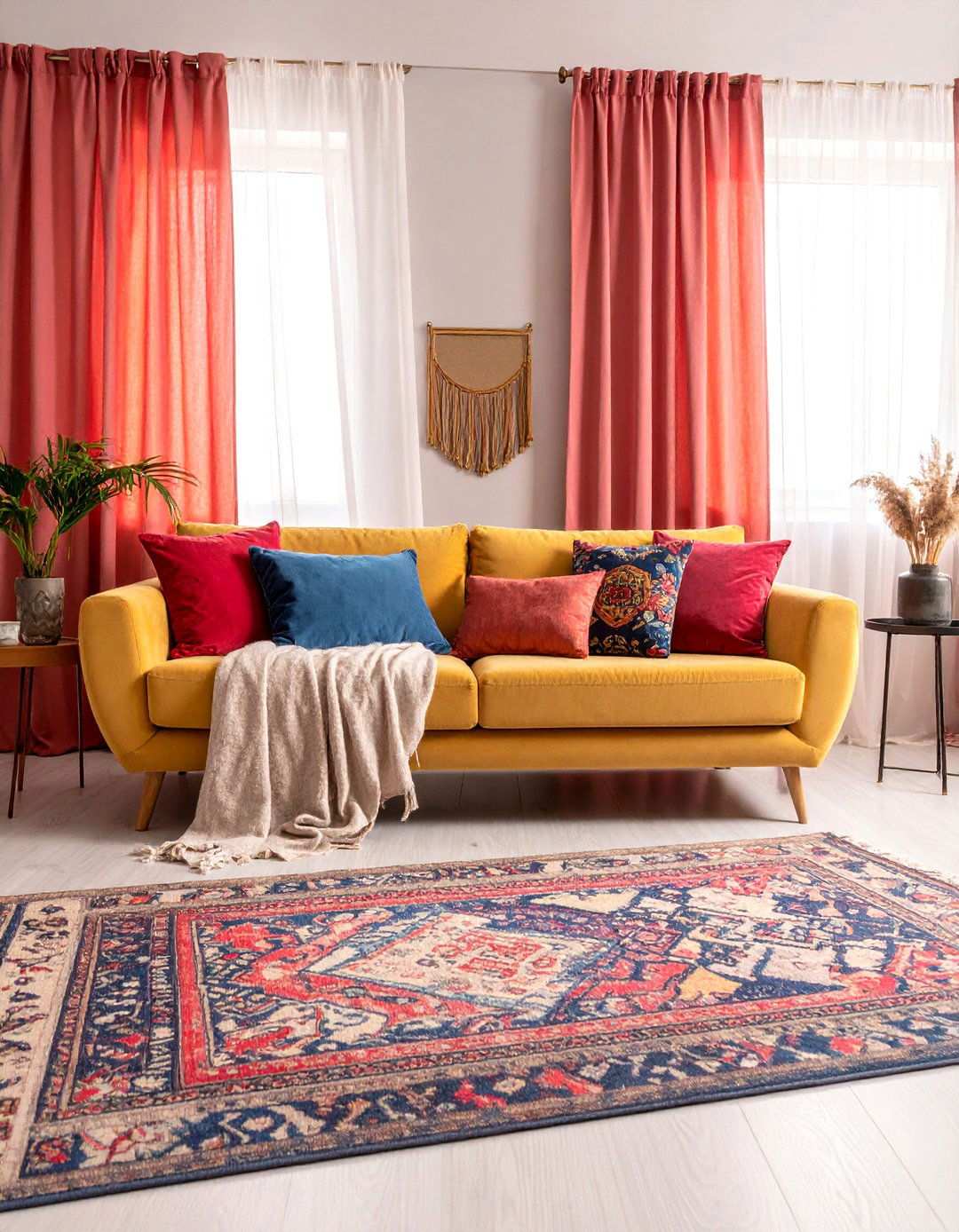
Elevate the art of textile mixing by combining disparate fabrics, patterns, and textures in harmonious yet unexpected ways throughout your space. Pair smooth silk pillows with nubby linen throws, or merge geometric patterns with organic florals while maintaining a unified color palette. Strategically place different rug sizes and patterns in adjacent areas, such as a large neutral rug in the seating area balanced by a smaller patterned accent rug nearby. Layer curtains of varying weights and styles on multiple windows while maintaining color connections. This technique adds depth, tactile interest, and visual stimulation to spaces, creating an inviting environment that encourages both physical comfort and visual exploration.
12. Crafting Asymmetrical Balance with Impact
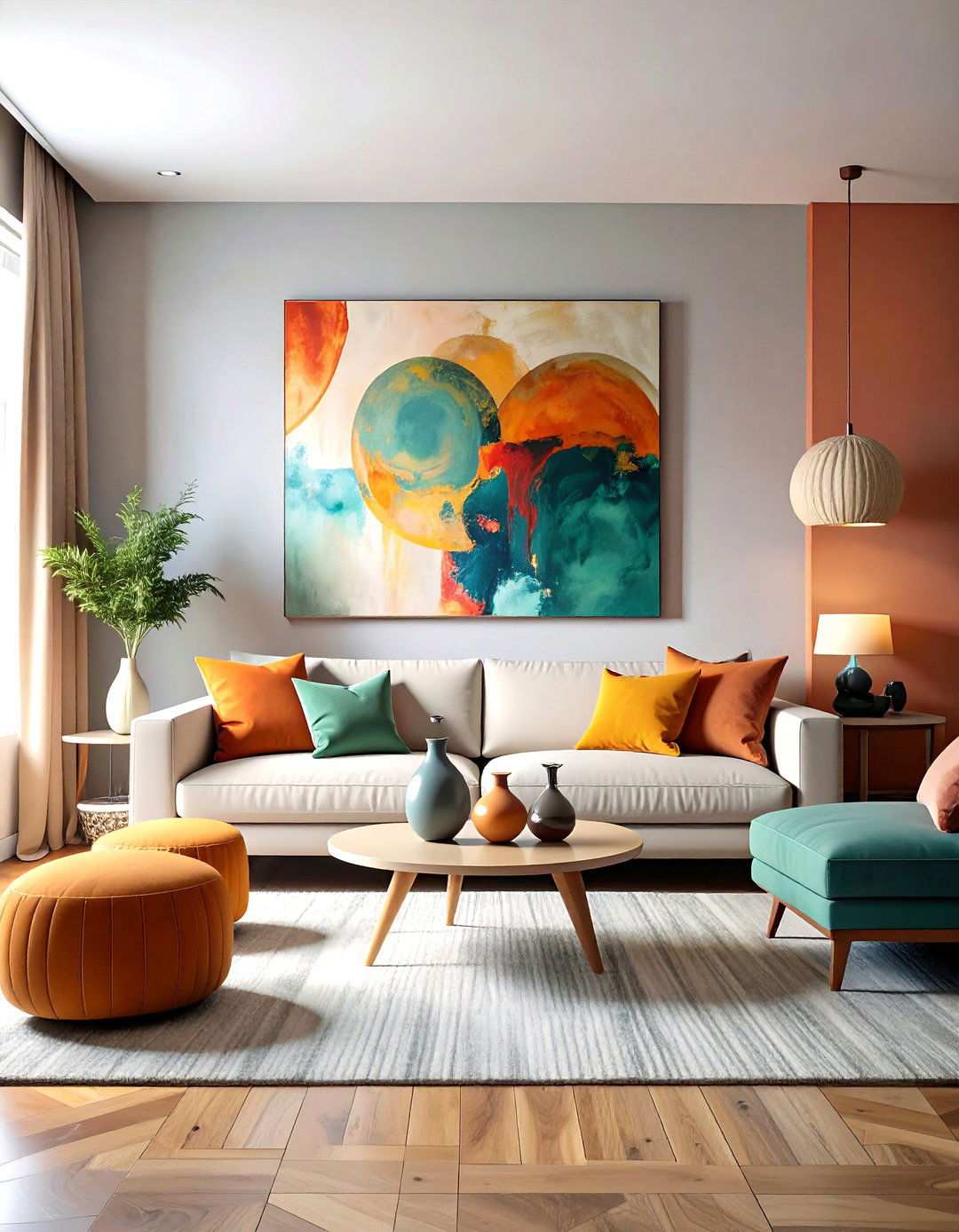
Develop spaces that showcase intentional off-center statement pieces as the foundation of room compositions. By placing a striking piece of art, a large mirror, or an architectural feature like a fireplace at the room’s center, you can create a powerful focal point that anchors the space. Surround this central element with carefully arranged furniture and accessories to guide the eye through the room. Achieving asymmetrical balance involves striking a delicate balance between a prominent focal point and strategically placed smaller supporting elements. This harmonious approach draws the eye while maintaining visual interest throughout the space.
To elevate the visual impact of your focal point, consider how lighting, color, and texture can work in tandem to reinforce its presence. Meanwhile, the smaller supporting elements provide essential balance, preventing the space from feeling unbalanced or overwhelming. By thoughtfully integrating various design elements, you can create a space that exudes visual sophistication.
13. Dynamic Asymmetrical Balance in Office Design
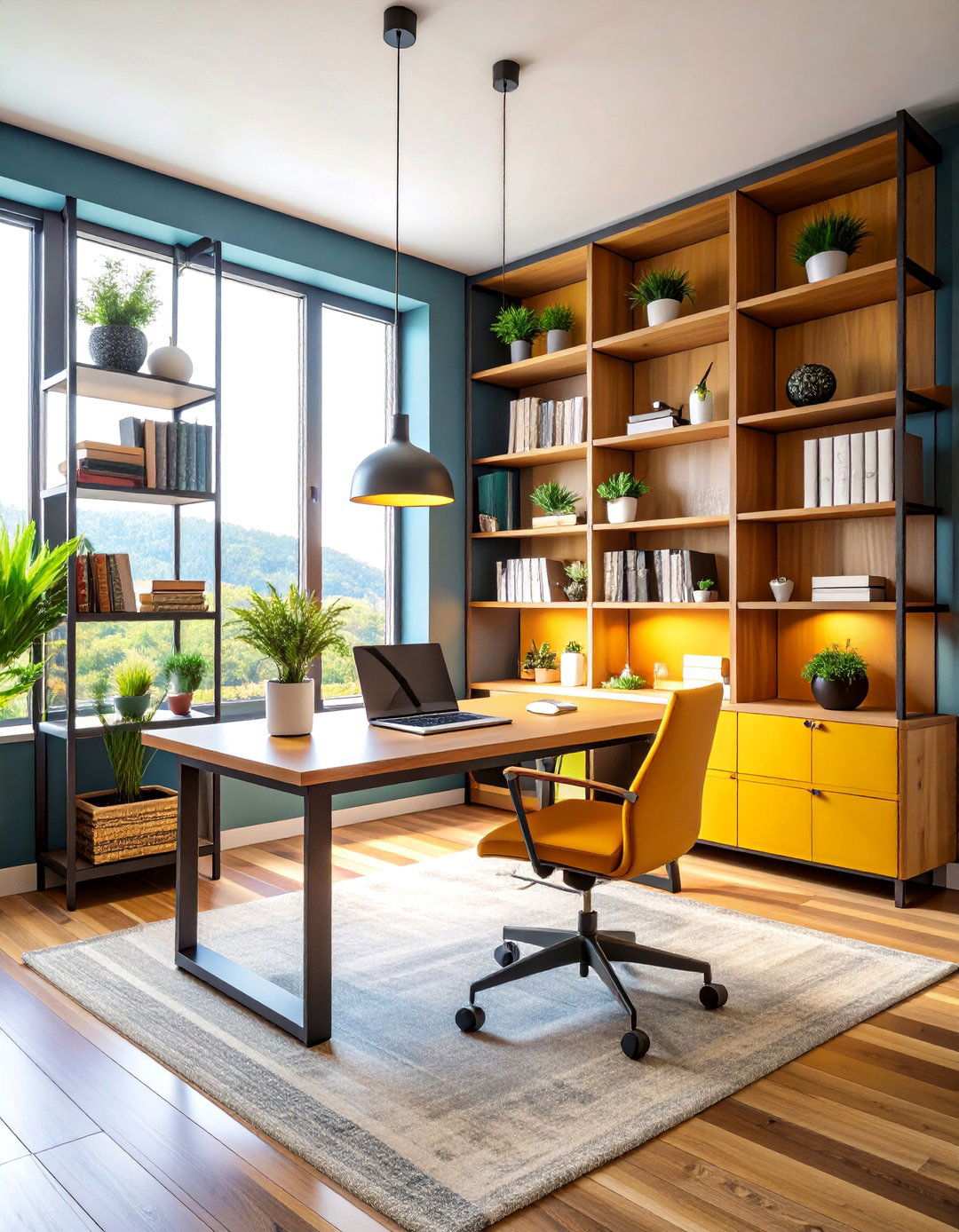
A well-crafted asymmetrical balance office layout can boost productivity while fostering a visually stimulating work environment. Start by placing your desk at an angle or off-center in the room, then balance this placement with thoughtful storage solutions, seating areas, or decorative elements. To add depth and visual interest, juxtapose different storage types and heights – for instance, tall bookshelves alongside shorter cabinets and floating shelves. A deliberate mix of task and ambient lighting sources can replace traditional overhead fixtures, creating dynamic work zones while maintaining professional functionality.
For an added layer of visual appeal, experiment with varying textures and materials throughout the space. However, it’s essential to strike a balance between visual interest and focus by keeping your color palette conducive to productivity and creativity. By thoughtfully designing your workspace, you can create an environment that supports both mental clarity and artistic expression.
14. Harmonious Asymmetrical Balance in Outdoor Spaces
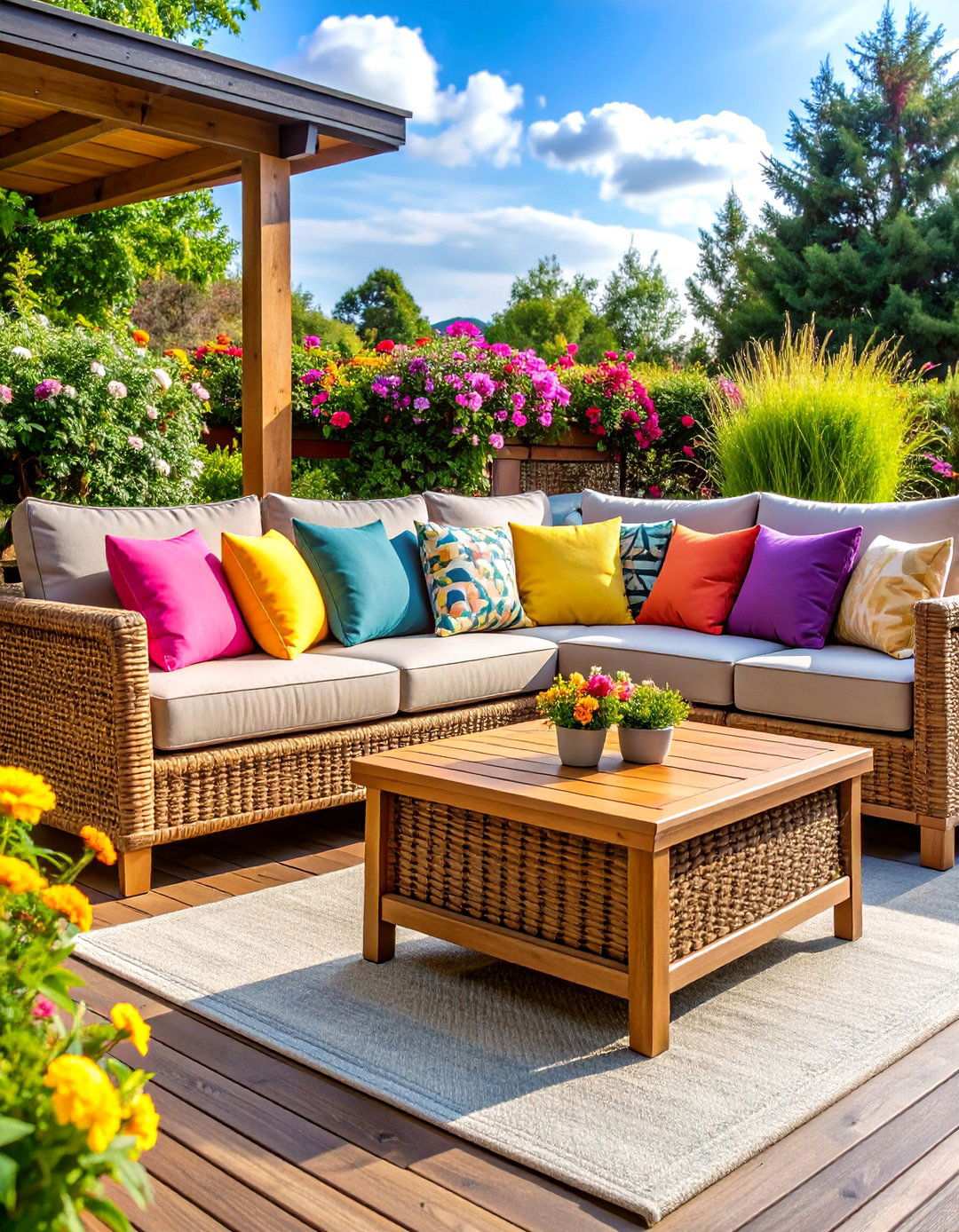
Outdoor spaces can be beautifully designed by carefully placing furniture, plants, and decorative elements in strategic areas. As a departure from traditional symmetrical patterns, arrange seating areas that flow naturally with the landscape features. To create a sense of visual equilibrium, balance a large outdoor sofa with multiple smaller chairs and side tables, or position dining furniture to take advantage of stunning views. Use a variety of planter sizes and plant heights to create natural asymmetrical groupings that mirror the beauty of the surrounding landscape.
When designing your outdoor space, consider incorporating outdoor lighting at different levels and intensities to enhance the ambiance during evening hours. By respecting the natural surroundings and incorporating intentional design elements, you can create functional, beautiful outdoor rooms that seamlessly blend indoor and outdoor living concepts.
15. Dynamic Stairway Experiences
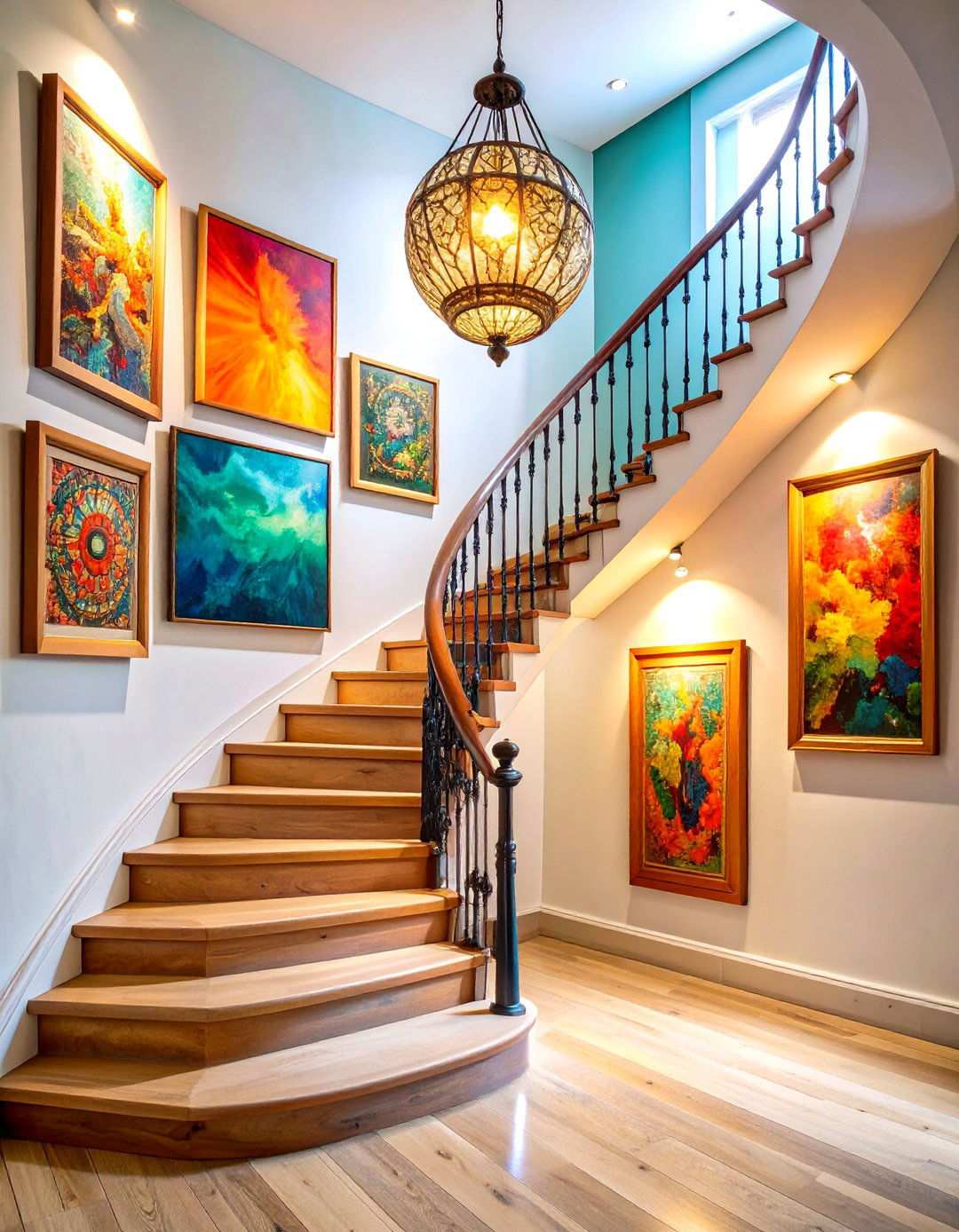
Optimize transitional spaces by crafting asymmetrical balance stairway displays that turn them into captivating galleries. Arrange artwork, lighting, and decorative elements in a thoughtful manner to create a visually appealing experience. By mirroring the stair’s natural angle, you can vary frame sizes and artwork types to create a harmonious balance. Larger pieces can be paired with wider wall sections, while smaller groupings can be strategically placed on narrower areas. Don’t forget to experiment with lighting techniques, such as using a series of small spotlights to highlight artwork, balanced by a statement pendant light in the stairwell. This approach effectively utilizes often-underutilized vertical space, generating visual interest that enhances movement through your home’s levels.
16. Unconventional Mirror Arrangements
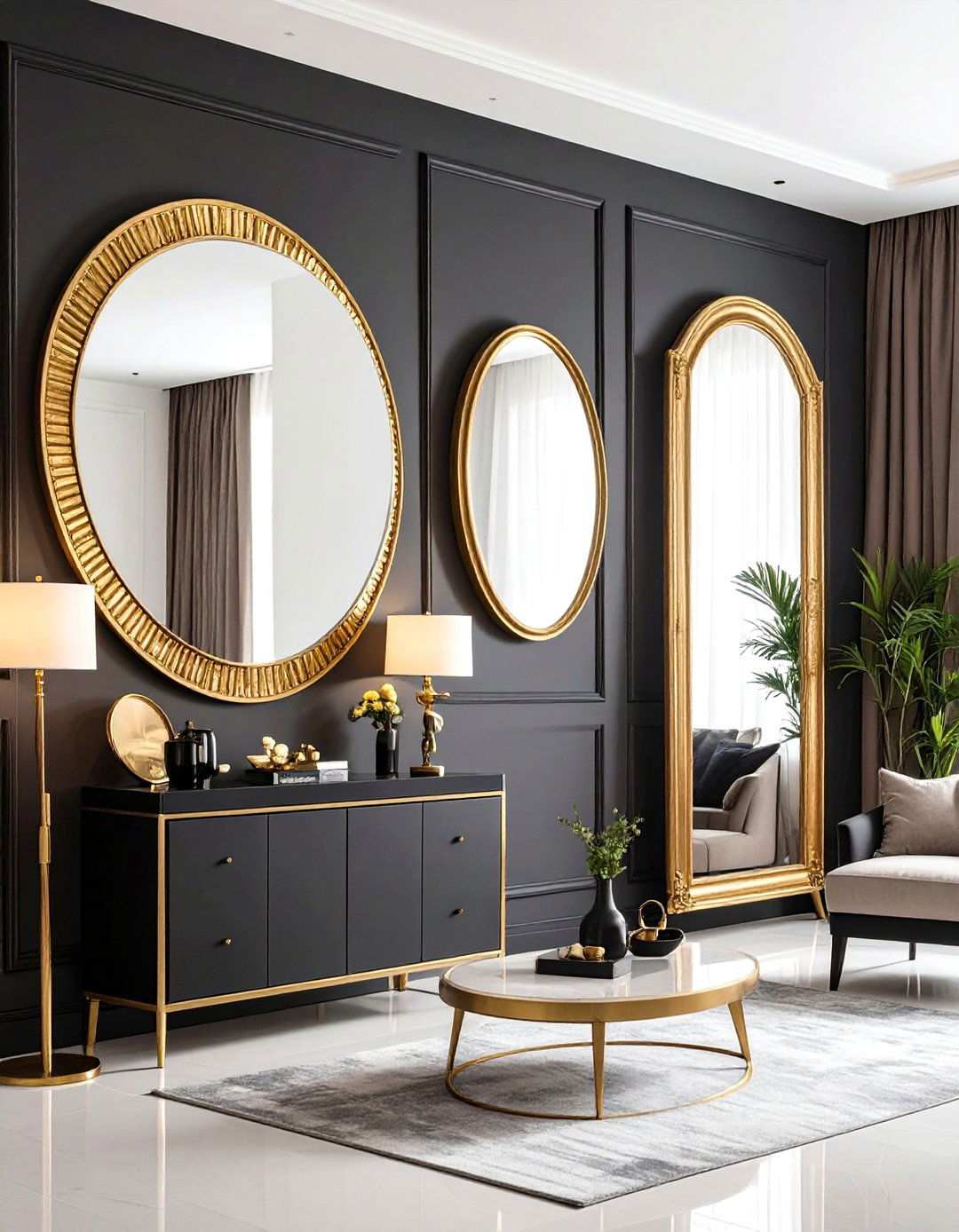
Elevate your space with asymmetrical balance mirror arrangements that cleverly manipulate light reflection and spatial perception. Ditch the traditional centered mirrors above furniture pieces and create dynamic groupings using a diverse array of mirror shapes, sizes, and frame styles. Combine a large round mirror on one wall section with several smaller mirrors of varying shapes on another area, ensuring a striking visual impact. Experiment with different heights and angles to create movement and visual interest, and don’t be afraid to mix framed and frameless options while maintaining material or color connections. This technique not only amplifies natural light but also creates the illusion of expanded space, making rooms feel larger and more dynamic while serving a dual purpose.
17. Organic Plant Groupings
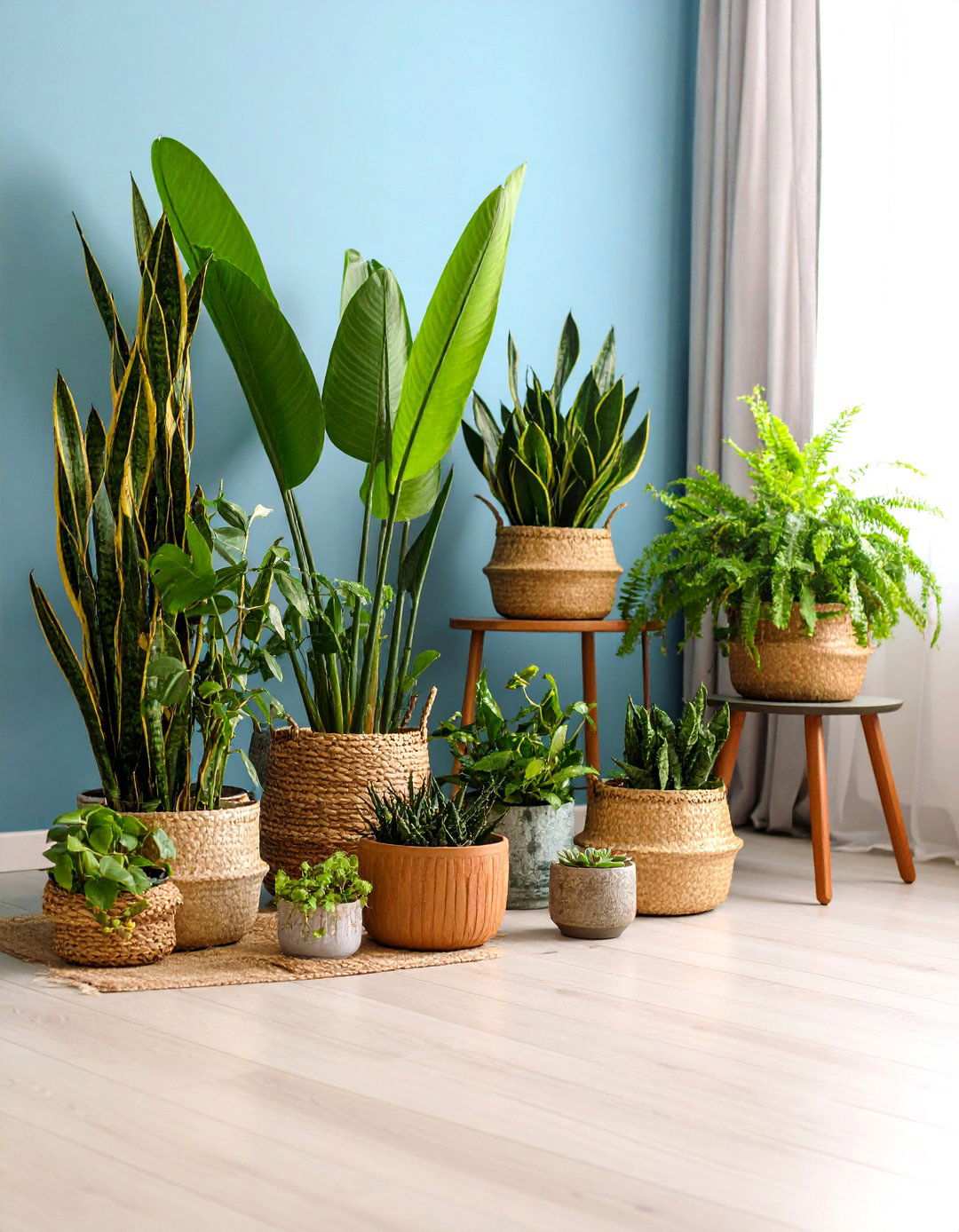
Bring the outdoors in by arranging asymmetrical balance plant groupings that incorporate natural elements into your interior spaces through strategic placement of varying plant sizes, types, and containers. Create floor-level arrangements using one large plant balanced by several smaller plants in different containers, adding depth and visual interest. Combine hanging plants with tabletop varieties to introduce a vertical dimension, and consider pairing a tall snake plant with trailing pothos and compact succulents for a harmonious balance. Vary container materials, colors, and heights while maintaining overall color harmony to create a visually appealing display that adds life and natural texture to your rooms. By incorporating these organic shapes and varying green tones, you can create a cohesive look that complements your existing design elements.
18. Harnessing Asymmetry in Window Treatments
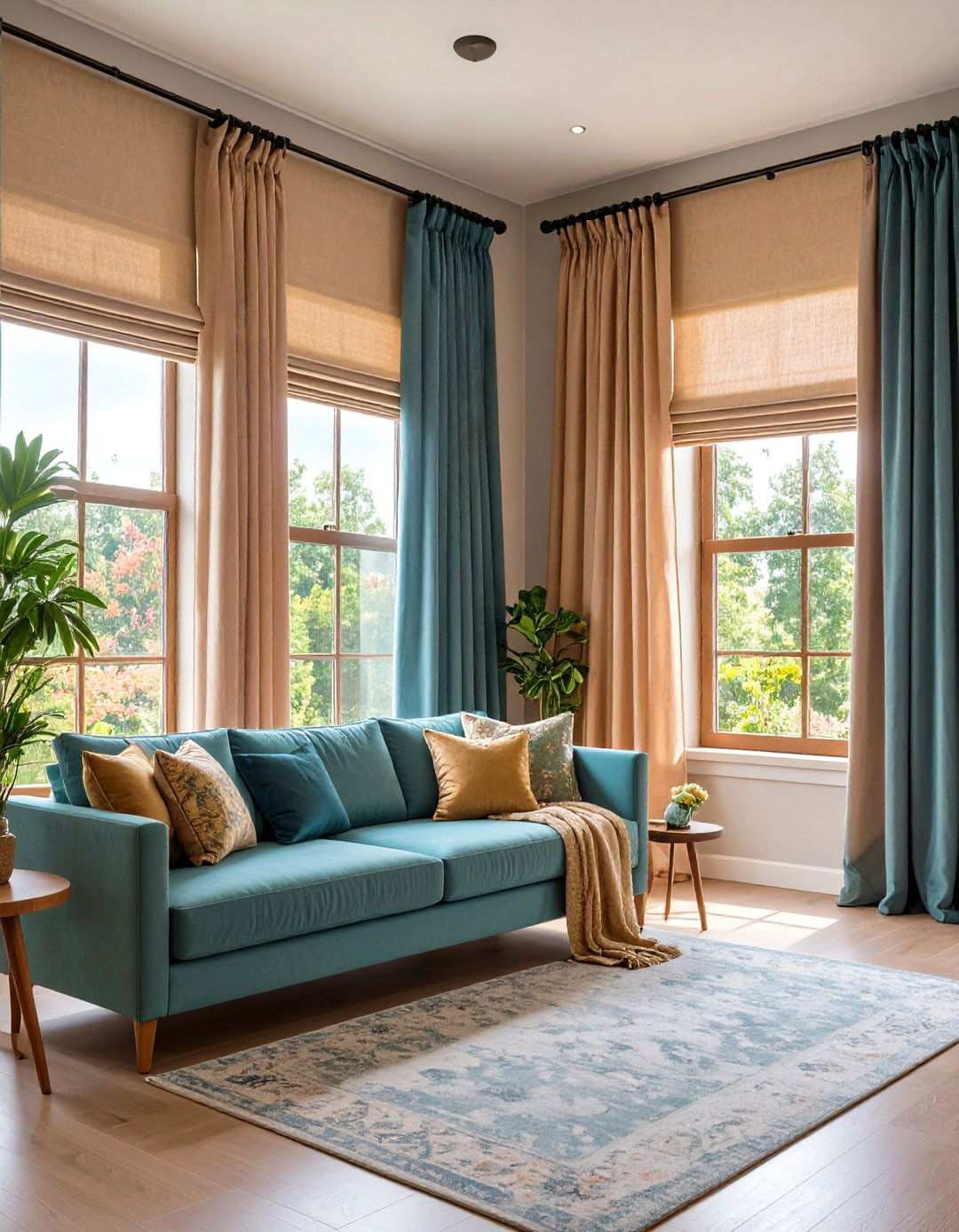
When it comes to window treatments, designers can break away from traditional symmetrical approaches by embracing asymmetry. By incorporating varied fabric choices, hanging methods, and styling techniques, you can create a visual tapestry that not only filters natural light but also adds visual interest to a room. This involves combining different styles that share common elements, such as full-length curtains paired with roman shades in coordinating colors or patterns. To maintain cohesion, consider varying curtain lengths, textures, or hanging heights while keeping color connections intact. This approach also allows for individualized customization based on light needs, architectural features, and personal style, resulting in a space that’s both functional and visually appealing.
19. Unconventional Floor Lamp Placement
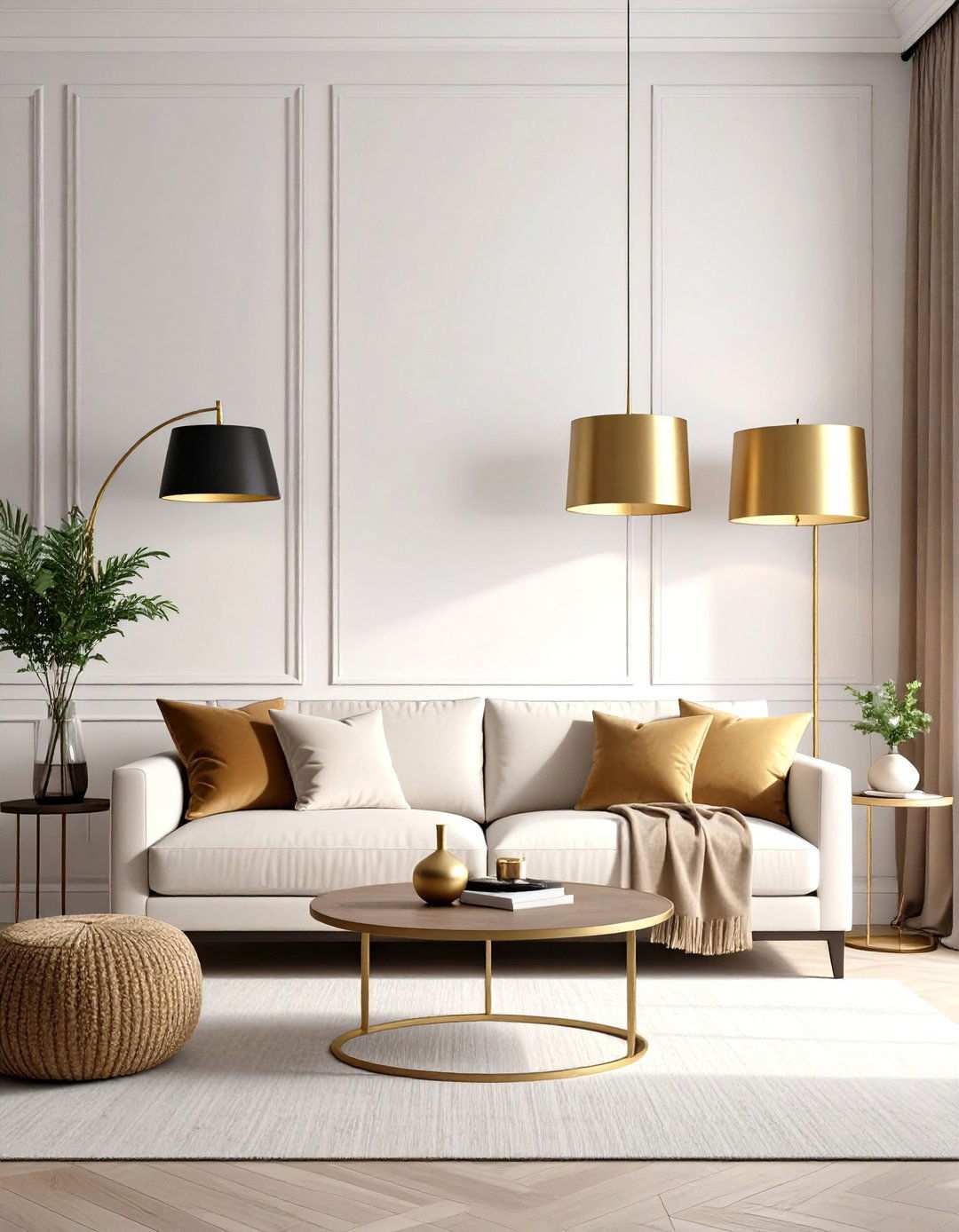
To create a sense of visual rhythm and layered lighting in a room, designers often turn to asymmetrical balance in floor lamp placement. By strategically positioning different floor lamp styles at varying distances from seating areas, you can establish a series of visual anchors that help define space boundaries and enhance room proportion. For instance, balance a tall arc lamp on one side of a room with a shorter floor lamp and table lighting on the opposite side. This approach not only provides functional task and ambient lighting but also allows for the mixing of modern and traditional styles while maintaining material or color connections. To further enhance the ambiance, consider different light colors and intensities to create distinct zones within the space.
20. Mastering Mixed Media Walls with Asymmetry
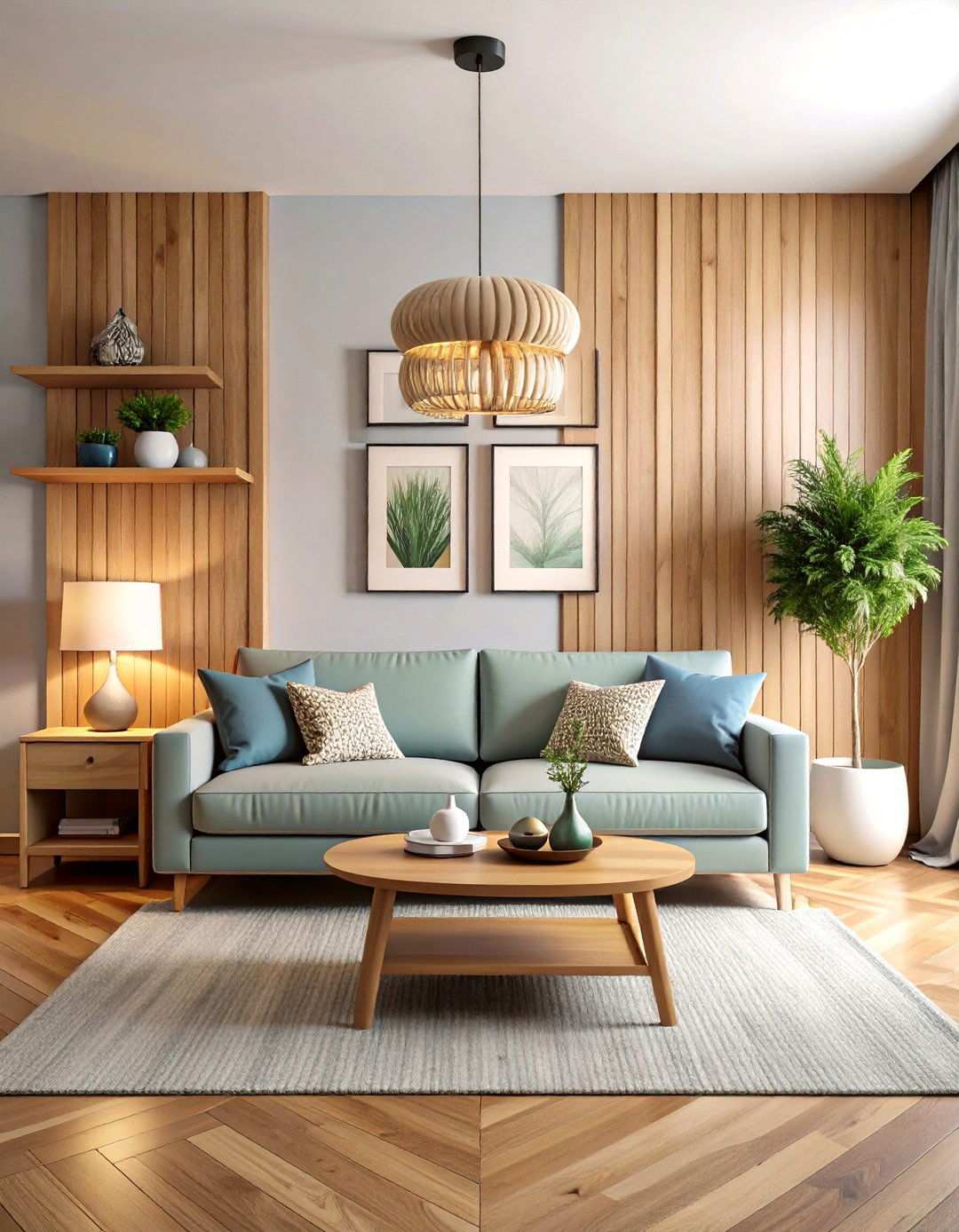
When it comes to creating statement walls, designers often turn to mixed media compositions that combine different wall treatments, materials, and decorative elements in asymmetrical patterns. By mixing and matching elements such as painted sections, wallpaper, wood paneling, or tile work in dynamic patterns, you can create a focal point that’s both cohesive and visually striking. To maintain visual equilibrium, it’s essential to balance different textures and finishes, such as smooth paint paired with rough stone or wood textures. Consider incorporating two-dimensional artwork alongside three-dimensional objects like floating shelves, sconces, or architectural elements to add depth and visual interest to the space. This technique allows designers to demonstrate their creative problem-solving skills and sophisticated design sensibility, resulting in a space that’s both visually stunning and thoughtfully planned.