1. Elevating Attic Bathroom Design with Sloped Ceiling Expertise
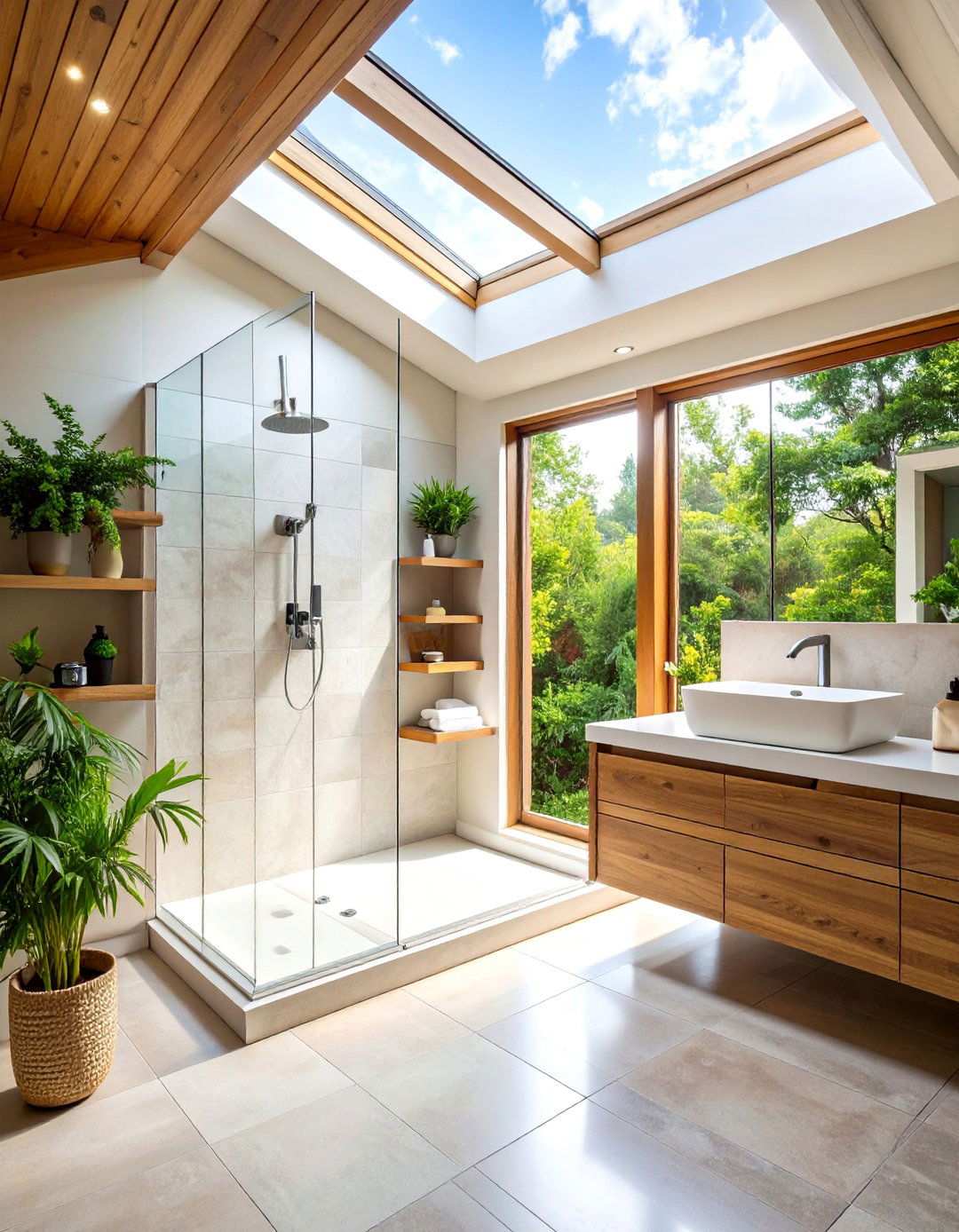
Transforming an attic space into a stunning bathroom requires a deep understanding of its unique challenges and opportunities. By embracing the sloped ceiling, limited natural light, and unconventional layout, you can create a space that feels truly special. The key to successful attic bathroom design lies in navigating these constraints with creative solutions, ensuring both style and functionality thrive. Whether you’re revamping an unused attic or renovating an existing space, it’s essential to design a bathroom that feels spacious, comfortable, and uniquely charming.
2. Harnessing Natural Light in Attic Bathroom Skylight Designs
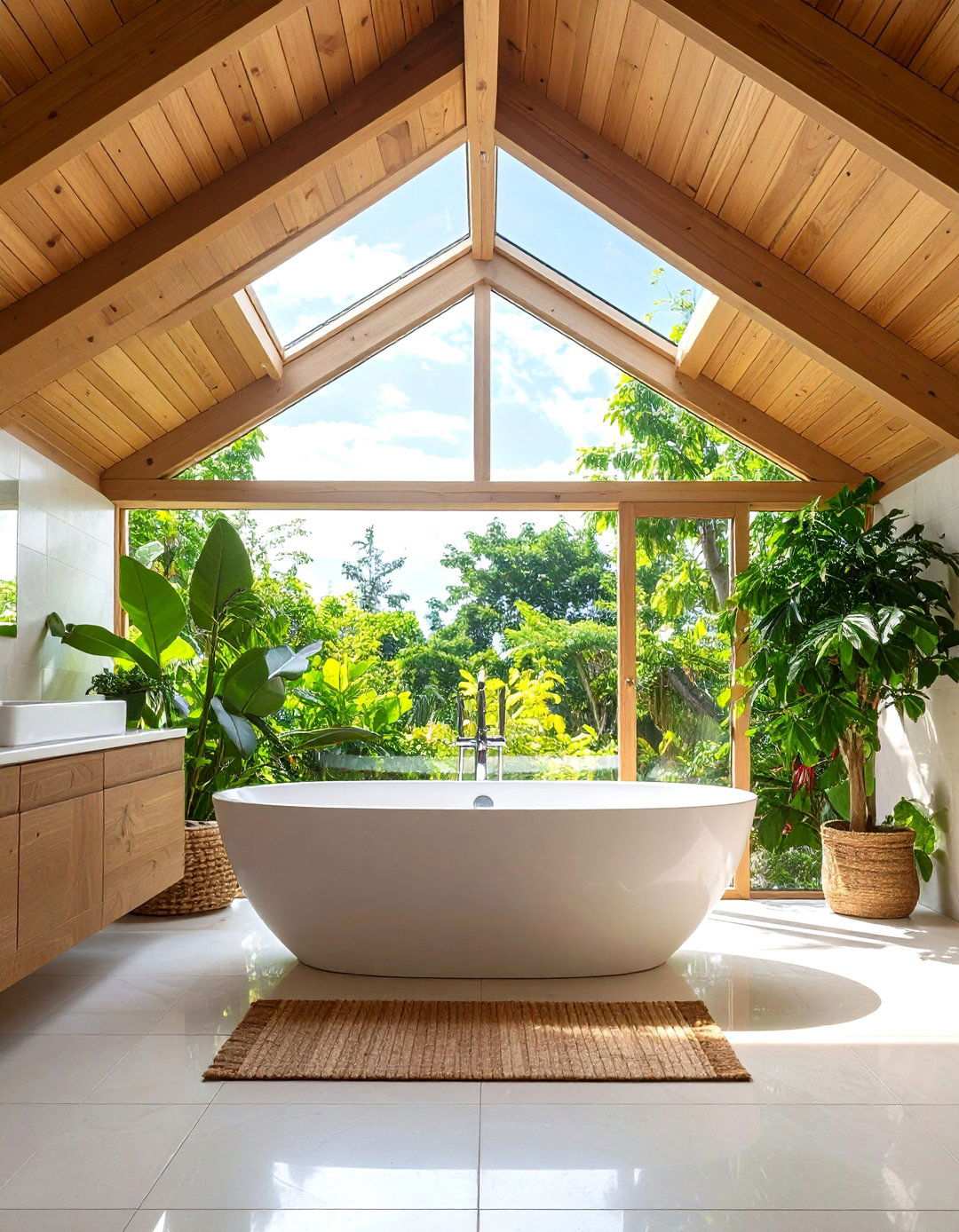
A strategically positioned skylight above a freestanding bathtub can dramatically alter the ambiance of an attic bathroom. By placing the tub under the lowest part of the sloped ceiling, where standing height isn’t necessary, you can create a striking focal point that draws the eye upwards. The skylight’s natural light pours in, eliminating the cramped feeling often associated with low ceilings. To enhance this design, consider installing a venting skylight, which improves air circulation and reduces moisture buildup. Surround the tub area with light-colored tiles or paint to maximize the natural light’s impact, creating a bright and airy retreat that feels much larger than its actual footprint.

As an Amazon Associate I earn from qualifying purchases.
3. Unlocking Attic Bathroom Storage Potential Under the Eaves
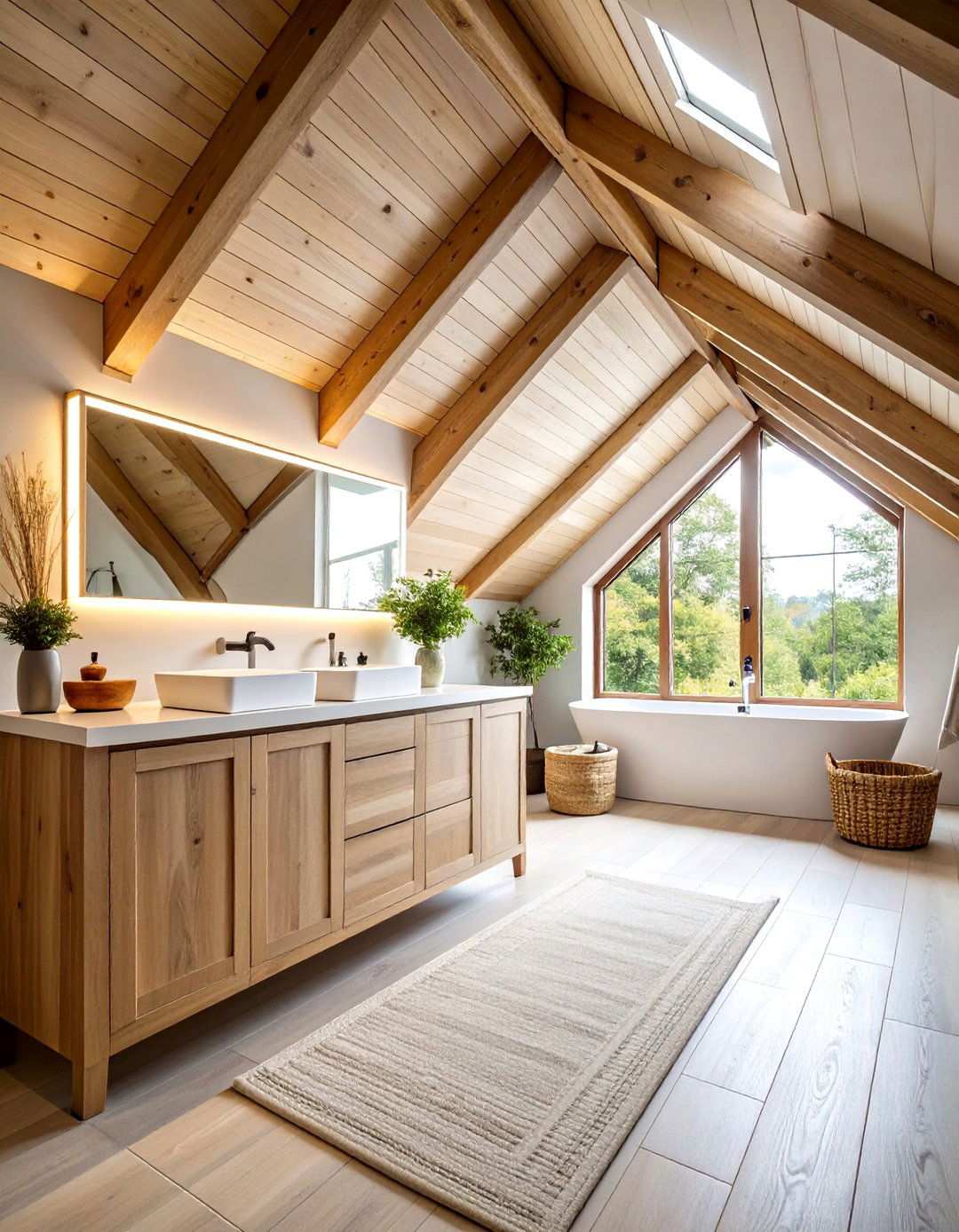
The often-overlooked areas under sloped ceilings offer a goldmine of opportunities for custom-built storage. By installing cleverly designed cabinetry with sliding doors, you can create storage for towels, toiletries, and cleaning supplies without compromising the main traffic flow. These under-eaves areas can also house laundry hampers, extra linens, and other essential items without sacrificing valuable space. To add a touch of luxury, consider incorporating interior lighting within these storage areas, creating a seamless, high-end appearance that feels intentional rather than an afterthought. By harnessing the potential of these spaces, you can design a bathroom that feels spacious, functional, and uniquely charming.
4. Elevating the Attic Bathroom with Dormer Window Design
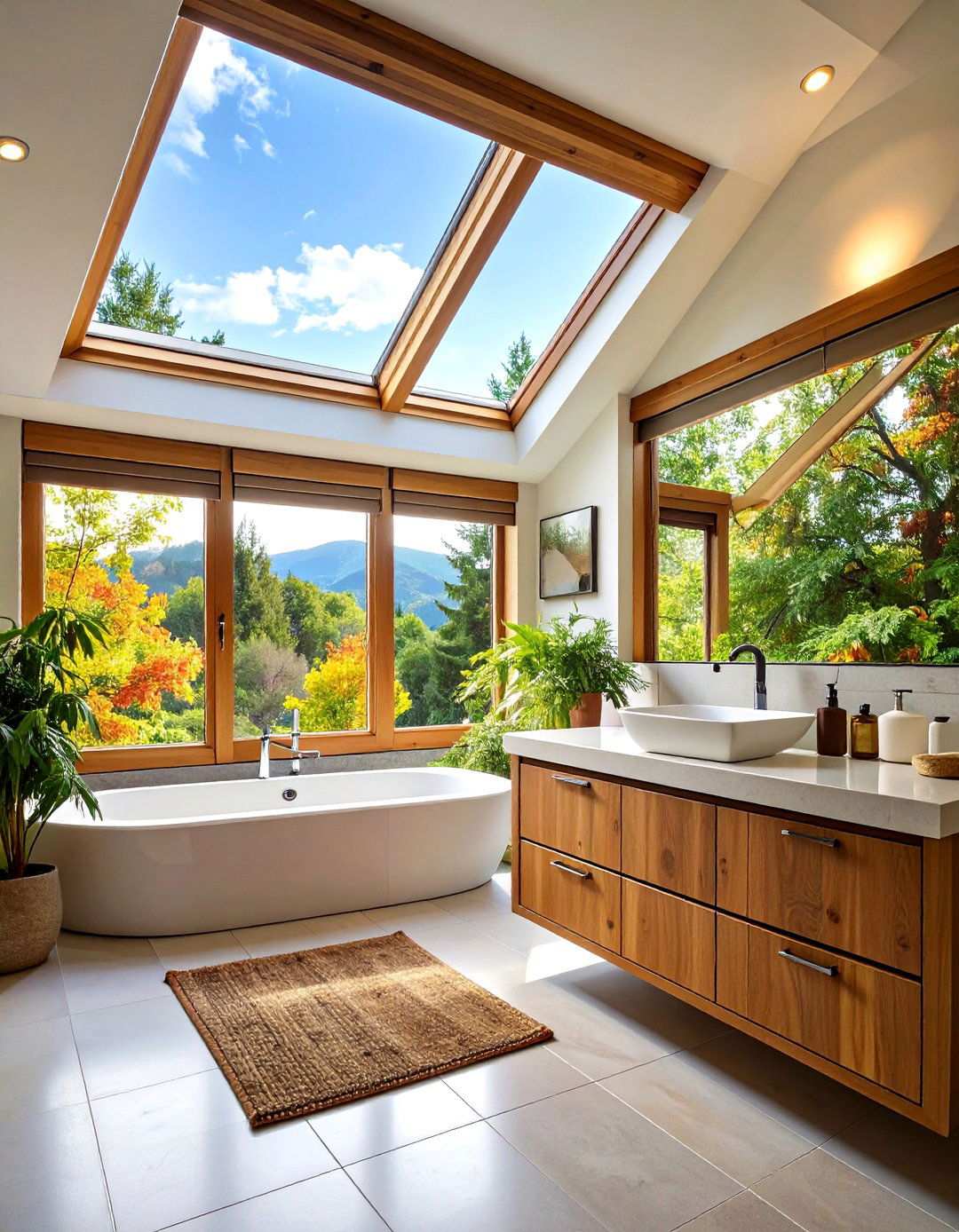
Dormer windows not only bring in natural light but also offer a chance to create a striking architectural feature in the attic bathroom. Strategically position a vanity or reading space to take advantage of the dormer’s unique ceiling height and window placement. The window can serve as a beautiful backdrop for a floating vanity, creating a bright and airy grooming area that feels expansive and inviting. To emphasize the window’s architectural significance, frame it with coordinating tile or trim work. If privacy is a concern, consider incorporating frosted glass or motorized shades that can be adjusted throughout the day, maintaining a connection to the outdoors while preserving natural light.
5. Wet Room Design for Attic Bathrooms: Maximizing Space
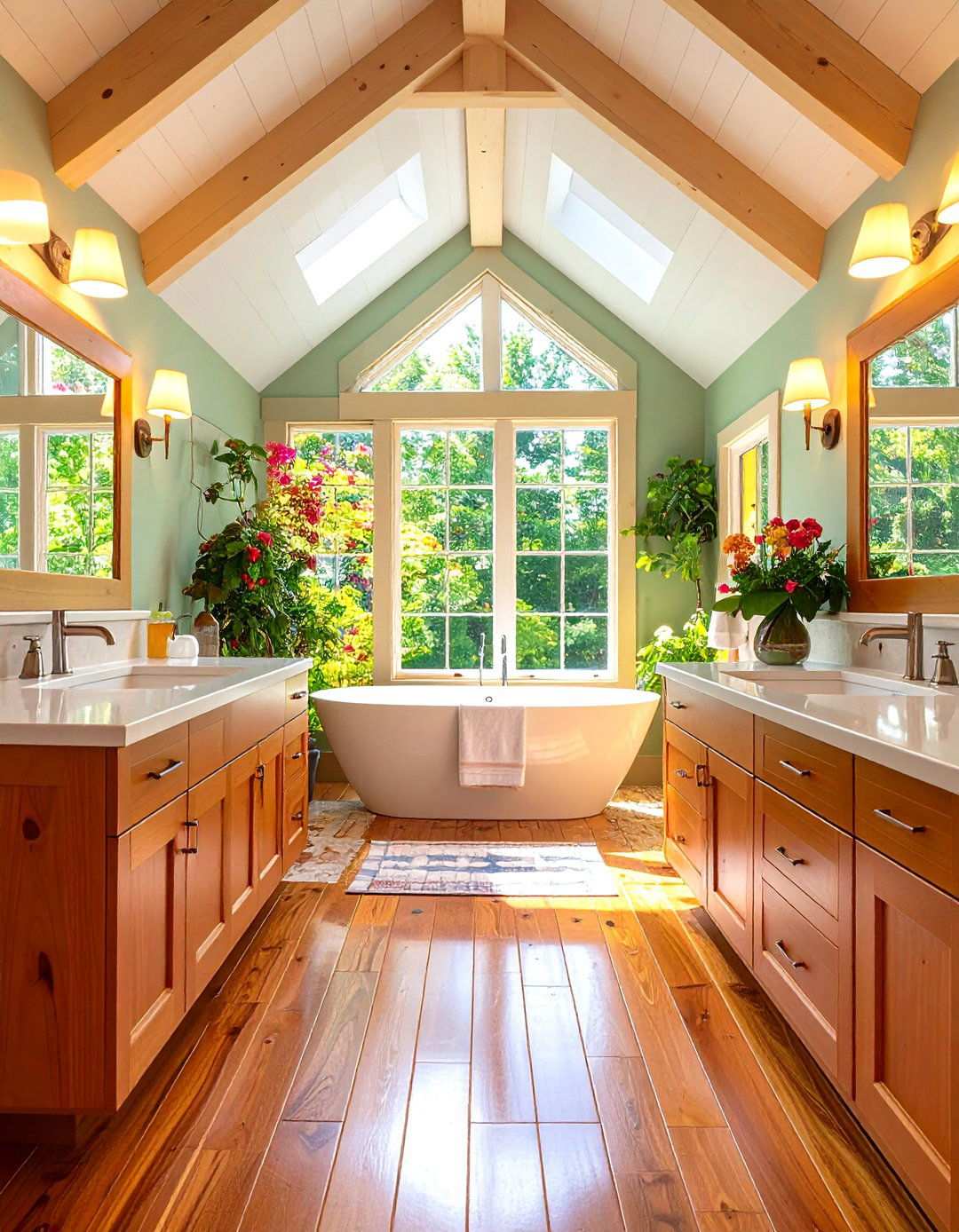
Converting the attic bathroom into a wet room eliminates the need for traditional shower enclosures, creating an illusion of spaciousness. This design thrives in attics with low or severely sloped ceilings where traditional fixtures would feel cramped. Proper waterproofing is essential throughout the entire floor and lower wall areas; install a central drain with a suitable slope for efficient water removal. Wall-mounted fixtures contribute to a clean and minimalist aesthetic, while the absence of barriers makes the room appear more expansive. Consider adding heated flooring for added comfort and to facilitate moisture evaporation after use.
6. Creating the Illusion of Space with Floating Vanities
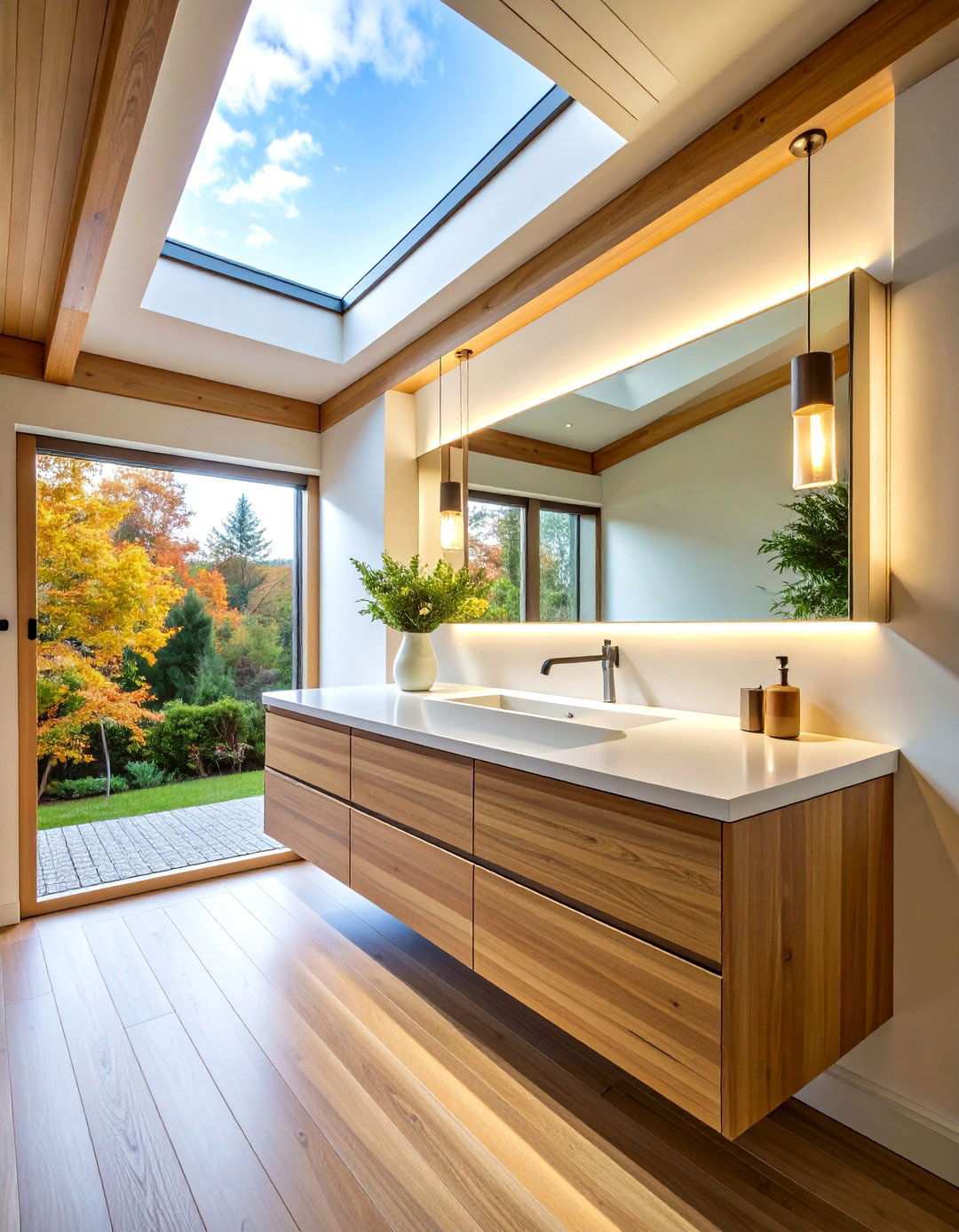
In attic bathrooms where space is at a premium, wall-mounted floating vanities create the illusion of more floor space while providing essential storage and functionality. This design choice is particularly effective in attics where every square foot counts. The visual gap between the vanity and floor makes the room feel less cluttered and more spacious. Choose a vanity depth that complements your sloped ceiling, ensuring adequate clearance for comfortable use. The space underneath can remain open for a clean look, or you can incorporate subtle LED lighting to create ambient illumination that enhances the floating effect and provides practical task lighting for nighttime use.
7. Embracing the Attic Bathroom's Structural Elements
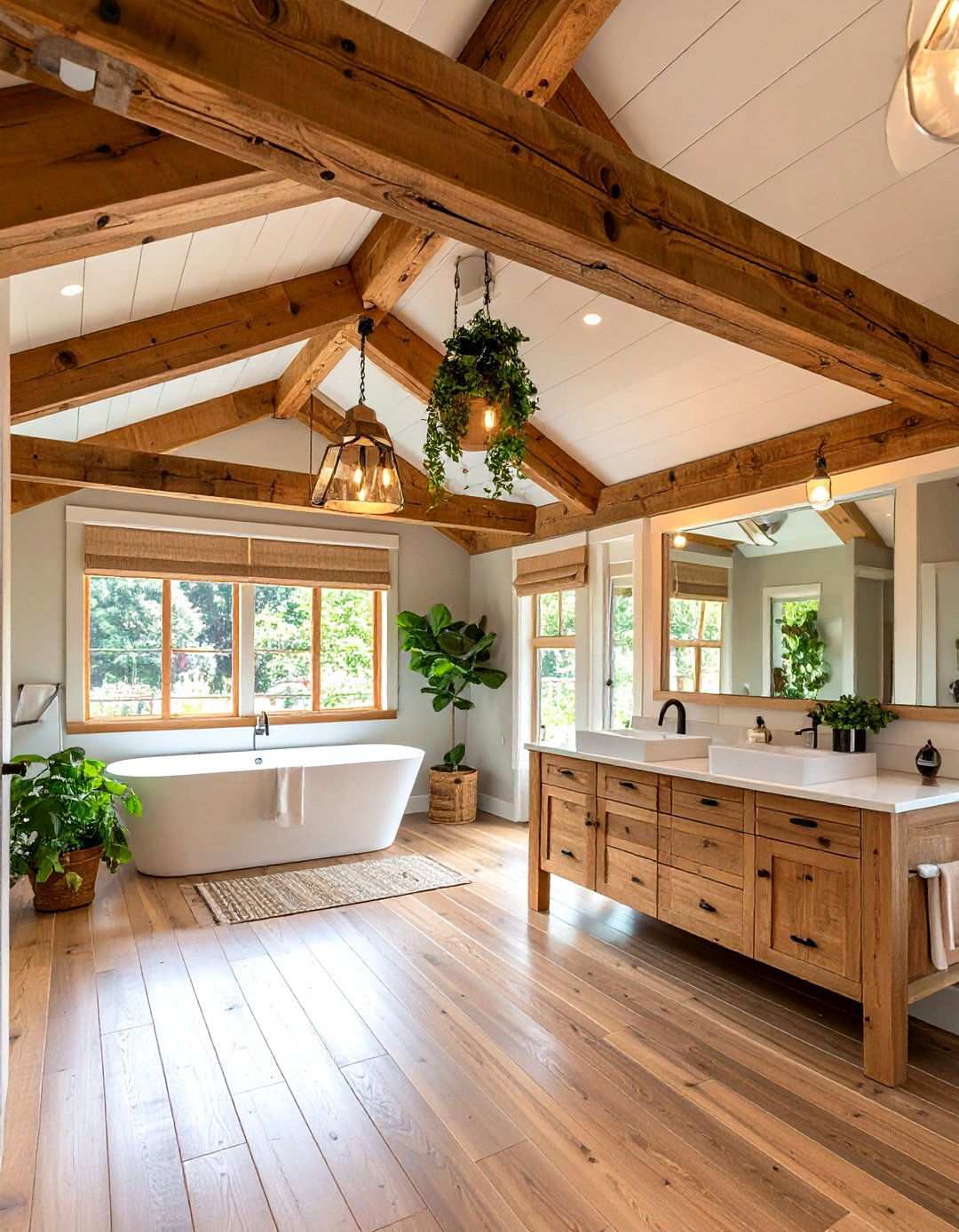
Exposed wooden beams add a touch of rustic charm and architectural interest while celebrating the attic’s structural elements. Rather than hiding these beams, incorporate them as design features that add warmth and character to the space. Natural wood creates a beautiful contrast against white or neutral bathroom fixtures, bringing an organic element that softens the hard surfaces typically found in bathrooms. To ensure longevity in the humid bathroom environment, consider treating the beams with appropriate moisture-resistant finishes. The beams can also serve practical purposes, such as mounting lighting fixtures or providing anchor points for hanging plants or decorative elements.
8. Attic Bathroom Monochromatic White Scheme
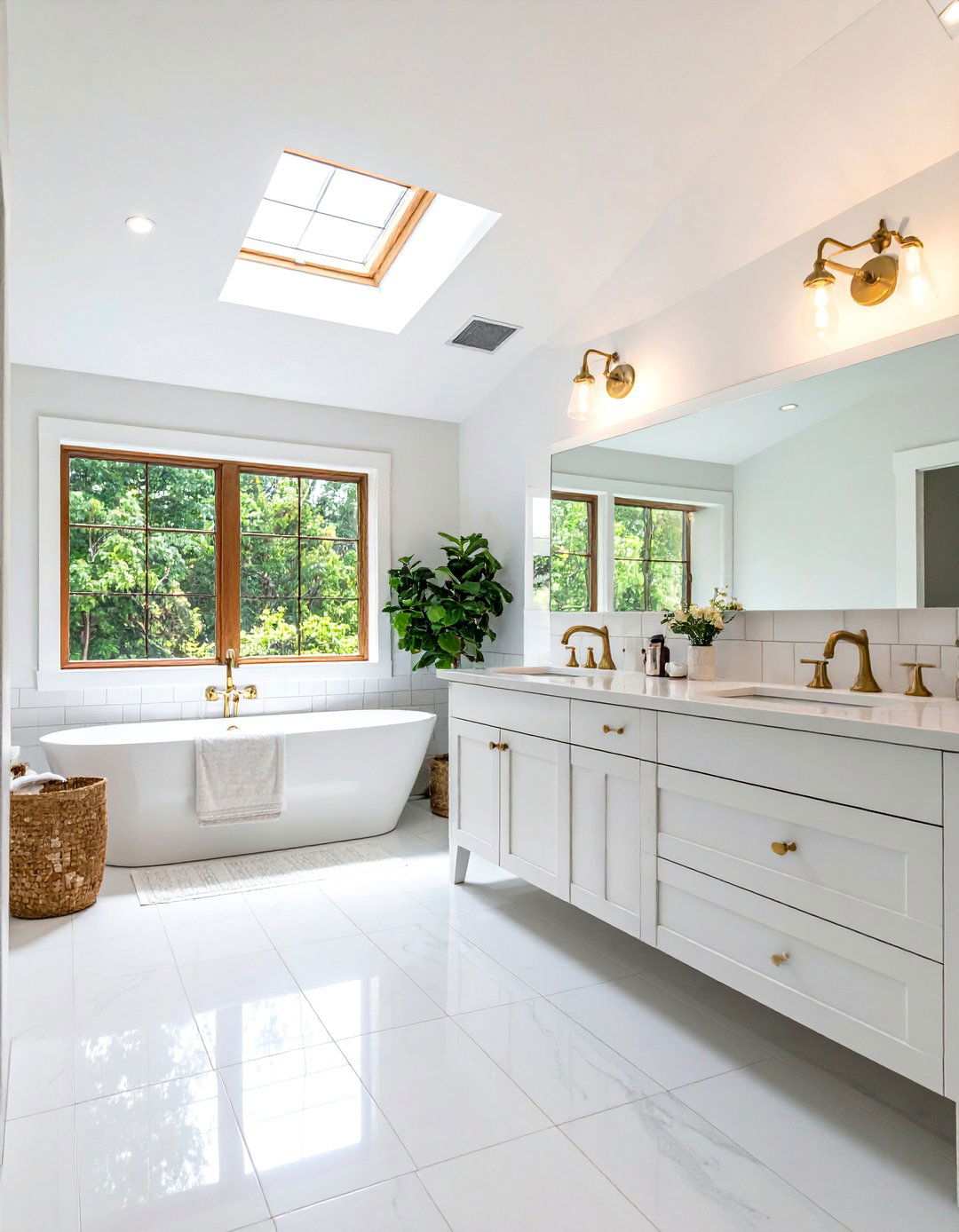
A well-executed white color palette can create the illusion of more space in compact attic bathrooms by maximizing light reflection. In areas with limited natural light, white surfaces can effectively bounce available light around the room. To add visual interest without disrupting the cohesive flow, incorporate varying textures and finishes within the white palette. Consider a combination of smooth subway tiles, rustic painted shiplap, gleaming white marble, and glossy white fixtures to introduce depth through texture variation. To prevent the space from feeling overly sterile, incorporate natural wood accents or brass fixtures, which will create a warm contrast with the brightness and airiness that define small spaces.
9. Attic Bathroom Vintage Clawfoot Tub Placement Strategy
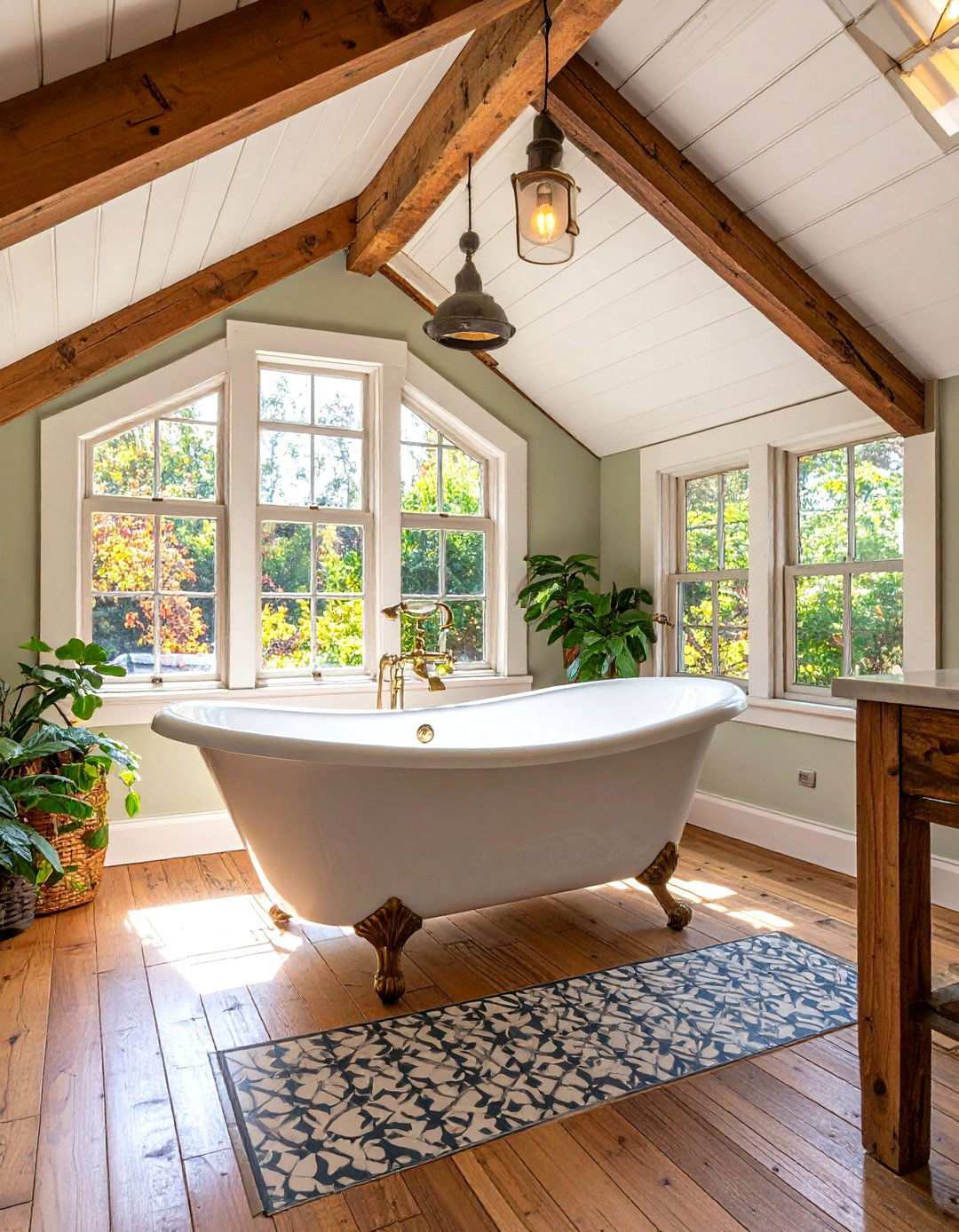
Placing a freestanding clawfoot tub in the lowest part of the sloped ceiling creates a captivating focal point while making efficient use of space. This classic fixture is particularly suitable for areas with limited ceiling height, as it doesn’t require standing room. The curved lines of the tub expertly complement the angular architecture of the attic, establishing visual balance. When selecting a tub, prioritize a size that harmoniously fits your space without overwhelming it, and consider the plumbing requirements during the planning phase. Surround the tub with period-specific details like vintage-style fixtures, patterned tiles, or classic wainscoting to complete the timeless aesthetic and create a luxurious spa-like retreat.
10. Attic Bathroom Corner Sink Layout Strategy
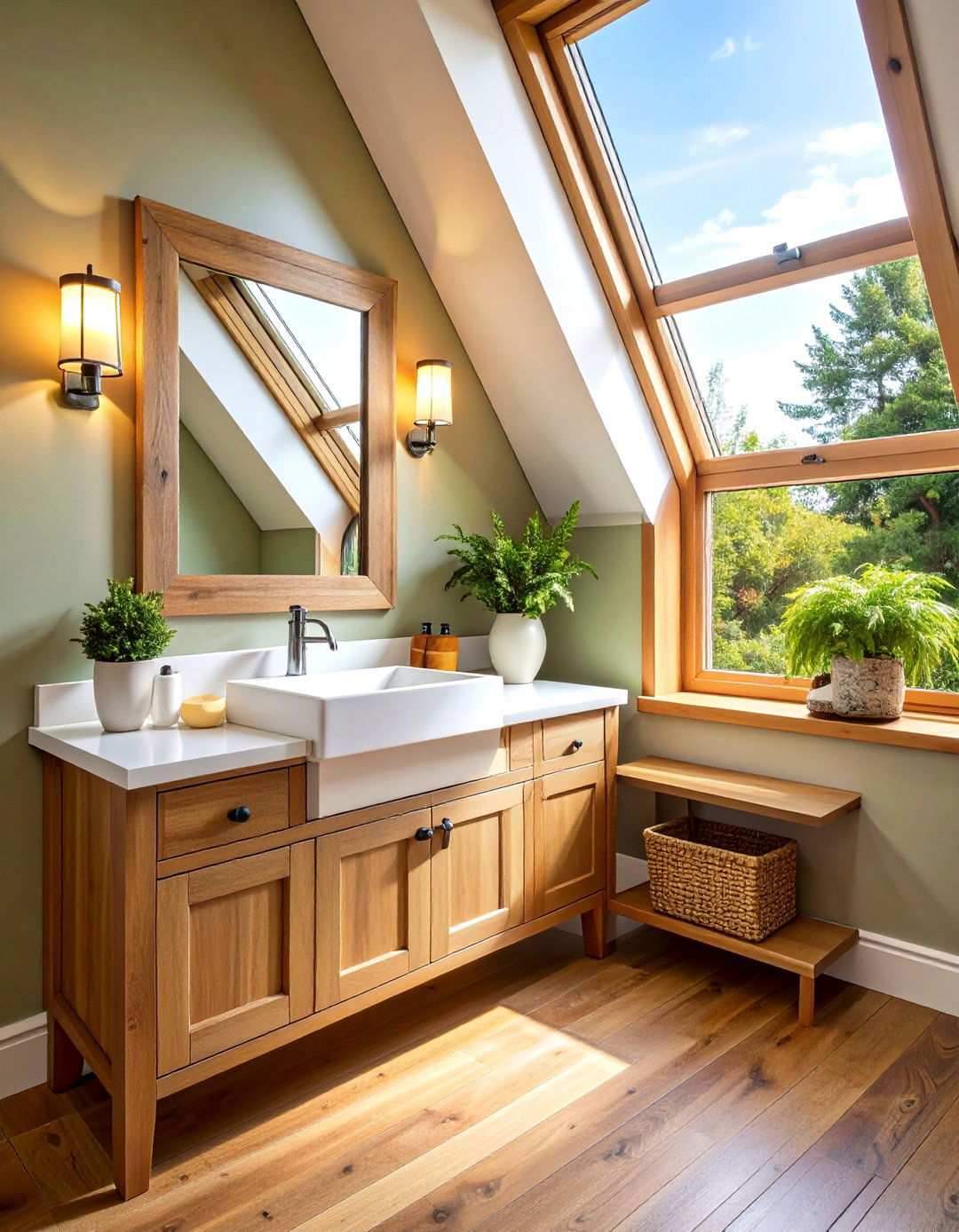
By placing a corner sink in the typically underutilized space, you can create a functional grooming area without compromising traffic flow in tight attic bathrooms. This layout works particularly well in areas where every inch matters, as it leaves the center of the room open for movement. Corner installations can fit into areas where ceiling height might be too low for comfortable use elsewhere in the room. Pair the corner sink with a corner mirror and suitable lighting to create a visually appealing and functional space. Consider a pedestal or wall-mounted corner sink to maintain the sense of openness, or choose a corner vanity with storage if additional organization space is needed.
11. Attic Bathroom Custom Glass Shower Enclosure Design
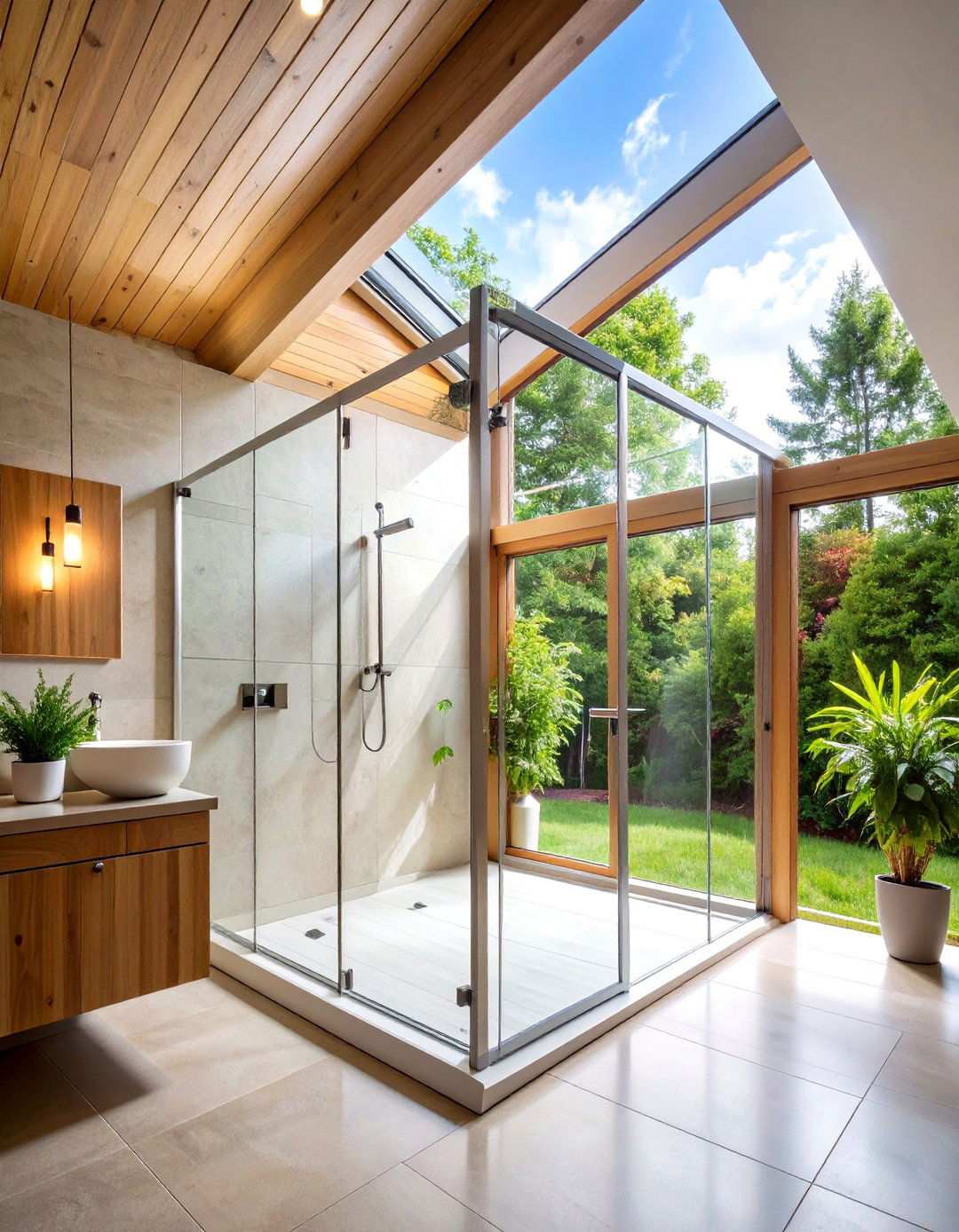
A custom glass shower enclosure that follows the slope of the ceiling can seamlessly integrate with the attic’s unique architecture while maintaining visual openness. Unlike traditional rectangular shower stalls, custom glass installations can be designed to fit the exact dimensions and angles of your attic space. This approach maximizes the usable shower area while keeping sight lines open throughout the bathroom. The transparency of glass prevents the space from feeling chopped up or compartmentalized. To balance openness with privacy, consider using clear glass or subtle textures or patterns that still allow for maximum light transmission, making small spaces feel larger.
12. Attic Bathroom Built-in Niche Storage Design Revitalized
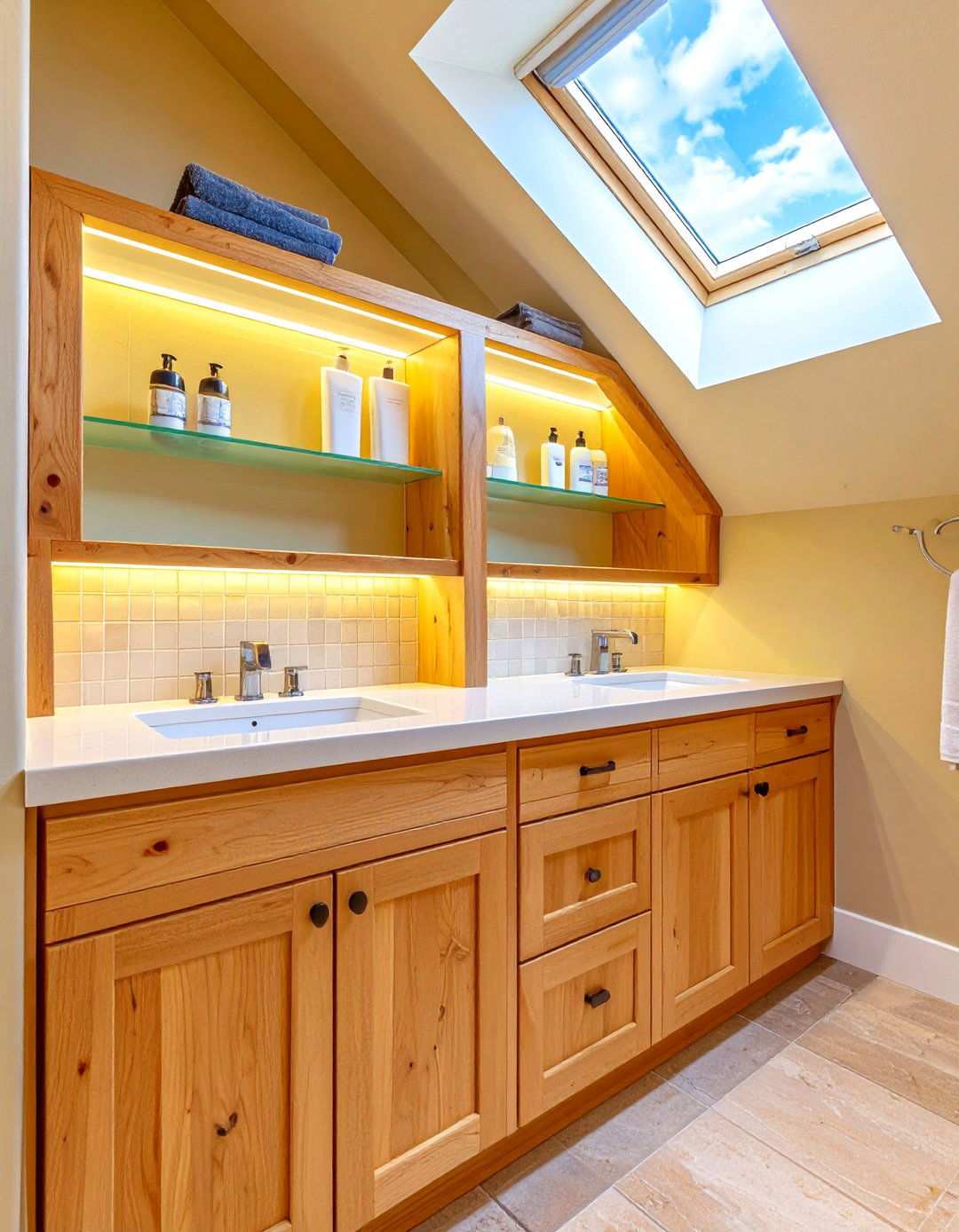
Rethinking the use of wall space unlocks the potential for clever storage solutions that blend seamlessly into the attic bathroom’s architecture. Built-in niches capitalize on structural elements and wall thickness to deliver essential storage without compromising on aesthetics. Strategically placing niches at varying heights caters to an assortment of items, from toiletries to towels, maximizing the functionality of these often-neglected areas. To amplify the visual impact, incorporate interior lighting, which not only illuminates the storage spaces but also creates a captivating visual experience. A well-designed built-in niche can elegantly contribute to a minimalist aesthetic, addressing both practical storage needs and visual appeal. For showers, consider employing waterproof backing materials and ensuring proper drainage to safeguard against water damage.
13. Attic Bathroom Scandinavian Minimalist Style Revival
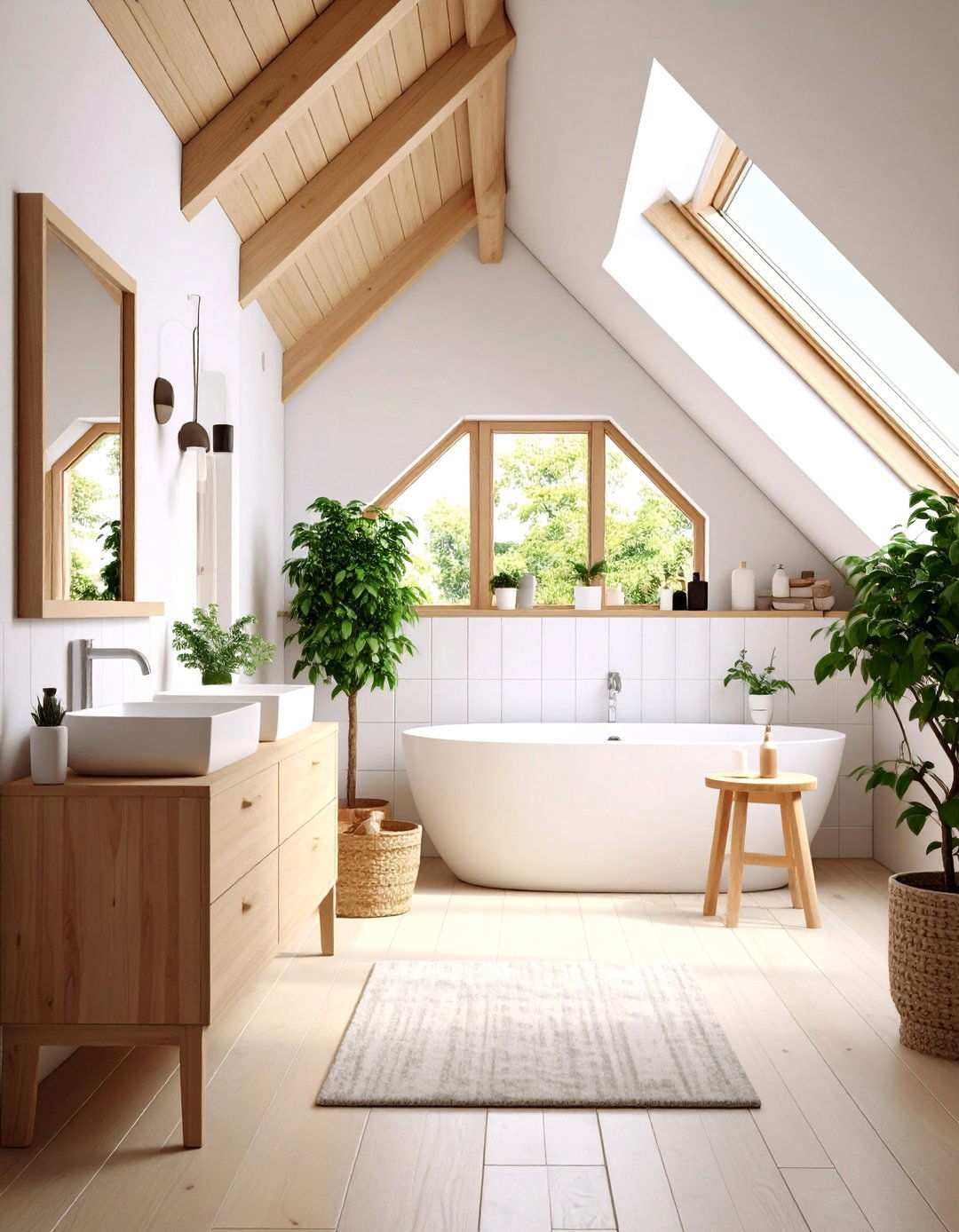
Scandinavian design offers a harmonious blend of simplicity, functionality, and natural materials that beautifully complements the unique characteristics of attic bathroom spaces. This style eschews clutter and celebrates the beauty of clean lines, neutral colors, and the liberal use of natural light – essential elements for creating an airy ambiance in compact attic environments. To achieve this serene atmosphere, opt for light wood finishes, crisp white fixtures, and simple geometric tiles. Adding warmth without sacrificing serenity can be accomplished through the judicious use of woven baskets, simple wooden stools, or small greenery, which introduce natural textures that subtly enhance the space. By embracing minimalism, the architecture itself takes center stage, rather than competing with limited space and unusual angles.
14. Attic Bathroom Industrial Exposed Elements Revamped
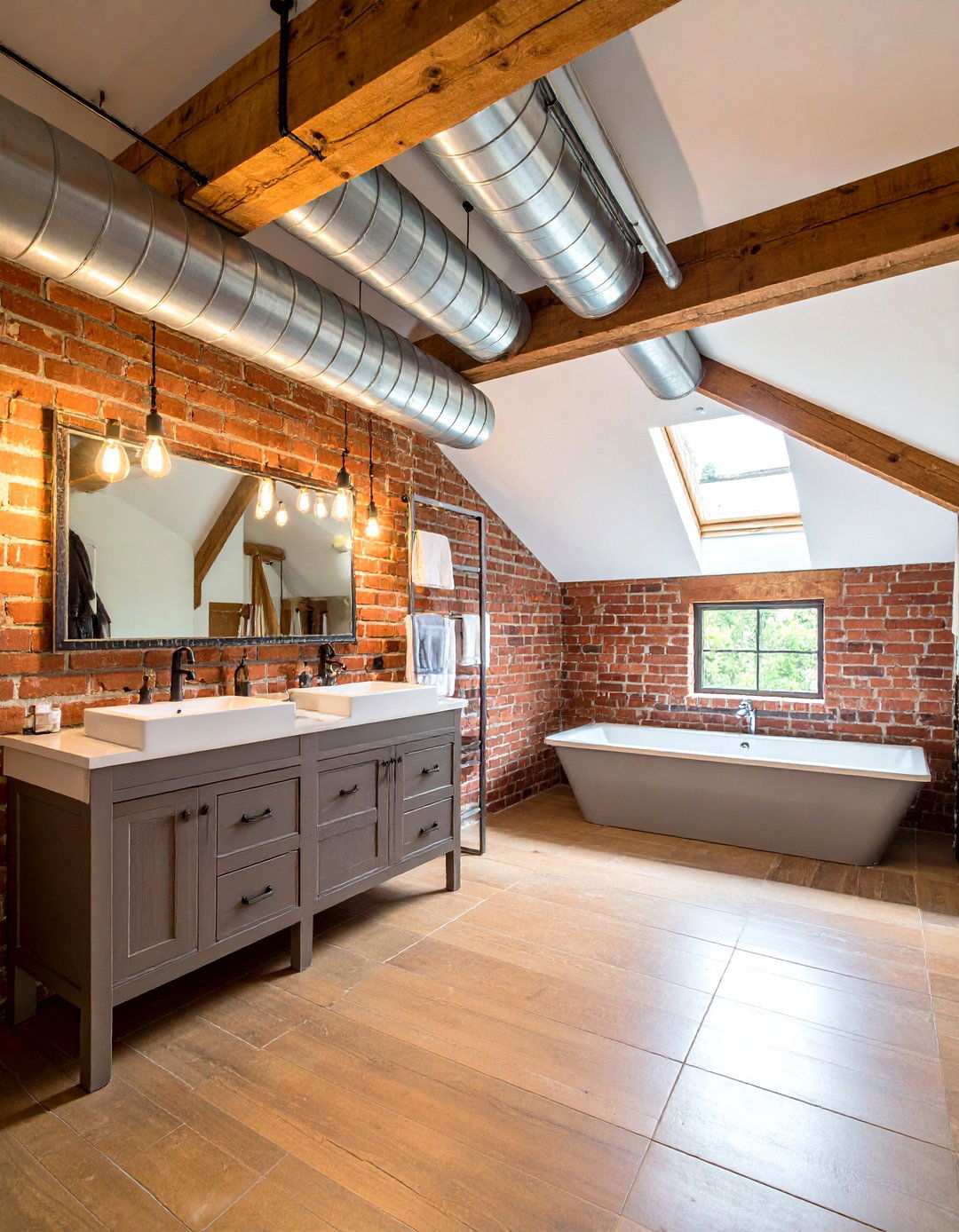
Embracing exposed pipes, ductwork, and structural elements transforms an attic bathroom into a thoughtfully designed space that skillfully balances functionality with aesthetics. Rather than concealing necessary mechanical components, paint them in coordinating colors and treat them as integral design features. Exposed brick walls, metal fixtures, and utilitarian lighting can collectively create an edgy, sophisticated ambiance akin to that found in an urban loft. This design approach is particularly well-suited for attic bathrooms with structural limitations that make it impractical or expensive to conceal all mechanical elements. To complete the cohesive aesthetic, select fixtures with industrial styling, such as pipe-style towel bars, metal-framed mirrors, and Edison bulb lighting, which harmonize the space and reinforce its industrial essence.
15. Attic Bathroom Coastal Color Palette Redefined
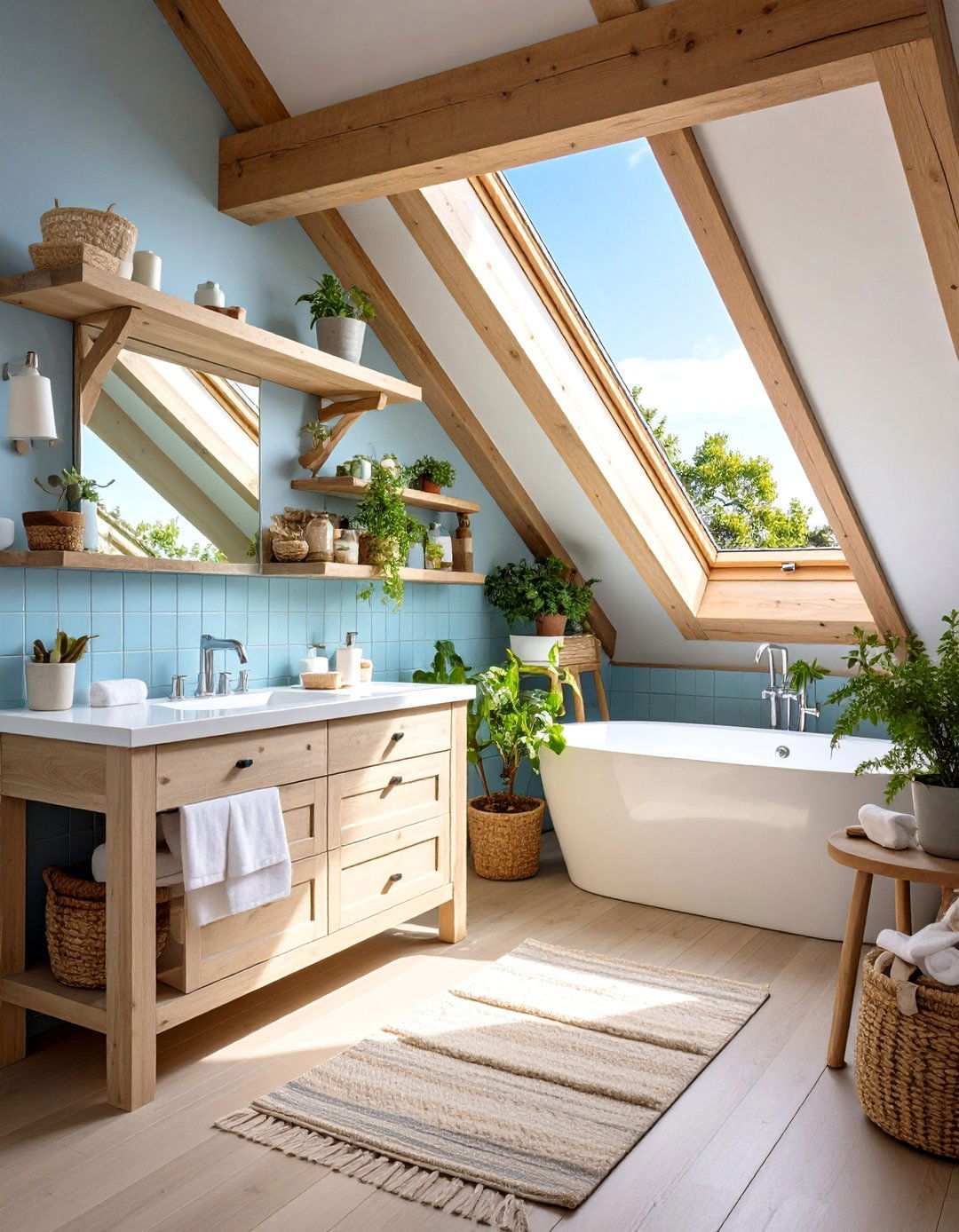
Soft blues, crisp whites, and natural textures unite to create a calming coastal atmosphere that skillfully camouflages the confines of an attic bathroom, transforming it into a tranquil seaside retreat. This palette works in tandem with natural light pouring in through skylights or dormer windows, with blues expertly complementing the sky views. Achieve this soothing ambiance by incorporating varying shades of blue in tiles, paint, or accessories while maintaining white as the dominant color, thus preserving the sense of spaciousness. Adding natural textures through woven baskets, rope details, or weathered wood accents subtly enhances the space, creating a relaxing atmosphere that skillfully counters feelings of confinement often associated with attic spaces.
16. Attic Bathroom Smart Lighting Integration System
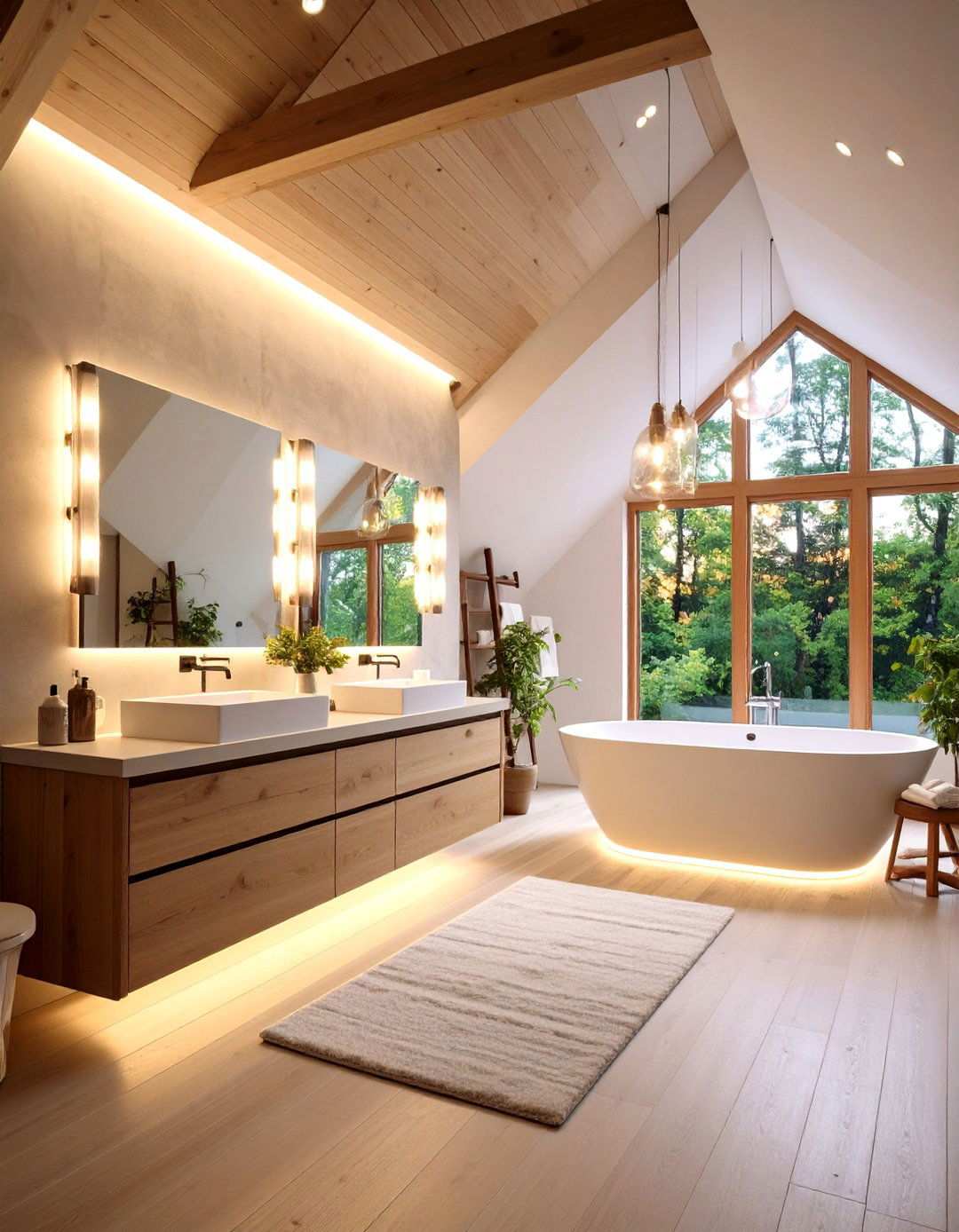
To create a harmonious balance of light and atmosphere in attic bathrooms, consider a multi-faceted approach to illumination. By combining different lighting sources – such as recessed lights, sconces, and pendant fixtures – you can achieve a layered effect that addresses the unique challenges of attic spaces. This involves pairing overhead recessed lights for general illumination with task lighting at the vanity and accent lighting to highlight architectural features. Smart lighting systems can also be integrated to enable adjustments to brightness and color temperature throughout the day, further enhancing the ambiance. Strategically placed LED strip lighting, for instance, under floating vanities or along ceiling edges, can create the illusion of a more spacious room. Ultimately, the goal is to provide sufficient light for various activities while showcasing the room’s best features.
17. Attic Bathroom Freestanding Tub Placement Strategy
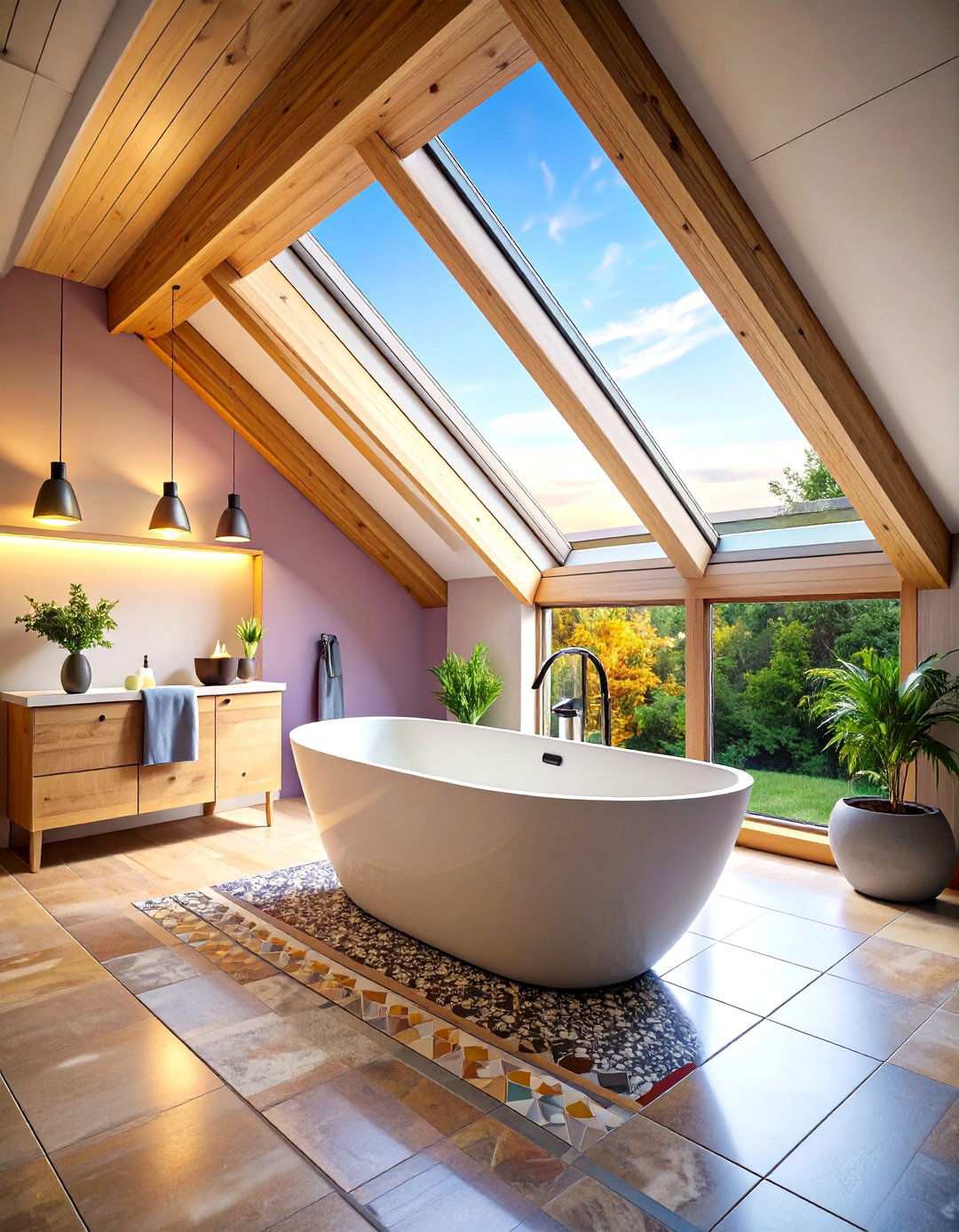
When it comes to freestanding tubs in attic bathrooms, strategic placement can make a significant difference in creating a visually appealing space. Unlike built-in tubs, freestanding options offer greater flexibility, allowing for creative placement that works in tandem with the attic’s unique architecture. By positioning the tub diagonally in a corner or centering it under a skylight, you can maximize space efficiency while creating a spa-like experience. The sculptural quality of freestanding tubs not only adds visual interest but also allows for optimal positioning relative to plumbing and structural constraints. As you select a tub size and style, keep in mind that it should complement rather than overwhelm the space, striking a balance between aesthetics and functionality.
18. Attic Bathroom Wall-Mounted Fixture Selection
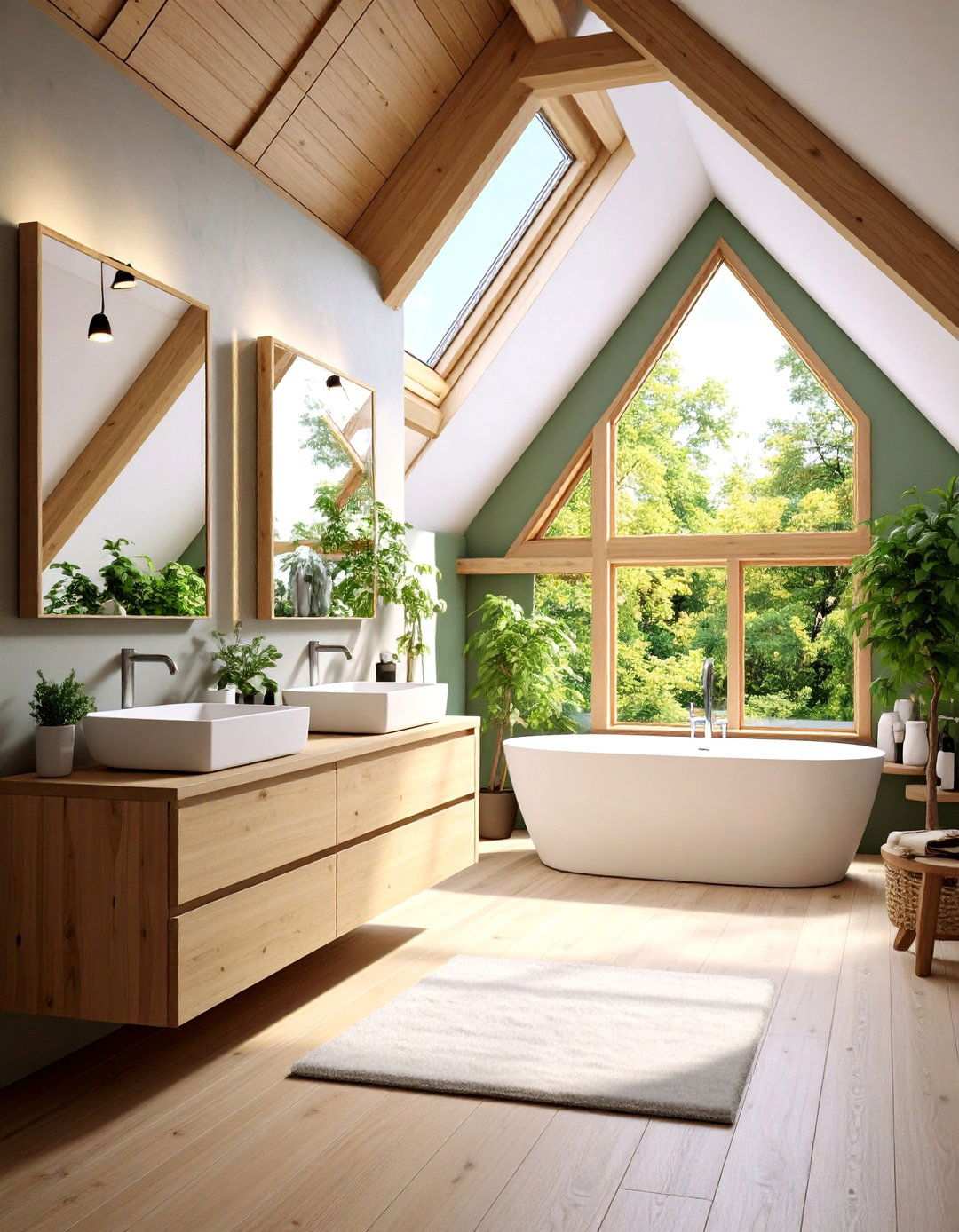
In attic bathrooms, every inch of floor space counts, making wall-mounted fixtures a practical and stylish solution. By hanging toilets, sinks, and storage solutions from the wall, you can create clean, modern aesthetics while maximizing floor space. This approach is particularly beneficial in attic bathrooms where the sense of openness is crucial. Additionally, wall-mounted fixtures simplify cleaning and create the illusion of floating elements that don’t visually weigh down the space. However, it’s essential to consider the structural requirements for proper support, especially in older homes where wall framing may need reinforcement. By choosing the right wall-mounted fixtures, you can complement contemporary design while addressing the practical challenges of attic bathroom spaces.
19. Attic Bathroom Mirror Wall Expansion Technique
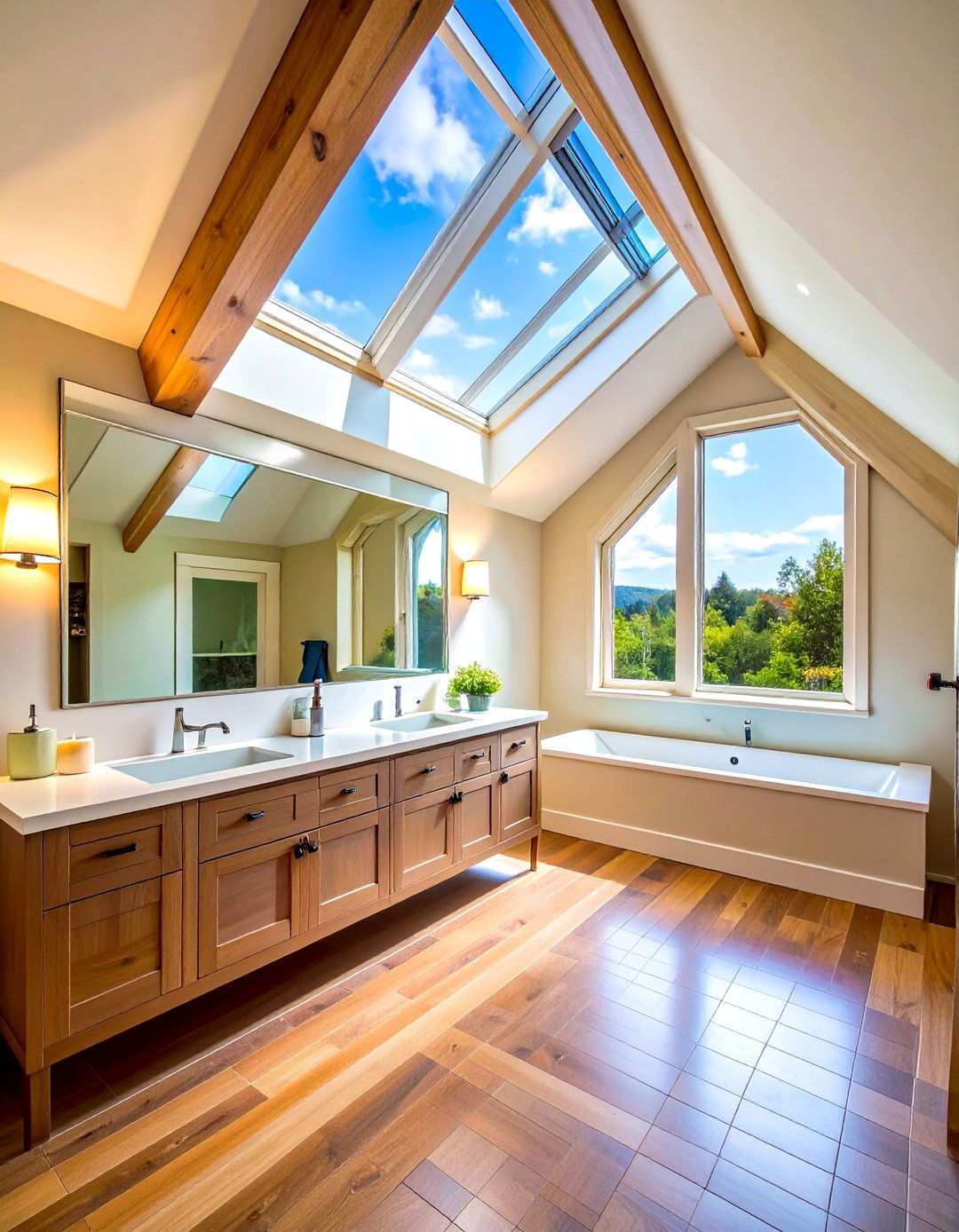
Mirrors and mirrored walls can be a powerful tool in creating the illusion of more space in attic bathrooms. By strategically placing large mirrors or mirrored walls, you can reflect natural light throughout the room, effectively expanding visual boundaries. Position mirrors to reflect attractive views or natural light sources, bringing the outdoors inside and making the space feel larger. Consider floor-to-ceiling mirrors in areas where the ceiling height allows, or create a mirrored accent wall behind the vanity. Beyond their aesthetic benefits, reflective surfaces also help distribute available light more evenly throughout the space, reducing shadows and dark corners that can make attic rooms feel cramped.
20. Attic Bathroom Textured Feature Wall Design
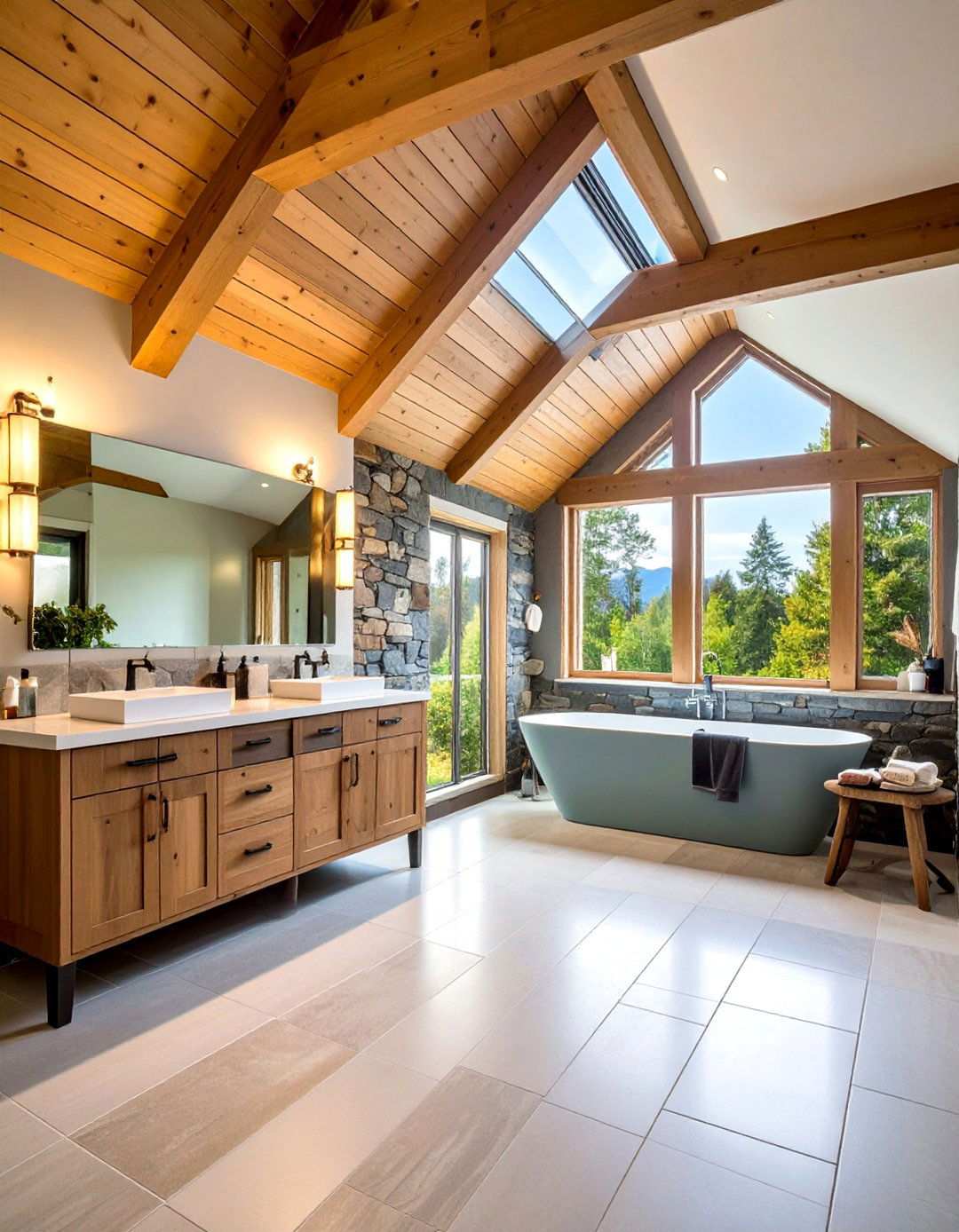
Infusing an attic bathroom with a textured accent wall can be an effective strategy for adding visual allure and distinctiveness. By incorporating visually striking elements, such as shiplap, board and batten, or subway tiles with contrasting grout, you can create focal points that effectively distract from the space’s limitations. The judicious use of texture introduces depth and dimension, allowing for a more engaging visual experience and creating a clear hierarchy within the space. Moreover, by selecting materials that can withstand bathroom humidity, you can ensure a harmonious blend of functionality and aesthetic appeal. A thoughtfully executed feature wall can seamlessly transform an awkward sloped area into the room’s most captivating design feature, thereby turning constraints into opportunities for artistic expression.