1. Redefining Boundaries: Innovative Approaches to Awkward Room Arrangements
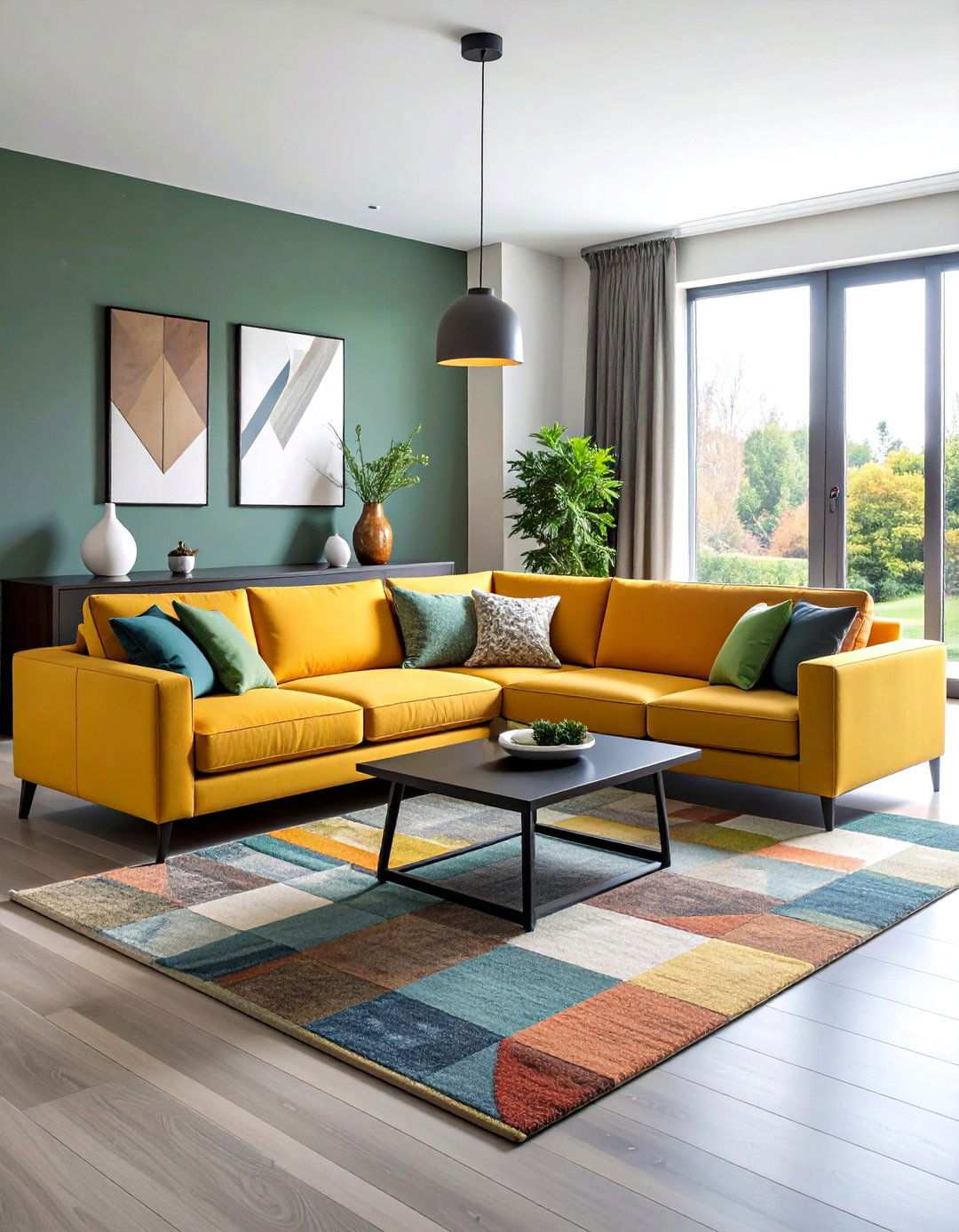
Transforming challenging living spaces into stylish havens requires embracing unique architectural quirks rather than fighting against them. Every home has peculiar architectural features that can be turned into distinctive design elements, from narrow corridors masquerading as living rooms to spaces with oddly placed windows and doors. By recognizing these characteristics as opportunities for creative design solutions, homeowners can create functional zones that serve multiple purposes while maintaining visual flow. The key to maximizing each square foot lies in working with your space’s natural quirks to create a living room that feels intentional, comfortable, and uniquely yours.
2. Strategic Furniture Placement: Unlocking Diagonal Potential
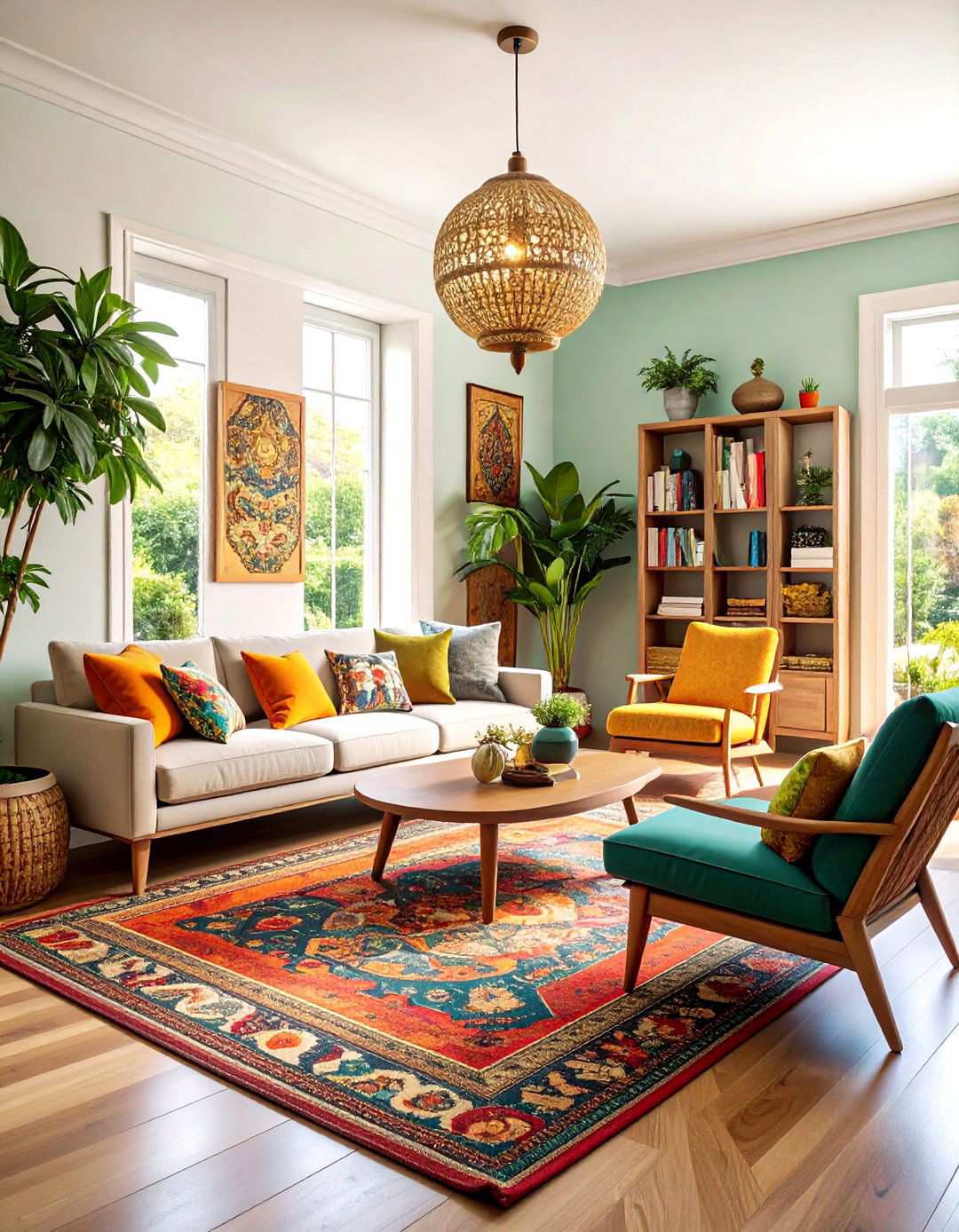
Conventional furniture arrangement rules can be broken to add a dynamic touch to awkward living room layouts. Placing a sofa diagonally can create interesting sight lines and open up floor space that might otherwise feel unusable, making it an ideal solution for rooms with weird corners or unusual architectural features. By angling your main seating piece, you can soften the rigidness of a space while creating movement that is more pleasing to the eye. Consider adding a console table behind the angled sofa to provide additional surface space and help define the seating area. This approach transforms what might seem like a furniture placement mistake into an intentional design choice that gives your living room a sophisticated, unexpected character.

As an Amazon Associate I earn from qualifying purchases.
3. Long Narrow Living Room Zone Division
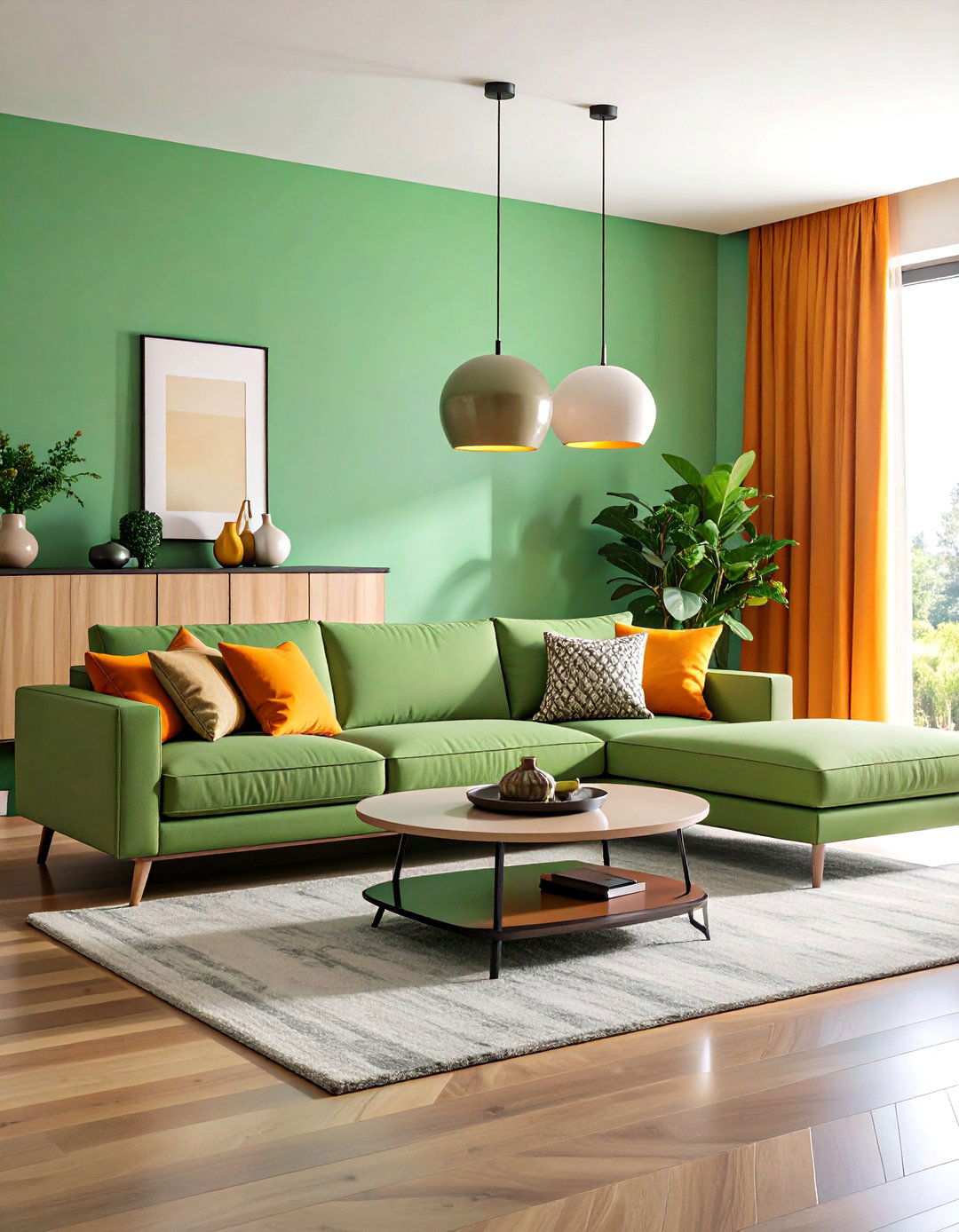
Creating multiple zones in a room can make an odd-shaped space more usable, especially in long, narrow living rooms that feel more like corridors . Breaking up the length by establishing distinct areas for different activities can help create a more harmonious space. Consider dividing the room into conversation zones, reading nooks, workspaces, or media areas, each with its unique character and purpose. Use creative dividers like ornate screens, bookcases, or stylish chaise lounges to separate these zones while maintaining visual connection. Area rugs with different colors, shapes, and textures work excellently to define and separate each zone without physically dividing the space. This approach prevents the tunnel effect that plagues many narrow rooms while ensuring each area serves a specific purpose. The key is maintaining clear pathways between zones so the space feels connected rather than chopped up.
Creating a Sense of Flow with Furniture Arrangement
By abandoning traditional wall-hugging arrangements, you can unlock new possibilities for living room design. In spaces with limited wall space or unusual angles, positioning furniture in a way that creates a sense of flow is particularly effective. This approach involves intentionally placing the couch in front of a focal point, such as a television, window, or bookshelf, to create a cozier atmosphere. The space behind your ‘floating’ furniture can then be utilized as a display area for decorative items or as a space for a console table that provides additional storage. This technique is especially beneficial in large, irregularly shaped rooms, where traditional arrangements often leave awkward gaps. Remember to maintain a balance by leaving sufficient space for walking around the furniture to ensure smooth traffic flow.
4. Maximizing Flexibility in Corner Fireplaces
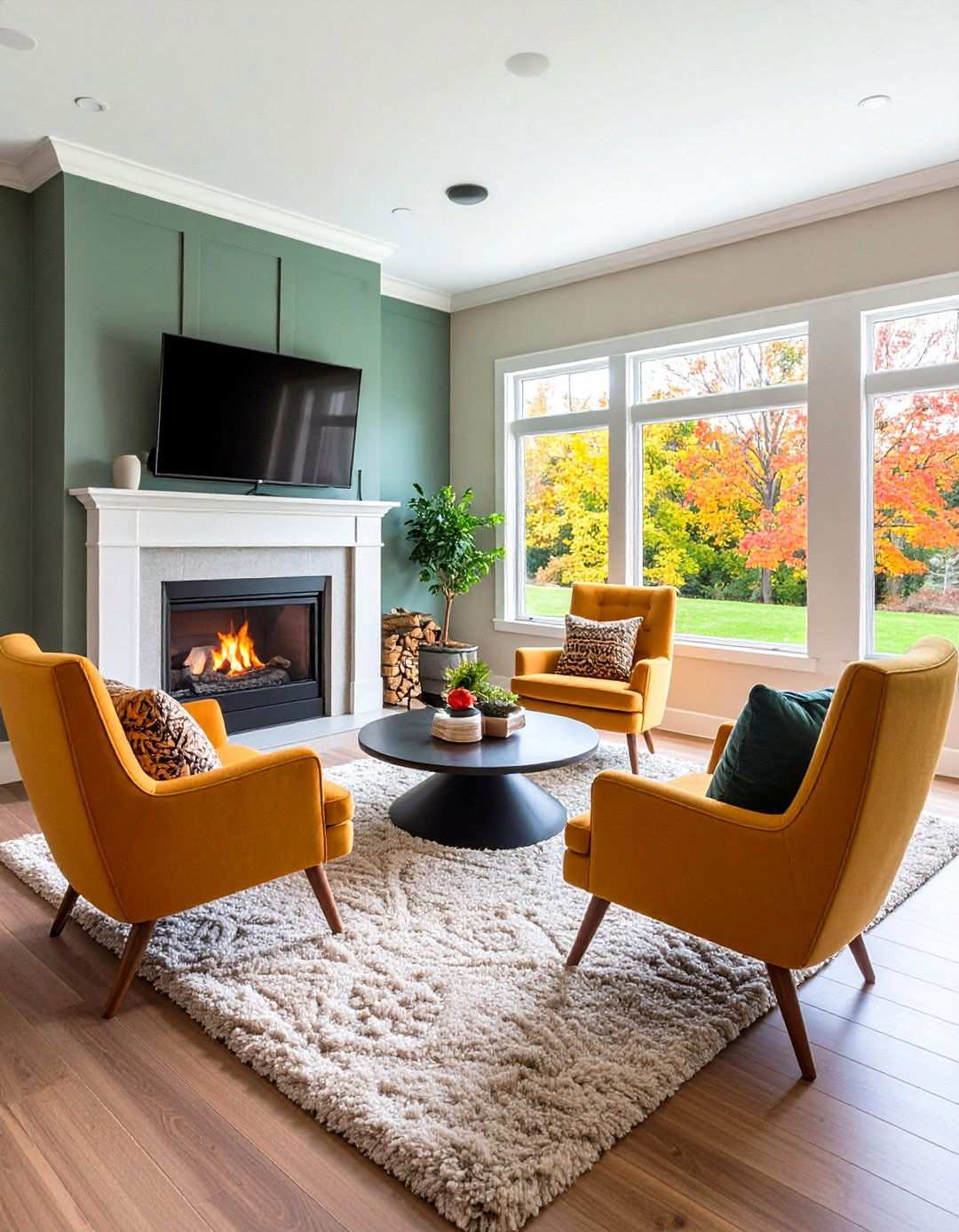
A corner fireplace doesn’t have to be the sole focal point in the room, allowing for a wide range of living room layouts to be explored. To achieve this, consider creating a seating arrangement that can adapt to different focal points, such as a television or a large window, in addition to the fireplace. Placing swivel chairs that can pivot as needed without requiring the movement of furniture can enhance the functionality of your space, making it ideal for both cozy evenings by the fireplace and entertainment. You could position the television on an adjacent wall as a secondary focal point, arranging furniture around both to create an inviting seating area. This dual-purpose approach successfully combines the benefits of a corner fireplace with the comfort of a conversational space.
5. Designing Versatile Spaces with Multipurpose Furniture
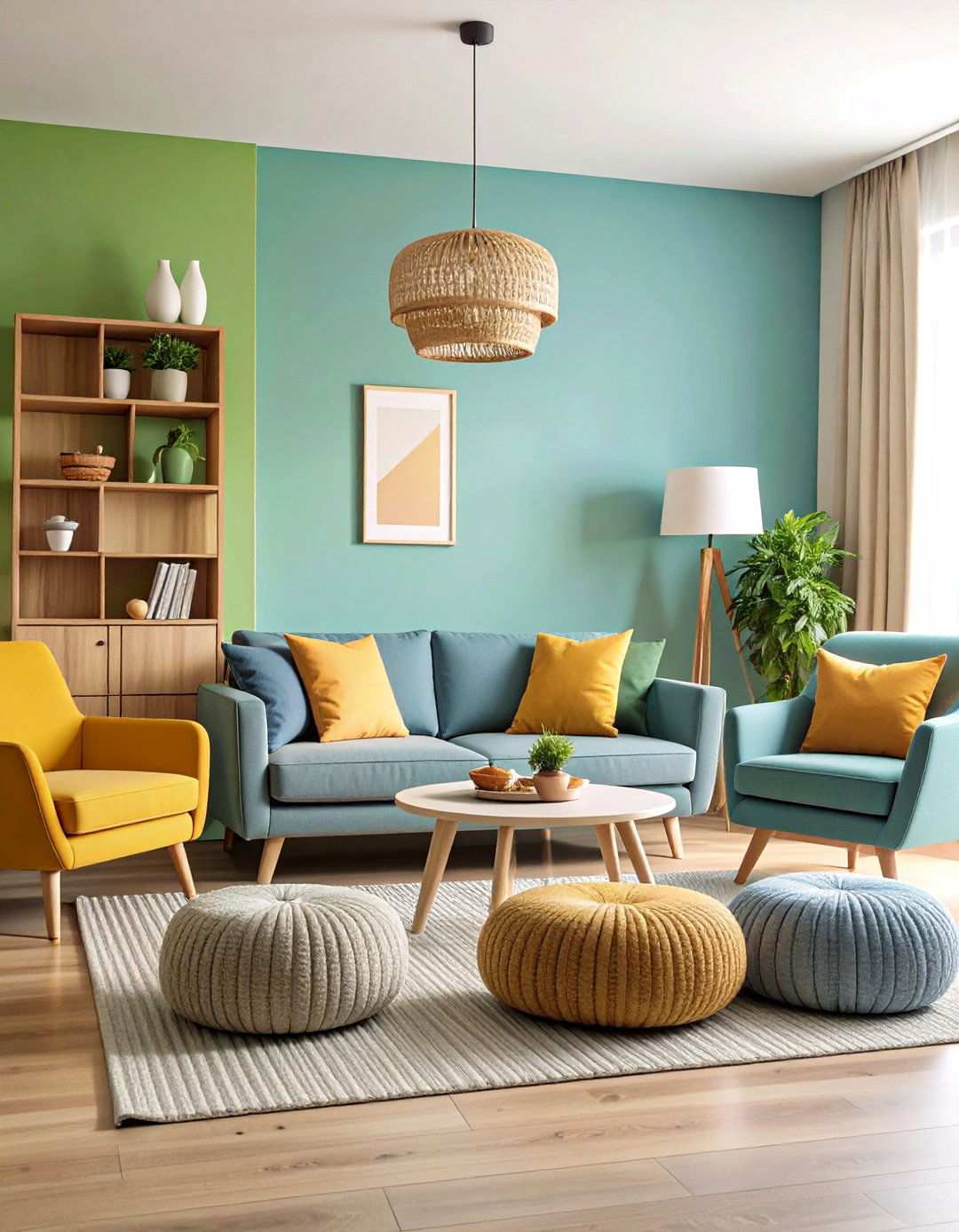
When it comes to crafting a functional small living room layout, incorporating versatile, multi-functional furniture is an effective strategy. Instead of opting for two sofas, consider introducing a sofa alongside two armchairs to create a more dynamic space. You may find that a coffee table is not essential, but rather an end table or ottomans that can double as storage and serve as a makeshift coffee table when topped with a tray. Modular furniture pieces are particularly well-suited for this approach as they can be rearranged or expanded over time to reflect changing needs. Think about incorporating furniture that serves multiple purposes: storage ottomans, nesting tables that can be pulled out as needed, or a console table that functions as both a TV stand and workspace. Smaller furniture pieces are more versatile and can be easily rearranged to suit various occasions.
6. Defining Spaces in Open Concept Living Rooms
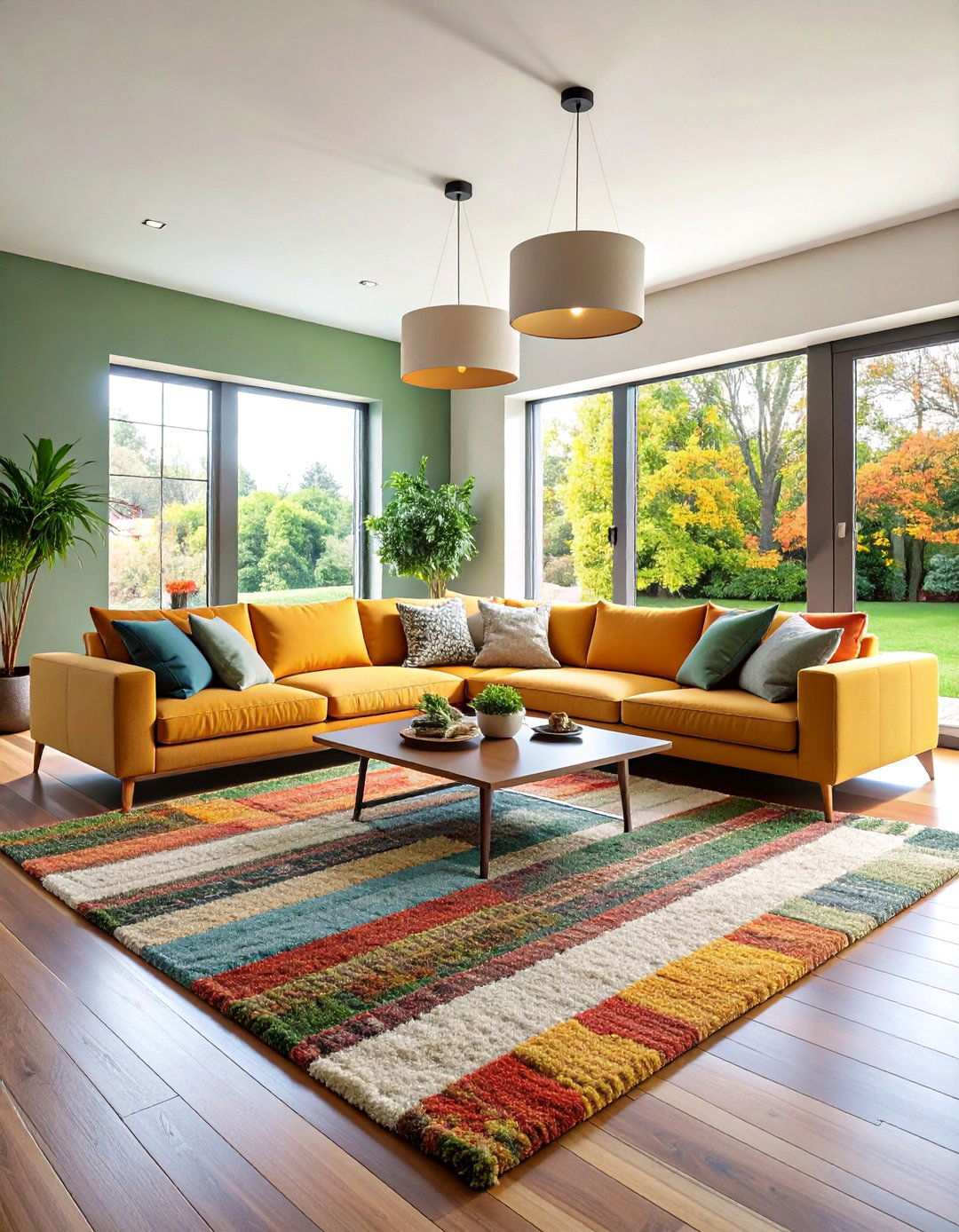
Open concept living spaces present a unique challenge when it comes to furniture arrangement, as the seamless transition between areas can make it difficult to establish clear boundaries. However, this design style offers several benefits, including an expansive feel and unobstructed sightlines. To mitigate the potential pitfalls of open concept living, clever furniture placement is key. By angling seating and incorporating area rugs as visual dividers, homeowners can create distinct zones within the space. A large, anchor piece such as a sectional sofa can help define the space and provide additional functionality, complemented by a console table and chair positioned behind it for a convenient workspace. Furthermore, strategic lighting can help establish distinct areas within the open space. By combining overhead fixtures, table lamps, and floor lamps, homeowners can create a warm and inviting ambiance while also defining separate zones. Ultimately, the goal is to create logical pathways that guide movement through the space while maintaining the open, airy feel.
7. Optimizing Furniture Arrangement in L-Shaped Living Rooms
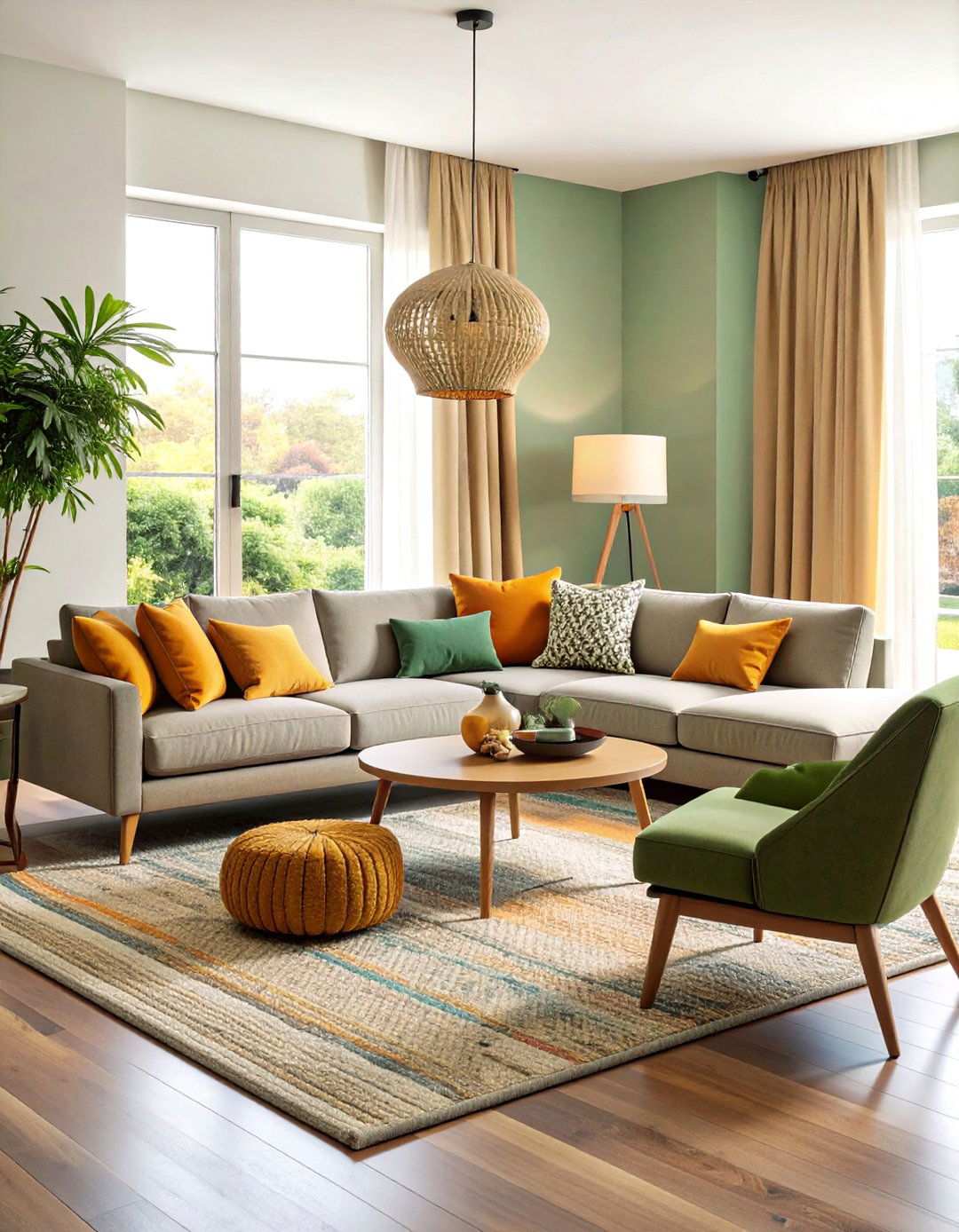
The L-shape is a common configuration in many homes, but it can still present challenges when it comes to furniture placement. One effective solution is to position seating in an L-shape, taking advantage of both arms of the configuration to create natural conversation areas. This setup is particularly well-suited for rooms with multiple focal points, such as a fireplace and a television. By placing primary seating along the L-shape, homeowners can create distinct but connected areas within the space. To further enhance the arrangement, consider placing a chair, ottoman, and end table in the corner of the L-shape, facing inward toward the seating group. An end table positioned between seating pieces, accompanied by a lamp that illuminates both sections, can also help to create a cohesive and inviting atmosphere. By implementing these strategies, homeowners can make the most of the unusual footprint of their L-shaped living room while maintaining good traffic flow between spaces.
8. Turning Awkward Living Room Corners into Functional Spaces
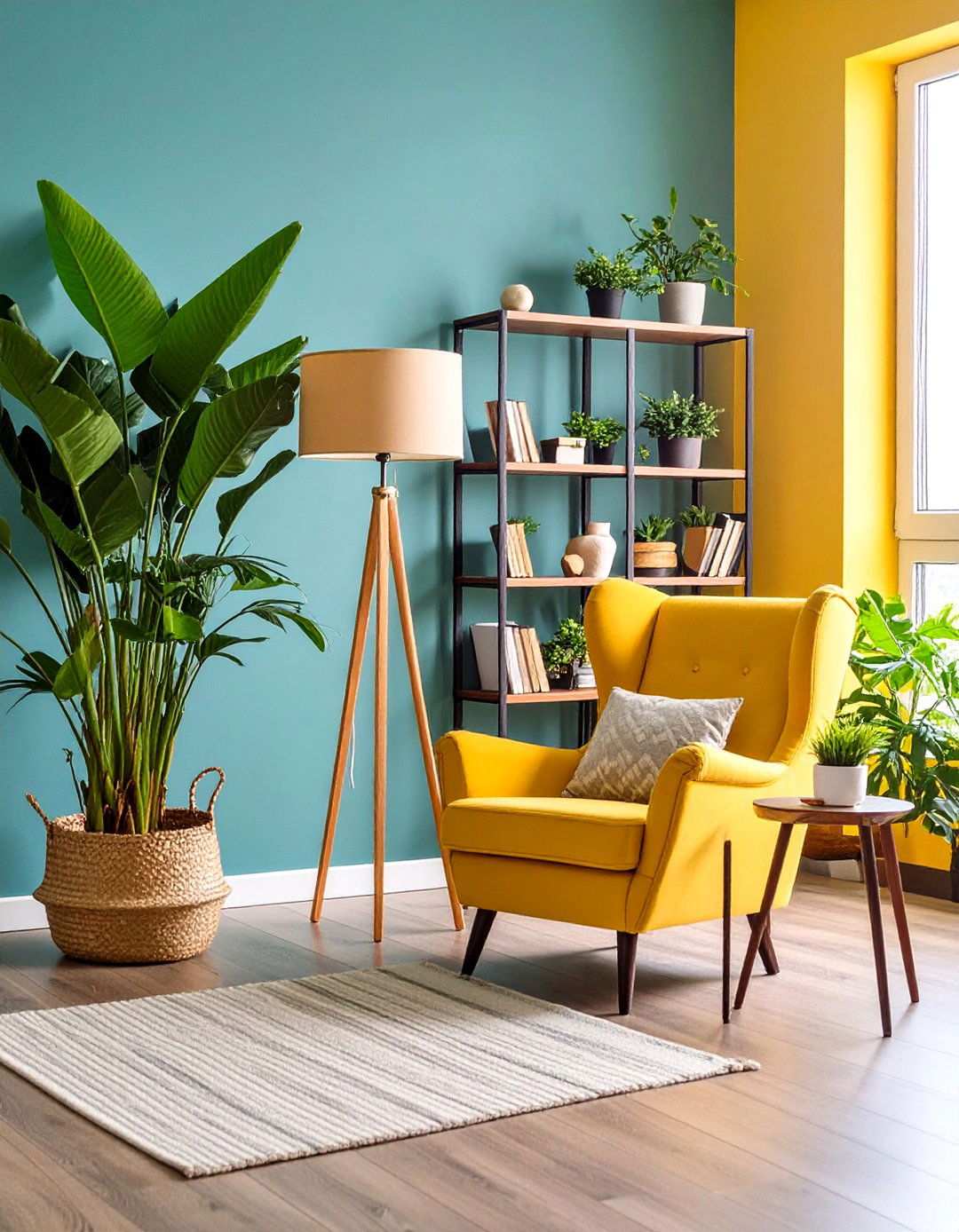
Awkward living room corners can be a challenge to address, but they also present opportunities for creative problem-solving. One effective solution is to place a large potted plant or tree in the corner, which not only helps to fill the space but also adds a touch of elegance. Alternatively, a sculptural floor lamp like a tripod lamp can be used to light up the corner and create a visually appealing focal point. Homeowners can also consider placing a standing mirror in the corner of a narrow room to create a sense of balance and add visual interest to the space. For a cozier atmosphere, pair comfortable armchairs with tall floor lamps to create serene reading nooks. Open shelves can be installed to display favorite books and decorative items, while a narrow bookcase, sideboard, or console table can be used to fill the corner with display space without obstructing traffic. By implementing these solutions, homeowners can transform once-neglected corners into functional and attractive features in their living room.
9. Curved Living Room Furniture for Unconventional Spaces
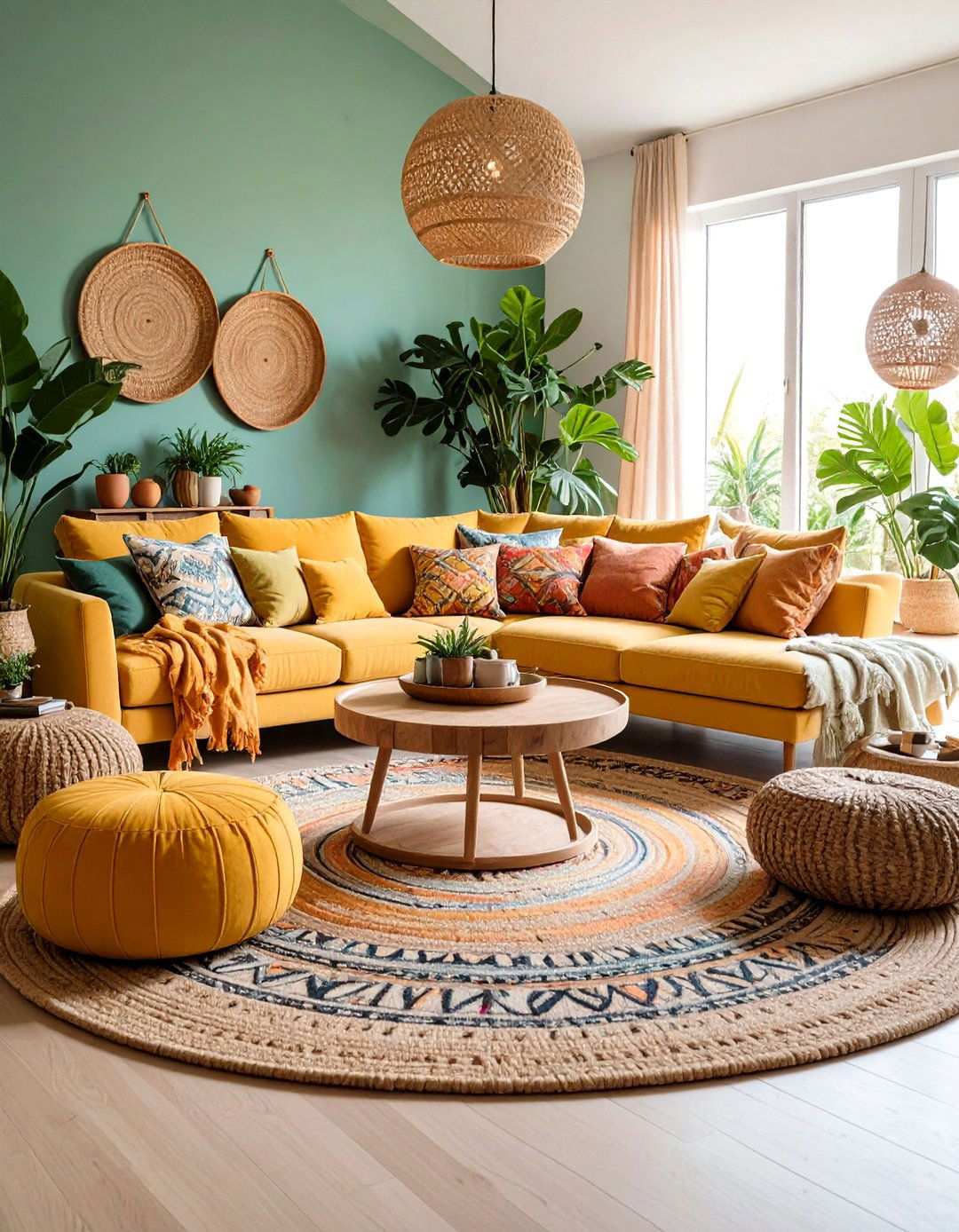
Incorporating furniture and decor with rounded edges or curved silhouettes can effectively counteract the rigidity of a space, creating a more visually appealing movement. The growing trend of curved sofas stems from the movement toward organic shapes that evoke feelings of coziness and intimacy. In spacious rooms filled with long, straight edges, consider introducing circular elements such as a round coffee table or rug to soften the entire space. Interior designers recommend selecting round shapes in rectangular rooms to combat visual monotony and inject a sense of dynamic movement. To add depth and visual interest, incorporate organic elements like plants, branches, crystals, and woven baskets, which can also be used to introduce different shapes and textures. Begin by incorporating a circular centerpiece, such as a round table or ottoman, and then arrange other furnishings in a circular pattern around it. This approach fosters harmony and flow in spaces that might otherwise feel disjointed, creating a sense of continuity and cohesion.
10. Maximizing Living Room Width in Constricted Spaces
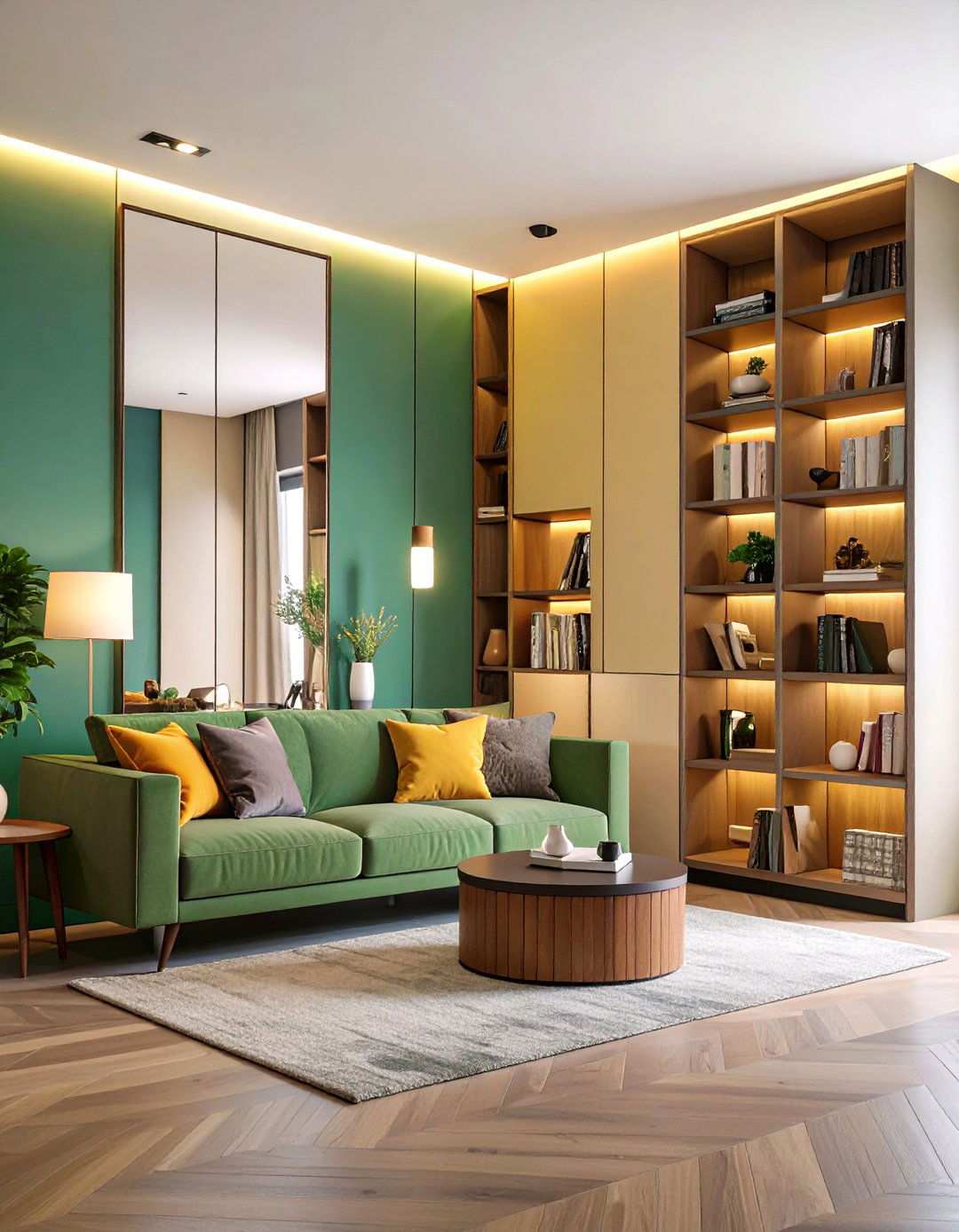
When faced with narrow living rooms, it’s tempting to push everything against the wall, but this can inadvertently exacerbate the feeling of tightness. Instead, try pulling furniture away from the wall as much as possible to downplay the narrowness and awkwardness of the room’s shape. By incorporating tall bookshelves and stately armoires, you can draw the eye upward and minimize the tunnel-like quality of your living room. Strategically placed large mirrors can create the illusion of expansiveness in long, narrow rooms, while painting the farthest wall a darker color can add depth to small, narrow spaces, transforming an awkward layout into a visually spacious area. Careful consideration of lighting placement and furniture scaling can also help to create a sense of proportion and comfort in narrow spaces.
11. Optimizing Living Room Traffic Flow
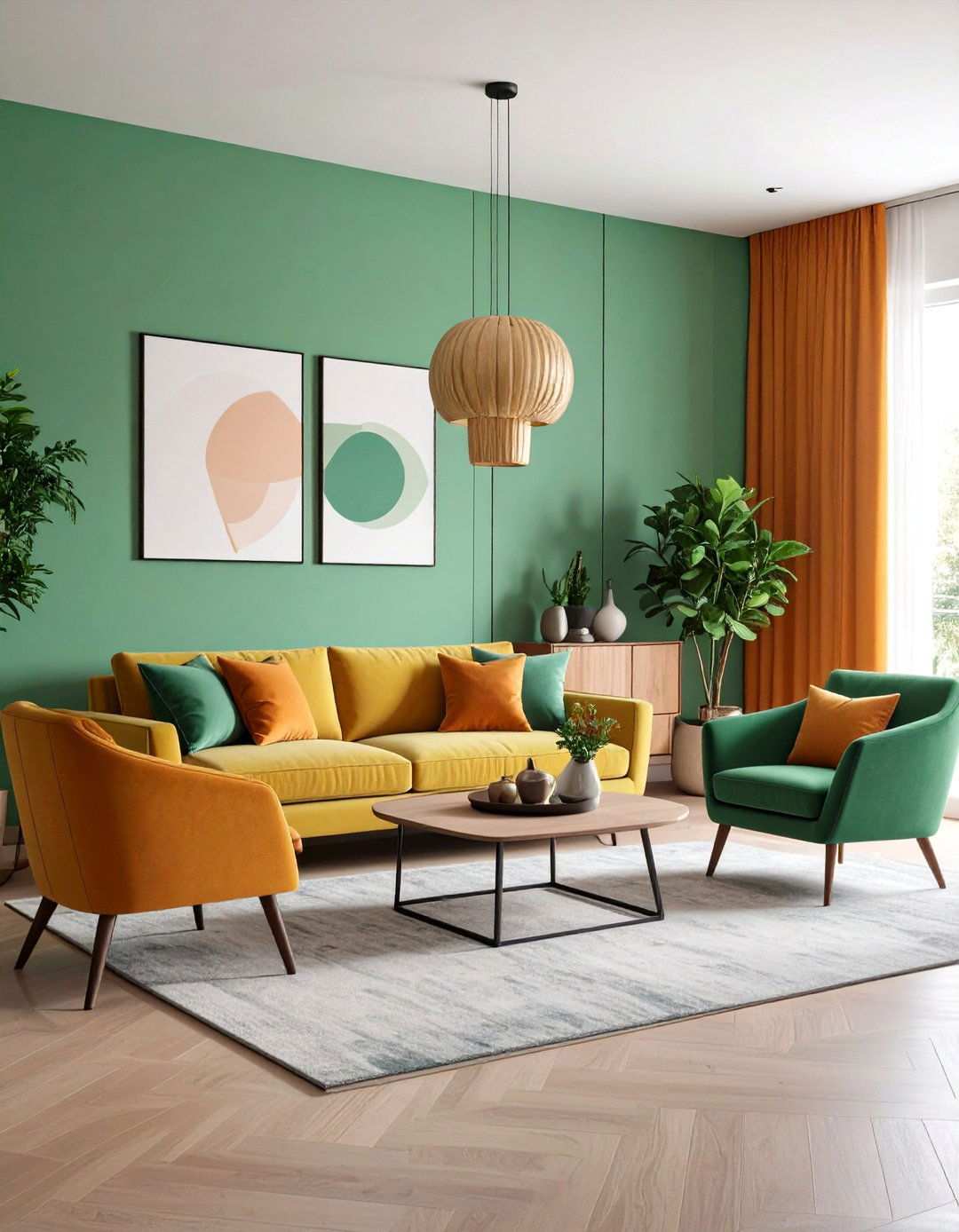
To maintain a smooth flow of traffic in the living room, it’s essential to avoid having walkways cut through the center of the room, as this can disrupt the flow and interrupt social interaction. The best approach is to select smaller furniture pieces that can be arranged to facilitate easy movement around and through the room without obstruction. Smaller items can also be strategically placed in corners or unusual nooks, further enhancing the flow of traffic. Plan walkways that circumnavigate the edge of the room rather than passing through the middle, even if this means sacrificing some space. By reserving the center of the room as a walkway for traffic and keeping it obstacle-free, you can create a sense of flow that makes even awkward spaces feel more spacious and functional.
12. Mastering Layered Lighting to Elevate Space Dynamics
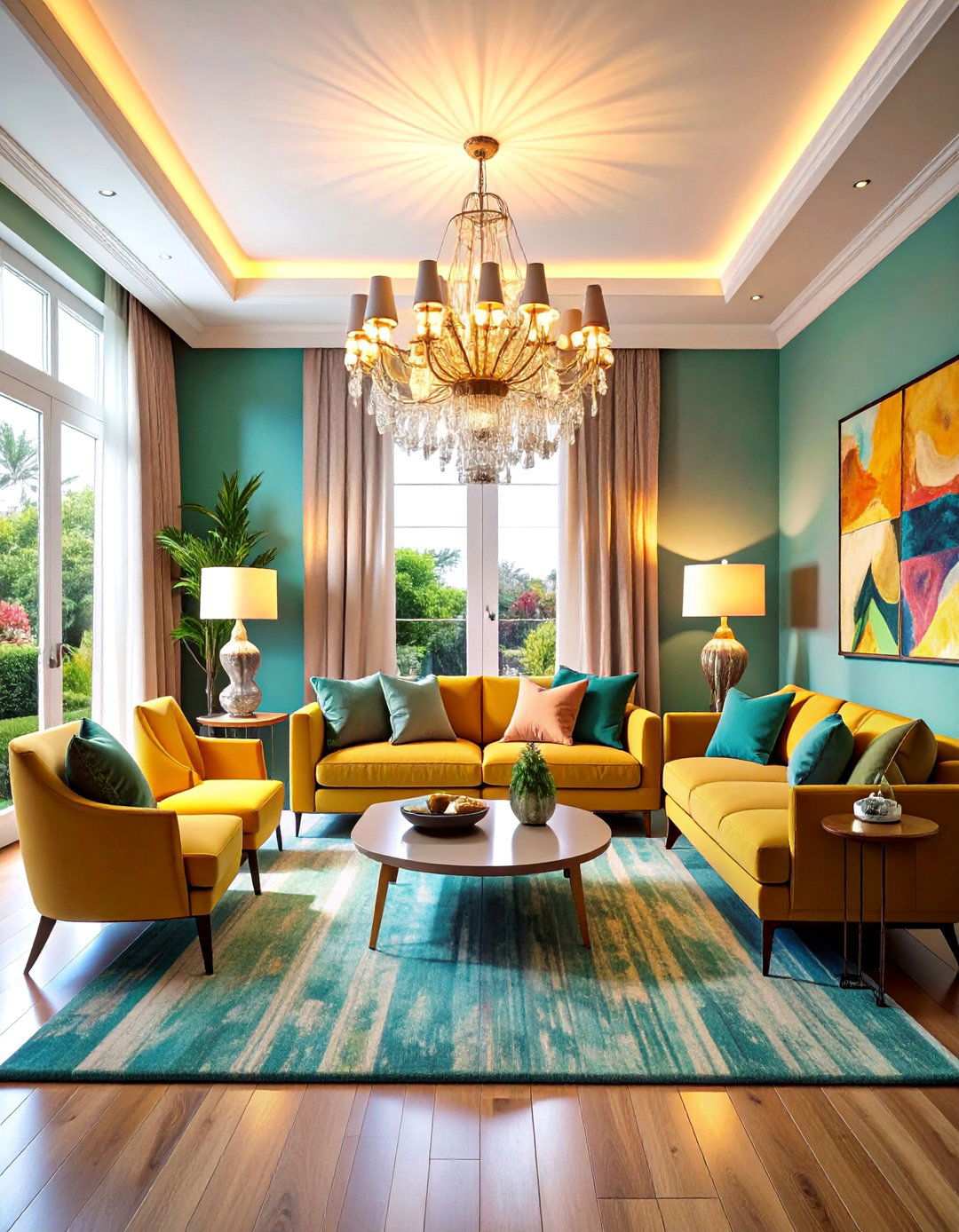
Layered lighting and statement fixtures are making a bold statement in 2025, with sculptural floor lamps, chandeliers, and architectural sconces taking center stage, replacing purely functional lighting options. By incorporating task, accent, and ambient lighting layers, you can inject dimension and warmth into a room, allowing it to effortlessly shift from one mood to another throughout the day. Introducing a chandelier as a focal point can be particularly effective in rooms with unconventional layouts, helping to create a sense of visual balance and harmony. Strategically placing reading lamps near seating areas encourages quiet enjoyment, while carefully balancing lamp placement ensures even illumination throughout the space. Tall, modern floor lamps can be used to add warmth and depth to empty corners, drawing attention to surrounding artwork and creating inviting gallery-like settings. By thoughtfully implementing a layered lighting strategy, you can transform awkward spaces into inviting, expertly designed living areas.
13. Achieving Proportional Balance in High Ceiling Living Rooms
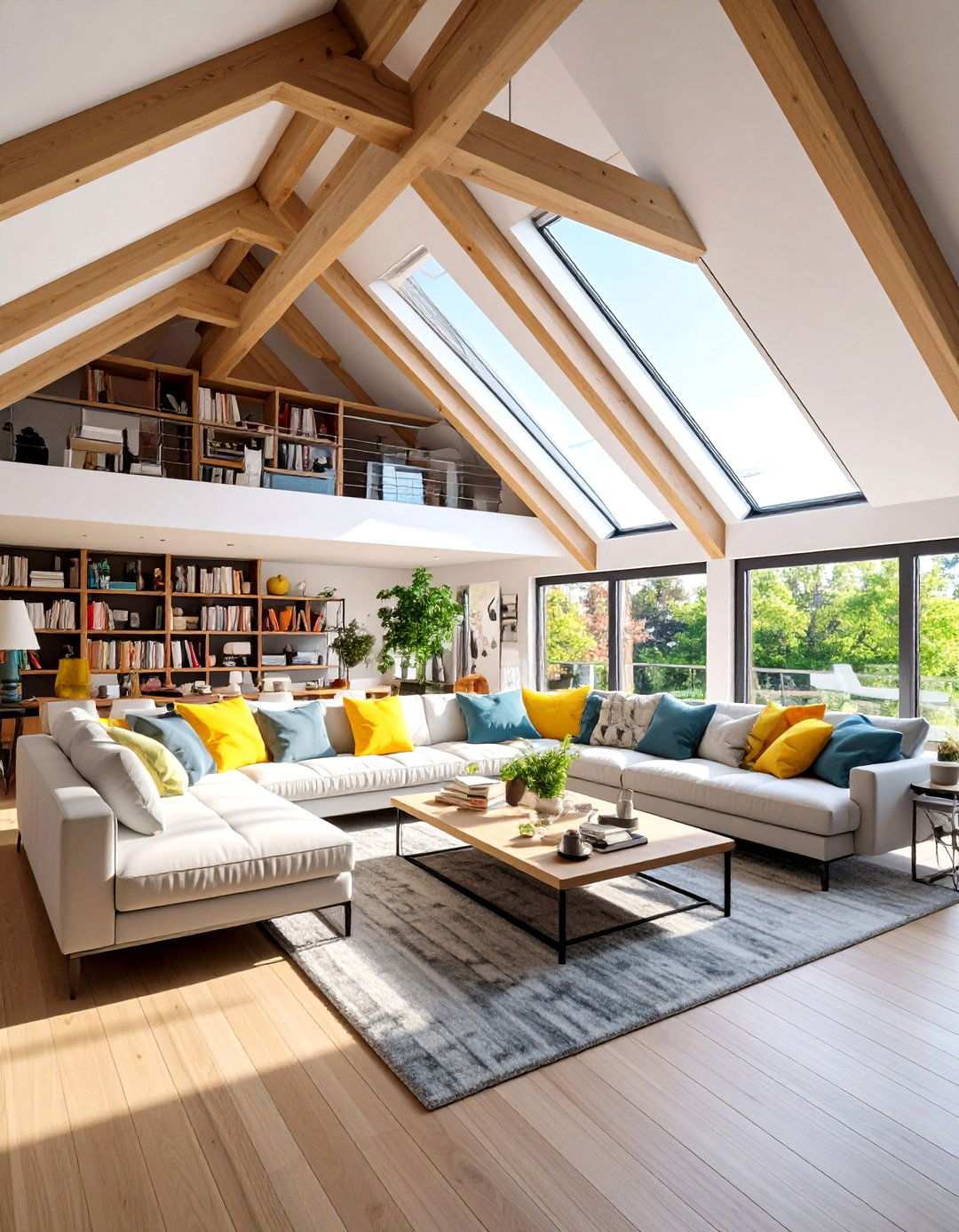
Living rooms with sloping or lofted ceilings often present a unique design challenge, feeling either cramped and confining or expansive and cavernous. To address this, interior designers recommend incorporating built-ins in areas where the ceiling is lowest, making the most of the available space and creating a sense of coziness. When the ceiling is eight feet or higher, defining a central gathering point can help to create a sense of visual balance, while taller zones can be designated for conversation spaces and lower areas transformed into cozy nooks. Dramatic changes in ceiling height can be leveraged to create distinct zones within the room, drawing the eye upward and creating a sense of visual flow. By incorporating tall bookcases or artwork that draws the eye upward, you can create a sense of visual balance with the soaring ceiling. Furthermore, maximizing wall space at different heights can help to prevent the room from feeling disproportionate and disjointed. The ultimate goal is to create intimate seating areas that feel comfortable and inviting, despite the dramatic ceiling height.
14. Seamlessly Integrating Bay Window Spaces
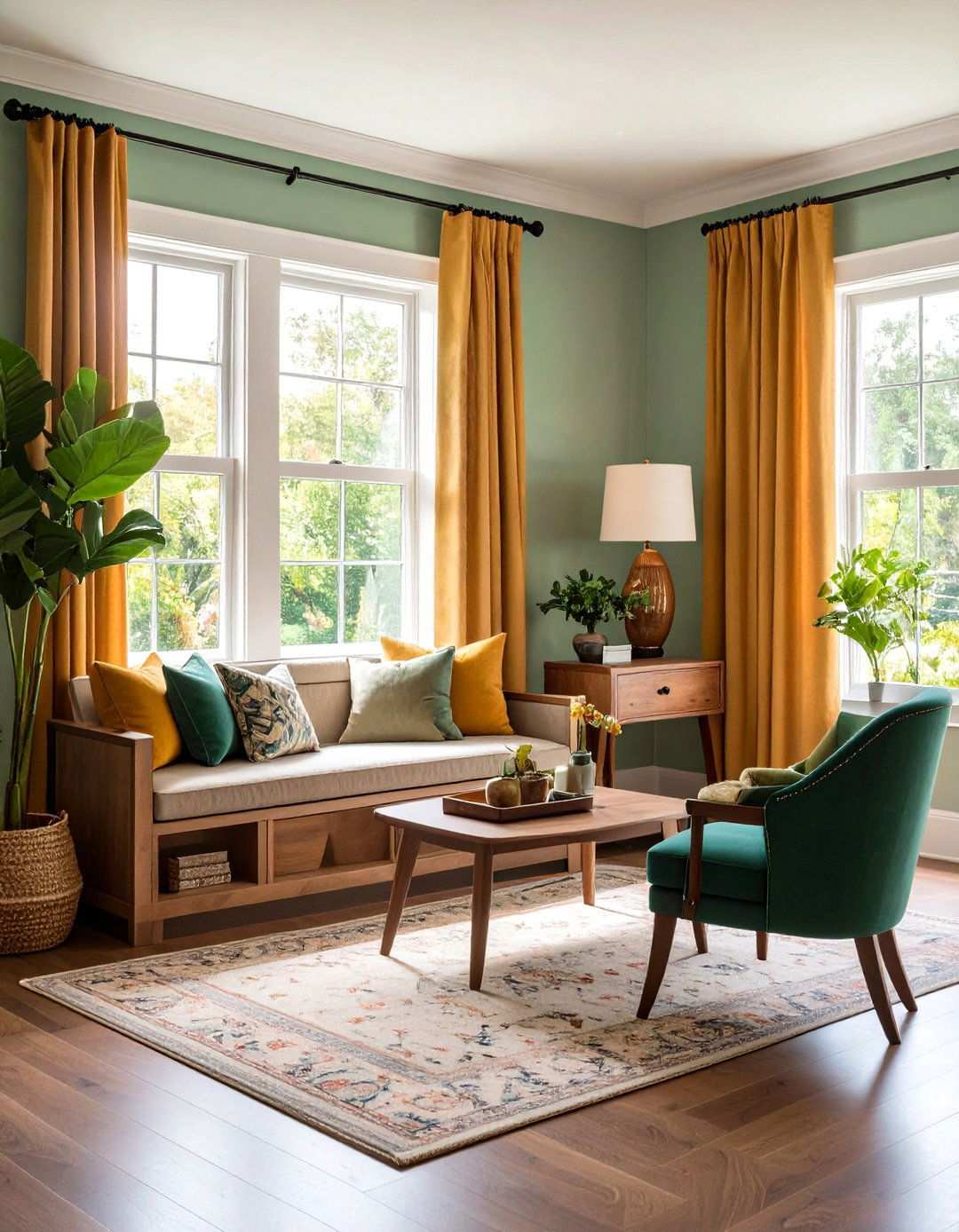
Bay windows bring a touch of natural beauty to a room, but the angled area just inside can create an awkward pop-out that requires thoughtful furniture placement. A built-in bench can be a particularly effective solution, providing seating and storage while embracing the unique architectural feature. The angled area inside bay windows is also an ideal location for placing a small piece of furniture, such as a desk or reading chair. While it may seem counterintuitive to place a couch with its back to a bay window, this can actually work in creating a cozy reading zone, especially when paired with large plants that thrive in the abundant sunlight. By incorporating window treatments that enhance the bay window’s architectural appeal while controlling light and privacy, you can transform a potentially awkward architectural feature into a charming focal point.
15. Elevating the Open Plan Concept
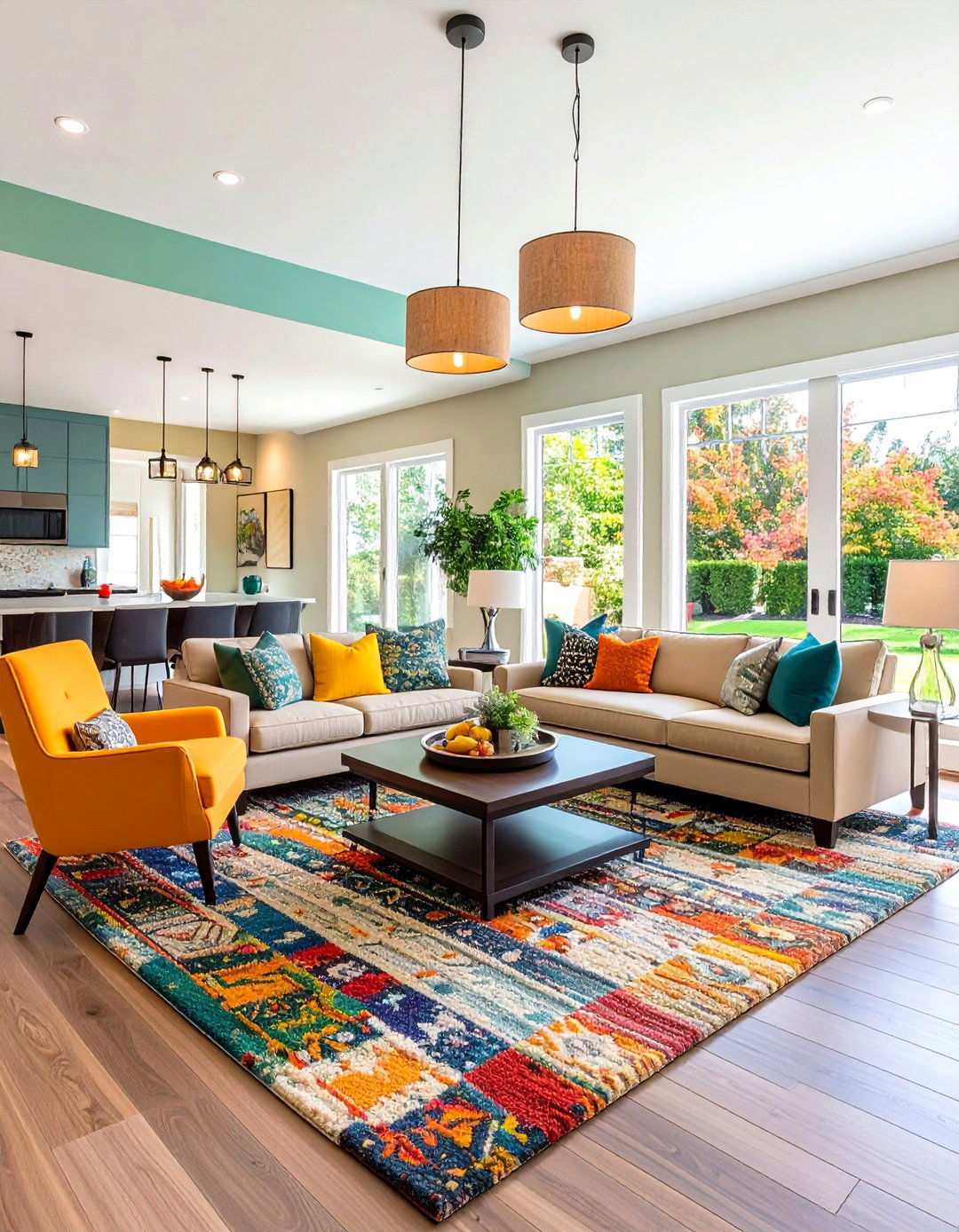
Split-level homes offer a unique opportunity to create visually appealing spaces with distinct functional areas, while maintaining an open plan concept. By embracing the staggered floor levels, you can conceal geometric flaws and create visually interesting zones. Use the varying levels to your advantage by defining spaces without the need for additional room dividers. Angling seating arrangements and incorporating area rugs as visual markers can enhance the natural separation created by the level changes. Consider how sight lines work between levels to ensure that conversation areas remain connected despite the physical separation. To create a cohesive look, focus on design elements that tie the different levels together, while celebrating the unique architectural feature of the split-level design. Proper furniture scaling ensures each level feels proportional and purposeful, allowing you to maximize the potential of your split-level home.
16. Crafting Cozy Zones in Studio Apartments
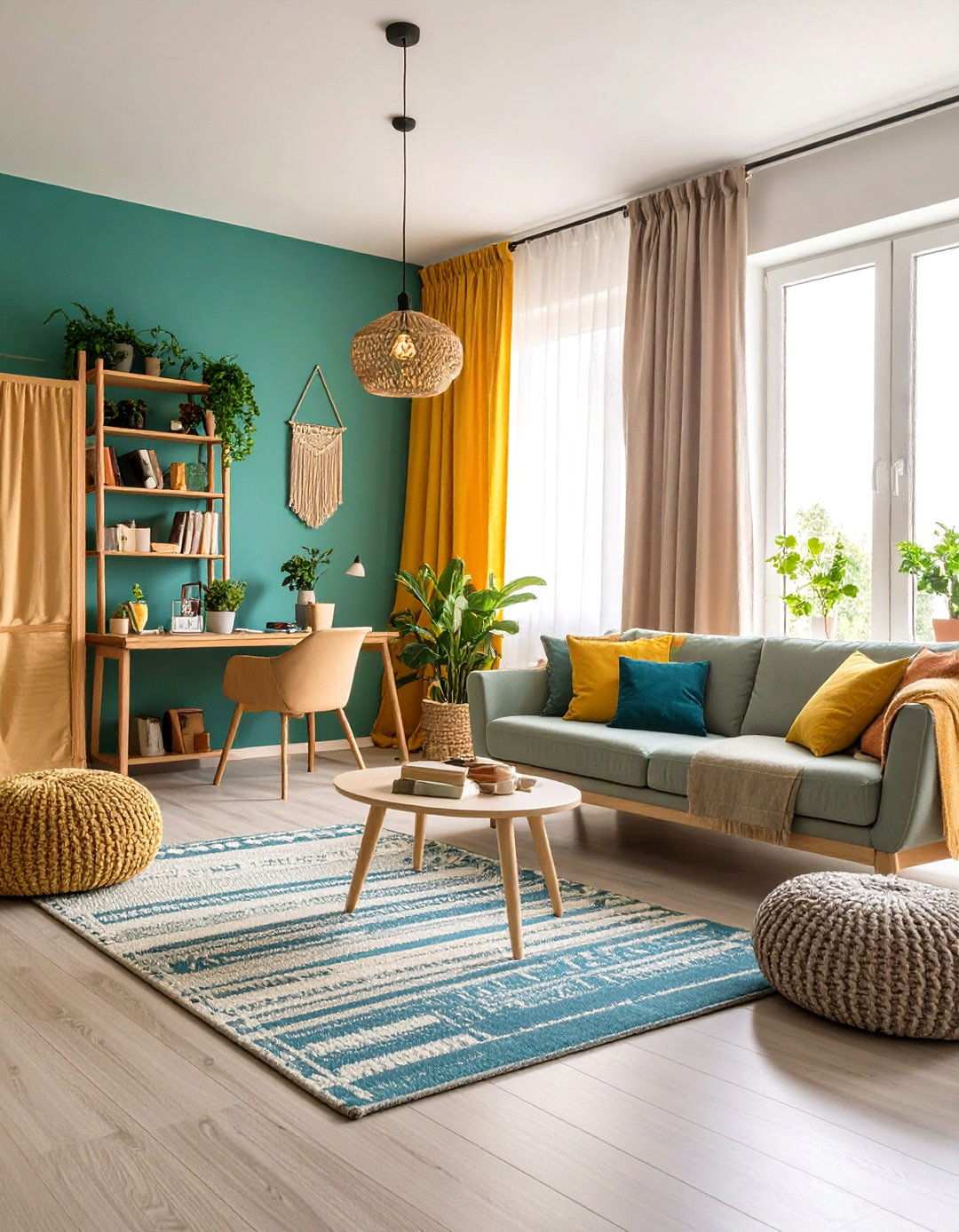
While studio apartments lack distinct areas, they offer the advantage of being able to see every corner and map out creative ideas. To create a sense of separation and define new areas, consider taking a DIY approach with hanging curtains, portable folding screens, or standalone bookshelves that double as room dividers and storage solutions. By working with the available space, you can create multiple functional zones that make the most of the studio’s compact footprint. Use different flooring materials or area rugs to visually separate the living area from sleeping and dining spaces, creating a sense of distinction without sacrificing the open feel that makes studios appear larger. Floating furniture can be used to create distinct zones while maintaining the sense of spaciousness, while console tables and chairs behind sofas can provide convenient workstations that don’t encroach on the main living area. With smart zoning, studio living can be both comfortable and functional.
17. Embracing Off-Center Features
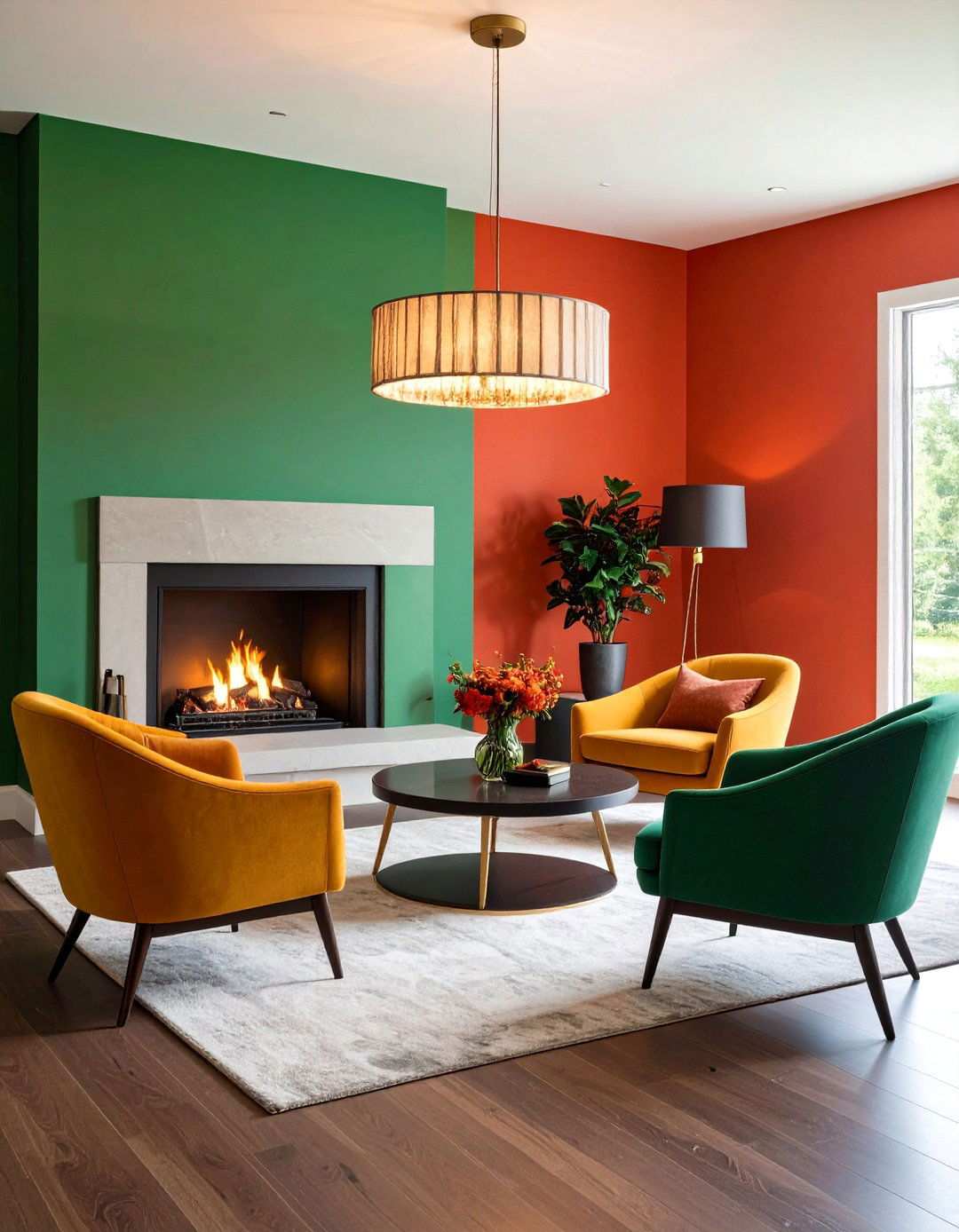
Rather than trying to hide off-center fireplaces or awkwardly placed windows, why not make them the focal point of your living room design? By embracing their unique placement, you can create a sense of asymmetrical balance that adds character to your space. Use furniture placement and accessories to complement rather than compete with the off-center feature, allowing it to take center stage. Paint the surrounding walls a contrasting color to add flair and bring focus to areas that might otherwise feel lost. Experiment with different wallpapers, textures, and lighting options to create the ambiance you want, rather than accepting the space as it is. By incorporating off-center features into your design, you can turn them into distinctive design elements that add to the charm of your living room.
18. Rectangular Living Room Circular Layout
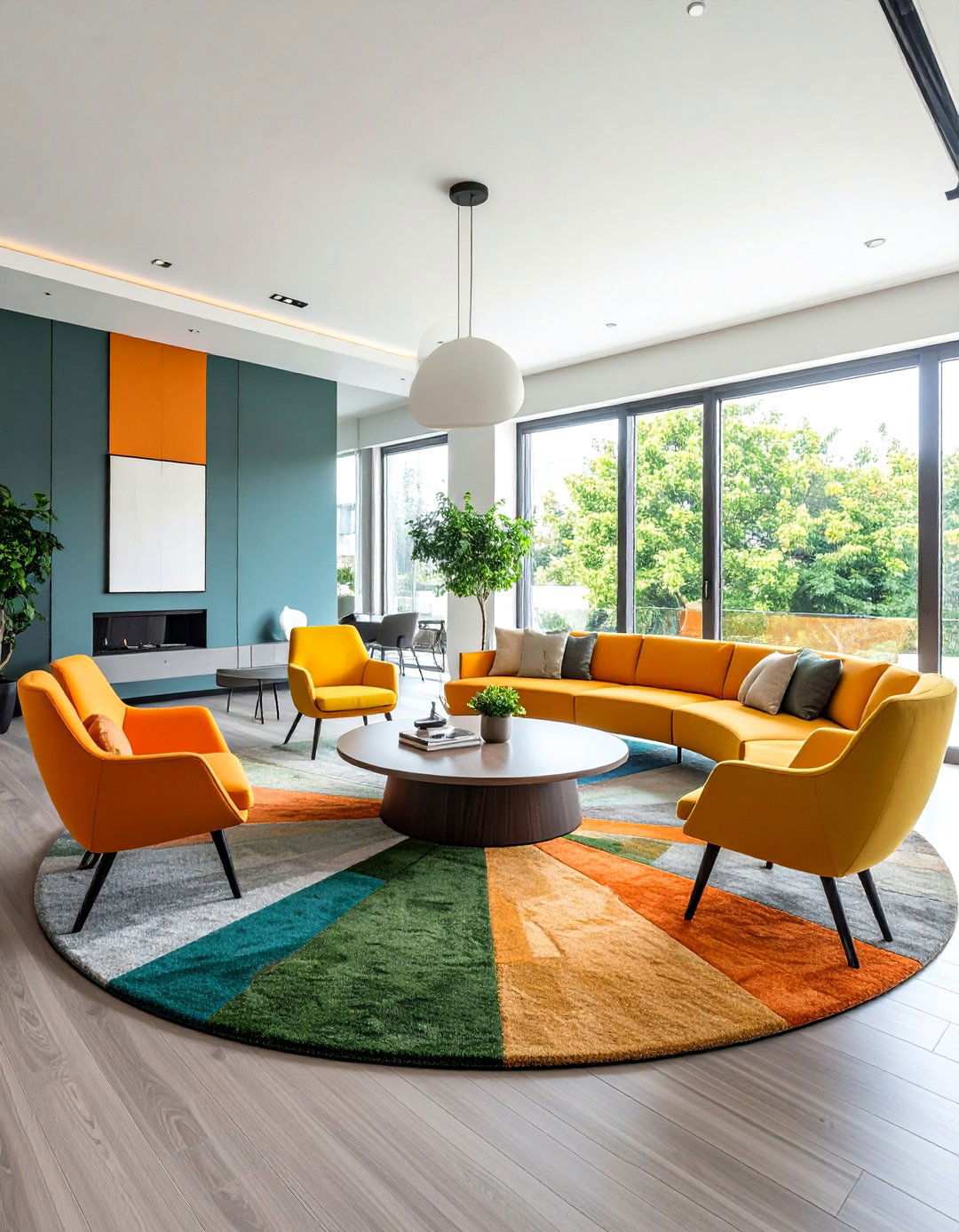
Incorporating a circular layout in an awkwardly shaped living room can foster a sense of coziness and comfort. To achieve this, consider positioning furniture in the center of the room around a circular coffee table. This setup creates a harmonious, intimate atmosphere by breaking up the rigid lines of a rectangular space. By opting for round shapes in rooms with angular boundaries, interior designers aim to create a visually appealing contrast. Begin with a circular focal point, such as a round table or ottoman, and arrange other furnishings in a circular pattern around it. The deliberate placement of furniture encourages movement that is more aesthetically pleasing. Before finalizing the layout, assess how it affects traffic flow and ensure sufficient space for movement.
19. Closet Conversion Living Room Extensions
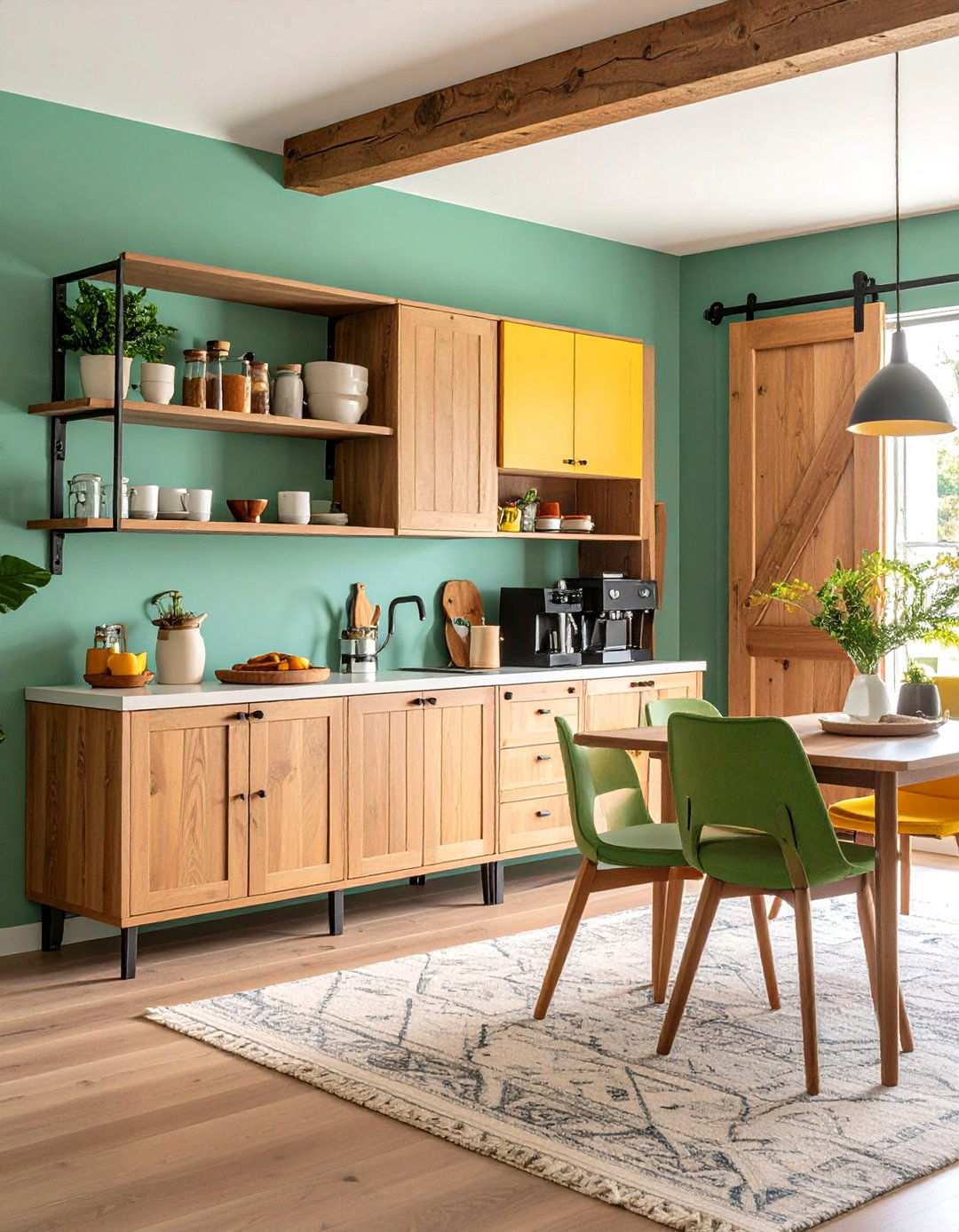
Repurposing a large, shallow closet into a functional living room extension can be an ingenious way to maximize space. By removing closet doors and replacing shelving with practical setups, you can create a multifunctional area. Install open shelves in wall recesses to house a dry bar or coffee station, and consider incorporating a small sideboard for additional storage. Turn under-stair nooks into inviting home office workstations with desks, chairs, and wall-mounted lighting. These hidden spaces can also serve as compact home offices, equipped with mounted desktop surfaces and shelving for storing essential items. Swap traditional swinging doors for sliding barn-style doors that seamlessly blend into the wall. With creative repurposing, architectural oddities can be transformed into valuable living room extensions.
20. TV-Free Living Room Formal Arrangement
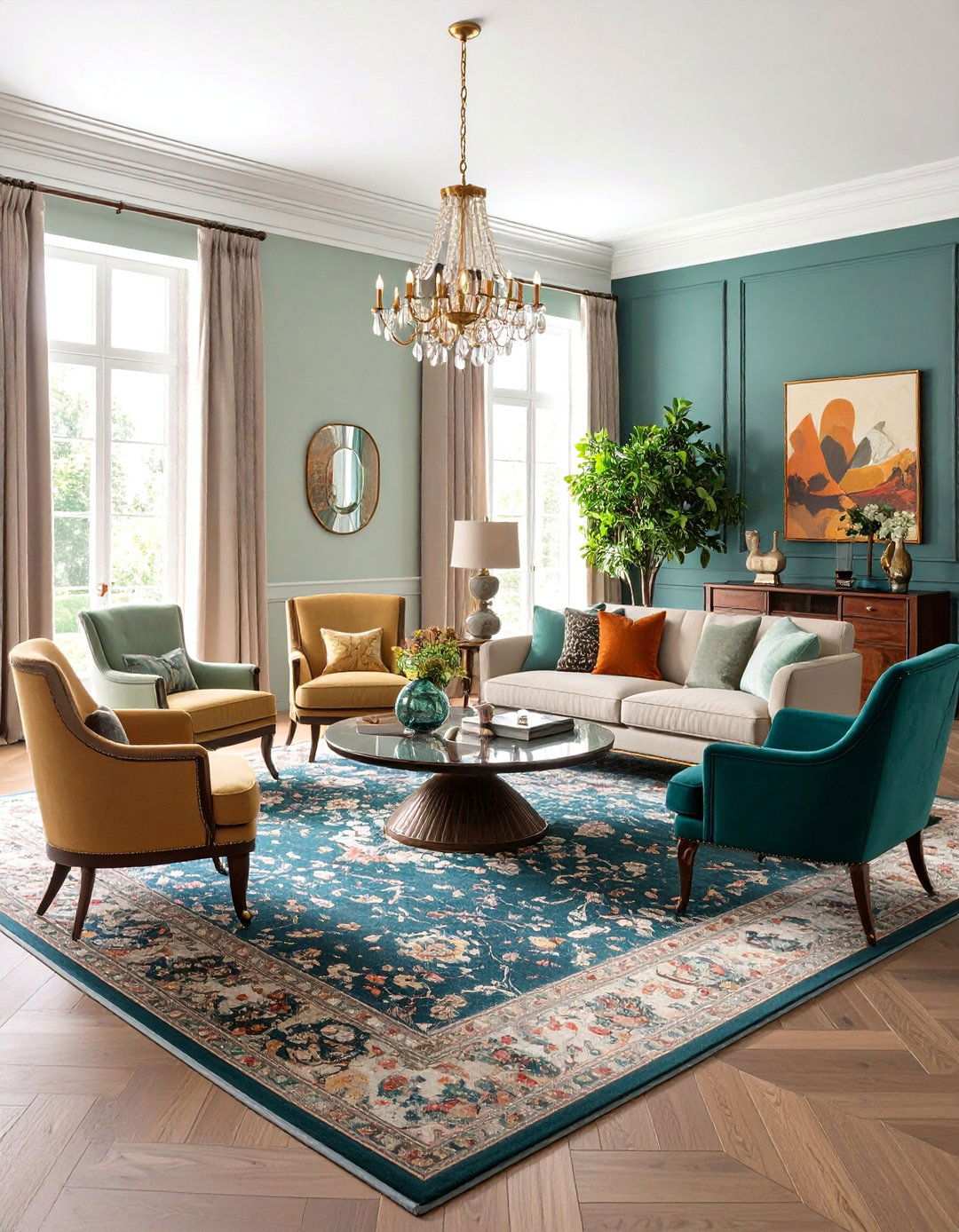
As we look to the future, there’s a growing trend towards designing separate living rooms that prioritize social interaction and aesthetic enjoyment over technology. Drawing inspiration from the 1930s, designers are crafting elegant spaces that serve as conversation hubs and serene retreats. If your living room’s layout makes it difficult to find a wall for a flat screen, consider relocating the TV to another room. Focus on creating furniture arrangements that encourage face-to-face interaction and minimize disruption caused by circulation. Design cozy reading zones separate from main conversation areas to make the most of odd corners. By layering spaces with a focus on quiet moments and lively gatherings, designers can transform awkward layouts into sophisticated, purposeful living spaces that exude a unique charm.