1. Capturing Woodland Charm with Native Azaleas
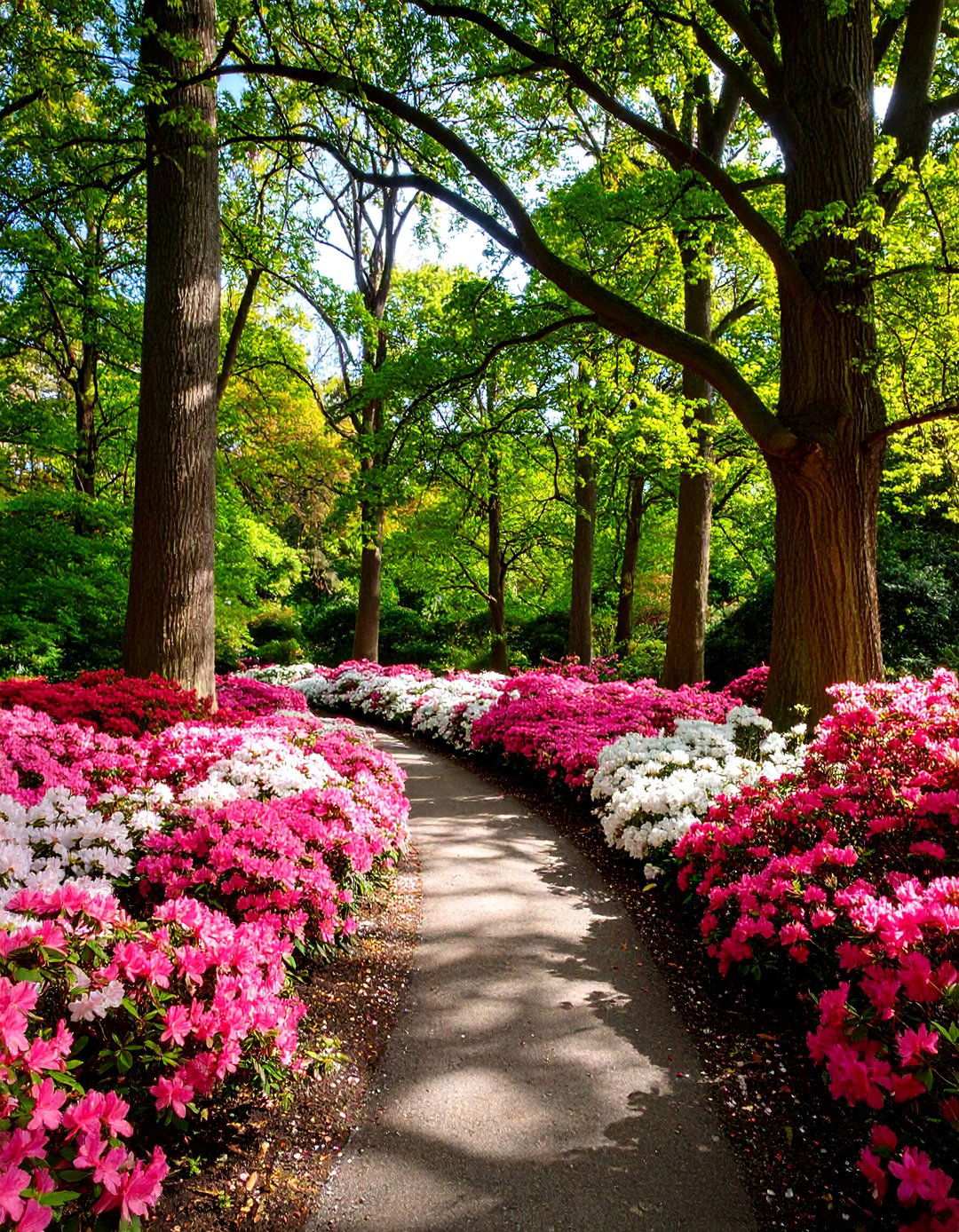
Native azaleas have a natural affinity for woodland settings, where they thrive in the soft filtered light beneath towering trees. By incorporating these stunning shrubs into your woodland sanctuary, you can create an enchanting atmosphere that showcases their effortless elegance. Native azalea varieties come in a kaleidoscope of colors, ranging from delicate blush tones to vibrant scarlet hues. Planting them in groups under established trees allows their natural beauty to shine, creating a breathtaking display that’s especially captivating when paired with woodland perennials like ferns, hostas, and wild ginger. The layered interest and subtle texture of these companions elevate the overall aesthetic, drawing the eye through the garden and inviting exploration. As you wander through this serene woodland setting, meandering paths guide you on a journey of discovery, highlighting the varying shades and shapes of azaleas throughout the seasons.
2. Elevating Your Home's Exterior with Encore Azalea Foundation Displays
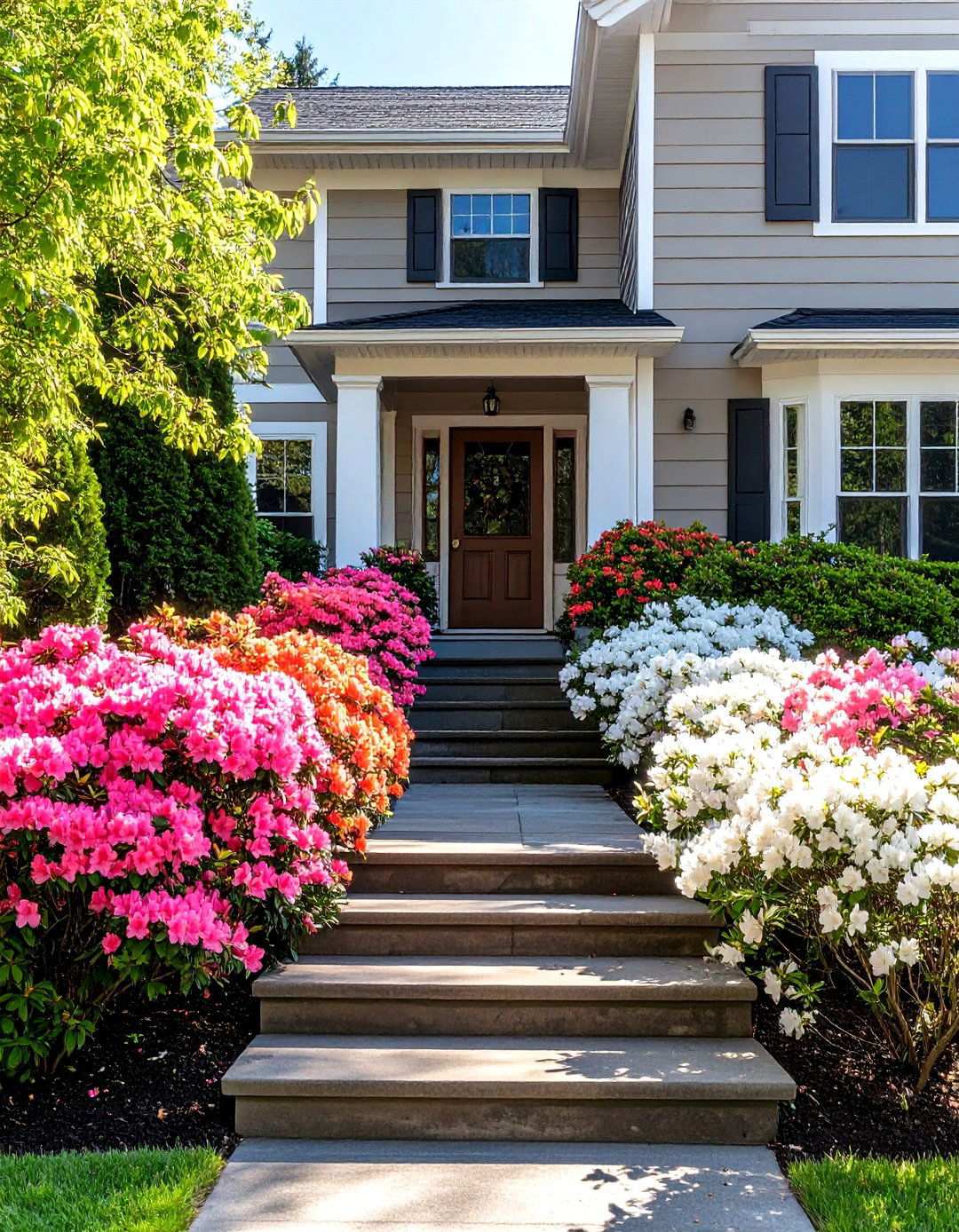
Encore azaleas stand out for their unique ability to bloom in spring, repeat in summer, and culminate with a spectacular finish in fall. By incorporating these reblooming azaleas into your foundation plantings, you can create a stunning visual display that transforms your home’s exterior and maintains year-round appeal. To achieve this, use medium-sized Encore azalea varieties as formal plantings along streets, sidewalks, or to define garden rooms. For smaller spaces, compact varieties like Autumn Chiffon deliver a lush, full appearance. Meanwhile, intermediate-sized varieties add depth and drama to larger areas. Layering different heights and colors creates visual interest, while selecting azaleas with flower colors that harmonize with your home’s architecture and surrounding landscape adds an extra layer of sophistication. With their extended blooming period, these evergreen shrubs ensure your foundation remains a vibrant, dynamic focal point throughout most of the growing season.

As an Amazon Associate I earn from qualifying purchases.
3. Crafting a Petite Paradise with Container Azaleas
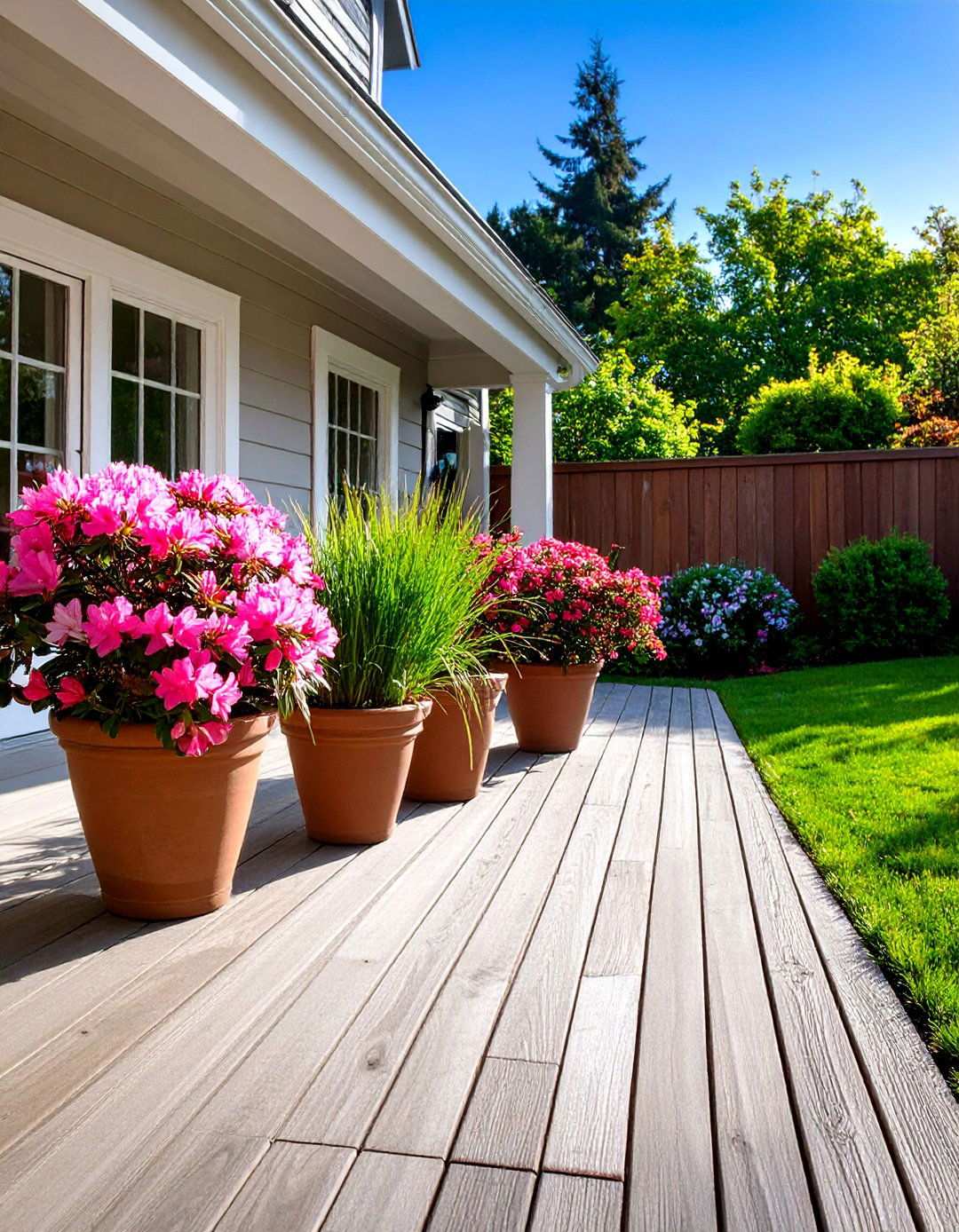
Incorporating containers into your open patios and decks can create visually appealing spaces by delineating areas with varying elevations. Azaleas pair perfectly in containers of different sizes and materials, allowing for a stunning patio oasis. The versatility of this approach lies in the Container Oasis technique, which makes it easy to rearrange your space seasonally and maintain a low-maintenance outdoor setting. Choose containers that not only complement your outdoor aesthetic but also provide sufficient drainage for healthy root growth. Strategically place pots near deck entrances or create living walls that offer a sense of enclosure while preserving the openness of the area. Combine dwarf azaleas with ornamental grasses and ferns to add textural depth and year-round interest. This method is particularly suitable for urban balconies, small patios, or areas where ground planting is not feasible. Smaller azalea specimens can be planted individually or with other plants to create a multi-seasonal display that adds visual appeal to the space.
4. Establishing a Formal Border with Azaleas for Added Privacy
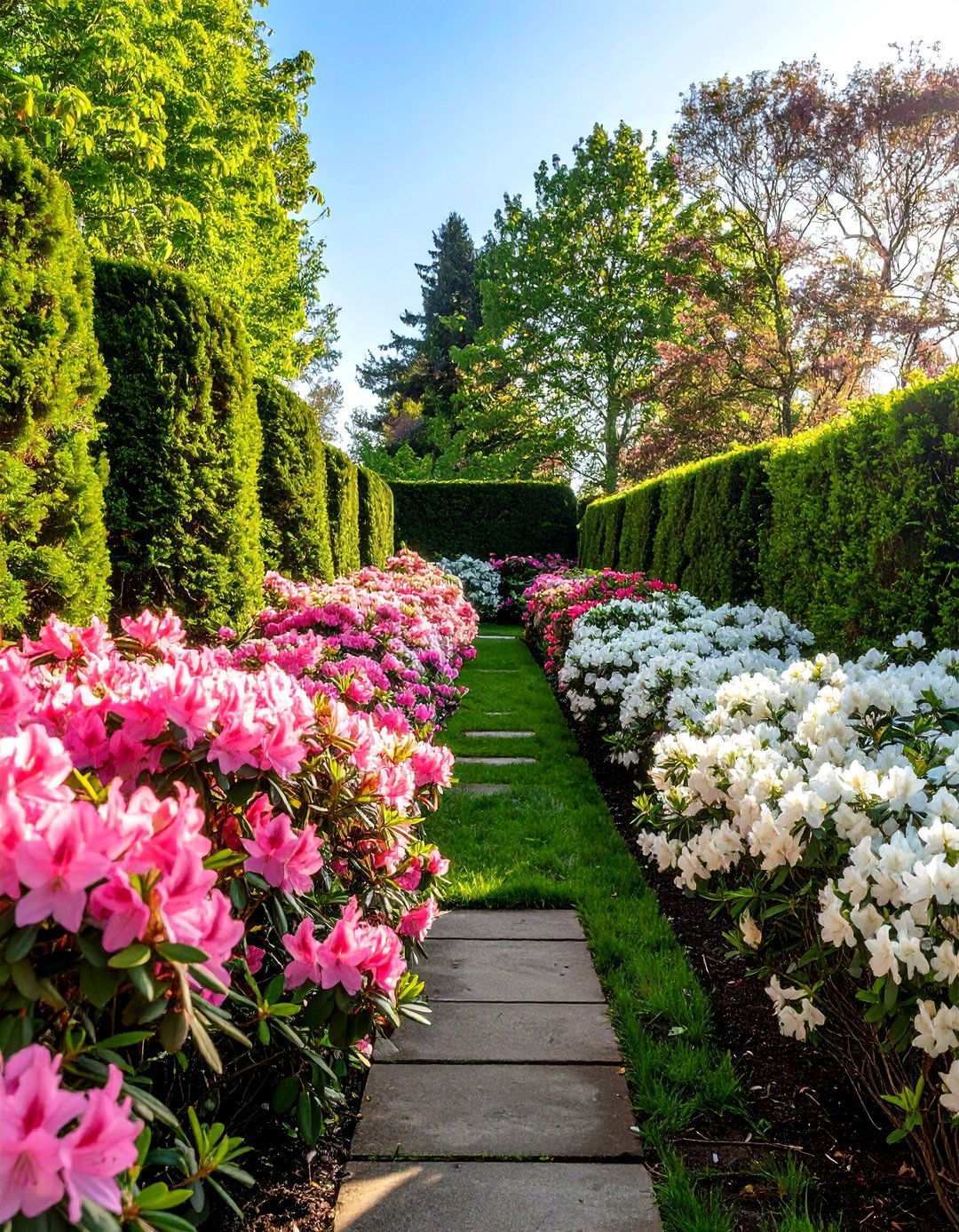
Azaleas, particularly medium-sized varieties, make an excellent choice for formal clipped hedges that divide garden rooms or create private screens. A living border made from evergreen azalea varieties offers both seasonal blooms and year-round structure. By selecting taller varieties, you can create informal hedges that not only screen views but also bloom beautifully during the spring season. To maintain consistency along the hedge line, choose varieties with similar growth habits and mature sizes. Most azalea varieties are evergreen, providing year-round interest and making them an ideal choice for screening purposes. When planting, space specimens 3-4 feet apart to allow for eventual fill-in, taking into account their mature spread. By selecting the right varieties for your available space, you can avoid excessive pruning and maintain the natural beauty of azalea blooms. This approach creates defined garden areas while providing a stunning backdrop for other plantings, ensuring privacy and wind protection.
5. Orchestrating a Vibrant Color Sequence with Azaleas
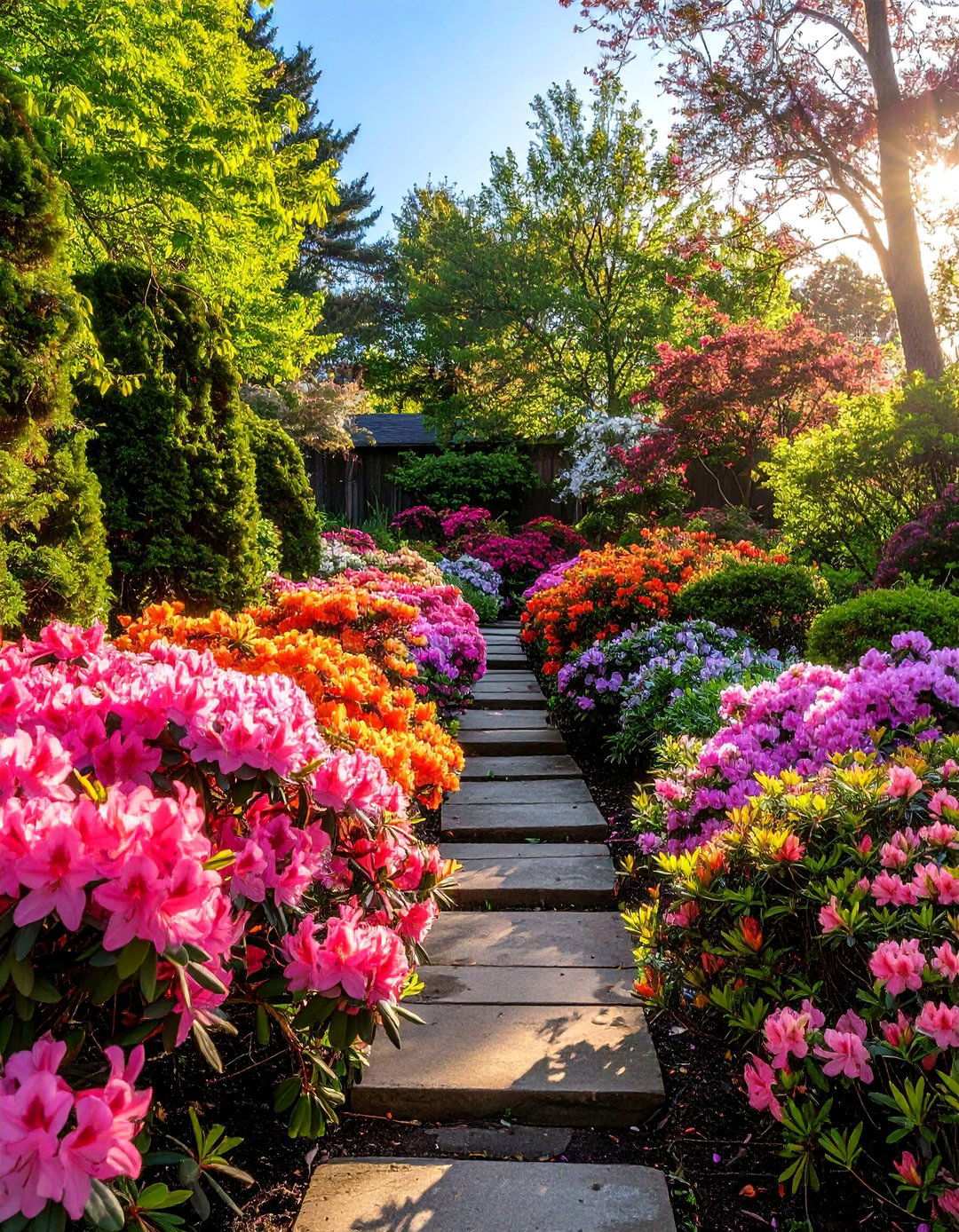
Azaleas can be strategically planted to create a stunning color progression, with one variety fading as its neighbor opens, extending the color period. To achieve a sophisticated color sequence, plan a palette that includes early, mid-season, and late-blooming azalea varieties. Some early-blooming varieties, like Fragrant Star, bloom in December, while others, such as Lee’s Dark Purple, bloom in early summer. By selecting a mix of early and late-blooming varieties, you can create a nuanced tapestry of color that brightens the landscape for extended periods. Position your azalea varieties strategically to create a natural progression of blooming waves through your garden. Consider bloom timing when grouping your azaleas, either creating synchronized displays or flowing seasonal transitions. To maintain interest between azalea seasons, include companion plants that bloom at different times. This technique transforms a simple azalea planting into a dynamic, ever-changing landscape feature that provides months of continuous beauty.
6. Cultivating Harmonious Gardens with Azalea and Companion Planting
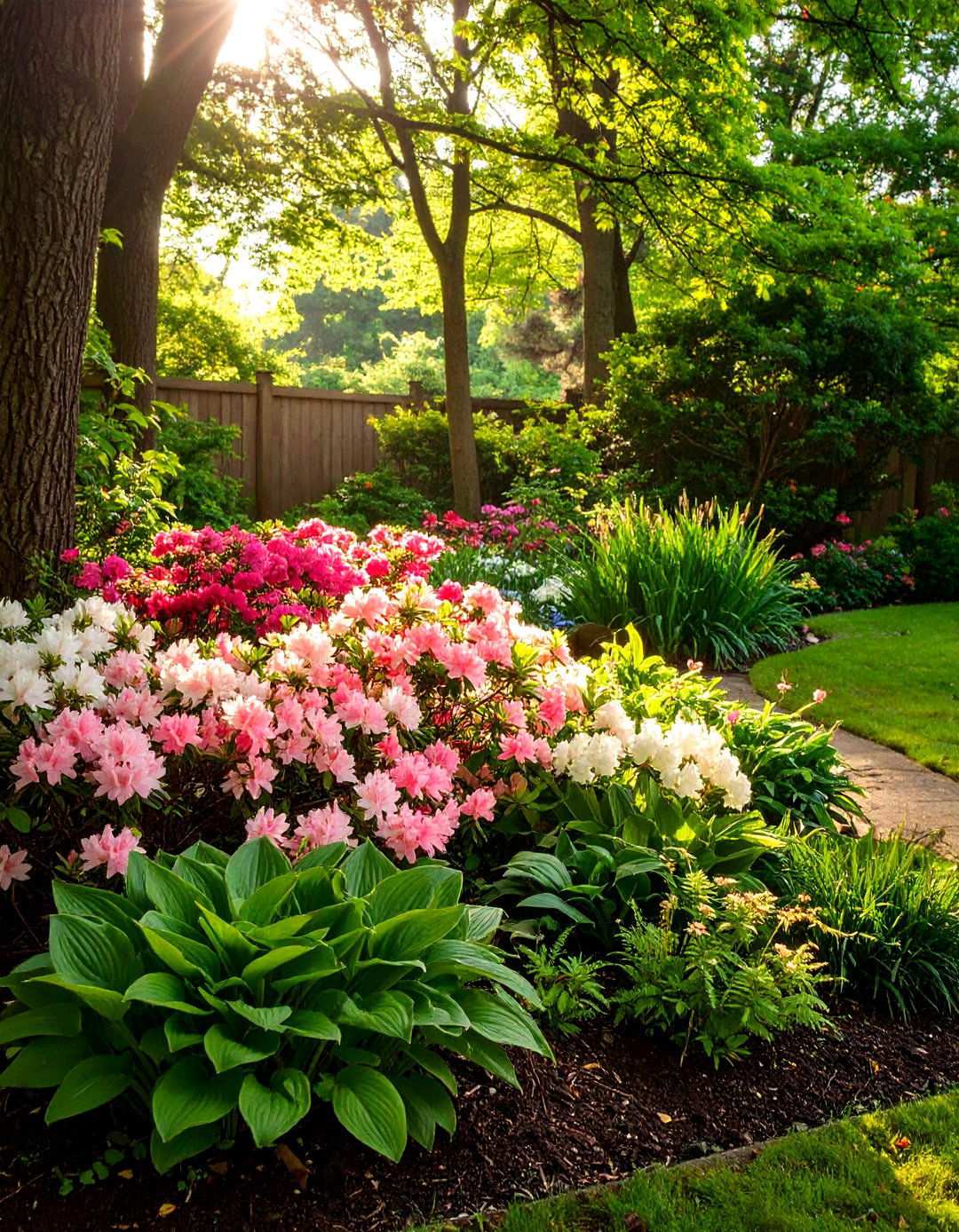
When paired with the right companion plants, azaleas can become the stars of a vibrant, layered garden. Shade-loving hostas, delicate ferns, and acid-loving perennials make excellent partners for azaleas, all requiring similar growing conditions. By combining azaleas with woodland perennials such as Solomon’s seal, wild ginger, and hostas, you can create visually stunning gardens with a rich tapestry of textures. Adding a splash of color with spring-blooming bulbs like crocus, daffodils, and muscari can kick-start the growing season in style. However, choose companion plants that won’t compete for moisture, given azaleas’ shallow root systems. Ornamental grasses like Maiden Grass and Pink Muhly bring a striking contrast to azalea foliage, while thoughtful layering ensures low-growing perennials take center stage and taller shrubs provide a dramatic backdrop. This symbiotic approach yields gardens that captivate with year-round interest, blending the showstopping spring display of azaleas with complementary plants that extend the seasons of beauty.
7. Intertwining Azaleas and Rock Gardens for Optimal Landscaping
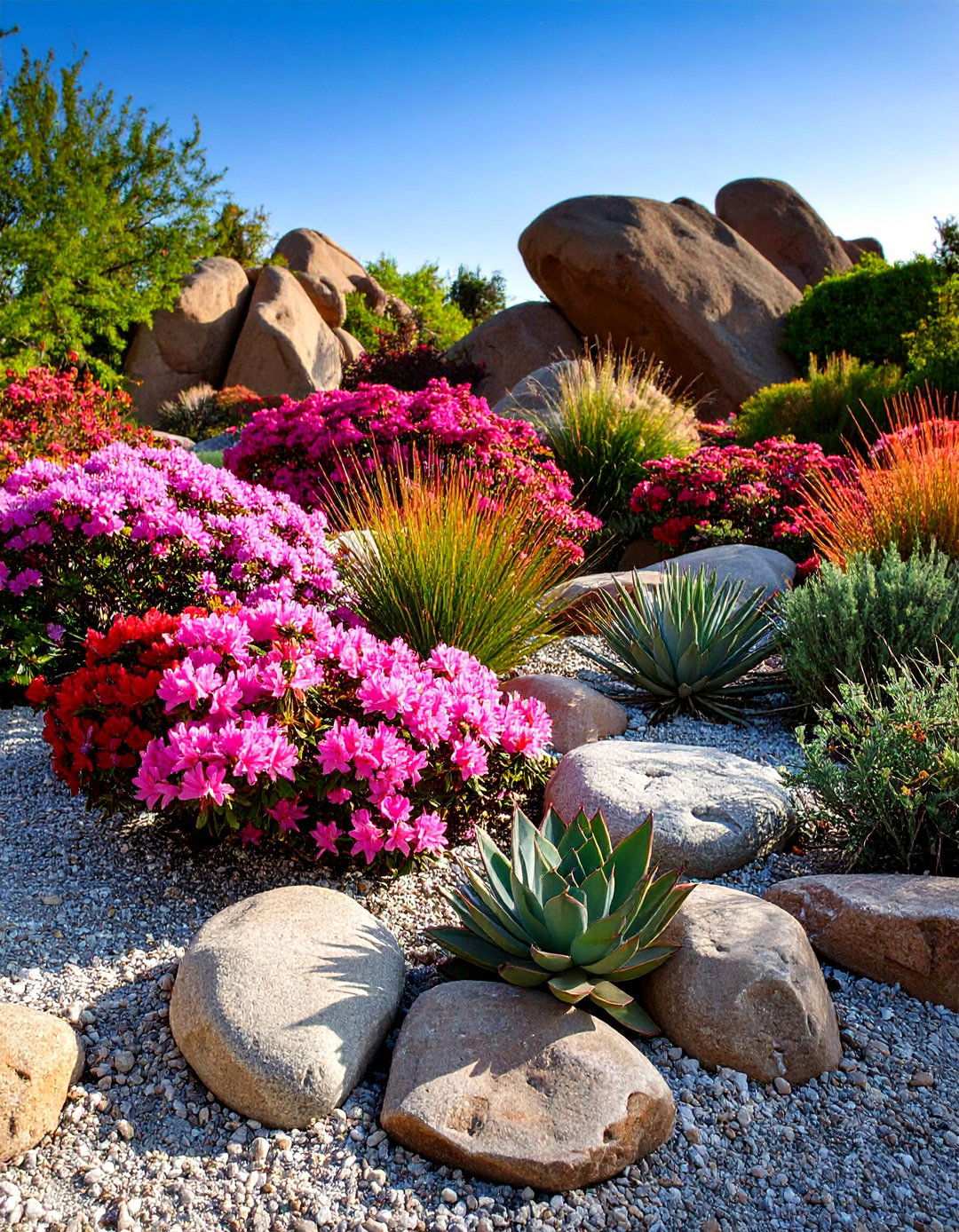
Rock gardens have regained popularity due to their unique blend of texture and visual allure, along with the added benefit of excellent drainage. By integrating azaleas into a rock garden design, you can create a visually striking landscape with drought-tolerant companions. Azaleas thrive in well-draining soil, making rock gardens an ideal platform for their growth. Combining the rugged beauty of natural stone with the delicate charm of azaleas yields a balanced aesthetic, perfect for modern garden design. Strategically position azaleas in pockets of amended soil between rock formations to ensure optimal drainage without sacrificing soil moisture. When choosing azalea varieties, opt for compact species that harmonize with the scale of your rock garden. Furthermore, select natural stone hues that complement the colors of azalea blooms for a cohesive design. This approach proves particularly effective on slopes or areas with drainage concerns, generating eye-catching focal points while resolving real-world landscaping challenges.
8. Elevating Your Cutting Garden with Azaleas for Fresh Arrangements
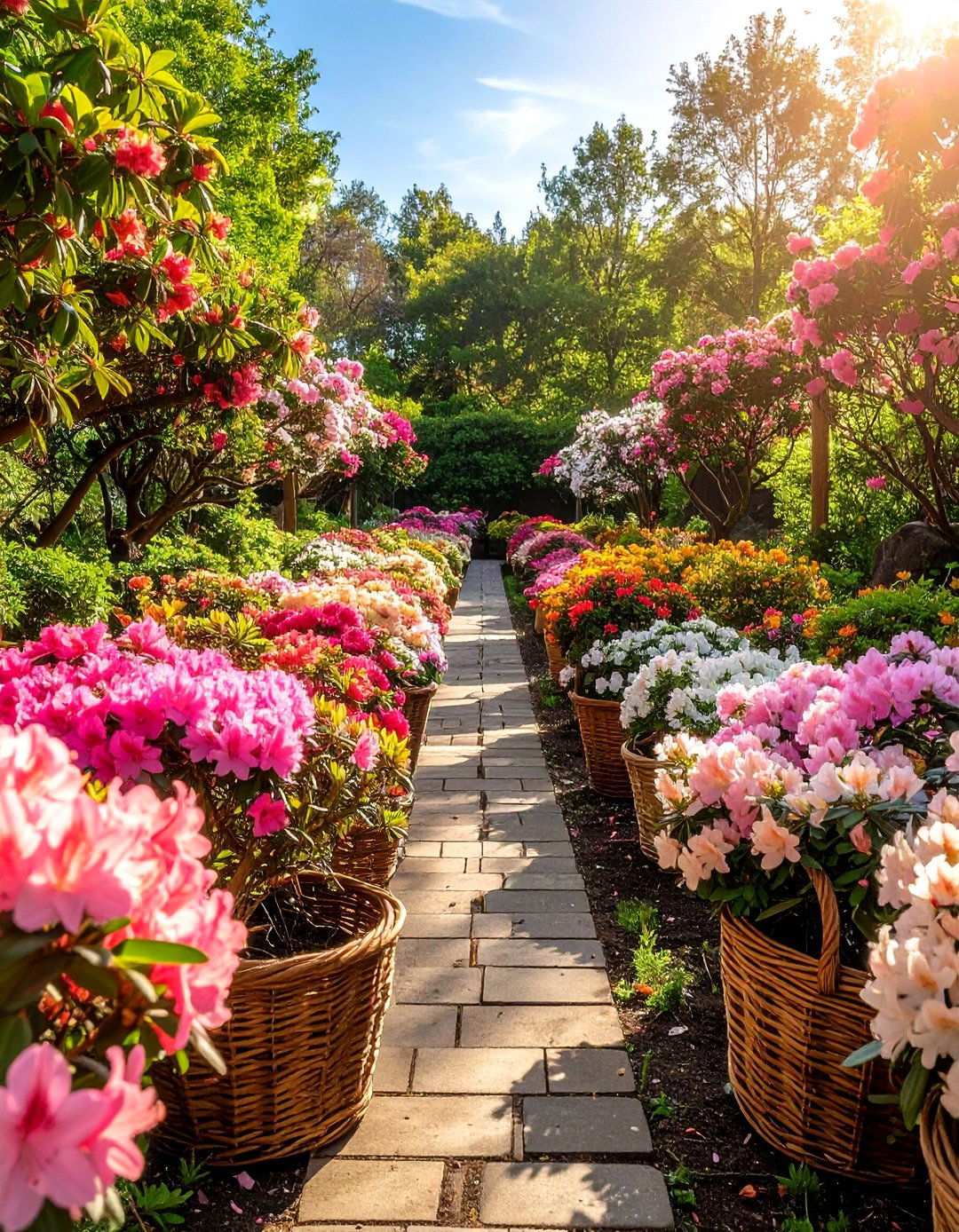
Cutting gardens are becoming increasingly popular, as they not only provide a visually stunning feature but also yield an abundance of fresh flowers for indoor arrangements. By cultivating a dedicated cutting garden centered around azalea varieties, you can enjoy an extended cutting season. Consider incorporating native azaleas, which boast fragrant blooms reminiscent of honeysuckle, perfect for adding a touch of elegance to any room. Organize your azalea plantings in rows or blocks for effortless harvesting, selecting varieties with diverse bloom times to ensure a continuous supply of cut flowers. Opt for azaleas with exceptional flower color and form, as many cultivars have been specifically bred for their ornamental qualities. By incorporating early and late-blooming varieties, you can enjoy fresh azalea blooms from spring to summer. Site your cutting garden in a location with partial shade and excellent air circulation, and don’t forget to include pathways between plantings for easy maintenance and harvesting. This thoughtful approach not only provides a bounty of fresh flowers but also creates a beautiful, functional landscape feature.
9. Reimagining Sloping Landscapes: Terraced Azalea Gardens for Erosion Control and Aesthetic Appeal
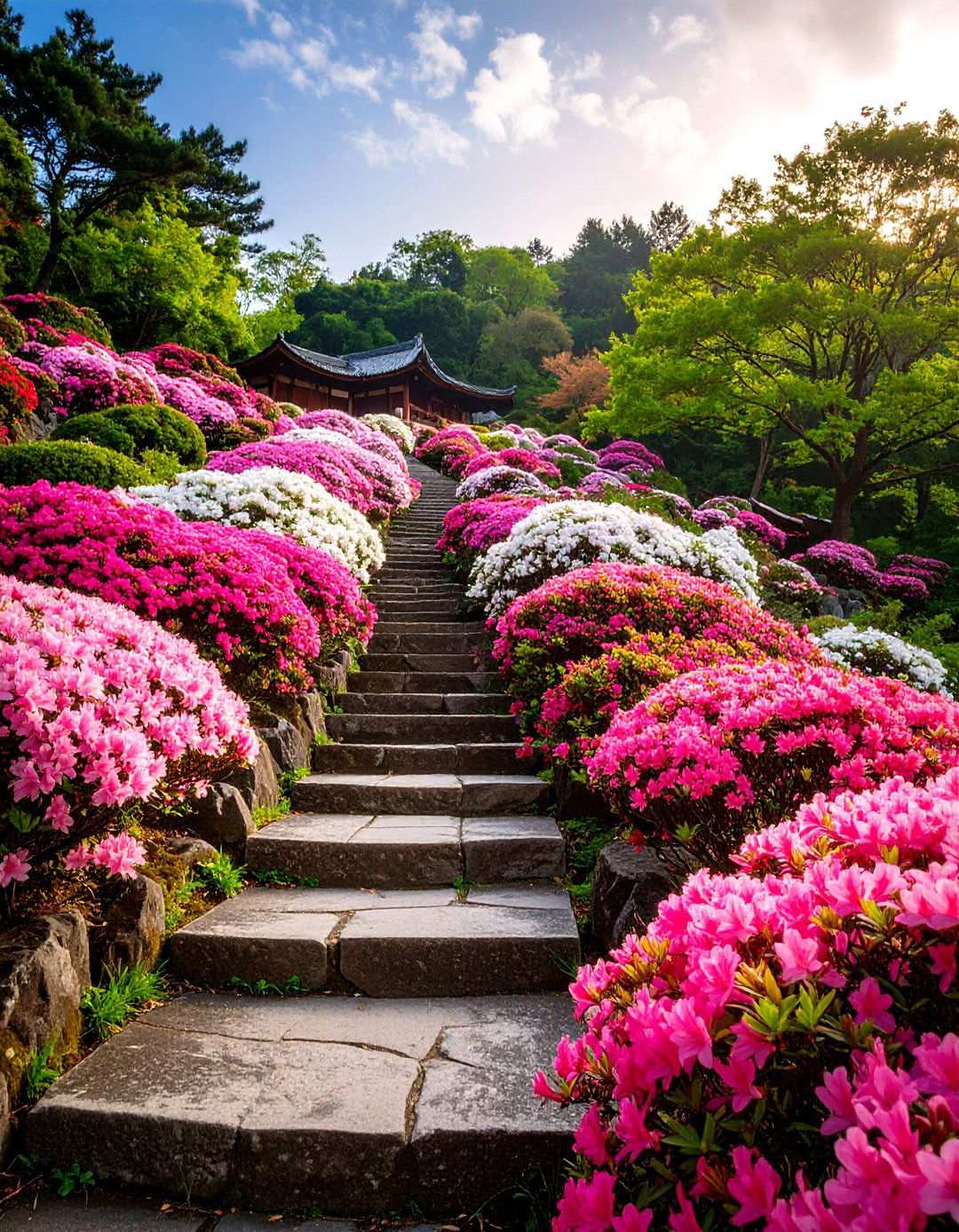
Terraced azalea gardens offer a unique opportunity to turn challenging hillside terrain into a breathtaking work of landscape art. By embracing the natural contours of the land, you can create a stunning multi-level display that not only controls erosion but also showcases the beauty of azaleas. Planting azaleas en masse along slopes or hillsides is an effective way to mitigate erosion, and the end result is a harmonious color display that appears effortless, thanks to the plants’ natural, uncluttered growth habit. To create a visually striking display, employ retaining walls or natural stone terraces to create multiple levels, placing taller azalea specimens on upper levels and shorter ones below. This staggered approach yields a flowing color display that ebbs and flows naturally through the landscape. To prevent water accumulation and ensure the long-term success of your terraced garden, install proper drainage systems within each level. The result is a showstopping landscape feature that combines stunning azalea blooms with the added benefit of slope stabilization and dramatic architecture.
10. Fragrant Azalea Oasis for Aromatic Escapes
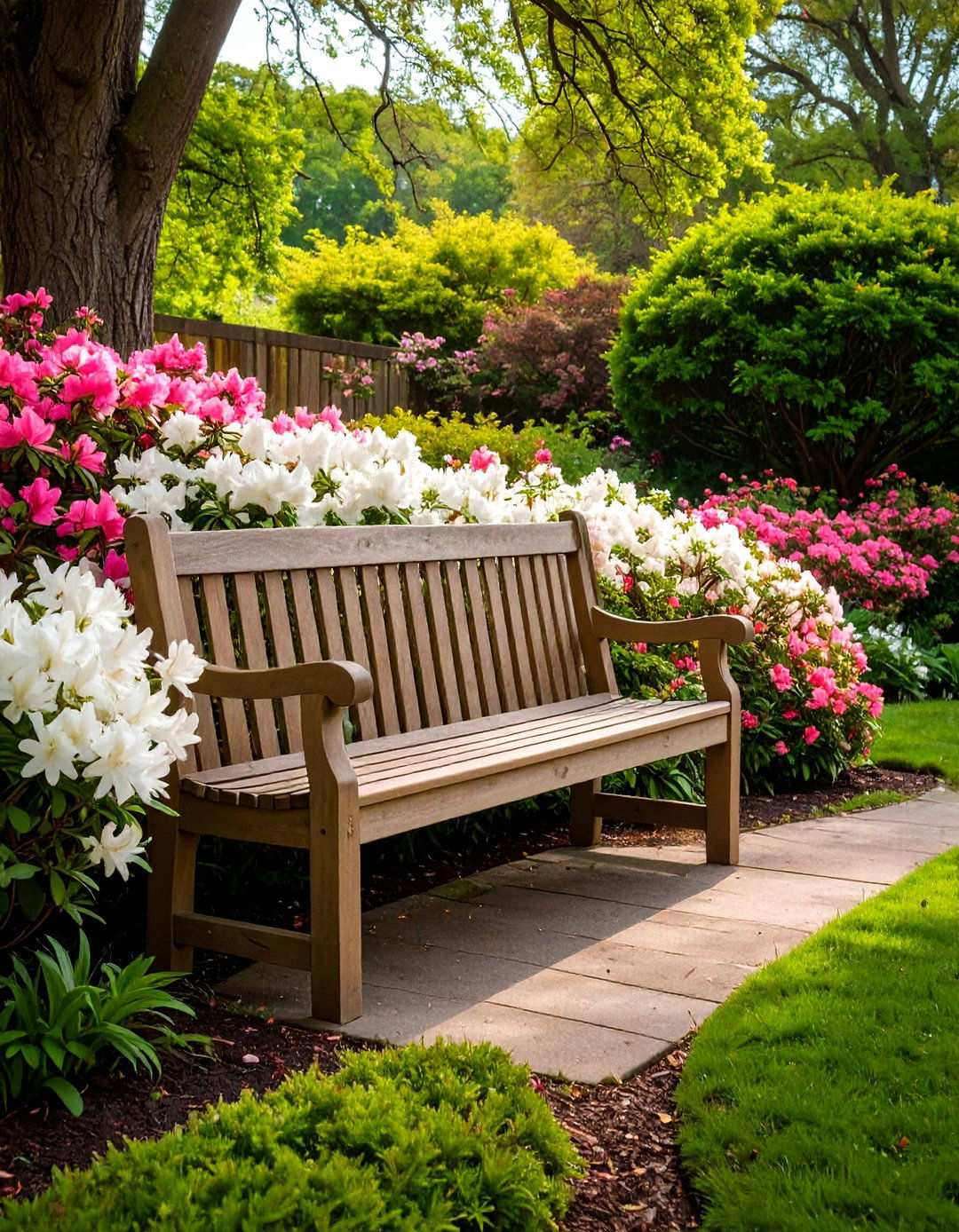
Transform your outdoor space into an aromatic haven by incorporating fragrant azalea varieties that tantalize multiple senses throughout the growing season. Native azaleas possess an enchanting scent that transcends their visual appeal, making them the perfect addition to a sensory garden. Strategically position these fragrant varieties near seating areas, walkways, or windows to maximize the sensory experience. The Fragrant Star Azalea takes center stage with its early season blooms and intoxicating fragrance. By combining multiple fragrant varieties, you can create a layered scent experience that unfolds throughout the blooming season. To further enhance the sensory experience, incorporate complementary plants with intriguing textures and forms. Position comfortable seating to capture the gentle caress of prevailing breezes that carry the sweet fragrance, transforming your outdoor space into a tranquil retreat that reconnects you with nature.
11. Majestic Azalea Showstoppers for Landscape Impact
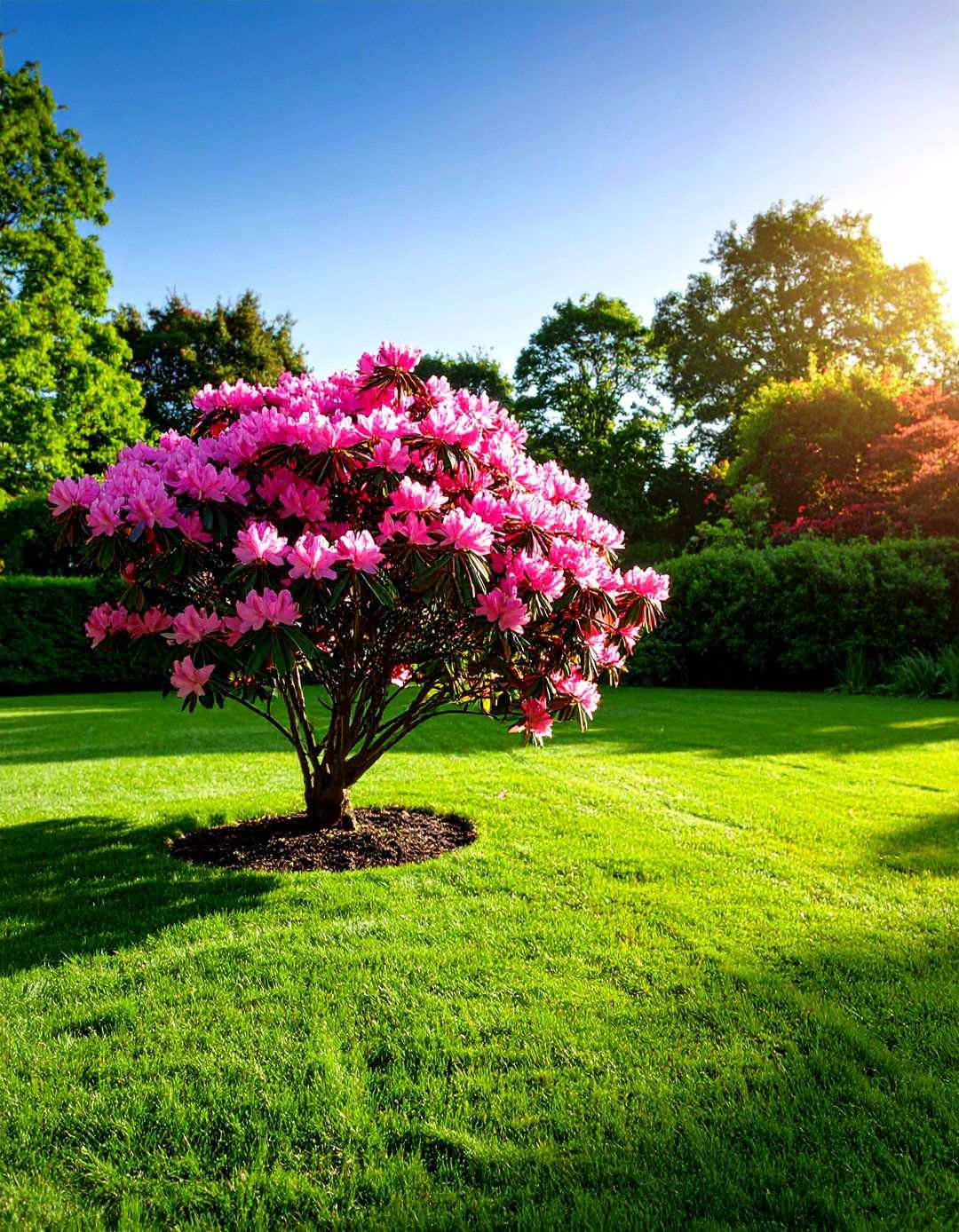
Azaleas can be true showstoppers in the garden, with their regal flowers and striking foliage making them an ideal specimen plant. Create striking focal points by using exceptional azalea specimens that serve as living landscape elements. A single azalea shrub can be a powerful anchor in smaller garden beds, making a beautiful statement. Look for varieties that boast unique characteristics, such as remarkable flower forms, exceptional size, or striking foliage patterns. Larger azaleas can be used to frame doorways, walkways, or landscape features, drawing attention to their natural beauty. When positioning specimens, consider their mature size and form to ensure maximum impact. Some specimens can grow up to 12 feet tall and 5 feet wide, rivaling large shrubs in the garden. By surrounding these showstoppers with complementary landscapes, you can create a harmonious balance that lets their natural beauty shine, transforming individual azaleas into stunning landscape anchors that provide year-round visual interest and seasonal spectacle.
12. Elevating Urban Azalea Landscaping with Modern Design
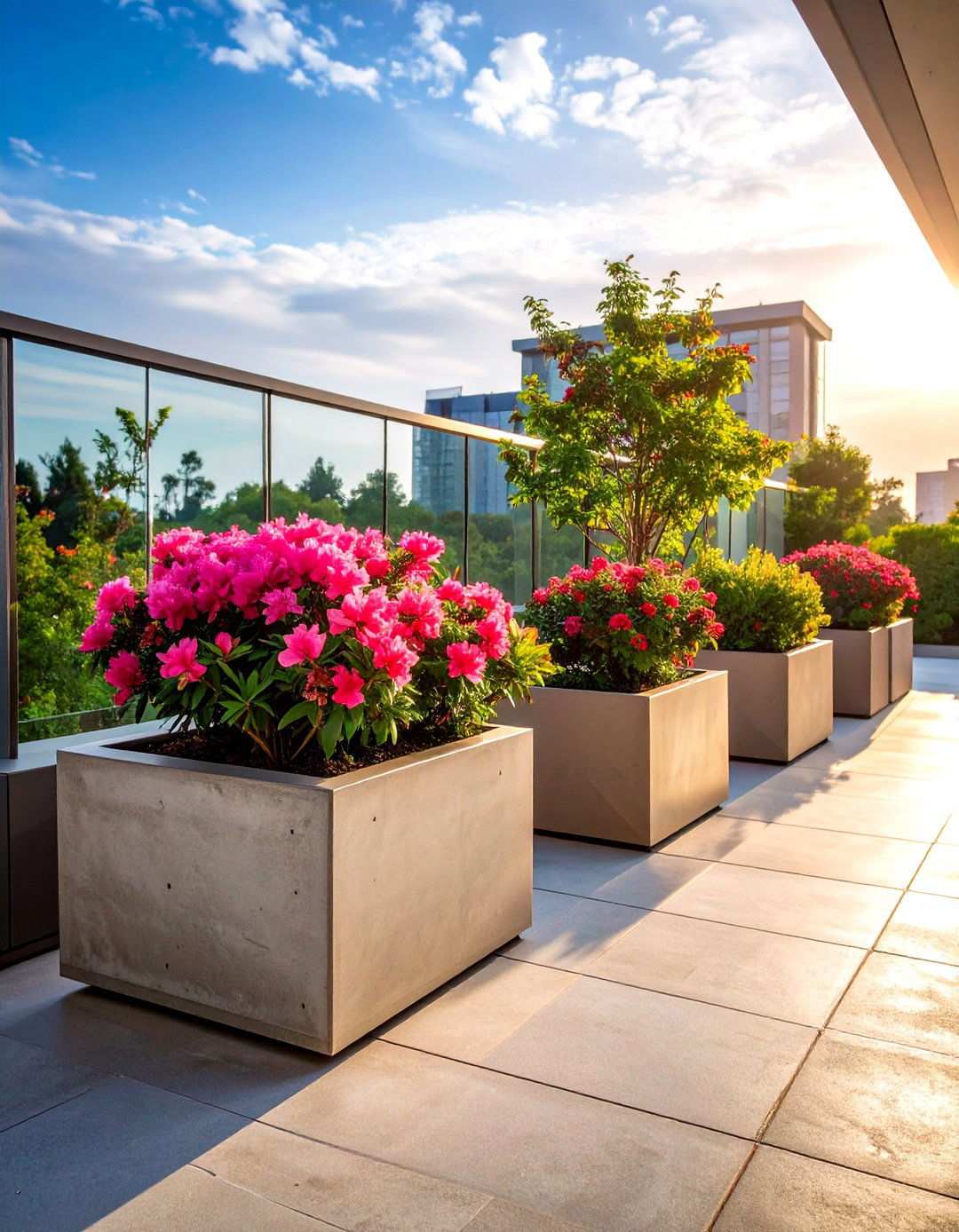
Urban gardens can become serene retreats by redefining traditional city landscaping through innovative container gardening and spatial arrangements. A well-designed urban garden should seamlessly merge functionality with visual appeal, ideal for busy city dwellers who value low-maintenance spaces. To achieve a sophisticated look, incorporate sleek, modern containers and geometric patterns, while varying container heights to introduce depth and visual interest. Modern materials paired with the natural beauty of azaleas can transform concrete environments into thriving oases. By incorporating drought-tolerant companion plants, you can enhance the aesthetic appeal while reducing maintenance demands. This approach successfully transforms even the smallest urban areas into vibrant garden spaces.
13. Mastering Continuous Bloom with Azalea Succession Planting
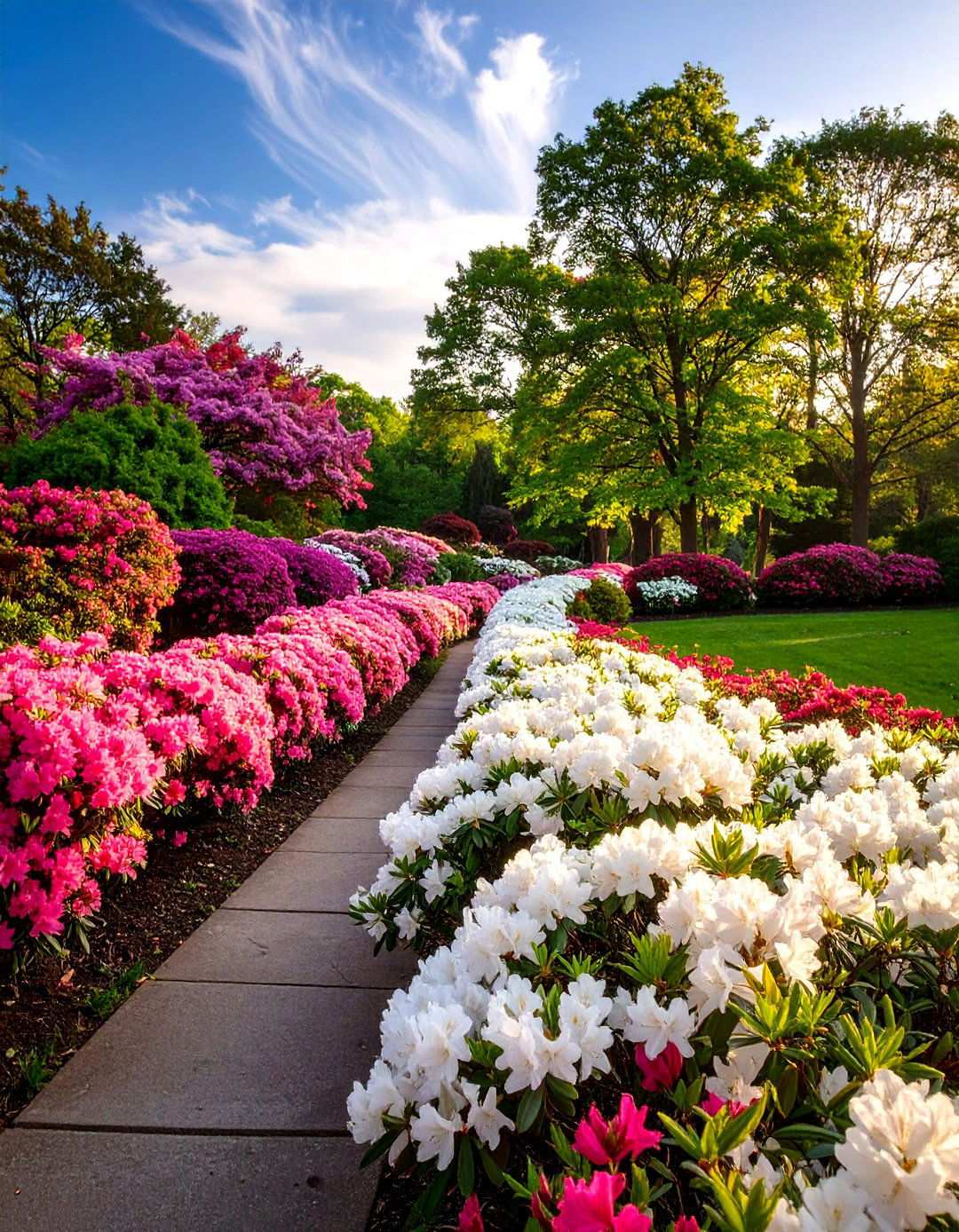
Strategic succession planting allows you to create a dynamic, ever-changing display of color that flows through the seasons. By carefully selecting azalea varieties that bloom at different times, you can orchestrate a sequence of color that captivates and delights. Azaleas can be broadly categorized into three bloom periods: early, mid, or late season. Early-blooming varieties burst into color as early as December, while others continue to thrive well into early summer. A thoughtfully designed garden layout should allow blooming waves to unfold naturally, maintaining a continuous display of color. Encore azaleas offer a versatile solution, providing a succession of blooms that span spring, summer, and fall. By mapping bloom times carefully, you can avoid gaps in the color display, ensuring a dynamic and ever-changing display of beauty that lasts for months.
14. Crafting Ideal Conditions for Azalea Thrival
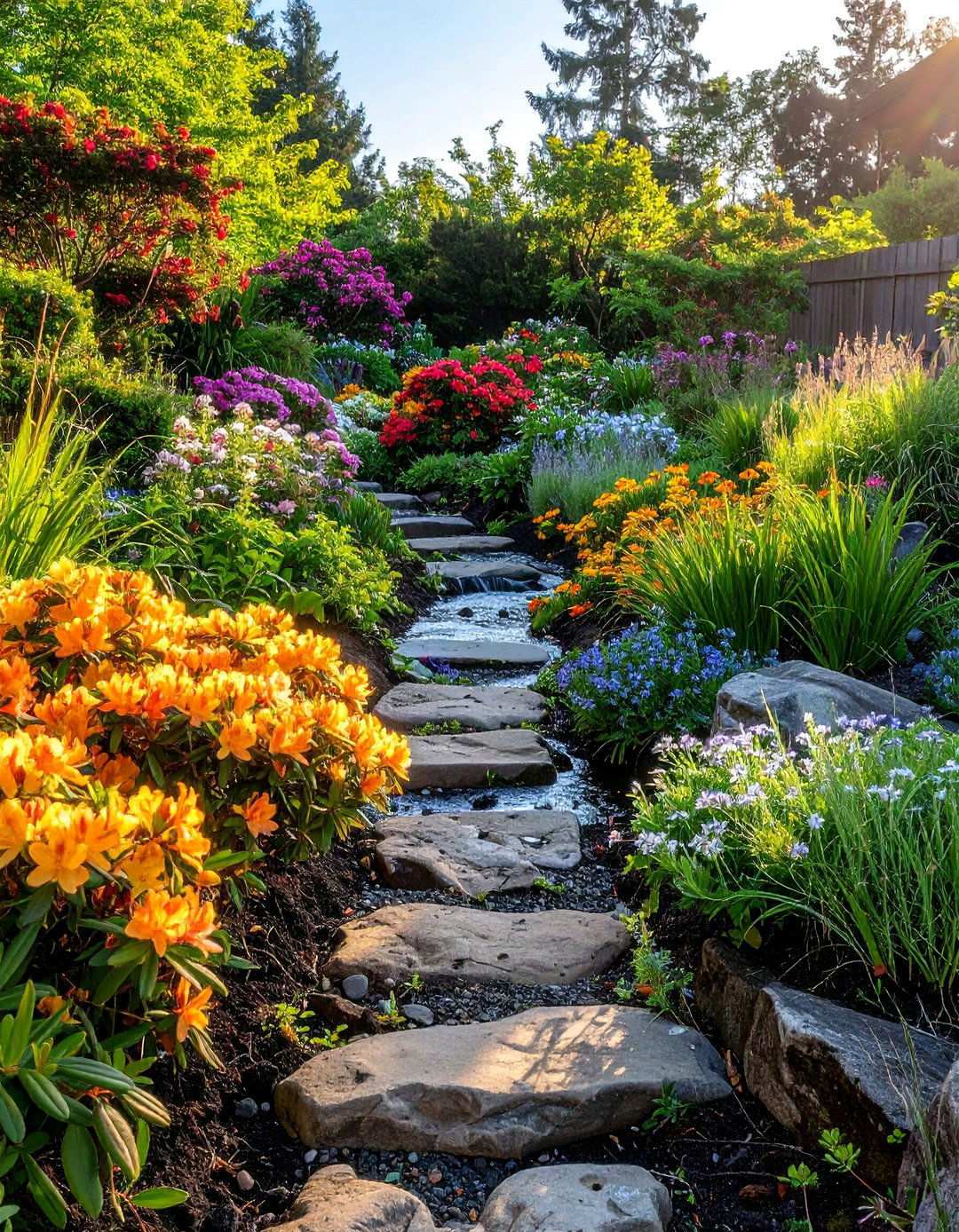
To coax the best from your azalea collection, it’s essential to replicate the ideal conditions these plants covet. Morning sunlight, with its softer rays, is the ultimate exposure for azaleas, while plants in northern latitudes can tolerate more direct sun. Conversely, excessive shade can lead to a dearth of blooms. Strategically position your azaleas to bask in the morning sun and retreat from the intense afternoon heat. Harness the beauty of existing structures, trees, and bespoke features to create bespoke microclimates that cater to the specific needs of your azaleas. By carefully calibrating the amount of sunlight and shade, you’ll be able to coax the desired performance from your azaleas, even in challenging environments. Moreover, incorporating targeted soil amendments will unlock the full potential of your garden.
15. Harmonizing Beauty and Function in Azalea Rain Gardens
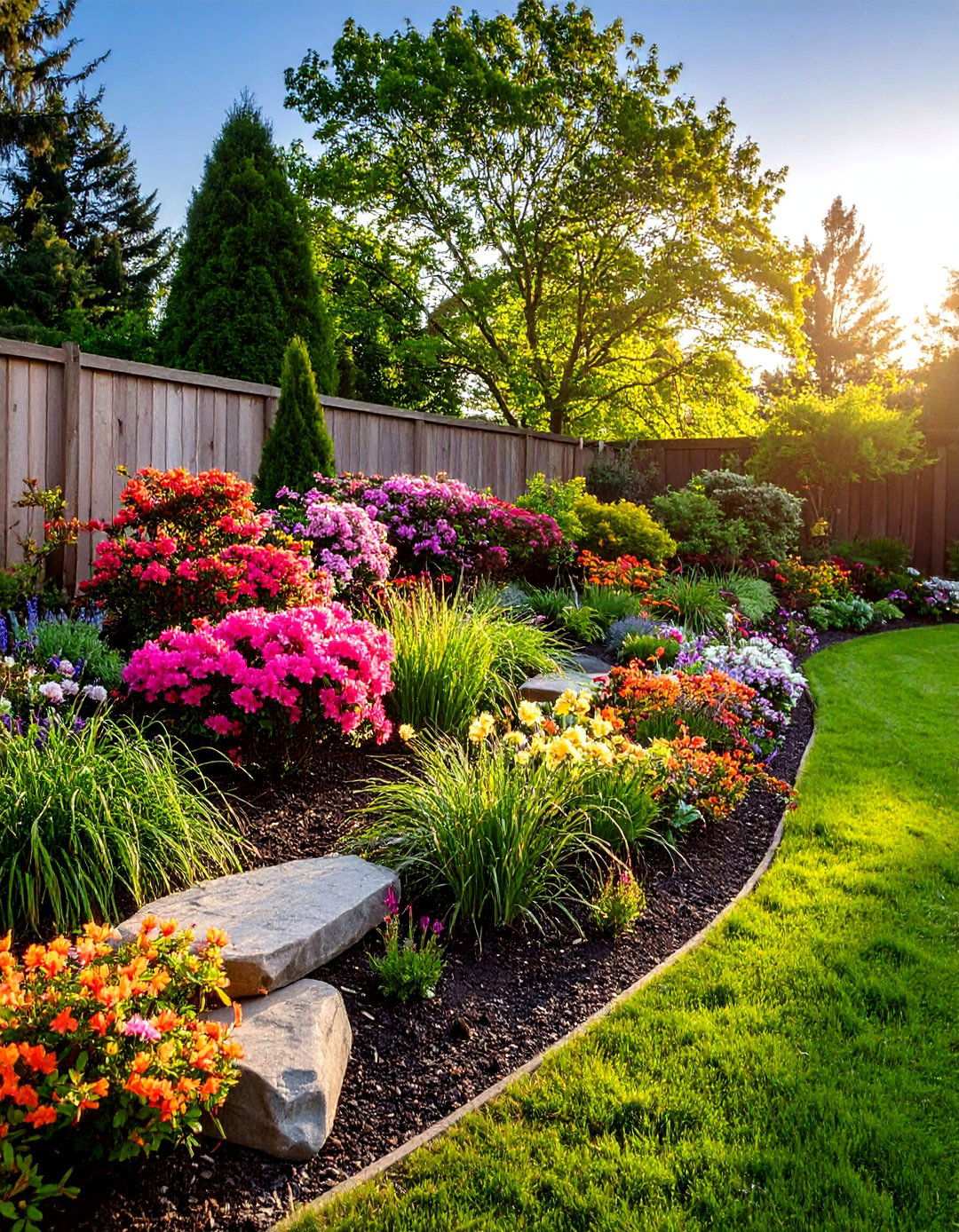
Rain gardens serve a dual purpose: capturing and filtering stormwater while adding aesthetic allure and supporting local biodiversity. By seamlessly integrating azaleas with water-conscious landscaping, you can create a stunning yet sustainable oasis that showcases your commitment to ecological stewardship. Embracing a water-wise approach means not only conserving precious water resources but also effectively managing excess rainfall. Certain azalea varieties are remarkably resilient, thriving in areas with varying soil moisture levels – even those that might otherwise be considered excessively wet. By selecting these adaptable plants and incorporating berms and swales that naturally direct water flow, you can create a haven for local wildlife while showcasing vibrant azalea displays. This thoughtfully designed rain garden will not only delight your senses but also make a positive impact on the environment.
16. Embracing Whimsy: Azalea Cottage Gardens for Timeless Landscapes
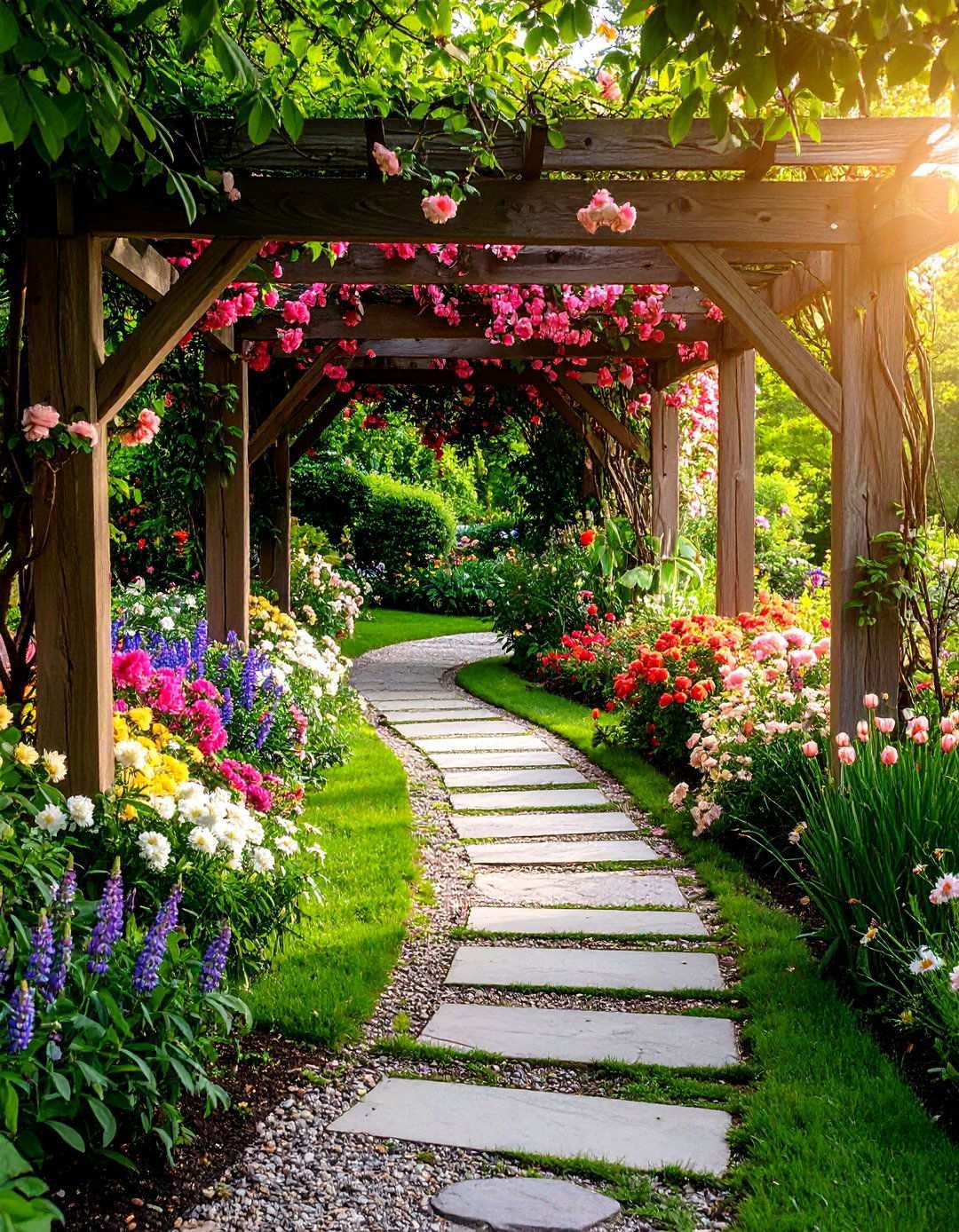
The allure of cottage gardens lies in their carefree, unbridled essence, reflecting a growing desire for authenticity and wildness in outdoor design. To create a captivating azalea cottage garden, blend the beauty of traditional flowering plants with the nostalgic charm of azaleas. This enchanting aesthetic combines romance with a sense of history, transporting you to a bygone era of gardens past. By incorporating azaleas alongside roses, peonies, and other classic cottage garden favorites, you’ll craft a truly timeless landscape. The beauty of this style lies in its willingness to break free from rigid planting rules, allowing plants of varying heights to mingle and create movement and surprise. Permit natural self-seeding and informal growth patterns to unfold, while maintaining a sense of overall structure. Balance vibrant azalea hues with soft pastel shades and delicate white blooms to prevent visual overload. Meandering paths, arbors, and rustic garden features will weave a spell of enchantment, making your azalea cottage garden a true haven.
17. Azalea Moonlight Serenity: Transcending Evening Landscapes
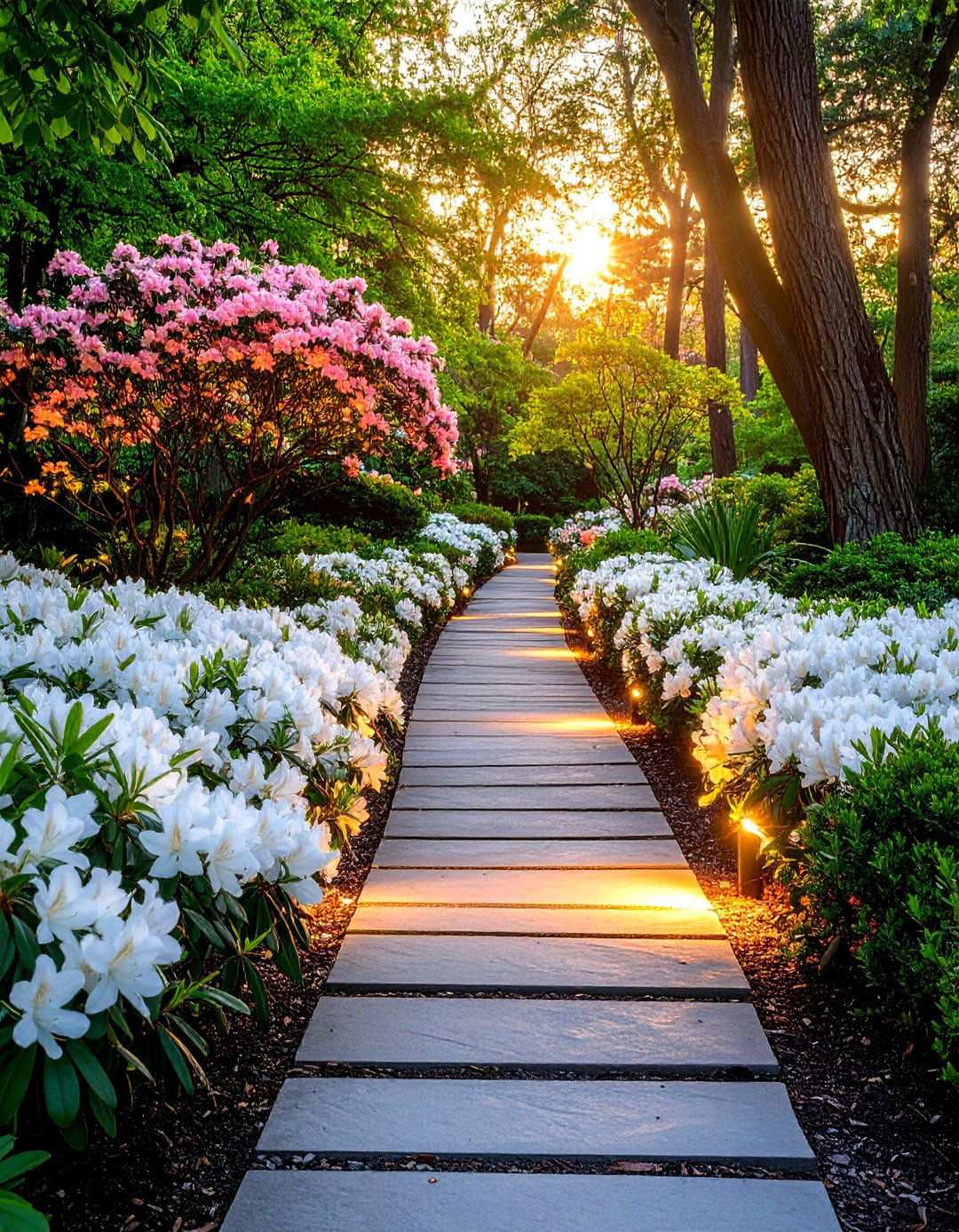
As day gives way to night, a moonlight garden featuring white and pale azaleas can transform your evening landscape into a serene and ethereal world. White azalea varieties create moments of reprieve, allowing the eye to rest and recharge amidst the kaleidoscope of colors. Select azalea varieties that not only reflect moonlight but also artificial lighting, accentuating their beauty in the evening hours. A palette of whites, creams, and soft pinks will provide a soothing backdrop for your outdoor spaces. Position these azaleas near seating areas, patios, or pathways where evening activities unfold, and indulge in the intoxicating fragrance of many azalea varieties. To further enhance the ambiance, incorporate night-blooming companions and plants with silver or white variegated foliage. Subtle lighting will not only complement the natural beauty of your azalea moonlight garden but also create spaces that foster relaxation and mindfulness. This specialized approach will extend your garden’s allure into the evening hours, conjuring magical nighttime landscapes that will leave you spellbound.
18. Elevating Erosion Control with Azalea Beauty
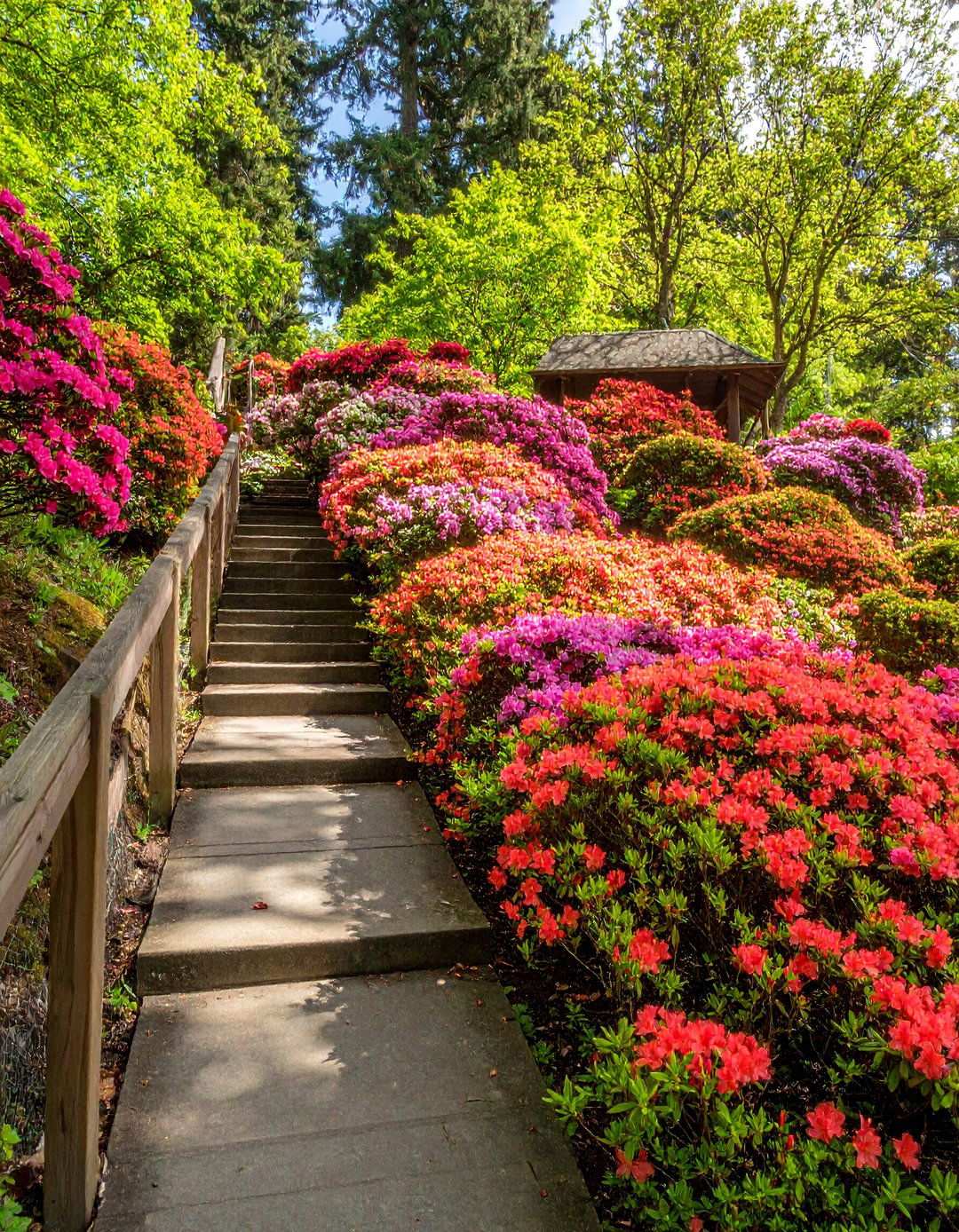
Integrating mass azalea plantings into slopes or hillsides delivers a winning combination of erosion control and aesthetics. By incorporating azaleas into a comprehensive erosion control strategy, you can effectively address challenging slopes while capitalizing on their beauty. With their ability to thrive in drought conditions and develop robust root systems, azaleas are an excellent choice for slope stabilization. Opt for varieties with strong spreading habits that naturally mitigate soil erosion, and consider native azaleas for their exceptional adaptability to naturalized displays on rugged terrain. By planting in staggered patterns, you can maximize soil coverage and root penetration, creating harmonious color displays without appearing overcrowded. To further enhance their erosion-control capabilities, incorporate other plants that complement azaleas and provide different blooming seasons. During the establishment phase, install temporary stabilization measures to guarantee a stable foundation for your azalea plantings. By adopting this holistic approach, you can transform problematic slopes into breathtaking, functional landscape features that provide long-term erosion control and spectacular seasonal displays.
19. Crafting an Azalea Bonsai Masterpiece
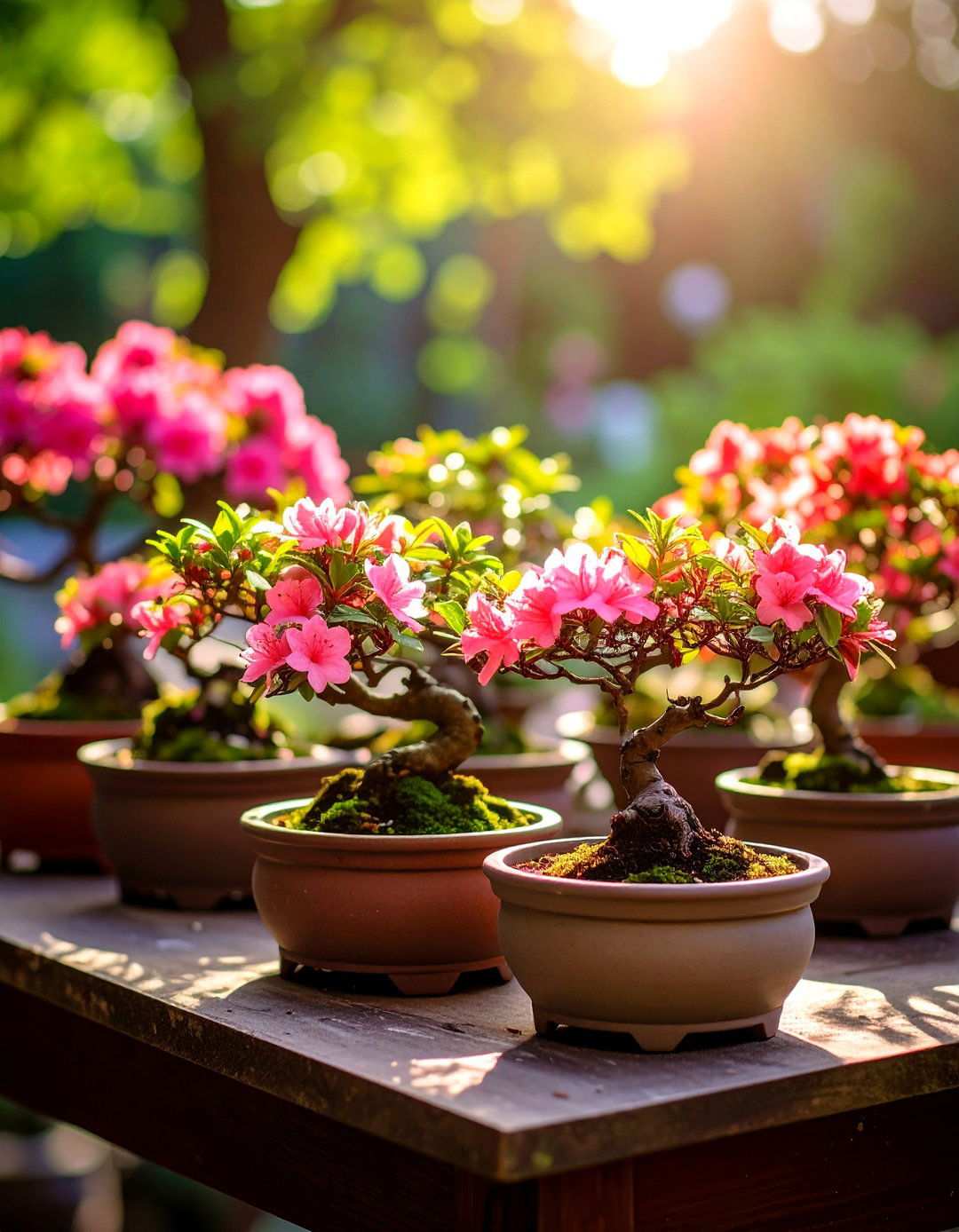
Azaleas are incredibly versatile, capable of thriving in containers and even being cultivated as bonsai specimens. By selecting varieties that exhibit exceptional miniaturization potential and flowering characteristics, you can develop an exquisite bonsai collection that showcases the beauty of azaleas. Compact azaleas are particularly well-suited for containers, where they can be precision-cultivated to reveal their stunning features. Look for varieties with small leaves, striking bark, and an abundance of flowers that will translate beautifully to bonsai form. Azaleas prefer rich, acidic soil conditions, which can be easily replicated in container culture. To maintain their miniature size while preserving their blooming potential, learn the art of precise pruning techniques. What’s more, azaleas don’t require extensive pruning, making them an ideal choice for bonsai training. Create seasonal displays by showcasing different varieties throughout the year, and use a variety of container heights and styles to create visually striking arrangements. By combining horticultural expertise with artistic flair, you can create living sculptures that provide year-round beauty and demonstrate your mastery of azalea cultivation techniques.
20. Cultivating Ecological Harmony with Azalea Wildlife Havens
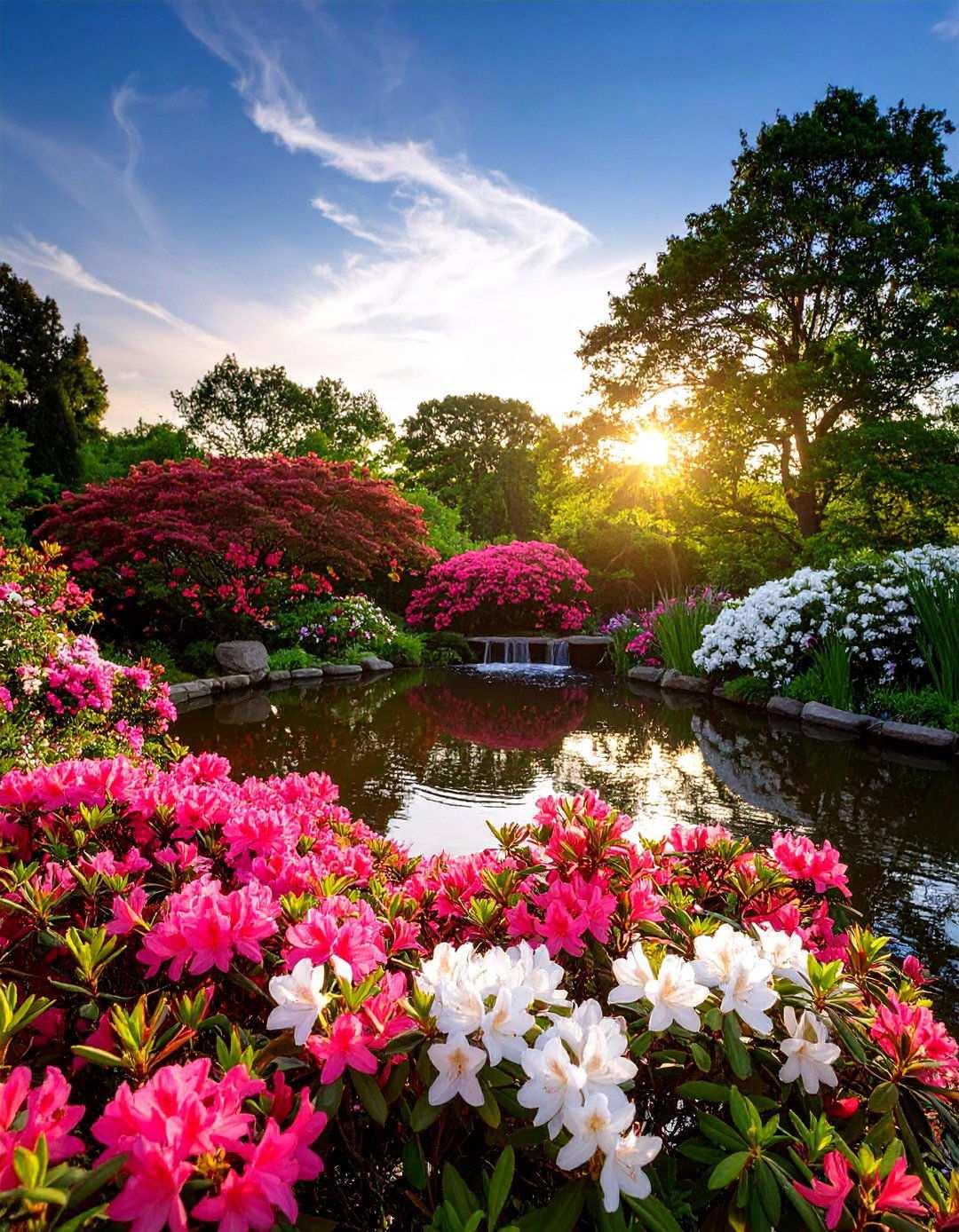
Incorporating native azaleas into your garden design can have a profound impact on local ecosystems, drawing in pollinators and supporting biodiversity. To create a thriving wildlife habitat, start by selecting native azalea varieties that provide a reliable source of nectar for pollinators and shelter for small wildlife. These deciduous shrubs boast a multi-seasonal appeal, with vibrant spring blooms giving way to stunning fall foliage.
To further support various wildlife needs, incorporate water sources, nesting sites, and a diverse range of plant heights into your design. By doing so, you’ll create a haven that provides a constant source of sustenance throughout the growing season. One key consideration is to avoid pesticides and chemical fertilizers, which can have a detrimental impact on beneficial insects.
By embracing this conservation-focused approach, you’ll not only be creating a beautiful garden but also contributing to a more sustainable future. As the world continues to shift toward ecological responsibility, gardeners can play a vital role in promoting biodiversity and supporting local ecosystems. By layering plantings and prioritizing native species, you can create a haven that not only flourishes but also gives back to nature.