1. Elevating Basement Bedrooms with Versatile Flooring Solutions
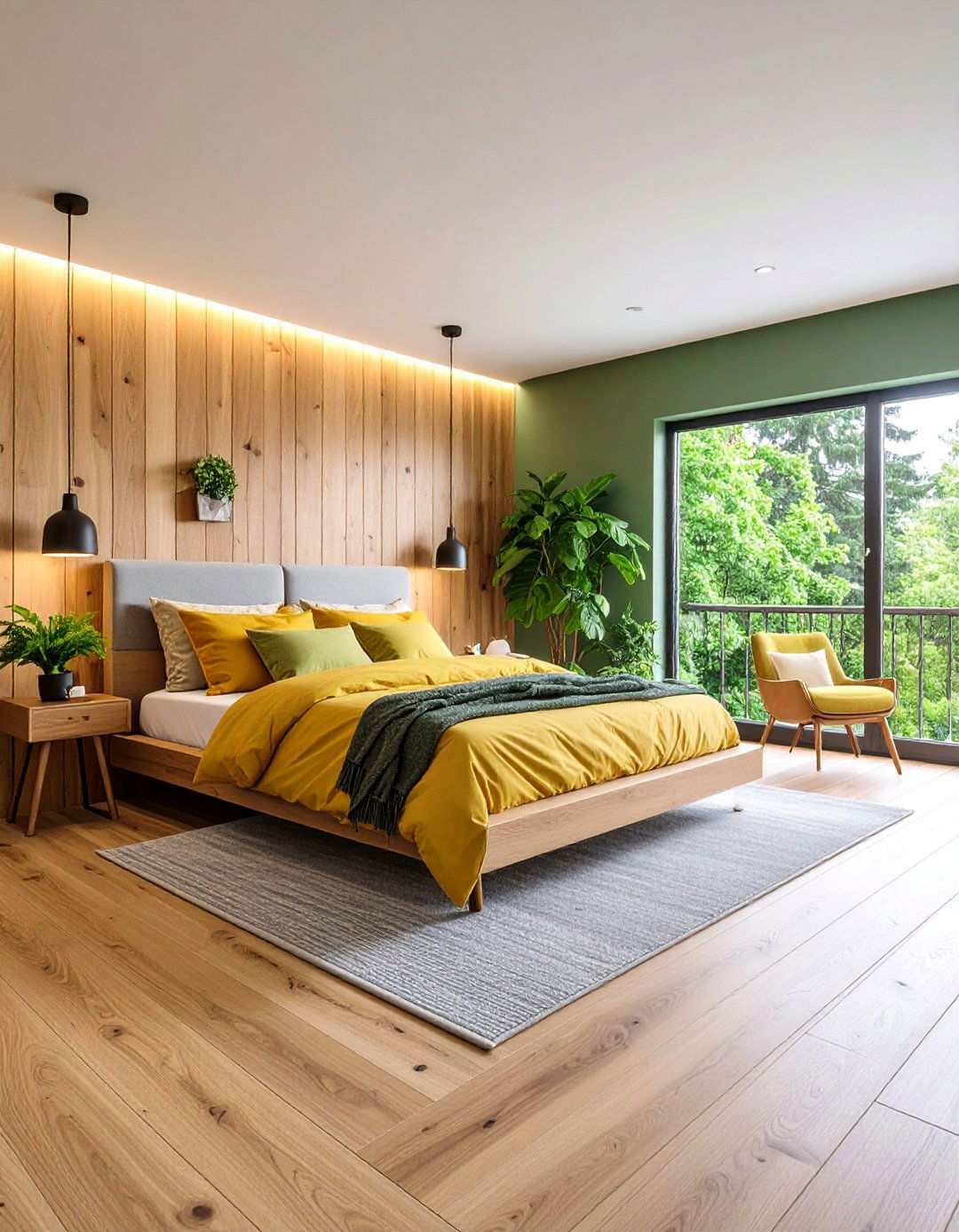
A basement bedroom’s success hinges on its flooring choice, and luxury vinyl plank flooring stands out as the top contender for its unbeatable combination of style and functionality. By boasting 100% waterproof properties, luxury vinyl planks can withstand moisture exposure for up to 72 hours without sustaining damage, making them the perfect fit for below-grade installations. The seamless installation process, featuring a simple click-lock system, allows for effortless replacement of individual planks if needed. With modern vinyl options offering authentic wood textures and colors that rival traditional hardwood, it’s no wonder luxury vinyl planks have become the go-to choice for basement bedrooms. By selecting planks with attached underlayment, you can enjoy added warmth and comfort underfoot.
2. Illuminating Basement Bedrooms with Layered Lighting Design
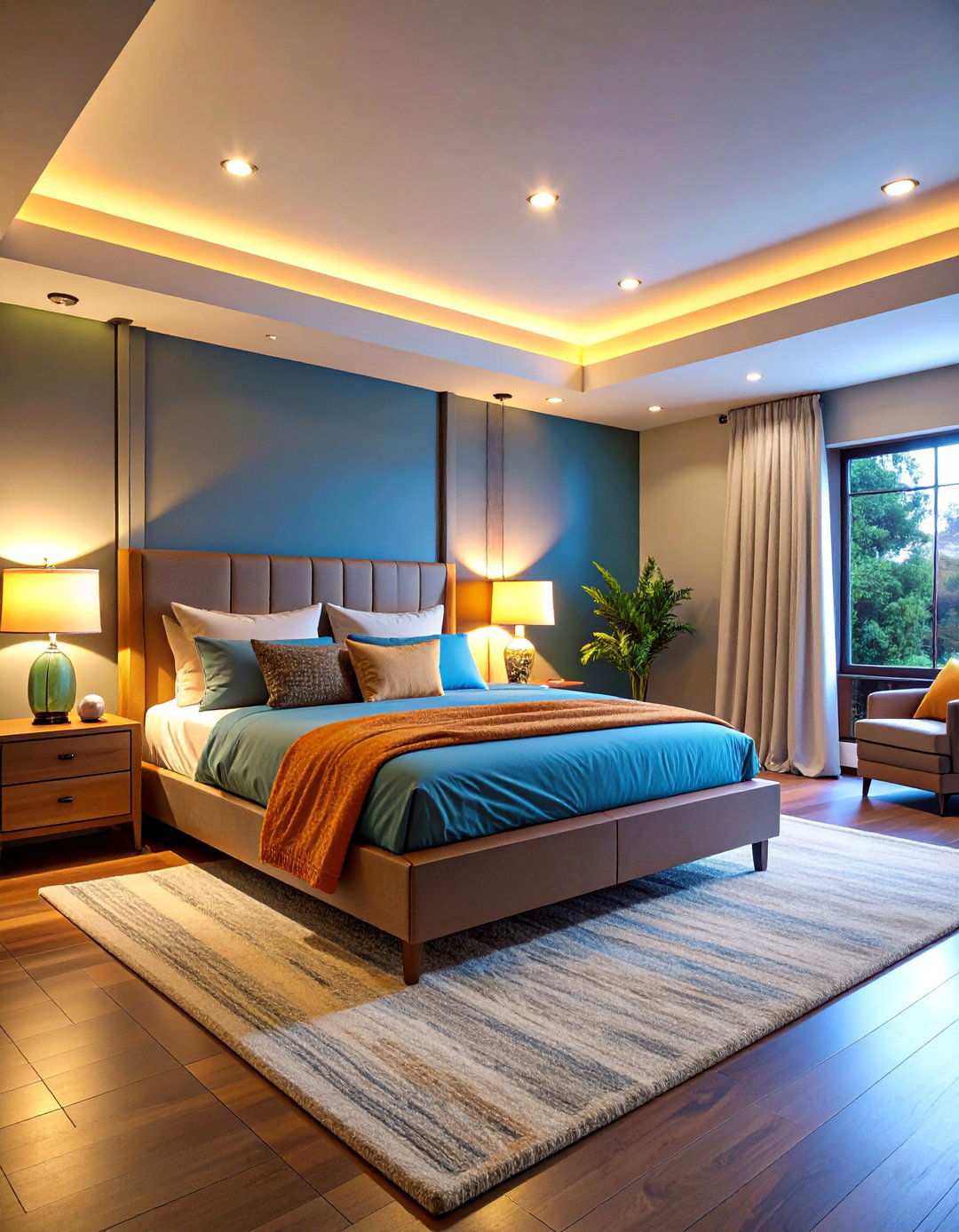
Transforming a basement bedroom into a haven requires a thoughtful approach to lighting, as the lack of natural light necessitates a layered illumination strategy. Begin by strategically placing recessed LED lights, spaced four feet apart for optimal effect, to create a foundation for your lighting scheme. Complement these with wall sconces flanking the bed to provide warm reading light, and incorporate table lamps for a cozy ambiance. Dimmer switches offer unparalleled flexibility, allowing you to adjust lighting intensity to suit various activities and moods. For a modern touch, consider installing LED strip lights behind the headboard or along ceiling coves. By balancing ambient, task, and accent lighting, you can create a basement bedroom that’s not only functional but also inviting.

As an Amazon Associate I earn from qualifying purchases.
3. Shielding Personal Treasures in Basement Bedrooms
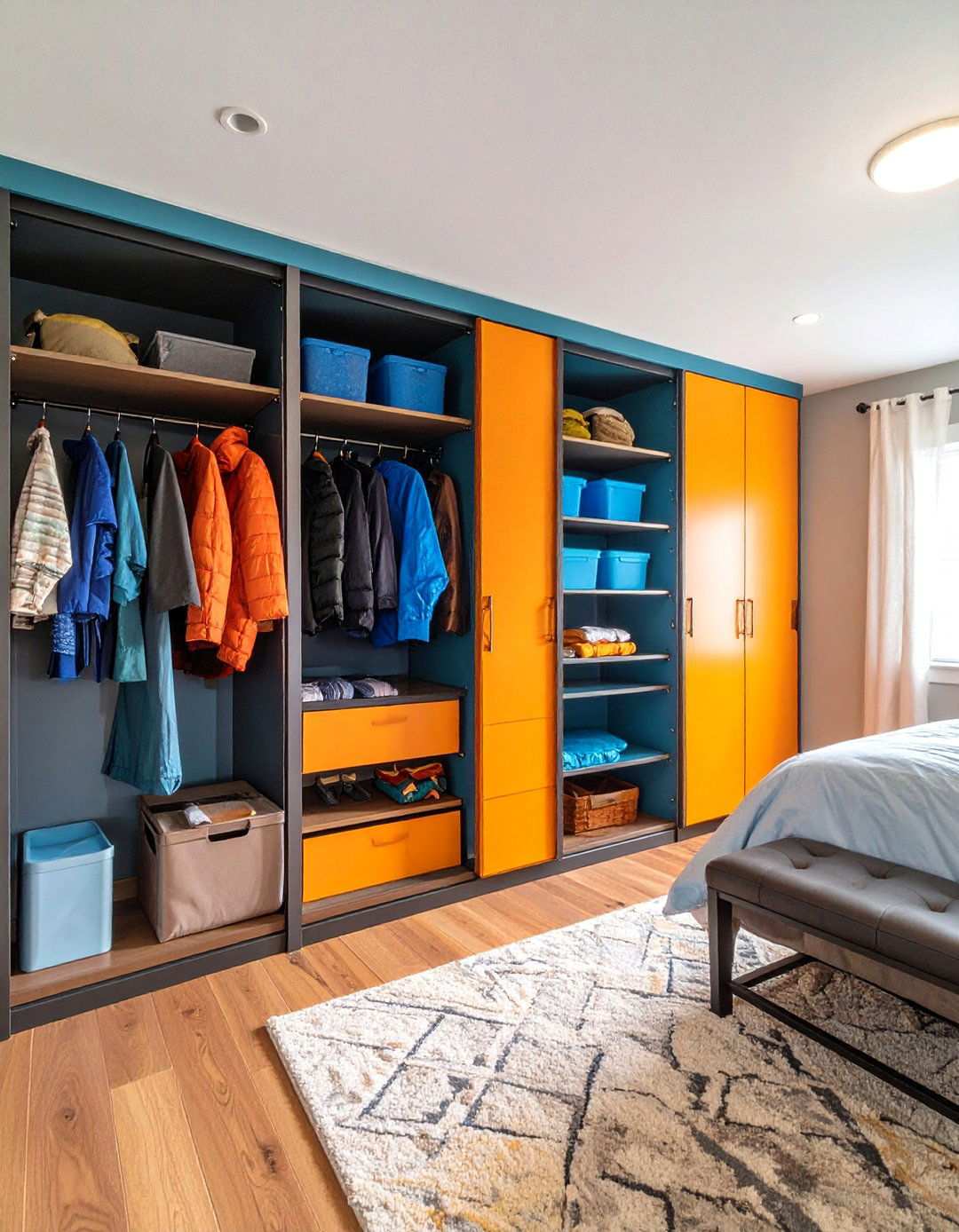
When designing storage solutions for basement bedrooms, it’s crucial to prioritize moisture-resistant materials and elevated designs that safeguard belongings from the detrimental effects of humidity . Incorporating floor-to-ceiling closet systems with adjustable shelves ensures that items of varying sizes can be neatly organized and easily accessed. Furthermore, choosing furniture crafted from durable materials like metal or treated wood, which can withstand the conditions present in basements, is an excellent approach . Multi-functional furniture pieces, such as storage benches or ottomans, provide hidden storage while serving dual purposes, making them ideal for basement bedrooms . Airtight, waterproof containers are perfect for storing seasonal clothing and bedding, while built-in cabinetry along walls optimizes space efficiency and maintains a clutter-free environment. To further enhance functionality, consider adding a dresser that doubles as a TV stand or makeup vanity, cleverly optimizing the use of space in your basement bedroom.
4. Elevating Basement Bedroom Ceilings to New Heights

Low basement ceilings necessitate thoughtful design decisions to create the illusion of height and openness . By painting ceilings in light, airy colors or installing wood planking that draws the eye upward, the perception of a more spacious area can be achieved. Recessed lighting is a better alternative to hanging fixtures, as it preserves valuable headroom and prevents the space from feeling cramped. Vertical design elements, such as floor-to-ceiling curtains or wall decals that extend onto the ceiling, effectively create visual height and make the room feel more expansive . Choosing furniture with lower profiles and avoiding tall headboards that emphasize the ceiling’s limitations is also crucial. Strategically placed mirrors can reflect light and create the illusion of more space, while crown molding or coffered ceiling details add architectural interest without reducing the height of the space. By incorporating these ceiling treatments, cramped basement bedrooms can be transformed into comfortable, visually appealing retreats.
5. Mastering Insulation and Temperature Control in Basement Bedrooms
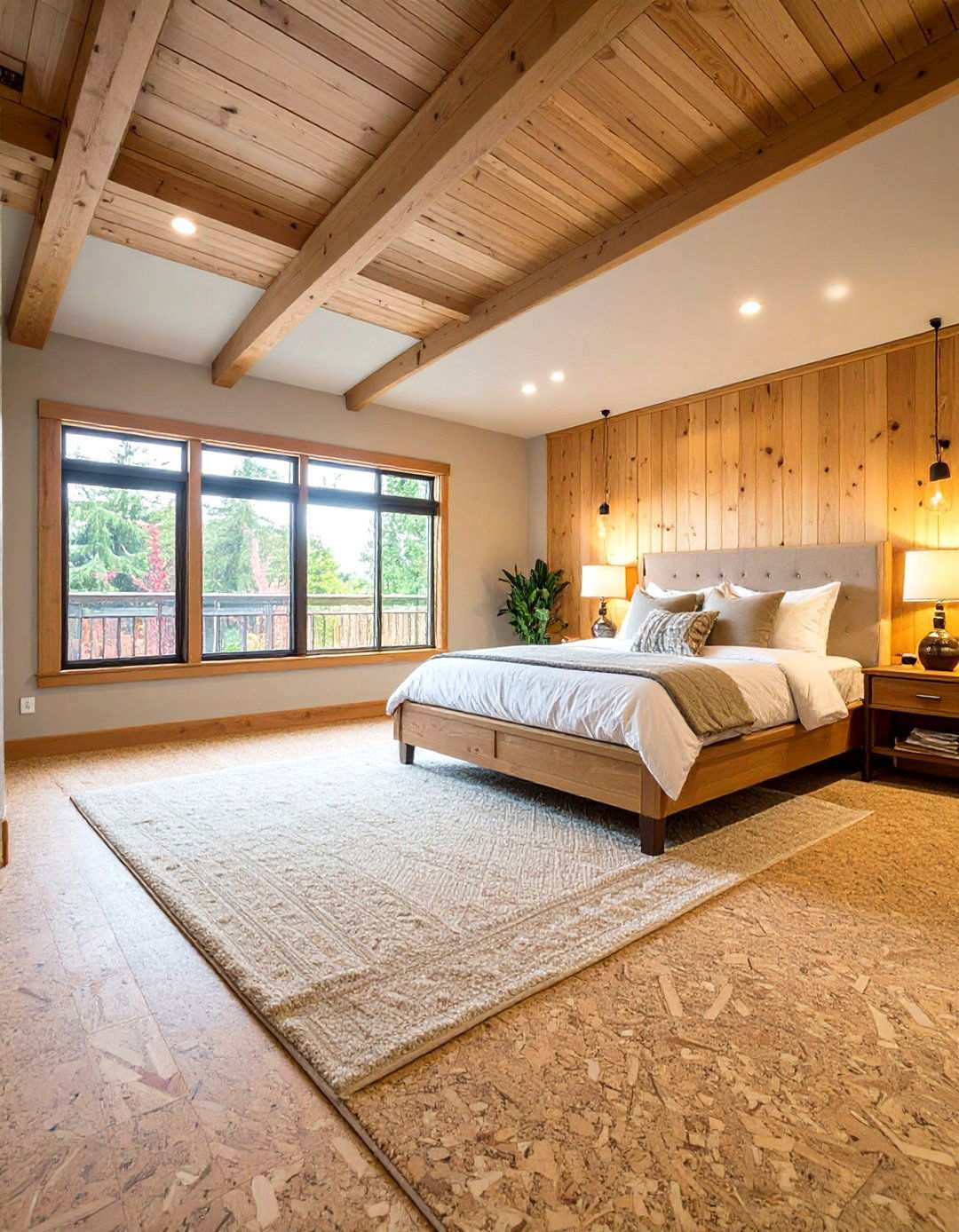
Proper insulation is key to transforming cold, uncomfortable basement bedrooms into cozy retreats that can be enjoyed year-round. Installing flooring with built-in insulation properties, such as cork or engineered wood with foam backing, provides thermal barriers and helps regulate the temperature . Adding wall insulation behind drywall and considering insulated window coverings for egress windows can also make a significant difference. Area rugs can provide additional warmth and comfort underfoot, while a separate thermostat zone for the basement bedroom ensures optimal temperature control. Dehumidifiers help maintain proper humidity levels and prevent mold and mildew growth , while radiant floor heating offers ultimate comfort during cold months. By prioritizing insulation, not only can you improve the overall comfort of your basement bedroom but also reduce energy costs and create a more inviting environment.
6. Basement Bedroom Wall Treatments: Balancing Style and Moisture Control

Wall treatments like shiplap or beadboard paneling not only add character to basement bedrooms but also help manage moisture levels. When selecting materials, opt for moisture-resistant options such as vinyl or PVC-based products that won’t warp or develop mold. To further protect against moisture infiltration, paint walls with specialized, moisture-resistant paints formulated specifically for basements. Additionally, choose colors that possess suitable light reflective values to brighten the space. Incorporating botanical accent walls or wallpaper can create the illusion of taller walls while introducing visual interest. Moreover, installing vapor barriers behind wall finishes prevents moisture from seeping in. Wainscoting or chair rail molding can add architectural detail and safeguard walls from furniture damage. By implementing these treatments, you can create durable, attractive surfaces that withstand the challenges of basement conditions while enhancing the overall aesthetic of your bedroom.
7. Elevating Egress Windows in Basement Bedrooms
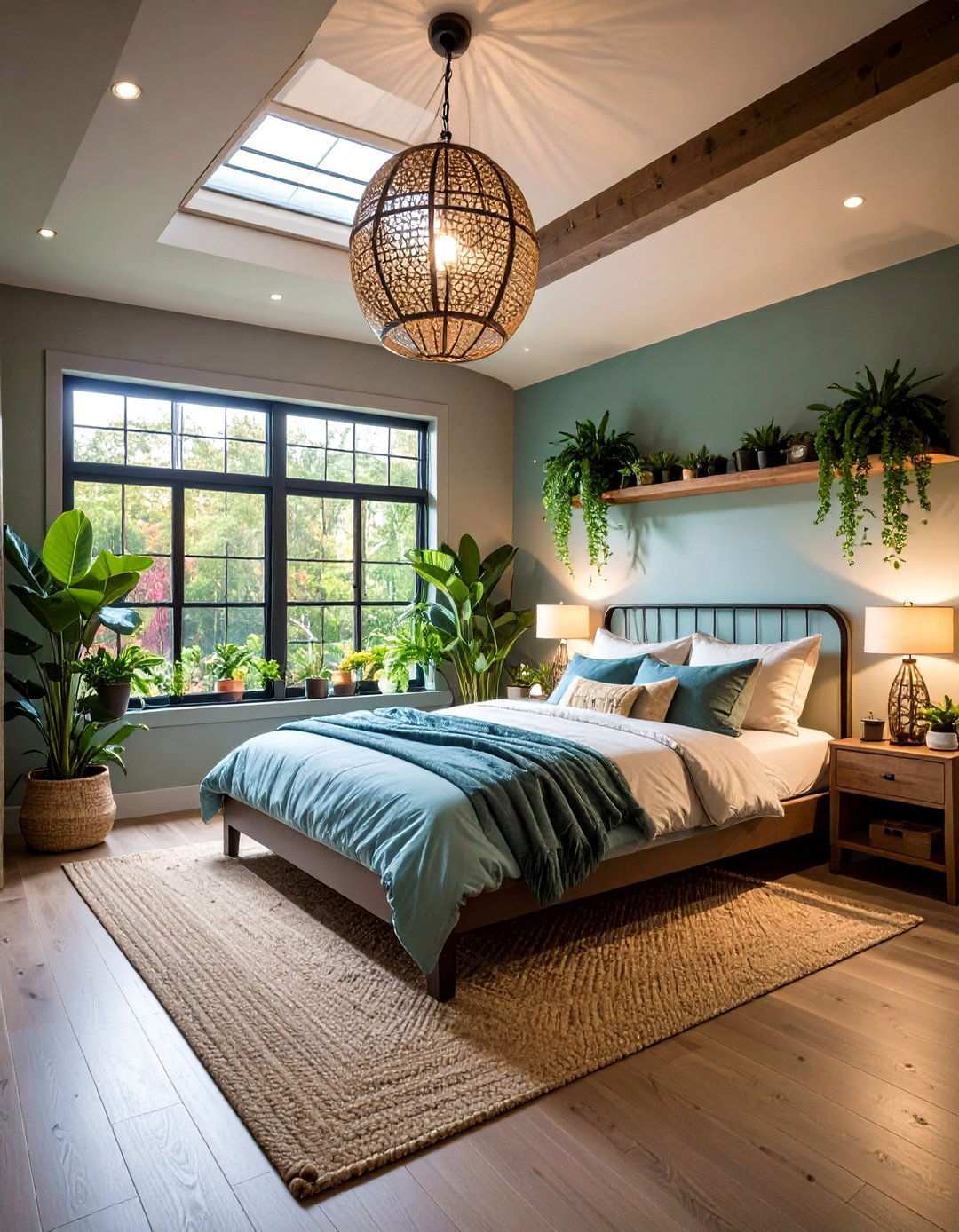
Egress windows in basement bedrooms require innovative solutions to maximize natural light while ensuring safety and privacy. One effective approach is installing window wells with proper drainage systems in place. To improve the appearance of these wells, consider adding decorative window well covers. You can also utilize faux reeded glass films or DIY solutions to conceal unsightly window wells while maintaining light transmission. Window treatments such as cellular shades or curtains can provide privacy without obstructing natural light. For an added touch, consider installing window shelving to display plants or decorative items that enhance the window area. Proper lighting around egress windows not only ensures safe emergency access but also creates attractive focal points. By incorporating these enhancements, you can transform functional safety features into design elements that elevate your basement bedroom’s overall appeal.
8. Basement Bedroom Color Schemes: Harnessing Light and Color
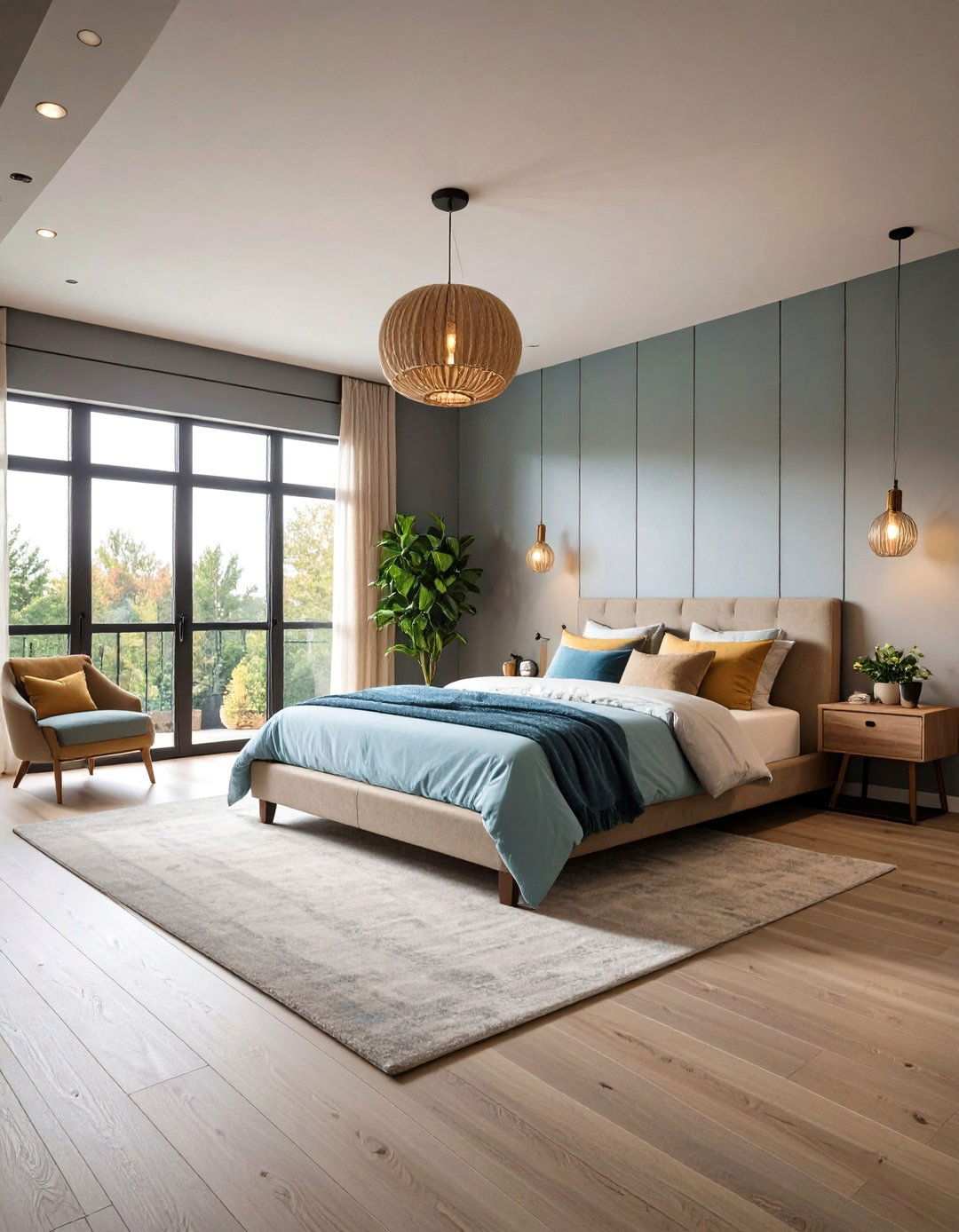
When selecting paint colors for basement bedrooms, it’s essential to consider more than just white walls. Choosing colors with suitable light reflective values is crucial for creating a sense of spaciousness. Neutral colors like soft grays, warm beiges, or pale blues can help reflect available light and create a bright, airy feel. For a more dramatic effect, consider incorporating bold, colorful palettes that add personality through furniture, painted accents, or wallpaper. Accent walls in deeper colors behind beds can create focal points without overwhelming the space. Additionally, you can use cool colors to make basements feel larger or warm colors to create a cozy atmosphere. By adhering to the 60-30-10 color rule – 60% neutral base, 30% secondary color, and 10% accent color – you can transform dark basement bedrooms into bright, inviting spaces.
9. Tailoring Basement Bedrooms with Careful Furniture Choice
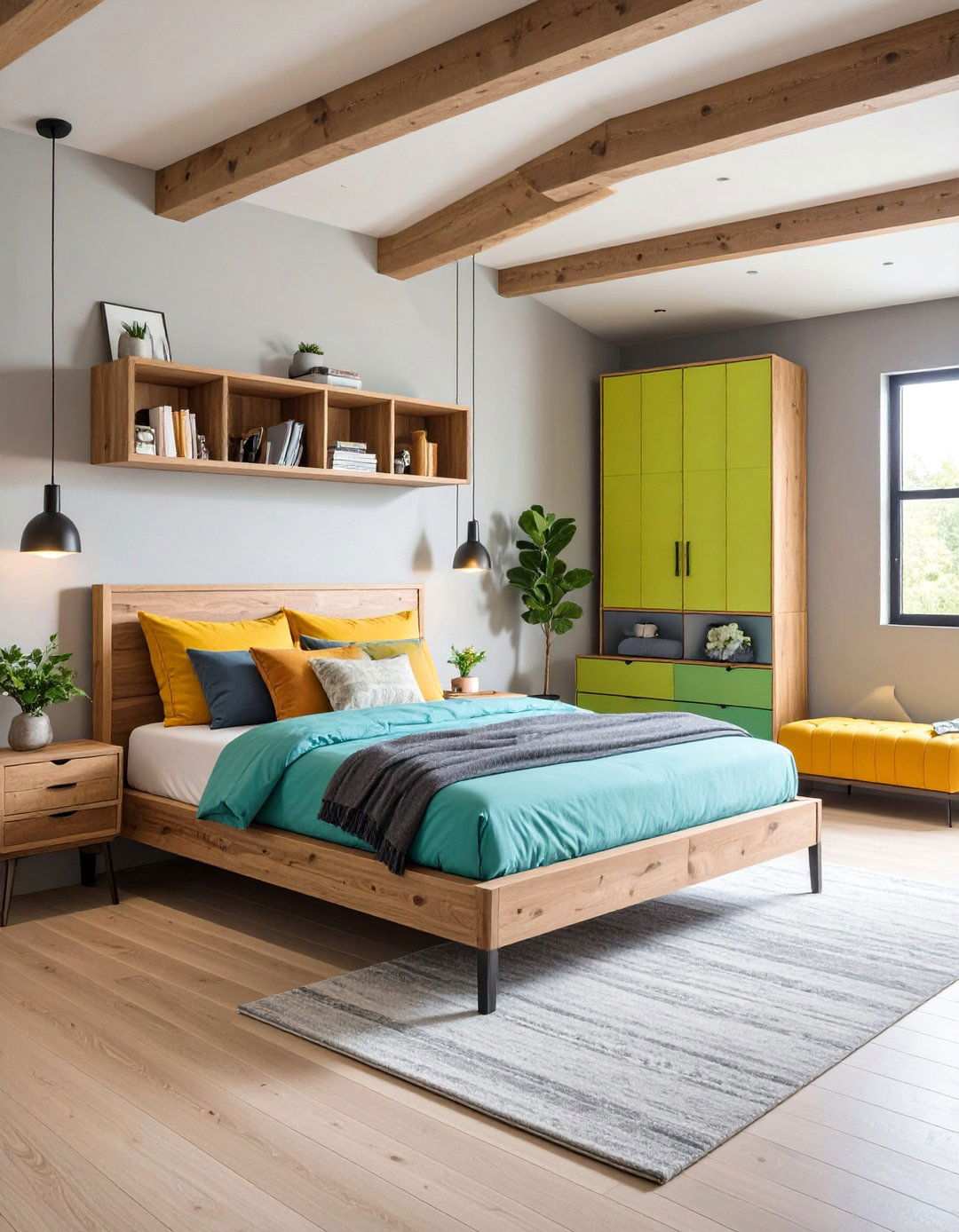
When it comes to selecting furniture for basement bedrooms, several key factors come into play. To ensure durability and functionality, opt for pieces with a clear gap between the floor and the bottom of the furniture to facilitate air circulation and prevent moisture damage. Choose materials that can withstand humidity fluctuations, such as metal, treated wood, or synthetic options that won’t warp or develop mold. Space-efficient solutions like multi-functional storage beds, dresser-nightstand combos, or benches with hidden storage can help maximize the room’s potential. Furthermore, select furniture that’s proportional to the room size, avoiding oversized pieces that can make the space feel cramped. For instance, position beds away from exterior walls to minimize moisture-related issues. Additionally, consider modular furniture that can be easily rearranged as needs change. Investing in high-quality furniture specifically designed for basement conditions will ensure longevity and maintain a comfortable atmosphere throughout your basement bedroom.
10. Creating a Breathable Basement Bedroom Environment
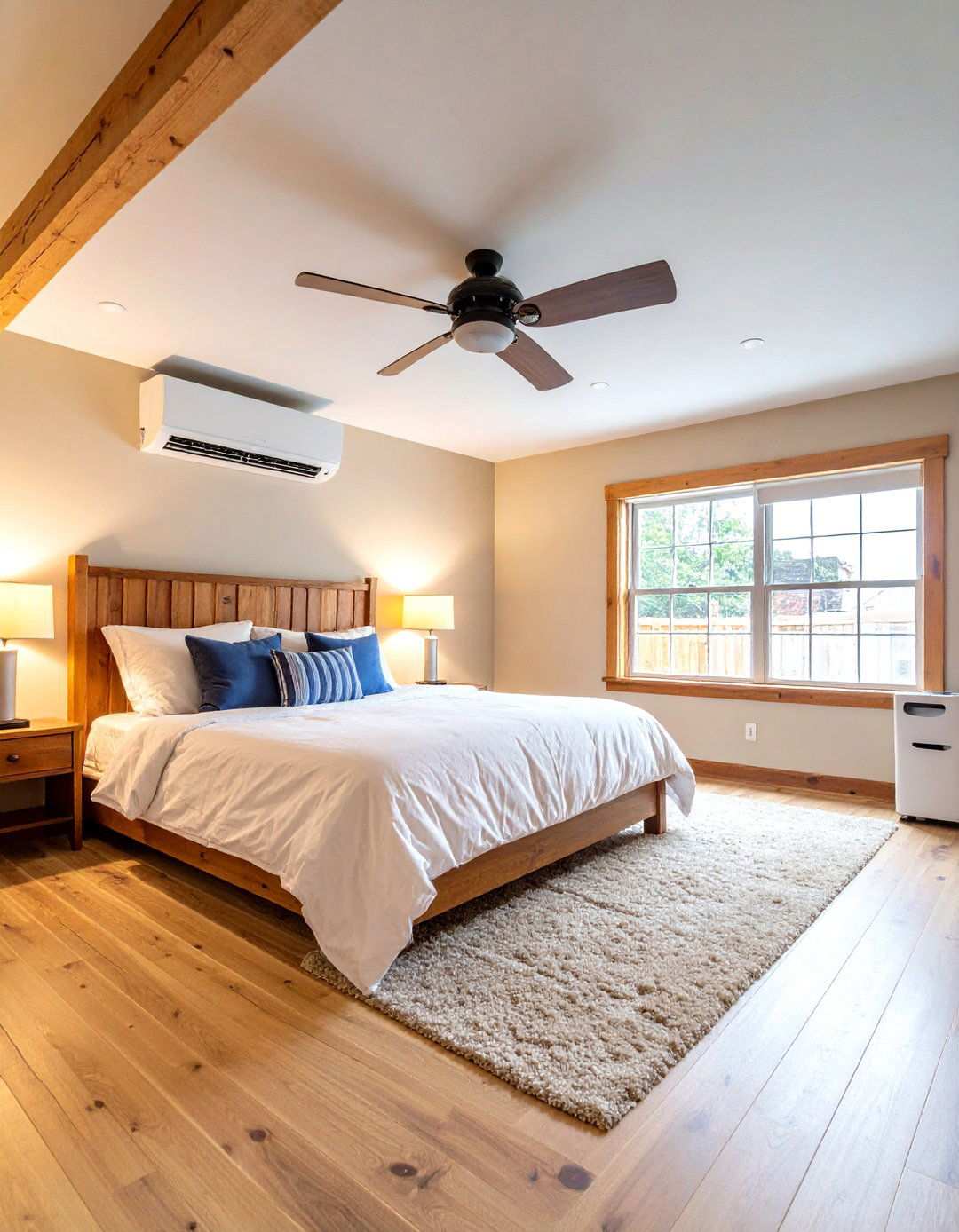
Effective ventilation is essential for preventing moisture buildup and ensuring healthy air quality in basement bedrooms. To achieve optimal humidity levels, consider installing dehumidifiers that can be easily integrated into your home’s HVAC system. For enhanced air circulation, use ceiling fans or ventilation systems that connect to your home’s HVAC system. Additionally, raised flooring systems can facilitate air movement underneath, preventing moisture from becoming trapped between floors and concrete. If your basement bedroom includes an attached bathroom, install exhaust fans to maintain indoor air quality. Furthermore, consider incorporating air purifiers to remove allergens and improve indoor air quality. By implementing these measures, you can maintain a musty-free environment and create a fresh, comfortable space for relaxation. Regular maintenance of ventilation systems will ensure continued air quality in your basement bedroom throughout all seasons.
11. Ensuring Basement Bedroom Safety and Emergency Preparedness
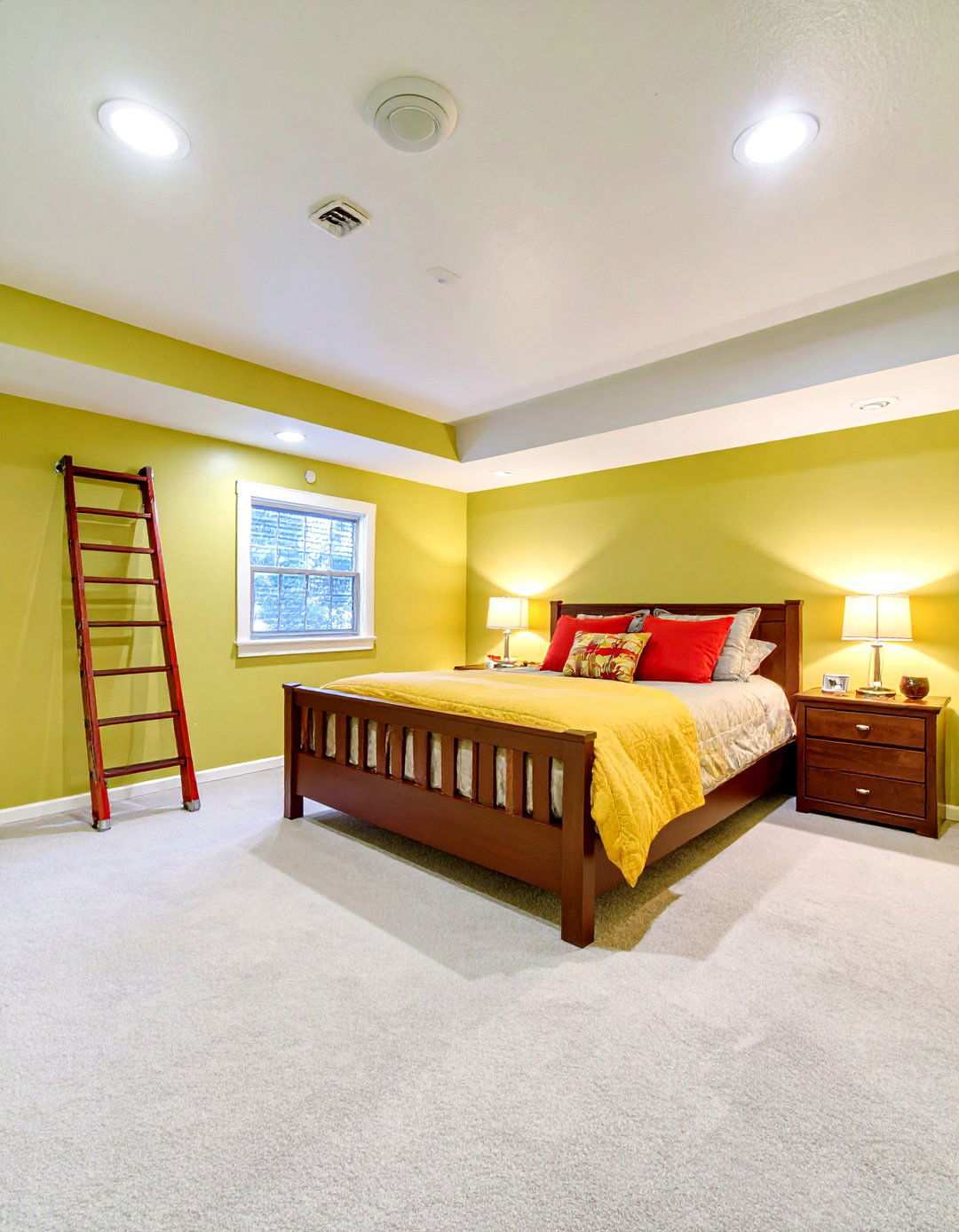
Compliance with building codes requires the installation of proper egress windows and emergency exits in basement bedrooms for safety reasons. Ensure that windows are properly sized and easily accessible for emergency escape routes. Install smoke detectors and carbon monoxide detectors specifically designed for basement areas to alert occupants of potential hazards. Electrical codes necessitate the installation of proper lighting controlled by wall switches near room entrances. Design clear pathways to exits and avoid obstructing egress windows with furniture or storage. Install emergency lighting that activates during power outages, providing occupants with a reliable means of egress. Keep emergency supplies easily accessible in your basement bedroom, and consider installing a sump pump if your basement is prone to flooding. By implementing these safety measures, you can create a basement bedroom that not only meets building codes but also provides peace of mind for occupants.
12. Teen-Friendly Basement Bedroom Sanctuary Concepts
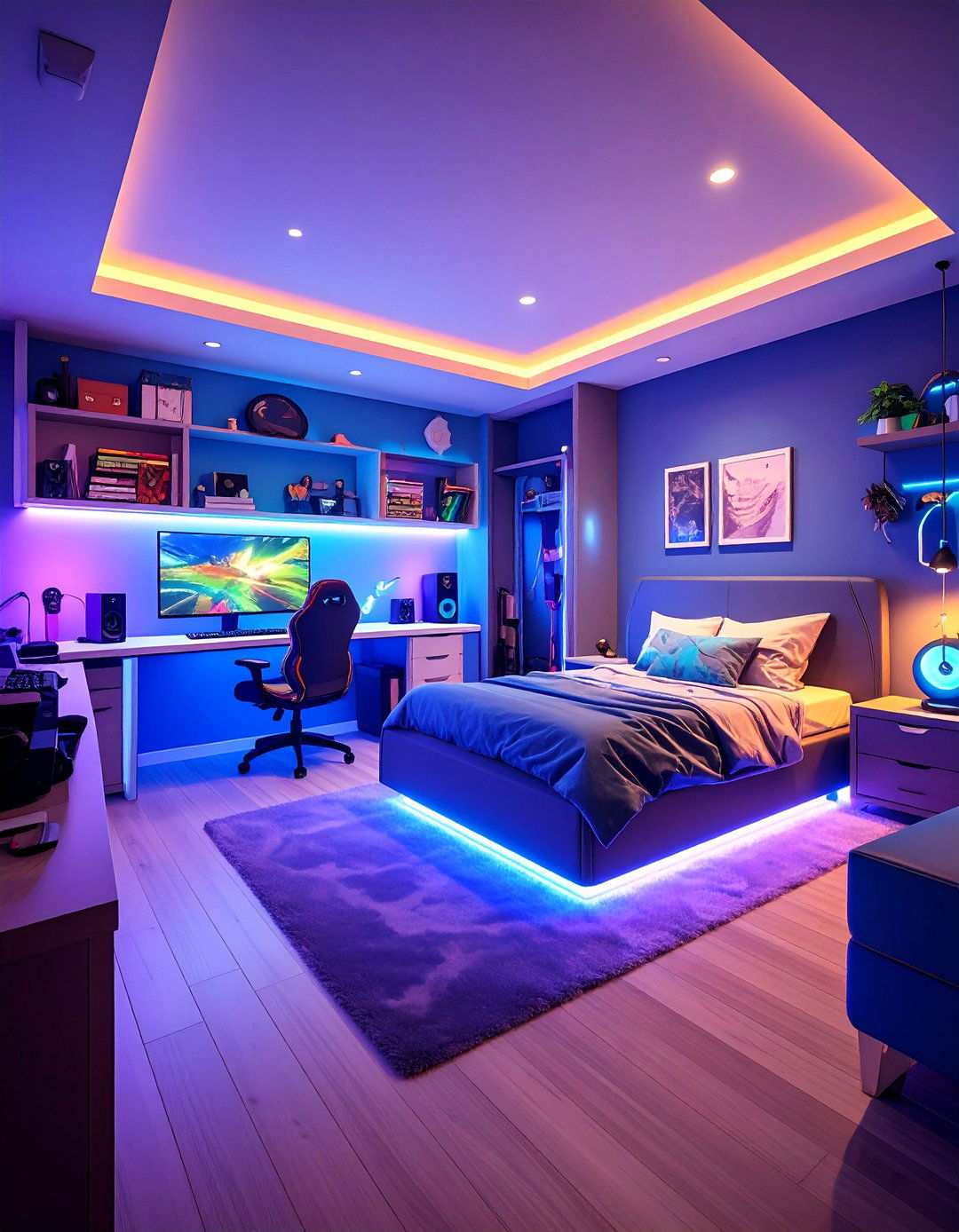
Teen-friendly basement bedrooms can evolve into lively social hubs and cozy retreats by incorporating adaptable zones and smart décor choices. Designated areas for relaxation, study, and socialization can be created through thoughtful furniture arrangement and lighting schemes. Installing LED lighting systems, plush seating, and gaming setups that resonate with teenagers can foster a sense of community. Adding interactive elements like bulletin boards, whiteboards, or magnetic paint allows teenagers to personalize their space and stay organized. Incorporating ample storage solutions for personal items, such as clothes, books, and electronic devices, helps maintain a clutter-free environment. Furthermore, soundproofing measures can enable teenagers to enjoy music and socialize without disturbing household members. Installing multiple electrical outlets for charging devices and electronics ensures seamless connectivity, while durable, easy-to-clean furniture withstands the rigors of teenage use. These design elements enable basement bedrooms to grow with teenagers while providing functional and visually appealing spaces that support their evolving needs.
13. Guest-Friendly Basement Bedroom Accommodations
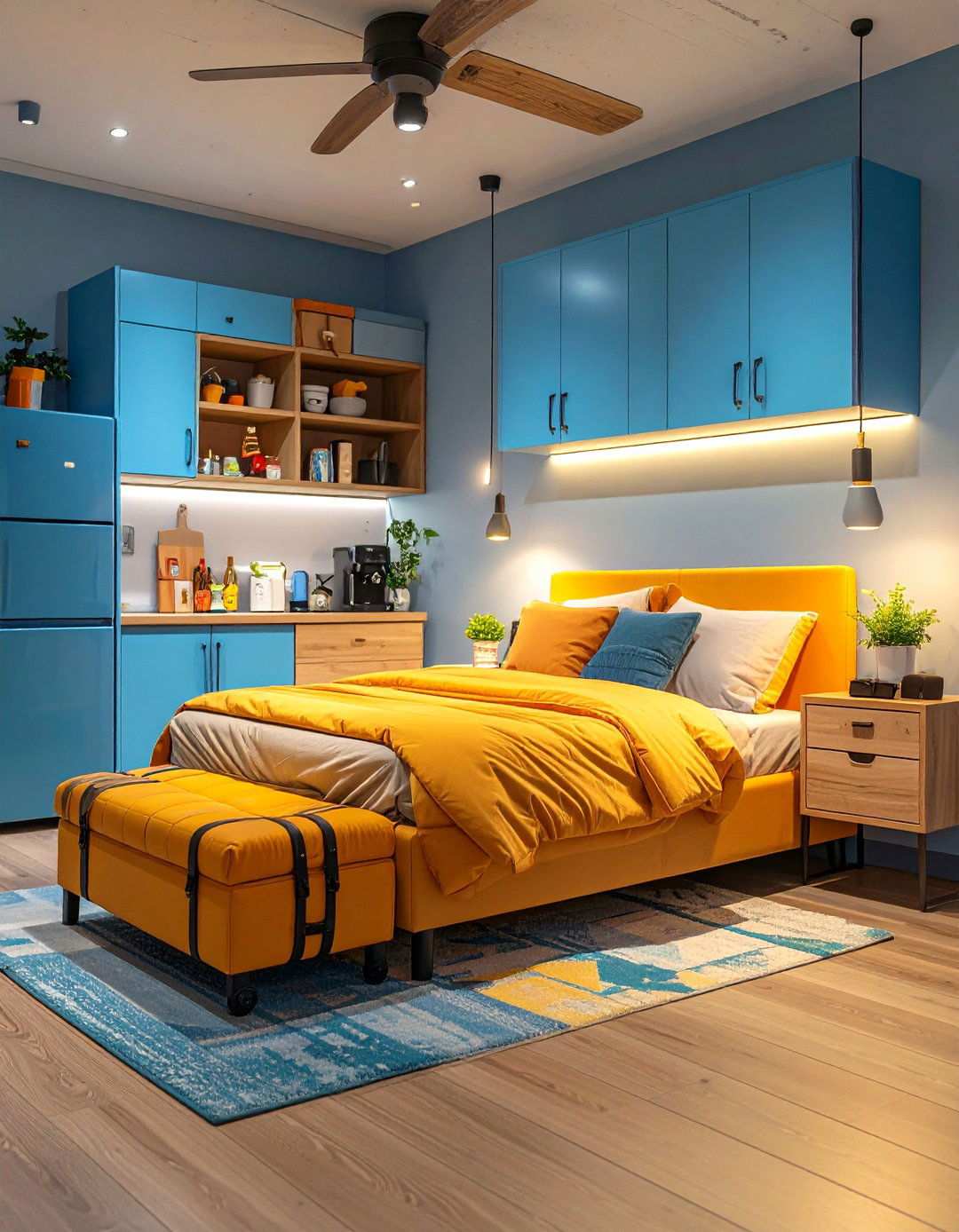
Creating inviting guest-ready basement bedrooms demands a high level of comfort and consideration for visitors’ needs. Providing ample storage space for guests’ belongings through clever furniture solutions, such as dressers, closets, or luggage racks, helps to create a sense of home away from home. Strategically placed bedside lighting with individual switches allows guests to read without disturbing their partners. Adding upholstered benches with hidden storage for linens and pillows contributes to a cozy atmosphere. Incorporating a small desk area for laptop use or writing provides a quiet workspace. Offering fresh linens, extra pillows, and comfortable seating options beyond the bed ensures guests feel pampered. Consider adding a compact refrigerator or coffee station for guest convenience. Installing mirrors and sufficient lighting for grooming activities helps guests feel refreshed and revitalized. Adding personal touches like artwork, plants, or books makes guests feel welcome and appreciated. These thoughtful amenities transform basement bedrooms into comfortable guest retreats that exceed expectations.
14. Basement Bedroom Acoustic Strategies for Serene Sleep
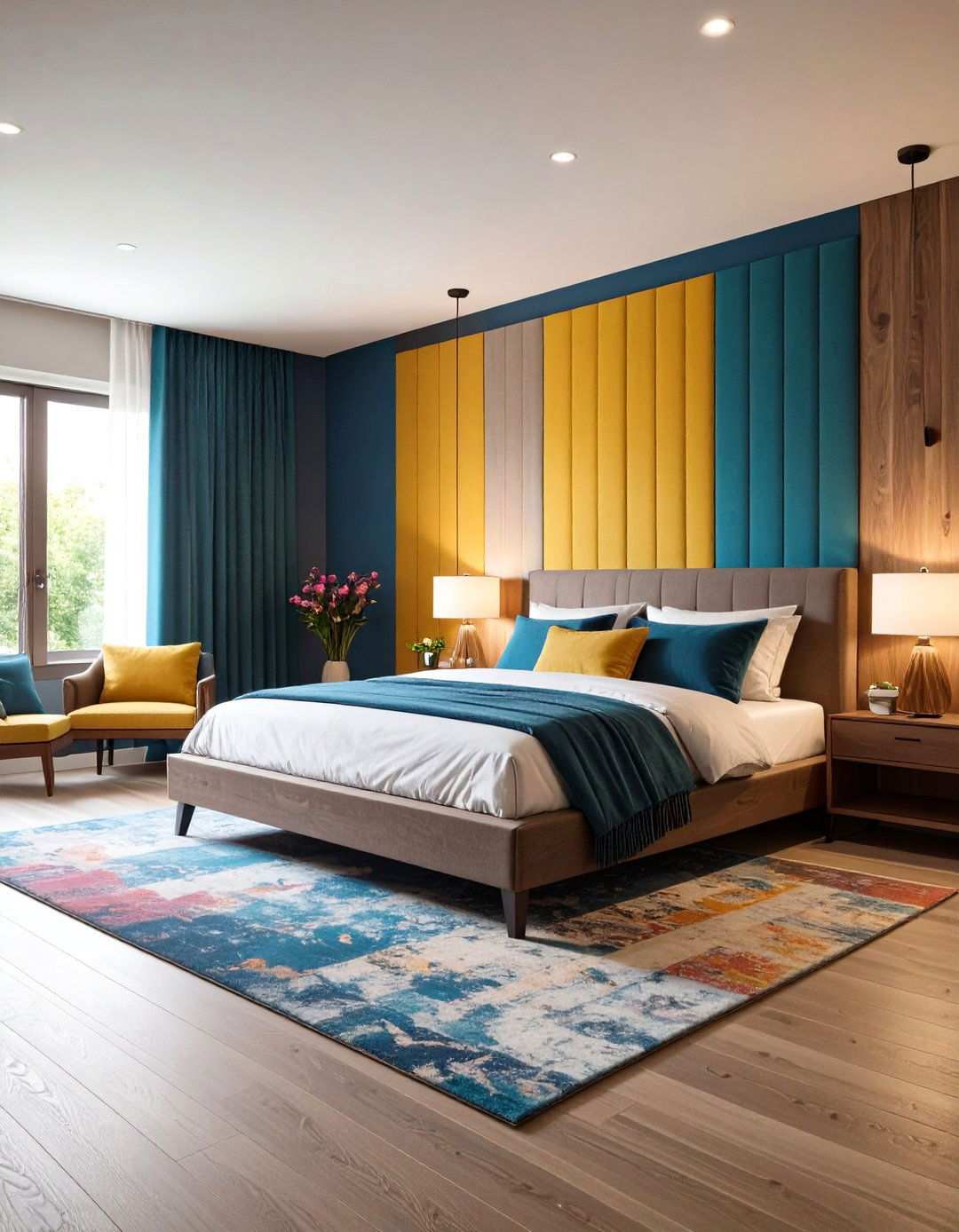
Basement bedrooms benefit significantly from acoustic treatments to minimize noise transfer and create peaceful sleeping environments. Installing sound-absorbing materials like acoustic panels, thick curtains, or upholstered furniture can effectively reduce echo and noise levels. Choosing flooring with sound-dampening properties, such as cork or vinyl with foam backing, can further minimize sound transmission. Adding area rugs not only provides warmth but also helps to absorb sound. Considering the use of white noise machines or ceiling fans can help mask household sounds. Installing weatherstripping around doors prevents sound leakage and maintains a peaceful atmosphere. Thoughtfully placing furniture can create sound barriers between sleeping areas and noise sources. Soft furnishings like pillows, blankets, and upholstered seating can also help absorb sound, ensuring a restful sleep despite the location below living areas. By implementing these acoustic solutions, basement bedrooms can become serene retreats where guests can recharge and relax.
15. Smart Storage Solutions for Basement Bedrooms
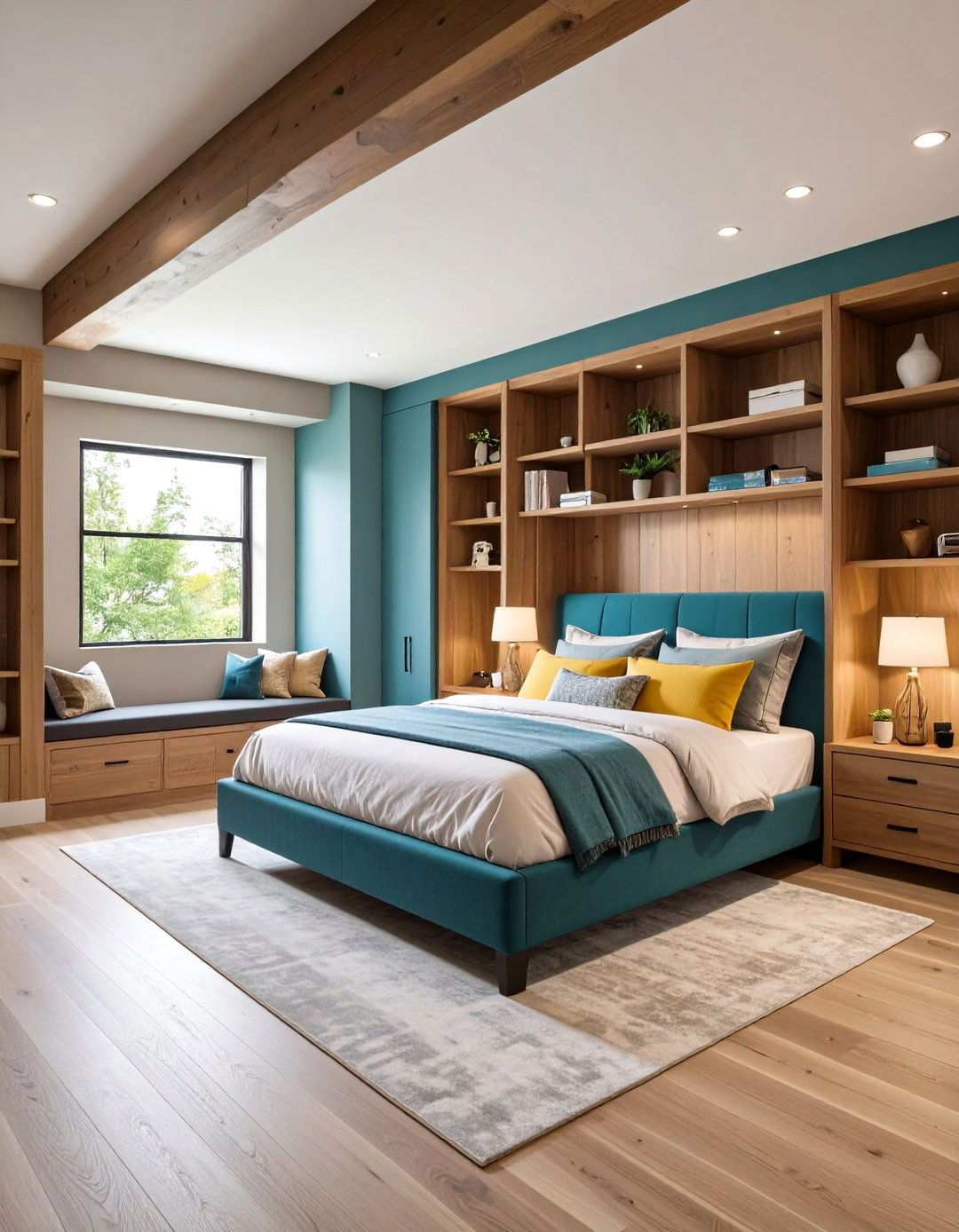
Maximizing space efficiency in basement bedrooms involves clever storage strategies that deliver seamless, visually appealing organization. To achieve this, design floor-to-ceiling closet systems featuring adjustable shelving, drawers, and hanging rods that glide smoothly along the wall. Strategically incorporate built-in nightstands and headboard shelving around bed areas, while also utilizing under-stair storage for basements situated near stairways. Window seat storage can double as a cozy reading nook, and built-in desk areas with storage drawers and shelving cater to homework or work-from-home activities. Don’t neglect the dead space under low ceilings, where built-in storage cubbies can be utilized to create a clutter-free and organized atmosphere.
16. Selecting the Right Textiles for Basement Bedrooms
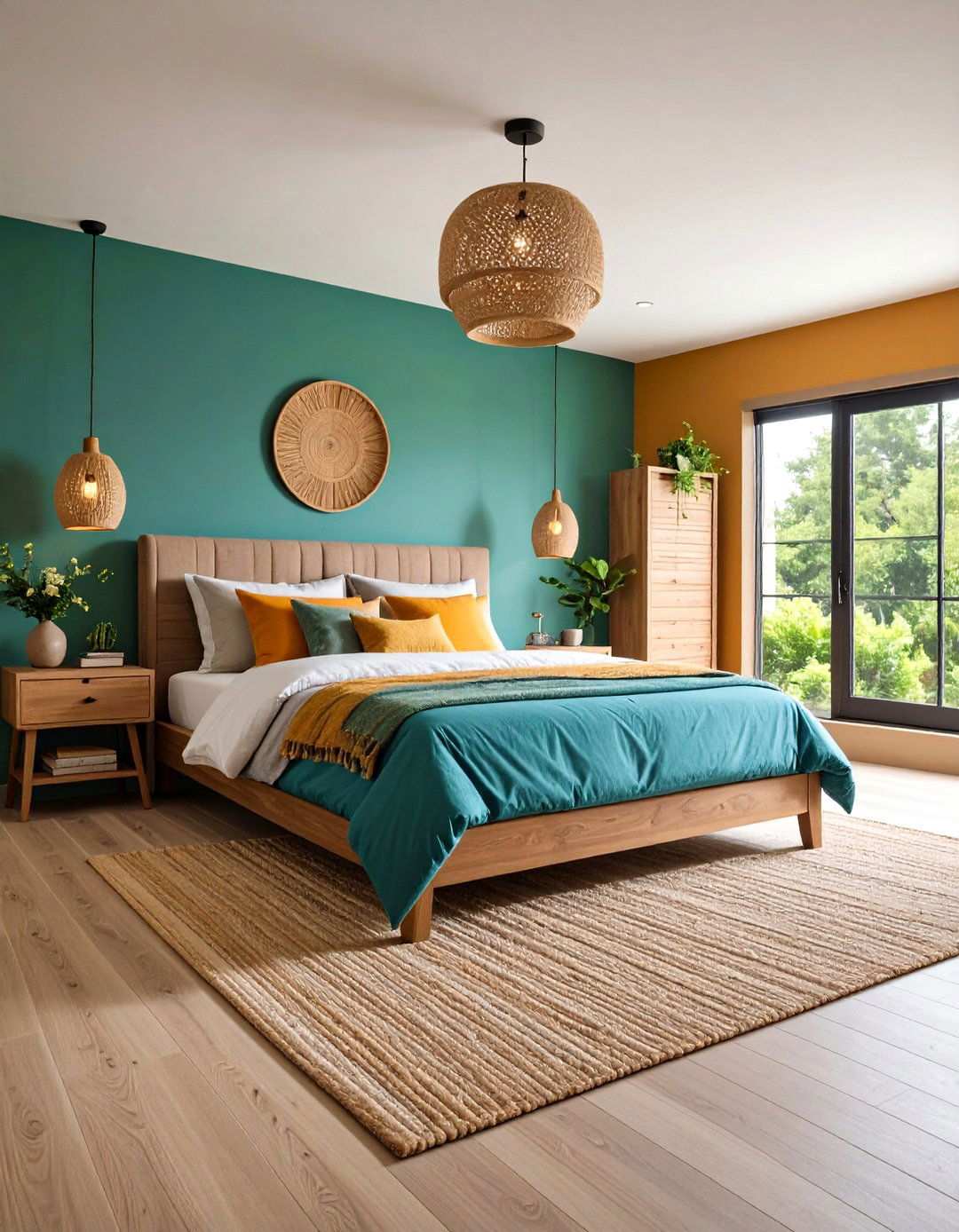
Choosing moisture-resistant textiles for basement bedrooms requires a thoughtful approach to balancing warmth, comfort, and durability. Select bedding crafted from moisture-wicking fabrics like bamboo or synthetic blends that resist mold and mildew growth. For flooring, consider synthetic carpets or rugs made from polypropylene, which repel water and resist moisture damage. Window treatments and curtains should be chosen from materials that won’t retain moisture or develop unpleasant odors. Add a touch of style with throw pillows and blankets in quick-drying fabrics for easy maintenance. When it comes to seating, opt for leather or synthetic upholstery that won’t absorb moisture, and consider applying antimicrobial treatments to fabrics whenever possible to prevent odor and mold growth.
17. Elevating Basement Bedrooms with Smart Technology
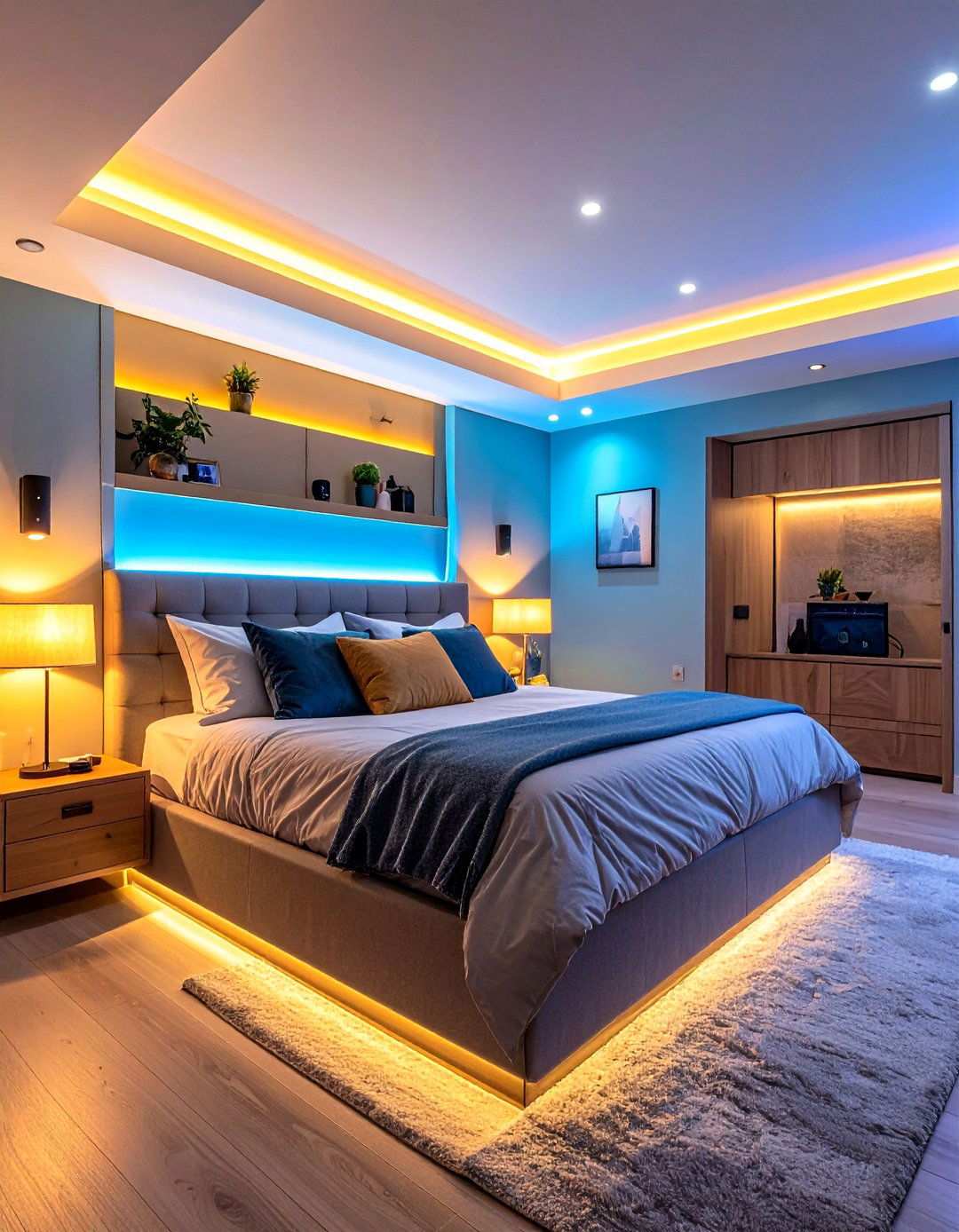
Integrating smart technology into modern basement bedrooms can greatly enhance comfort, convenience, and entertainment. For optimal lighting, install smart lighting systems with dimmer controls and preset scenes tailored to different activities. Automated climate control systems can maintain ideal temperature and humidity levels, while smart outlets enable device charging and automated appliance control. Whole-home audio systems can extend to basement bedrooms for music and entertainment, and security cameras can be installed if the bedroom serves as a rental unit. Utilize smart home integration to control lighting, temperature, and security from mobile devices, and ensure adequate electrical outlets and USB charging stations are in place to cater to modern electronic needs.
18. Elevating Basement Bedroom Environments with Illumination Strategies
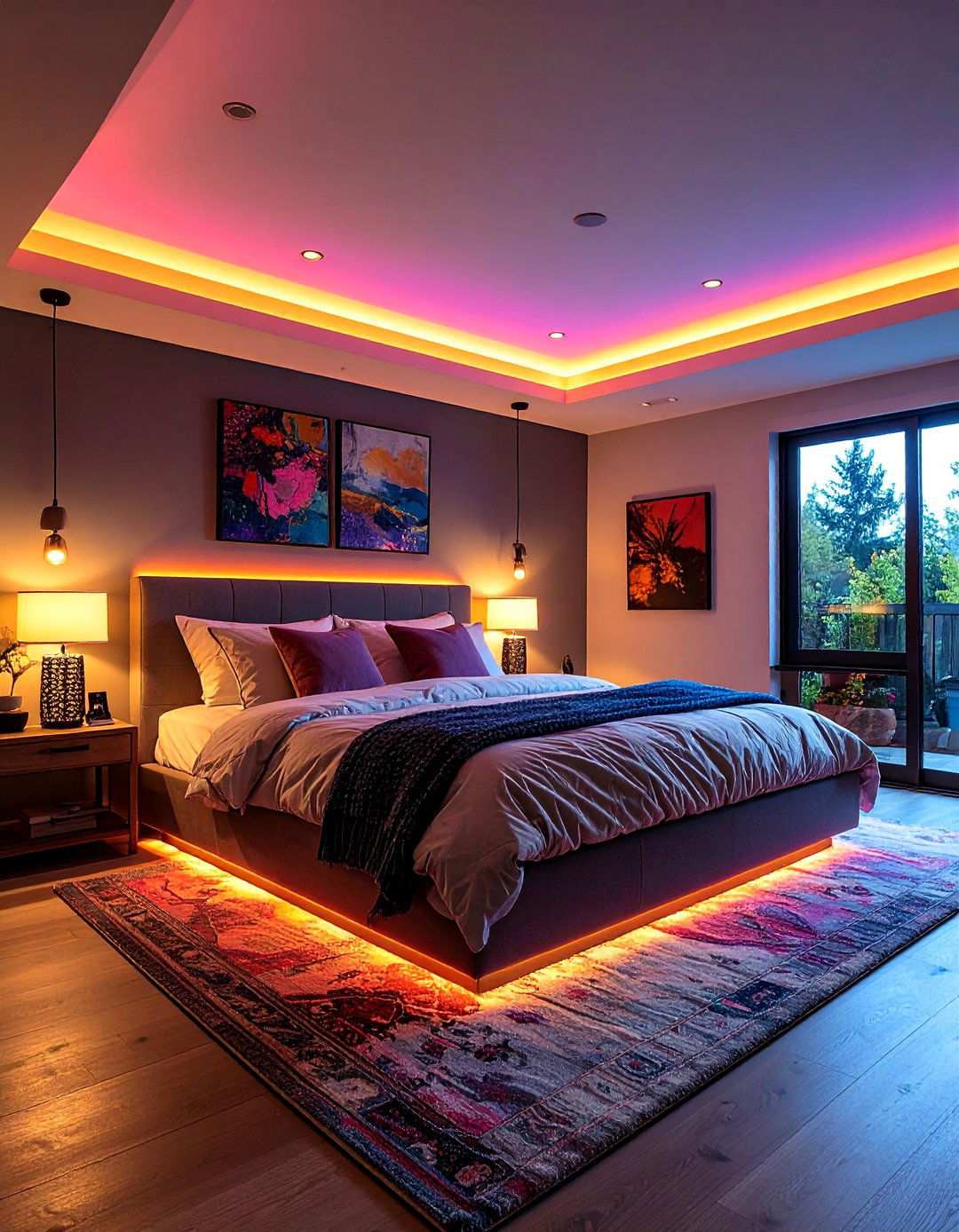
Crafting a basement bedroom’s ambiance hinges on carefully balancing diverse lighting schemes, which cater to different activities and timeframes. Implement task lighting with adjustable wall sconces and table lamps to facilitate reading and dressing. By incorporating dimmable ceiling fixtures and floor lamps, ambient lighting creates a soothing atmosphere for relaxation. Accent lighting highlights key features like artwork, architectural elements, or decorative pieces, while full-spectrum bulbs simulate natural light to counteract the absence of windows. Motion-sensitive lighting ensures safety during nighttime movements, while color-changing LED systems can adjust to support circadian rhythms. This multi-faceted approach enables your basement bedroom to serve multiple purposes while maintaining adequate illumination for each activity.
19. Establishing Basement Bedroom Boundaries through Creative Design Solutions
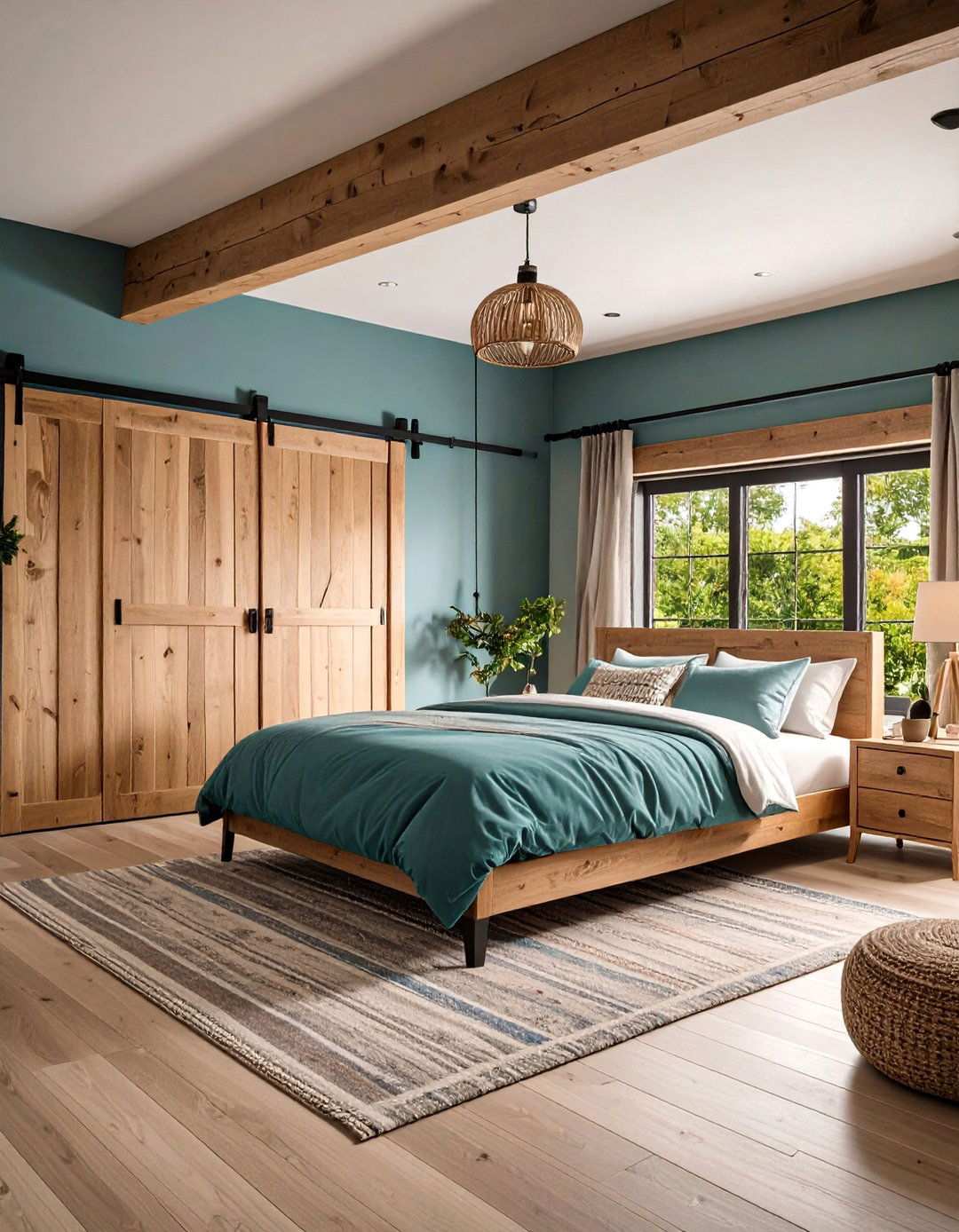
Achieving privacy in basement bedrooms often demands innovative solutions, such as barn doors, sliding panels, or room dividers. Installing solid doors with proper weather sealing effectively separates bedrooms from other basement areas. Using wall dividers conceals stairs and enhances the appearance of finished spaces. Consider moveable screens or curtains for flexible privacy options, and soundproof doors if noise control is a priority. Defining sleeping spaces through furniture placement and area rugs creates visual separation, while using different flooring materials delineates bedroom areas from other functions. Ceiling-mounted curtain tracks offer temporary privacy solutions, ensuring your basement bedroom feels like a distinct space.
20. Unleashing Basement Bedroom Potential through Design Exploration
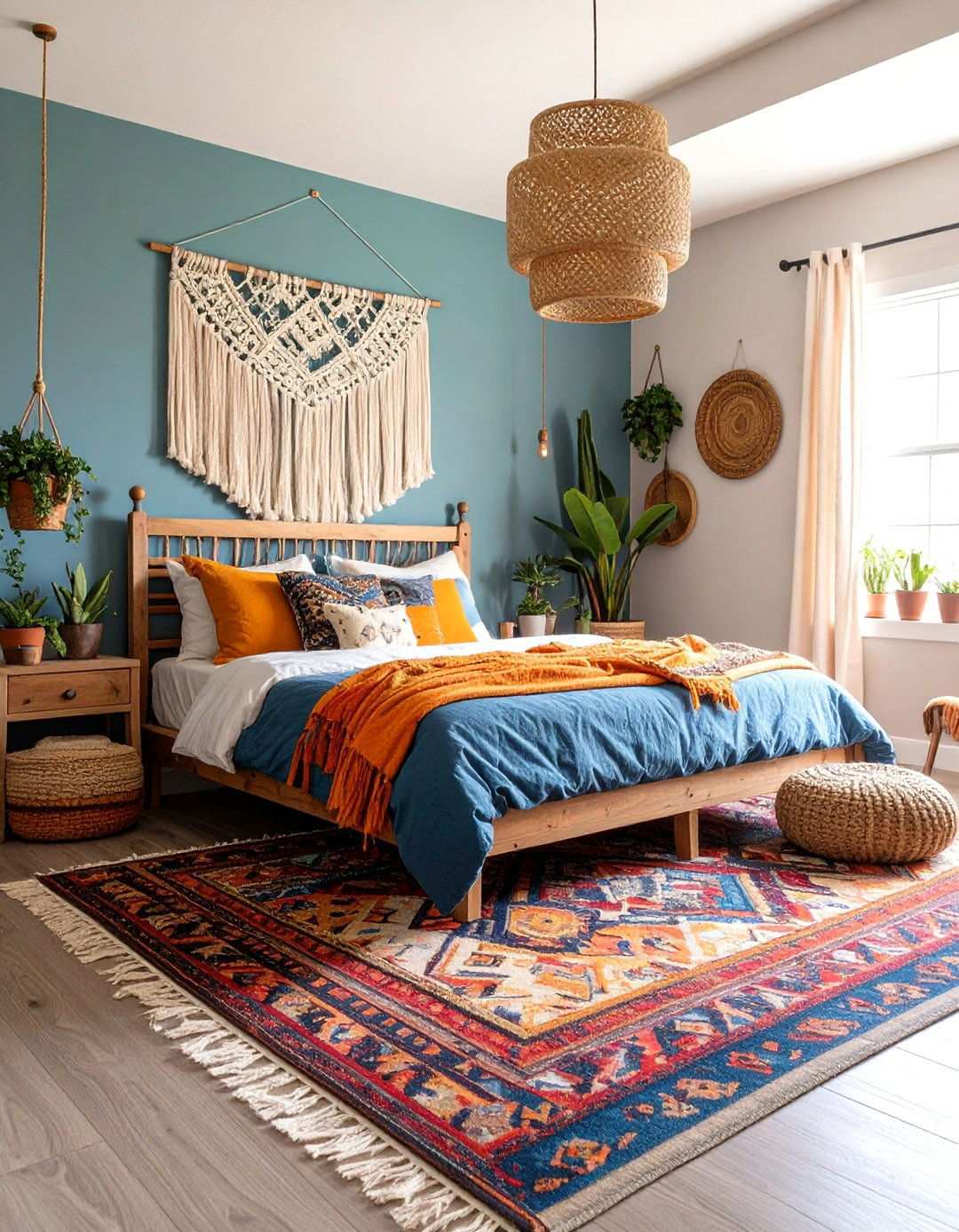
Basement bedrooms present an opportunity to express various design themes, from Mediterranean warmth to modern minimalism. Create serene spaces inspired by Zen principles, featuring natural materials, soft lighting, and minimal ornamentation. Consider industrial chic designs that incorporate exposed elements like ductwork and concrete with metal accents. Develop cozy cottage themes using warm colors, soft textures, and vintage furnishings, or embark on bohemian styles with layered textiles, eclectic artwork, and unique decorative elements. Create modern spa-like environments with neutral colors, clean lines, and luxury materials, or opt for monochromatic color schemes for a sophisticated, calming effect. These design themes transform basement bedrooms into personalized spaces that reflect individual style preferences while navigating the unique constraints of below-grade environments.