1. Timeless Elegance with Drop Ceiling Tiles for Versatile Basement Spaces
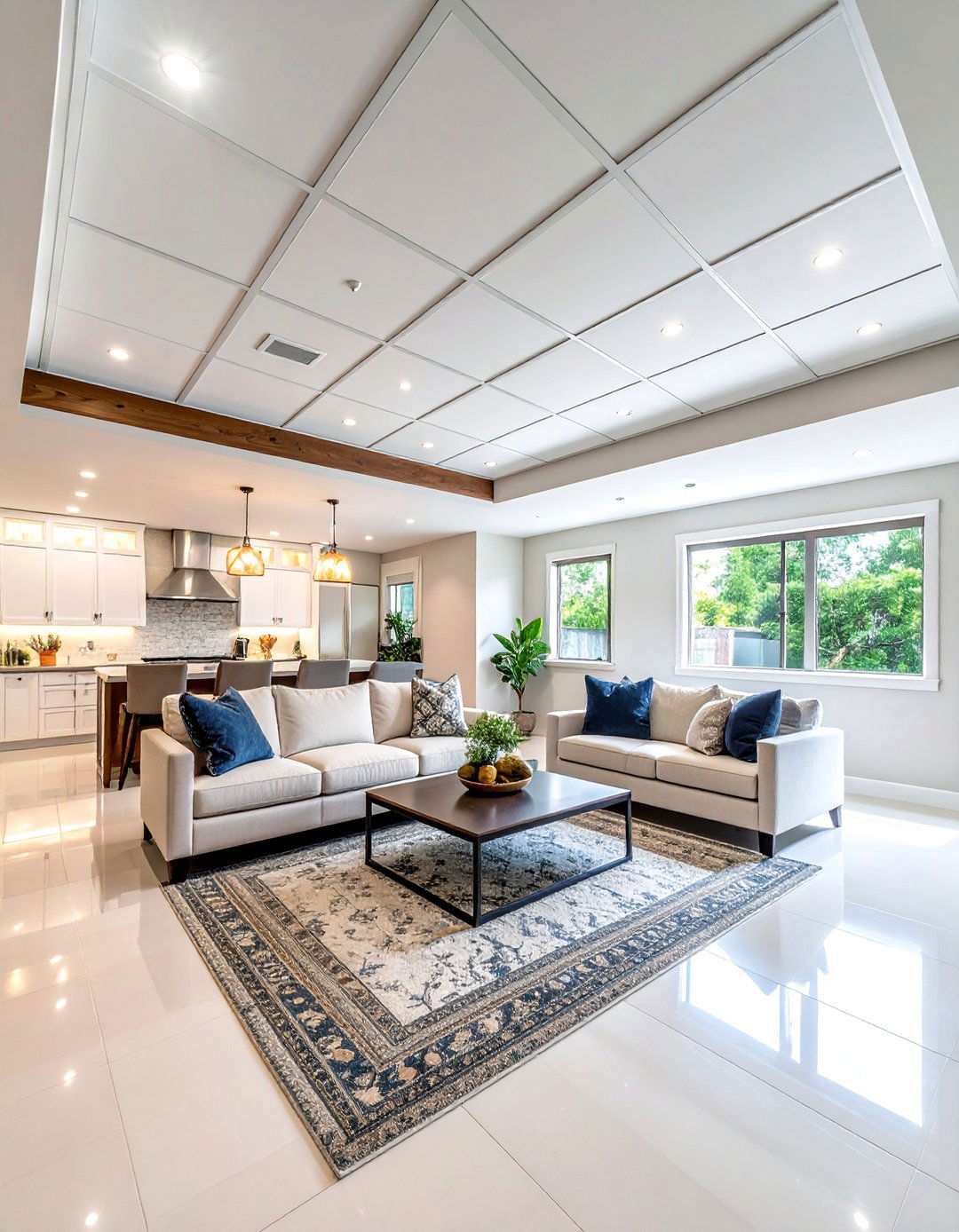
The intelligent design of drop ceiling tiles has made them an enduring favorite among homeowners seeking to harmonize functionality with their basement’s unique aesthetic. These suspended panels, installed within a sturdy metal grid system, grant effortless access to the plumbing, electrical, and HVAC infrastructure overhead, making them an ideal choice for basements with intricate utility networks. No longer limited to basic, utilitarian options, modern drop ceiling tiles boast an array of sleek designs, varied textures, and contemporary finishes that can dramatically revamp any basement. Moreover, the installation process is remarkably straightforward – simply lift the tiles as needed for maintenance, streamlining the upkeep of these often-underutilized spaces.
2. Exposing the Beauty of Exposed Beam Basement Ceilings
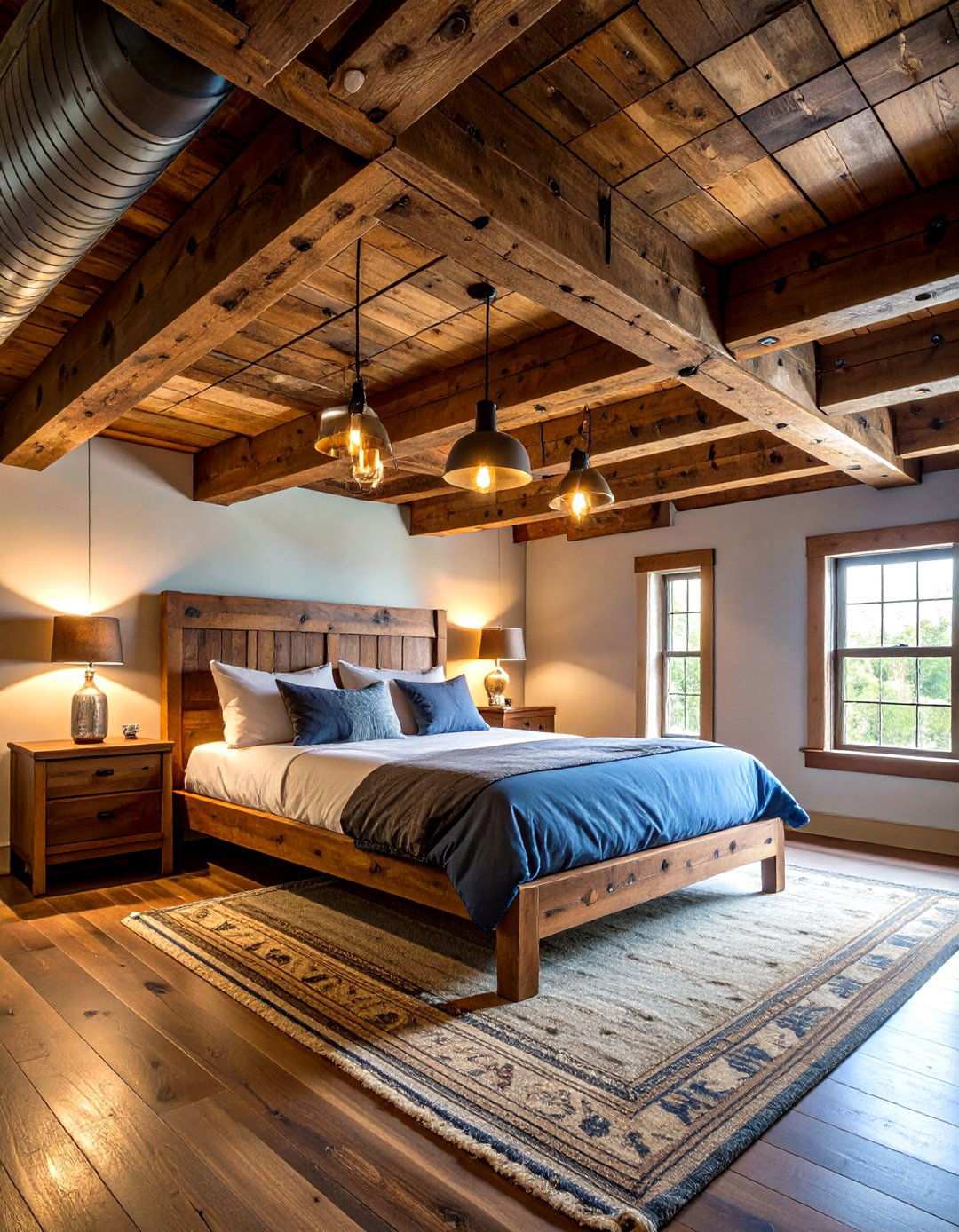
The bold, industrial aesthetic of exposed beam basement ceilings offers a captivating alternative to traditional ceiling designs. By leaving structural joists, beams, and even utility lines on full display, homeowners can create a striking visual effect that amplifies ceiling height and showcases the basement’s architectural charm. Beyond its impressive visual impact, this design approach also provides significant practical advantages, including simplified access to mechanical systems and streamlined installation that can reduce renovation time and costs. Furthermore, exposed basement ceilings often have the remarkable effect of making spaces feel more expansive and inviting, drawing the eye upward and fostering a sense of openness and airiness. When tastefully finished with paint or stain, exposed beams can become show-stopping decorative elements that add personality and authenticity to basement living areas.

As an Amazon Associate I earn from qualifying purchases.
3. Achieving Harmonious Aesthetic Balance Through Basement Ceiling Painting
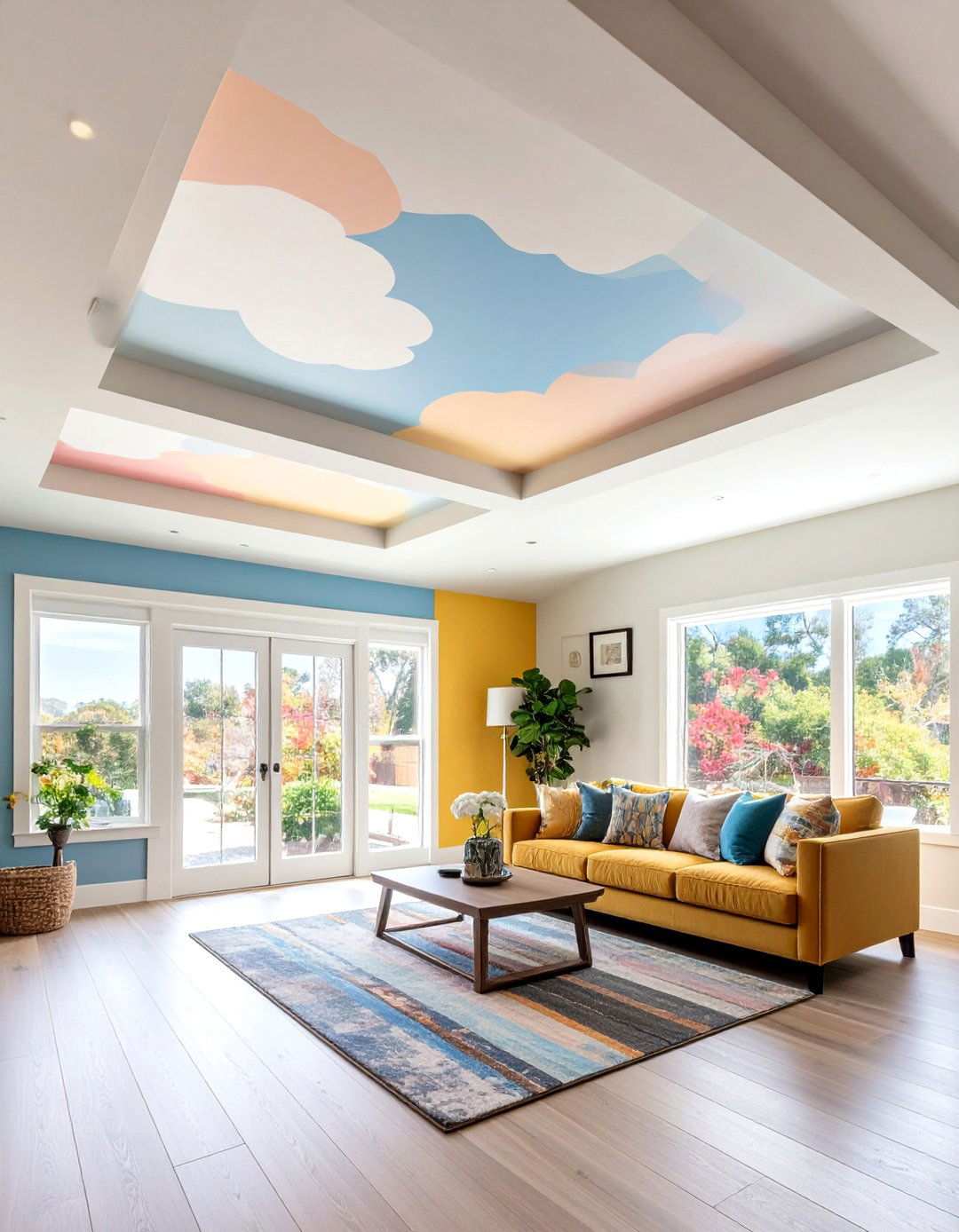
Enhancing basement ceilings through painting presents an adaptable and cost-effective transformation opportunity, enabling homeowners to craft unified designs that seamlessly integrate with the rest of their basement space. While a bright, creamy white paint remains a popular choice for basement ceilings, as it skillfully reflects light and creates a sense of spaciousness, many homeowners opt for warm whites with subtle undertones to sidestep the coldness often associated with a pure white finish. For those seeking a more dramatic ambiance, dark colors such as deep berry tones or charcoal can effectively conceal imperfections while adding depth and luxury to the space. Alternatively, homeowners may choose to incorporate accent colors or even sky-themed paint schemes featuring clouds and constellations, which can be particularly effective in basement playrooms designed for children.
4. Wood Plank Basement Ceilings for Enhancing Cozy Atmosphere
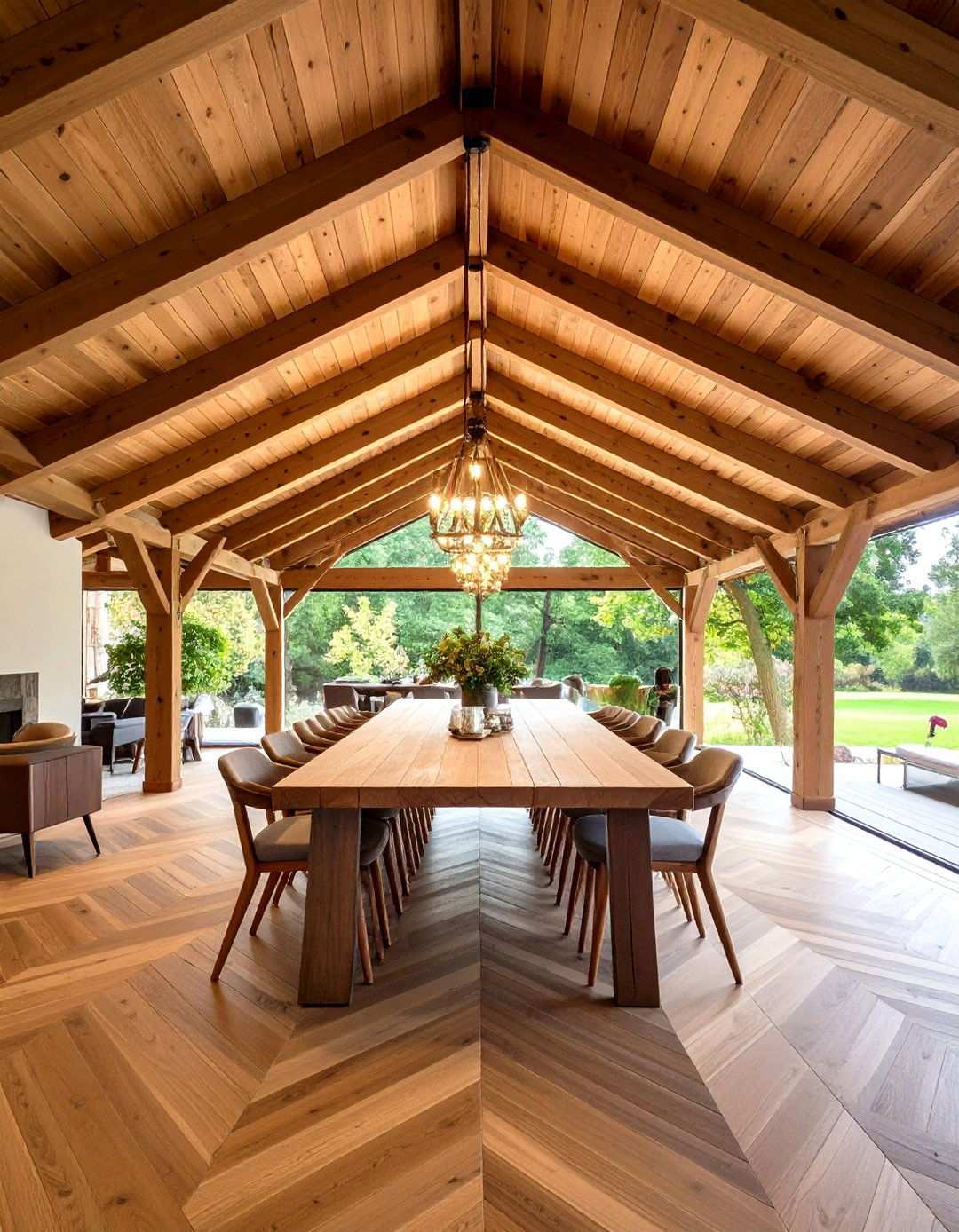
Wood plank basement ceilings bring a sense of warmth and architectural interest to underground spaces, effectively creating inviting environments that emulate the comfort of upstairs living areas. The planks can be installed in a variety of patterns, including classic side-by-side arrangements or more intricate herringbone designs that add visual sophistication to basement rooms. Tongue-and-groove installation methods ensure a clean, professional finish, while pre-finished planks save time and provide consistent color and texture throughout the installation process. Prior to installing wood ceilings, it is crucial to ensure proper basement waterproofing, and applying protective sealants can go a long way in preventing moisture damage while making cleaning and maintenance significantly easier. The natural texture and grain patterns in wood planks also create visual interest that complements both rustic farmhouse aesthetics and modern contemporary designs.
5. Adding Vintage Flair with Tin Tile Basement Ceilings
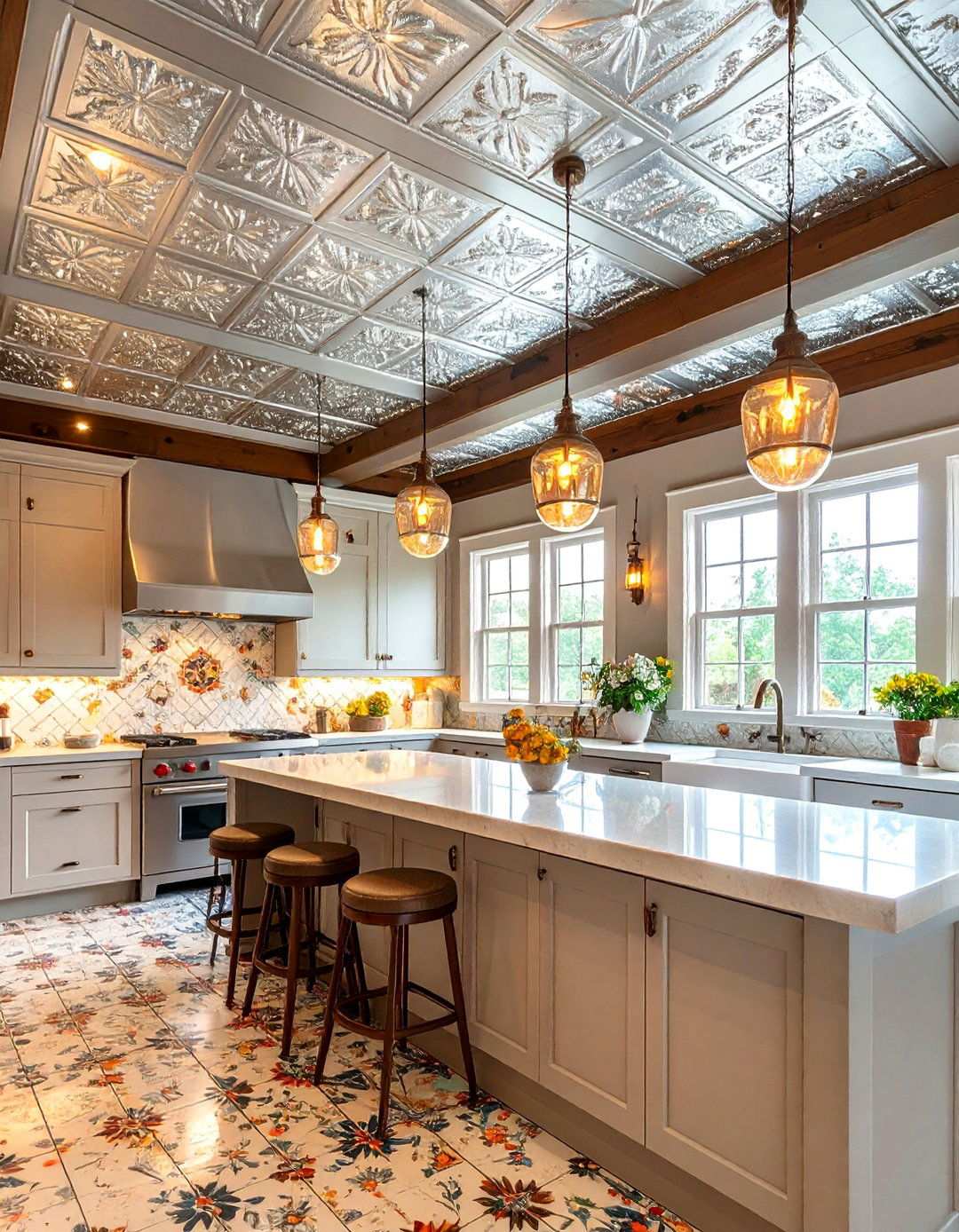
Tin ceiling tiles offer basement spaces sophisticated vintage charm reminiscent of classic pubs and historic buildings, with modern versions featuring enhanced durability and rust resistance. These decorative panels are particularly well-suited for drop ceiling systems, providing easy access to utilities while delivering a far more stylish finish than traditional ceiling tiles. Tin tiles come in numerous patterns and finishes, with unfinished options allowing for custom paint treatments that can significantly reduce costs while enabling personalized color schemes. The reflective properties of tin surfaces also help distribute light throughout basement areas, making them particularly effective in spaces with limited natural lighting. Installation typically involves simple drop-in placement or direct mounting, making tin tiles accessible to most DIY enthusiasts who want to achieve professional-looking results.
6. Drywall Basement Ceilings for Timeless Aesthetic Continuity
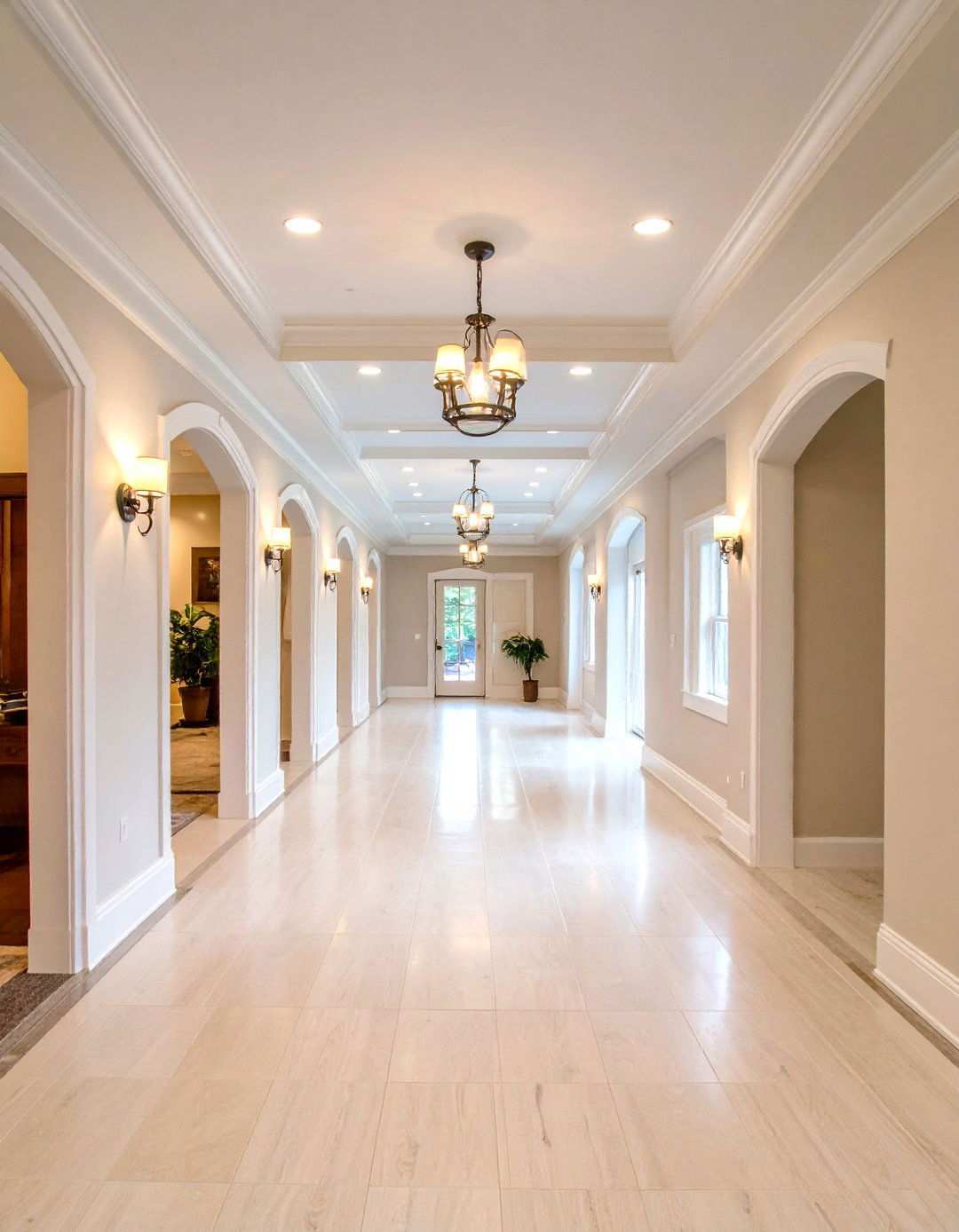
Basements with drywall ceilings seamlessly blend in with the rest of the house, erasing the boundaries between living spaces and subterranean areas. This classic method neatly conceals all underlying utilities and structural elements, allowing homeowners to create a harmonious visual flow that matches their interior design vision. Drywall’s adaptability makes it possible to add custom texturing, crown molding, and intricate paint effects, resulting in beautifully polished basement environments that rival those upstairs. To ensure long-term satisfaction, it’s crucial to weigh future access needs carefully, as drywall removal becomes essential for extensive plumbing or electrical work. Professional installation guarantees proper support and moisture resistance, and clever planning can incorporate removable panels for maintenance convenience without compromising the finished look.
7. Corrugated Metal Basement Ceilings for Industrial Chic Ambiance
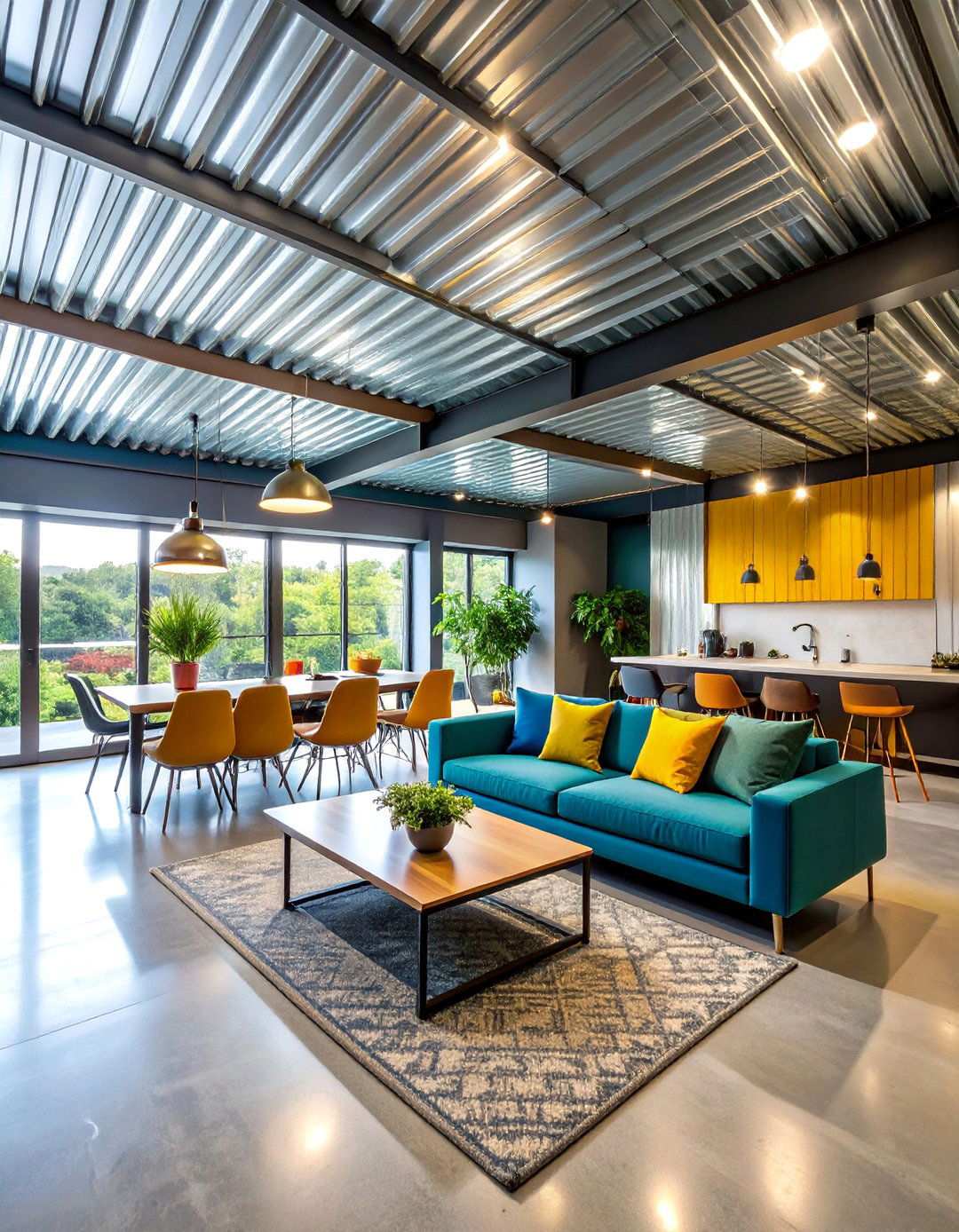
Corrugated metal ceilings bring a striking modern industrial flair to basement spaces with their low-maintenance requirements and exceptional light-reflecting properties. The reflective metal surfaces expertly bounce available light around the room, making them particularly beneficial in darker underground environments. Using new or repurposed metal sheets, homeowners can choose between aged or weathered options to add authentic vintage industrial character to their basement designs. The unique texture and pattern of corrugated metal add visual interest while maintaining the rough, unfinished appeal that many homeowners seek in contemporary basement designs. Securing metal sheets to ceiling frameworks involves a straightforward installation process that creates durable surfaces capable of withstanding the moisture and temperature fluctuations common in basements.
8. Fabric Panel Basement Ceilings for Cozy Textured Environments
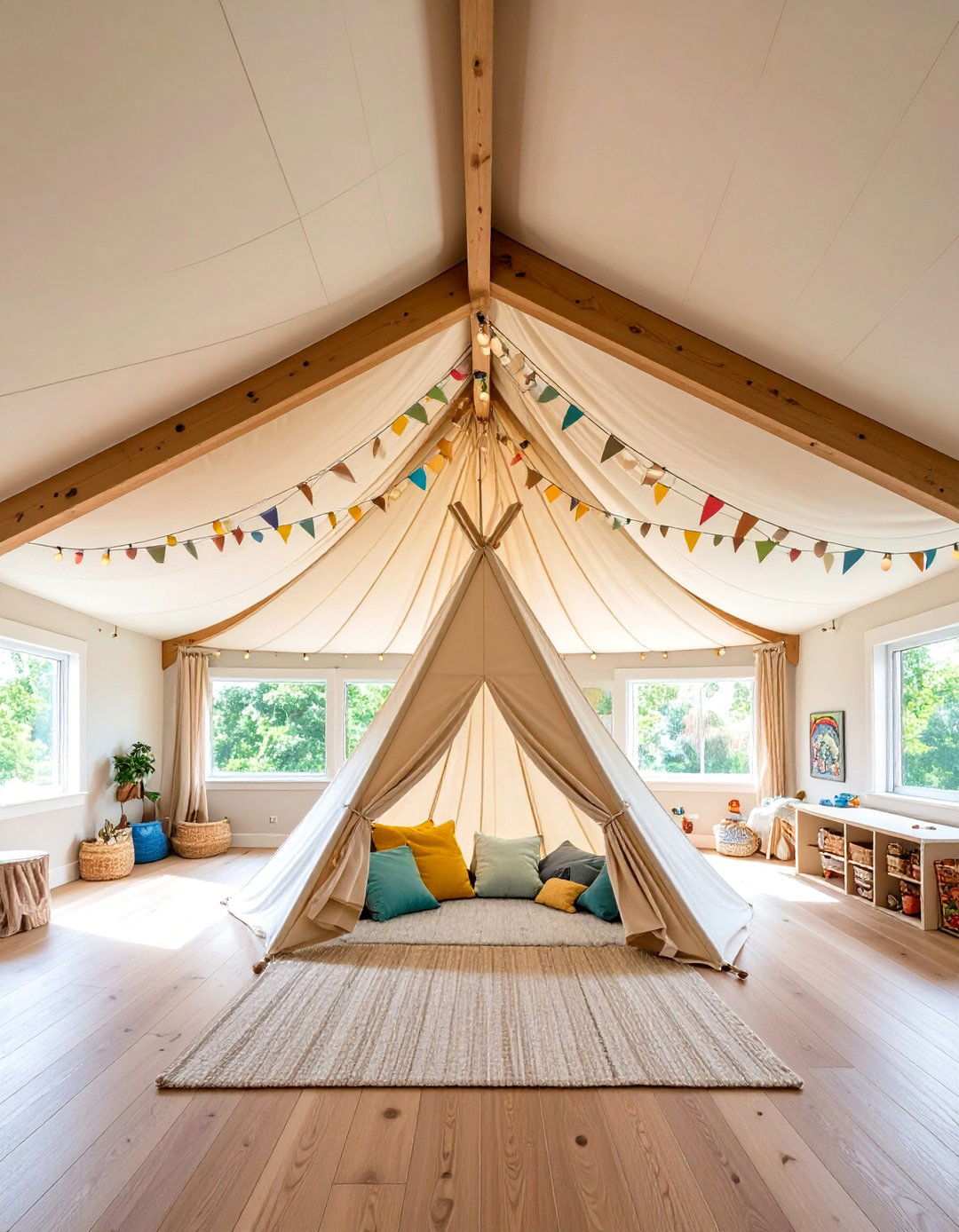
Fabric panel ceilings create a soft, inviting atmosphere by stapling decorative fabrics or bedsheets directly to exposed floor joists for a budget-friendly, creative solution. This technique works particularly well in basement playrooms, where the tented effect creates a whimsical, child-friendly environment that feels warm and welcoming. For a more sophisticated approach, stretch ceiling systems using elastic fabrics clipped to perimeter frames offer an easily removable solution for utility access. Fabric panels also provide an excellent opportunity for color coordination with existing basement décor, allowing homeowners to introduce patterns and textures that complement their overall design schemes. The installation process requires minimal tools and skills, making this approach accessible to most DIY enthusiasts seeking unique basement ceiling transformations.
9. Elevating Basement Ambiance with Tray Ceilings
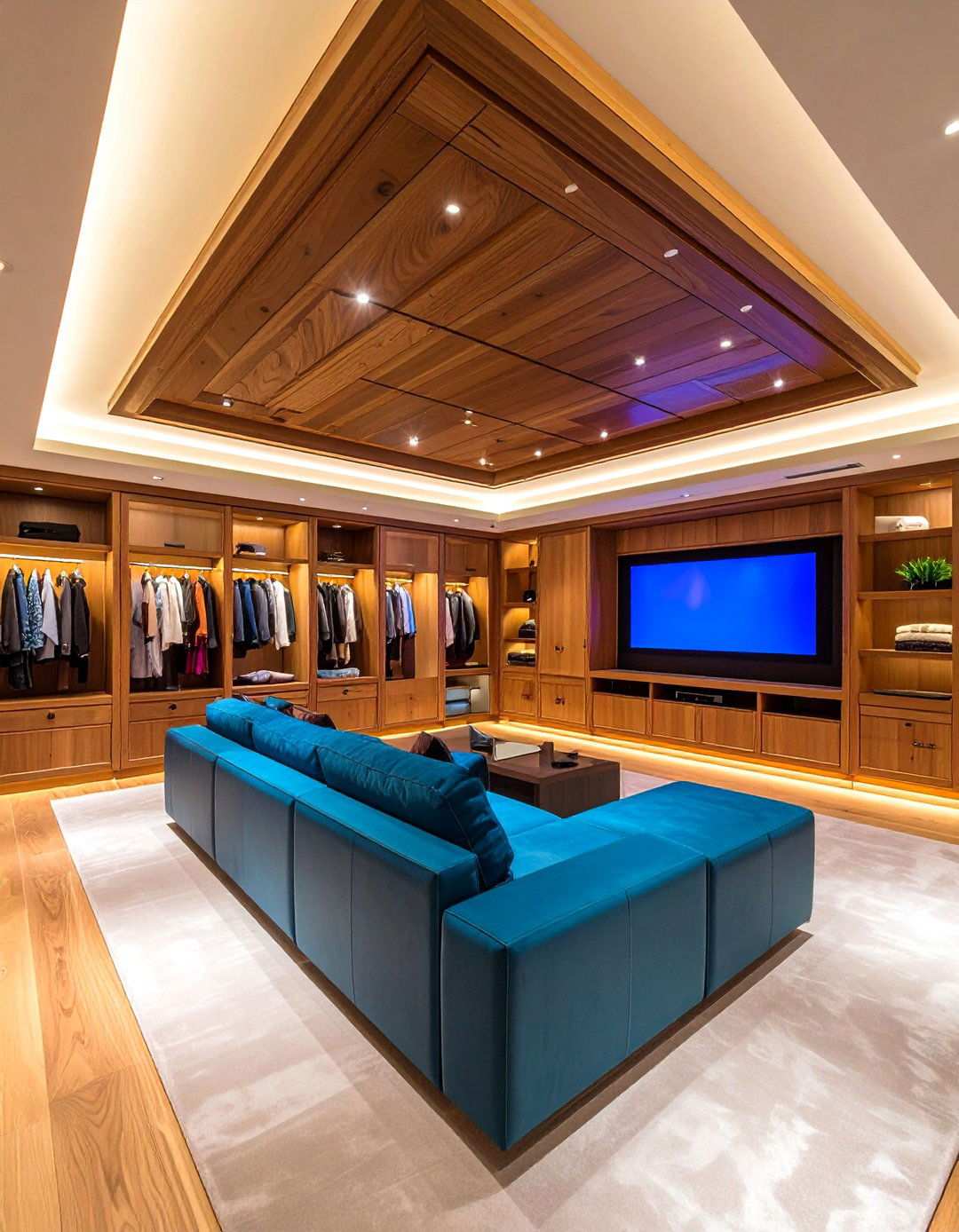
Tray ceilings in basements offer a striking visual illusion of added height and sophisticated architectural flair, thanks to their recessed central sections that naturally draw the eye upward and create drama. This multi-level ceiling design excels in basement entertainment areas, home theaters, and formal living spaces where an elegant appearance is paramount. The raised perimeter sections present an ideal opportunity to incorporate accent lighting, rope lights, or LED strips that not only provide ambient illumination but also highlight the ceiling’s architectural features. By incorporating wood planking or other decorative treatments within tray sections, you can add visual interest and create striking contrast effects through varying colors or textures. Proper installation by a professional ensures that the proportions and structural support are maintained, while careful planning integrates lighting and ventilation systems seamlessly into the overall design.
10. Bringing Warmth and Authenticity with Beadboard Ceilings
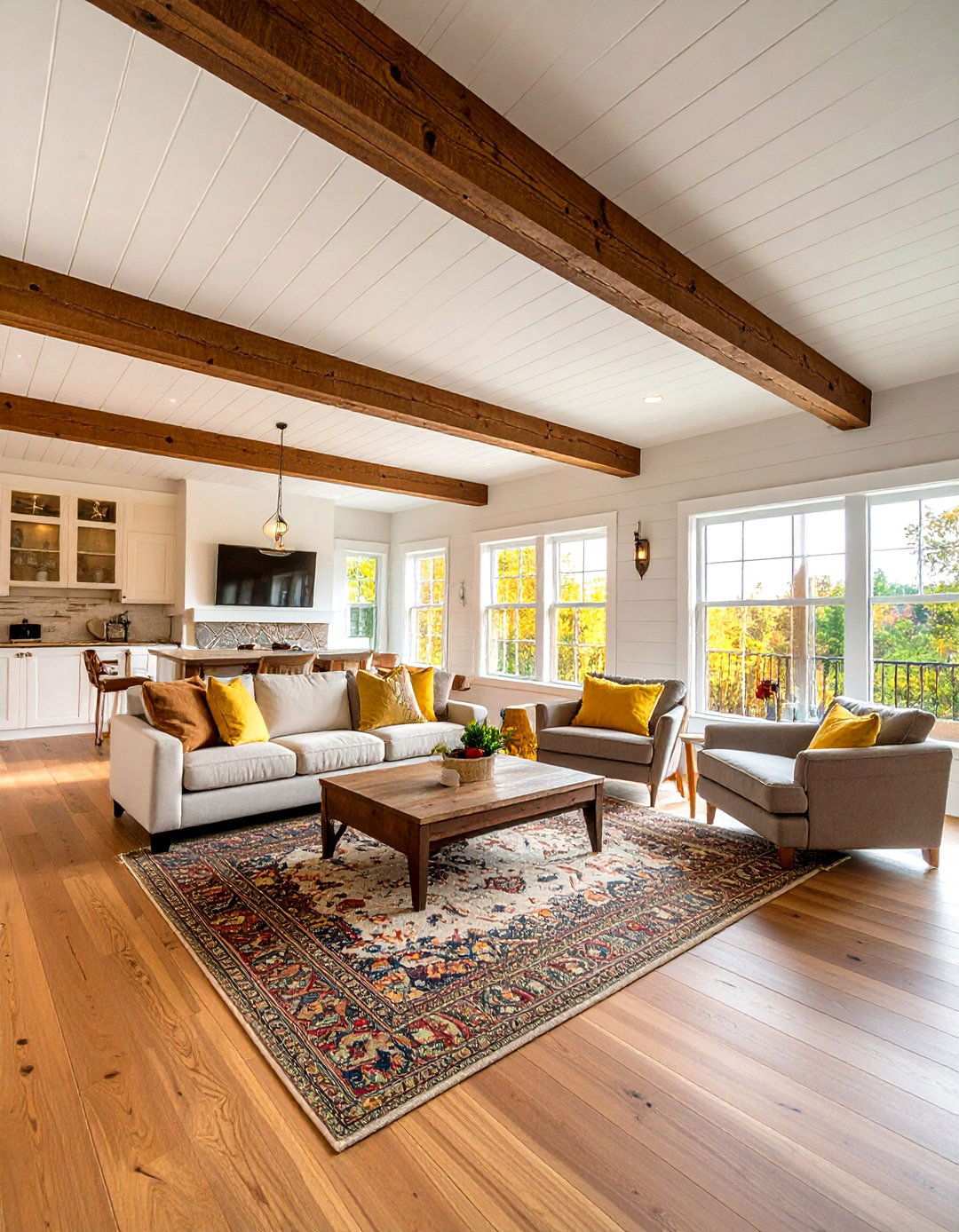
Beadboard basement ceilings bring a classic, timeless charm and traditional elegance to underground spaces through their distinctive vertical groove patterns that add texture and visual appeal. Pre-finished beadboard planks feature convenient tongue-and-groove edges for straightforward installation, while the primed surfaces can be painted to match any desired color scheme. This approach works particularly well when installed between exposed joists, creating organized geometric patterns that feel intentional and deliberately designed. The vertical lines in beadboard naturally draw the eye upward, helping low basement ceilings feel taller and more spacious. For successful installation, solid mounting surfaces like existing drywall or furring strips are required, making this option suitable for basements with various structural configurations.
11. Mastering Architectural Elegance with Coffered Ceilings
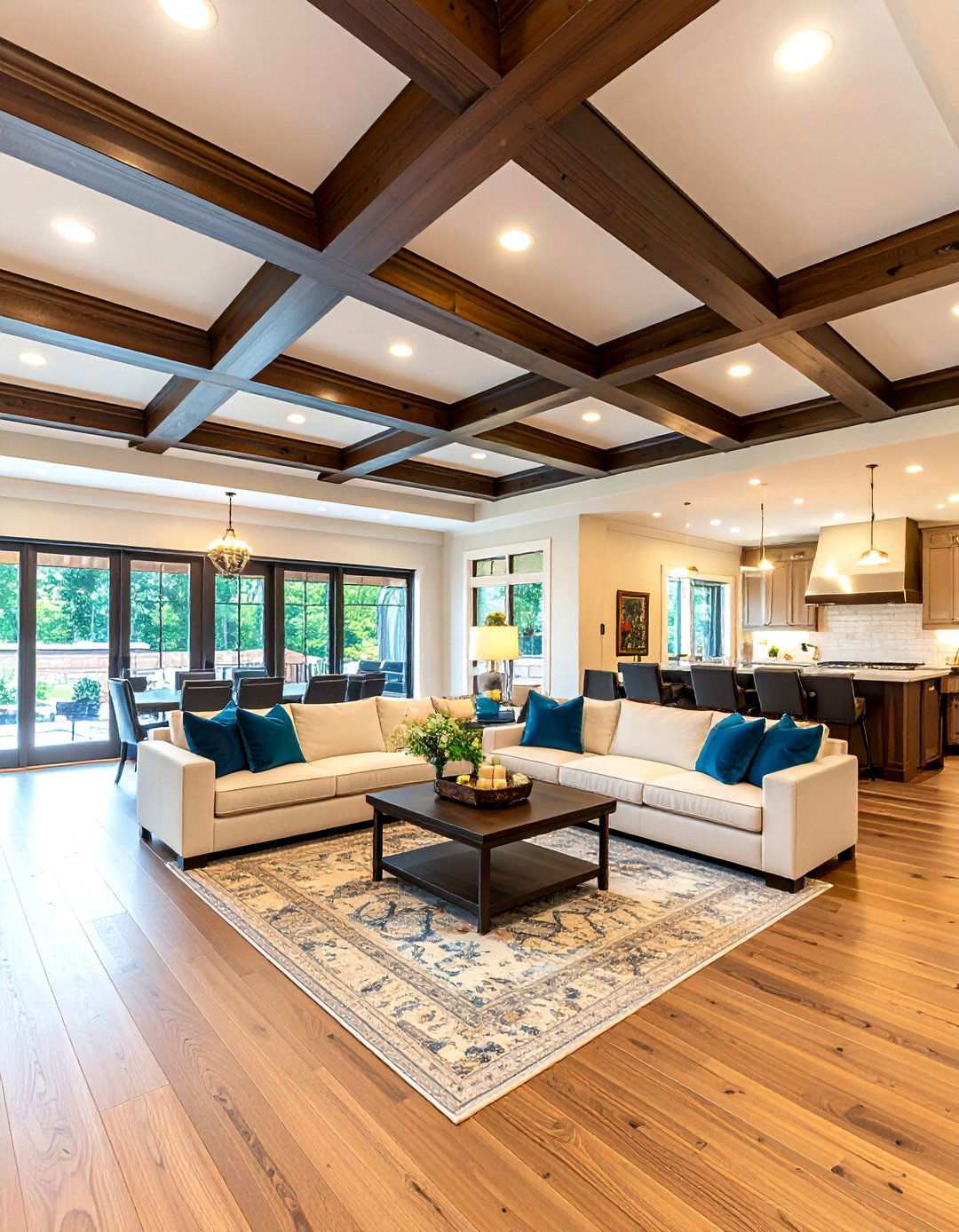
Coffered basement ceilings feature decorative beam grids that create sophisticated architectural elements reminiscent of traditional formal rooms and luxury homes. These box-pattern installations can be added over existing ceiling materials like drywall or planks, using either solid wood beams or lightweight faux construction for easier installation. The coffers create visual depth that makes basement ceilings appear higher while providing elegant frameworks for recessed lighting fixtures or decorative elements. Modern drop ceiling systems offer coffered-look tiles that provide similar aesthetic benefits with easier maintenance access. Crown molding details enhance the finished appearance, creating basement spaces that rival upstairs formal rooms in terms of architectural sophistication and visual impact.
12. Illuminating Ambiance with LED-Integrated Ceilings
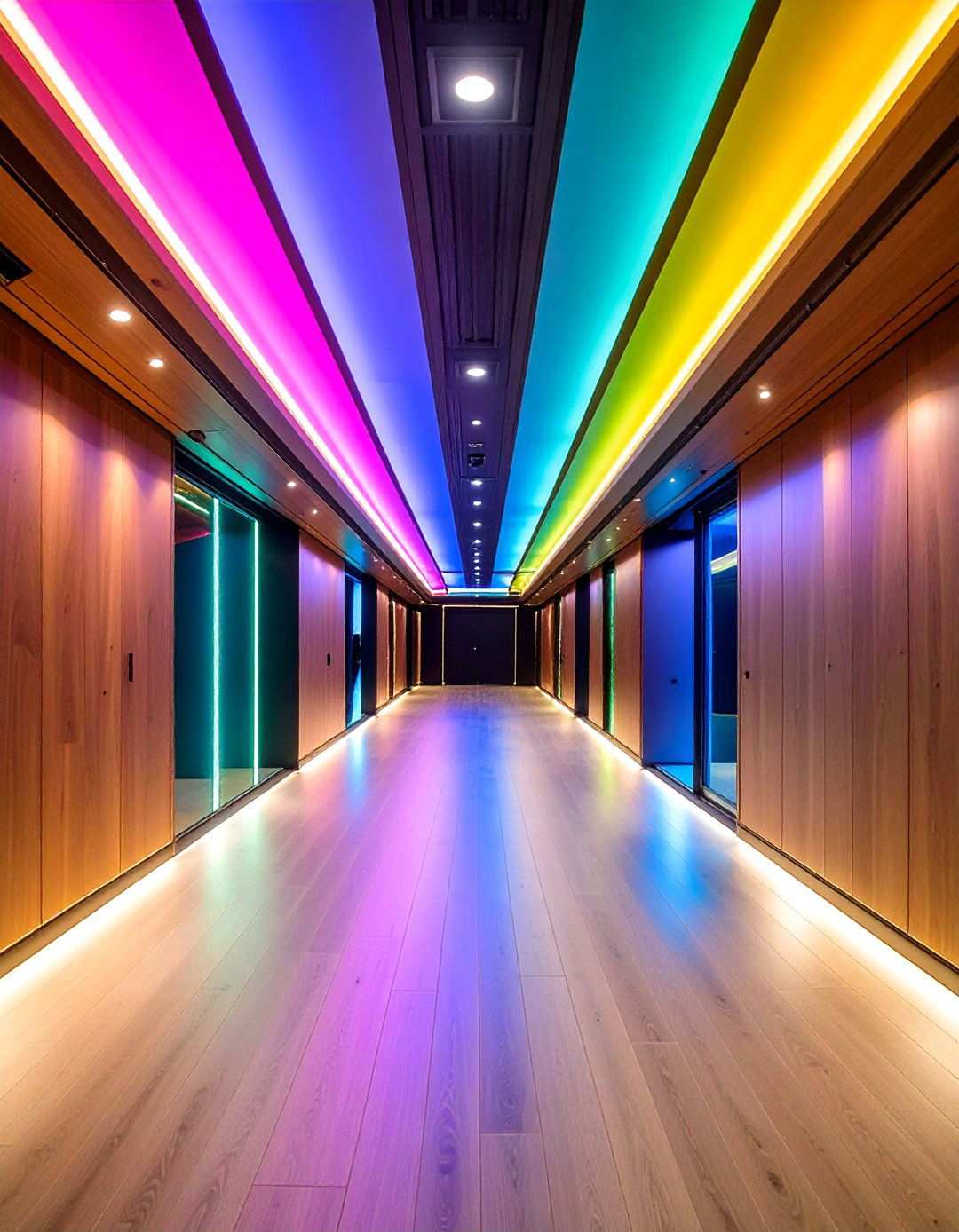
LED-integrated basement ceilings merge innovative lighting solutions with striking design elements to produce captivating atmospheric effects, utilizing strip lights, color-shifting systems, and concealed fixtures to create a mesmerizing visual experience. In home theaters, these systems excel by offering adjustable color and intensity settings that optimize the viewing experience. Meanwhile, track lighting and pendant fixtures suspended from exposed beams offer focused illumination while serving as decorative elements that elevate industrial or contemporary aesthetic styles. For a magical touch, fiber optic star ceiling systems create enchanting nighttime effects perfect for children’s bedrooms or romantic entertainment spaces. By draping string lights between exposed beams, homeowners can achieve an inviting ambiance that transforms basement spaces from functional to relaxing at an affordable cost.
13. Achieving Sound Control with Acoustic Panel Ceilings
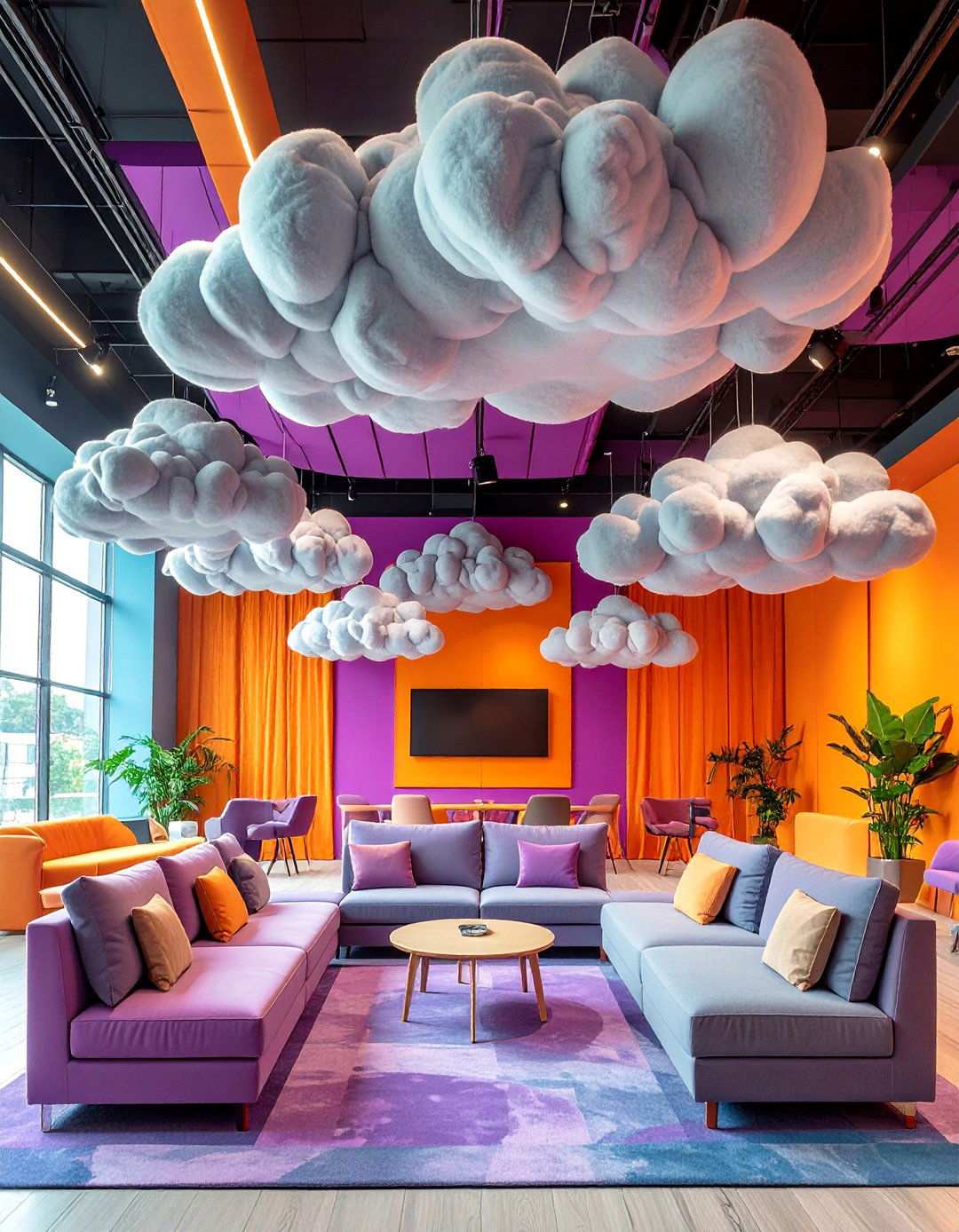
Acoustic panel basement ceilings provide exceptional sound absorption while maintaining a stylish, professional appearance ideal for home offices, music rooms, and media spaces. Strategically placing floating acoustic clouds over seating areas while leaving other ceiling sections exposed allows for targeted sound control without compromising visual height throughout the space. These specialized panels come in various colors and textures, making it possible for homeowners to harmonize with existing décor while achieving significant noise reduction. Modern acoustic tiles boast NRC ratings between 0.75-0.95, significantly improving basement acoustics for entertainment and conversation. Depending on access needs and aesthetic preferences, installation methods range from drop ceiling systems to direct mounting.
14. Embracing Rustic Charm with Barn Wood Ceilings
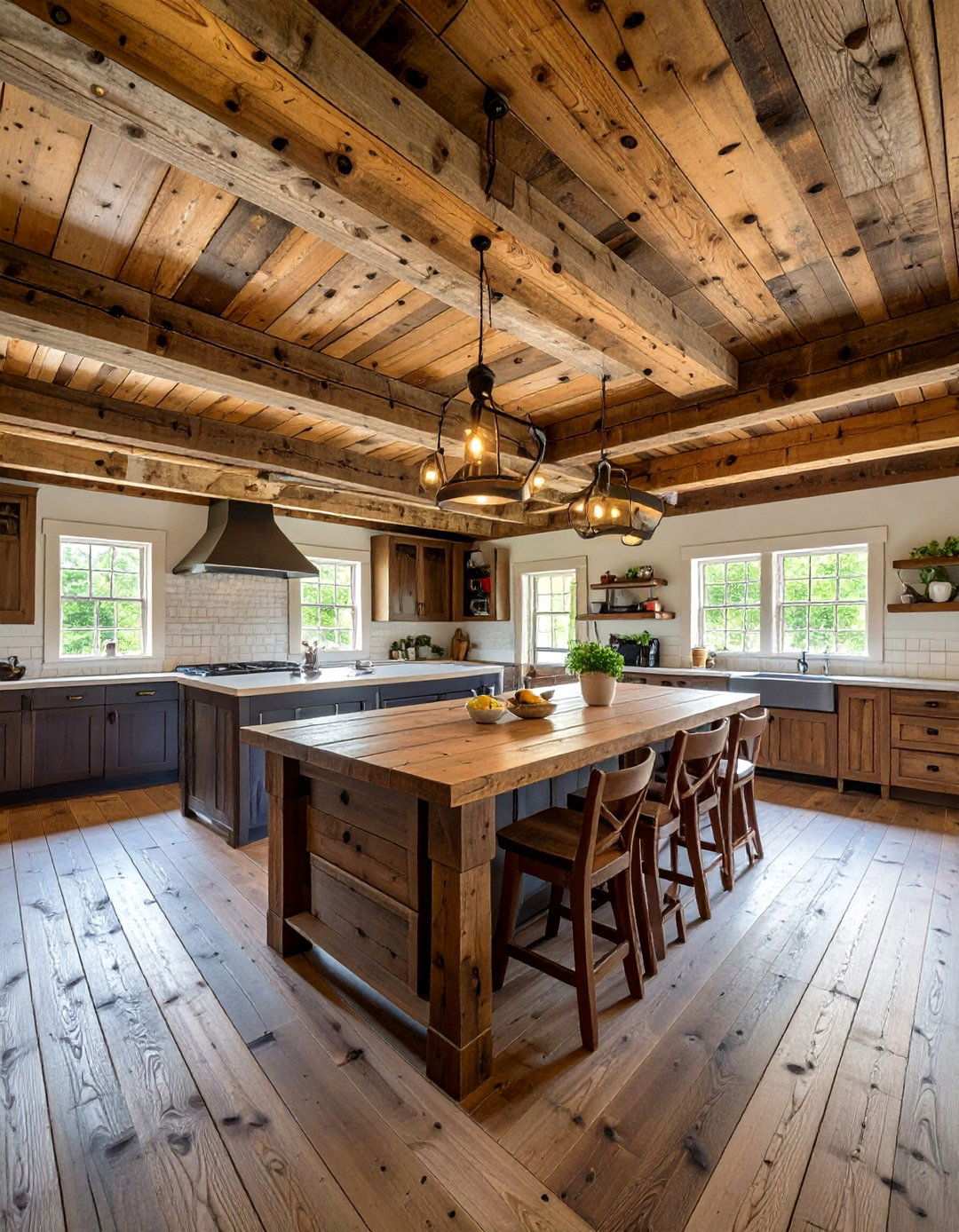
Rustic barn wood basement ceilings bring an authentic farmhouse atmosphere to modern spaces using reclaimed or weathered materials that infuse history and character. This approach works particularly well when paired with other rustic elements, such as exposed metal pipes and vintage lighting fixtures, to enhance the overall farmhouse aesthetic. Aged wood can be sourced from actual barns or created using new lumber treated with staining and distressing techniques for authentic appearances. The natural textures and weathered finishes add warmth and organic beauty that beautifully contrasts with modern basement amenities like home bars and entertainment systems. To ensure longevity while preserving the rustic character, proper sealing and moisture protection are essential.
15. Unconventional Elevations for Enriched Basement Experiences
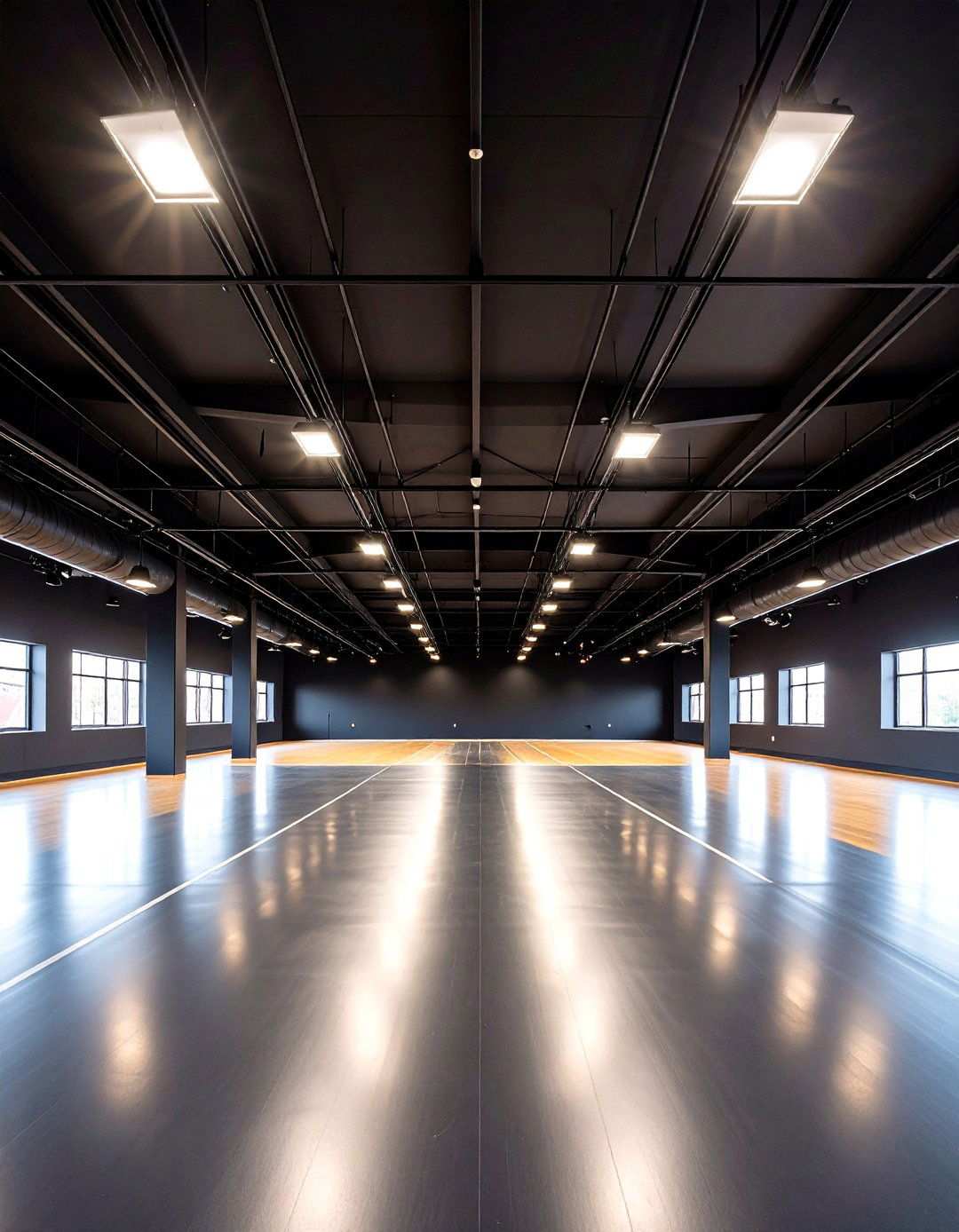
Incorporating black painted basement ceilings is a bold design choice that can elevate the aesthetic of underground entertainment spaces, transforming them into sophisticated, dramatic environments . This unique approach is particularly well-suited for home theaters, game rooms, and modern basement bars, where the dark ceiling creates a sense of intimacy and coziness . By choosing a flat black paint finish, light reflection is minimized, eliminating distracting glare on various ceiling surfaces and utilities . Furthermore, the high contrast between the black ceiling and lighter walls creates a sense of openness, eliminating visual boundaries between walls and ceiling surfaces . For complex ceiling configurations with pipes, ducts, and structural elements, professional spray application ensures even coverage, providing a polished finish.
16. Unveiling the Glamour of Subway Tile Basement Ceilings
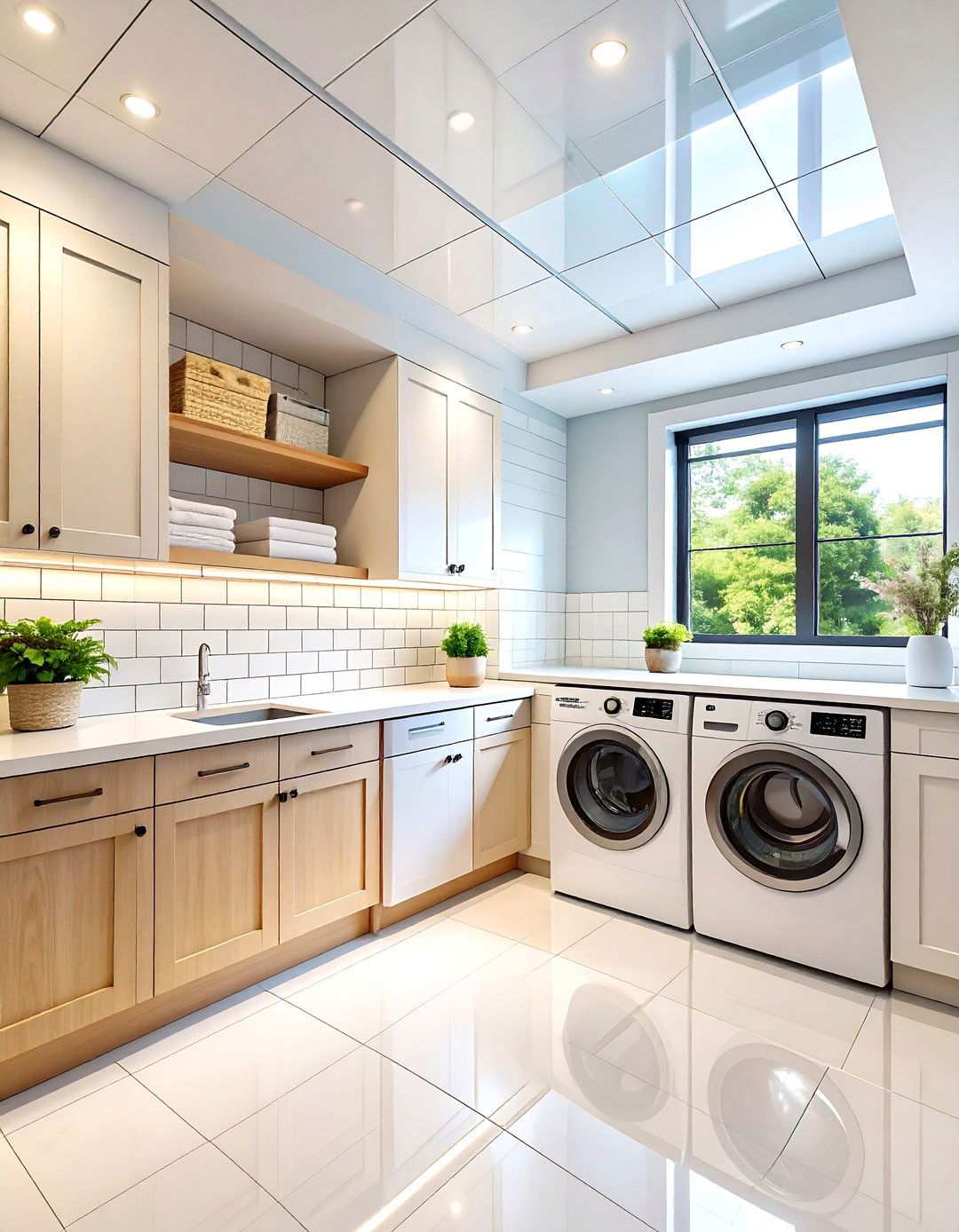
Subway tile basement ceilings present an unexpected opportunity to add sophistication and glamour to underground spaces, while also providing excellent light-reflecting properties that brighten basement areas . By repurposing traditional wall materials as ceiling applications, a unique visual interest is created through pattern and reflection . The glossy surfaces of subway tiles help distribute available light throughout the basement, adding a touch of luxury typically associated with upscale bathrooms and kitchens . However, proper moisture barriers and structural support must be implemented to handle the weight of ceramic or porcelain materials . The clean lines and classic appeal of subway patterns complement both contemporary and traditional basement designs, creating a timeless ceiling treatment that increases property value.
17. Sustainable Style with Reclaimed Material Basement Ceilings
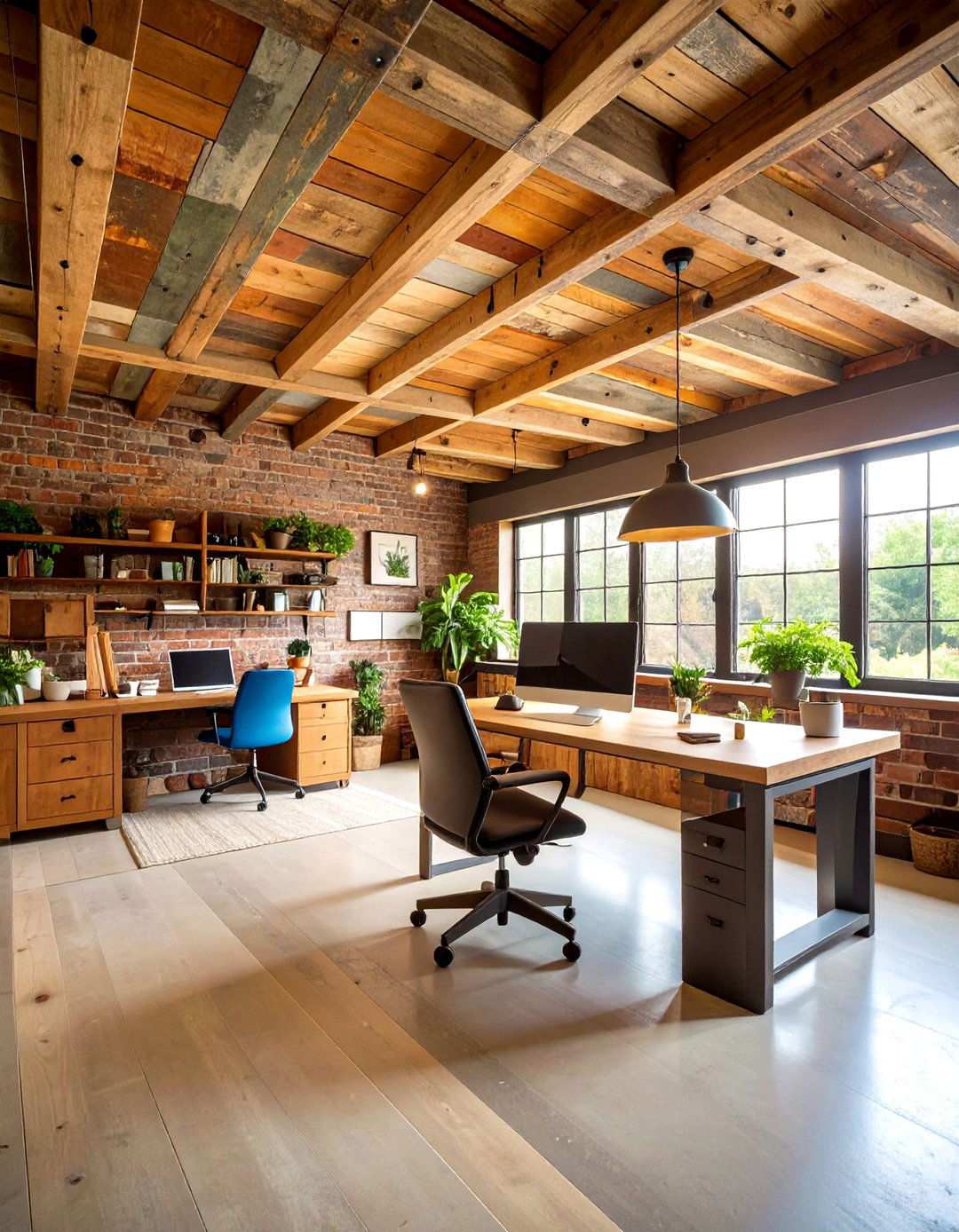
Reclaimed material basement ceilings offer environmentally conscious homeowners the chance to incorporate sustainable design elements into their basement spaces while creating unique, character-rich ceiling treatments . By utilizing century-old reclaimed brick, weathered wood planks, and vintage metal sheets, authentic textures and colors are achieved that cannot be replicated with new materials . Another option is to use upcycled materials such as pallet wood, which provides a budget-friendly solution that reduces waste while delivering distinctive rustic charm . The stories and patina inherent in reclaimed materials add a personal touch and conversation pieces to basement environments . To ensure structural integrity while preserving the weathered characteristics of reclaimed materials, careful selection and preparation are crucial for basement ceiling applications .
18. Unifying Patterns: Enhancing Basement Ceilings with Wallpaper
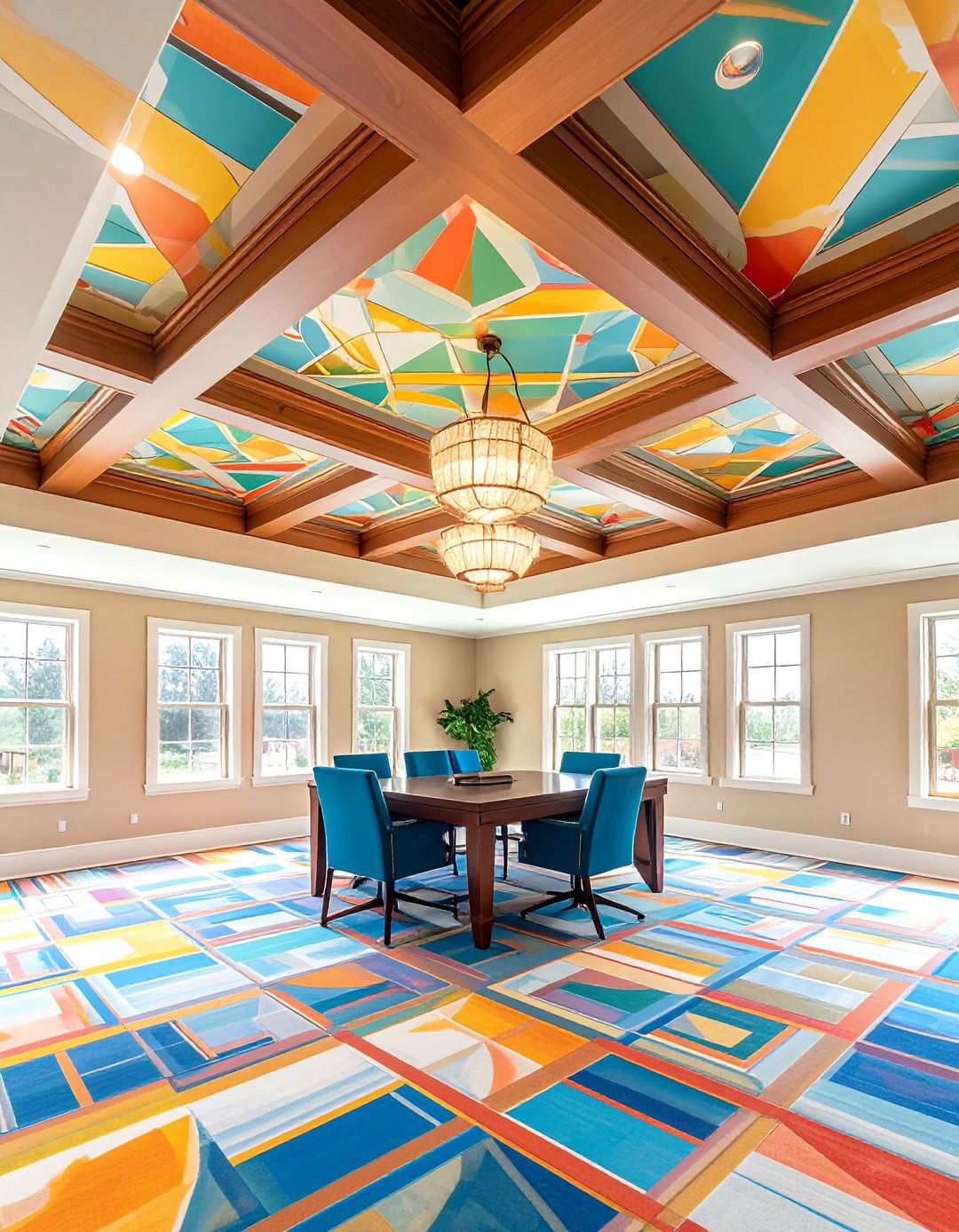
Incorporating wallpapered basement ceilings introduces a medley of patterns, colors, and sophisticated design elements that elevate plain ceiling surfaces into eye-catching focal points. Delicate patterns prove particularly effective in basement applications, subtly adding visual interest to spaces with lower ceiling heights. This approach permits homeowners to experiment with bolder design choices in basement areas where mistakes are less costly than in primary living spaces. Moisture-resistant wallpaper materials safeguard against damage in humid basement environments while maintaining their decorative appeal over time. Expert installation ensures proper adhesion and smooth application across irregular ceiling surfaces, yielding polished results that rival upstairs design treatments.
19. Merging Creativity: Mixed Media Basement Ceilings
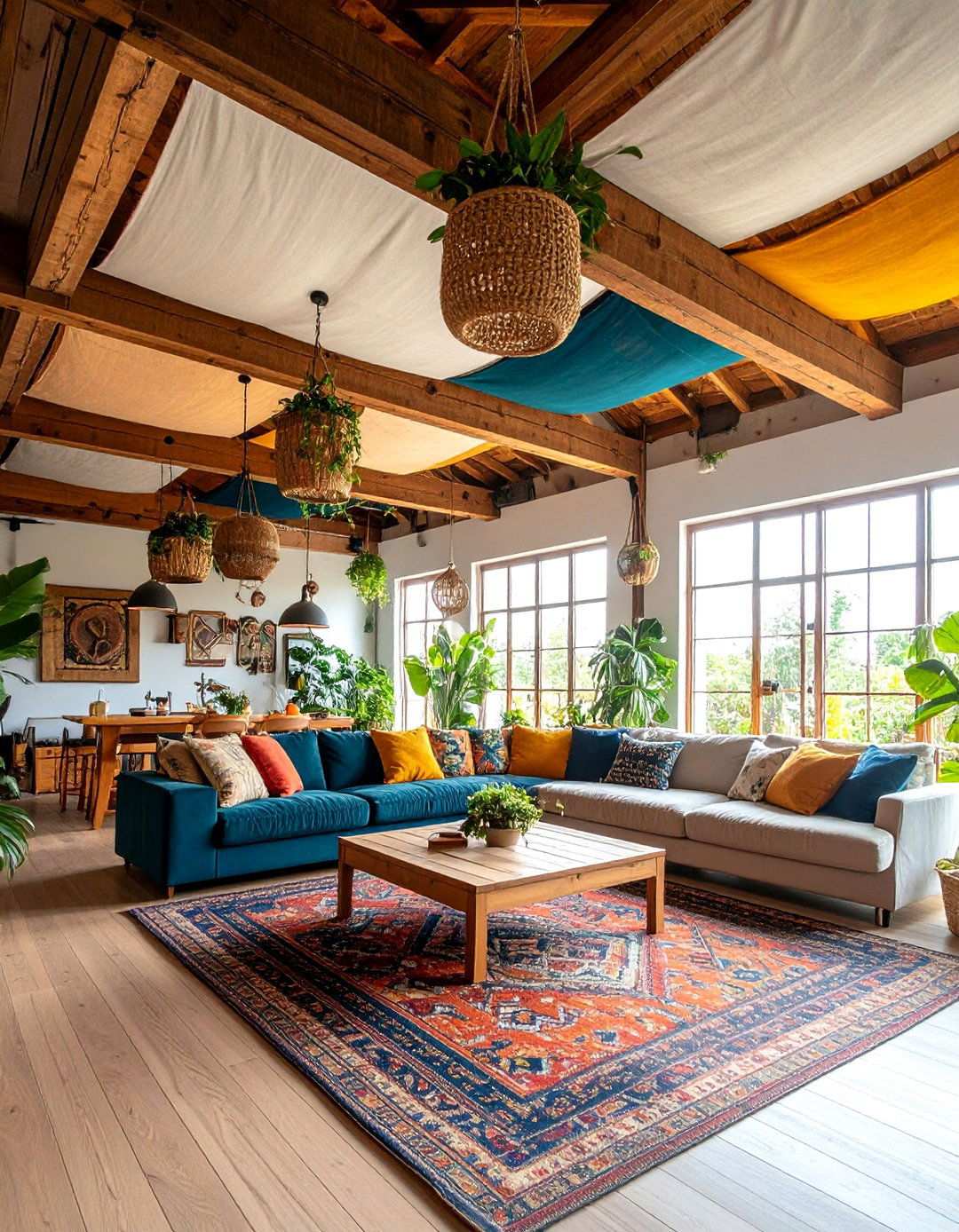
Mixed media basement ceilings bring together multiple materials, textures, and design elements to create distinctive, personalized ceiling treatments that showcase individual creativity and style preferences. Innovative combinations might feature fabric panels between wooden beams, integrated LED lighting with natural materials, or artistic installations using unconventional items like vintage objects. These approaches tend to flourish in basement hobby rooms, artist studios, and creative spaces where personal expression takes precedence over traditional design rules. Suspended storage solutions, hanging planters, and decorative elements can be seamlessly incorporated into ceiling designs for both functional and aesthetic benefits. The key lies in striking a balance among disparate elements to create cohesive looks rather than cluttered assemblages.
20. Budget-Friendly Revamps: Elevating Basement Ceiling Potential
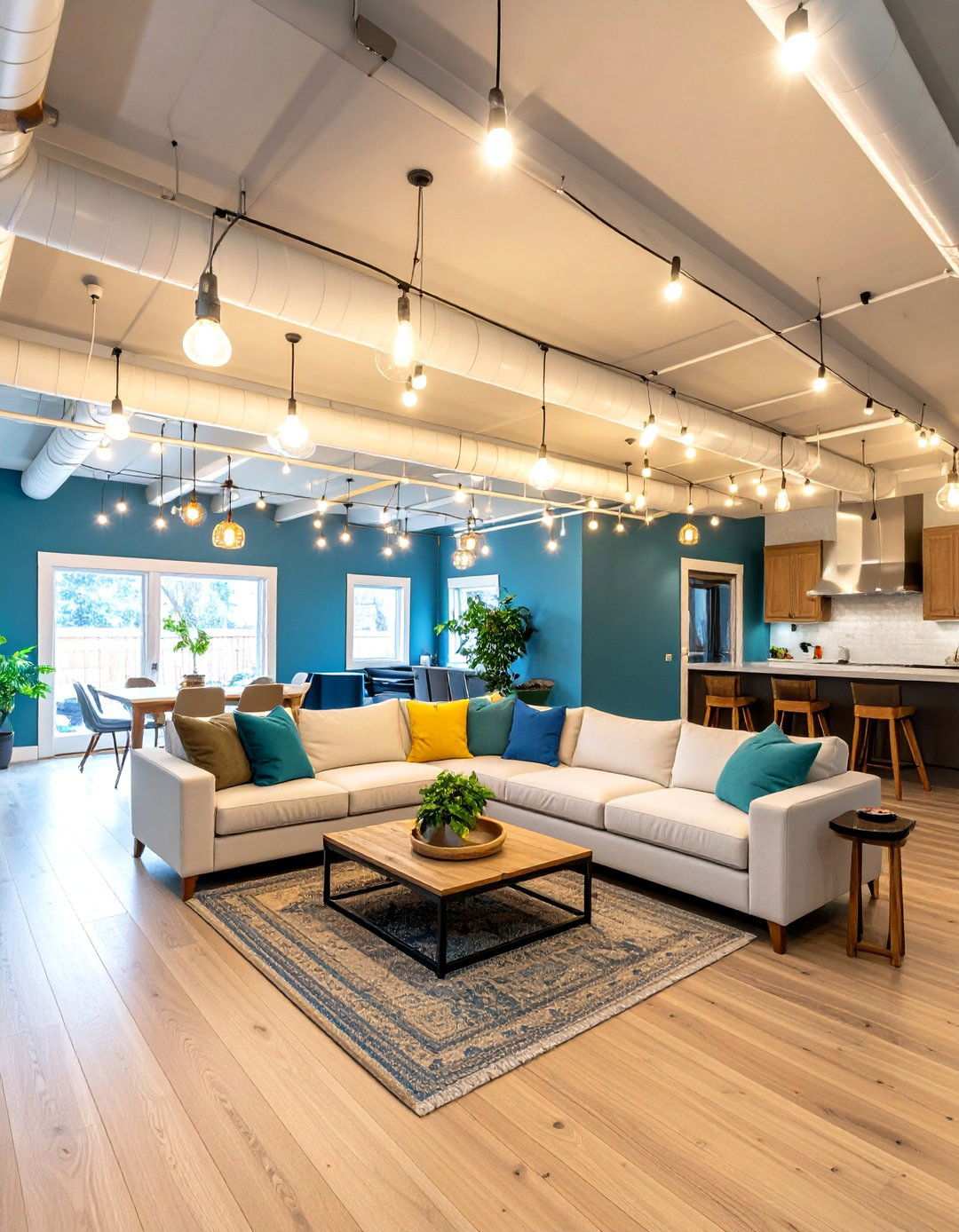
Budget-friendly basement ceiling transformations demonstrate that remarkable results don’t necessitate expensive materials, utilizing creative approaches like paint, string lights, and DIY installations to achieve professional-looking outcomes. Simple tasks such as cleaning, organization of wiring, and strategic lighting can dramatically transform exposed basement ceilings without substantial financial investment. String lights, fabric panels, and recycled materials offer cost-effective ways to infuse personality and warmth into basement spaces. DIY paint projects utilizing basic spray equipment can thoroughly revamp basement appearances for minimal costs while providing the satisfaction of personal accomplishment. Strategic furniture placement and lighting design help redirect attention away from budget limitations while highlighting successful transformation elements.