1. Elevating Your Basement with Resilient Wall Finishing
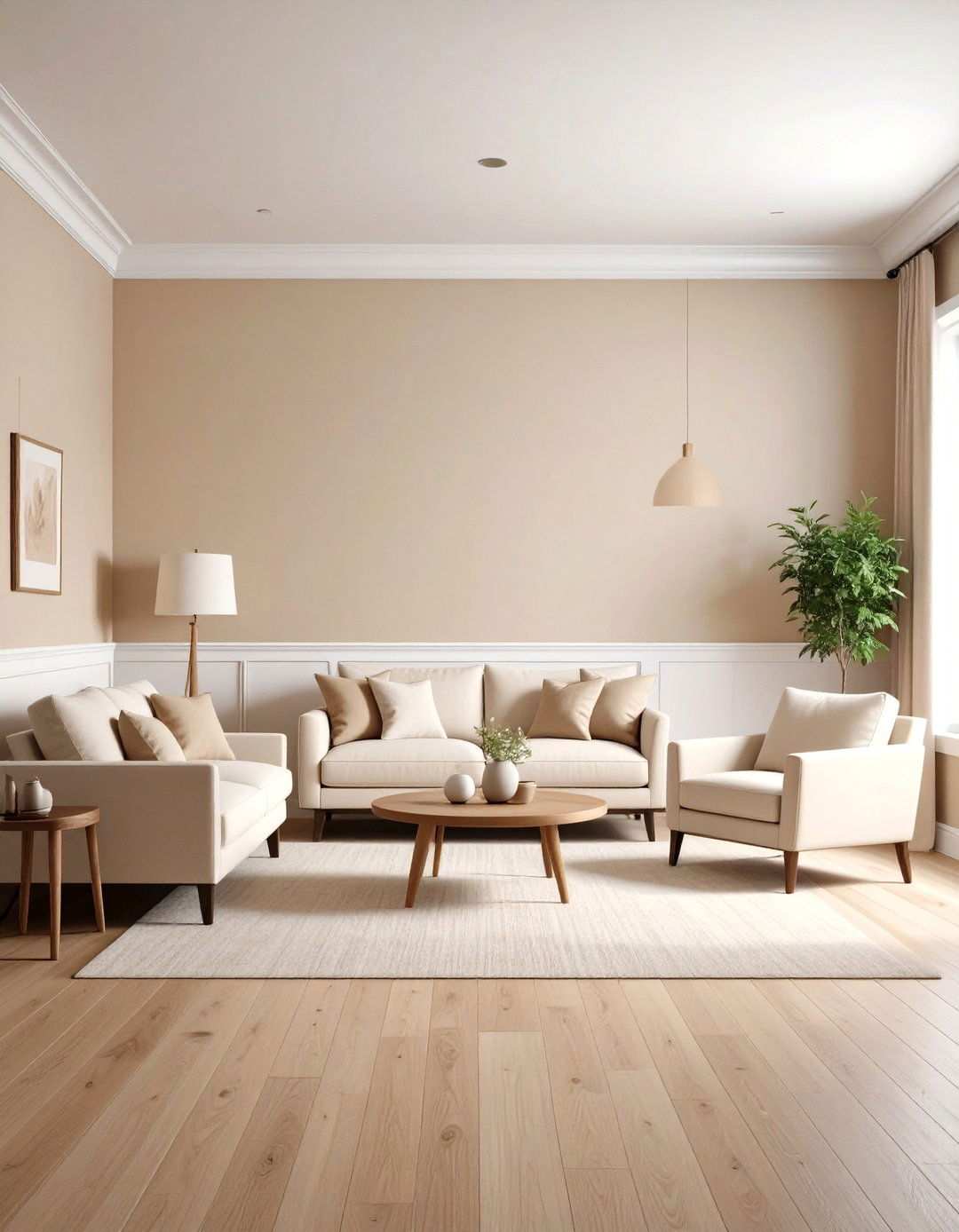
When it comes to transforming your basement into a stylish retreat, one of the most crucial factors to consider is moisture resistance. That’s why experts recommend starting with a solid foundation – literally. Moisture-resistant drywall is the go-to choice for tackling the humidity challenges that often plague below-grade spaces. Engineered to withstand the rigors of basement environments, this specialized drywall contains additives that inhibit mold and mildew growth, making it a significant upgrade over standard drywall. Proper framing with treated lumber and careful attention to vapor barriers are essential for long-term performance. A smooth, paintable surface allows for a wide range of design possibilities, but it’s crucial to remember that proper sealing and maintenance are key to preventing moisture-related issues. Consider pairing moisture-resistant drywall with matte paint finishes to create a warm, inviting atmosphere that showcases minor imperfections while providing a clean, traditional look. This approach is perfect for homeowners seeking a versatile backdrop for furniture and decor.
2. Revolutionizing Basement Finishing with Waterproof Panel Systems
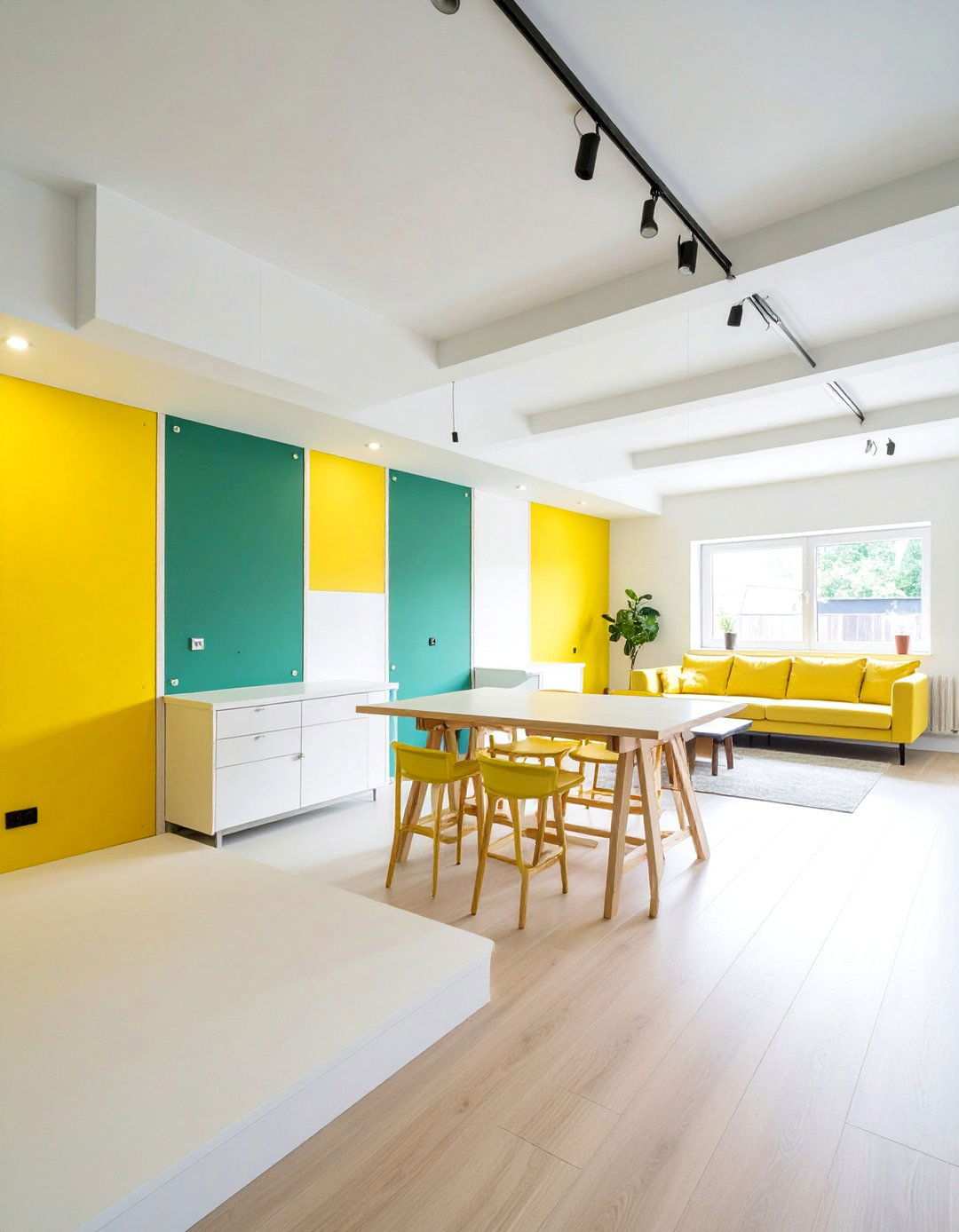
Prefabricated waterproof panels have transformed the world of basement finishing by offering a one-stop solution that combines insulation, moisture protection, and attractive surfaces. These tongue-and-groove panels attach directly to concrete walls, eliminating the need for traditional framing while providing superior moisture resistance. The panels typically feature a drywall front surface that’s ready for painting, backed by foam insulation and a moisture barrier. Installation requires minimal carpentry skills, making them an attractive option for DIY enthusiasts who want professional-looking results. The system’s modular design allows for easy access to utilities behind the walls if needed, while the built-in insulation helps regulate temperature and reduce energy costs. At approximately $80 per panel, this solution offers exceptional value for homeowners prioritizing both functionality and aesthetics in their basement transformation.

As an Amazon Associate I earn from qualifying purchases.
3. Reclaimed Wood Basement Wall Paneling
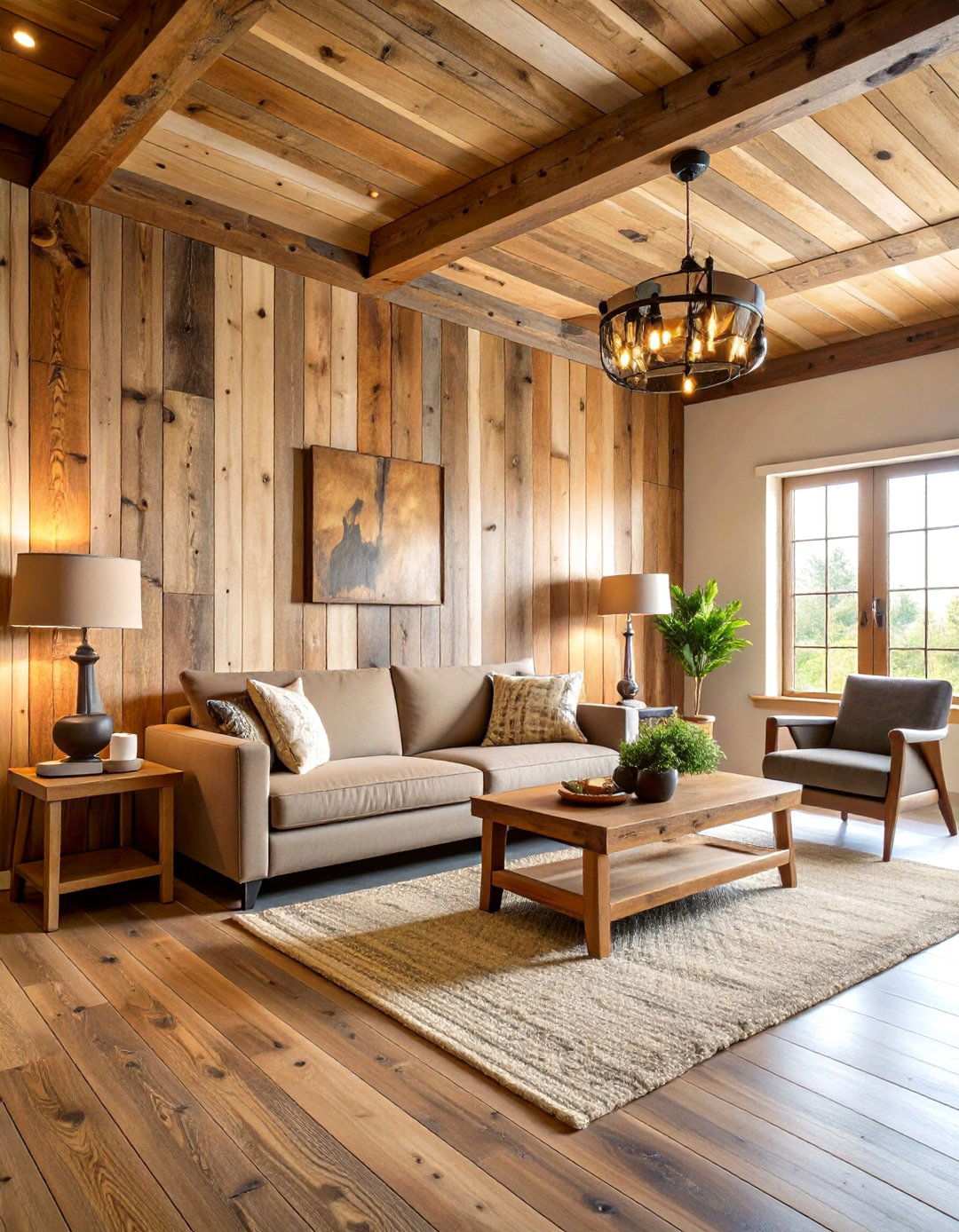
Reclaimed wood brings a touch of rustic charm to basement spaces, instantly transforming them into inviting retreats that exude a timeless warmth. By embracing the natural beauty of aged wood, homeowners can create a unique atmosphere that celebrates sustainability and the unique character of each piece. The varied patina and texture of reclaimed materials add a level of visual interest that’s impossible to replicate with new lumber, making every installation a one-of-a-kind masterpiece. As an accent wall, reclaimed wood can highlight specific areas, such as home theaters or reading nooks, creating a cozy focal point that draws the eye. To ensure proper ventilation behind the wood, installation involves securing the planks to furring strips. The natural variations in color and grain pattern create depth and warmth that can turn cold basement spaces into inviting havens. To preserve the authentic appearance of the wood while protecting it from moisture, consider sealing it with the right finishes.
4. Industrial Concrete Basement Wall Finish
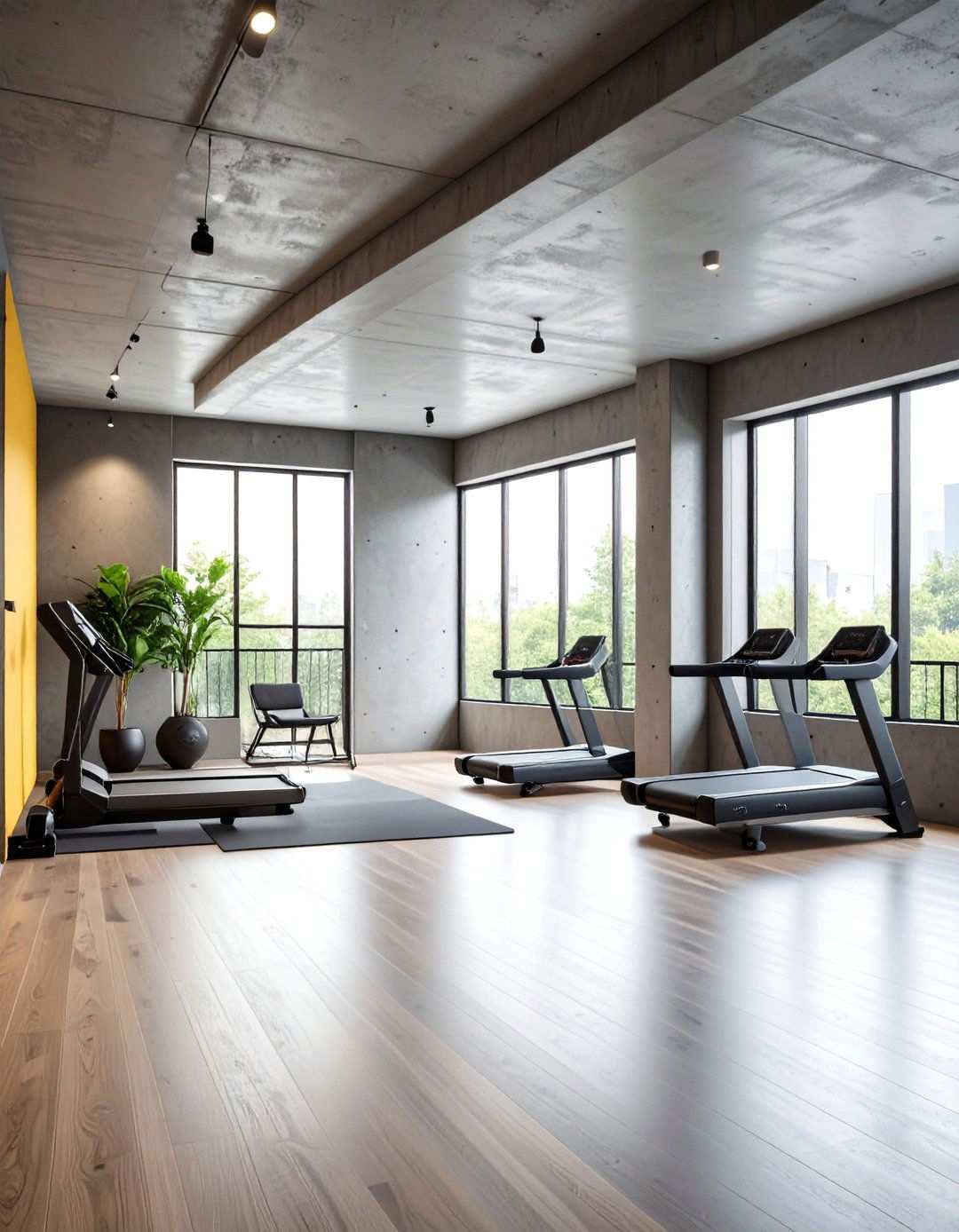
A concrete finish transforms basement walls into striking industrial-style focal points that celebrate the authenticity of below-grade construction, creating a sleek and modern aesthetic that’s perfect for contemporary designs. By embracing the raw beauty of concrete, homeowners can create a space that’s both functional and visually striking. The key to success lies in proper preparation, including thorough cleaning, sealing, and sometimes polishing existing concrete walls to bring out their natural beauty. To ensure long-lasting results, it’s essential to apply high-quality concrete sealers that prevent moisture infiltration while enhancing the surface appearance. The polished finish reflects light beautifully, helping to brighten basement spaces naturally, while the thermal mass of concrete helps regulate temperature, contributing to energy efficiency. This approach works particularly well in high-traffic areas like workshops or fitness spaces, thanks to its durability and low maintenance requirements.
5. Shiplap Basement Wall Treatment
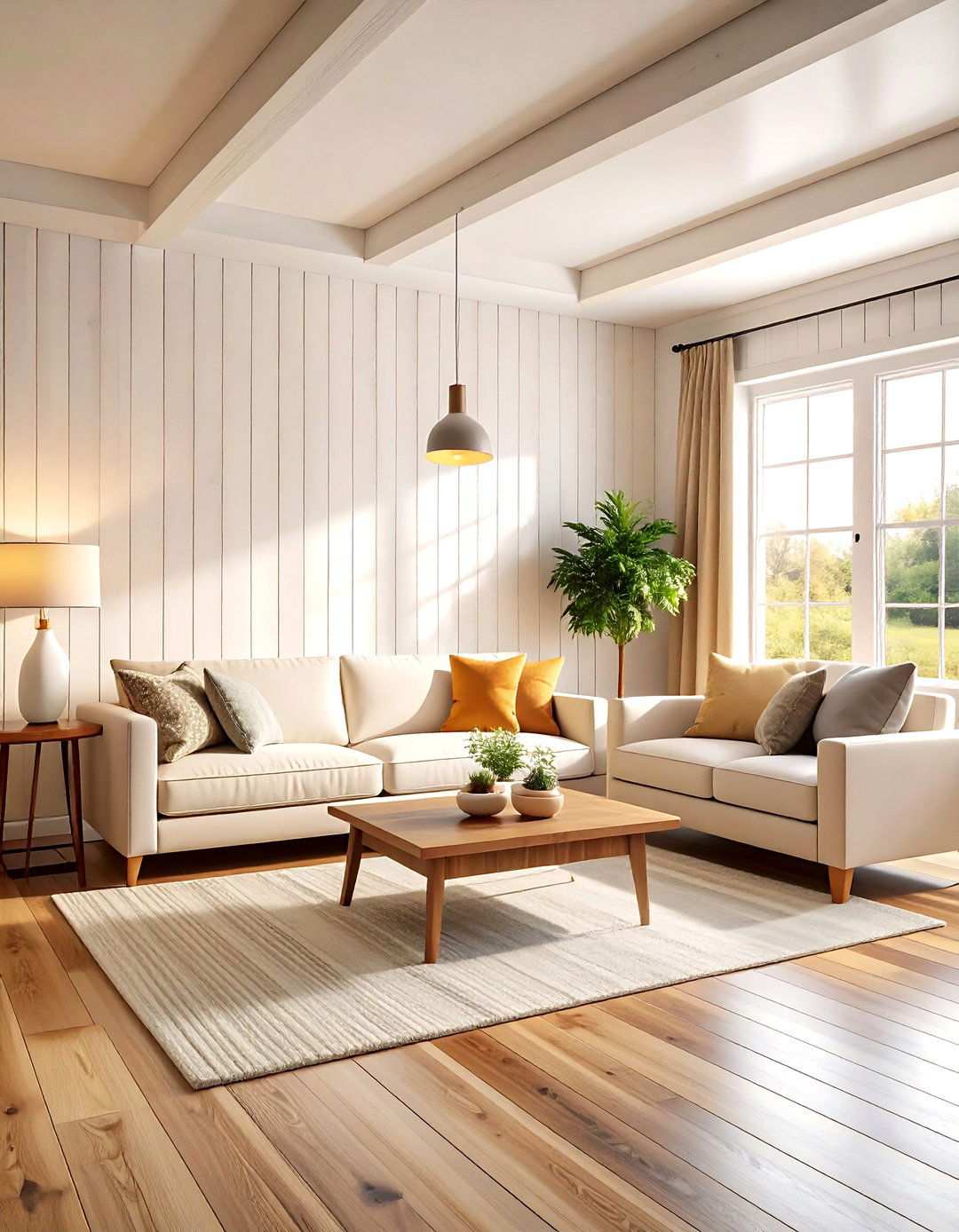
Shiplap’s distinctive horizontal lines create visual interest while making basement walls appear wider and more spacious, a crucial advantage in typically confined below-grade areas. This popular wood paneling style features overlapping boards that create subtle shadow lines, adding texture and dimension to otherwise flat surfaces. The installation process involves attaching individual boards to wall studs, making it an accessible project for DIY enthusiasts with basic carpentry skills. Shiplap can be painted in any color to match your design scheme, from classic white for a farmhouse look to bold colors for contemporary spaces. The wood provides natural insulation properties while hiding minor wall imperfections, making it an excellent choice for basement environments. To ensure longevity, consider using moisture-resistant MDF or properly sealed wood. This versatile treatment works equally well covering entire walls or creating striking accent features that add a touch of personality to your basement space.
6. Unveiling the Timeless Charm of Stone Veneer
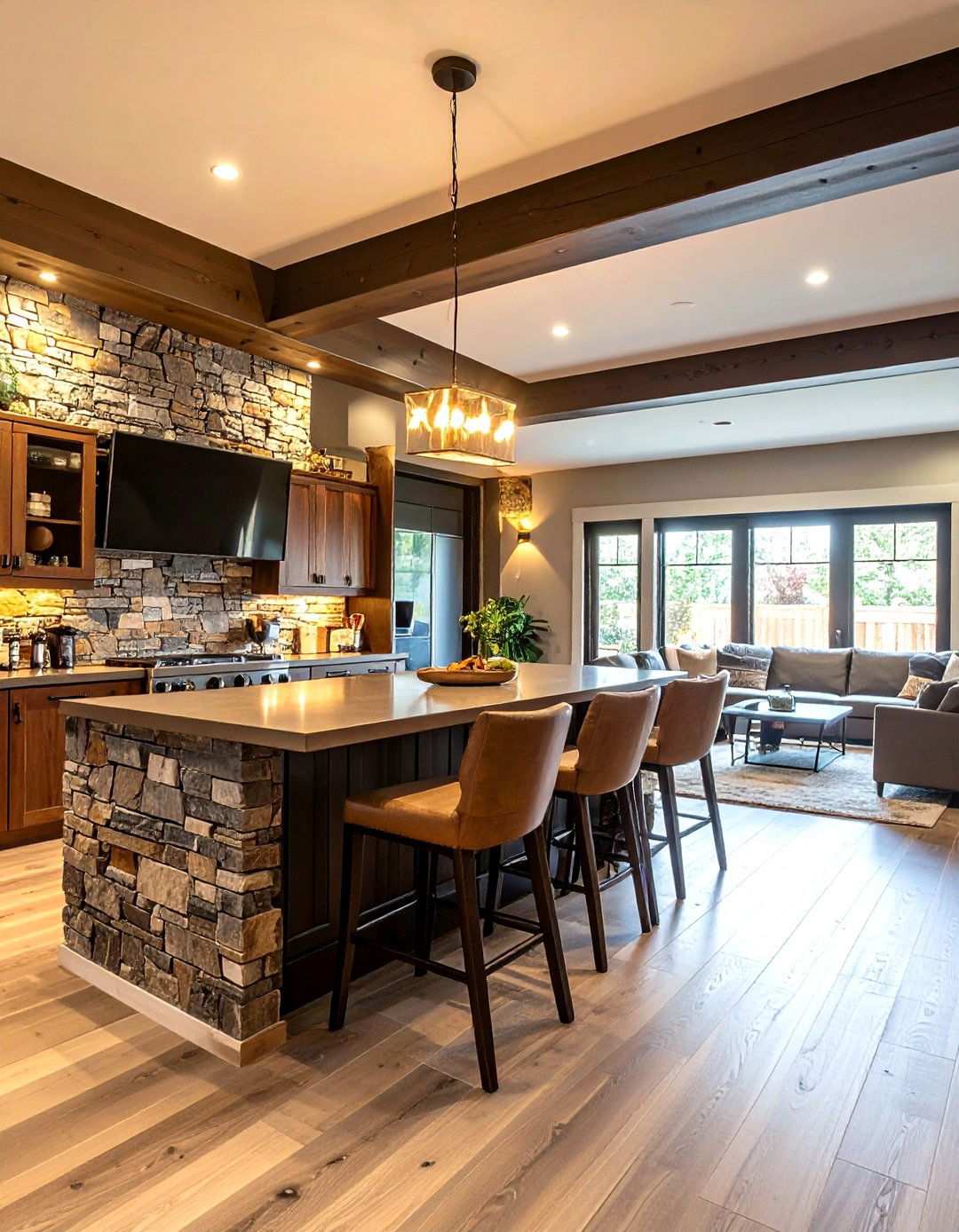
Timeless masonry beauty can now be effortlessly incorporated into basement walls without the weight or expense of full stone construction. Thin stone slices, attached using adhesive, create authentic stone surfaces that add substantial visual weight and texture to existing walls. The diverse range of available stones – from rustic fieldstone to elegant slate – allows for customization to suit any design aesthetic. Stone veneer works particularly well around fireplaces, behind wet bars, or as dramatic accent walls that serve as focal points in entertainment areas. The natural variations in color and texture create depth and interest that far surpasses that of painted surfaces. With the potential to dramatically transform a space, the installation effort required is well justified. Moreover, stone veneer provides excellent thermal mass, helping to regulate basement temperatures naturally and create a more comfortable environment.
7. Elevating Basement Design with Three-Dimensional Panels
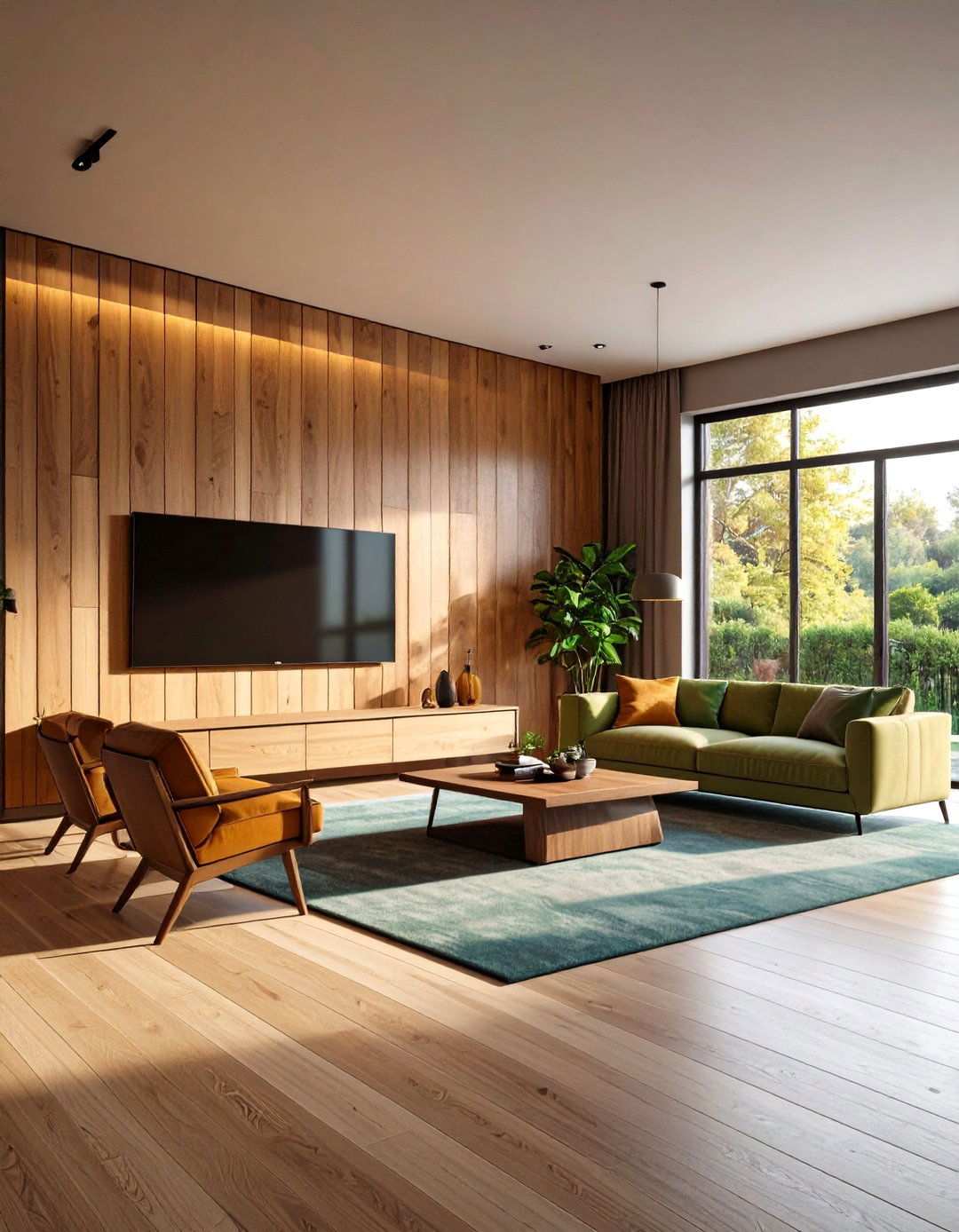
Three-dimensional wall panels represent the cutting-edge of basement design, turning flat walls into captivating architectural features that add depth, texture, and visual drama to underground spaces. These innovative panels, available in a variety of materials such as wood, acrylic, felt, and PVC, transform walls into dynamic and visually striking elements. The installation process is simplified, with most panels being lightweight and featuring straightforward mounting systems that make them accessible for DIY enthusiasts. The textured surfaces cast intriguing shadow patterns as lighting angles change throughout the day, bringing movement and life to basement spaces. Different patterns and materials can accommodate diverse design styles, from modern geometric designs to organic, nature-inspired forms. Furthermore, many 3D panels offer sound-dampening properties, making them excellent choices for media rooms or home offices. The ability to conceal minor wall imperfections while achieving stunning visual impact has made these panels a favorite among homeowners seeking dramatic basement transformations.
8. Painting the Perfect Basement
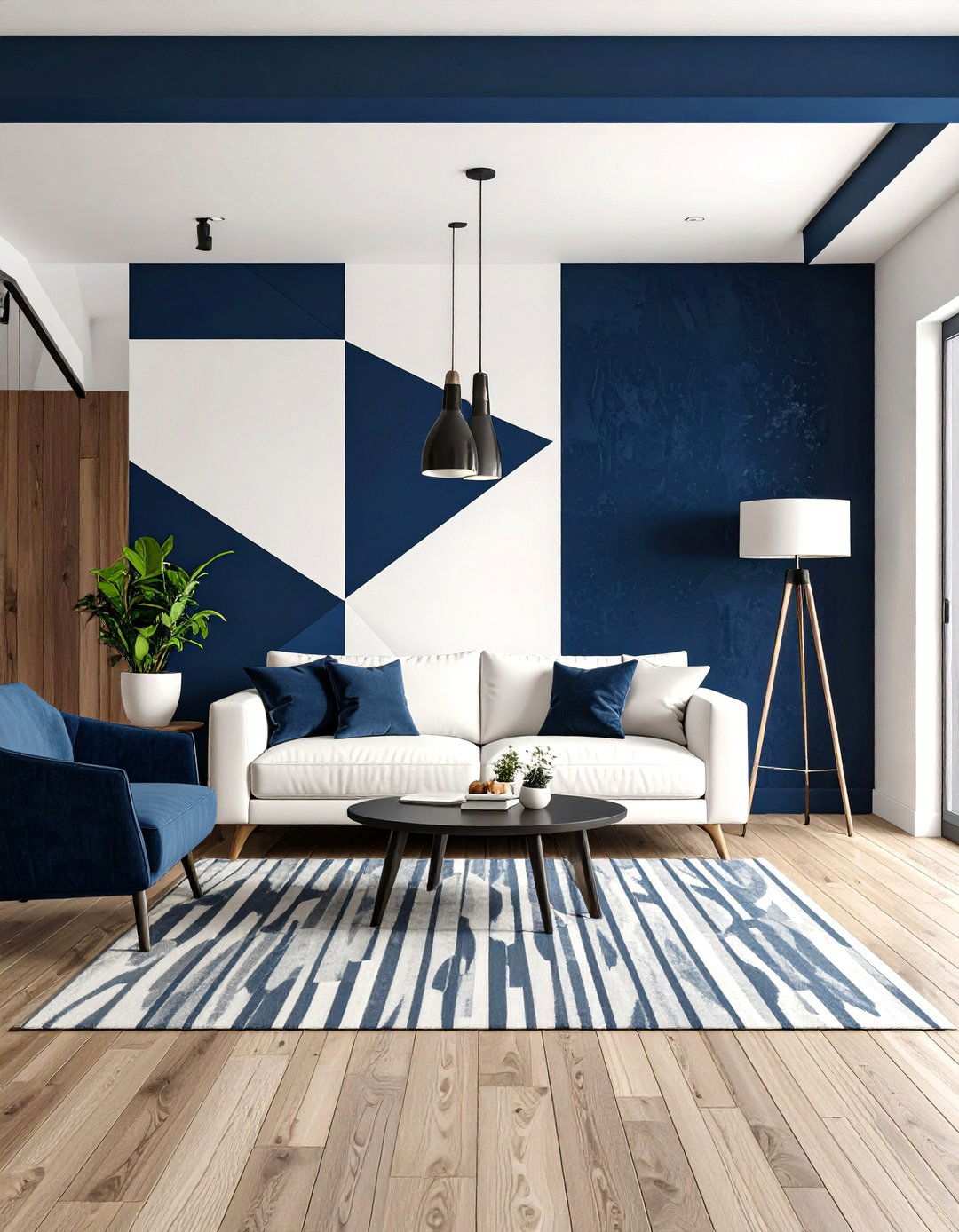
Basement walls become an artistic canvas when paint is applied strategically, offering a budget-friendly way to achieve a dramatic transformation. Contemporary painting techniques go beyond basic color application, incorporating geometric patterns, ombre effects, and color-blocking designs that create visual interest and add a touch of personality. Moody, dark colors such as deep grays and rich blues can create an intimate atmosphere that rivals upscale lounges, making the basement feel more like a cozy retreat than a practical storage space. To ensure a professional finish, proper surface preparation is crucial, especially on concrete walls where moisture resistance is essential. Specialized waterproof paints designed for basement applications not only provide protection against seepage but also offer excellent coverage and durability. Consider using painter’s tape to create crisp geometric designs or hiring an artist to create a custom mural that reflects your family’s interests and personality. The versatility of paint makes it the perfect option for updating your design preferences and adapting to seasonal changes.
9. Exposed Brick Elegance
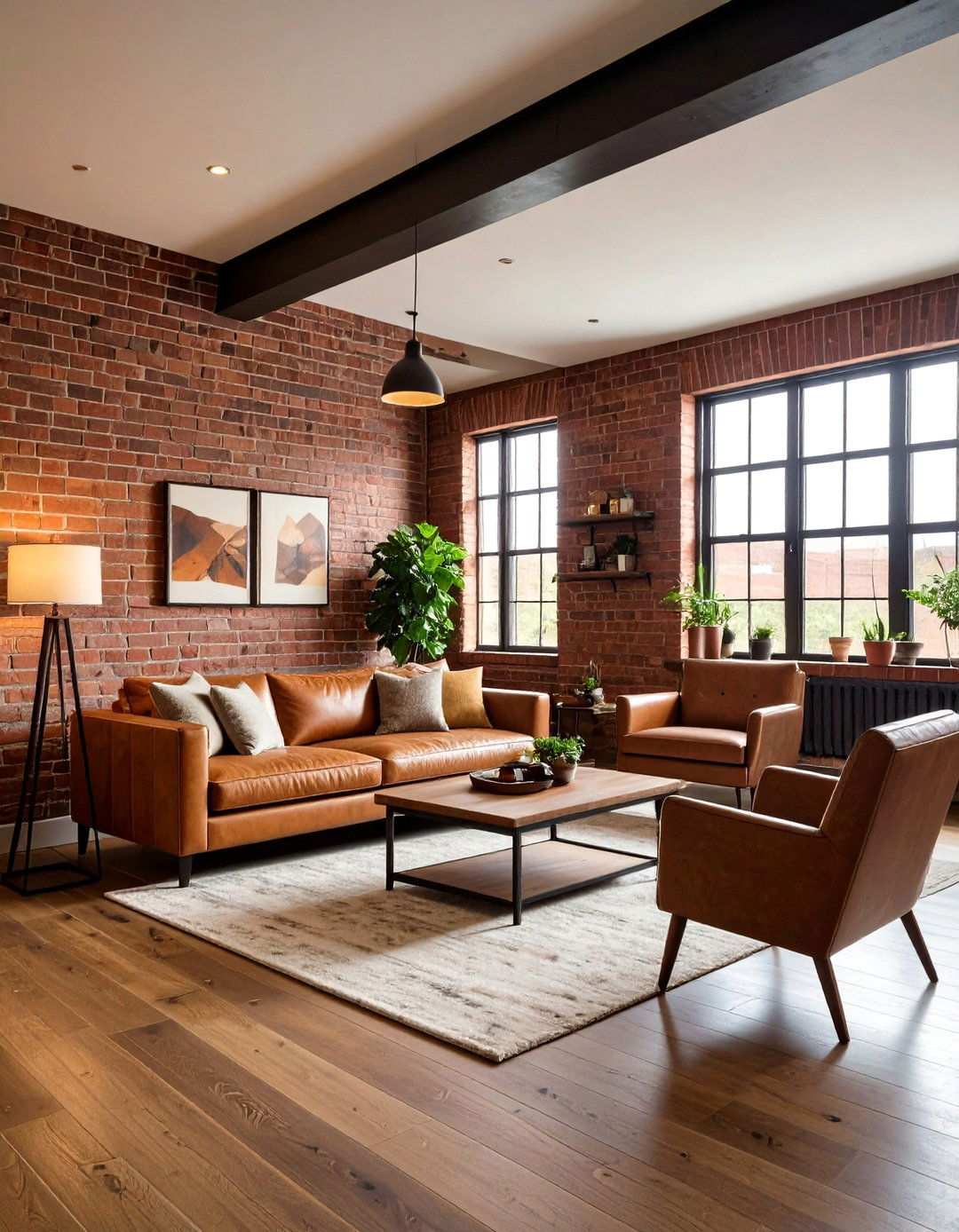
Exposed brick adds a touch of urban sophistication to basement walls, instantly transforming the space into a modern loft aesthetic. Whether using genuine reclaimed brick or high-quality brick veneer panels, this treatment adds significant texture and visual weight, elevating the space from ordinary to extraordinary. The earthy tones of brick complement virtually any color scheme, providing timeless appeal that won’t date quickly. For a rustic look, brick can be left in its natural state, or it can be painted for a more contemporary appearance, with white-painted brick being particularly effective at brightening up dark basement spaces. The installation process involves securing brick veneer to existing walls with suitable adhesives and mortar, creating authentic-looking results. As an accent wall, brick veneer works exceptionally well behind seating areas or as a backdrop for entertainment centers. The thermal mass of brick also helps regulate basement temperatures while providing long-lasting durability.
10. Elevating Basement Style with Beadboard Wainscoting
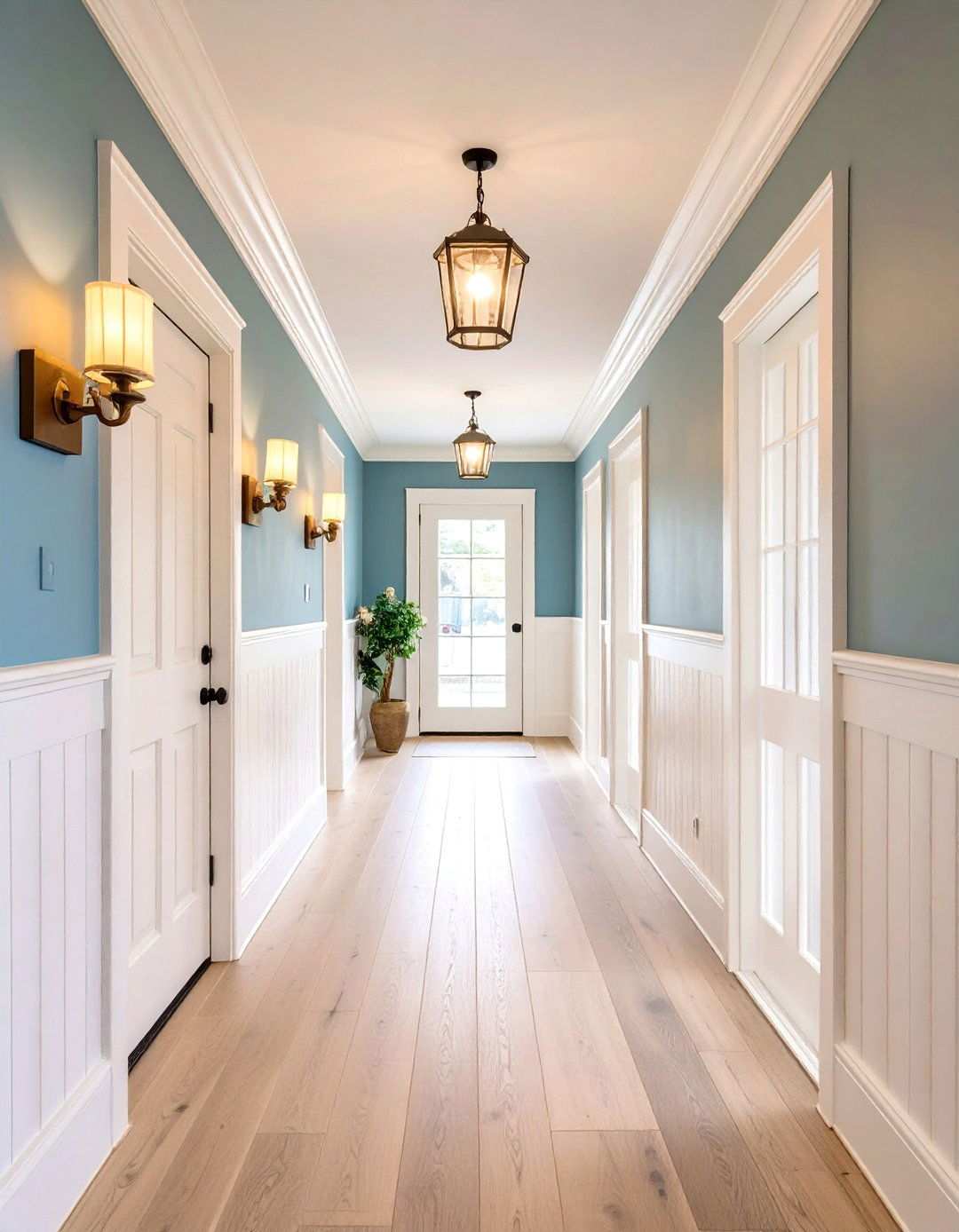
Beadboard wainscoting infuses traditional charm into basement walls while providing essential protection against scuffs and moisture in heavily trafficked areas. The classic paneling style, characterized by narrow vertical boards with distinctive grooves, creates texture and visual interest that harmoniously complements both casual and formal basement designs. When installed, the lower portion of walls is typically covered to a height of three to four feet, leaving the upper sections to be painted or wallpapered. This horizontal visual break not only makes basement ceilings appear higher but also adds architectural detail that elevates the space. Beadboard can be painted in any color to suit your design scheme, from crisp white for a clean, traditional look to bold colors for a contemporary aesthetic. Additionally, the moisture-resistant properties of properly sealed beadboard make it an ideal choice for basement applications.
11. Unleashing Glamour with Metal Accent Basement Wall Panels
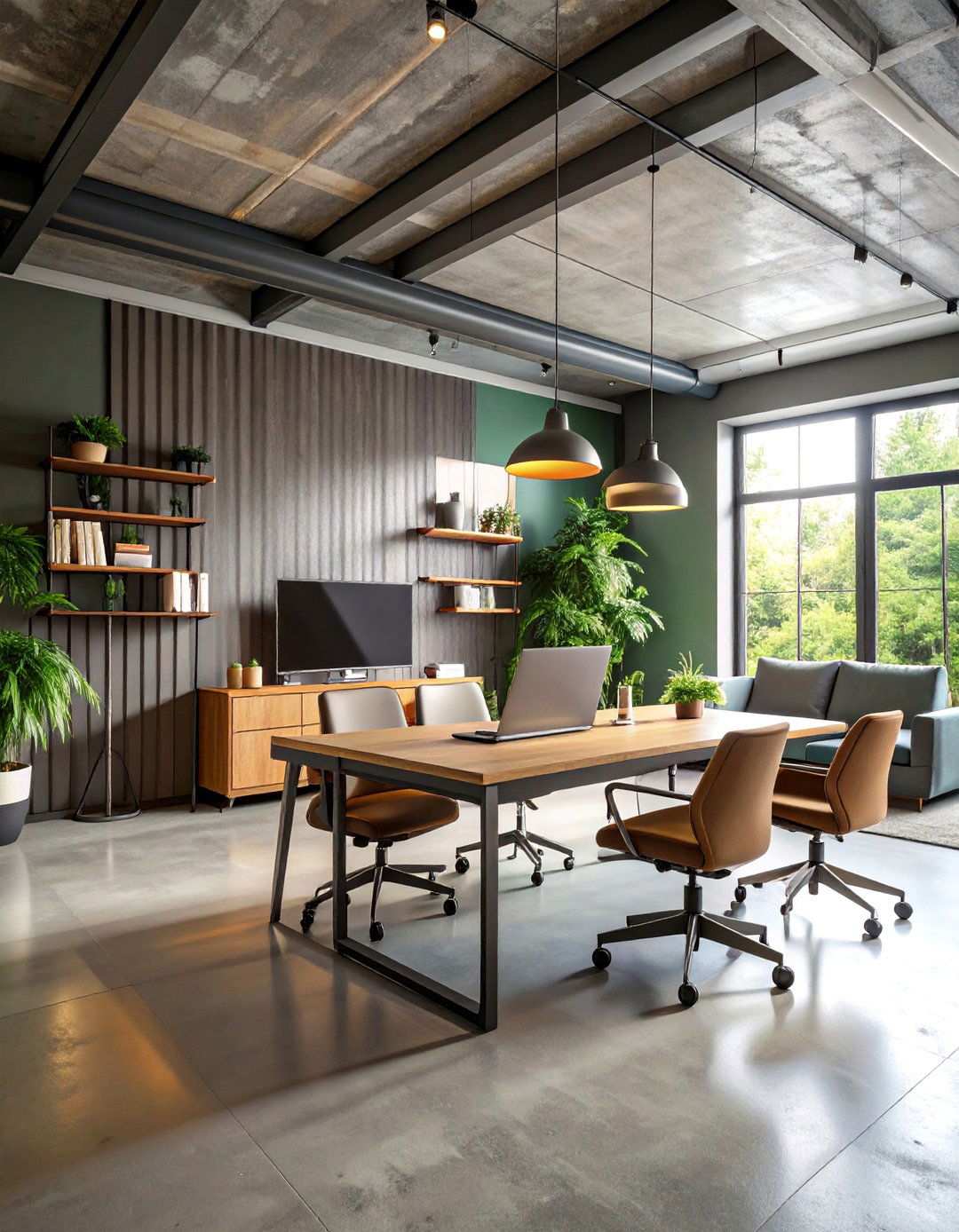
Metallic finishes bring an unexpected touch of sophistication to basement walls, beautifully reflecting light while creating contemporary environments that exude elegance. Corrugated metal panels, brushed aluminum sheets, and other industrial materials offer unique textures and finishes that work particularly well in modern basement designs. These materials not only provide excellent moisture resistance but also require minimal maintenance, making them practical choices for basement applications. By bouncing available light around the room, the reflective properties of metal surfaces help brighten basement spaces, creating a sense of openness and airiness. When installing metal panels, secure them to wall studs using the right fasteners to create clean, contemporary lines. Metal accents work particularly well in combination with other materials, such as wood or stone, creating interesting contrasts and visual layering. To avoid overwhelming the space, consider using metal panels as accent features rather than covering entire walls, which can feel cold or industrial. The durability and unique aesthetic appeal of metal make it an exceptional choice for modern basement transformations.
12. Basement Wall Treatments Revitalized
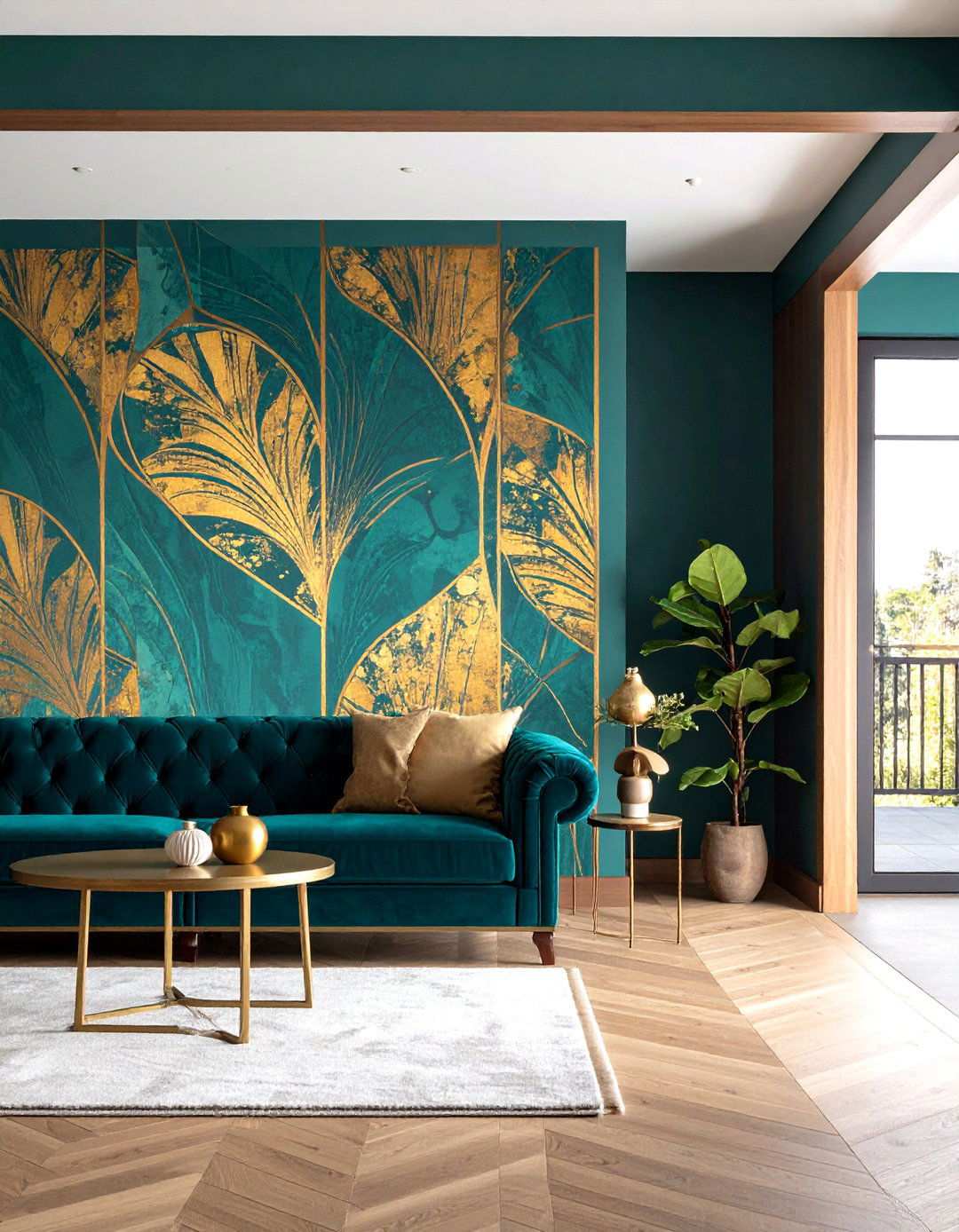
Innovative wallpaper designs transform basement walls into captivating focal points, offering a vast array of pattern, texture, and color options that can dramatically redefine underground spaces . Advanced wallpapers engineered for basement applications boast moisture-resistant backings and fade-resistant inks that maintain their vibrancy even in challenging below-grade environments . Present design trends emphasize large-scale patterns, abstract designs, and artistic motifs that create a striking visual impact without overpowering smaller basement spaces . Strategically placed wallpaper, such as accent walls or recessed areas, yields maximum impact while remaining budget-friendly . The installation process has been streamlined with peel-and-stick options, making wallpaper a viable DIY project for enthusiasts. High-grade wallpapers offer superior durability and can withstand the unique demands of basement environments . Introduce personality and style that would be challenging to achieve with paint alone, especially in spaces where bold design statements are desired.
13. Built-in Wall Storage Solutions for Basements
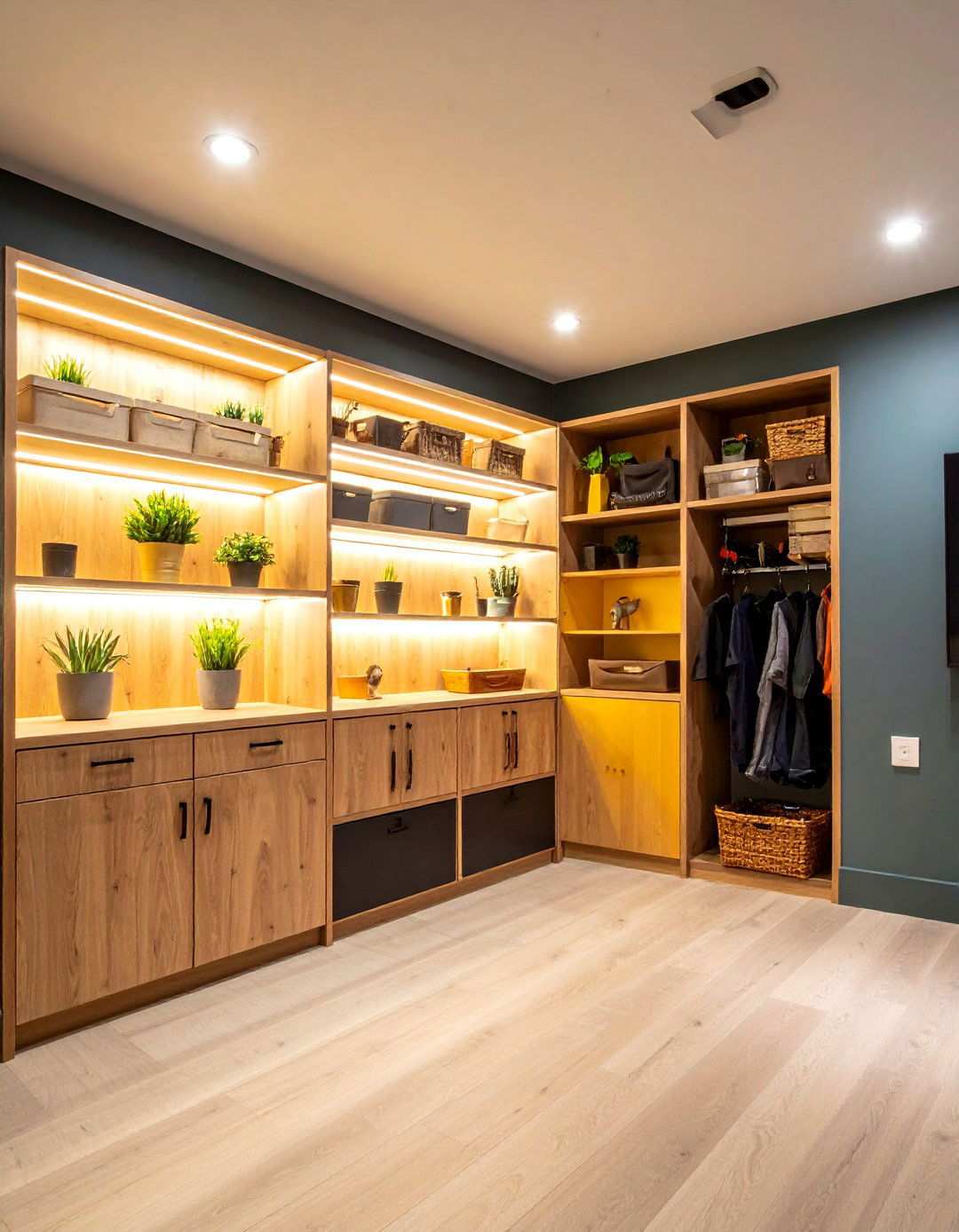
Integrating storage directly into basement walls optimizes functionality while maintaining spotless, organized aesthetics that maximize the potential of limited square footage . Custom-built shelving, cabinets, and cubbies transform walls into efficient organizational systems that serve multiple purposes. Built-in entertainment centers, bookshelves, and storage benches create architectural interest while providing practical solutions for basement living . The key to success lies in designing storage solutions that harmonize with your basement’s intended use, whether for recreation, work, or relaxation. Materials should be engineered to be moisture-resistant and durable, with proper ventilation to prevent mold and mildew growth . Consider incorporating lighting within built-in storage to enhance functionality and create ambient lighting effects. Custom millwork can be designed to conceal utilities, create display areas, and provide hidden storage that maintains the aesthetic integrity of your basement design . This approach offers excellent long-term value by maximizing usable space while creating unique, personalized environments.
14. Elevating Basement Aesthetics with Textured Finishes
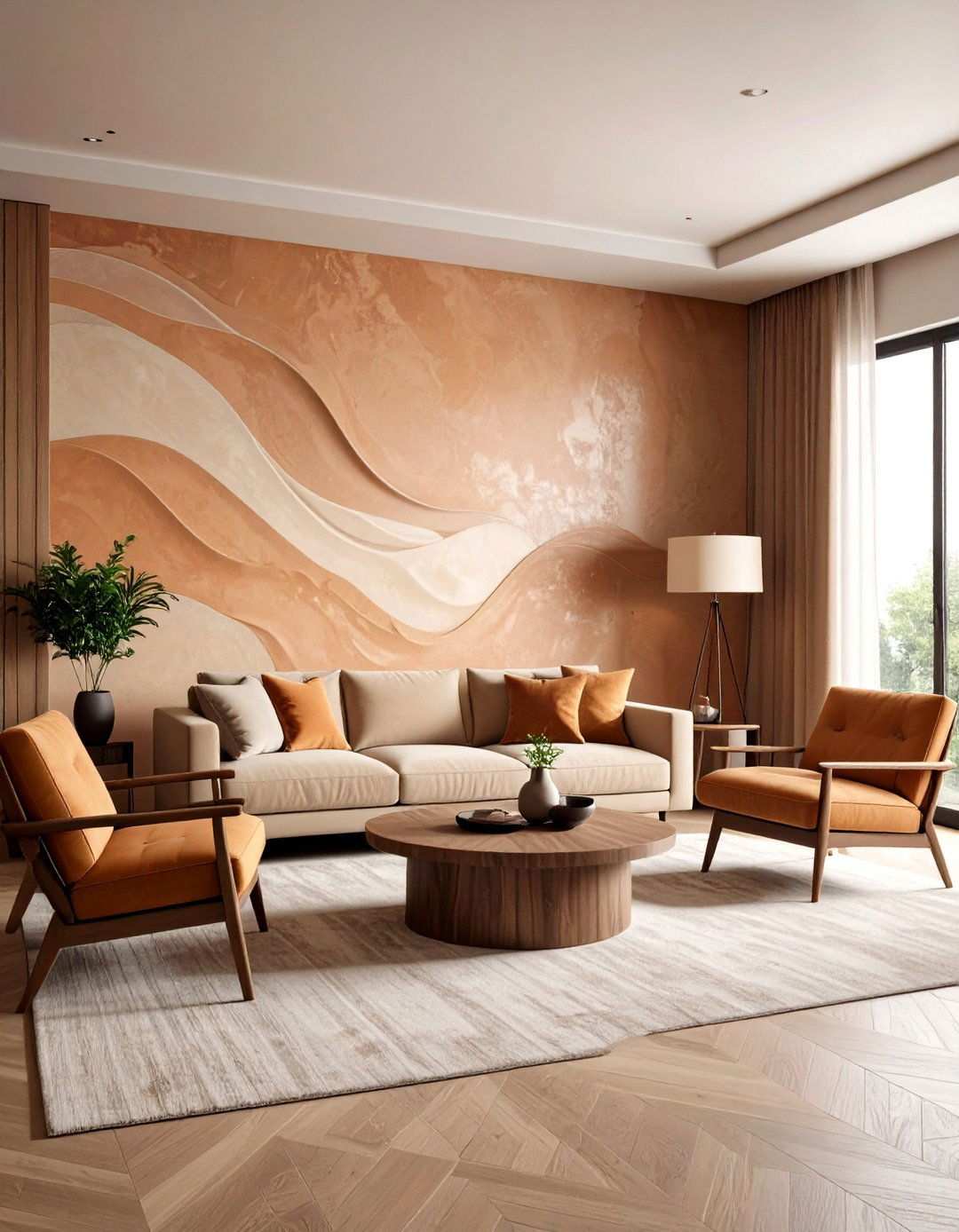
Textured finishes breathe life into basement walls by introducing a tactile element that captivates the senses and skillfully conceals minor blemishes . Innovative techniques such as venetian plaster, stucco, and custom paint applications yield one-of-a-kind surfaces that standard finishing methods cannot replicate . These finishes exhibit exceptional water-resistance, making them an ideal choice for basement environments . The interplay of light and shadow across textured surfaces generates captivating visual interest that evolves throughout the day . While professional expertise is often required for optimal results, certain textured paint products are designed for DIY application. Textured finishes can be tailored to harmonize with any design scheme, ranging from understated neutral tones to bold, striking shades . To avoid overwhelming the space, consider incorporating textured finishes as accent features rather than covering entire basements. The enduring quality and distinctive aesthetic appeal of textured finishes make them shrewd investments for basement transformations.
15. Unveiling Geometric Pattern Basement Wall Designs
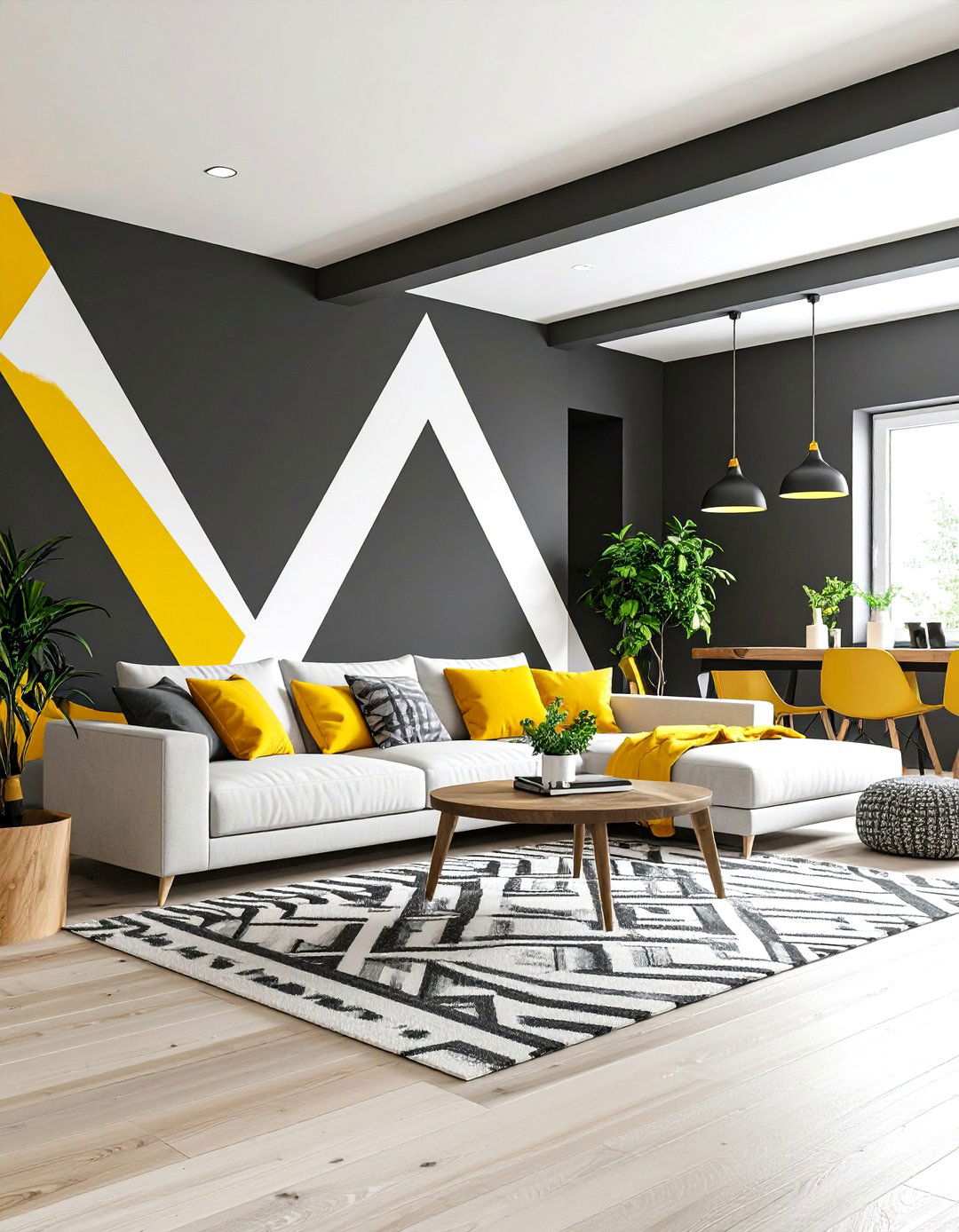
Geometric patterns infuse basement walls with modern sophistication and architectural flair by applying mathematical precision . Various methods can be employed to achieve these designs, including painted patterns, wallpaper, vinyl decals, and even three-dimensional panel arrangements . The pivotal aspect of successful geometric design lies in meticulous planning and precise execution, yielding patterns that harmonize with rather than overwhelm the space . The strategic use of bold, contrasting colors can generate intense effects, while subtle tonal variations convey a sense of refined elegance . Geometric patterns are particularly well-suited to modern basement designs, where clean lines and contemporary aesthetics are prioritized . For crisp and precise lines when painting geometric patterns, consider utilizing painter’s tape, or explore removable wall decals for temporary design flexibility. The versatility of geometric designs enables customization to match any color scheme or design preference . These patterns can revitalize basement walls by imbuing them with a sense of dynamism and contemporaneity while serving as conversation-starting focal points.
16. Acoustic Basement Wall Panels
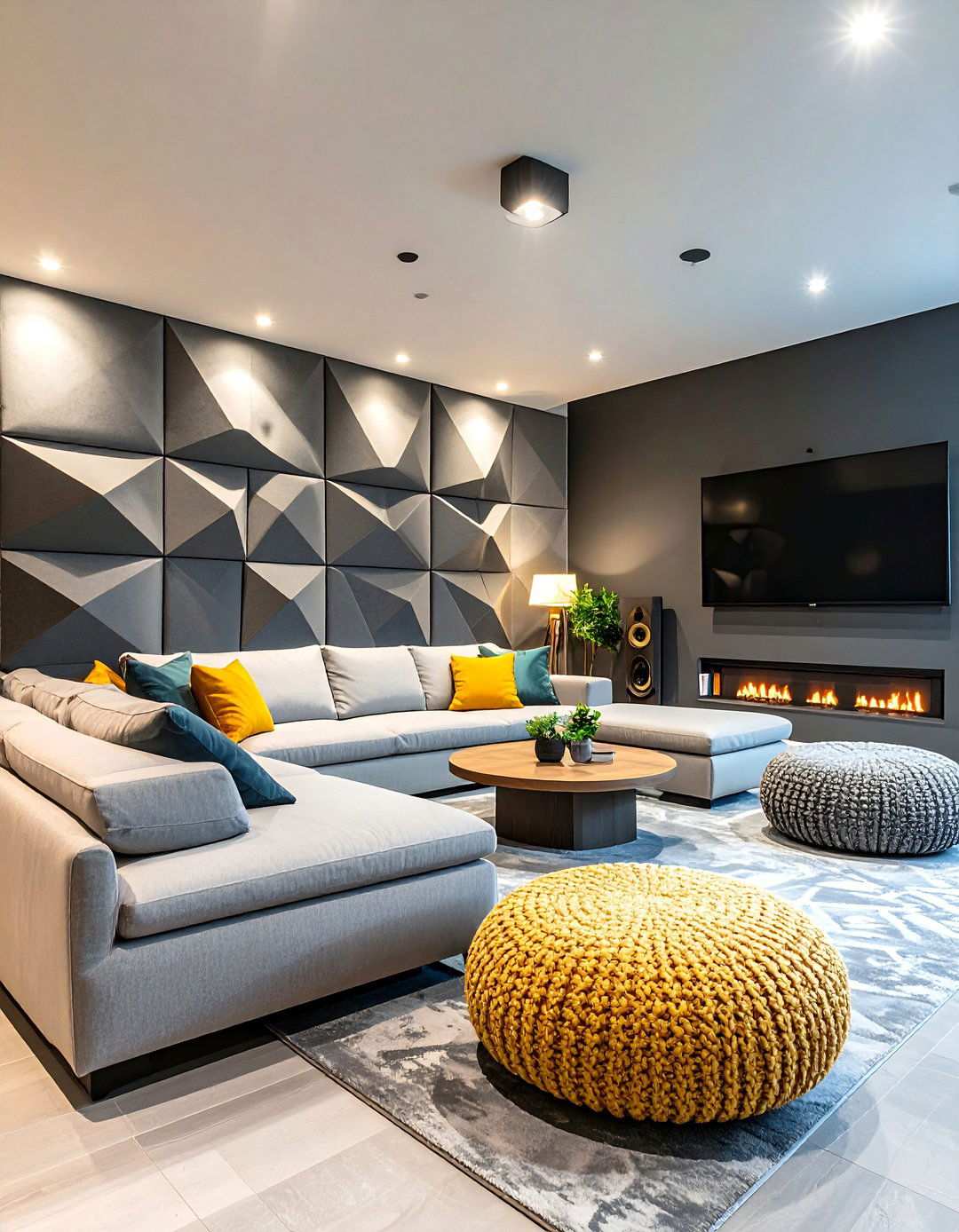
Sophisticated sound-dampening wall panels can transform basement environments, elevating acoustics while introducing stylish texture and visual intrigue to entertainment spaces. These specialized panels are particularly crucial in basements used for music, media rooms, or home offices where noise control is paramount. Materials vary from intricately wrapped acoustic panels to decorative foam designs that can be tailored to suit any aesthetic preference, allowing for a seamless integration with existing decor. Modern acoustic panels often boast innovative designs that transcend mere functionality, instead becoming decorative elements that enhance the overall aesthetic of the space. Installing these panels typically involves mounting them to walls with suitable hardware, resulting in both functional and aesthetic enhancements. The improved acoustics create more comfortable environments for conversation and entertainment, while also reducing noise transmission to other areas of the home. To further enhance the visual appeal of acoustic panels, consider combining them with other wall treatments to create visually striking compositions that serve multiple purposes. Felt panels, in particular, offer excellent sound absorption while providing soft, tactile surfaces that add warmth to basement spaces, fostering a cozy atmosphere.
17. Mirrored Basement Wall Accents
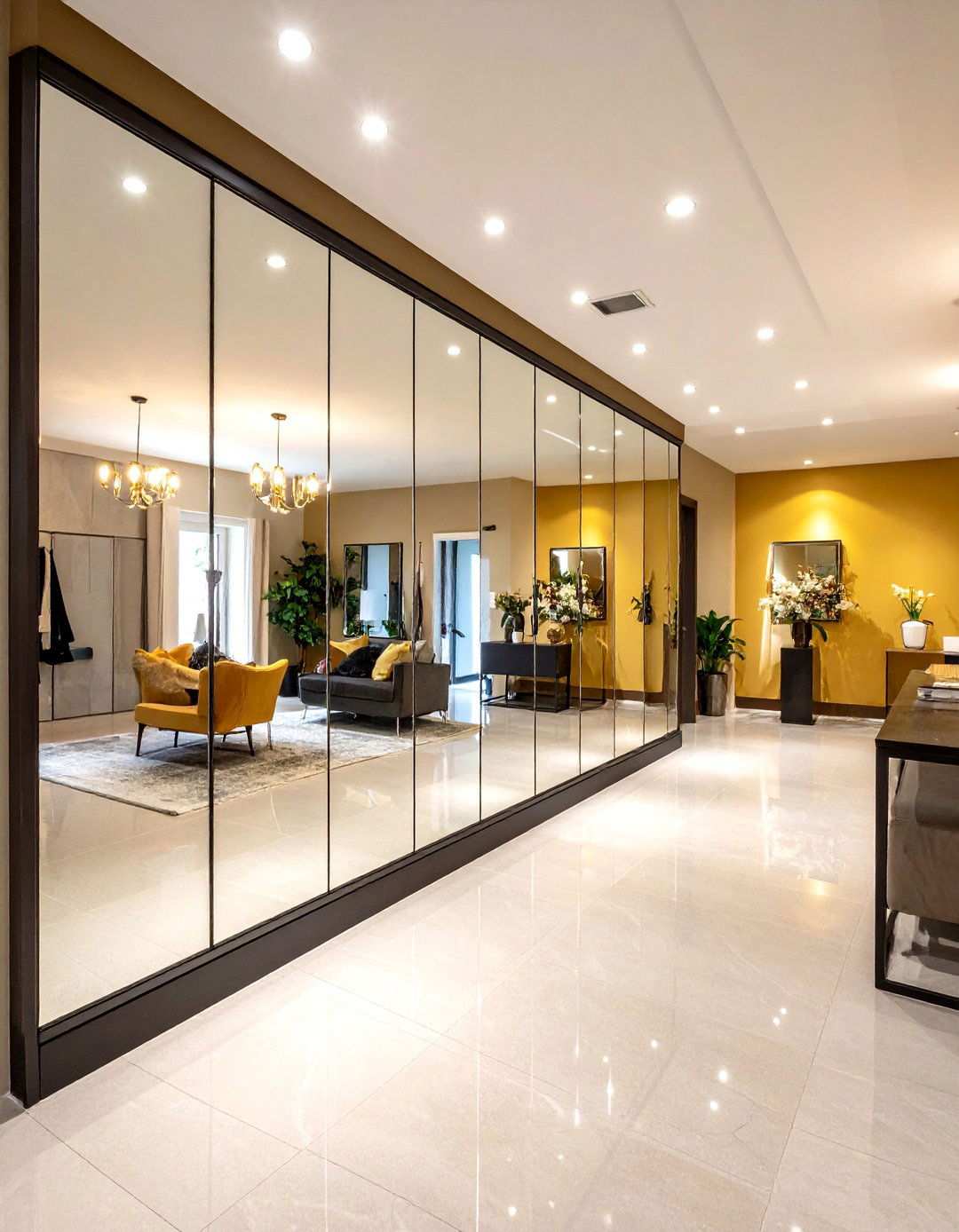
Mirrored wall treatments can create the illusion of expanded space, making basement areas appear larger and brighter than their actual dimensions. Strategically placing mirrors can double the apparent size of basement rooms while producing stunning visual effects that add glamour and sophistication. Modern mirror installations go beyond simple wall-mounted pieces, incorporating mirror tiles, panels, and even full mirror walls that serve as dramatic focal points. The reflective properties of mirrors help distribute available light more effectively, addressing one of the primary challenges in basement design. Installation requires careful planning to ensure proper support and safety, particularly with larger mirror installations. To maximize the impact of mirrors, consider using them to highlight architectural features or create interesting visual effects when combined with lighting. The versatility of mirror treatments allows for subtle accents or bold statements, depending on your design preferences and the specific needs of your basement space. This approach offers excellent value for homeowners seeking to maximize the perceived size and brightness of their basement areas, creating a more inviting and expansive space.
18. Crafting Distinct Basement Walls with Material Combinations
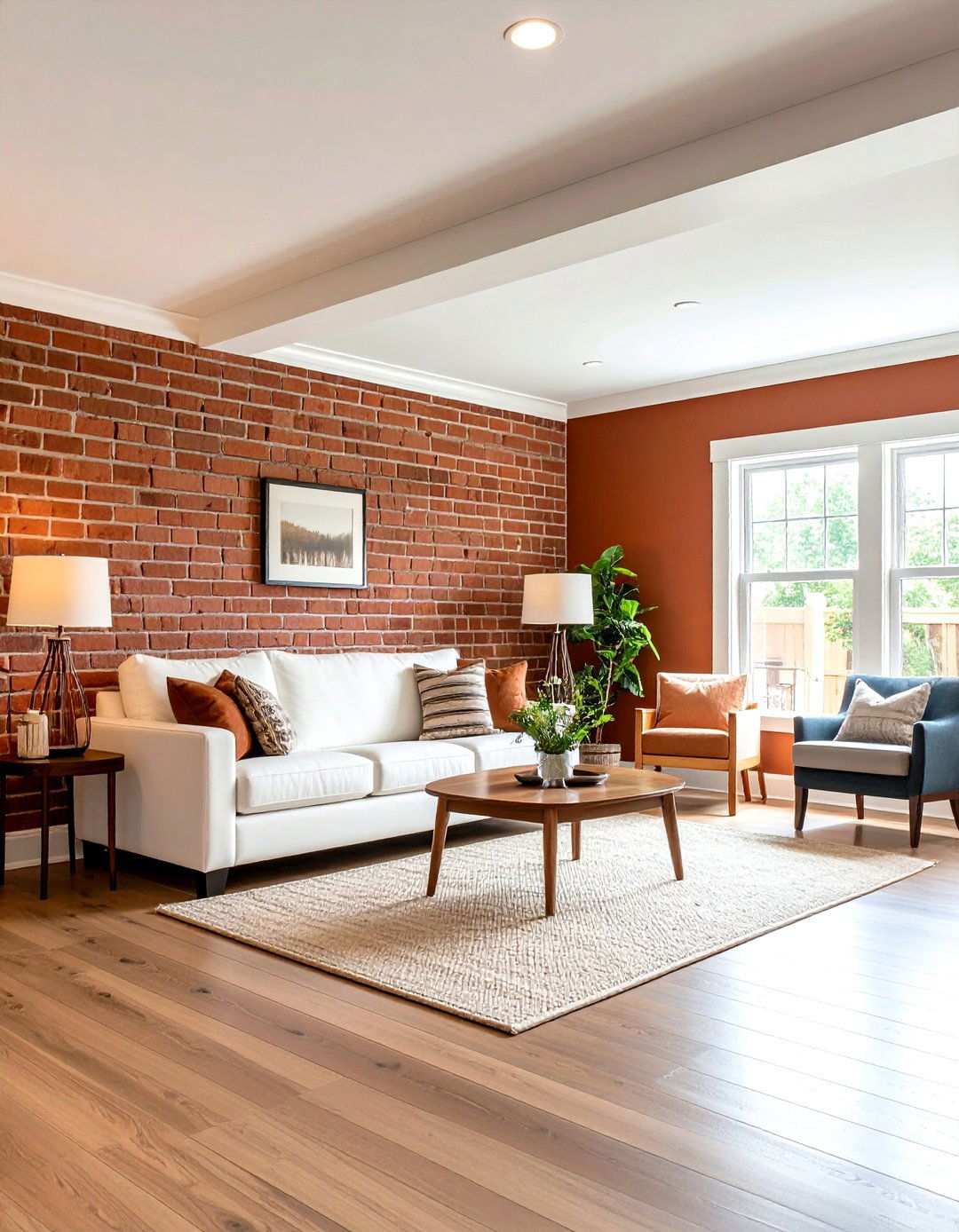
Combining disparate materials in innovative ways unlocks the potential for visually dynamic basement walls that seamlessly blend distinct characteristics to create unique environments. The most captivating combinations often involve pairing contrasting finishes, such as the juxtaposition of smooth plaster with rough-hewn stone veneer or the blending of exposed brick with modern drywall. To successfully integrate multiple materials, it’s essential to strike a visual balance, ensuring that each component harmoniously complements the others. Attention to detail is crucial when transitioning between materials, as this is where professional-looking results are often compromised. By strategically incorporating architectural features, such as chair rails or trim pieces, designers can thoughtfully separate different materials and create defined zones within larger basement spaces.
19. Illuminating the Potential of Basement Wall Systems
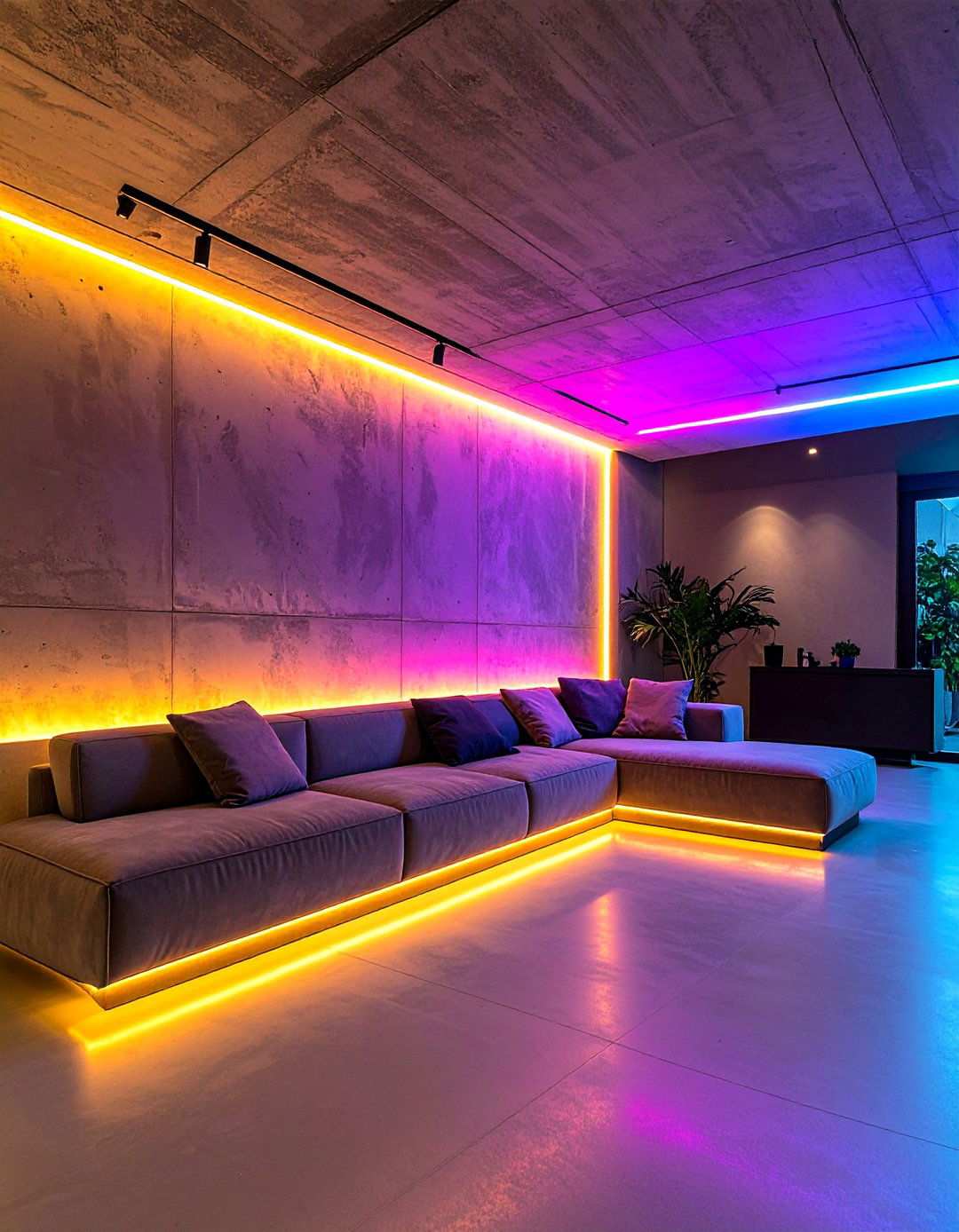
By integrating lighting into basement wall systems, architects and designers can reimagine these spaces as cozy, inviting areas, where ambient illumination highlights architectural features and creates a welcoming atmosphere. Strategically placed LED strip lighting, recessed fixtures, and accent lighting can coalesce to generate a range of visual effects, elevating basement spaces from mundane to captivating. Given the limited natural light in underground environments, proper lighting design assumes paramount importance. By thoughtfully integrating ambient, task, and accent lighting, designers can create visual layers that respond to different moods and activities, further enhancing the functionality and aesthetic appeal of basement spaces. Furthermore, cutting-edge LED technology offers energy-efficient options that minimize heat generation while delivering exceptional light quality. This thoughtful approach allows homeowners to tailor lighting scenarios to suit their lifestyle, effectively transforming static basement walls into dynamic, interactive elements that seamlessly integrate with smart home technology.
20. Modular Basement Wall Panel Systems
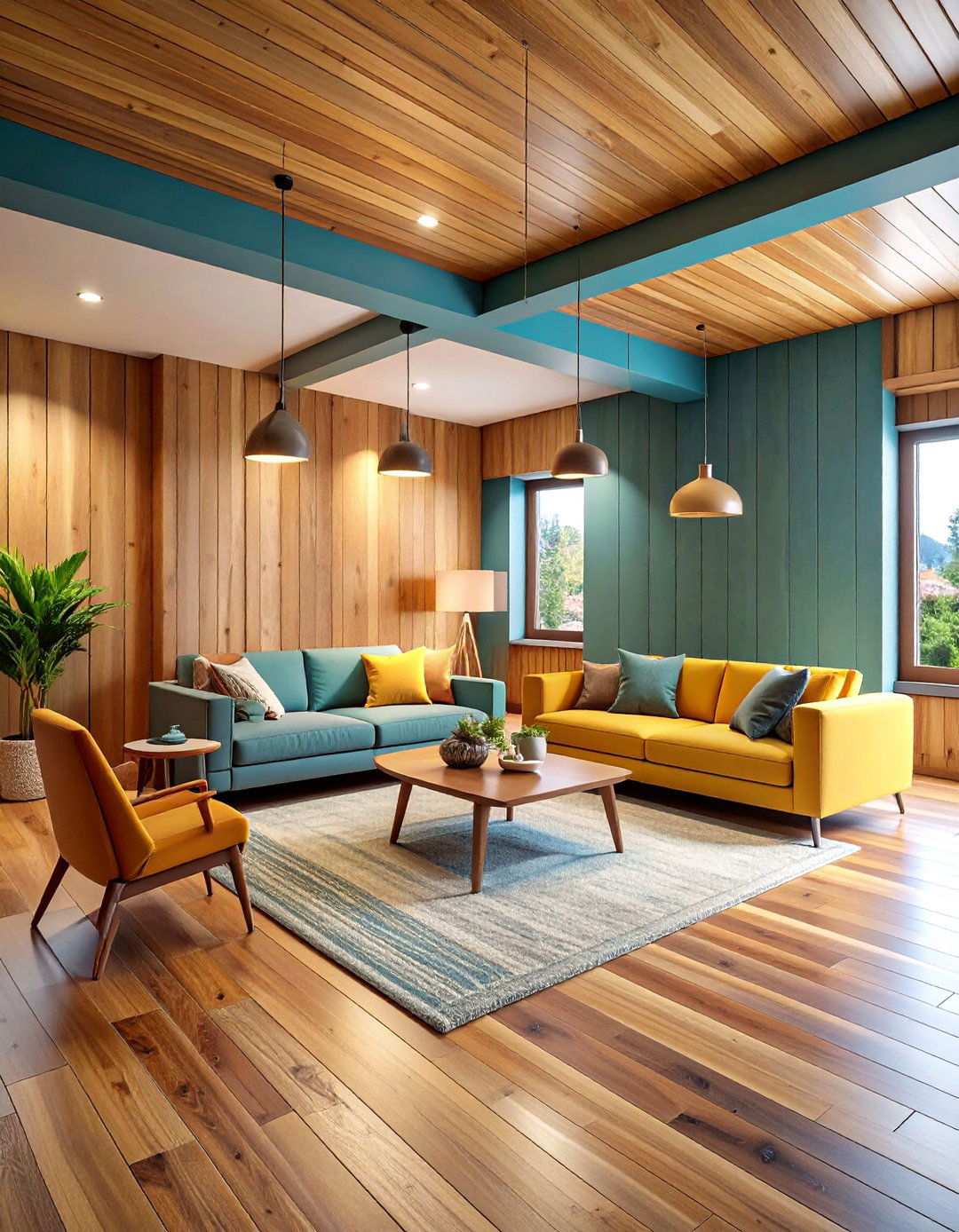
High-performance modular panel systems offer a perfect blend of adaptability and DIY-friendly installation, allowing homeowners to achieve expert-level results with minimal professional assistance. These innovative systems typically consist of interlocking panels that seamlessly integrate insulation, vapor barriers, and finished surfaces into single components, yielding a smooth, cohesive wall surface. The ingenious tongue-and-groove design ensures a watertight seal between panels while allowing for effortless removal if access to utilities is required. With a wide range of finishes available, modern modular systems cater to diverse homeowner tastes, from paintable surfaces to wood-grain textures and contemporary patterns. What’s more, these systems require minimal tools and expertise, making basement finishing an achievable goal for those who prefer a hands-on approach. The integrated insulation and moisture barriers offered by these systems provide exceptional protection against common basement issues, while also enhancing energy efficiency. Considering their adaptability and long-term value, modular systems prove to be an astute investment for basement transformations, offering a professional appearance and superior performance that withstands the test of time.