1. Embracing the Bauhaus Aesthetic: A Study in Functionality
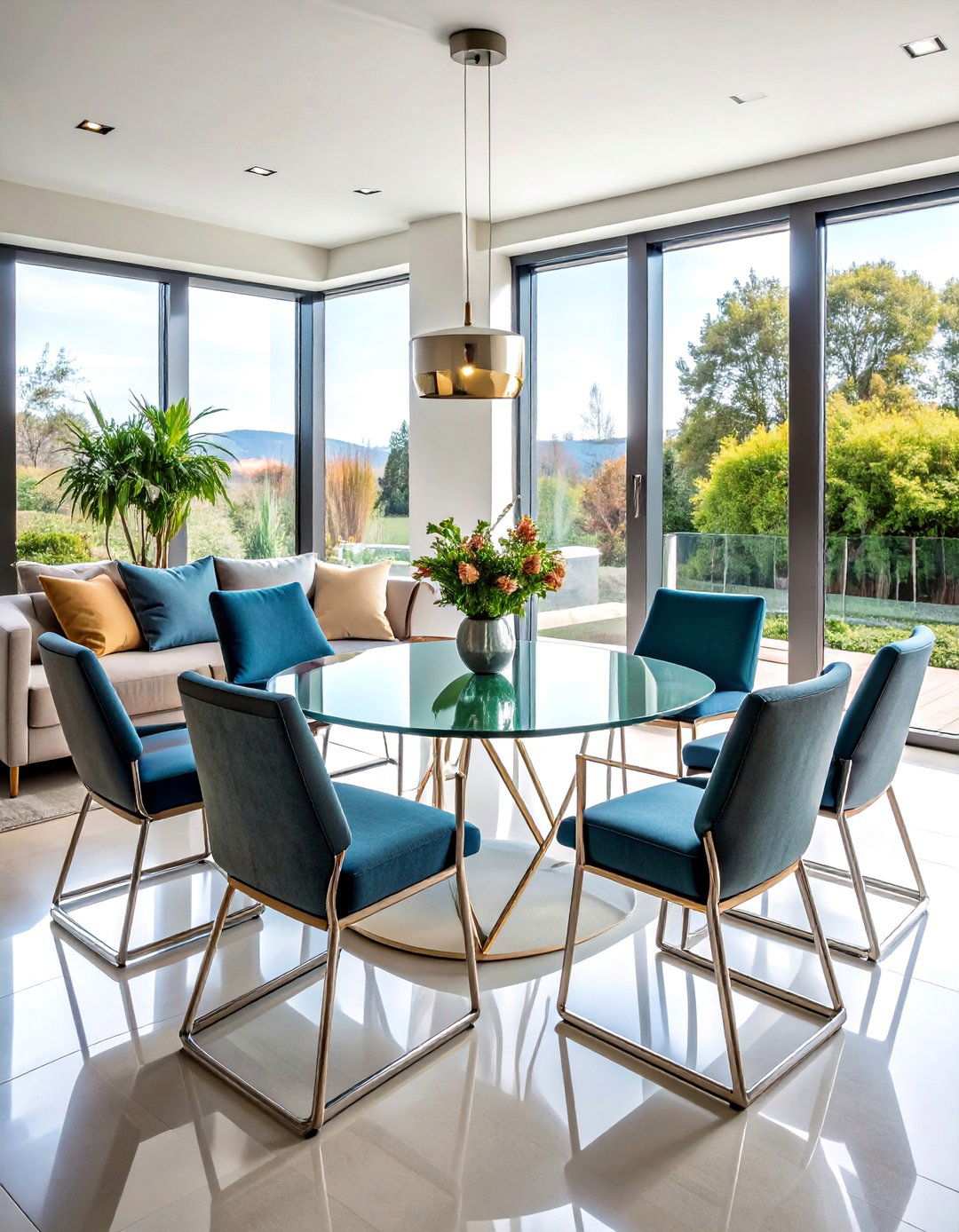
The Bauhaus movement, founded by Walter Gropius in 1919, brought about a seismic shift in interior design by championing the idea that “form follows function.” At the heart of this influential German design school lies an unyielding commitment to simplicity, functionality, and the strategic use of geometric shapes and bold colors in architecture and design. Bauhaus interior design style is characterized by a distinctive set of principles that have left an indelible mark on modern design, underscoring the notion that an object’s design should be inextricably linked to its intended function. By embracing these timeless principles, today’s interiors can transcend fleeting trends and adopt a more lasting aesthetic, one that celebrates both beauty and practicality through the strategic use of industrial materials, primary colors, clean lines, and multifunctional furniture.
2. Designing a Bauhaus-Inspired Space: Tubular Steel and Color Accents
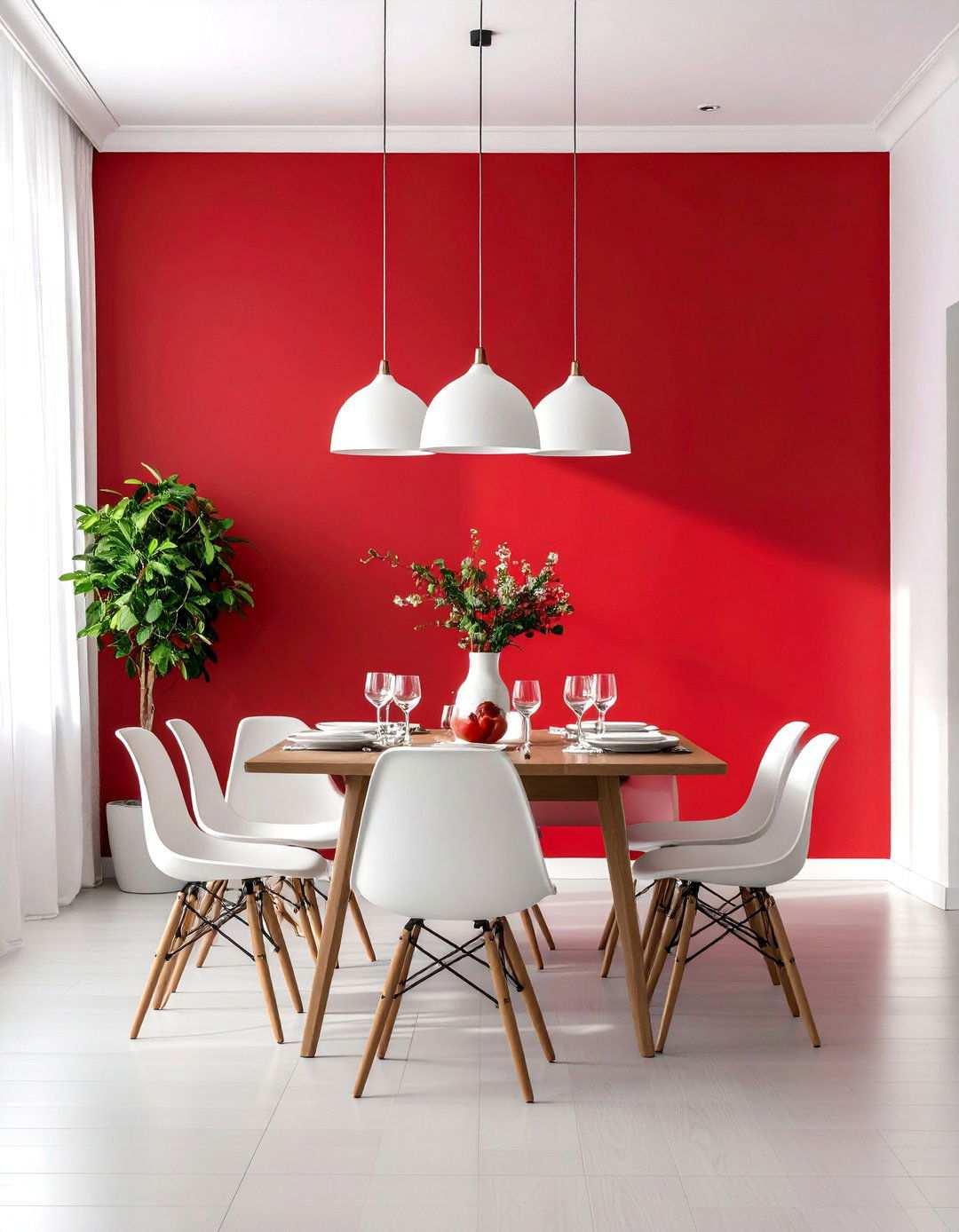
For a truly immersive Bauhaus experience, consider incorporating the iconic Wassily Chair, designed by Marcel Breuer, into your seating arrangement. This masterful design, characterized by its clean, minimalist form created from bent steel tubes, embodies the Bauhaus ethos of function over form. To create a cohesive Bauhaus-inspired seating area, select chairs with chrome-plated tubular steel frames and understated upholstery. Inspired by the frame of his bicycle, Breuer’s design combines functionality and beauty, making it an ideal choice for creating a space that encourages conversation while maintaining unobstructed sight lines. Pair these lightweight, moveable pieces with glass or wood surfaces to create a striking contrast between materials. The geometric framework of the tubular steel chairs creates visual interest while providing practical, durable seating that can be easily rearranged to suit a variety of occasions.

As an Amazon Associate I earn from qualifying purchases.
3. Redefining Spaces with Bauhaus Open Floor Plans
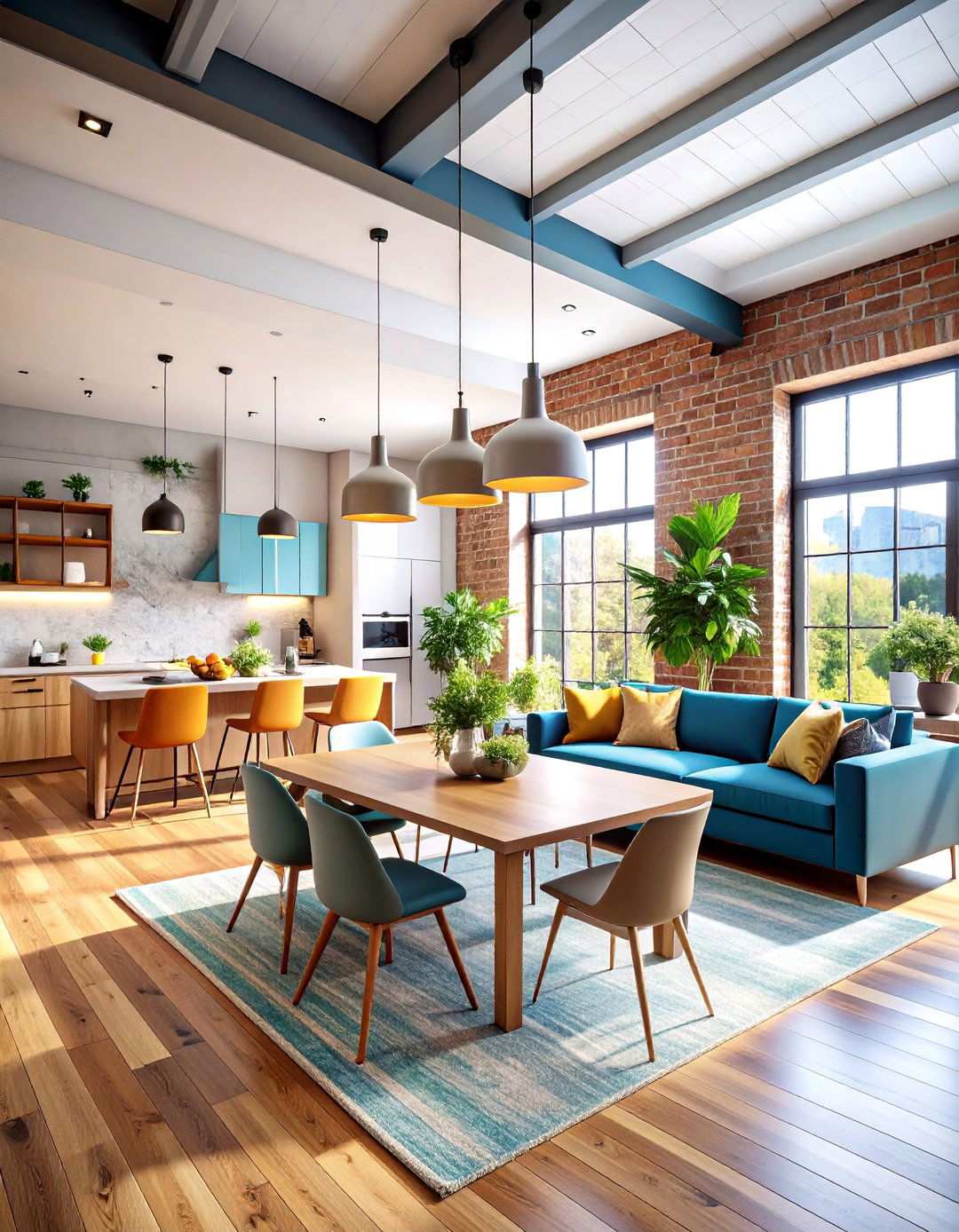
The Bauhaus architectural style is renowned for its emphasis on open floor plans, which seamlessly integrate living areas to foster a sense of community and fluid movement. To achieve this, designers must rethink the traditional boundaries between functional zones and create smooth transitions between spaces. By eliminating unnecessary barriers and strategically placing furniture and flooring materials, it’s possible to define different areas without walls, promoting a feeling of unity and functionality. When arranging seating, striking a balance between encouraging interaction and maintaining clear pathways is crucial. Furthermore, unobstructed windows should be prioritized to maximize natural light flow and create a sense of brightness throughout the space. This approach reflects the Bauhaus ideology that architecture should facilitate human relationships and daily activities rather than constrain them, resulting in environments that adapt to evolving needs.
4. Bauhaus Aesthetics in Industrial Lighting Solutions
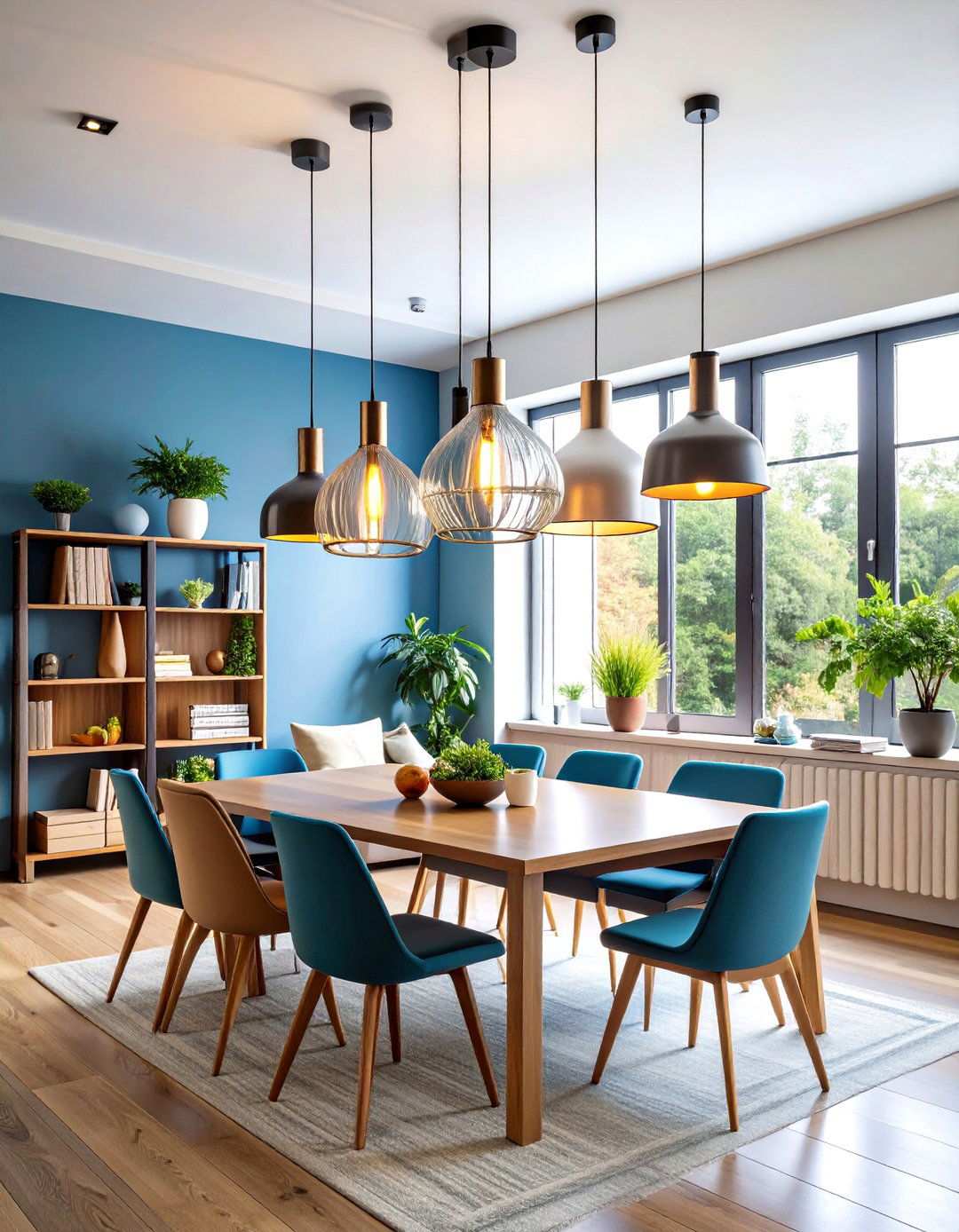
Bauhaus lighting designs are characterized by their sleek, functional aesthetic, often incorporating industrial-style features such as metal pendants and task lamps made from modern materials like glass. To achieve this look, select fixtures that pair metal and glass with clean, geometric forms, eschewing decorative embellishments. The Bauhaus approach to lighting embodies the principle that form should follow function, yielding designs that are both visually appealing and highly practical. By installing pendant lights with exposed bulbs over dining areas and adjustable task lamps in reading corners, you can create a dynamic lighting scheme that serves specific purposes. Track lighting, in particular, offers flexibility, allowing you to redirect illumination as needed. The fixtures themselves become sculptural elements that reinforce the industrial aesthetic while providing excellent functionality. By focusing on layered lighting that caters to specific needs rather than purely ambient lighting, you can ensure each fixture contributes to the room’s overall efficiency.
5. Incorporating Geometric Pattern Textiles in Bauhaus Design
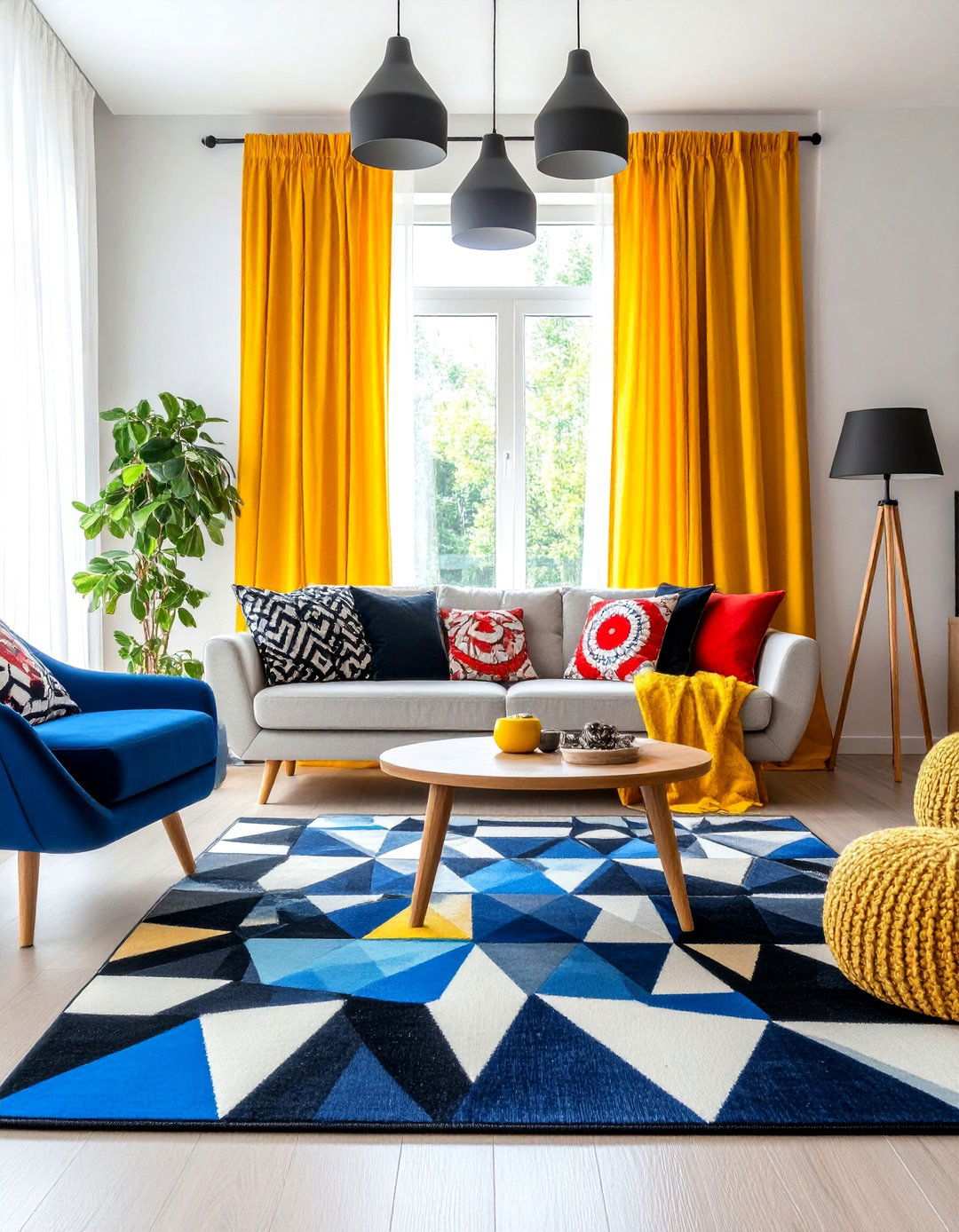
Anni Albers’ geometric fabric designs exemplify the sensuality and openness to experimentation that define Bauhaus textile artworks. To incorporate this aesthetic into your space, consider using textiles featuring bold geometric patterns in primary colors against neutral backgrounds. Bauhaus interiors frequently employ geometric shapes such as squares, circles, and triangles in furniture design and architectural elements. Choose rugs with angular patterns, throw pillows with circular motifs, and window treatments with linear designs. It’s essential to keep the patterns simple and graphic, avoiding ornate or flowing designs. These textiles add visual texture while maintaining the movement’s emphasis on mathematical precision and order. Additionally, the Bauhaus approach to textiles often involves combining different materials to create multifunctional pieces, such as sound-absorbing fabrics that can be used as curtains, rugs, or even chair covers, demonstrating the philosophy’s focus on adaptability and functionality.
6. Unifying Glass Elements in Bauhaus Architecture
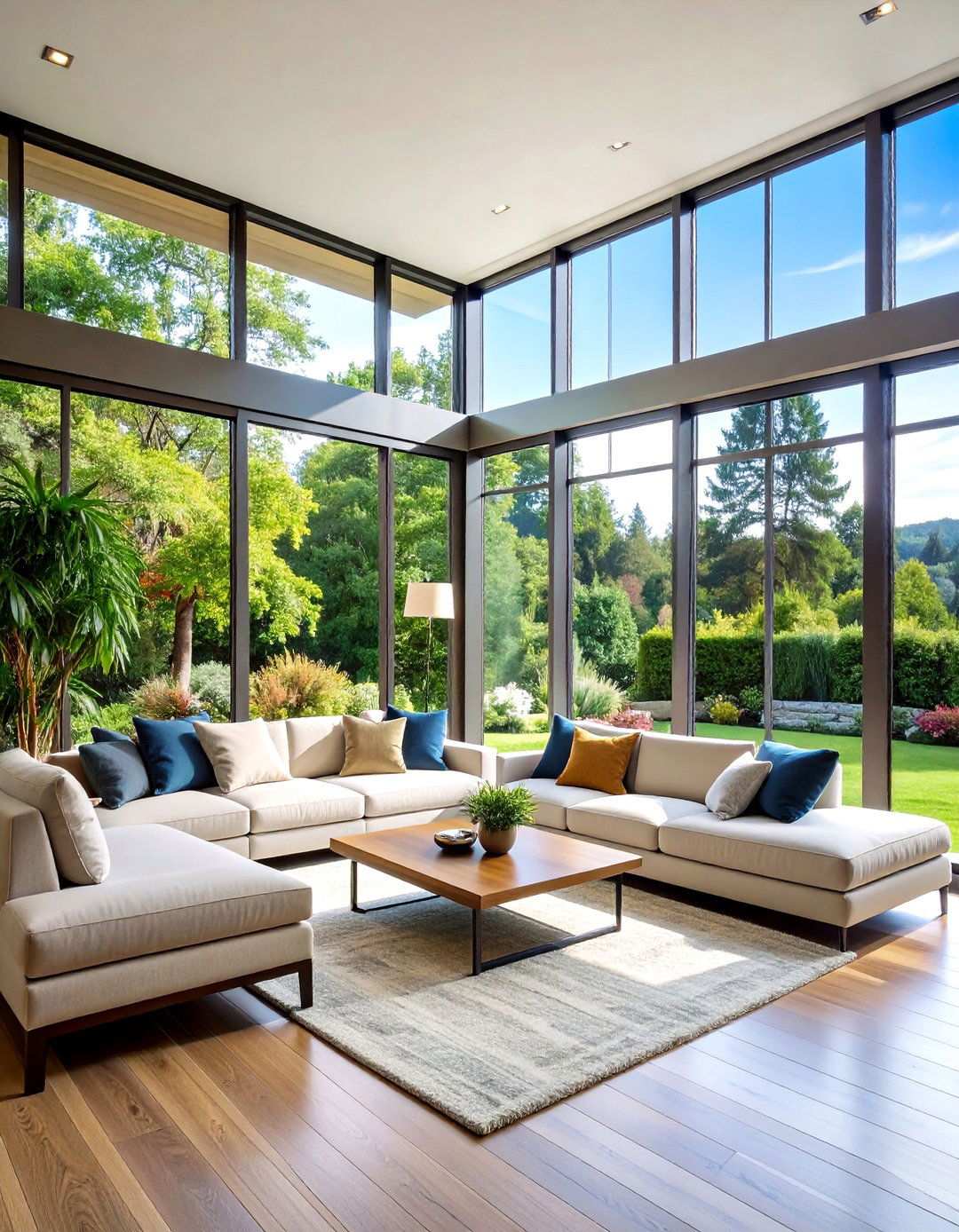
The Bauhaus approach to corner windows allowed architects to rethink the fundamental structure of buildings and create spaces that seamlessly blend together. By removing heavy treatments and embracing unobstructed views, corner windows can be maximized to their full potential. A defining characteristic of Bauhaus architecture is the liberal use of large, unadorned windows, which invite a wealth of natural light into the space. This has the effect of making rooms appear larger and more open. The glass elements are precisely angled to meet without visible structural supports, creating an illusion of floating walls. Strategically positioning seating to take advantage of these light sources while maintaining the clean lines of the architecture is essential. By maximizing the use of windows, skylights, and glass doors while keeping window treatments minimal, you can blur the boundary between interior and exterior spaces. This approach not only reflects the Bauhaus goal of creating environments that connect inhabitants with their surroundings but also showcases the potential of technological innovation and thoughtful design.
7. Achieving Minimalism in Bauhaus Kitchen Design
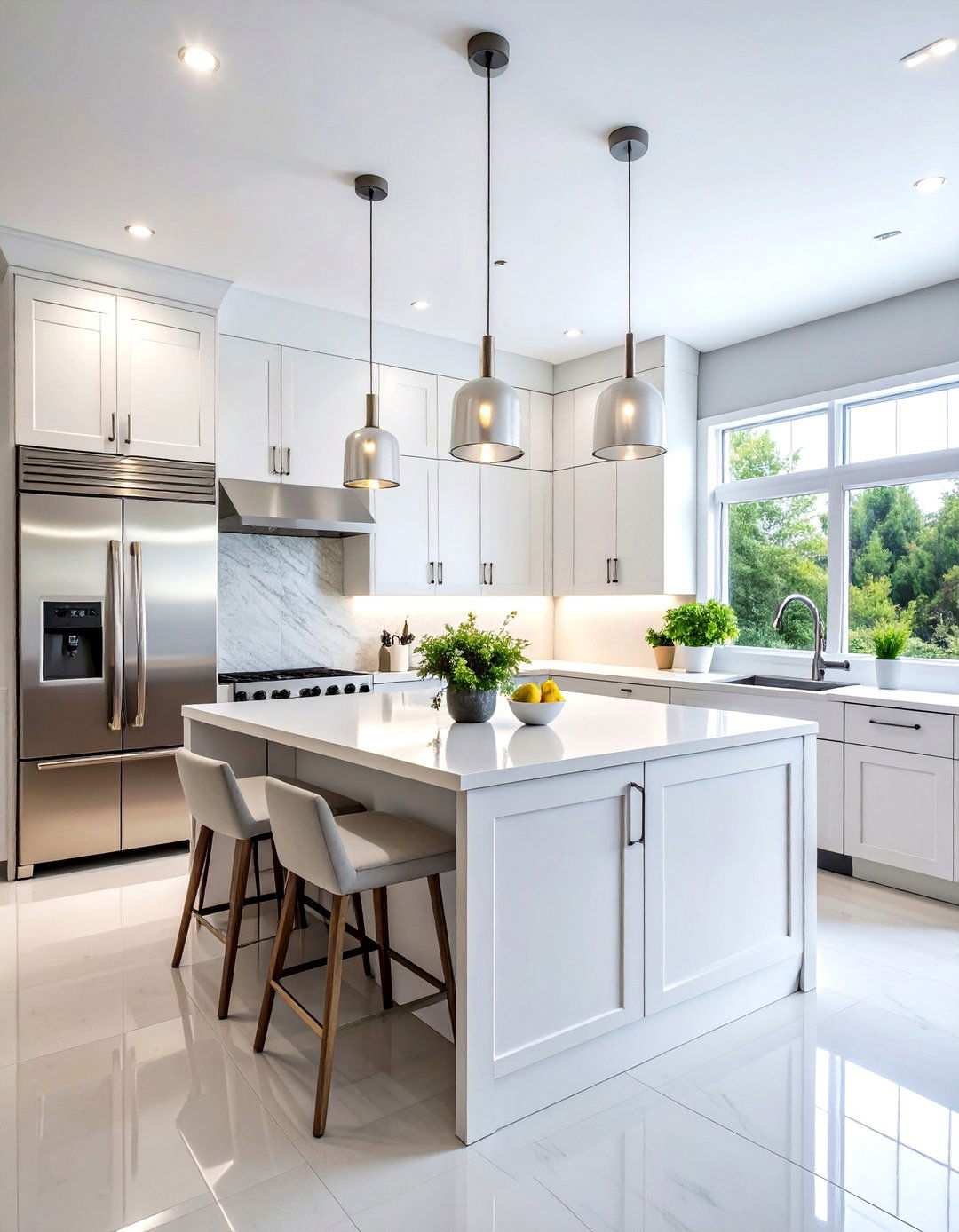
Designing a Bauhaus kitchen and dining room involves marrying sleek cabinetry, industrial materials, and functional dining furniture under a monochromatic color scheme. This aesthetic is characterized by handleless cabinets, stainless steel appliances, and a focus on clean lines achieved through integrated appliances and minimal hardware on cabinet faces. The finishes in a Bauhaus kitchen are glossy, clean, and polished, often featuring glossy marble or granite counters and floors, or glazed surfaces that offer a sleek, modern look. Flat-panel cabinet doors in white or gray with concealed hinges create a seamless surface. Under-cabinet lighting eliminates shadows on work surfaces, while a kitchen island featuring clean geometric forms with waterfall edges adds visual interest. Storage solutions prioritize accessibility and organization while maintaining a visual simplicity, with every element serving multiple purposes in food preparation, storage, and social gathering within the home’s central workspace.
8. Exploring the Concept of Floating Furniture in Bauhaus Design
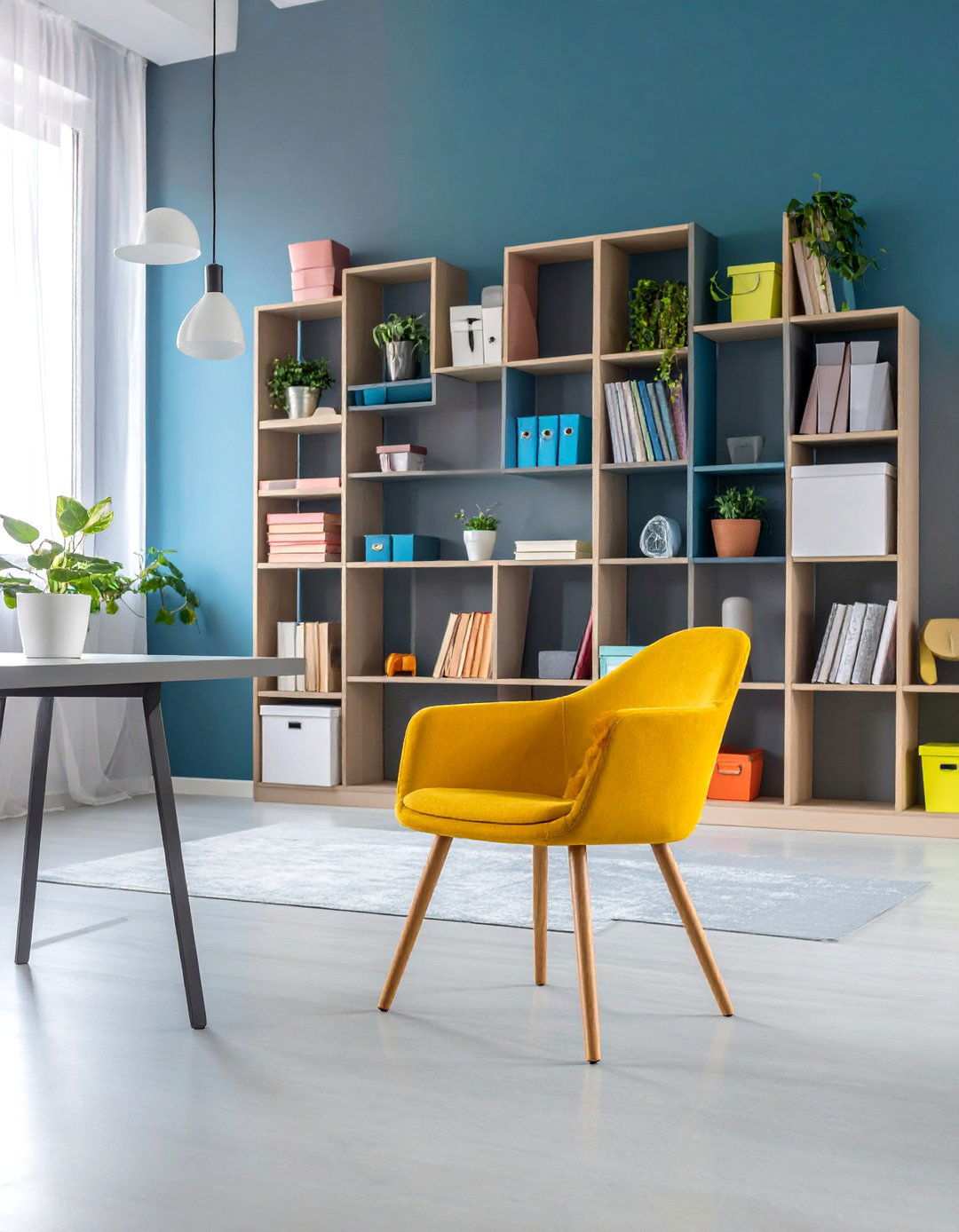
The B33 version of the tube steel chair defies convention by having no back legs, leveraging the strength of the steel and cantilevering the seat off its front legs. This innovative approach can be applied to other furniture pieces, such as cantilever and floating furniture items that appear to defy gravity through engineering excellence. Wall-mounted desks, floating nightstands, and suspended storage showcase the potential for visual lightness while maximizing floor space. Bauhaus-style furniture is characterized by its lightness and functionality, often incorporating period-inspired pieces made of glossy metals, glass, wood, plastics, and leather. The floating effect highlights the Bauhaus fascination with new structural possibilities enabled by modern materials, demonstrating how function can be enhanced through innovative design rather than traditional support methods. The visual impact creates a sense of spaciousness while proving that practical furniture need not appear heavy or cumbersome in well-designed interiors.
9. Bauhaus Metal and Leather Combination
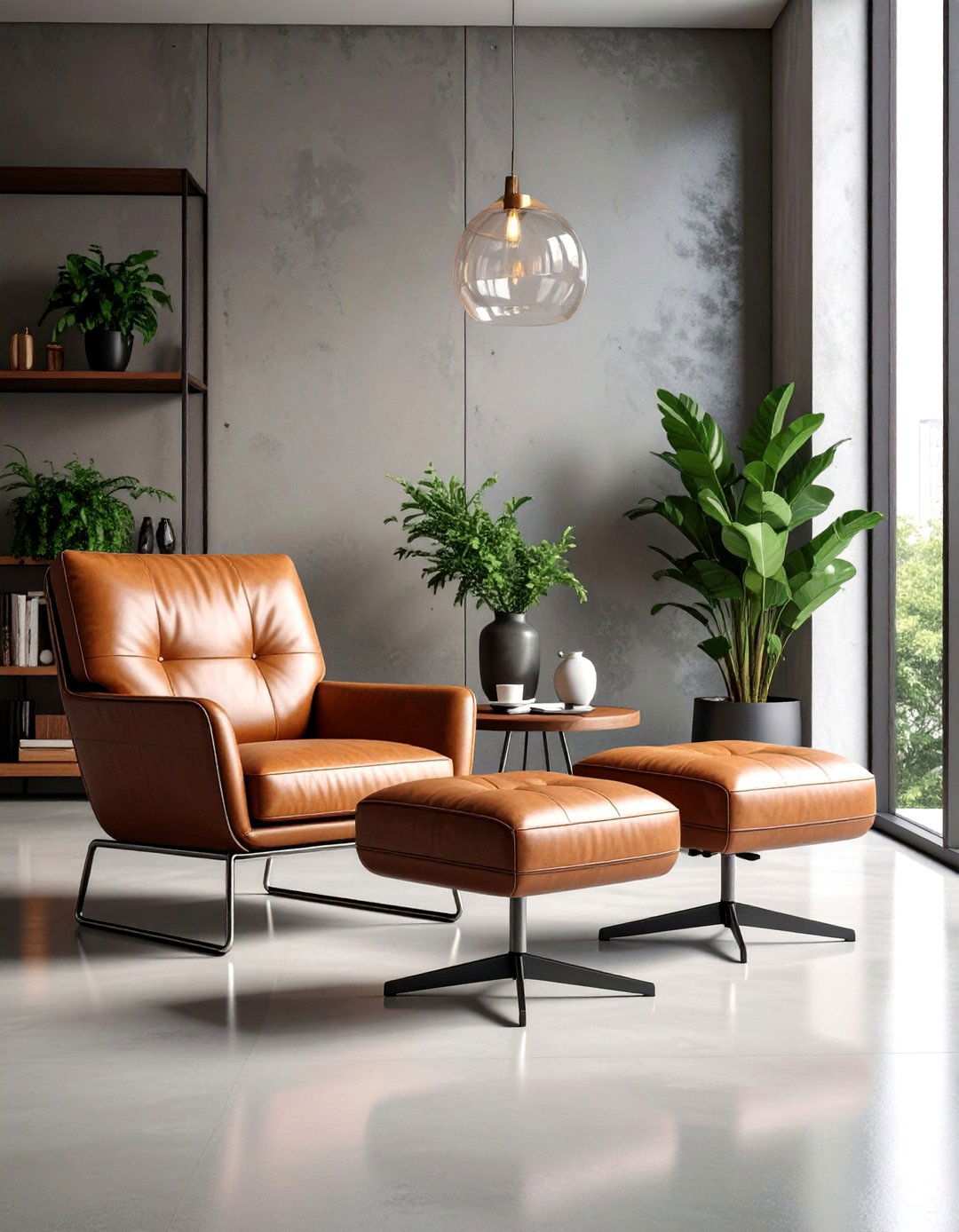
When blending the worlds of industrial chic and high-end sophistication, a harmonious marriage of materials can be achieved by pairing polished steel or chrome frameworks with rich leather upholstery. This fusion of raw and refined elements results in a visually striking contrast between the tactile softness of leather and the cool, metallic sheen of steel. A prime example of this design synergy is the iconic Barcelona Chair, crafted by Ludwig Mies van der Rohe, which masterfully combines leather and steel to create a masterpiece of modern luxury. By selecting genuine leather with a natural finish and treating it with minimal embellishments, its inherent characteristics can shine through, while steel elements are precision-crafted to showcase seamless joints and mirror-like finishes. This union of materials is a testament to the Bauhaus philosophy of elevating industrial materials through exceptional craftsmanship, yielding furniture that seamlessly balances form and function.
10. Bauhaus Abstract Art Display
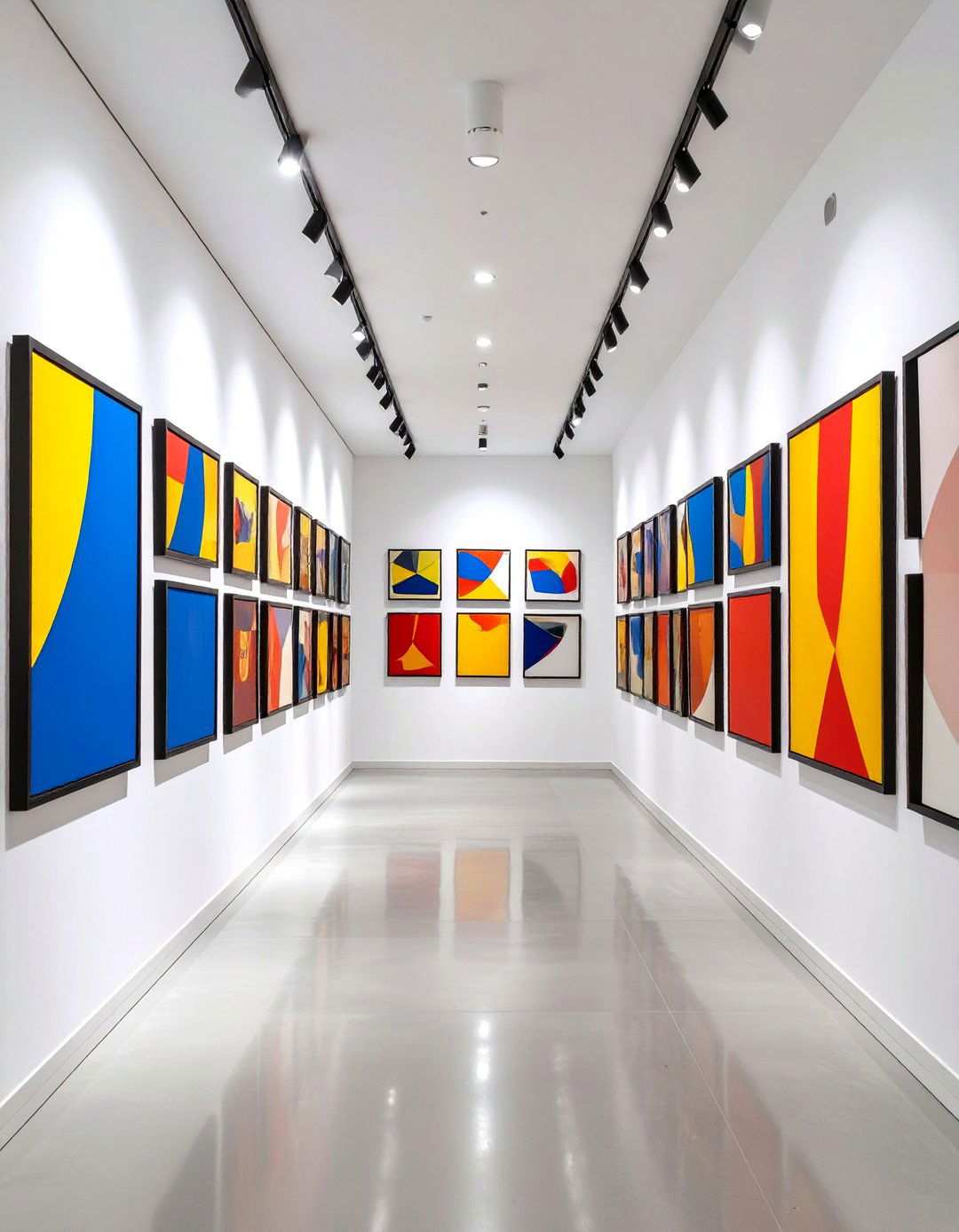
Elevate your modern Bauhaus interior design by curating a thoughtfully selected assortment of abstract or minimalist art that embodies the era’s emphasis on simplicity, visual balance, and mathematical relationships. Drawing inspiration from the works of Wassily Kandinsky, opt for artwork featuring vibrant primary colors, geometric compositions, and a sense of visual harmony. Arrange pieces in deliberate grid-like formations or linear sequences that echo the architectural elements of the space, thereby creating a dynamic and cohesive visual narrative. The use of simple, unadorned frames in black or silver allows the artwork to take center stage, while also paying homage to the enduring appeal of Bauhaus geometric graphics. By presenting each piece with careful consideration, you can create a harmonious composition that celebrates the movement’s innovative fusion of fine art and everyday living.
11. Bauhaus Concrete and Steel Bathroom
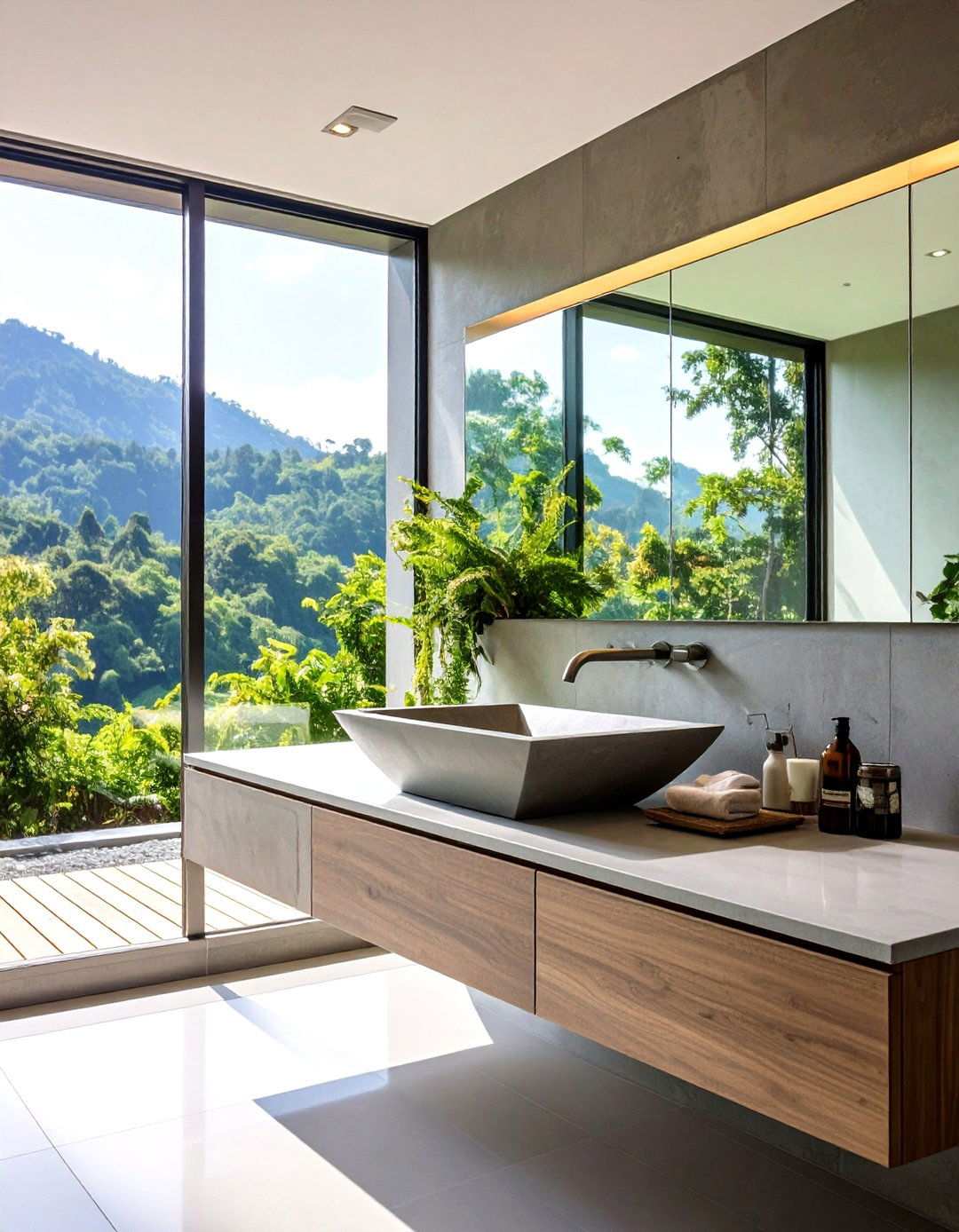
Design a Bauhaus-inspired bathroom that exudes sleek sophistication and industrial chic by employing a monochromatic color scheme, a minimalist aesthetic, and a focus on raw materials. Install concrete sinks with integrated countertops and steel fixtures in brushed or polished finishes to create a seamless visual flow. Bauhaus design often favors materials like glass, metal, and concrete, which can be combined to create a modern and industrial feel that celebrates the beauty of raw materials. The shower area should feature frameless glass panels and minimal grout lines on large-format tiles to maintain an uncluttered and streamlined appearance. Recessed or linear LED lighting can be used to accentuate clean architectural lines, while built-in, concealed storage solutions ensure that surfaces remain uncluttered and visually appealing. This approach not only honors the Bauhaus philosophy of honest material expression but also creates a spa-like environment that prioritizes both hygiene and aesthetic pleasure.
12. Bauhaus Modular Storage Systems
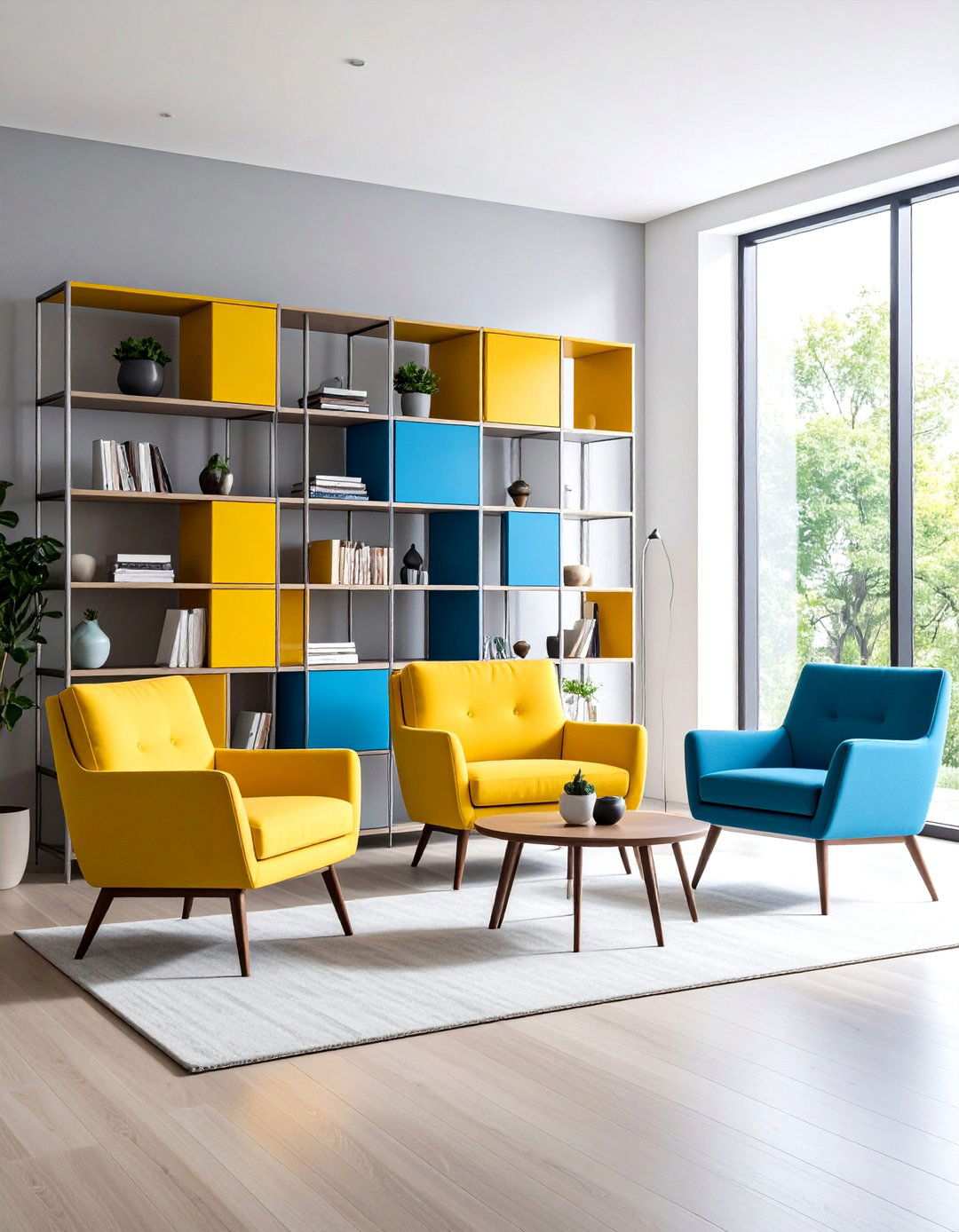
Precision-crafted modular components converge to form the USM Haller system, boasting chromed tubular steel frames paired with powder-coated steel doors and panels in a palette of 7 carefully chosen hues. By reconfiguring these components as requirements shift, homeowners can design storage solutions that adapt to their evolving needs. The Bauhaus movement significantly impacted design by introducing a more democratic and accessible aesthetic, achieved through the use of simple forms that could be mass-produced. Modular connections occur seamlessly, devoid of visible hardware, allowing compositions to expand either vertically or horizontally. Neutral tones should predominate on most panels, while select primary colors can be used to create striking accent pieces. This system excels at accommodating an assortment of items, from books to concealed storage, reflecting the Bauhaus ethos of designing for flexibility and responsiveness to users’ changing needs, rather than imposing rigid constraints. Effective planning and systematic rationality enable this intelligent engineering to effectively meet evolving domestic demands.
13. Bauhaus Cantilever Chair Dining Area
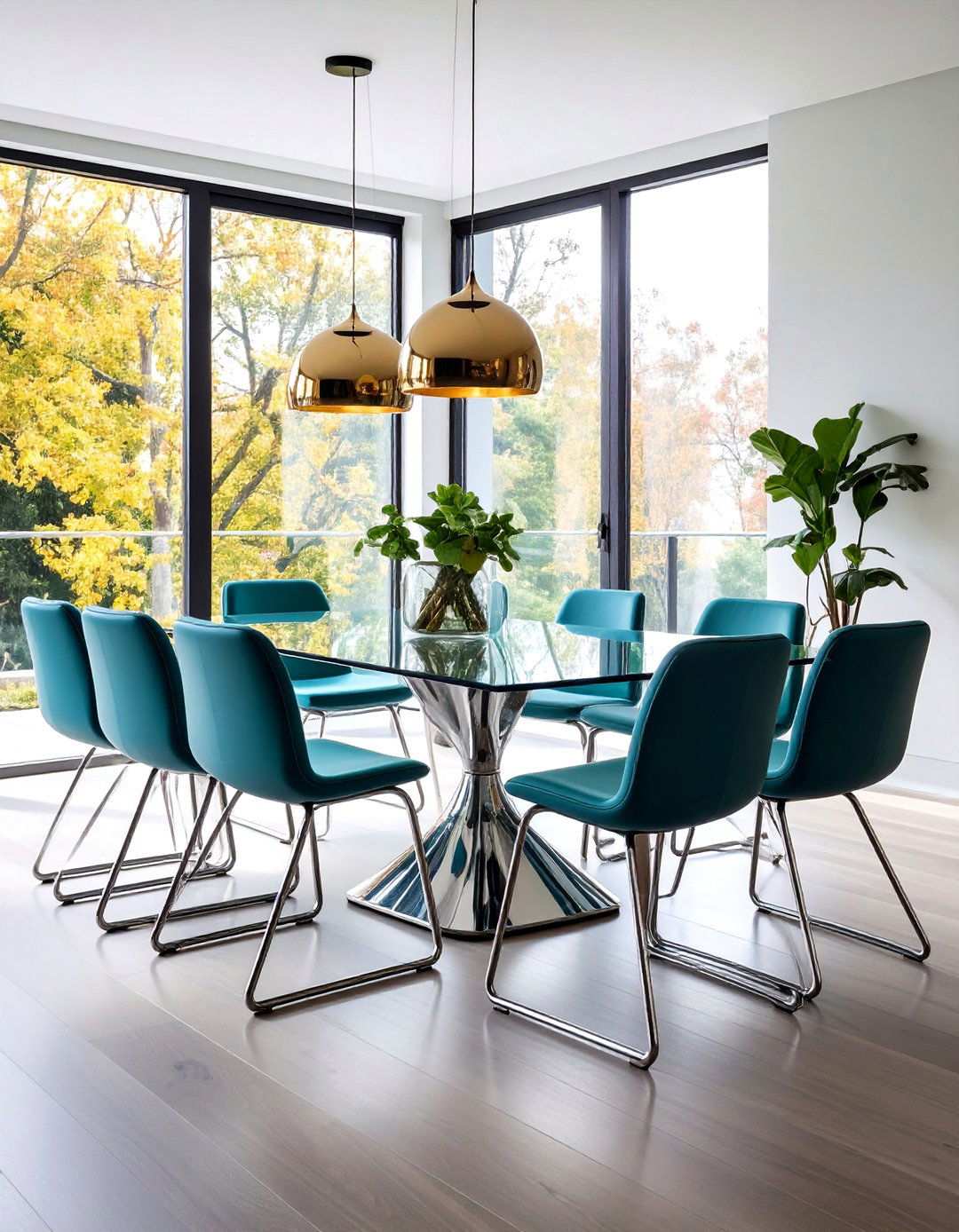
The origin of the cantilevered tubular steel chair has been the subject of debate, with Breuer’s B33 rendition featuring an intriguing design without back legs. A dining area featuring cantilever chairs can demonstrate innovative structural design while maintaining a comfortable seating arrangement. The Thonet S33, a classic example of Bauhaus tubular steel furniture, bears the signature of Mart Stam. The dining table should boast a glass top paired with a metal base or solid wood surface supported by steel legs, ensuring a harmonious material palette with the chairs. By strategically arranging seating, conversation can thrive without compromising the visual lightness imparted by the chairs’ suspended appearance. This configuration masterfully showcases how engineering advancements can seamlessly integrate form and function, aligning with the Bauhaus principle that everyday objects should incorporate cutting-edge technology while fulfilling fundamental human needs for nourishment and social interaction within domestic settings.
14. Bauhaus Neutral Color Palette Bedroom
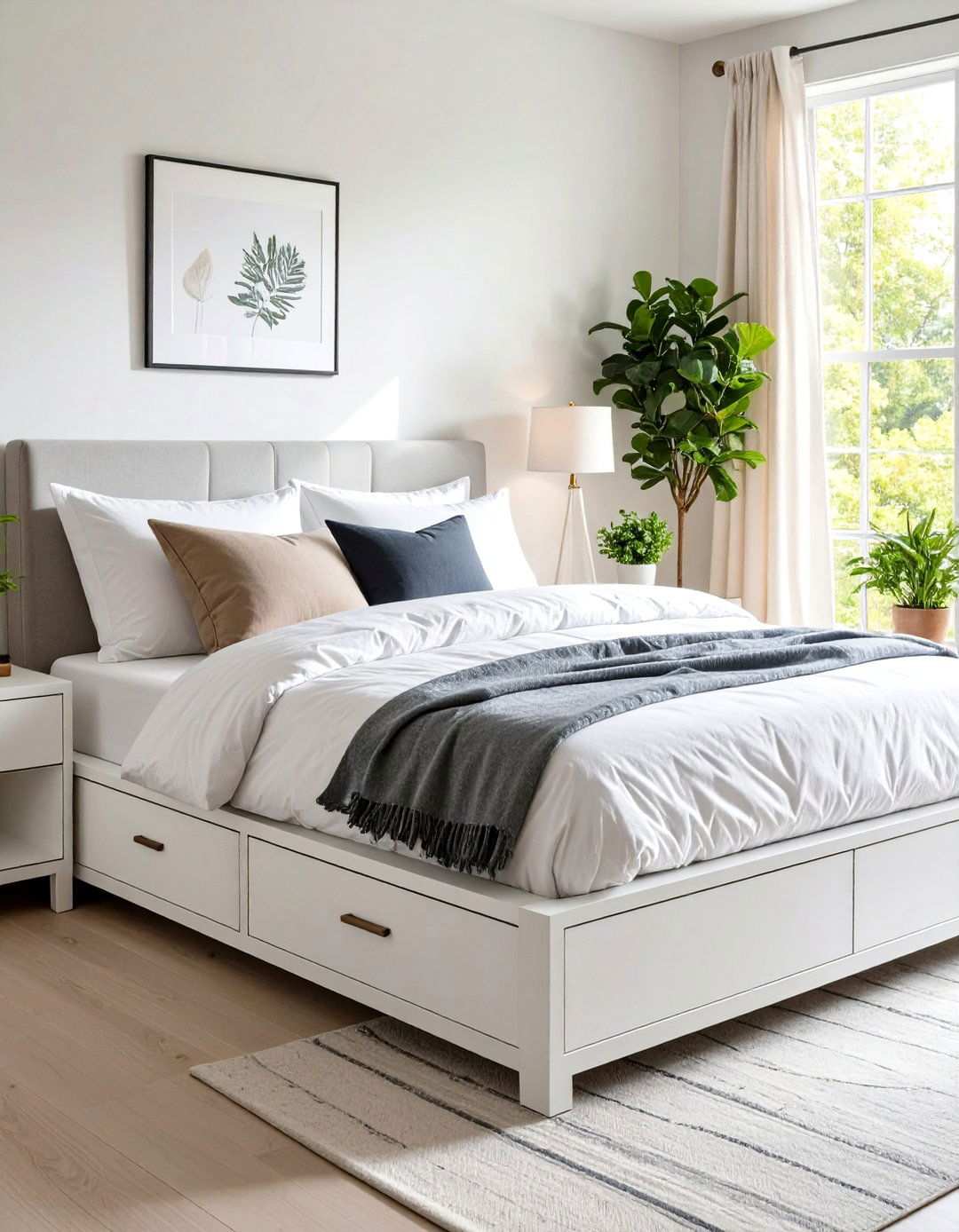
To achieve a Bauhaus-inspired bedroom, homeowners should focus on a minimalist aesthetic, characterized by simple bedding, functional storage solutions, and a platform bed boasting clean lines and built-in storage. The bed frame should be low-profile, with integrated nightstands and storage drawers, while the color scheme should revolve around a predominantly white, gray, and black palette with judiciously selected accent colors. The most common colors employed include white, black, gray, and beige, complemented by materials such as wood, metal, and glass. Window treatments should be minimal or absent to maximize natural light, while artwork should feature geometric patterns and understated designs. Adding visual interest can be achieved through graphic print duvet covers or red accent pillows, creating a tranquil environment that promotes rest. This approach effectively demonstrates how restraint in color choice can actually enhance visual interest, given careful attention to proportion, texture, and form.
15. Bauhaus Glass and Chrome Surfaces
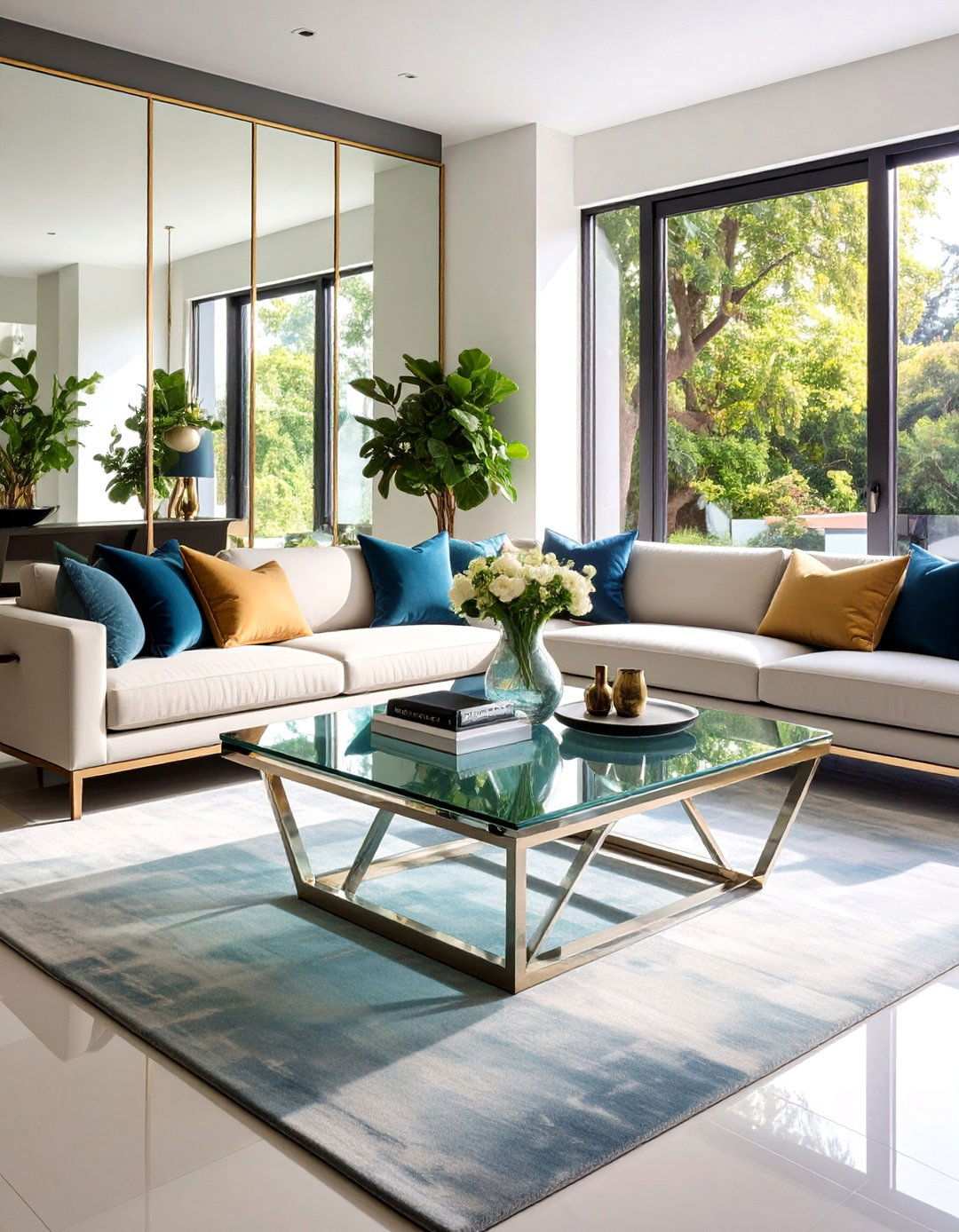
Bauhaus interiors are defined by a perfect blend of geometric shapes, subtle color palettes, and a focus on industrial materials such as steel and glass. This aesthetic emphasizes the union of functionality and aesthetic harmony, where reflective surfaces and polished metals play a starring role. By incorporating furniture and architectural elements that celebrate the reflective qualities of glass and chrome, you can create a space that’s both visually striking and highly functional. The early 20th-century pioneers of the Bauhaus movement were among the first to harness the potential of modern materials like glass, steel, cellophane, and plywood. Tables with glass tops and chrome bases create a sense of visual lightness while serving practical purposes, while mirror elements positioned to maximize natural light distribution add an extra layer of depth to the space. For a cohesive look, ensure that chrome fixtures and hardware are consistent in finish quality throughout the space. By embracing these materials, you’ll be embodying the Bauhaus philosophy of honesty in construction, where the appearance of a space directly reflects its underlying structure. The reflective surfaces in a Bauhaus-inspired space have a twofold effect – they multiply light and create a sense of spatial expansion, all while requiring minimal maintenance. This marriage of form and function is a testament to the power of beautiful design emerging from the intersection of practicality and expert craftsmanship.
16. Bauhaus Built-in Furniture Solutions
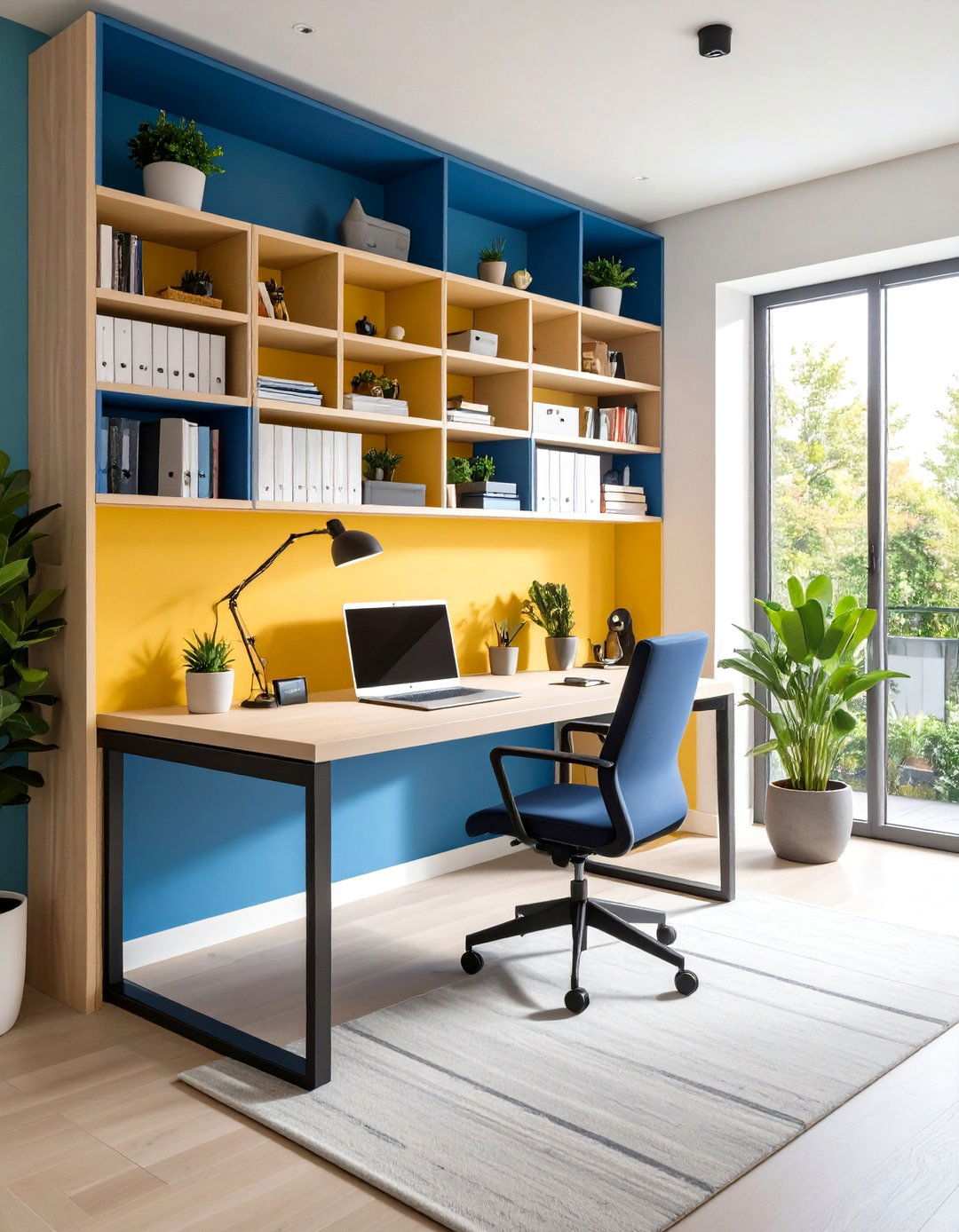
In contrast to its sleek, modern exterior, the interior of the container features a bespoke shelving system that showcases the client’s personal treasures. Nestled into the fourth side is a compact office desk, designed to be a seamless extension of the space. To achieve a truly cohesive look, integrate furniture that blurs the lines between architecture and interior design. This involves selecting pieces that exude simplicity and elegance, while also serving multiple functions to enhance living convenience. Built-in seating with storage, wall-mounted desks, and integrated shelving are all great options for maximizing efficiency and reducing visual clutter. The key to pulling off this look is to ensure that components appear to emerge organically from the walls and floors, rather than being simply placed within the space. By matching or complementing surrounding surfaces with finish materials, you can create a sense of visual continuity that ties the entire space together. This approach not only increases functional capacity but also reflects the Bauhaus goal of creating environments where every element contributes to overall harmony and utility, rather than competing for attention through individual expression.
17. Bauhaus Industrial Material Synthesis
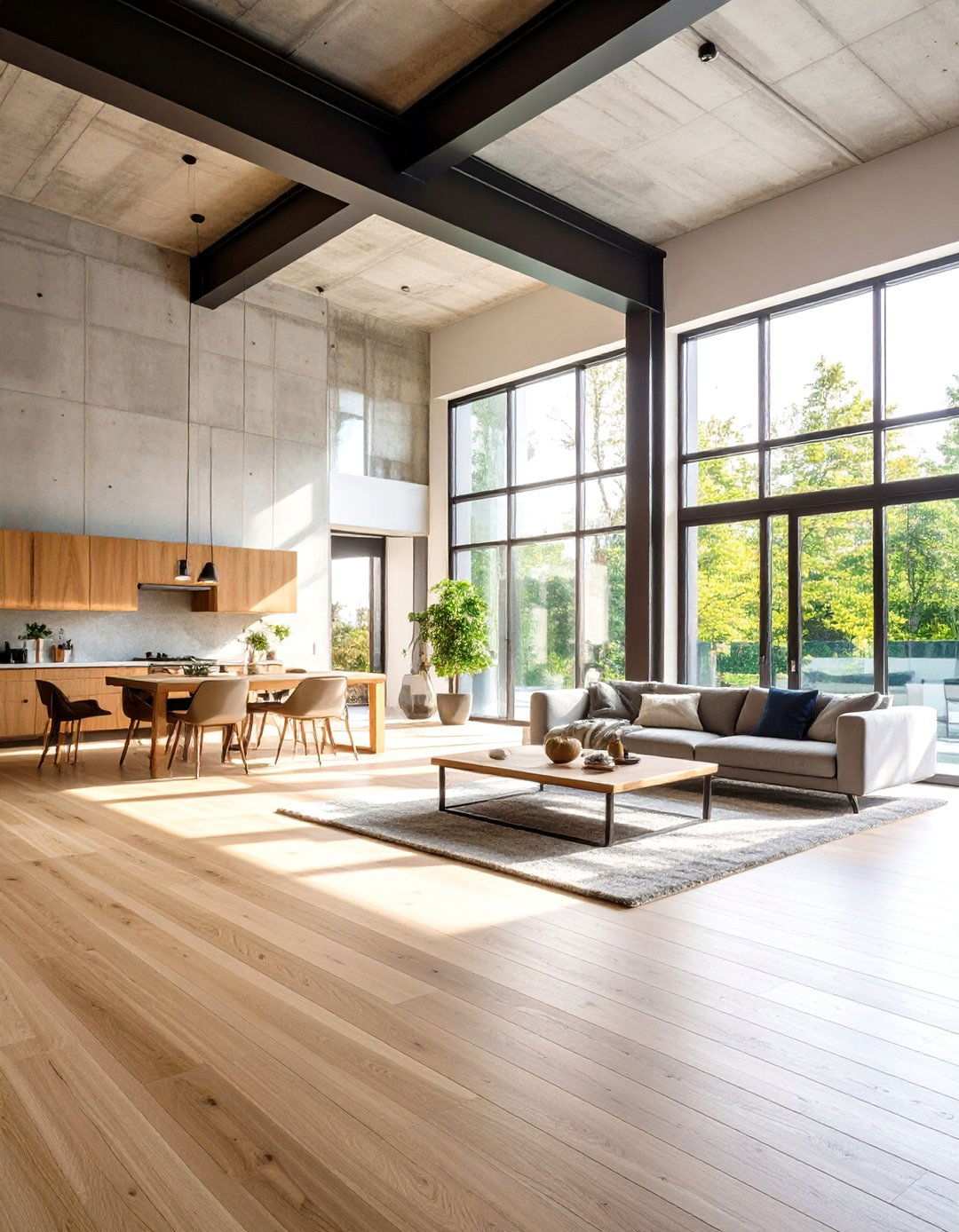
Achieve striking visual impact in your Bauhaus design by thoughtfully combining materials that celebrate their inherent textures and properties. Merge raw concrete, precision-fabricated steel, sleek glass, and rich wood to create visually captivating compositions that not only highlight each material’s unique characteristics but also foster cohesion. The linear and geometric forms favored by Bauhaus artists are perfectly suited for showcasing the possibilities of modern manufacturing techniques, while eschewing florid shapes and curvilinear motifs. To amplify the visual interest, concrete should remain unpainted and unadorned, revealing its poured texture, steel should be polished to a high sheen, glass should be transparent and unembellished, and wood should display its natural grain patterns. Achieving a harmonious balance of proportions is essential to sidestep visual dissonance and instead accentuate material diversity, thus realizing the Bauhaus principle of “truth to materials” – where each substance is utilized in accordance with its inherent qualities rather than being concealed or disguised.
18. Bauhaus Geometric Room Separators
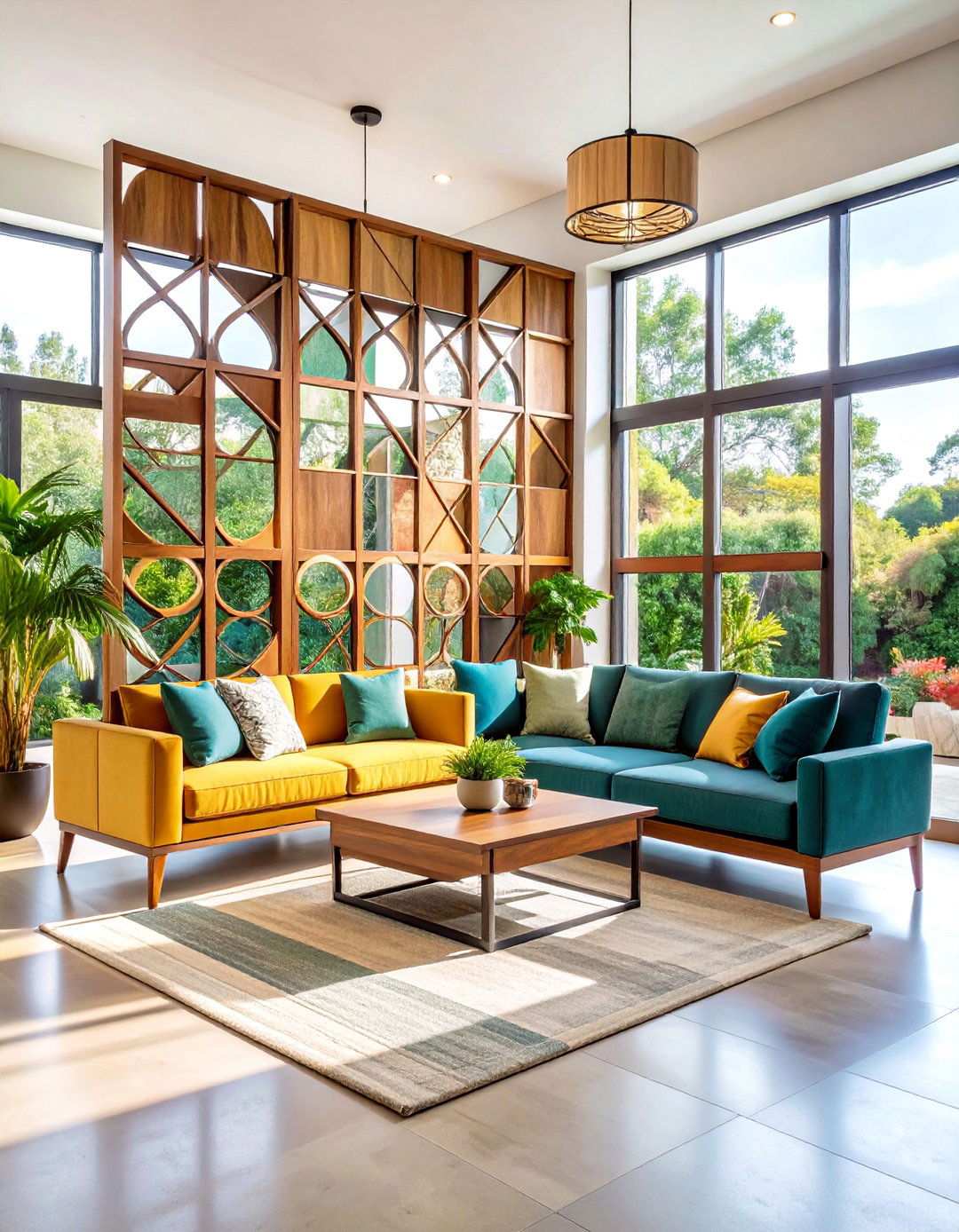
A room divider crafted from ebony and minimalist metal rods elegantly complements the existing walnut doors and oak floors and cabinets. Create functional zones while maintaining visual continuity using geometric screens and dividers that not only define spaces but also facilitate a sense of connection. Geometric shapes play a pivotal role in crafting an authentic Bauhaus interior style by incorporating squares, triangles, and circles to introduce structure and visual interest. To create captivating patterns that filter light and views, the dividers should employ repetitive elements like horizontal slats, circular apertures, or angular frames. Materials must harmonize with the surrounding architecture while introducing textural contrasts. These elements should be easily repositioned or adjusted to accommodate changing spatial needs, reflecting the Bauhaus understanding that modern living demands flexibility and adaptability, allowing inhabitants to reconfigure their environments according to their daily activities while maintaining architectural coherence and visual sophistication throughout the space.
19. Workspace Design Emphasizing Functionality
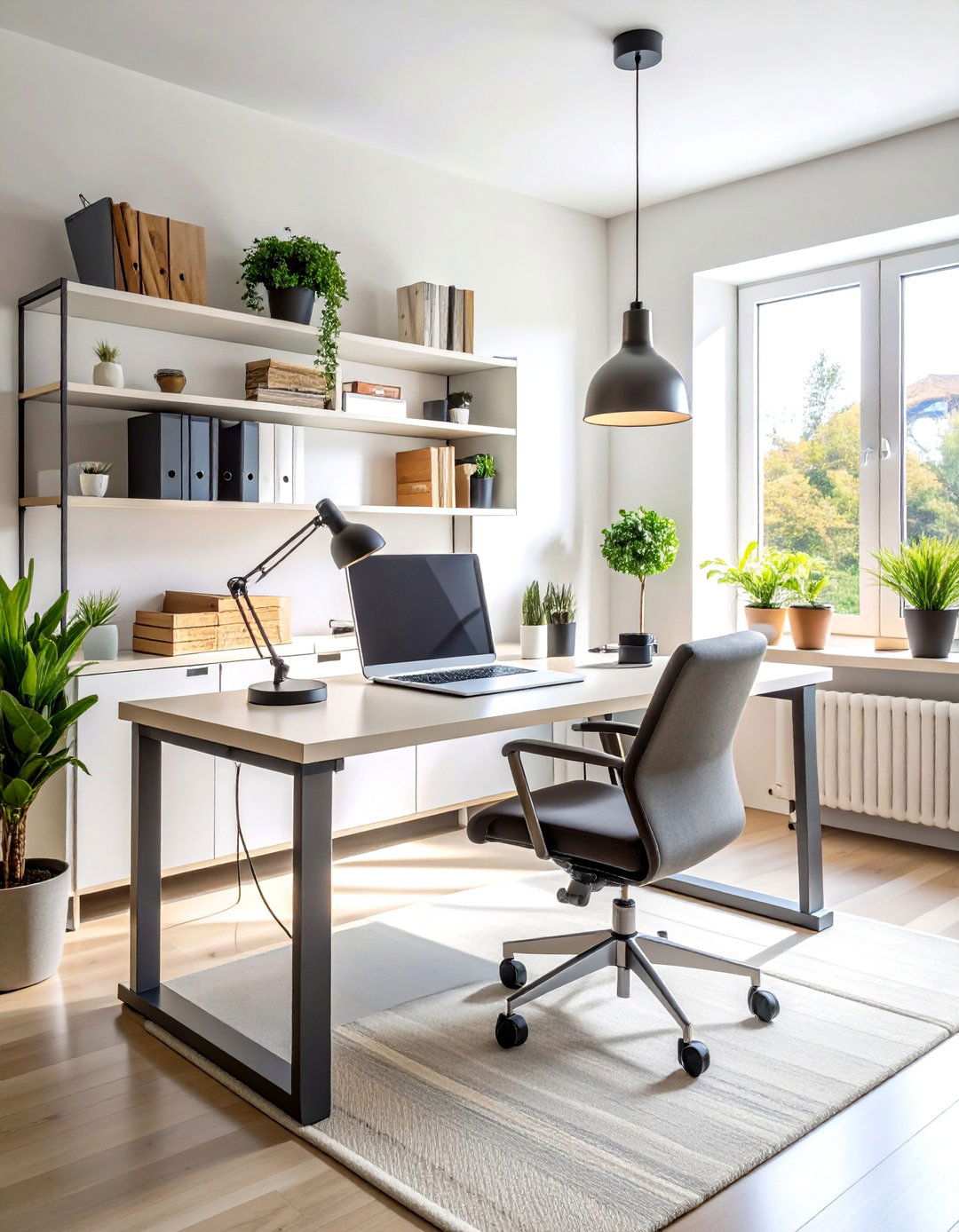
To create a seamless integration of lighting and architecture, designers aimed to make lighting a universal and adaptable element, blending effortlessly into the surrounding environment. This involves designing workspaces that prioritize specific activities through targeted lighting, ergonomic furniture, and efficient storage systems. Effective Bauhaus-inspired workspaces are characterized by well-lit environments that incorporate a variety of light sources, including natural light, overhead lighting, and task lighting. Desks should feature sleek, minimalist designs with integrated power management and adjustable task lighting, promoting productivity and creativity. Additionally, storage must be accessible and efficiently organized for tools and materials, while seating should support long work sessions while maintaining the aesthetic principles of the style. By striking a balance between individual focus and collaborative activities, the workspace layout can be optimized to enhance human ergonomics and work processes within beautiful, functional environments.
20. Decorative Objects with Functional Significance
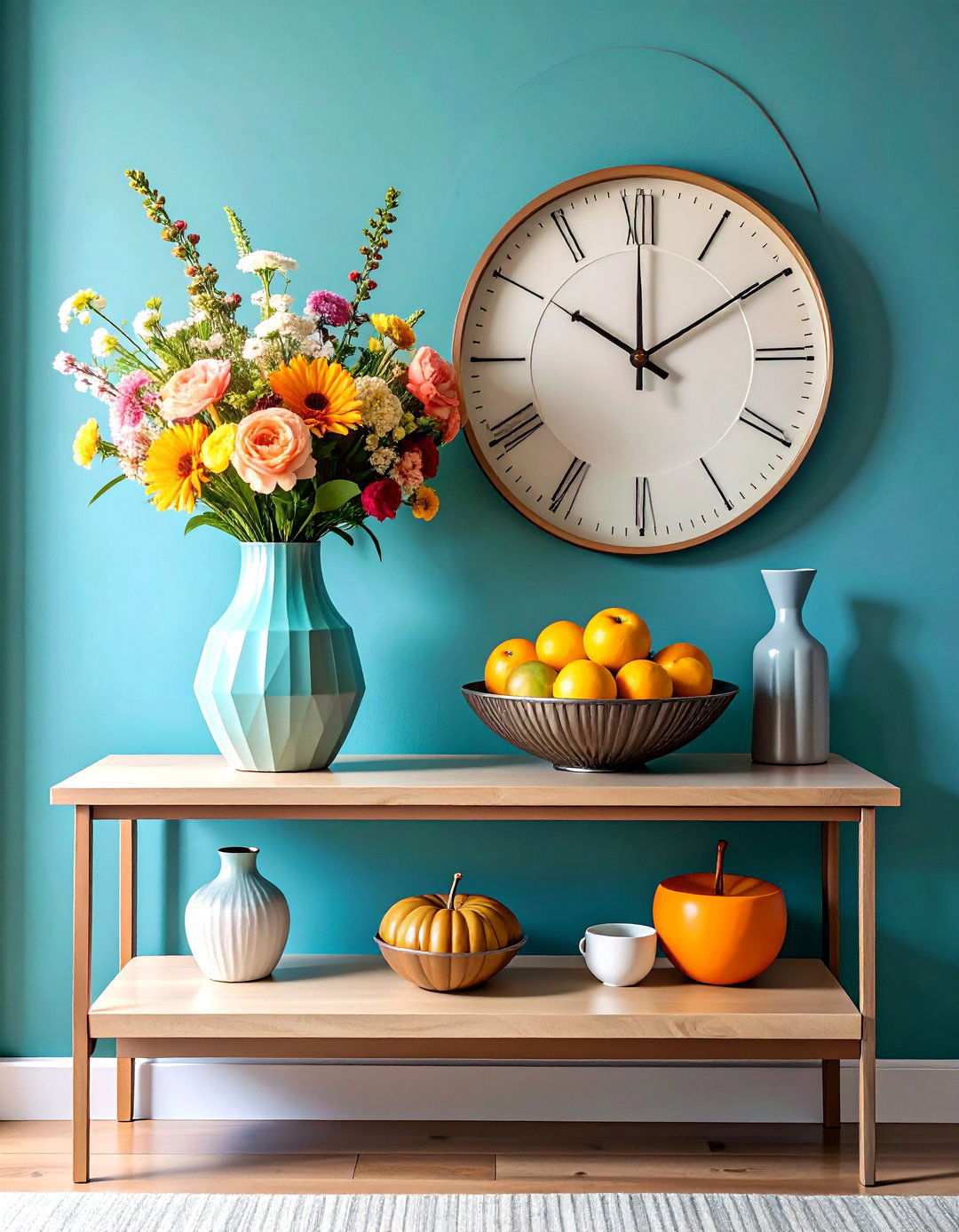
Bauhaus home decor is defined by its emphasis on simplicity and functionality, often incorporating geometric patterns and abstract designs that feature primary colors and bold contrasts. When selecting decorative objects, consider those that not only contribute to the overall aesthetic composition but also serve practical purposes. Bauhaus architects sought to create functional, inexpensive designs that were both beautiful and accessible. Choose items such as geometric vases that can hold flowers, sculptural bowls for fruit, and clock designs with mathematical precision, which not only add visual interest but also integrate artistic principles into everyday life. Each object should demonstrate exceptional craftsmanship in materials like ceramic, metal, or glass, while avoiding unnecessary ornamentation. The arrangement of these objects should be purposeful, with each piece contributing to daily life and exemplifying the movement’s belief that beautiful design should be integrated into routine activities rather than reserved for special occasions.