1. Elevate with Expansive Bedroom Windows
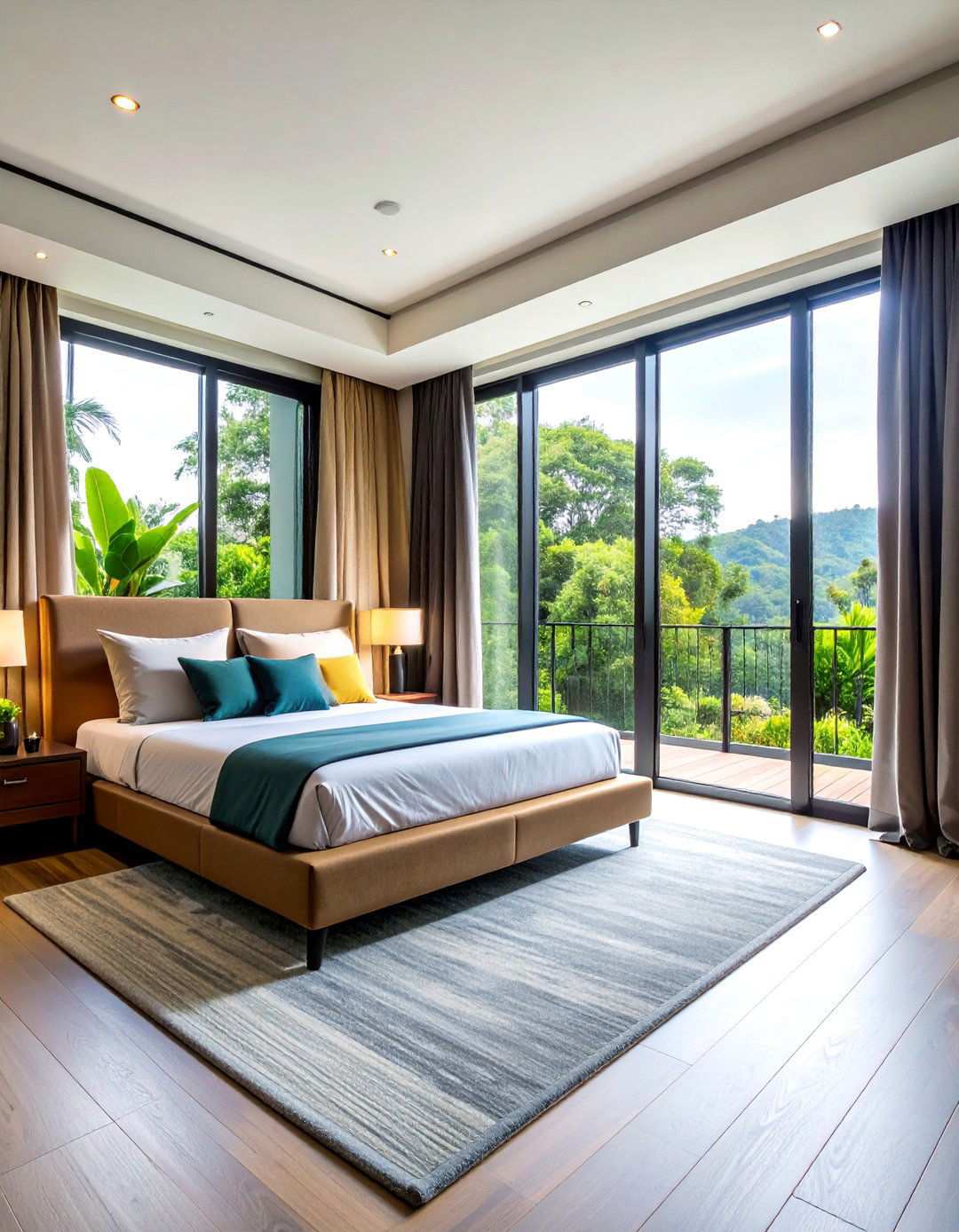
A seamless expanse of glass that merges with the ceiling instantaneously boosts natural light, creates an airy atmosphere, and serves as a stylish backdrop for modern decor. Extensive research has linked floor-to-ceiling glass to positive effects on mental well-being, such as improved mood and reduced reliance on artificial lighting. Before installation, consider the orientation of your bedroom: south-facing walls absorb ample sunlight, but may require low-E coatings or shading devices to maintain temperature control. For enhanced privacy, integrate motorized sheers behind blackout curtains, allowing for a seamless transition from bright daylight to complete darkness. Additionally, request thermally broken frames to mitigate condensation and structural issues. In areas prone to high winds, ensure that the window’s wind-load calculations meet local building codes. Finally, position the sill line just above finished flooring to achieve a polished, hotel-inspired finish.
2. Create a Cozy Window Retreat
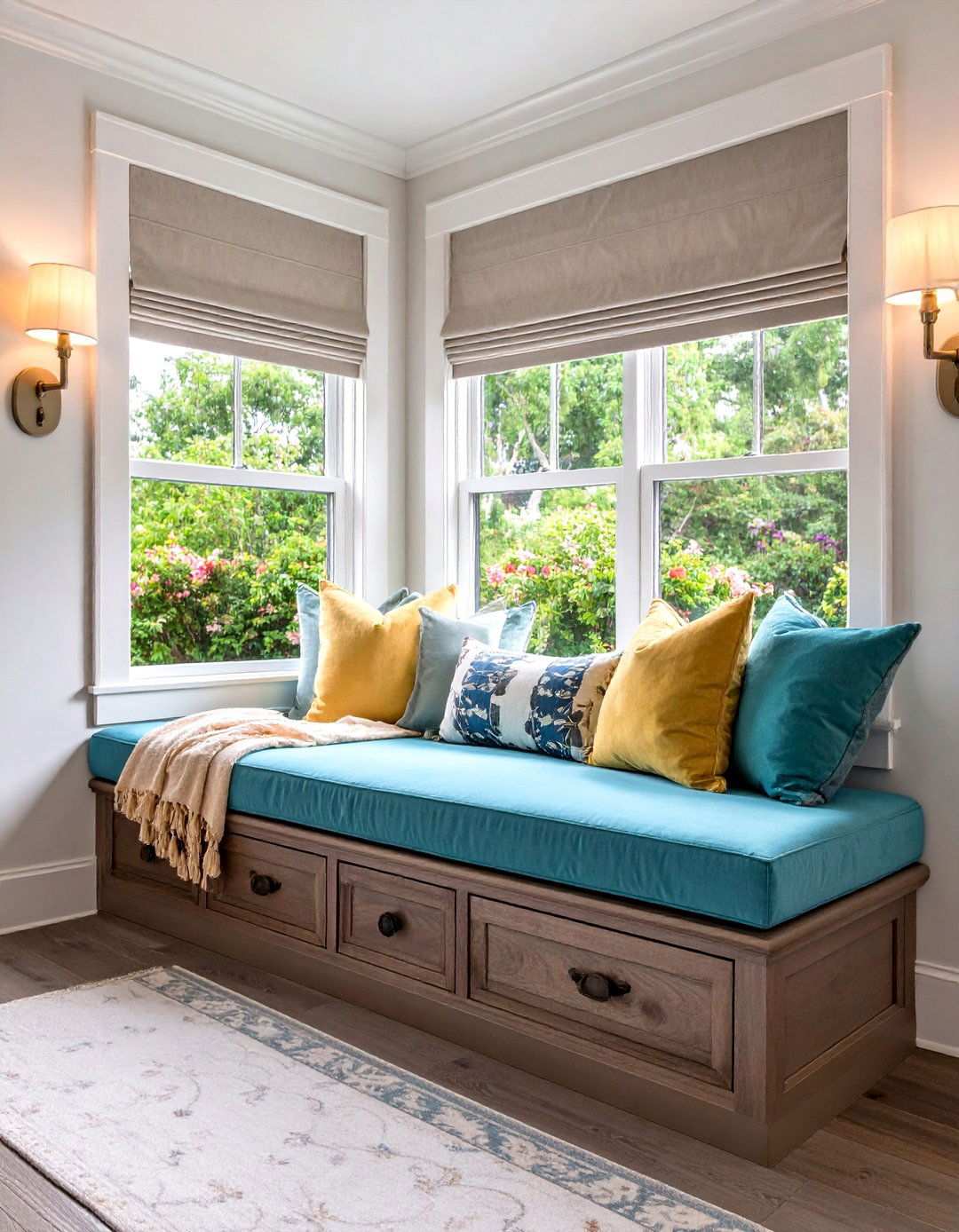
A built-in window seat is an inviting upgrade that instantly enhances a room’s functionality and aesthetic appeal. Design experts recommend incorporating a window seat in even the most compact spaces, as it provides seating, concealed storage, and a valuable selling point for potential buyers. When designing the seat, aim for a height of approximately 18 inches and a depth of around 20 inches, allowing it to serve as a comfortable reading nook or quiet workspace. Specify hinged lids that hide bedding sets, and deep drawers that can accommodate out-of-season items. Upholster the cushion with a performance fabric that resists fading from sunlight, and flank it with sconce lighting for ambiance. If the window faces direct sunlight, consider integrating top-down-bottom-up shades to control glare and allow for an even distribution of natural light.

As an Amazon Associate I earn from qualifying purchases.
3. Soften with Delicate Sheer Panels
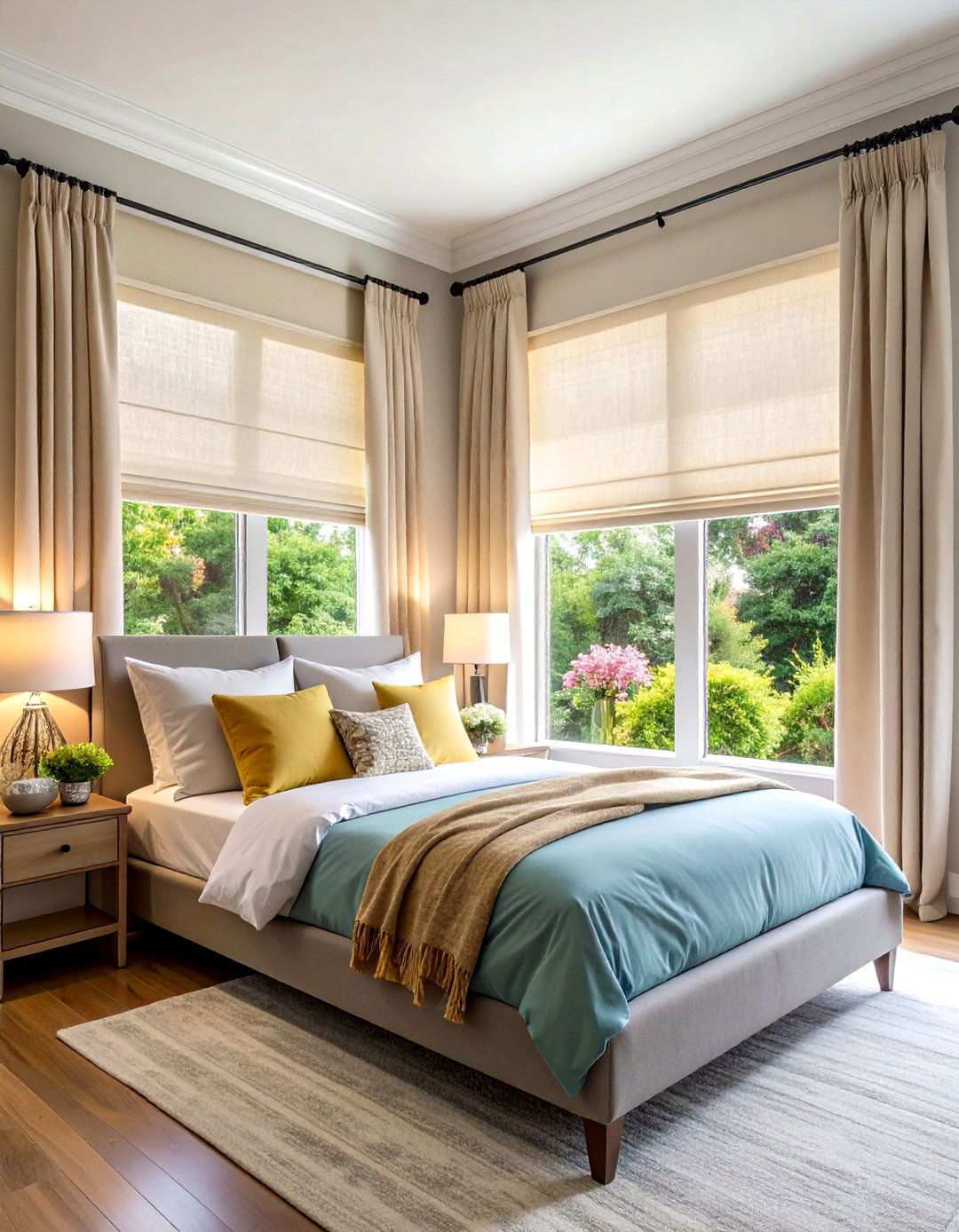
In 2025, minimalist design trends continue to emphasize the use of sheer panels in neutral tones, offering a balanced solution for bedroom windows. The key to this aesthetic lies in subtle contrast: gauzy fabrics diffuse harsh light, shield furniture from UV damage, and maintain a bright atmosphere. To create a sense of height, position the mounting rods eight inches above the window frame, and extend the panels to the ceiling to create a seamless visual effect. Opt for linen or recycled polyester fabrics that require minimal ironing, and pair them with motorized roller shades for ultimate flexibility. If you prefer a sleep-in, layer sheer panels in front of the shades, allowing you to control the timing of your morning sunlight exposure.
4. Uninterrupted Slumber with Motorized Blackout Shades
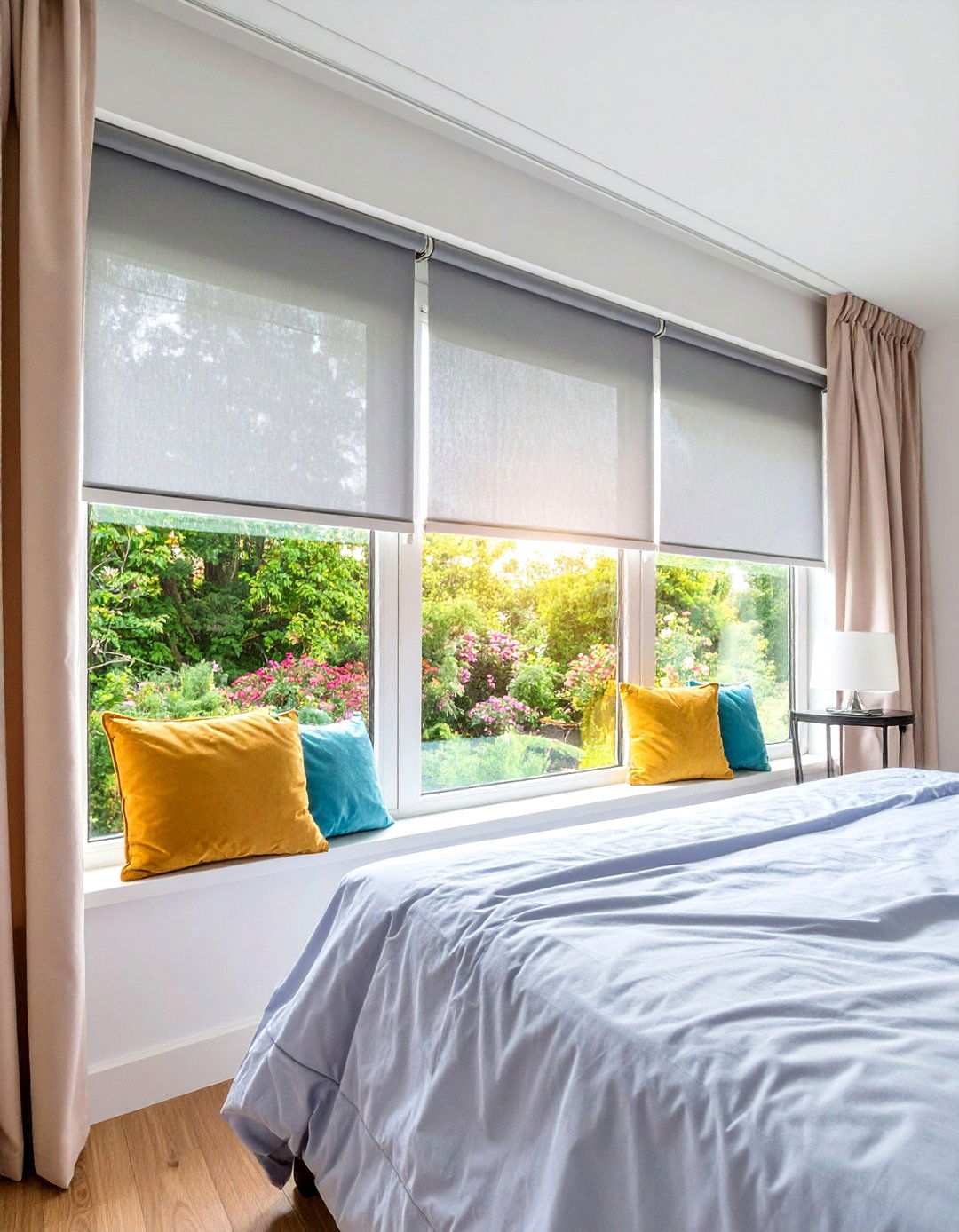
Studies have demonstrated that even minimal night light can disrupt REM sleep cycles and compromise sleep efficiency. To mitigate this, consider installing motorized blackout shades that can eliminate stray glow. These shades come in two forms: battery-powered units that require no wiring and hard-wired versions that seamlessly integrate into smart-home systems for voice-controlled “Goodnight” commands. Side-channel tracks can be used to block halo light, while gradual sunrise modes can be programmed to gently nudge circadian rhythms. It’s essential to pair motors with a manual override to prevent the fabric from becoming stuck in place during a power outage. For a luxurious hotel-like ambiance, consider recessing the roller in a header and capping it with a slim valance to create a sleek, understated appearance.
5. Highlighting the View: The Art of Picture-Frame Trim
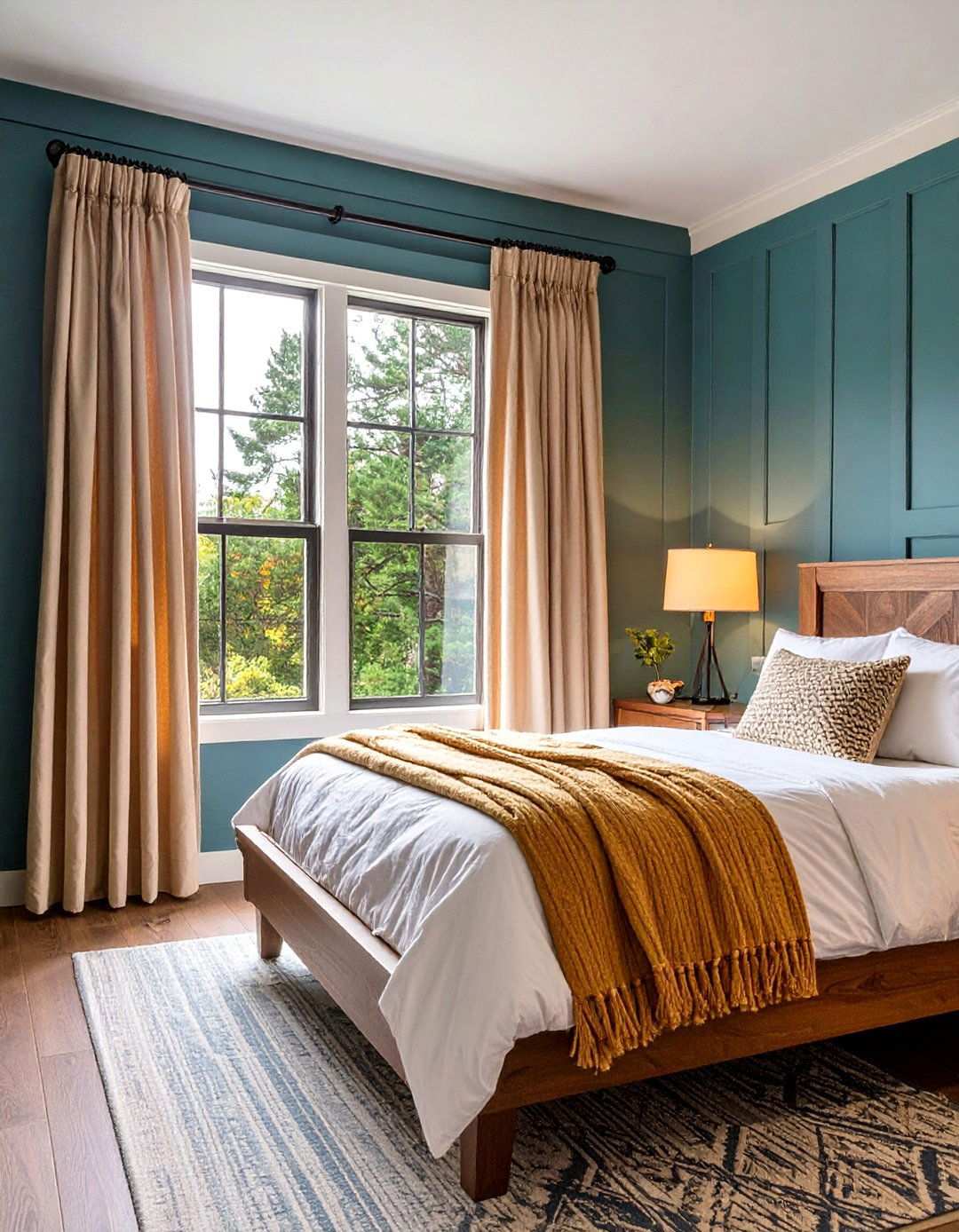
By applying a crisp picture-frame casing with equal boards on all four sides, any window can be transformed into an architectural focal point. This technique is particularly effective when a panoramic view is the primary focal point; a thin, squared-off trim (approximately 1×4 inches) maintains unobstructed sightlines, while slightly chunkier boards create a gallery feel. To achieve a seamless look, paint the casing the same color as the surrounding wall, or opt for a contrasting color in charcoal for a modern pop. In areas where moisture is a concern, consider substituting MDF for finger-jointed pine, which has been primed on all faces. To maintain a visually uninterrupted frame, attach drapery hardware to the header rather than the jambs.
6. Smart Glass Solutions for Enhanced Privacy
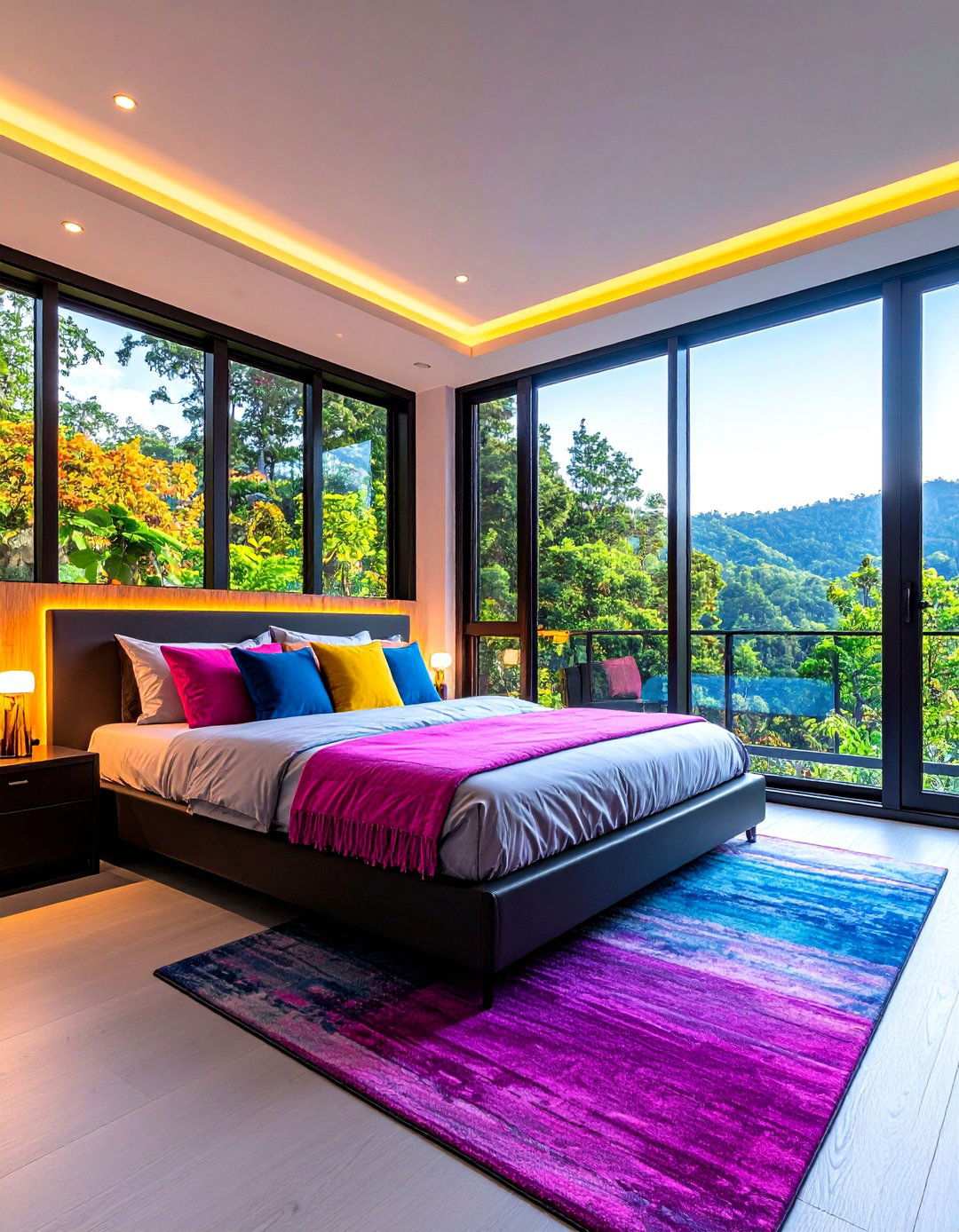
For bedrooms that share a wall with neighbors, switchable glass provides a convenient solution for maintaining privacy. With the touch of a button, an embedded film can transform panes from transparent to fully opaque in under a second, while still allowing daylight to diffuse and reduce heat gain. This smart glass can be installed in ensuite door cut-outs or as the primary window glazing. Due to its laminated and tempered design, it also serves as a strong barrier. To ensure a seamless installation, have an electrician run low-voltage leads through the jamb for clean concealment, and specify a controller that integrates with popular smart home systems like Alexa or Google Home for effortless toggling.
7. Energy-Efficient Double-Glazed Glass for a Quieter, Cooler Sleep
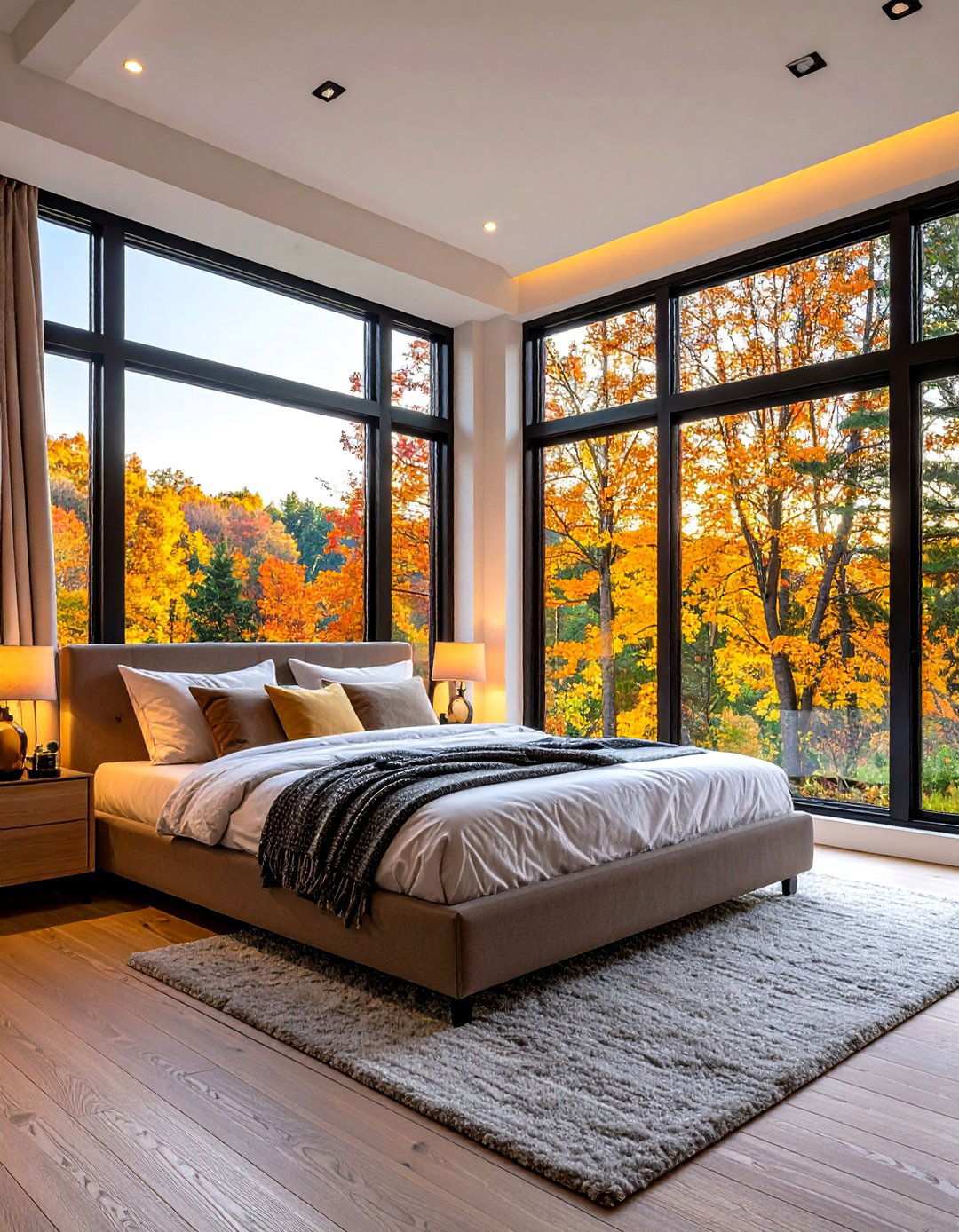
Double-glazed units feature an insulating gas layer that significantly reduces winter heat loss and minimizes outdoor noise. Compared to single glazing, modern acoustic double-glazing can substantially reduce intrusive noise while keeping interiors cooler in the summer. For bedrooms located on noisy streets, consider glass packets with asymmetric panes, each with a different thickness, to disrupt sound waves. Adding warm-edge spacers can combat condensation, and specifying U-value specs of 1.1 W/m²K or lower can yield real thermal dividends. For frames that date back decades, retrofitting inserts can provide performance gains without requiring the removal of trim.
8. Elevate Your Space with Clerestory Windows
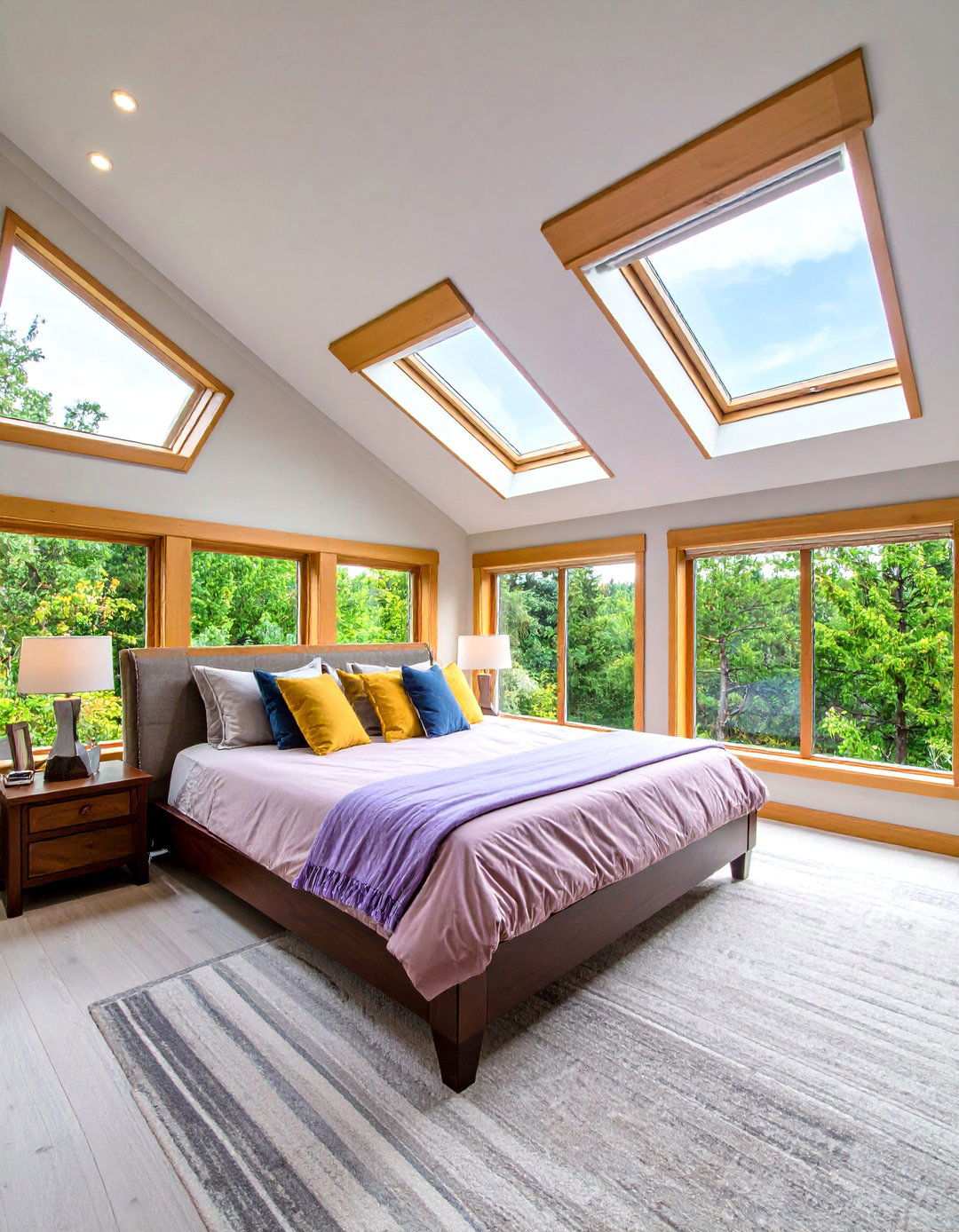
Clerestory openings, strategically positioned high near the ceiling, unlock the full potential of natural light while maintaining essential privacy. This approach liberates wall space for creative installations, such as stylish headboards or versatile wardrobes. Thanks to the elevated placement of these windows, you can minimize glare-related treatments, although motorized high-reach shades remain an option for media rooms. By angling the glass toward the sky, especially in areas with deep eaves, you can achieve a consistent ambient glow. To mitigate heat gain in hot climates, specify insulated units that will counteract temperature fluctuations. When paired with operable frames below, clerestory windows create a passive-stack effect, allowing warm air to escape upward on summer evenings.
9. Frame Windows with Opulent Layered Drapery
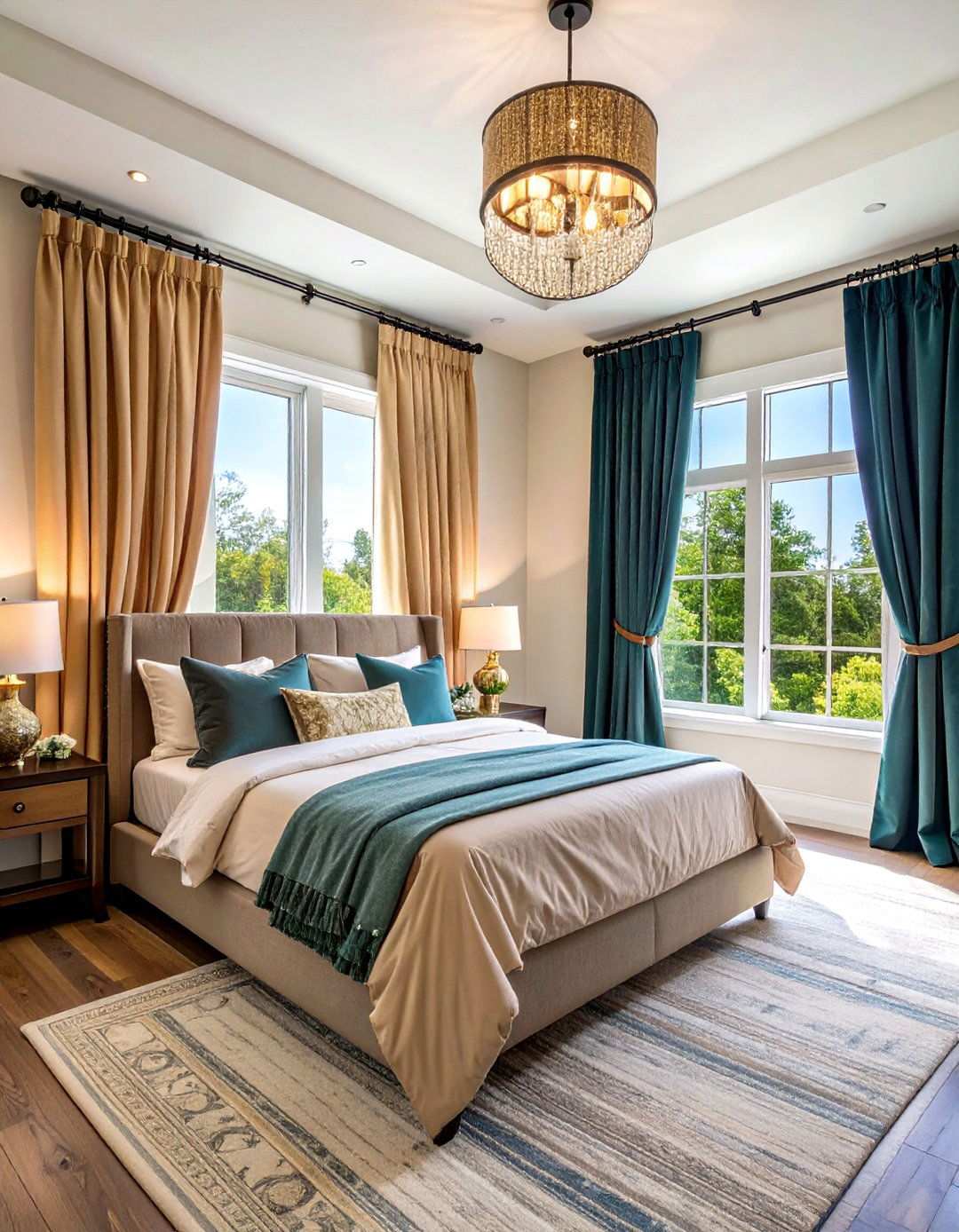
Experts predict that luxurious, floor-puddling drapes will be a popular choice in 2025. The layered approach seamlessly marries the benefits of blackout privacy with airy sheers, offering flexibility throughout the day. Begin by installing sleek, recessed track hardware in the ceiling, which will make the fabric appear to float effortlessly. For maximum insulation, choose a heavyweight outer layer in a textured weave or velvet. Behind this, hang lightweight voiles to diffuse radiance. For a sophisticated look, consider a tone-on-tone color scheme with bedding or add a pop of color by incorporating a saturated jewel tone with white walls. To maintain a clean appearance, ensure that hemmed panels are raised one-half inch above the floor to prevent dust accumulation.
10. Add Tailored Charm with Roman Shades
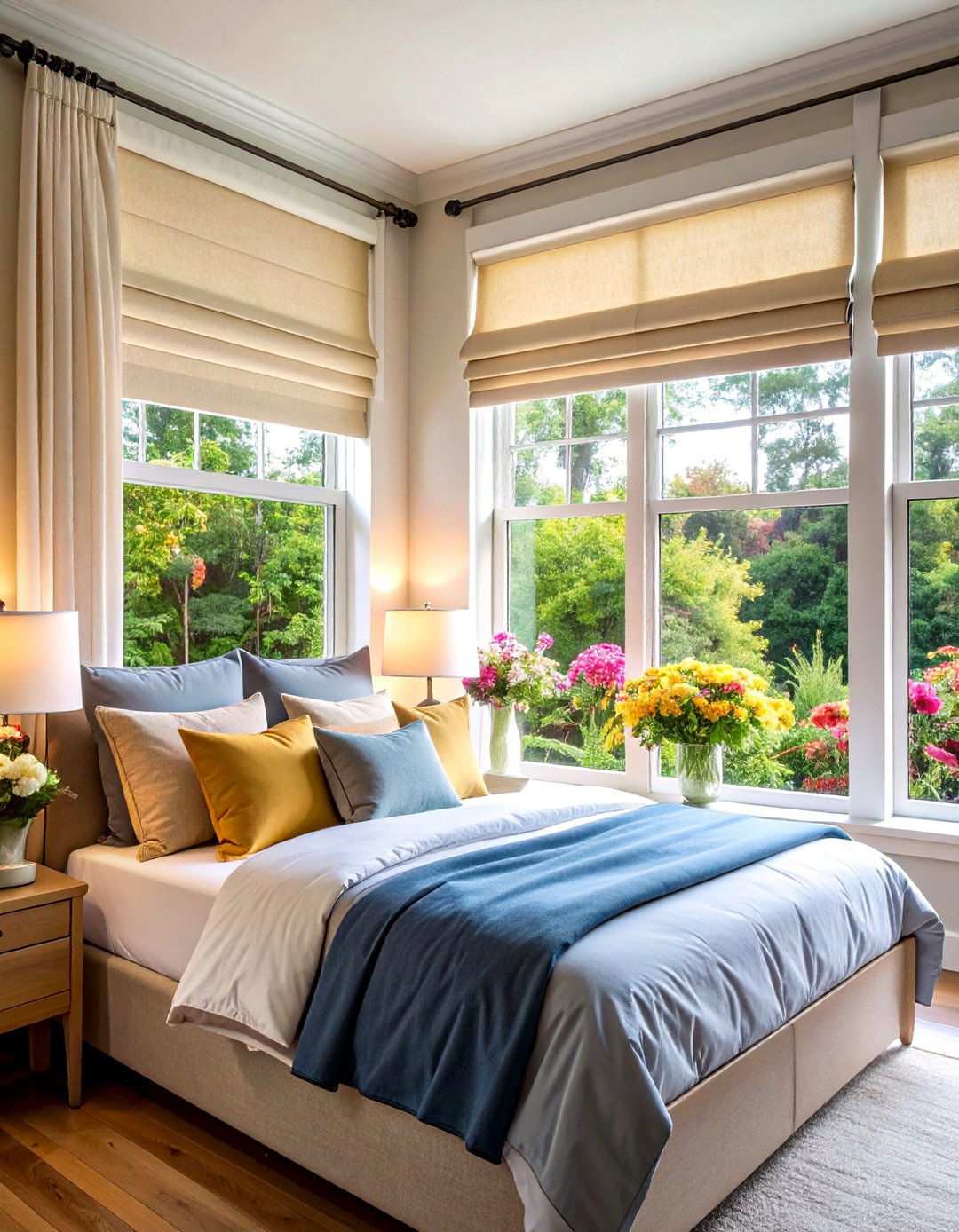
Roman shades offer a stylish and elegant solution without the bulk of traditional curtains. By folding neatly into horizontal stacks, they bring a touch of sophistication to any room. To create a built-in look on narrow bedroom windows, mount them inside the jamb. For a wider appearance, install them outside. Without the need for cords or chains, cordless and chain-free lifts provide a safe and clean solution for households with children. For enhanced light control, choose thermal-lined fabrics that block early sunrise while insulating glass. To elevate the design, add decorative banding in a contrasting trim that echoes the hues of throw pillows. For the ultimate in convenience, motorized hidden tubes can create the same sculptural folds with a remote control.
11. Craft a Cozy Reading Nook with Bay Windows
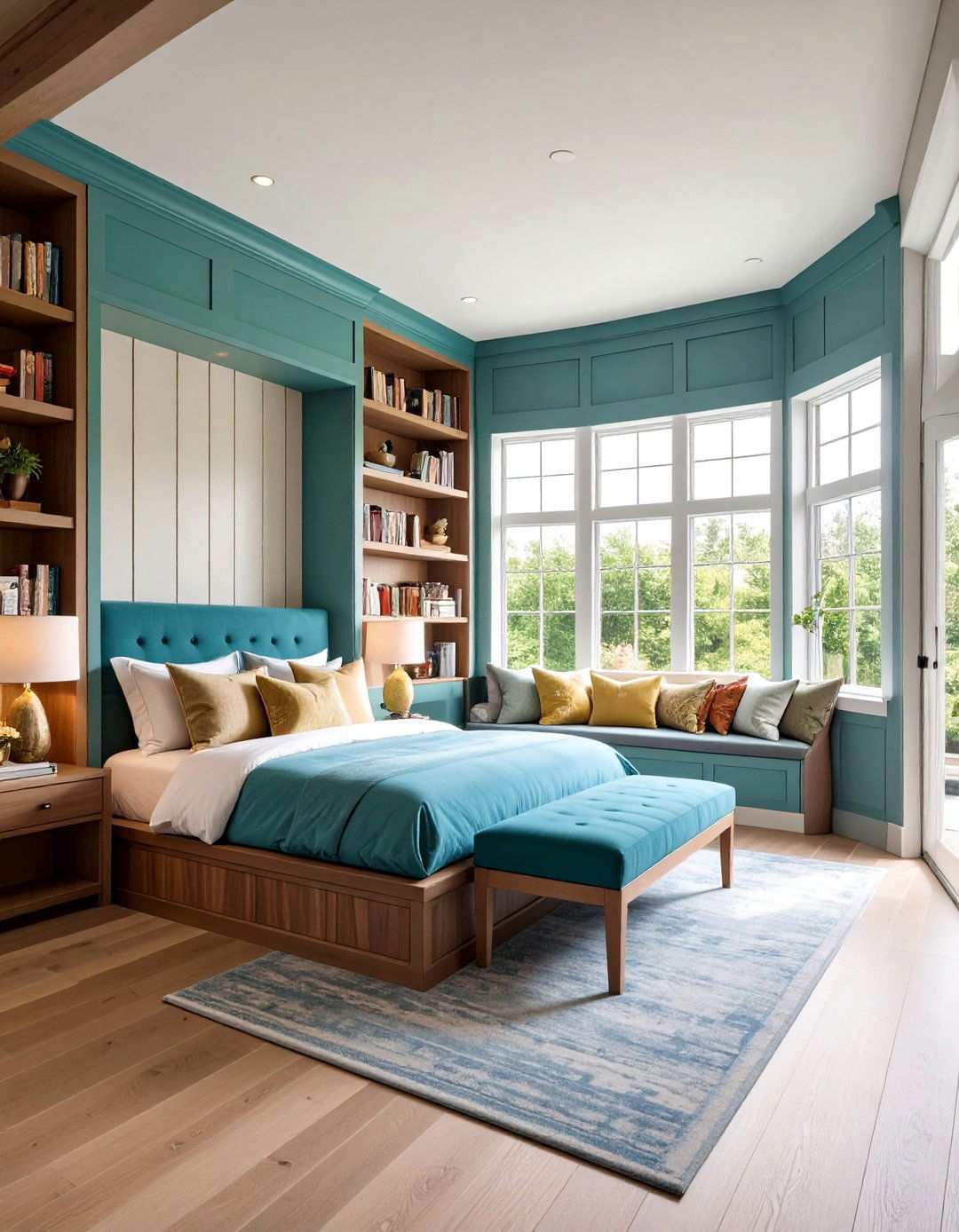
Bay or bow windows not only extend the room’s footprint but also create a natural cradle for seating, bookshelves, or plants. By capturing light from multiple angles, they make reading more comfortable for longer periods. To ensure stability, reinforce sub-floor framing where loads are most concentrated. When retrofitting, consider pre-assembling the bay in factory units to facilitate faster installation and superior sealing. To maintain a warm and inviting atmosphere, specify insulated knee walls and finish with built-in millwork under the bench for convenient blanket storage.
12. Add a Touch of Style with Peel-and-Stick Privacy Films

For renters who cannot swap out windows, peel-and-stick privacy film is a quick and affordable solution to address visibility concerns. Modern films now mimic etched glass, geometric grids, or even rainbow prisms while being easy on the wallet. To achieve a flawless finish, clean the glass thoroughly, mist it with soapy water, and squeegee bubbles outward. For maximum blackout, layer an opaque film behind a curtain rod. An added benefit of many films is that they block up to 99% of UV rays, protecting bedding from fading.
13. Harmonizing Acoustic Ambiance with Acoustic Glass Inserts
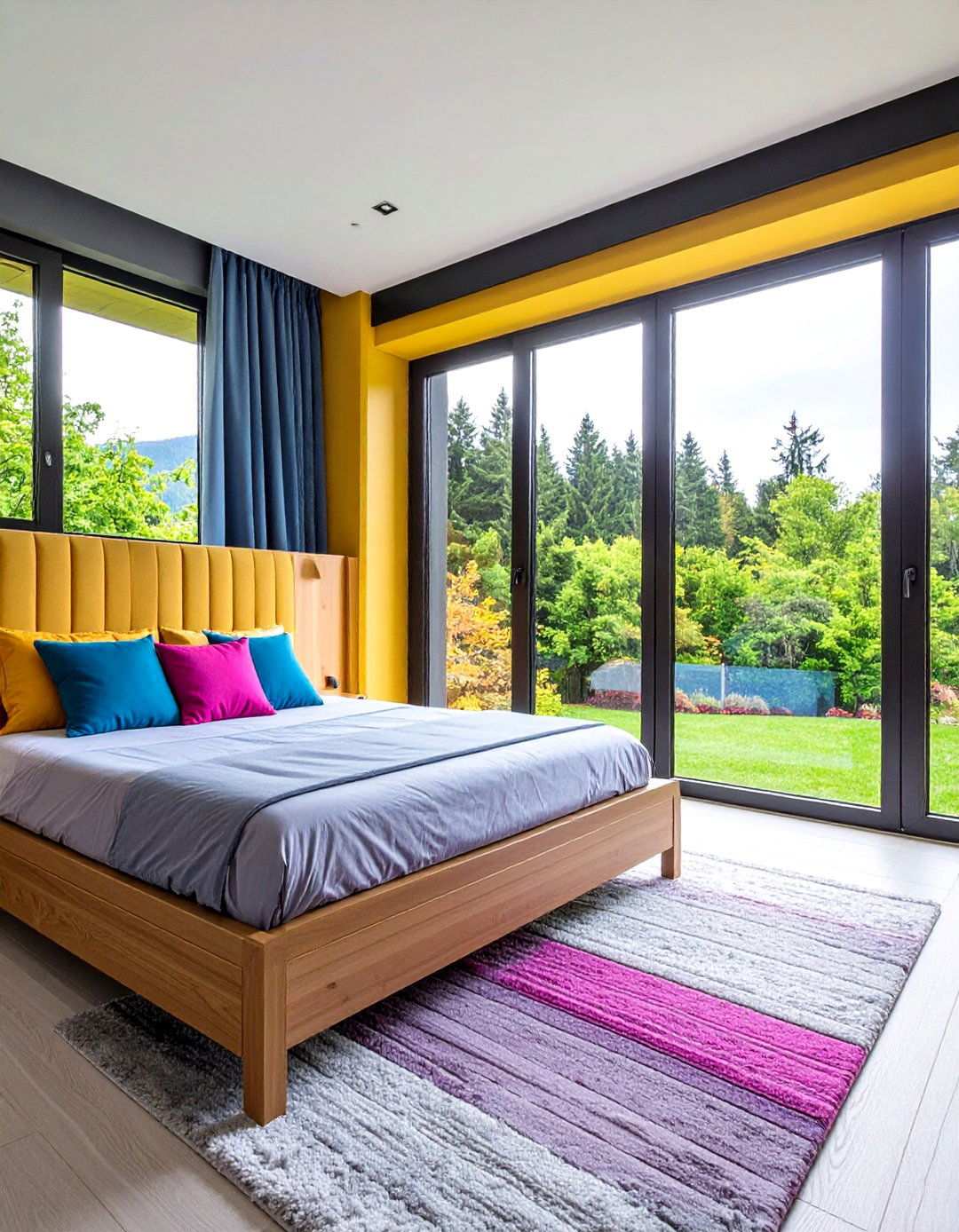
When urban noises disrupt your rest, a specialized acoustic glass solution can be the answer. This innovative technology involves sandwiching a damping interlayer between panes, effectively reducing decibel levels by as much as 50% in controlled laboratory conditions. To further enhance the acoustic benefits, combine it with tight seals and insulated frames to prevent airborne leaks. Although thicker glass may add weight, modern hardware can handle loads up to 120 kg, provided the hardware rating is confirmed. For apartment dwellers, secondary “clip-in” acrylic screens can provide a similar level of quieting without requiring landlord approval for replacement.
14. Capturing the Breeze with Awning Windows
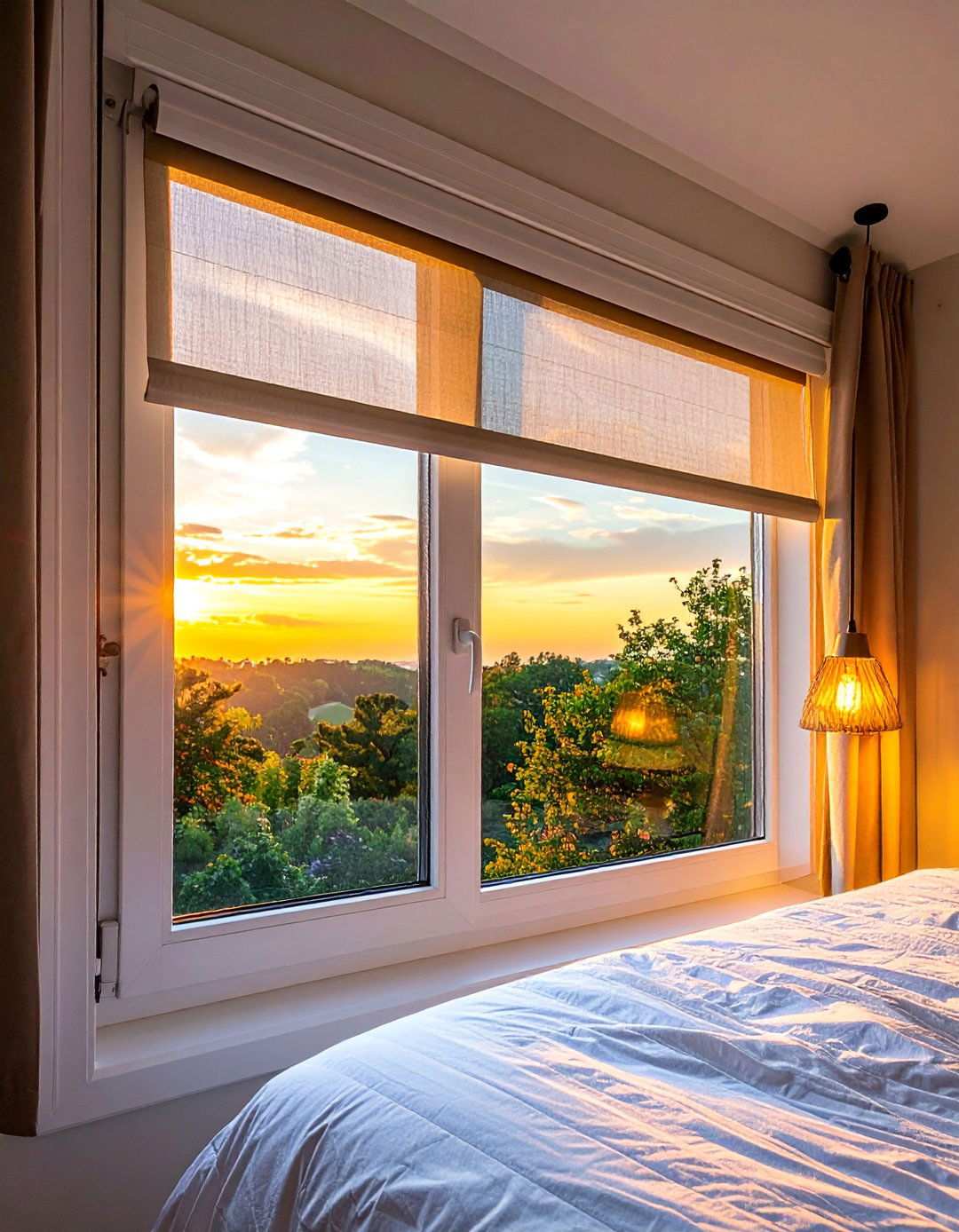
Awning windows, which hinge at the top and push outward, are ideal for allowing breezes to flow while keeping rain at bay, making them perfect for night-time ventilation during light rain showers. Strategically placing small paired awnings high on opposite walls can encourage cross-drafts and help dissipate stuffiness. When insect season peaks, integrated retractable screens can be retracted inside the frame for added convenience. For tight spaces where furniture is closely situated, consider using crank handles that fold flat to prevent snags.
15. Illuminating Spaces with Strategically Positioned Skylights
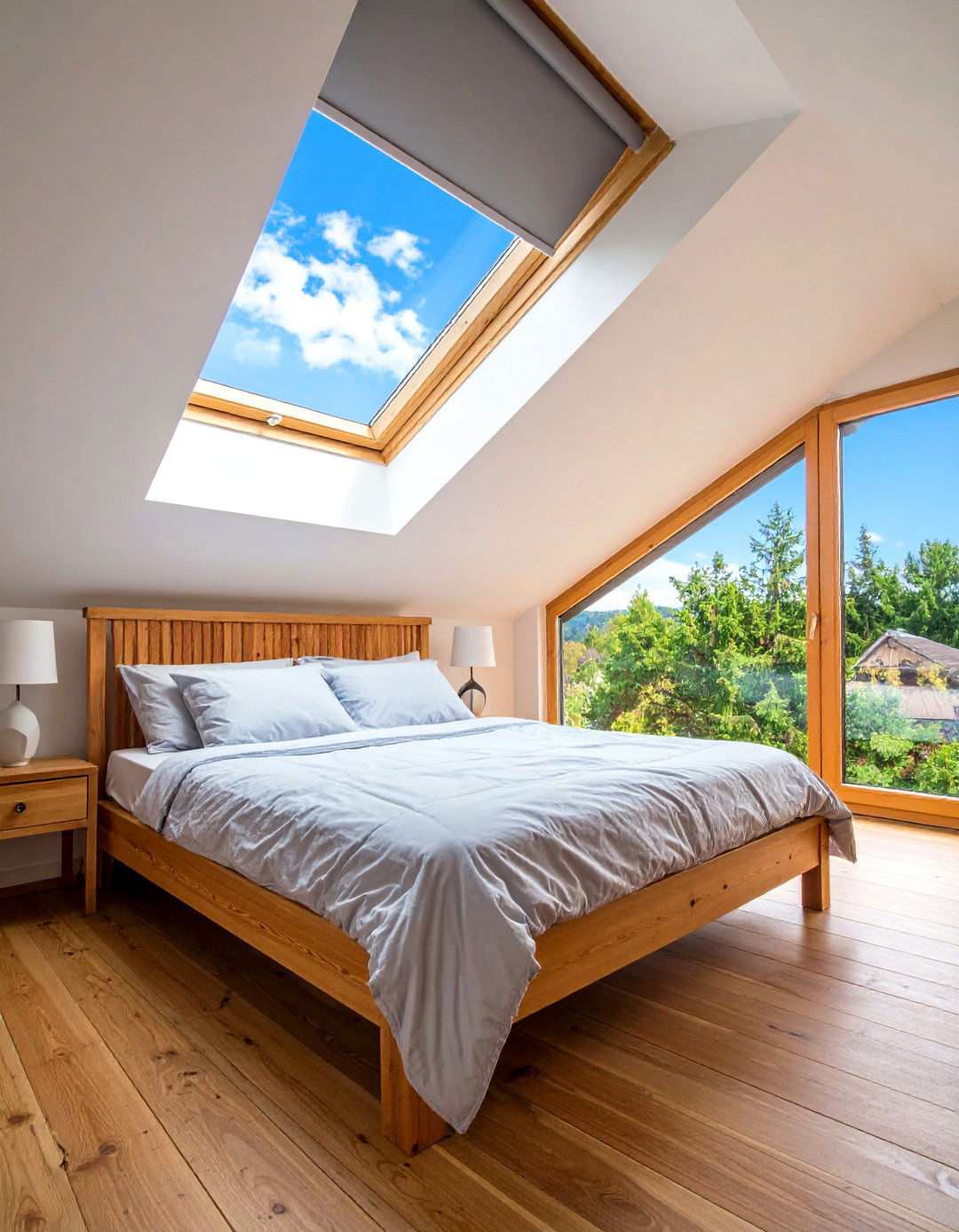
A well-placed skylight can introduce up to five times more natural illumination than a vertical window of equal size, potentially reducing daytime electricity consumption. To maximize the benefits, angle the skylight shaft towards the sun during winter months for added warmth. However, to prevent overheating during the summer, consider adding integral blinds or electrochromic glass. In loft bedrooms, vented skylights can also serve as a smoke egress route. To ensure leak-free performance, always flash the skylight units into the roof membrane using high-grade tape. Specify low-U glass to meet energy code requirements.
16. Adding an Urban Touch with Black Steel Window Grids
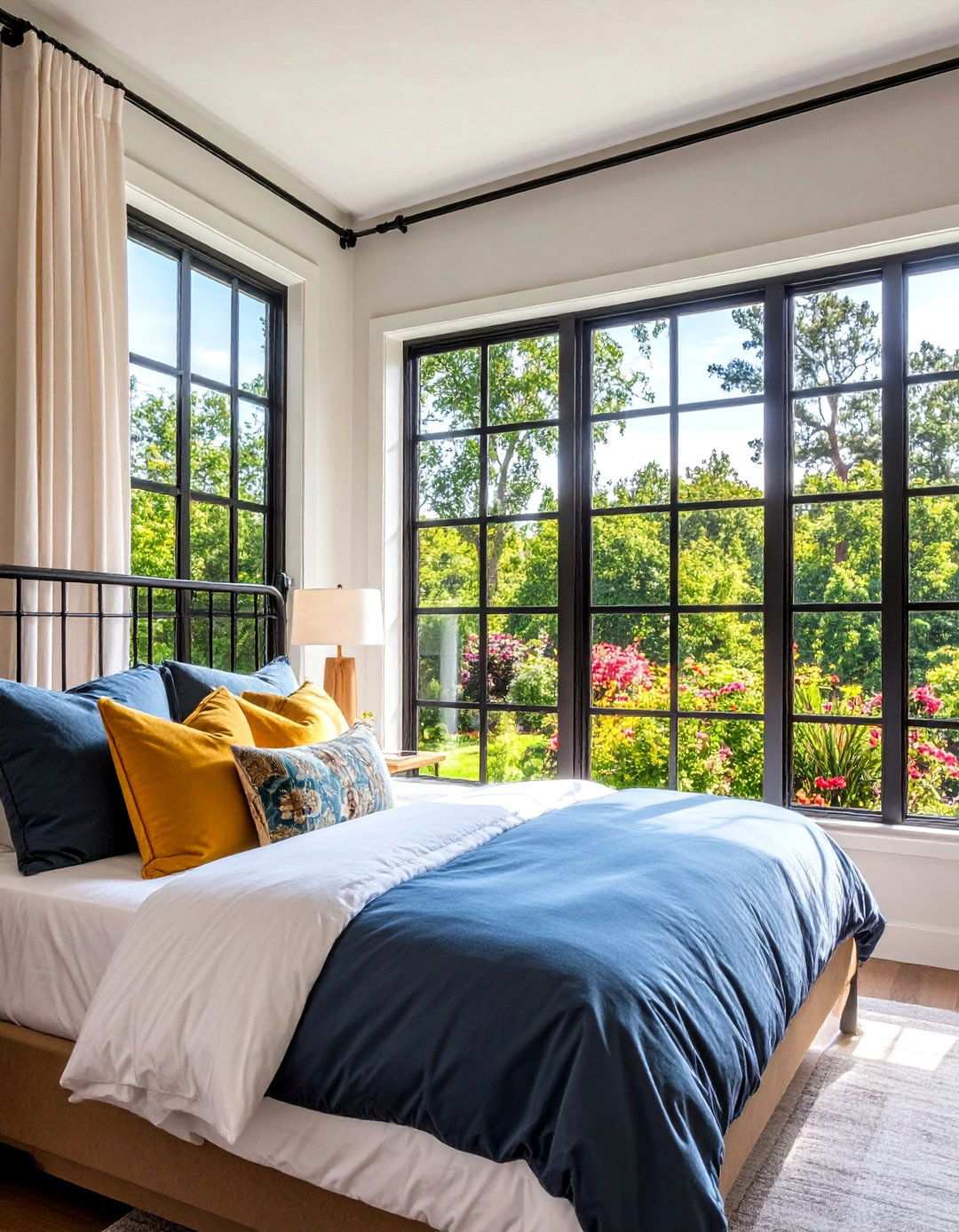
Black-framed grids can bring a touch of modern sophistication to any space, blending seamlessly with pale walls to create a timeless look. Designers often praise the silhouette for its high-end aesthetic appeal. For those on a tighter budget, a budget-friendly hack involves snap-in muntin overlays that can mimic the look on existing white vinyl windows. To maintain the frames, use a non-acidic cleaner to avoid streaks. Offset the strong lines of the grids by repeating black accents in bedside lamps or drawer pulls for added cohesion.
17. Blurring the Lines between Interior and Exterior with Sliding Glass Walls
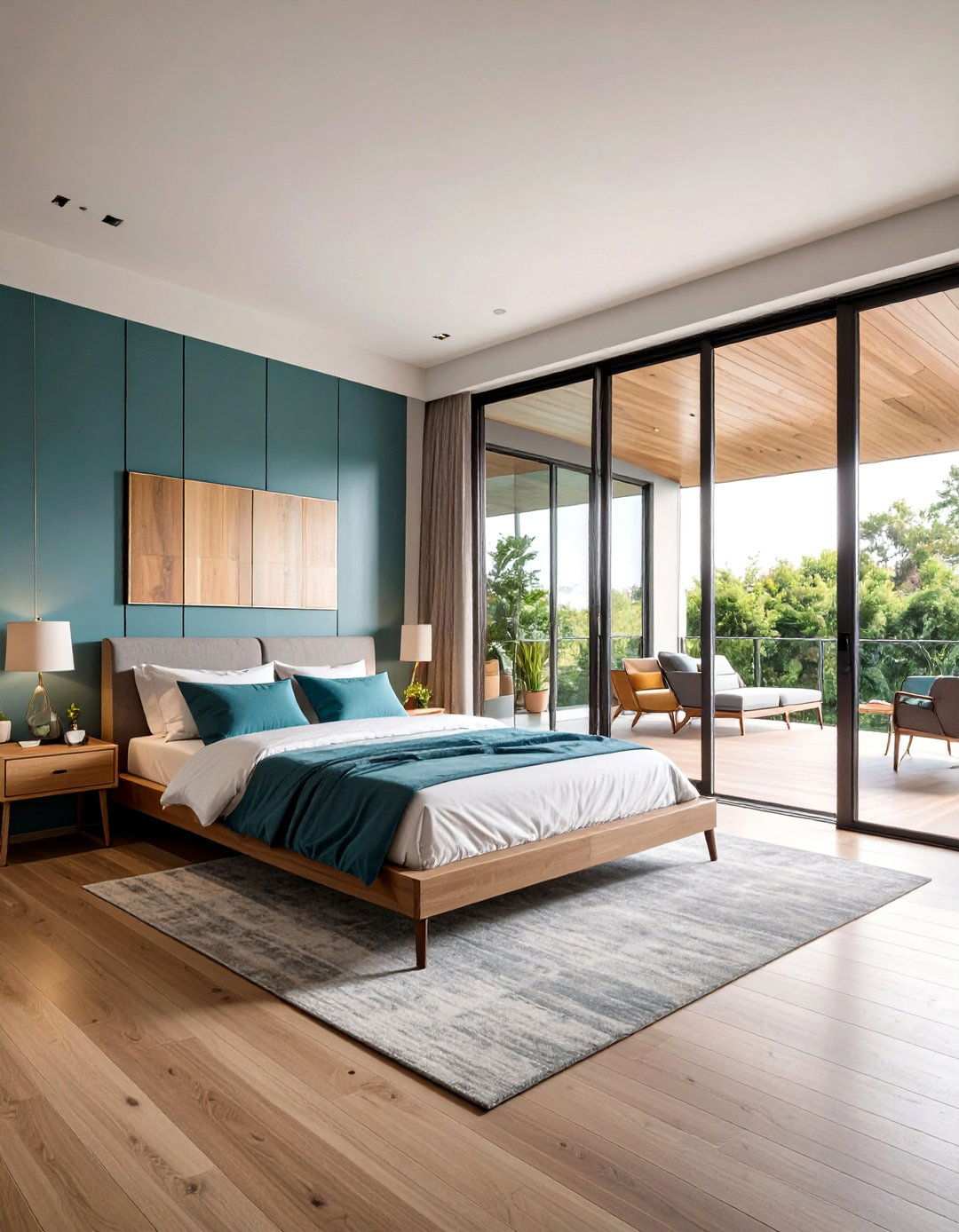
Sliding glass walls can completely erase the boundaries between the bedroom and a courtyard, allowing morning air to flood in. Systems often feature thermally broken aluminum tracks that protect against condensation while enabling panels to stack neatly. Specify flush floor channels to ensure smooth transitions between indoors and outdoors; consider adding concealed drainage to divert rainwater. For added privacy, integrate internal blinds sealed between panes, or rely on automated drapery pockets in the ceiling.
18. Bringing the Outdoors In with Flanking Windows and Indoor Plants
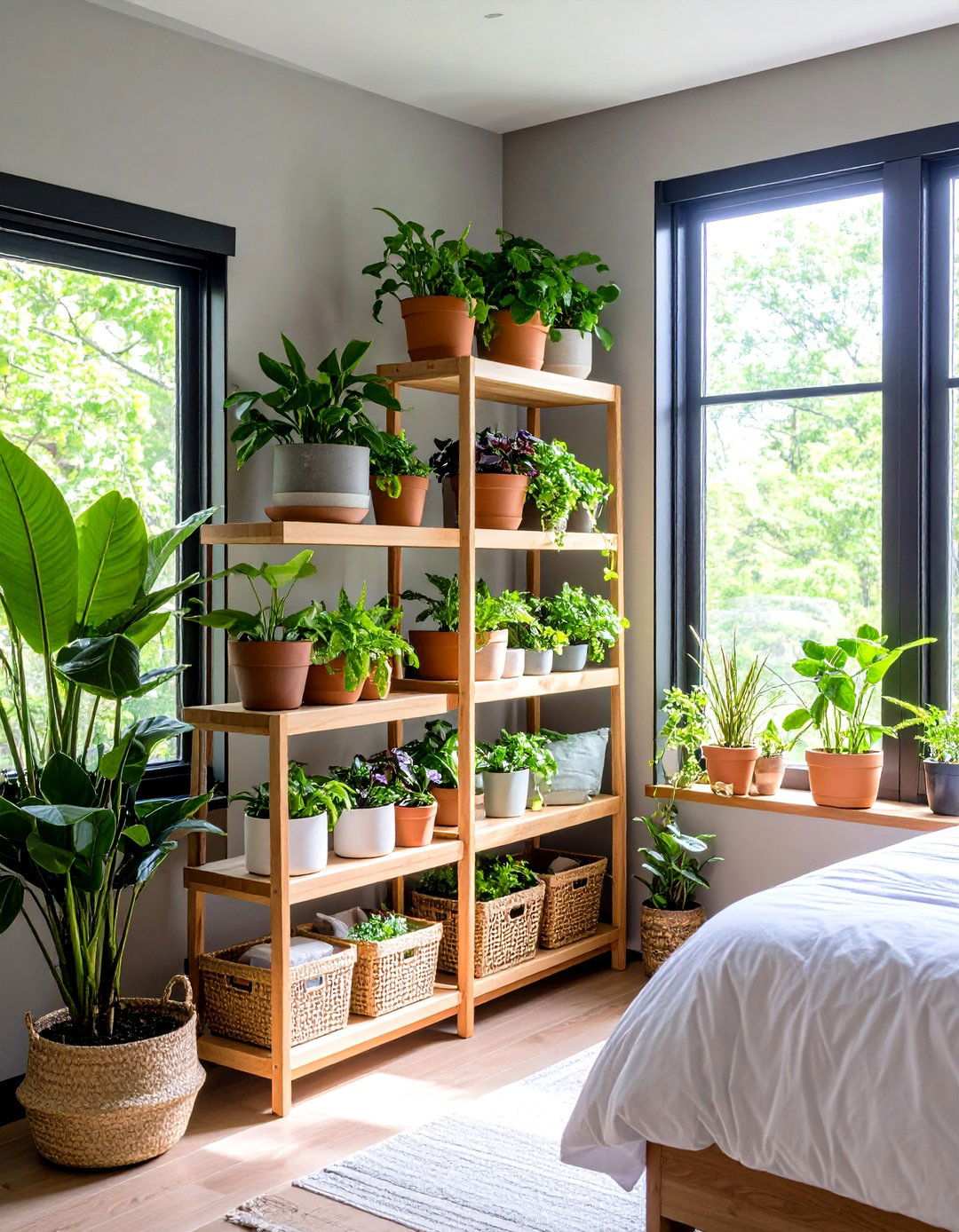
While houseplants may not live up to their air-purifying claims, they can still soften the harsh lines of glazing and boost perceived wellbeing. By grouping pots on tiered stands by the window sill, leaves can catch filtered sunlight without blocking views. Self-watering planters can maintain consistent soil moisture, and insecticidal soap can deter pests that thrive in humid micro-climates near glass.
19. Unifying Textures with Bamboo or Woven-Wood Shades
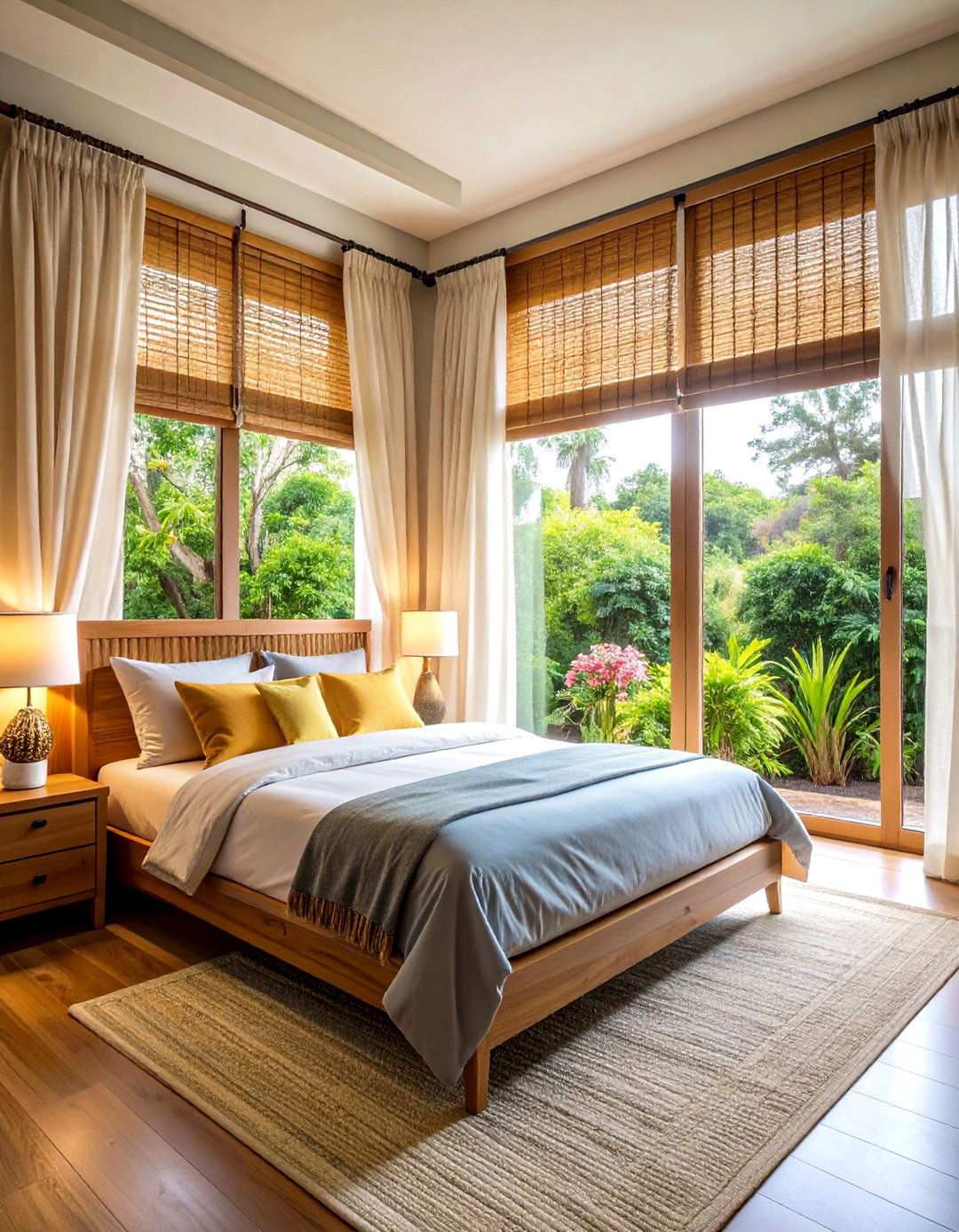
Eco-friendly woven shades made from natural materials such as bamboo and jute bring tactile depth and a sense of organic charm to interior spaces while also boasting environmentally responsible credentials. Strategically using inside mounts can effectively accentuate the window’s architectural features, while outside mounts can create the illusion of larger panes by subtly expanding their visual presence. To achieve complete darkness or motorize tall windows, consider ordering optional blackout liners. By concealing cords, homeowners can also ensure compliance with child-safety regulations. For an added layer of elegance, layer sheer linen drapes over the woven texture to create a visually appealing contrast reminiscent of a luxury resort.
20. Elevating with Smart, Voice-Controlled Window Treatments
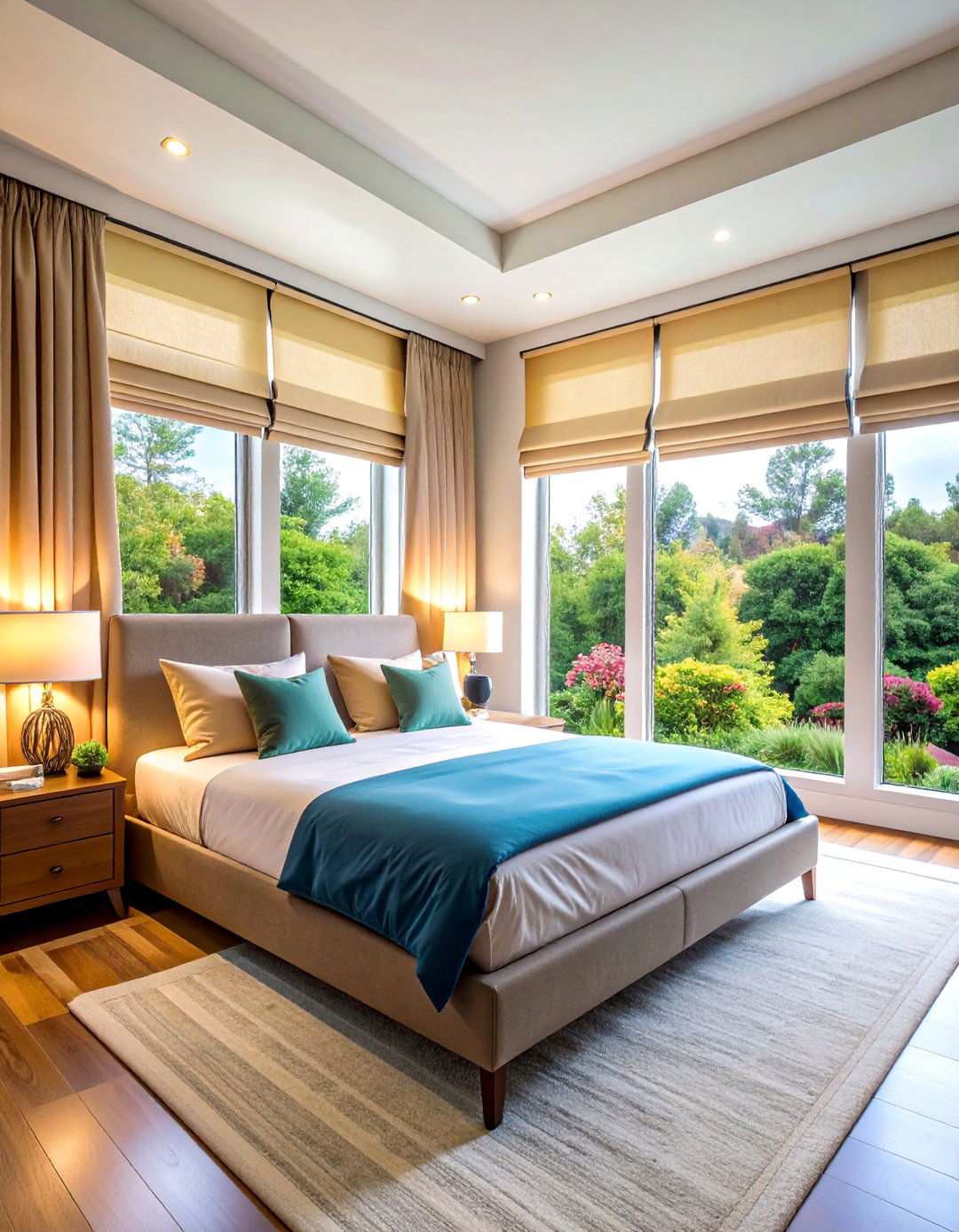
Cutting-edge window treatment solutions, including Bluetooth-enabled blinds and matter-enabled drapery motors, can seamlessly integrate with modern bedrooms to create a futuristic ambiance. Voice assistants can be programmed to raise shades at sunrise, lower blackout drapes for cozy movie nights, or synchronize with thermostats to achieve optimal passive cooling when temperatures drop after dusk. Homeowners can opt for rechargeable battery tubes for a hassle-free retrofit experience or hard-wire during remodels for added convenience. When selecting voice-controlled window treatments, prioritize models with noise ratings under 45 dB for whisper-quiet operation, and ensure that the chosen hub supports over-the-air security updates for continuous peace of mind and enhanced data protection.