1. Thriving in the Shadows: Indoor Plants for Low-Light Spaces
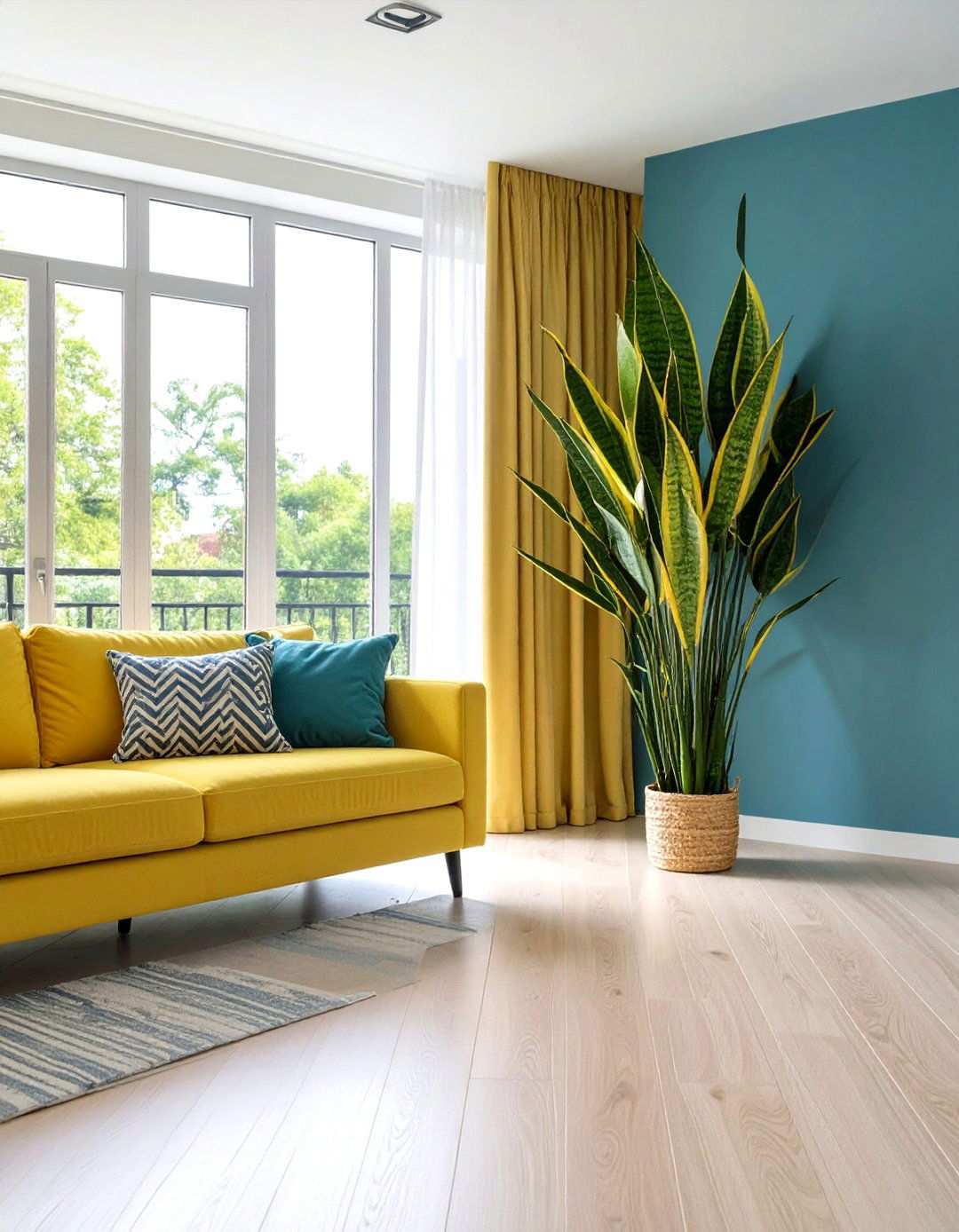
A well-chosen array of low-light tolerant plants can transform even the darkest corners of your home into a vibrant oasis. From north-facing windows to basement apartments, or simply rooms without an abundance of natural light, these remarkable species prove that sunlight is not the only key to thriving indoor gardens. Whether you’re drawn to architectural statement pieces or trailing beauties, these resilient plants offer a wealth of benefits, including stunning foliage, air-purifying qualities, and minimal maintenance requirements. In fact, many of these low-light plants have evolved in shaded environments, making them perfectly adapted to modern indoor living.
Discover a selection of exceptional varieties that will flourish in your shadiest corners, adding life, color, and natural beauty to every room. With over twenty options to choose from, you’re sure to find the perfect plants to bring new life to your indoor spaces.

As an Amazon Associate I earn from qualifying purchases.
2. The ZZ Plant: A Low-Maintenance Marvel
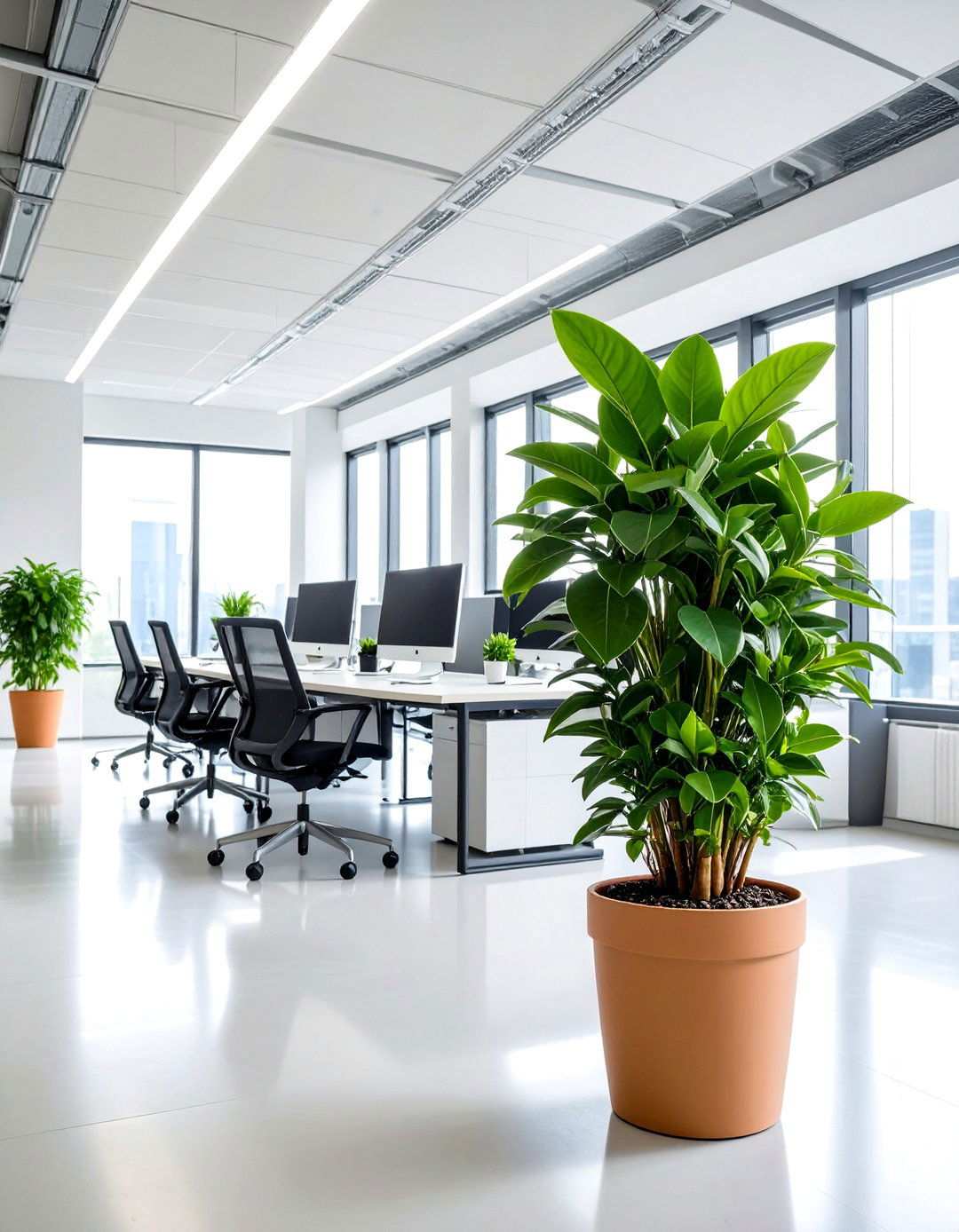
Among the many low-light tolerant plants available, the ZZ Plant stands out as a true champion. Nicknamed the “eternity plant” or “zz gem,” this remarkable species has earned recognition for its ability to thrive in even the most challenging environments. Available in a range of sizes, the ZZ Plant is an ideal choice for indoor spaces with limited natural light, requiring only the occasional watering to stay healthy. Its waxy, oval-shaped leaflets create a stunning visual texture, while its thick stems and fanned-out leaves add a touch of drama to any room. Despite its low-maintenance requirements, the ZZ Plant still manages to pack a punch, tolerating and even thriving in medium-low light conditions. However, be warned: if pushed into direct sunlight, the ZZ Plant can suffer serious damage. To keep it happy and healthy, simply water sparingly and enjoy the benefits of this drought-tolerant marvel.
3. Thriving in the Shadows: Pothos Plants for Low Light
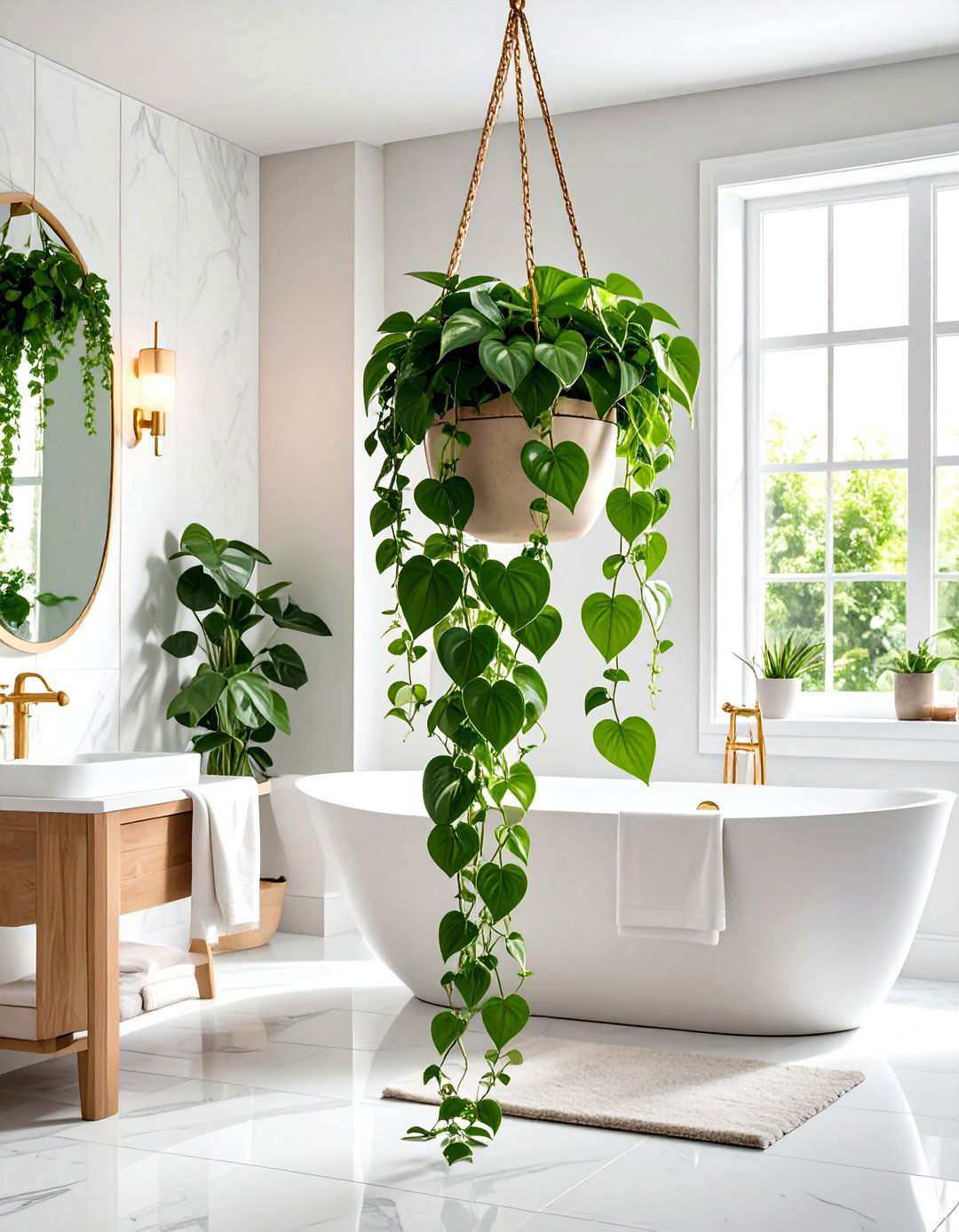
One of the easiest solutions to the problem of low light in your home is to incorporate Pothos plants into your decor. This adaptable vine thrives in conditions where other plants would struggle, growing rapidly and climbing with ease. In as little as a month, Pothos can add a dramatic foot to its height, making it a popular choice for those looking to add some greenery to their space. Pothos, also known as devil’s ivy, is renowned for its low-maintenance requirements and ability to tolerate low light. With its vibrant, heart-shaped leaves featuring striking green or variegated patterns, it’s easy to see why this plant is a favorite among indoor gardeners. Available in a range of varieties, Pothos can trail down long stems, measuring up to 20-40 feet in length. While some types of Pothos may struggle in extremely low light conditions, the Jade Pothos takes top honors for its ability to flourish in even the darkest of environments.
4. Bringing Light to the Shadows: Peace Lily Plants for Low Light
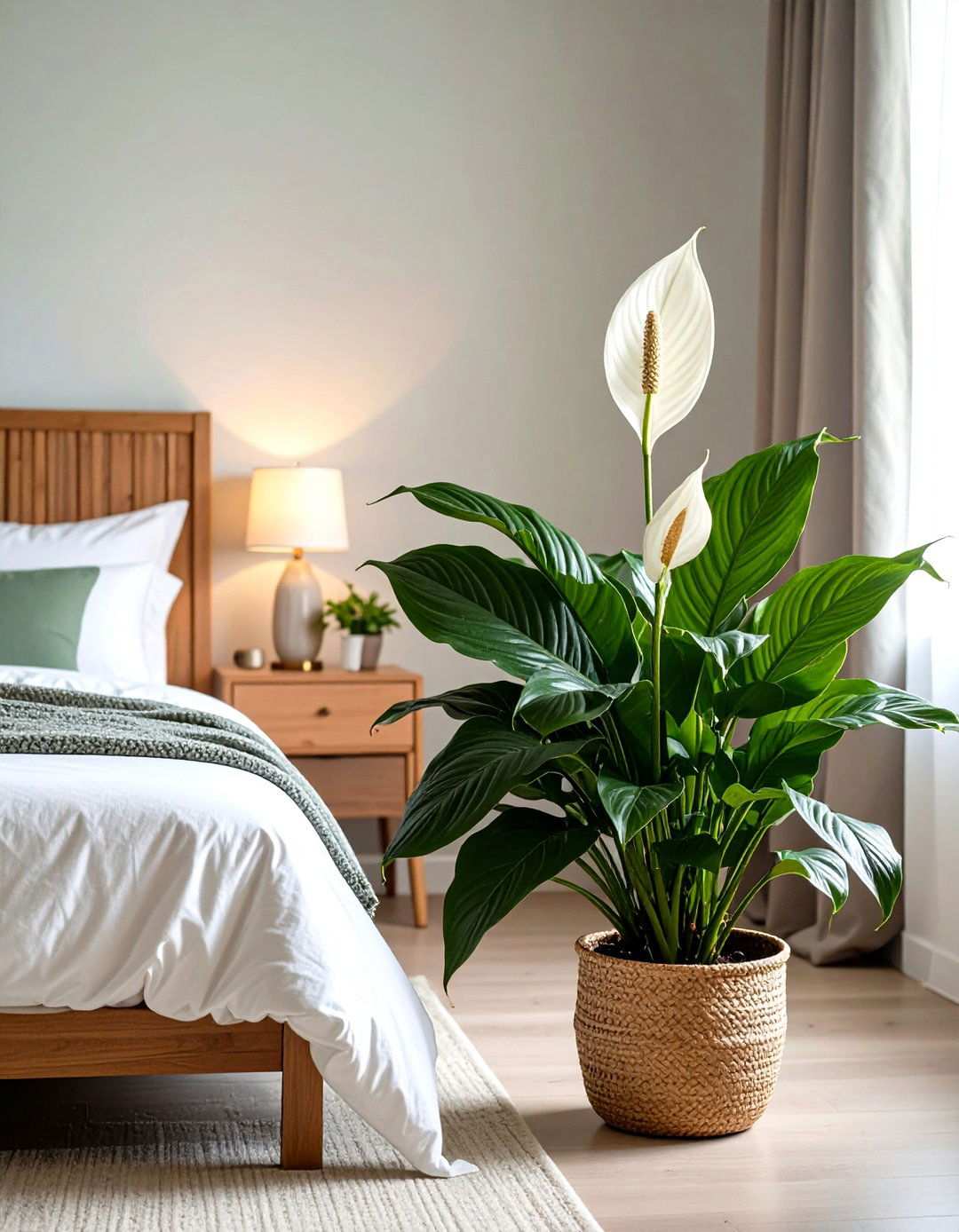
If you’re looking for a plant that can truly brighten up a room, look no further than the Peace Lily. This stunning flower is not only adaptable to low light conditions, but it can also thrive in brighter, indirect light. With its ability to tolerate a range of lighting conditions, the Peace Lily is an excellent choice for those struggling to find the right spot for their plants. When exposed to more light, the Peace Lily produces beautiful white hooded leaves that add a touch of elegance to any room. In darker areas, the plant continues to produce lush green leaves, making it a versatile and low-maintenance option. While it’s true that Peace Lilies can tolerate some neglect, they do require regular watering and humidity to stay healthy. A simple trick for determining when your Peace Lily needs water is to observe its leaves – when they start to droop, it’s likely time for a drink. With its stunning white blooms and lush foliage, the Peace Lily is an exceptional choice for windowless offices or rooms with limited natural light.
5. Adding a Touch of Elegance: Chinese Evergreen Plants for Low Light
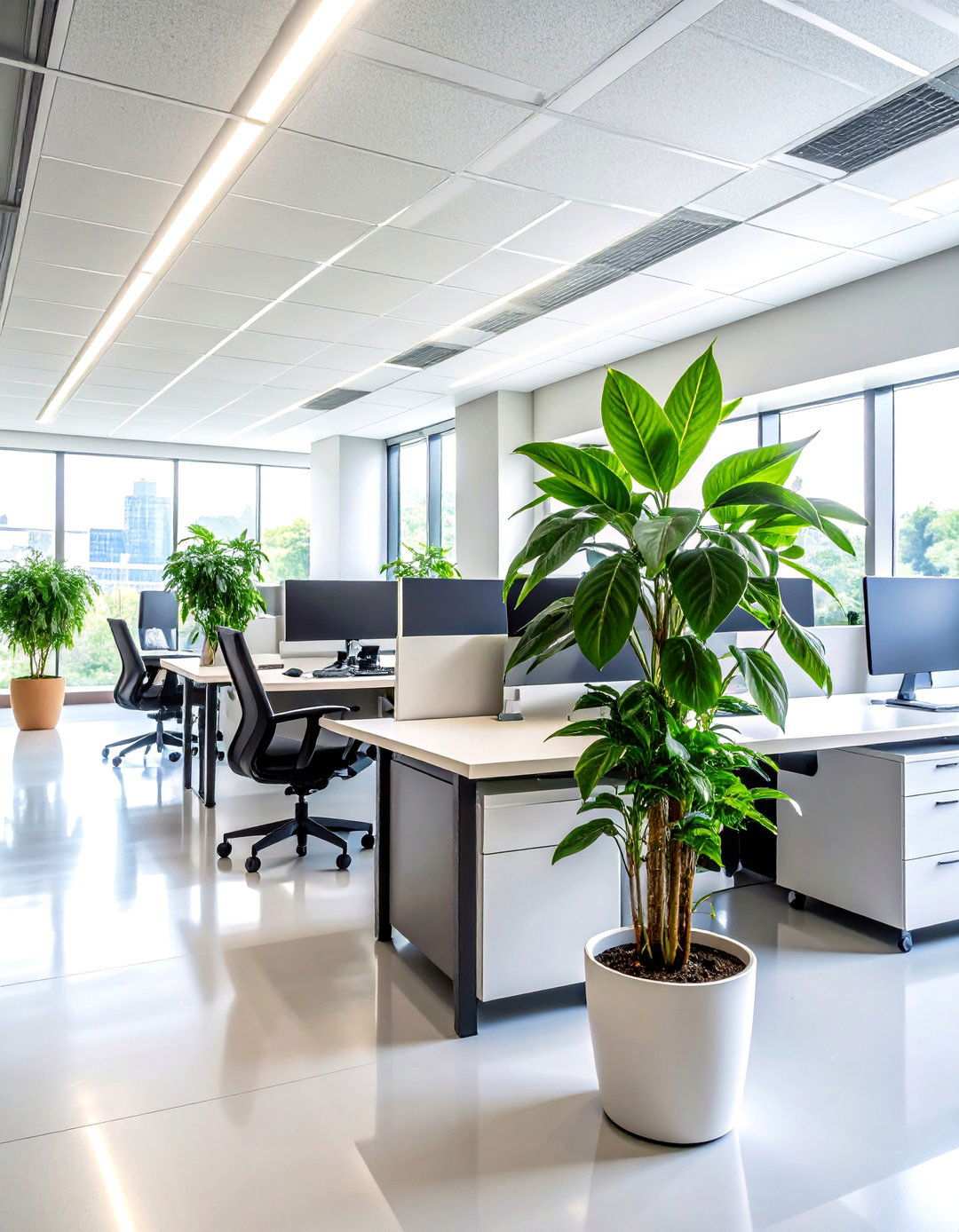
For those new to the world of houseplants, the Chinese Evergreen is an excellent place to start. This easy-to-grow plant is well-suited to low light conditions, making it a great choice for rooms with limited natural light. With its glossy, variegated leaves featuring striking patterns of green and silver, the Chinese Evergreen is a stylish addition to any room. While its specific sun requirements may vary depending on the colors of its leaves, this compact plant is generally happy in low-light conditions. The Silver Evergreen, in particular, is a popular choice for its unique and eye-catching foliage. With its stunning color combinations ranging from deep emerald to silver-splashed varieties, the Chinese Evergreen is a decorative and low-maintenance option for even the darkest indoor environments.
6. Hardy Houseplants That Thrive in Low-Light Conditions
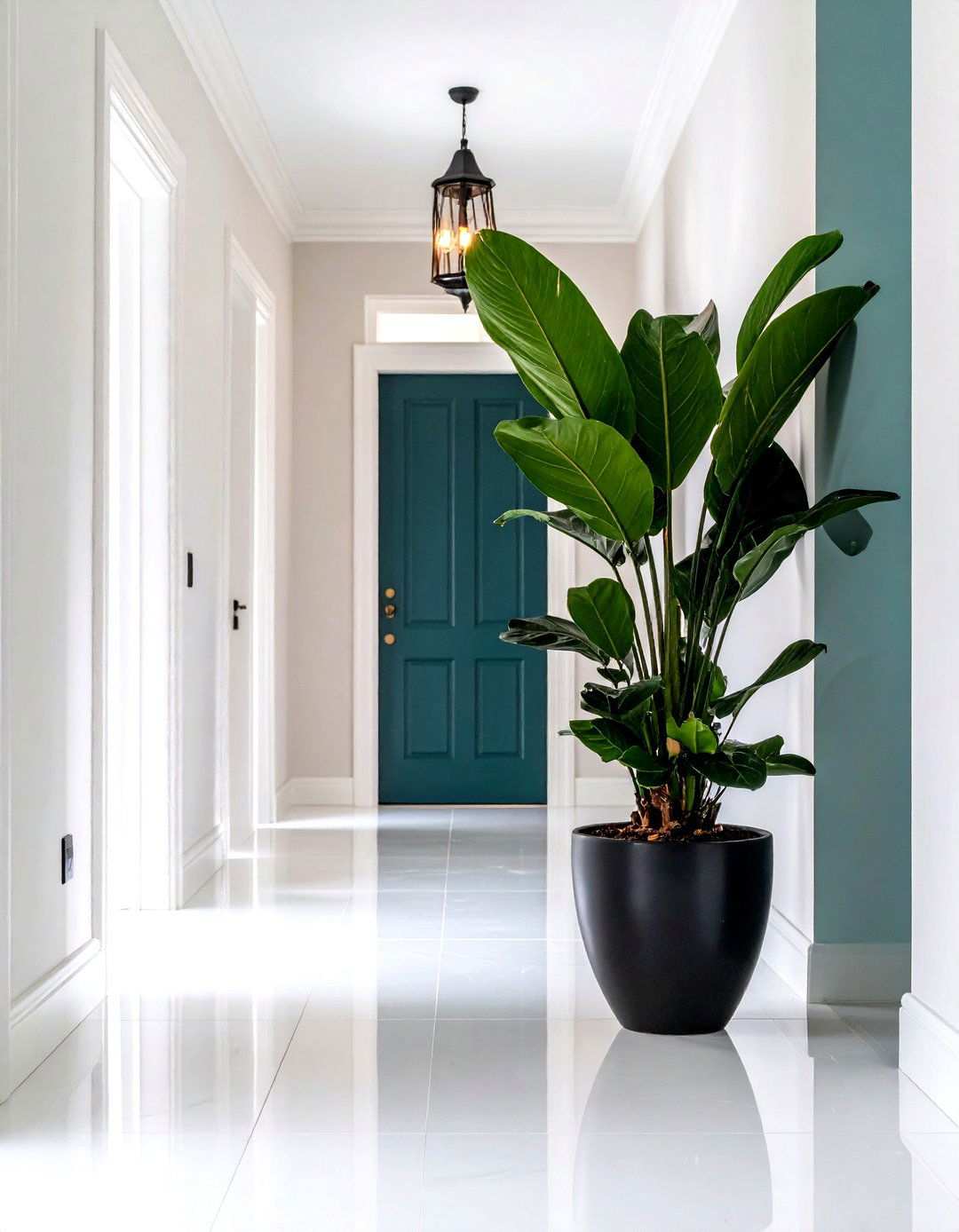
The cast iron plant, also known as the iron plant, boasts an impressive ability to withstand various conditions that make it a top choice for individuals with limited green thumbs or busy lifestyles. This resilient houseplant requires minimal light exposure and can survive in a wide range of environments, making it an excellent option for sun-challenged rooms. Its attractive dark green foliage, shaped like almonds, adds a touch of tropical elegance to any space. Cast iron plants are not only low-maintenance but also relatively low-growing, allowing them to thrive in areas with limited space. However, it’s essential to keep them away from direct sunlight to prevent scorching or browning of the leaves. For those seeking low-light plants that can tolerate extreme conditions, consider the Snake Plant, the Cast Iron Plant, or the ZZ Plant, which can even survive without direct sunlight.
7. Adaptable Heartleaf Philodendron Varieties for Low-Light Spaces
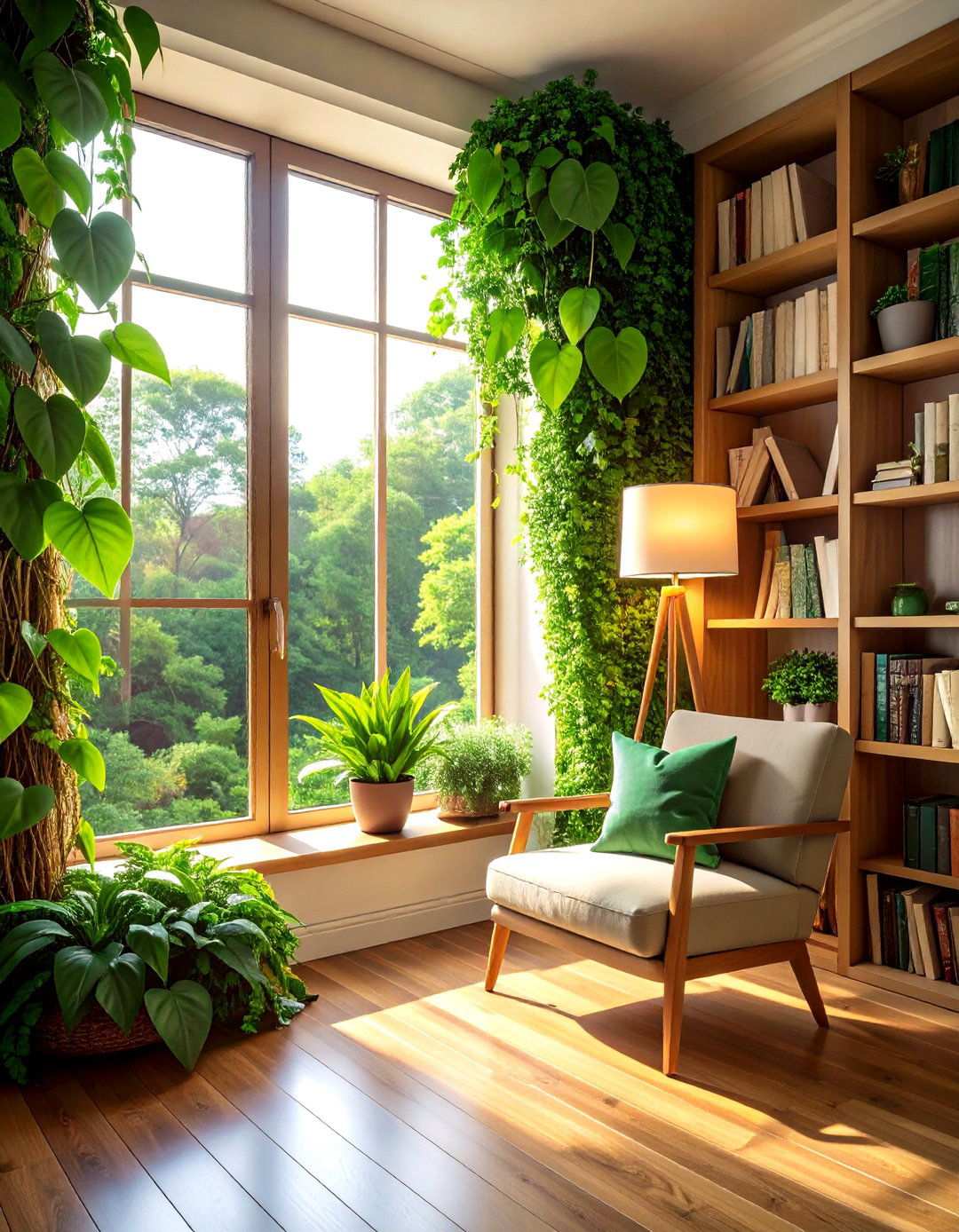
The heartleaf philodendron is a robust plant that can easily adapt to various conditions, including low light, with minimal care. This variety of philodendron comes in both climbing and non-climbing forms and can grow up to three feet tall and six feet wide with proper care. When it comes to light exposure, less is often better for philodendrons, but they do require temperatures above 55 degrees Fahrenheit and occasional misting to thrive. Interestingly, heartleaf philodendrons have a relatively low pest count, making them a great option for those new to indoor gardening. In low-light conditions, the new leaves of this plant tend to grow in a solid bright green color, whereas the older leaves may retain their variegated patterns. Its heart-shaped leaves and adaptable nature make it an excellent choice for hanging planters or moss poles, adding a touch of lush greenery to even the most challenging lighting situations.
8. Versatile Dracaena Species for Low-Light Environments
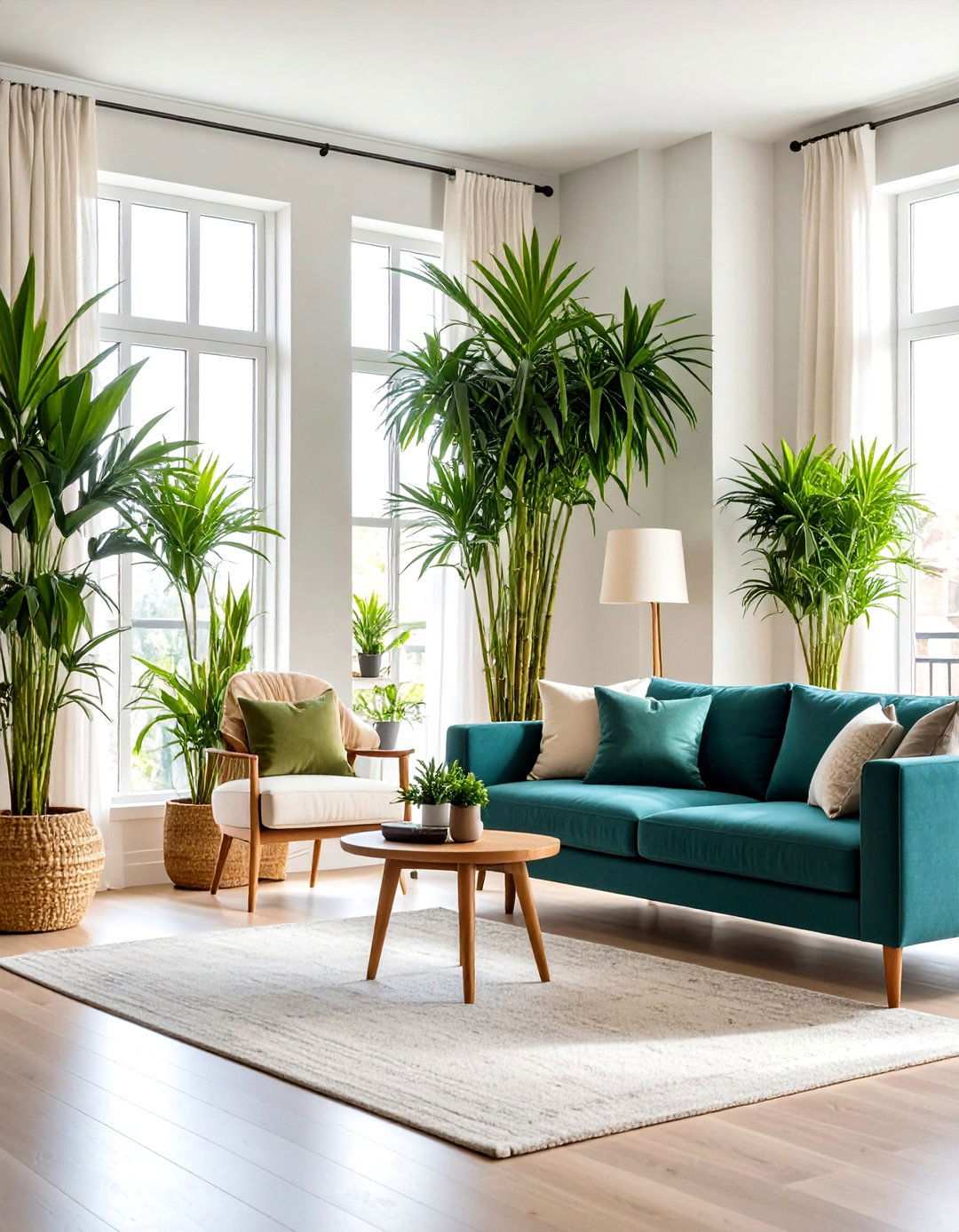
The Dracaena genus encompasses a diverse range of tropical plants characterized by their distinctive spear or grass-like leaves that emerge from thick, cane-like stems. As low-maintenance houseplants, Dracaena can grow between two to ten feet tall and spread one to two feet wide. Some Dracaena species, such as Dracaena marginata and Dracaena fragrans, are even more tolerant of low light. If you notice any pale or dry patches on the leaves, simply move the plant to a spot further from the light source to prevent damage. For those seeking a tall plant to add vertical interest to low-light areas, the Dracaena Lisa is an excellent choice. This popular office plant boasts lean, lush foliage and is remarkably hardy, making it a great option for even the most challenging indoor environments. From the spiky Dracaena marginata to the broad-leaved corn plant, Dracaena offers a range of architectural styles that can add drama and visual interest to any space.
9. Prayer Plant Indoor Plants That Thrive in Low-Light Conditions
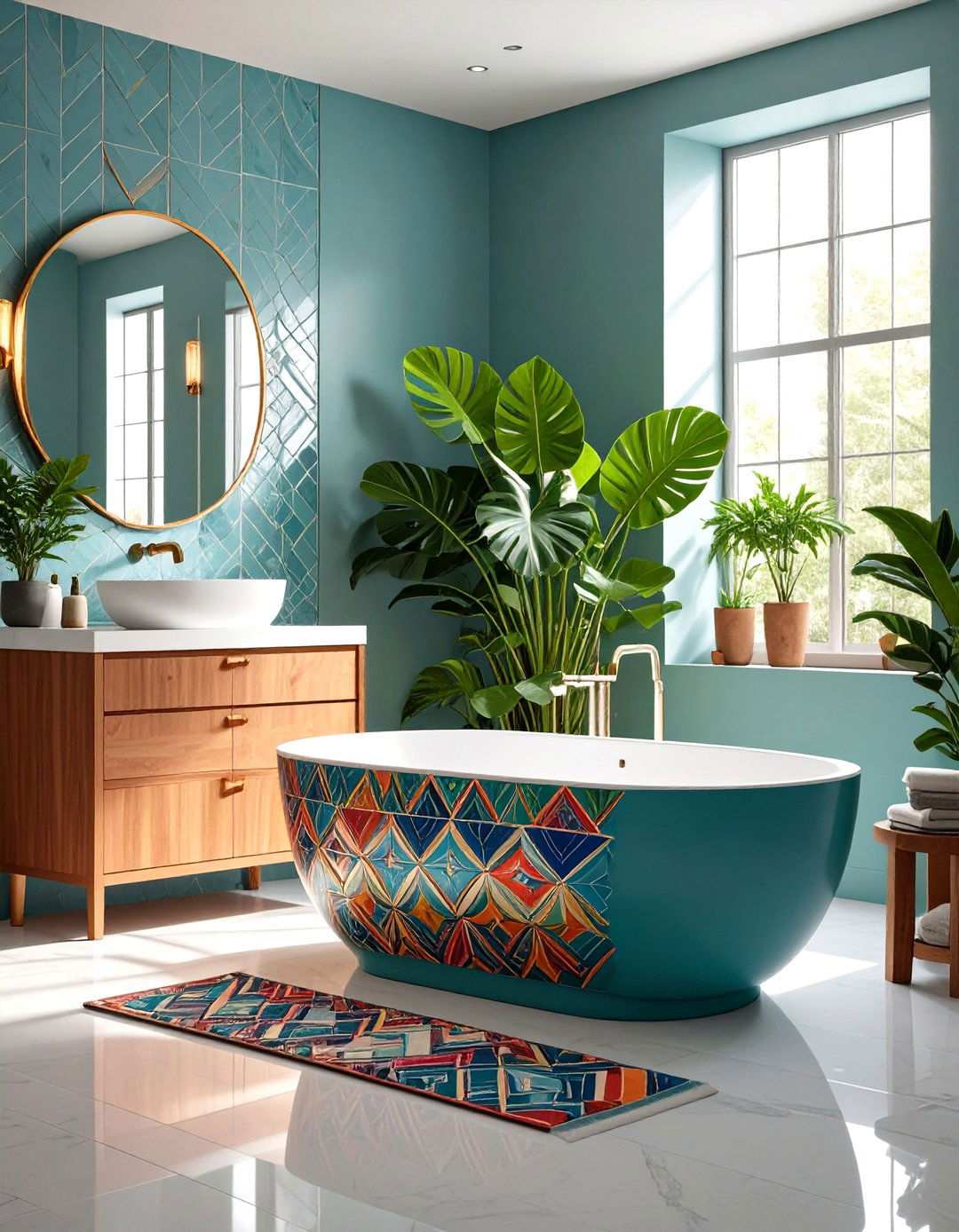
Prayer plants possess an impressive ability to tolerate low light levels, making them an ideal choice for homes with limited natural light. When placed in a spot with medium to bright indirect light, this tropical plant will happily adapt. Interestingly, the prayer plant’s leaves will fold upwards at night, a behavior known as the “prayer pose”, which is the inspiration behind its name. By placing your calathea in a room with low to indirect bright light, you can enjoy its stunning foliage. Calatheas with darker leaves, such as the Pinstripe variety, are particularly well-suited to even lower light conditions. These captivating plants display intricate patterns and engage in a fascinating daily ritual, folding their leaves upward as the sun sets. Prayer plants can thrive in a humid environment, but many varieties are surprisingly adaptable to lower humidity levels. Their vibrant, geometric patterns and rich colors add a touch of artistic flair to even the darkest spaces.
10. Bird's Nest Fern Indoor Plants for Low-Light Areas
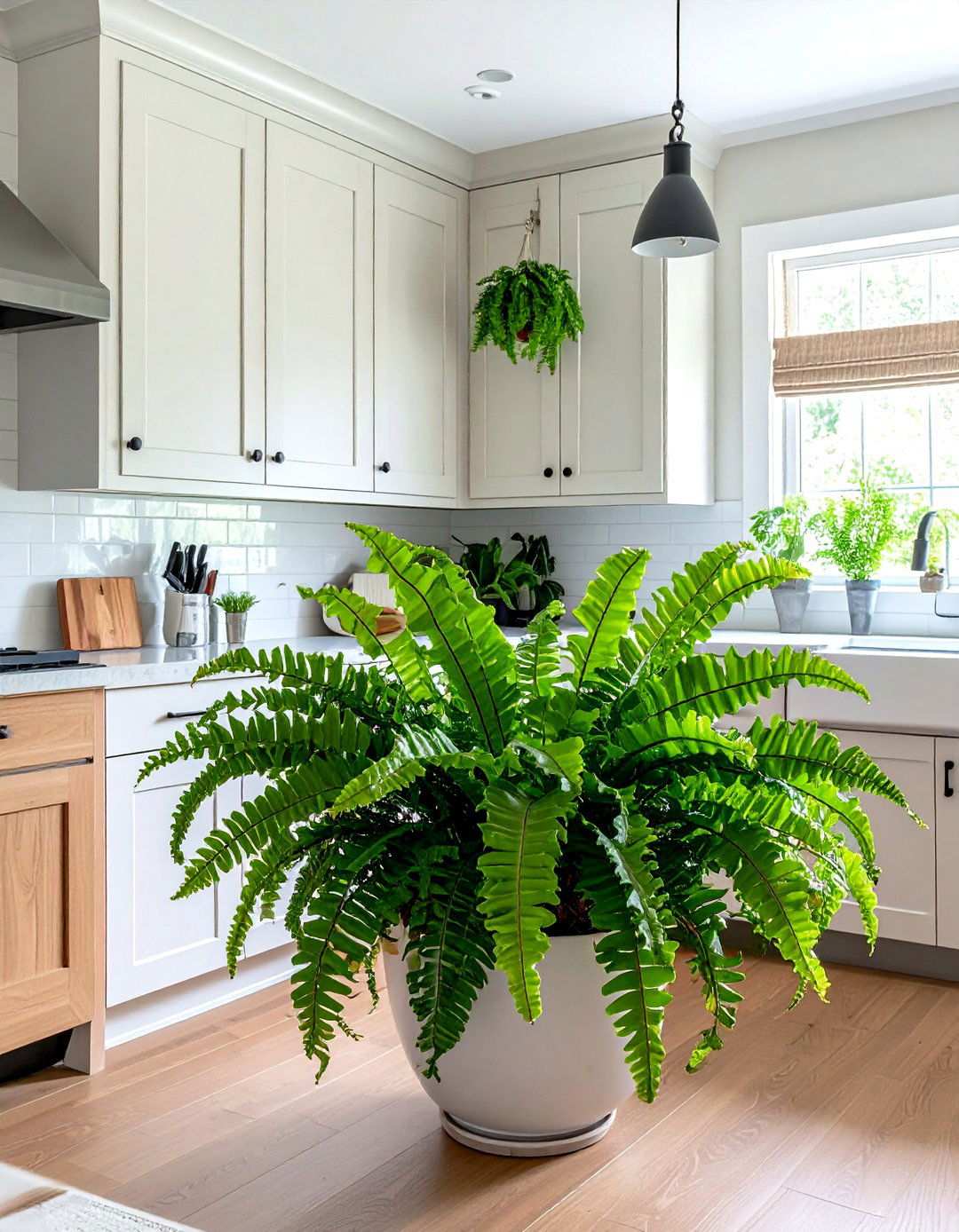
The bird’s nest fern is an outstanding choice for low-light houseplants, offering a range of benefits and unique characteristics. These ferns grow best in medium to low indirect light, and their crinkly leaves are a direct result of the light they receive. When placed in bright, indirect light, the Bird Nest Fern will thrive, but it can also tolerate low light conditions. Direct sunlight, however, can be detrimental, so it’s essential to avoid placing it in direct sunlight. The level of light affects the leaves of the bird’s nest fern, with more light resulting in more crinkled leaves and less light leading to flatter leaves. This epiphytic fern boasts broad, wavy fronds emerging from a central rosette, creating an architectural focal point in any room. Moreover, the bird’s nest fern requires less humidity than many other ferns, making it a more forgiving option for the occasional forgetful houseplant owner.
11. Thriving in Dim Light: Monstera Deliciosa Houseplants for Indoor Spaces
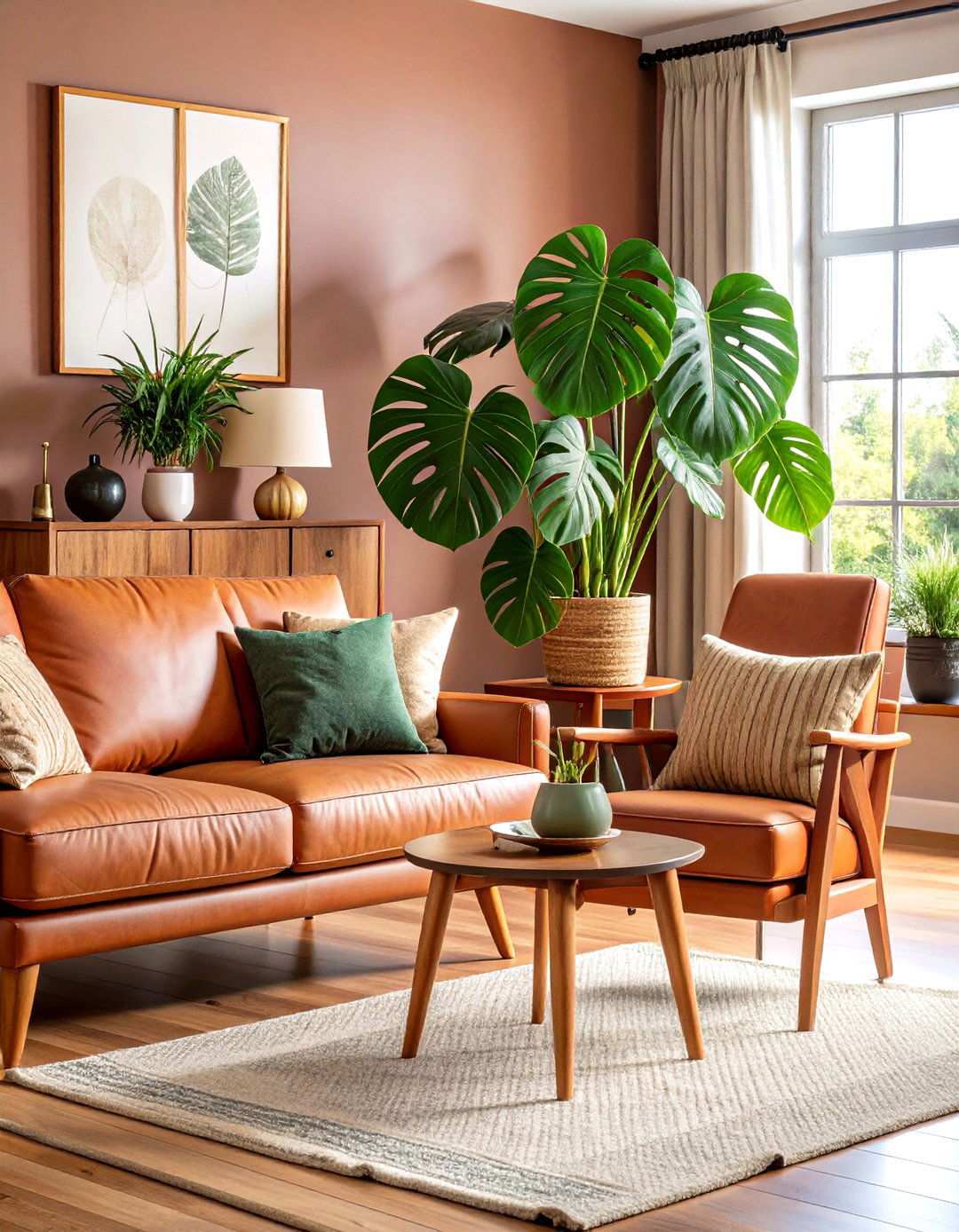
The Monstera Deliciosa has become an extremely popular choice for indoor gardeners, thanks to its adaptable nature and striking appearance. While these tropical plants typically prefer bright, indirect light, they exhibit an impressive ability to thrive in lower light conditions, making them an excellent option for spaces with limited illumination. As Monstera plants mature, their heart-shaped leaves develop characteristic fenestrations, creating a visually striking display. Although the plant may produce fewer splits in dimmer environments, it continues to produce lush foliage and remains relatively low-maintenance. To add versatility to your space, these climbing plants can be trained on moss poles or allowed to trail, making them a great choice for placement in a variety of settings.
12. Effortless Style: Arrowhead Plant Varieties for Indoor Spaces
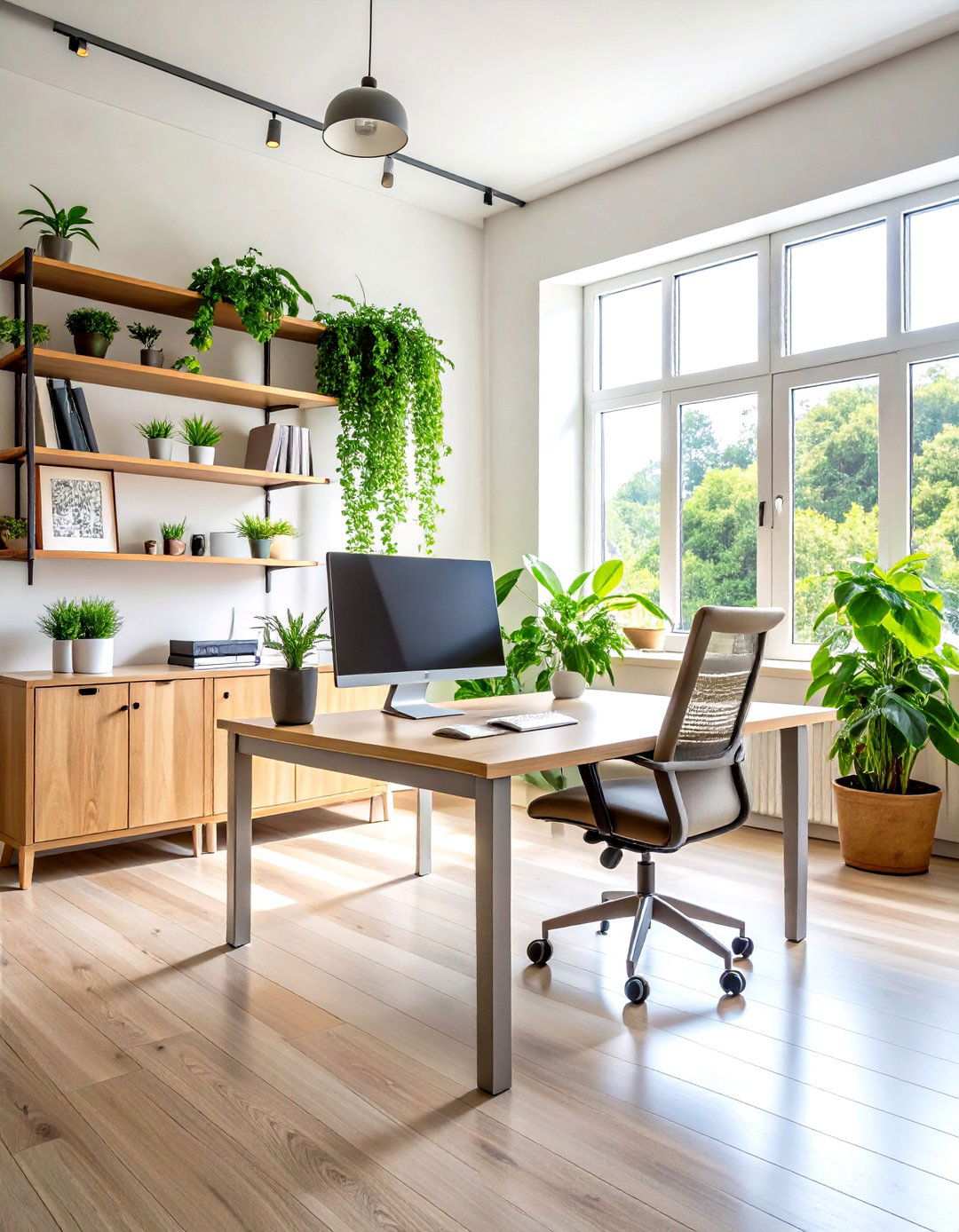
The arrowhead plant is a versatile and easy-to-care-for option that can thrive in a range of containers, including pots, hanging baskets, and terrariums. When given optimal conditions, Syngonium can grow up to 12 feet tall, but it can also adapt to shadier spots. Native to rain forests, this plant prefers some moisture, but over-watering should be avoided. As the plant matures, its arrow-shaped juvenile leaves transform into deeply lobed mature foliage, showcasing its remarkable adaptability. The arrowhead plant’s ability to climb and cascade from hanging planters makes it an ideal choice for adding decorative appeal to your space. Available in a variety of color combinations, including green, white, and pink variegations, these plants offer a reliable and low-maintenance option for indoor gardeners seeking to bring a touch of elegance to their indoor spaces.
13. Peperomia Varieties Perfect for Shaded Spaces
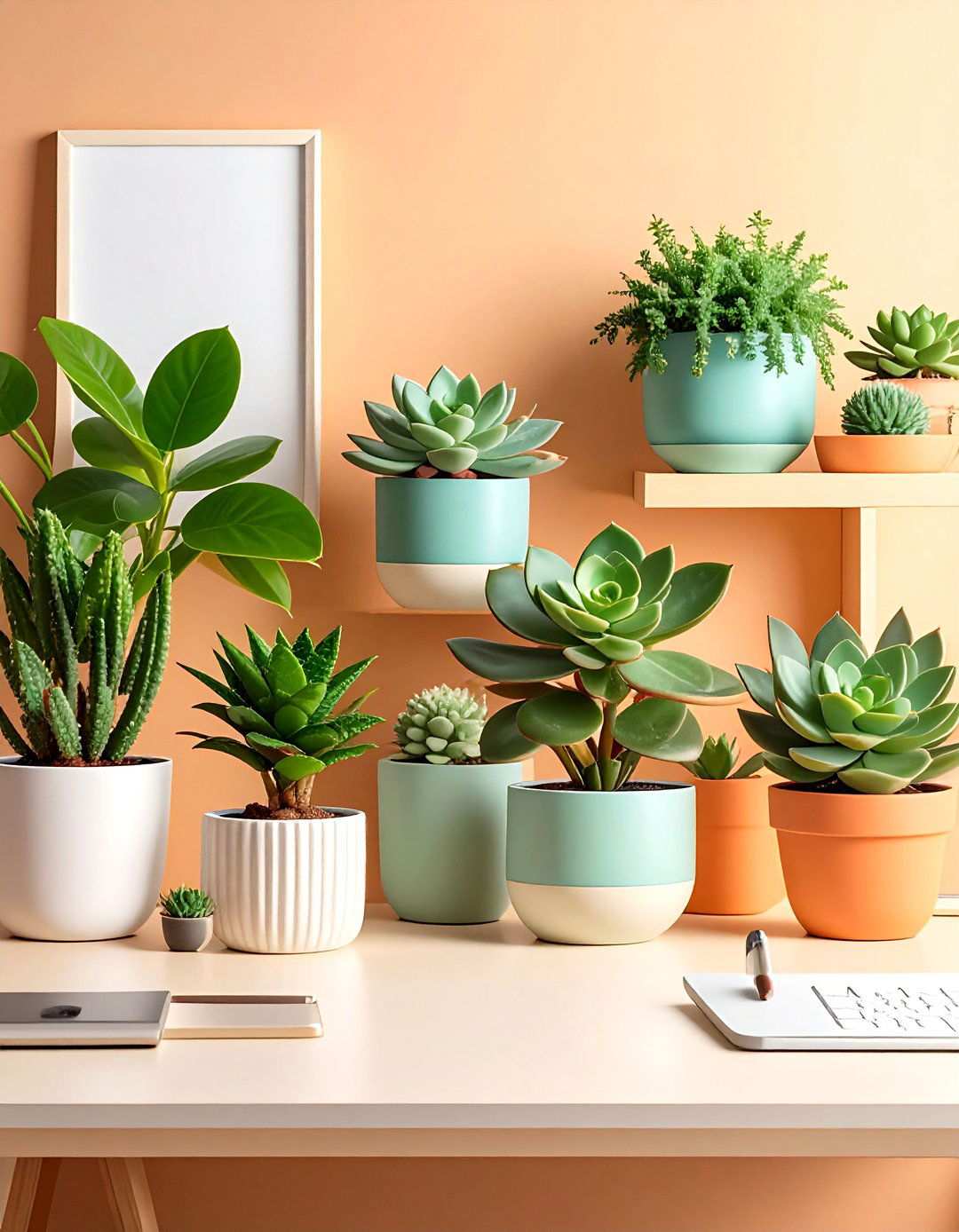
A charming addition to any low-light area, the Peperomia Obtusifolia boasts delicate, spoon-shaped leaves that thrive in shaded conditions. Their thick, waxy foliage is a remarkable feature, storing water efficiently to make them drought-tolerant and an excellent choice for indoor gardening. With numerous varieties to choose from, featuring diverse leaf shapes, sizes, and patterns, Peperomias are ideal for showcasing their unique characteristics on desktops, shelves, or in grouped arrangements. These compact plants prefer to dry out slightly between waterings and actually perform better in lower light conditions, which can be beneficial for busy plant enthusiasts who want low-maintenance greenery. Their slow growth rate and minimal care requirements make them an attractive option for newcomers to indoor gardening who seek reliable, attractive plants.
14. Vibrant Bromeliad Varieties for Indoor Spaces
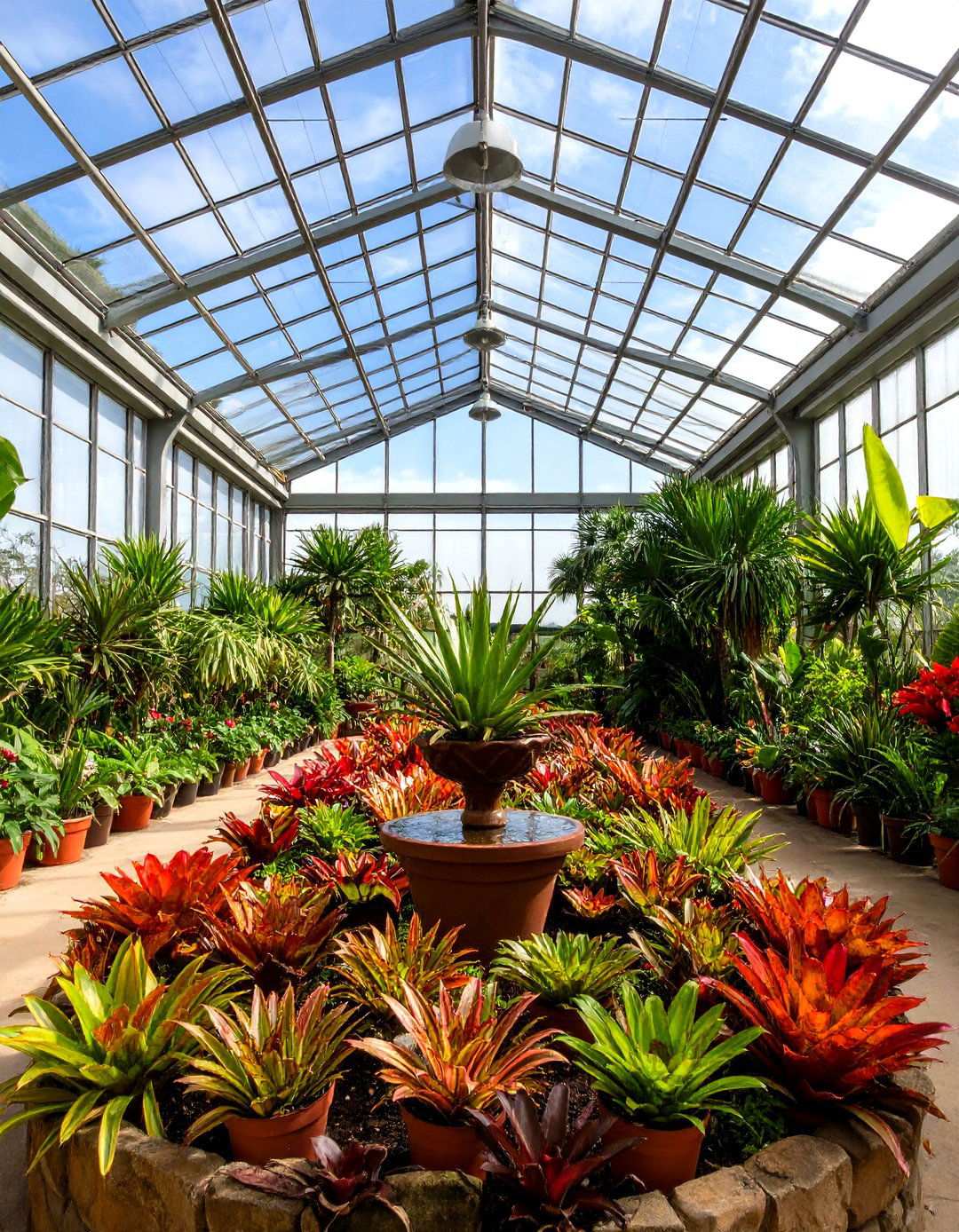
Tropical in nature, Bromeliads are a popular choice for indoor plants, often featuring vibrant pops of color. These epiphytic plants bring a unique look and exotic feel to indoor spaces with their rosette growth pattern and colorful central cups. Most Bromeliads sold as houseplants showcase striking foliage in shades of green, red, yellow, or purple, often with distinctive striping or banding patterns. To care for Bromeliads, it’s essential to keep their central tanks filled with filtered water, while the soil around the roots should remain slightly moist but never waterlogged. These adaptable plants are suitable for offices or darker rooms, as they can thrive on artificial lighting and lower light conditions. After blooming, the mother plant produces offsets that can be separated to create new plants, providing long-term value and propagation opportunities for indoor gardeners seeking unusual, colorful specimens.
15. Dieffenbachia Indoor Plants That Thrive in Low Light
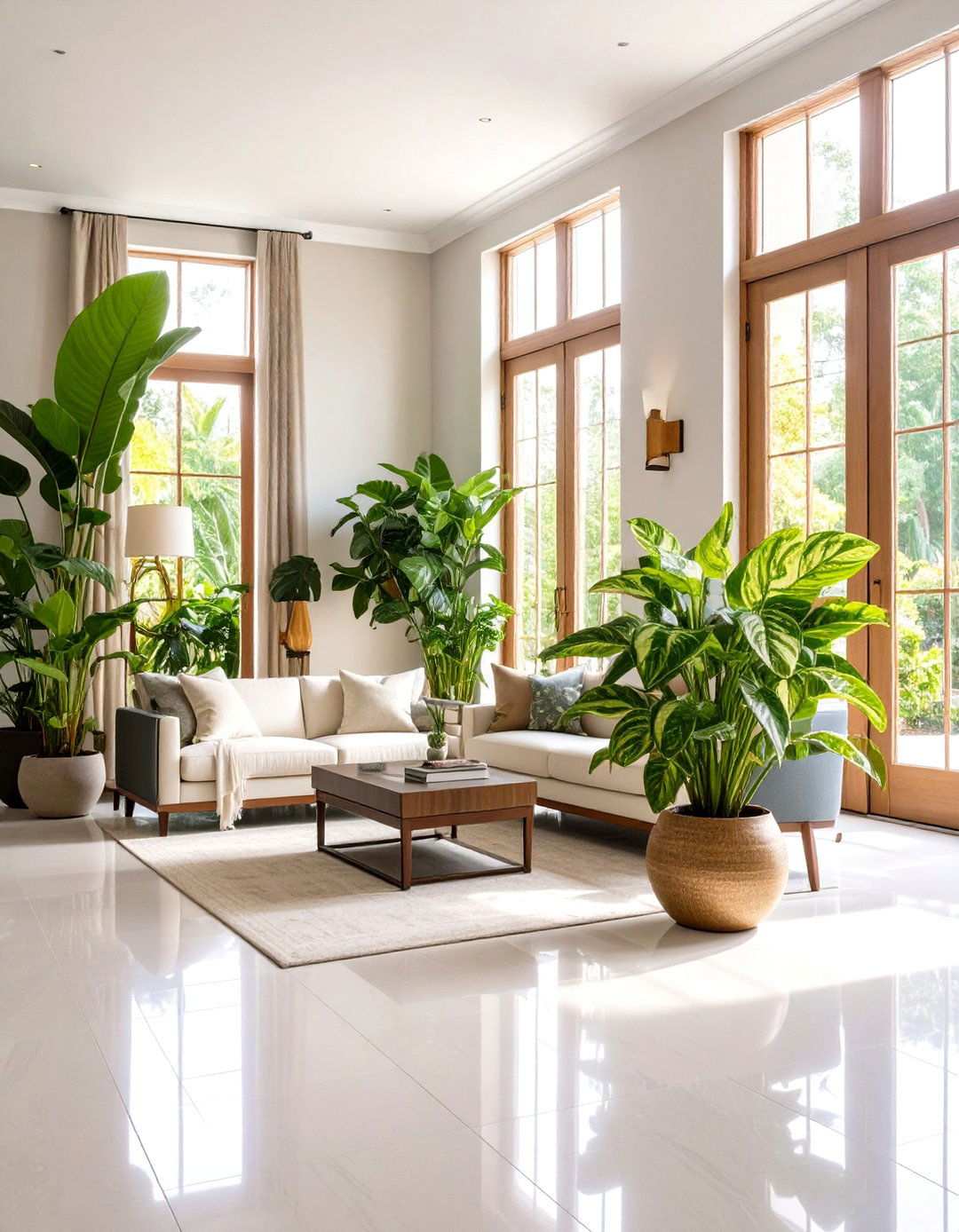
Dieffenbachia’s statuesque presence elevates any indoor space with its stately beauty, closely resembling the elegant Peace Lily with its tightly clustered flowers along a spadix. Its unique features, however, set it apart, such as its robust size, ovate-shaped leaves with pointed tips, and sturdy stalks that evoke sugarcane or bamboo. To keep Dieffenbachia thriving, it requires well-draining, consistently moist soil, filtered, indirect light, and warm, humid conditions. These striking indoor plants boast large, ovate leaves featuring distinctive patterns of green and cream or yellow variegation that create breathtaking displays in low-light environments. Known as the “dumb cane,” Dieffenbachia plants can grow quite substantial indoors, making them ideal for filling empty corners or creating natural room partitions. Their ability to tolerate lower light conditions has made them a popular choice for offices and homes with limited natural illumination. Although toxic to pets and children, Dieffenbachia can significantly improve indoor air quality. Regular watering when the top inch of soil feels dry and occasional misting help maintain their lush appearance while preventing overwatering issues.
16. Air Plant Indoor Plants That Defy Traditional Care
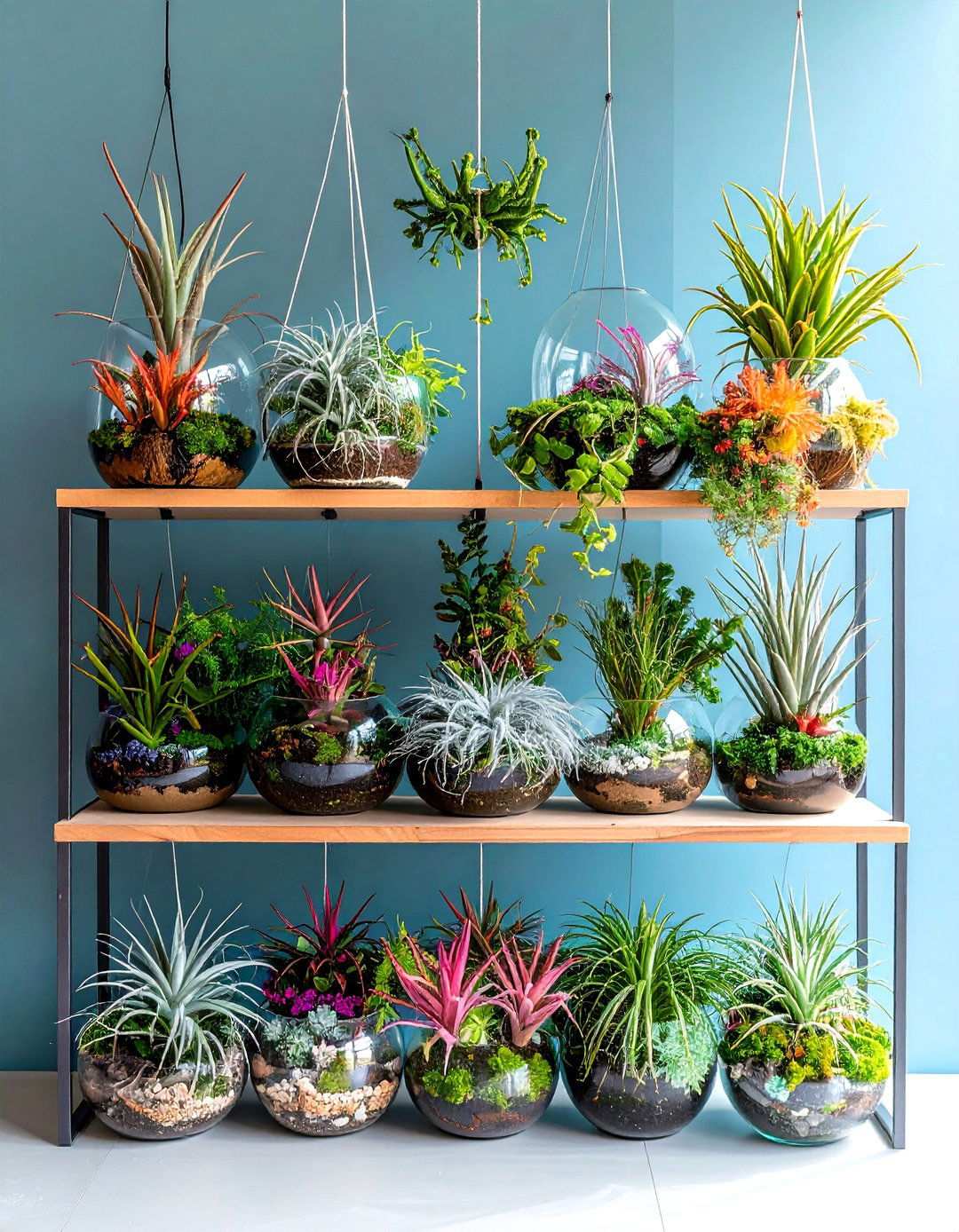
Ideal for those who struggle to keep their plants alive, Air plants offer a remarkably low-maintenance option that can thrive indoors with minimal fuss. Native epiphytes that often grow on other flora in nature, Air plants have adapted to survive and even flourish in indoor environments with little to no upkeep. These fascinating plants draw essential nutrients and moisture directly from the air surrounding them through specialized scales on their leaves, eliminating the need for soil. Air plants, or Tillandsia, offer unparalleled versatility in display options since they can be mounted on driftwood, placed in hanging glass orbs, or arranged in creative terrariums. They can tolerate a wide range of lighting conditions, from bright indirect light to dim environments, though some air circulation is preferred. Care involves weekly soaking in water for 20-30 minutes, followed by thorough shaking to remove excess moisture. Their unique appearance ranges from silvery-gray to deep green, with some varieties producing vibrant, eye-catching flower spikes. These conversation-starting plants prove that successful indoor gardening doesn’t always require traditional potting methods or extensive care routines, making them a perfect choice for minimalist or modern décor styles.
17. Indoor Money Trees That Can Thrive Without Direct Sunlight
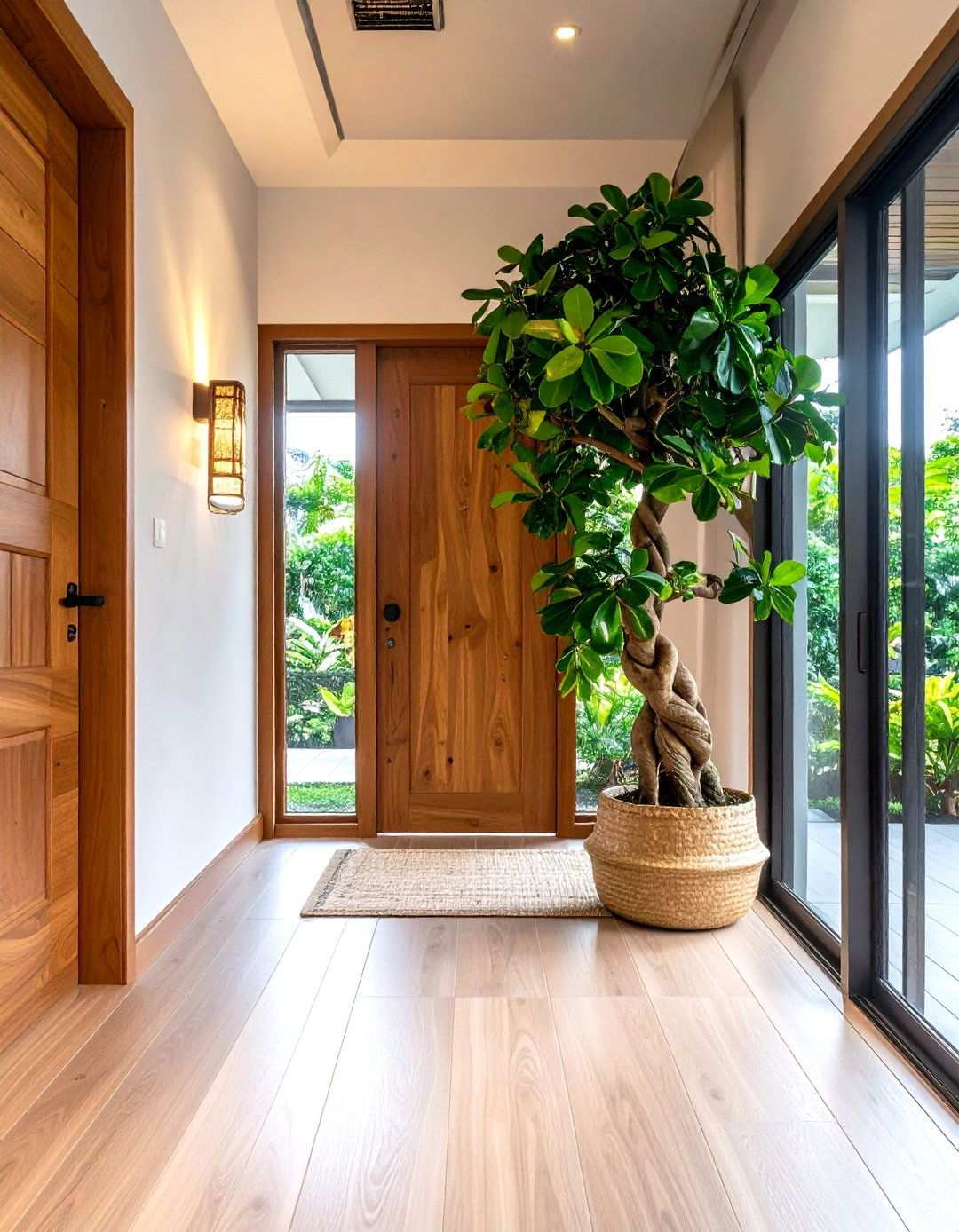
While a Money Tree can’t tolerate direct sunlight, it excels in other lighting conditions. It can adapt to low light, full shade, or bright indirect light, making it a versatile choice for indoor spaces. Its unique, braided trunk and palmate leaves featuring five to seven leaflets create a striking visual presence that complements various interior design styles. According to feng shui principles, Money Trees attract prosperity and good fortune when placed in the wealth corner of a room, making them popular gifts for new homeowners or business openings. This adaptability to different lighting conditions, from bright indirect light to shadier spots, makes them excellent choices for offices or homes with varying illumination. Money Trees prefer slightly moist soil and benefit from regular misting to increase humidity around their foliage. Their slow to moderate growth rate and tolerance for occasional neglect make them suitable for busy lifestyles while providing the added benefit of symbolic prosperity and natural air purification.
18. Kentia Palm Varieties That Can Flourish in Low Light Environments
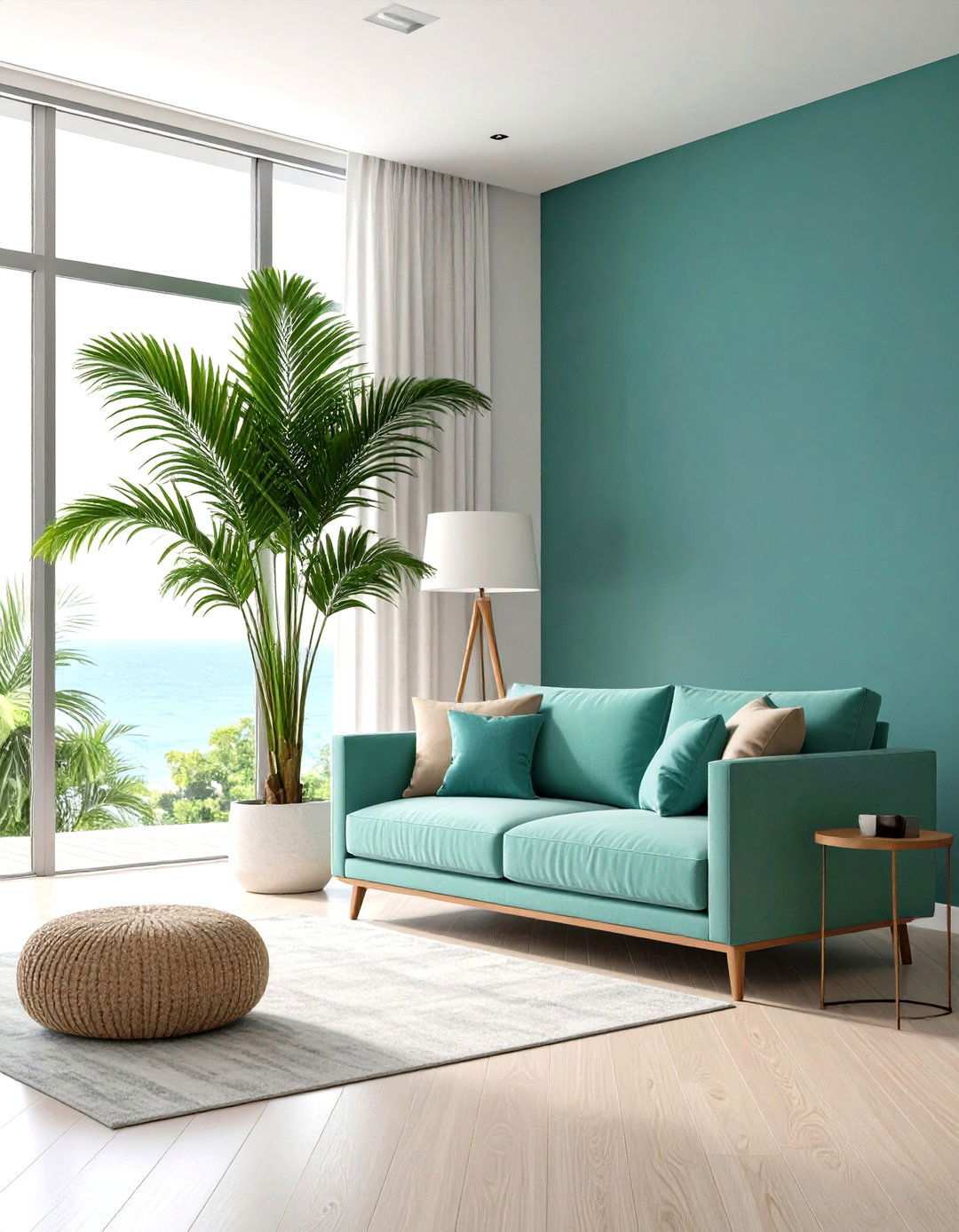
Low-light environments are no match for three exceptional plants: the Kentia Palm, which can reach up to 10 feet tall indoors, and the Balfour Aralia, which grows to approximately 7 feet. These elegant palms have established themselves as the gold standard for indoor palm cultivation, boasting beautiful, arching fronds that tolerate lower light conditions remarkably well. Kentia palms grow steadily but slowly, eventually reaching impressive heights that create dramatic focal points in large rooms or offices. Their feathery, dark green fronds maintain their color even in dimmer environments, though growth may slow in very low light. These Australian natives prefer consistent moisture without waterlogging and benefit from occasional misting to increase humidity around their foliage. Their ability to thrive in indoor conditions, including air conditioning and heating systems, makes them popular choices for commercial and residential spaces. Regular dusting of the fronds helps maintain their vibrant appearance while ensuring proper photosynthesis. Kentia palms offer a touch of tropical elegance without the high maintenance requirements of many other palm species, making them ideal for creating sophisticated, resort-like atmospheres indoors.
19. Unconventional Indoor Plants That Flourish Without Sun
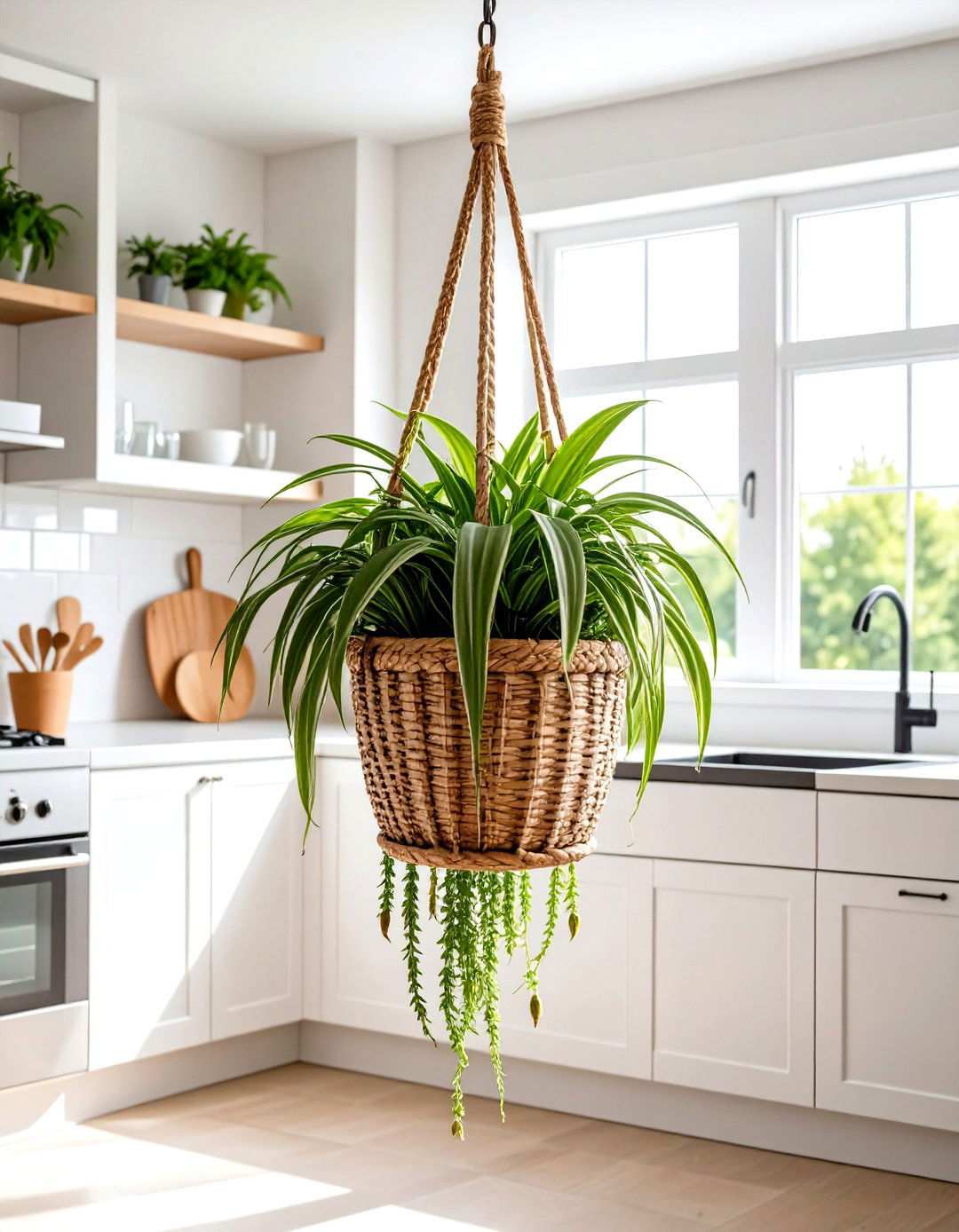
While they’re not sun-huggers, Spider Plants have learned to thrive in lower light environments. However, they perform best in moderate-to-bright, indirect light conditions. This leaves shaded areas as a suitable compromise, but windowless rooms are definitely out of the question. These timeless houseplants boast elegant, slender leaves that stretch outwards from their center, creating stunning displays that look incredible in hanging baskets or on pedestals. One of the Spider Plant’s most unique features is its ability to produce baby plants, or “spiderettes,” that dangle from their mother plant on long stems. These cascading effects add fascinating visual interest, while also allowing for effortless propagation. Although they prefer brighter conditions for optimal growth and variegation, Spider Plants show remarkable resilience in lower light situations, where growth may slow down and variegation can fade slightly. Their remarkable adaptability, combined with their air-purifying qualities and ease of propagation, makes them top picks for beginners or those seeking reliable, beautiful greenery. Maintaining their fresh appearance requires regular watering when the soil feels dry, as well as occasional removal of brown leaf tips, which encourages continued growth and plantlet production.
20. Resilient Rubber Tree Indoor Plants That Can Thrive in Low Sun
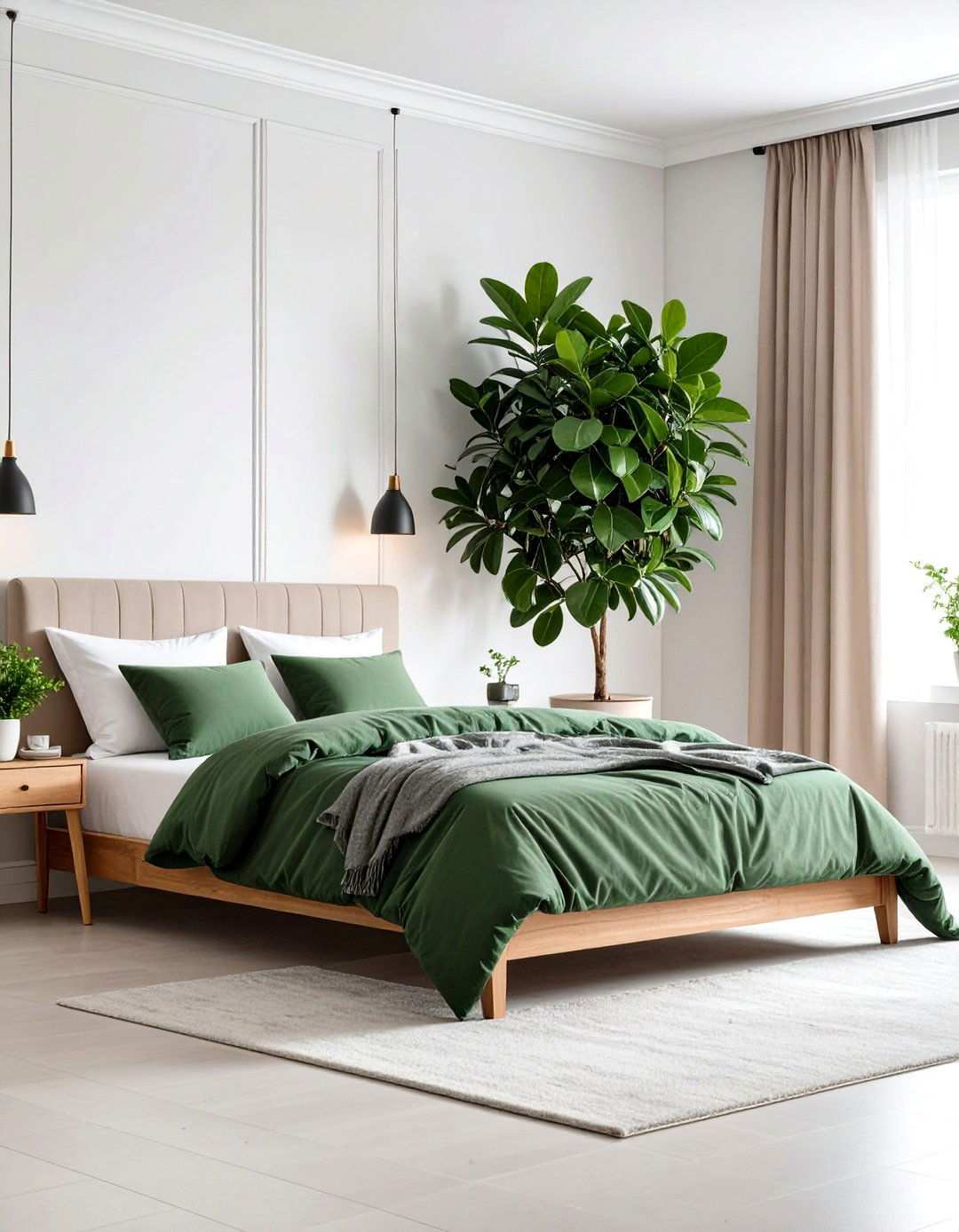
For indoor spaces with limited natural light, the rubber tree, particularly the baby rubber plant variety (Ficus elastica), presents a fantastic option. With its glossy, leathery foliage, it creates striking architectural statements that are sure to impress. These plants boast thick, waxy leaves that enable them to withstand lower humidity and reduced light conditions, making them more resilient than many other tropical houseplants. Young rubber trees are ideal for tabletops or shelves, while mature specimens can grow into impressive floor plants that serve as living artworks. Their ability to tolerate occasional drought and lower light conditions makes them forgiving choices for busy plant parents or those new to indoor gardening. Regular leaf cleaning with a damp cloth helps maintain their lustrous appearance while ensuring proper light absorption. Rubber trees prefer well-draining soil and should be watered when the top inch feels dry to the touch. Their slow growth rate, minimal care requirements, and adaptability to various lighting conditions make them reliable long-term companions for any indoor environment seeking elegant, low-maintenance greenery.