1. Elevated Grow Areas
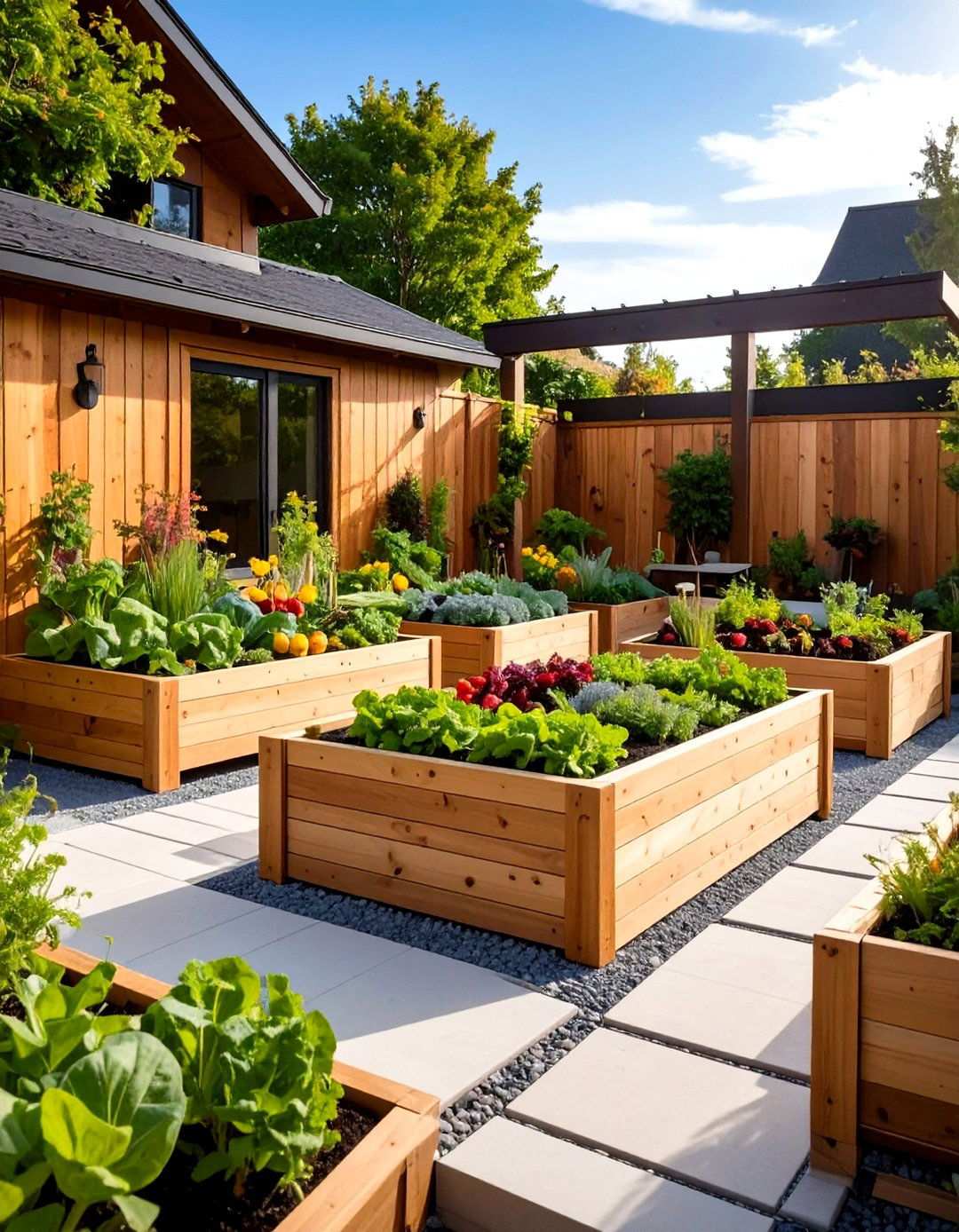
Expert gardeners know that elevated planters offer numerous benefits, from improved soil quality to reduced weed pressure. By constructing raised beds using durable materials such as rot-resistant wood, stone, or metal, you can create a controlled environment for your plants. Pathways made from materials like gravel not only make maintenance easier but also prevent muddy patches from forming. This setup is ideal for early starts and extended growing seasons due to its ability to warm up faster in spring and retain a high-quality compost mix.
2. Cultivating in Limited Spaces
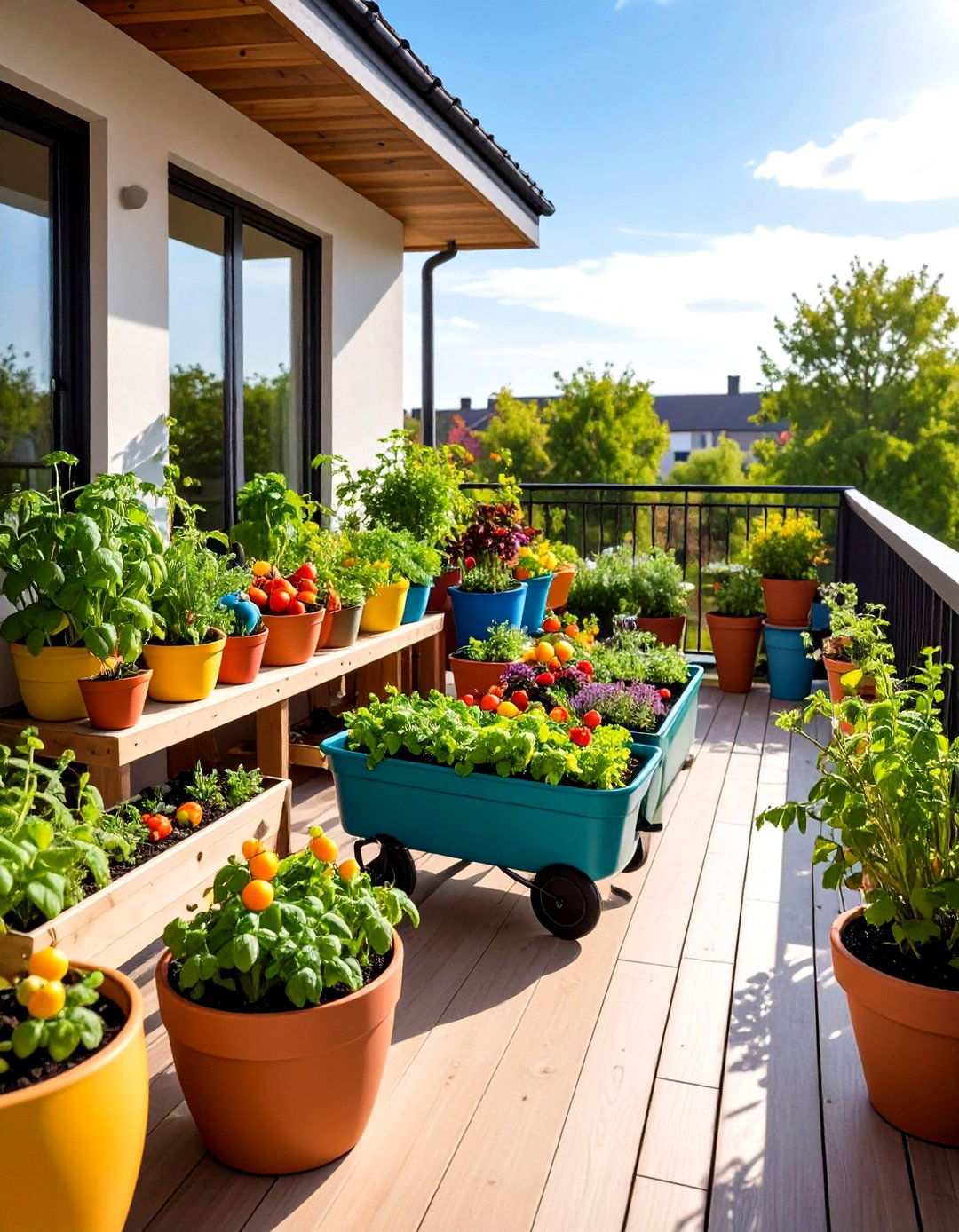
When space is at a premium, consider planting vegetables in containers like pots, self-watering planters, or even repurposed items like wheelbarrows. It’s essential to ensure your containers have excellent drainage and are sized correctly for the specific crop’s root system. This approach is particularly suitable for patios and balconies, as it allows for flexibility in moving plants to optimize sun exposure and protect them from harsh weather conditions. Succession planting in pots also enables a continuous harvest throughout the season, maximizing your yield.

As an Amazon Associate I earn from qualifying purchases.
3. Optimizing Growth with Upward Space
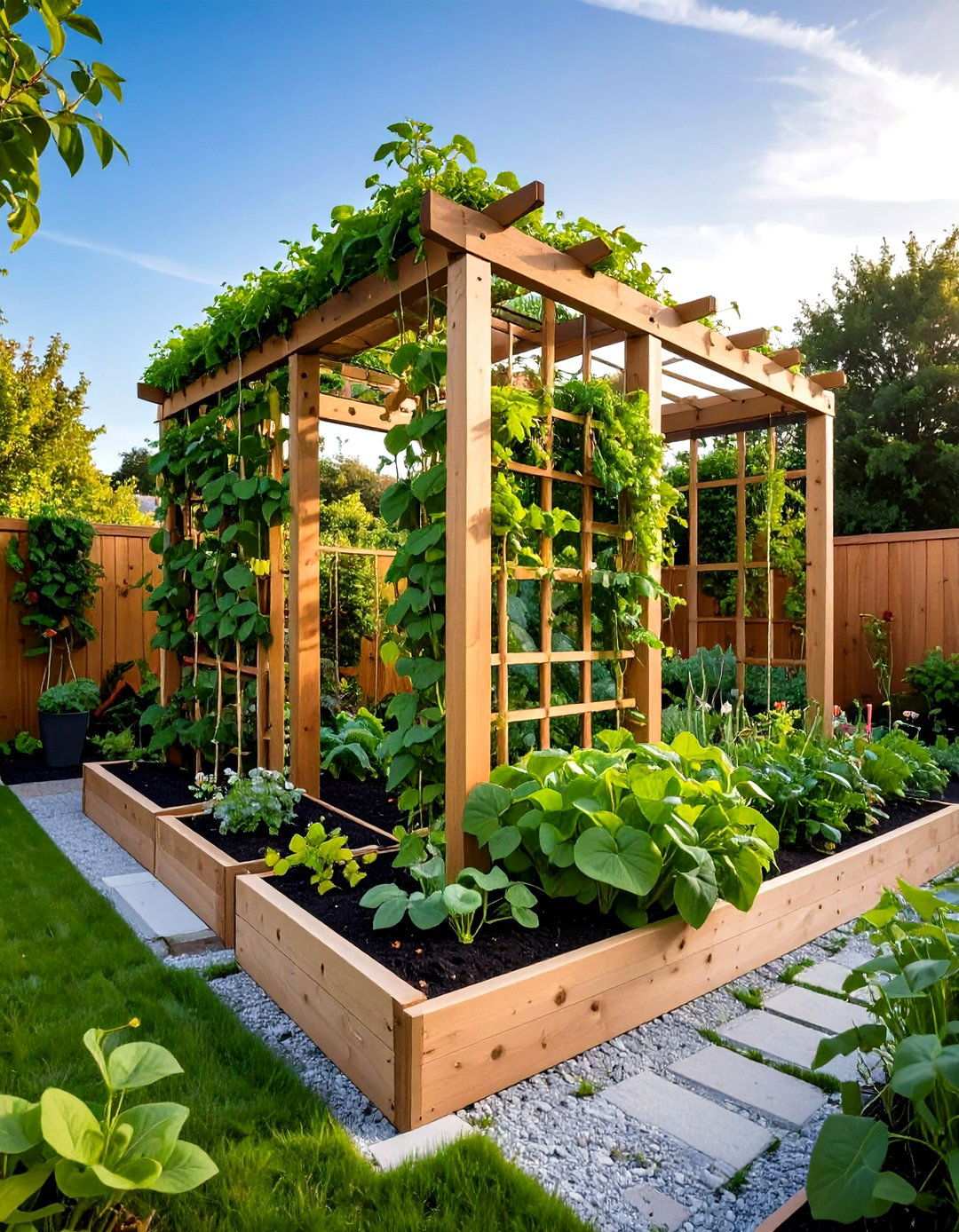
By employing trellises, stakes, or A-frame structures, you can grow vining crops like beans, peas, and cucumbers vertically. This innovative method frees up ground space for other plants, such as leafy greens that thrive in dappled shade, to flourish beneath the supports. Vertical gardening also enhances air circulation around the foliage, reducing disease risk and creating a healthier environment for your plants. A well-designed vertical system can incorporate hanging planters and tiered shelving to maximize every available inch of your garden.
4. Grid-Based Planting Strategies
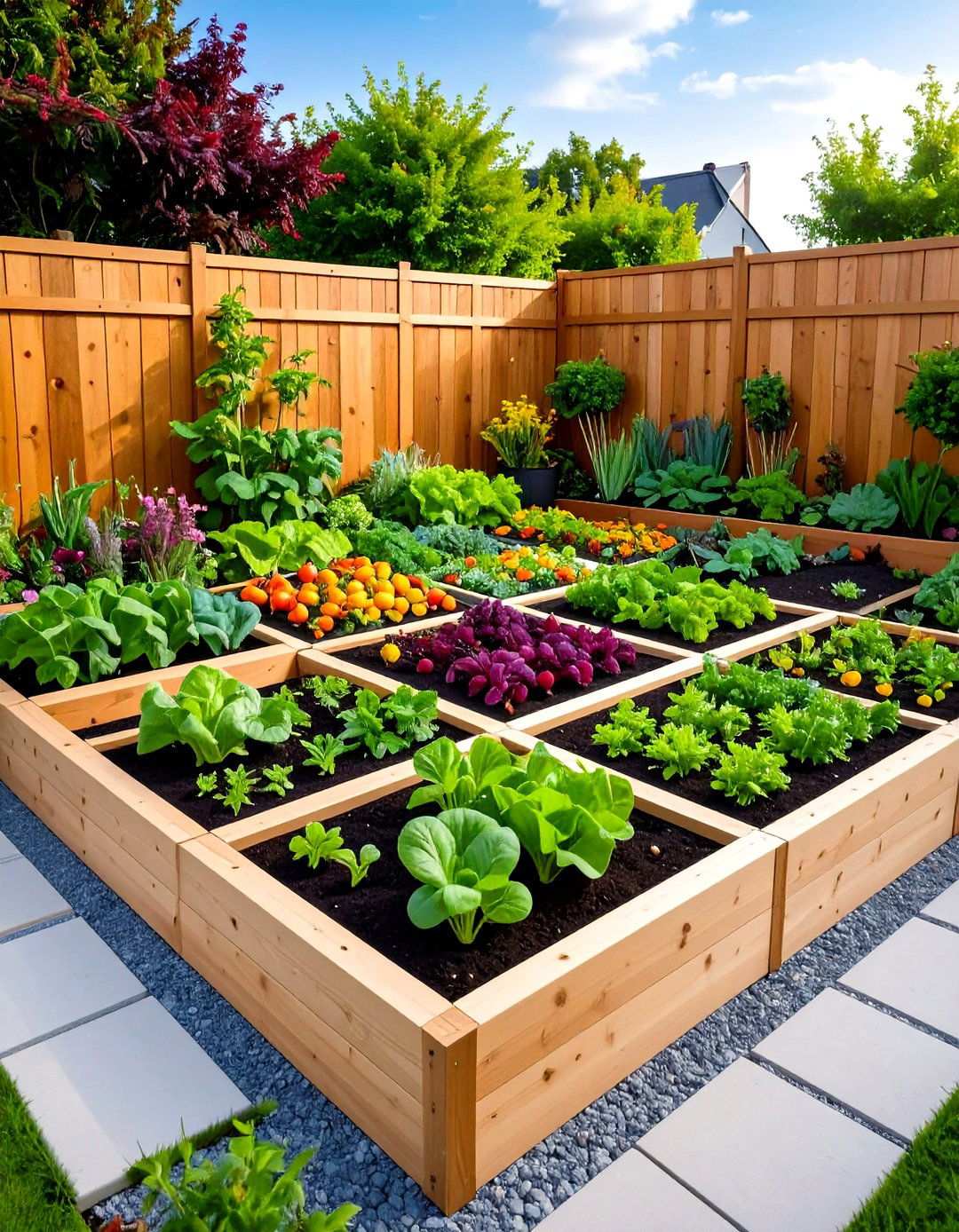
Divide a raised bed or garden plot into one-foot grid squares and grow a specific number of plants per square, based on crop size. This intensive planting method maximizes yields in small areas and simplifies crop rotation and succession sowing. By using a high-quality soil mix, you can densely plant fast-maturing crops like lettuce alongside slower growers like peppers for continuous harvests. The pathways between the grids ensure easy access for watering and harvesting, making this method a popular choice among gardeners.
5. Harmonious Growing Partnerships
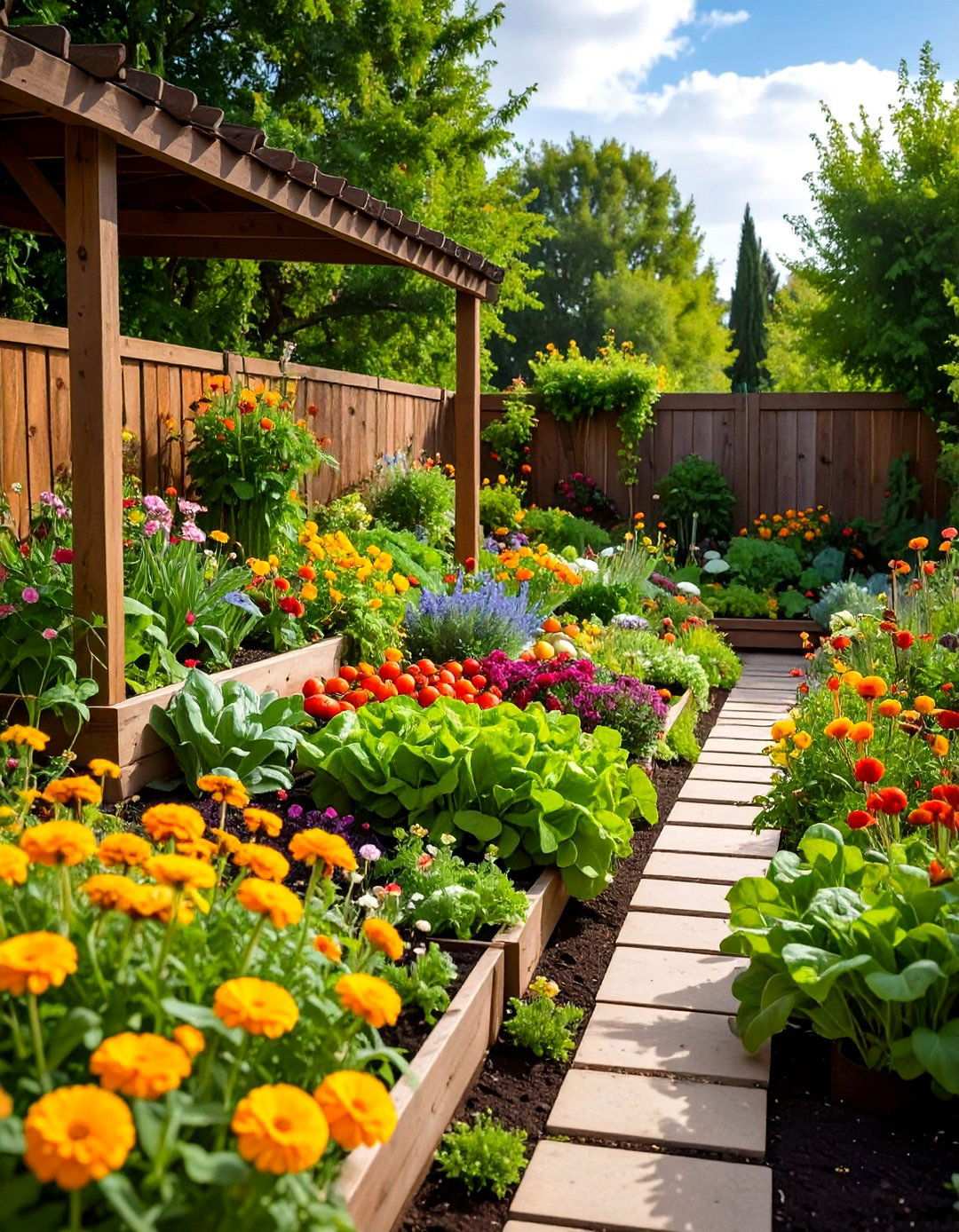
Pair vegetables with flowers or other crops that improve growth, deter pests, or enhance flavor. For instance, planting onions near lettuce repels aphids, while marigolds attract beneficial insects and deter nematodes. Beans fix nitrogen in the soil, benefiting heavy feeders like tomatoes when grown nearby. Thoughtfully selecting companions can significantly reduce chemical inputs and encourage a balanced ecosystem in your garden, promoting healthy and thriving plants.
6. Herb Spiral Design
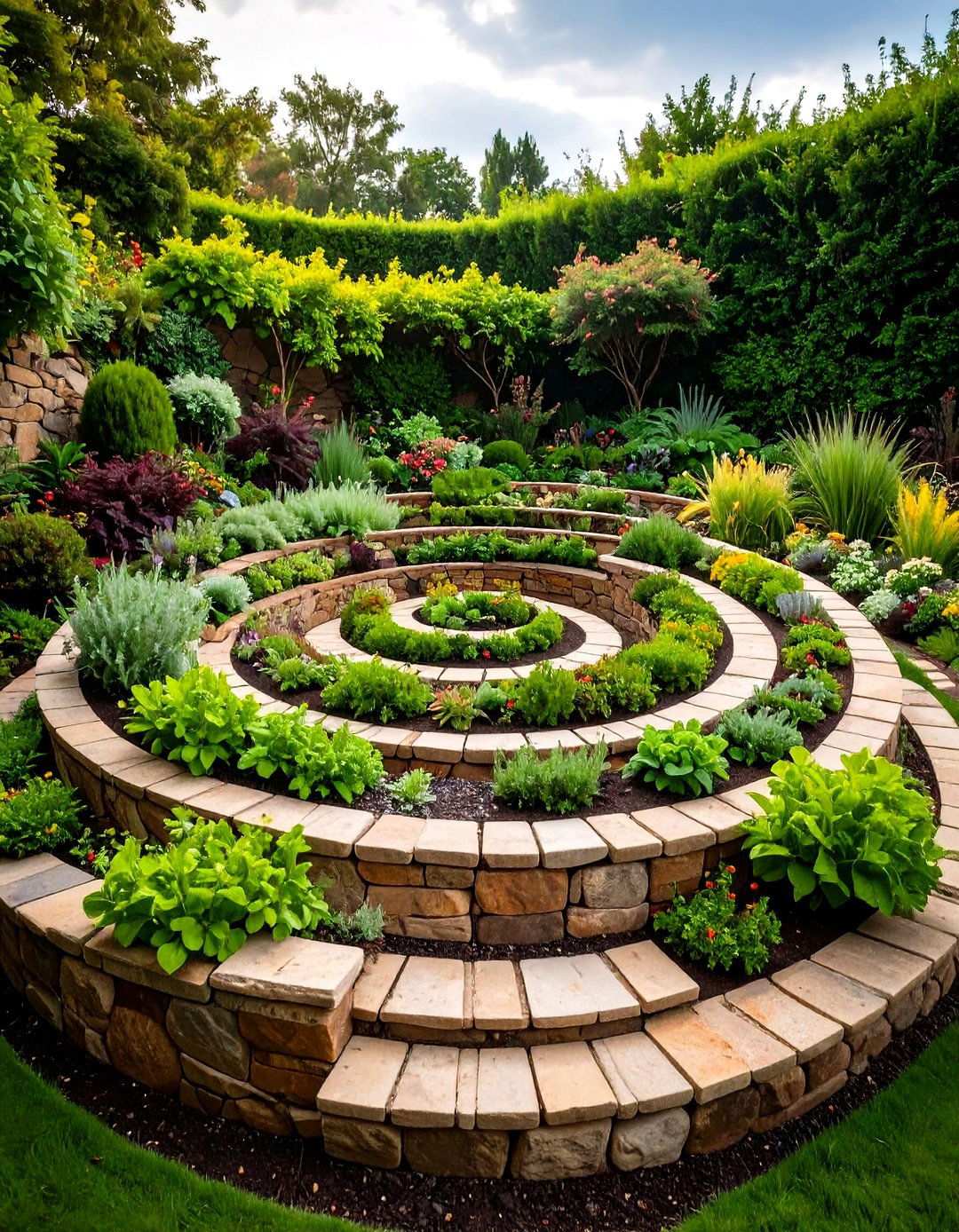
Craft a spiral-shaped raised bed using stones or bricks to create a series of microclimates. The upper tiers provide a dry, sunny environment ideal for Mediterranean herbs, while the lower sections retain moisture, making them perfect for delicate herbs like basil and parsley. This innovative design not only saves space but also enhances the growing area by up to 30 percent compared to traditional flat beds. The spiral’s design also promotes easy harvesting from all sides, and by integrating herbs with vegetables like tomatoes and peppers, you can enjoy improved pest resistance and flavor profiles.
7. No-Dig Gardening
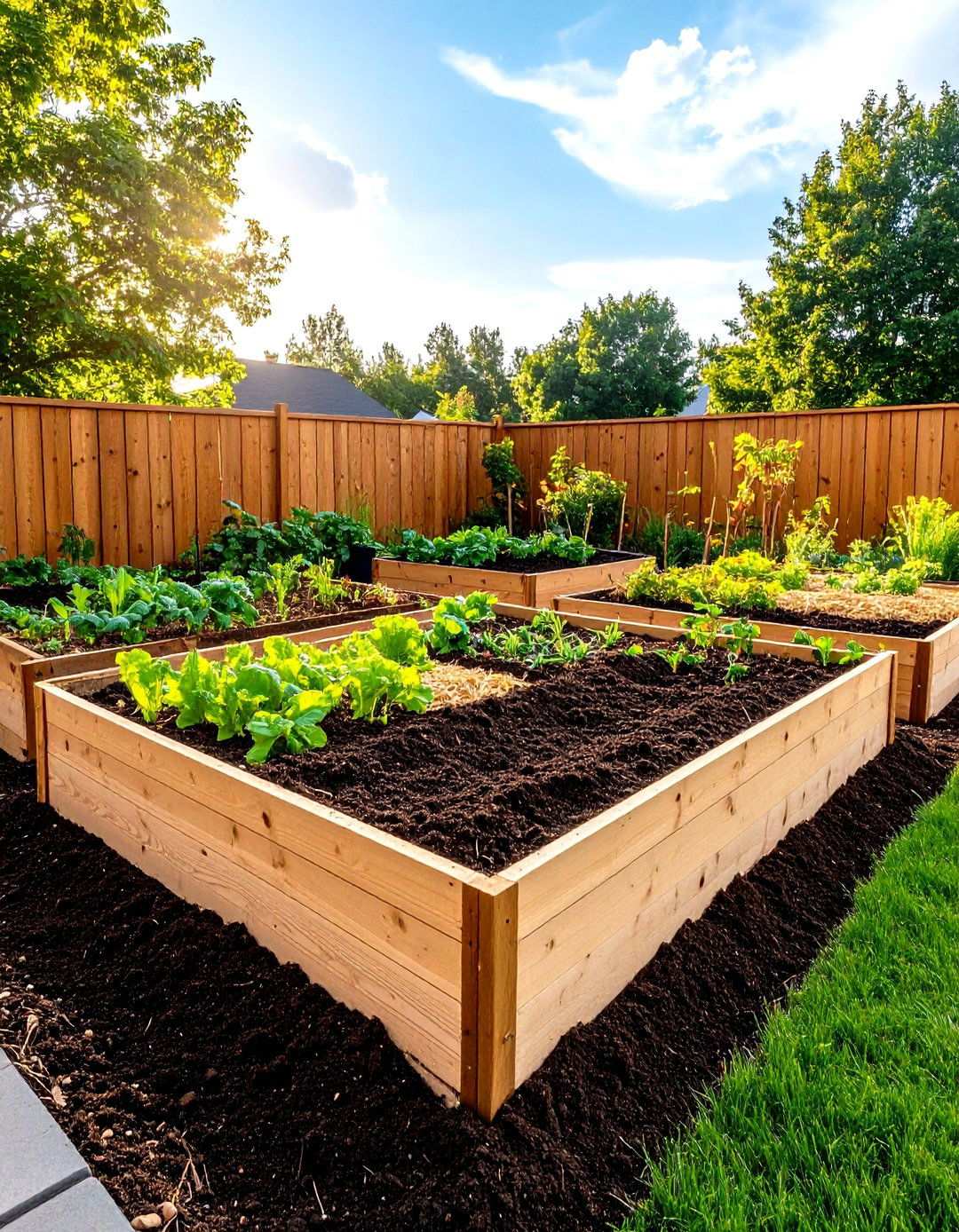
Abandon traditional tilling methods and instead build beds by layering organic materials such as cardboard, straw, compost, and manure on top of the lawn or existing soil. Over time, these layers break down into rich, nutrient-dense soil that supports healthy root development and significantly reduces weed growth. By adopting no-dig gardening practices, you can enhance soil structure and microbial activity, resulting in stronger, more resilient plants that require minimal labor and maintenance.
8. Pallet Garden
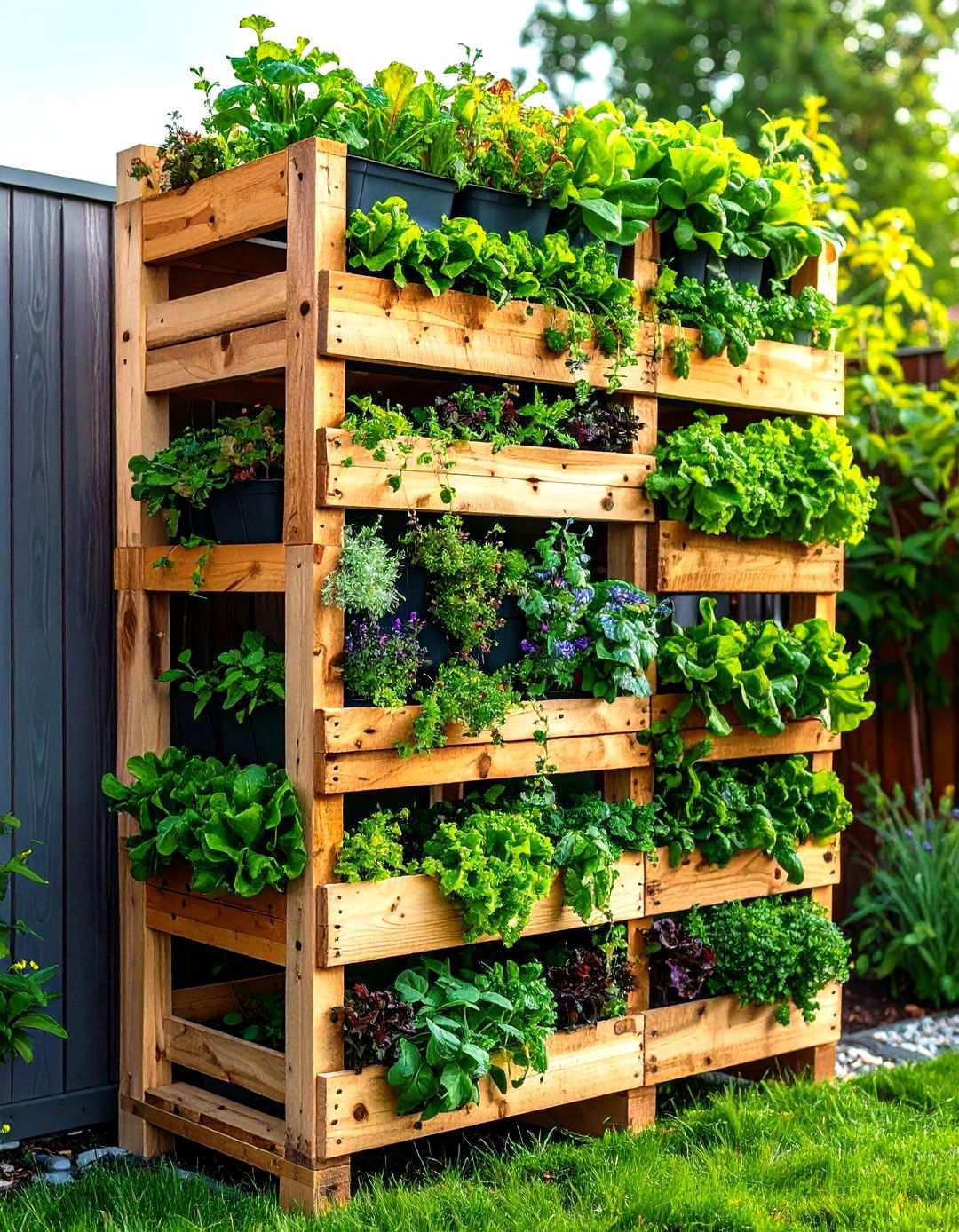
Upcycle discarded wooden pallets into space-saving, vertical planters by securing landscaping fabric and filling rows with potting mix. Pallet gardens are ideal for shallow-rooted crops such as salad greens, herbs, and strawberries, and can be leaned against a wall or fence to maximize floor space. This budget-friendly, DIY approach to gardening is highly customizable in height and width, making it suitable for any spot in your yard.
9. Hugelkultur Beds
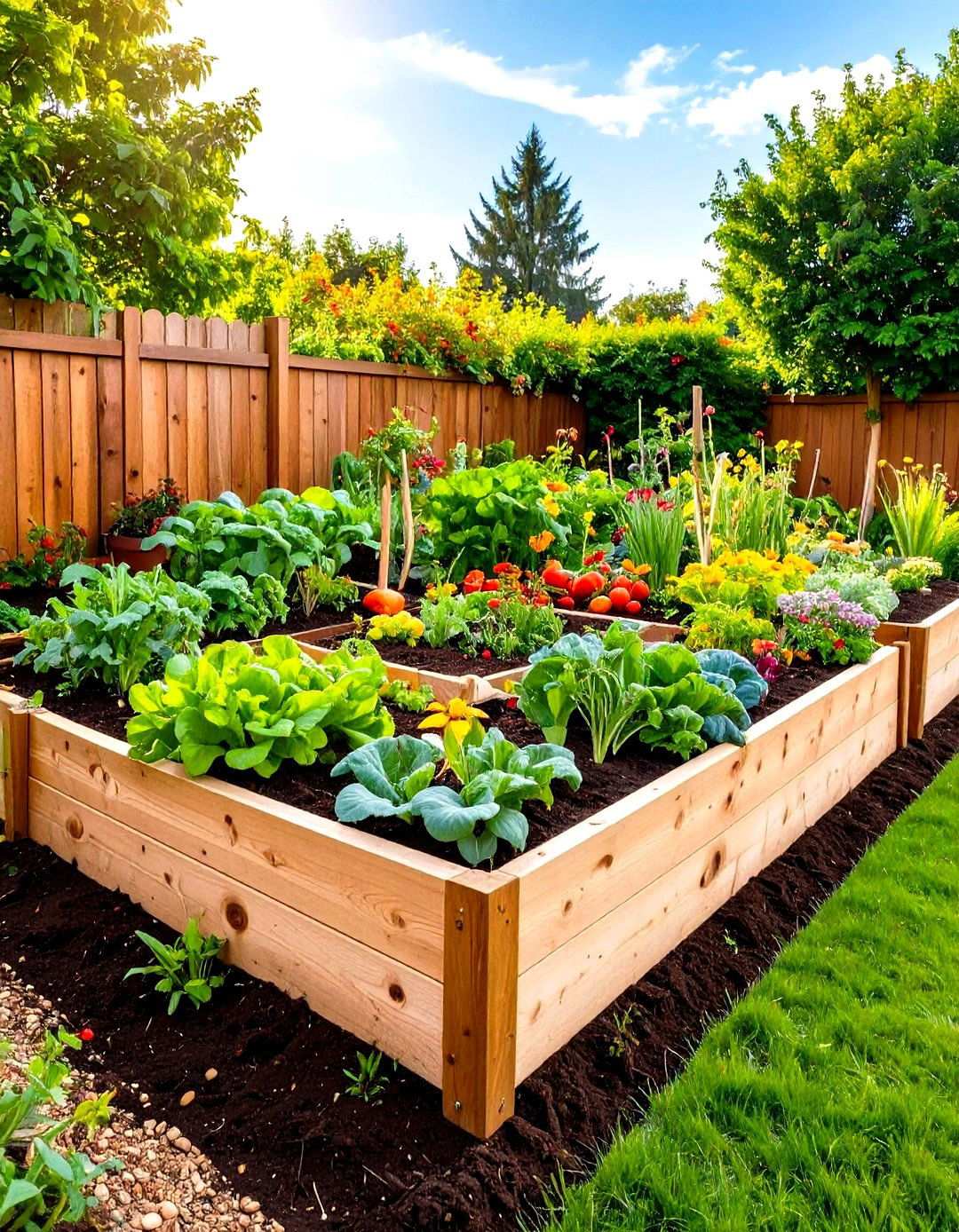
Create raised mounds by burying logs, branches, and organic debris, then topping with compost and soil. As the wood decomposes, it releases vital nutrients and retains moisture, reducing the need for irrigation. Hugelkultur beds can last for several seasons, supporting the vigorous growth of root crops like potatoes and carrots. The mounded shape also improves drainage, making it an ideal solution for gardeners in wetter climates.
10. Keyhole Garden
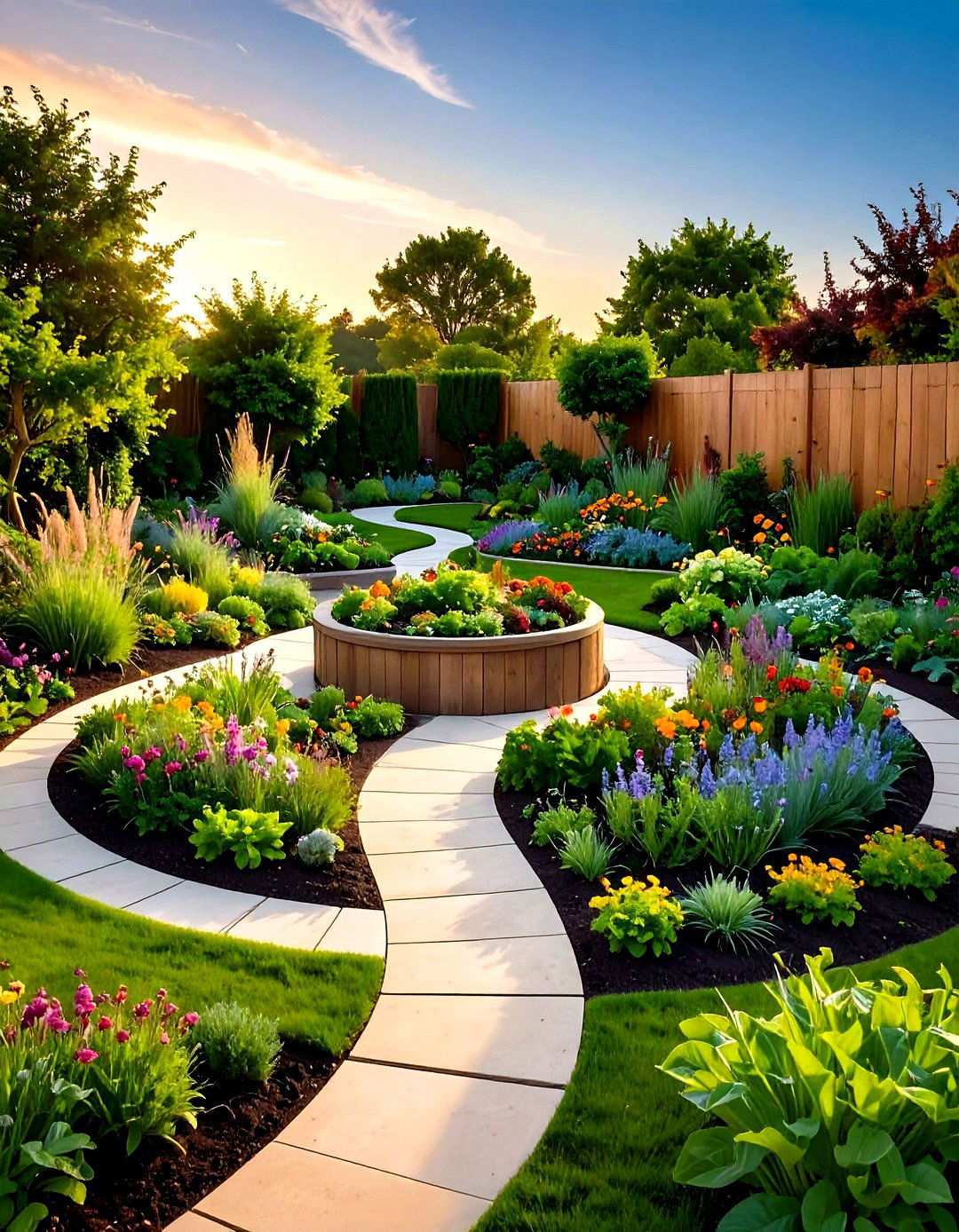
Design a circular raised bed with a wedge-shaped cutout, often referred to as a “keyhole,” that grants you easy access to its center. This layout is often built around a composting basket, providing a streamlined path for water and nutrients to seep into surrounding soil. Keyhole gardens are designed to be water-efficient and space-saving, making them perfect for gardeners living in arid regions or those with limited mobility.
11. Straw Bale Gardening
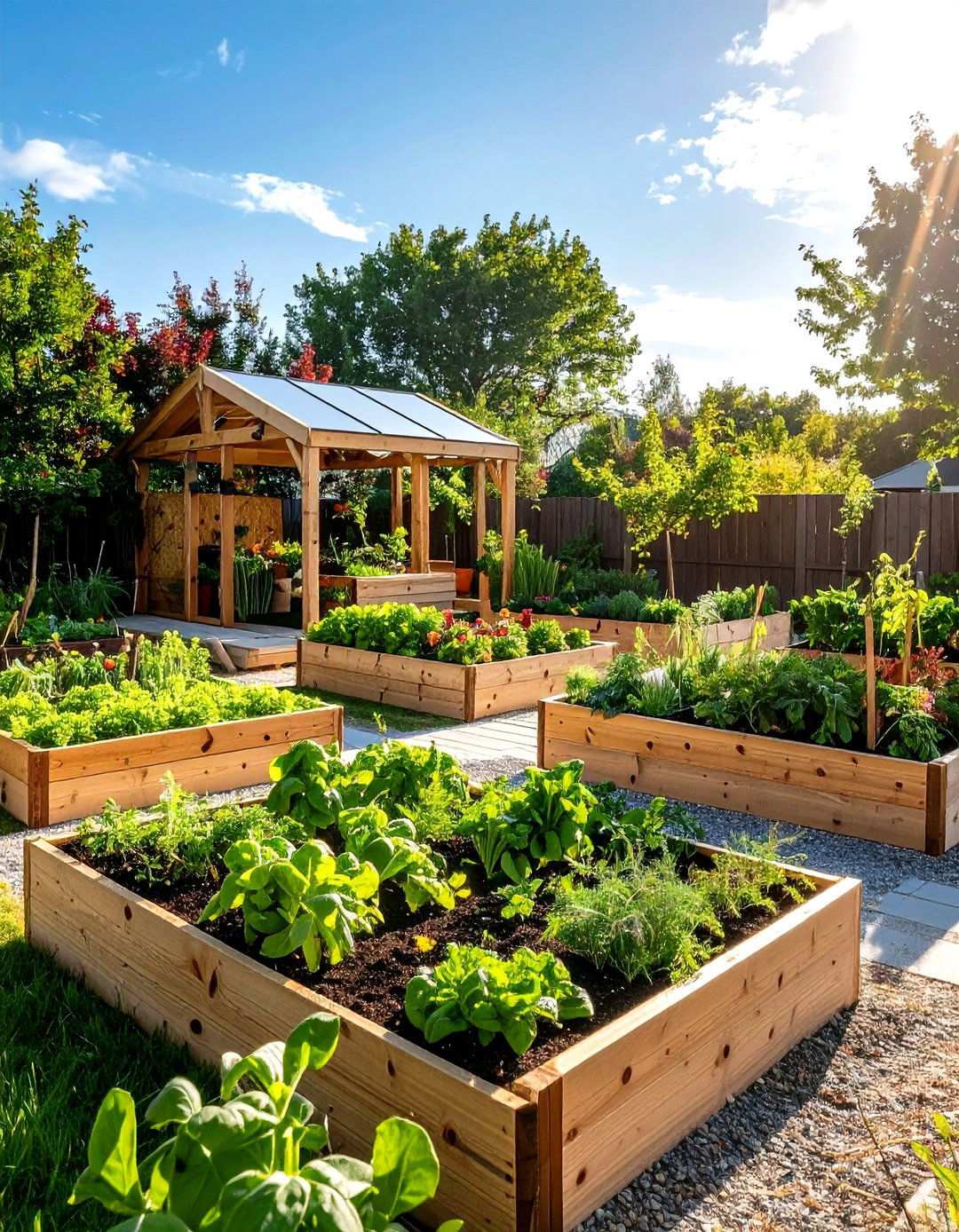
Harness the potential of straw bales as growing containers by conditioning them with water and nitrogen fertilizer for two weeks, then planting seeds or seedlings directly into the bale’s surface. The decomposing straw generates heat, extending the growing season, and provides excellent moisture retention, creating an ideal environment for plant growth. At season’s end, the bales break down into compost, enriching your soil and setting it up for future gardening success.
12. Aquaponics System
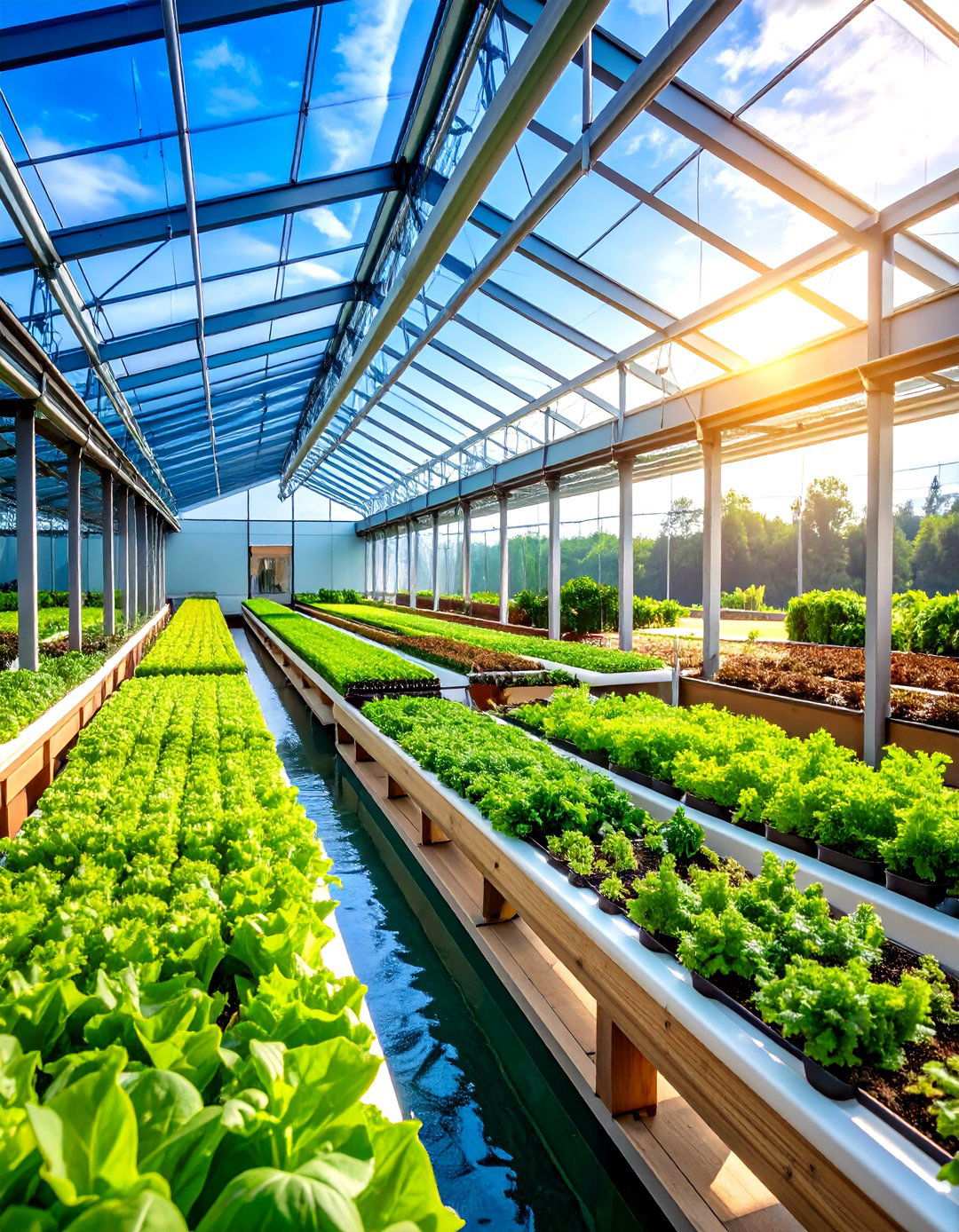
Combine the benefits of fish farming and hydroponics to create a closed-loop system where fish waste provides essential nutrients for plants, and the plants filter the water for the fish. Aquaponics requires minimal soil, uses up to 90 percent less water than traditional gardens, and produces both fish and vegetables like lettuce and herbs. While the initial setup costs can be higher, the system offers year-round production and space efficiency, making it an attractive option for gardeners seeking a low-maintenance and sustainable solution.
13. Maximizing Space with Hydroponic Towers
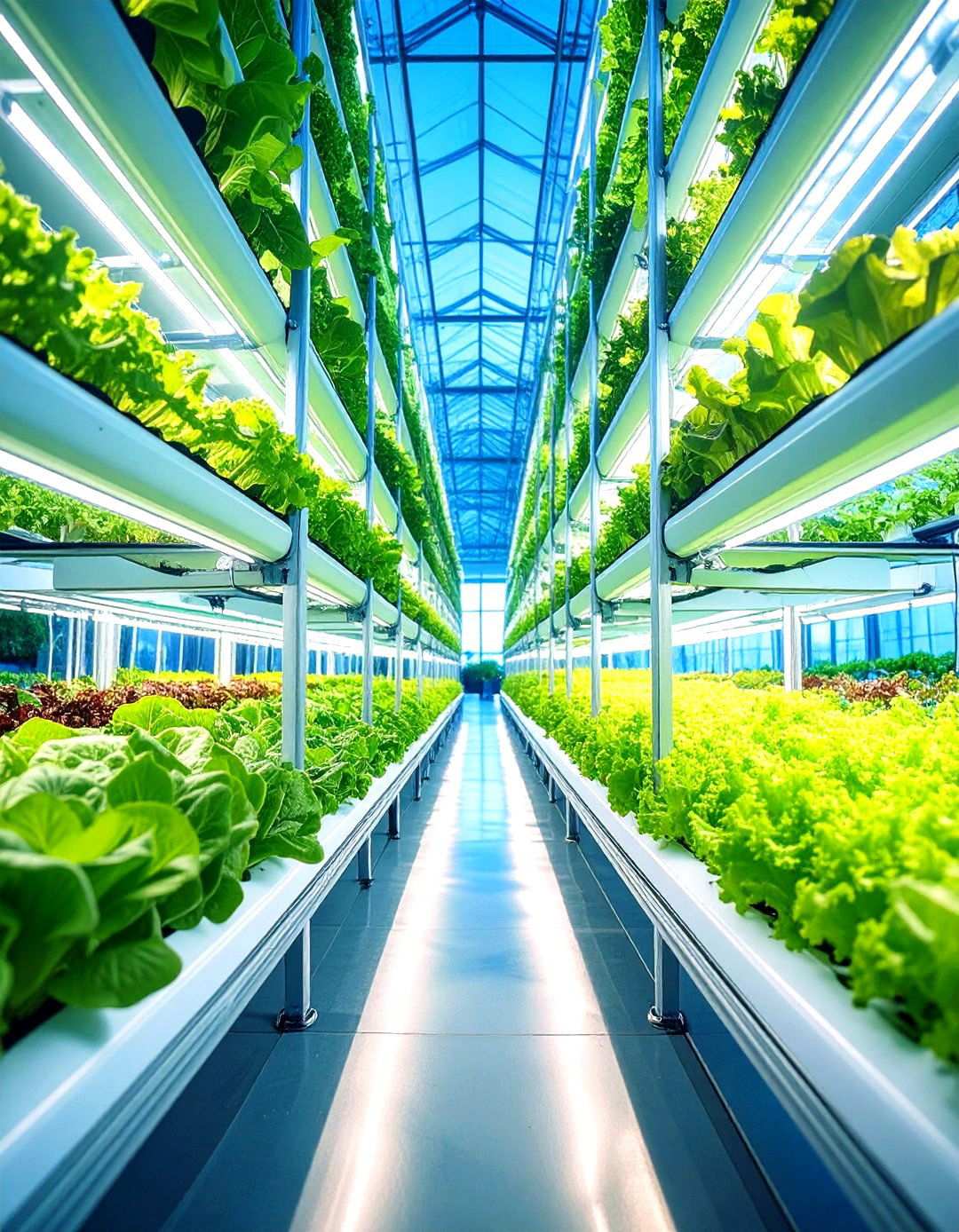
Hydroponic towers have revolutionized the way we grow vegetables, allowing for a high-density yield in a remarkably small footprint. These vertical gardens, often referred to as tower gardens, can accommodate up to 30 plants per tower, making them ideal for patios, greenhouses, or any space-constrained area. By reducing soil-borne diseases and streamlining pest management, hydroponic towers offer a practical solution for indoor and outdoor gardening.
14. Expanding Horizons with Tiered Planter Structures
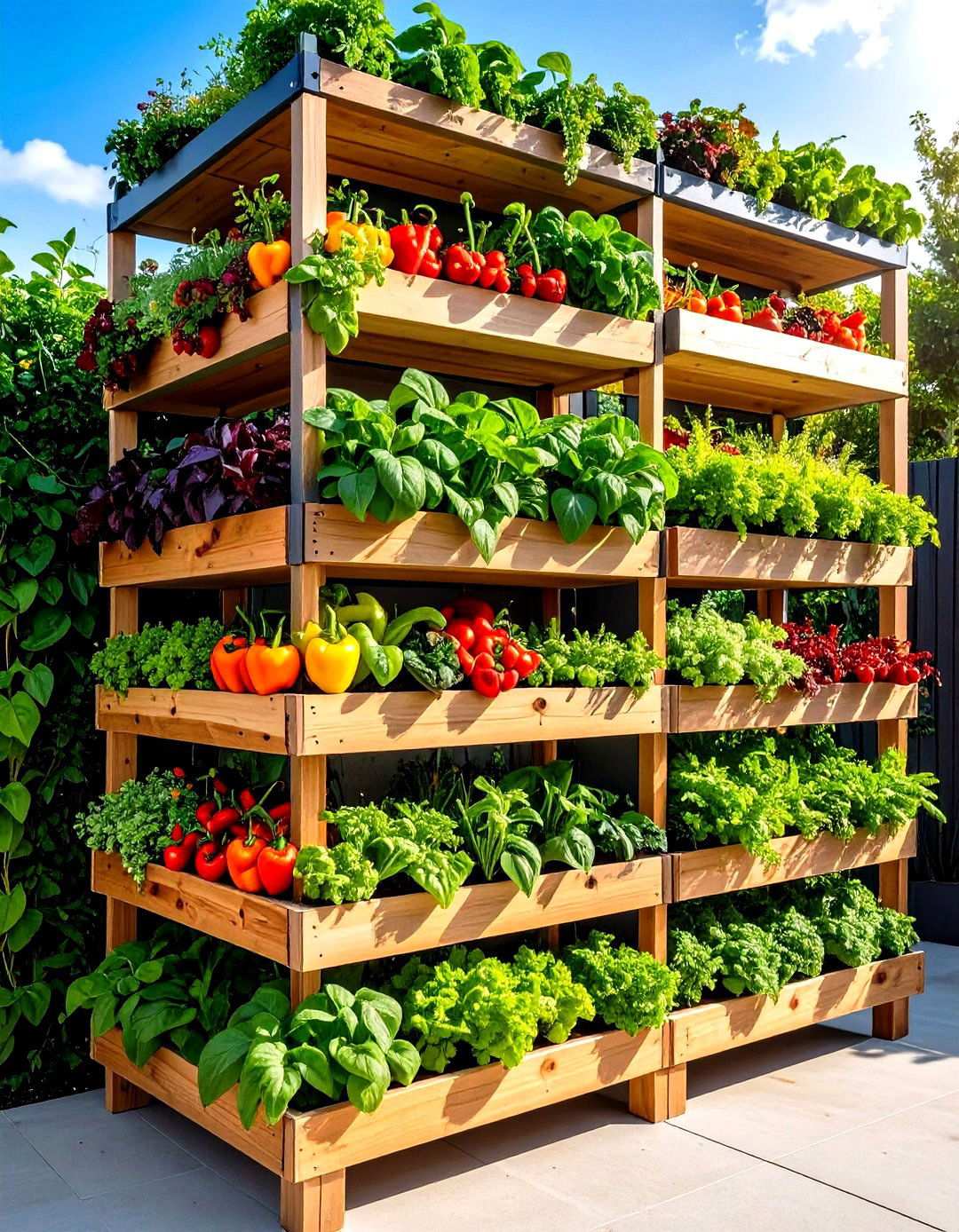
Tiered planter boxes or platforms create a visually striking cascade of plants, maximizing vertical space and adding an artistic touch to your garden. By alternating sun-loving plants like peppers and eggplants with shade-tolerant crops like spinach and chard, you can create a thriving ecosystem that caters to diverse plant requirements. This multi-level design is a perfect blend of functionality and visual appeal.
15. Aerial Harvesting: Hanging Basket Gardens
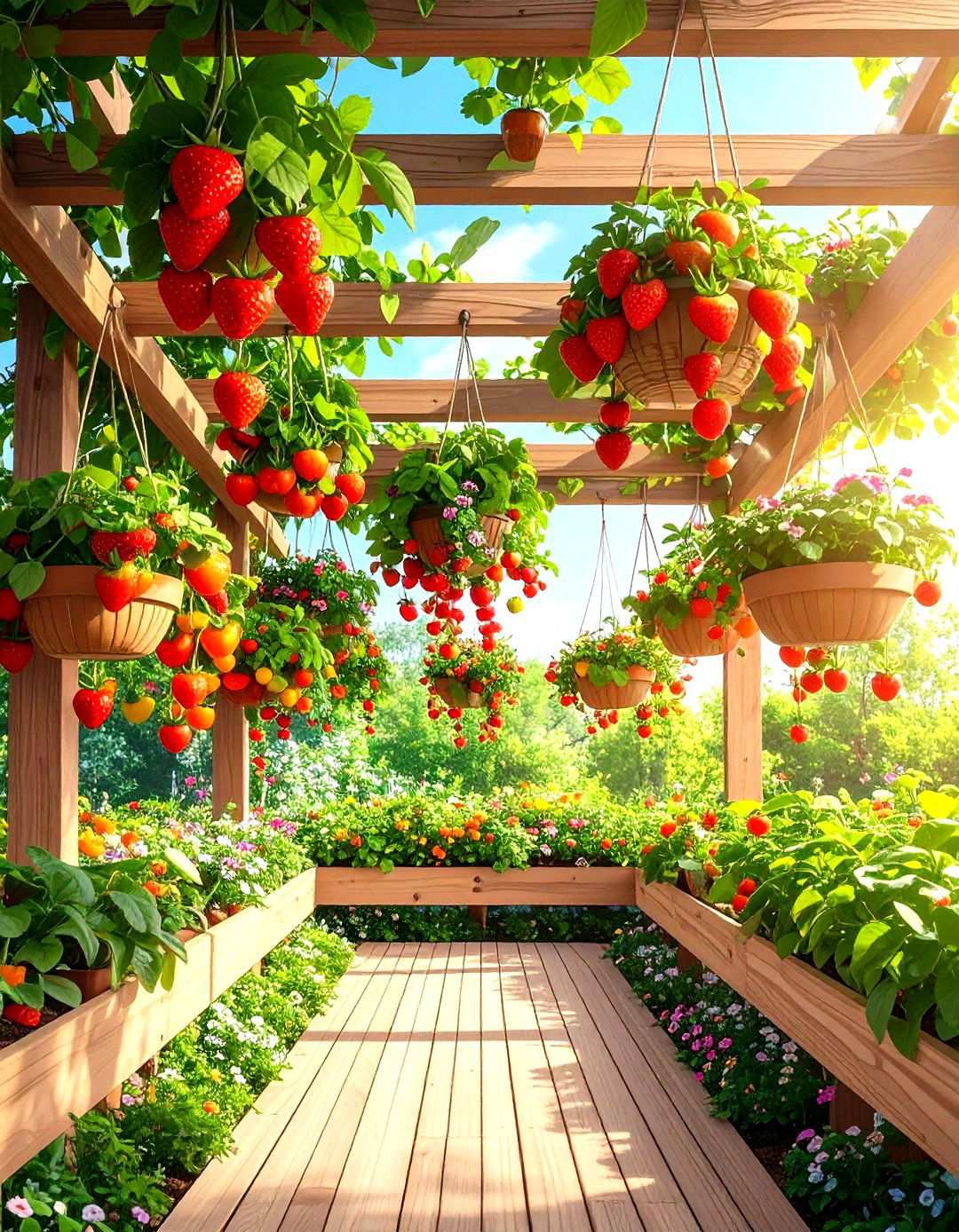
Hanging baskets filled with trailing vegetables like strawberries, cherry tomatoes, and small peppers can be suspended from pergolas, eaves, or dedicated frames, keeping your produce safe from ground-dwelling pests. This clever gardening solution is particularly beneficial for rental properties where in-ground beds are not feasible. Regular feeding and adequate watering ensure a healthy yield in these innovative planters.
16. Extending Harvest Seasons with Succession Planting
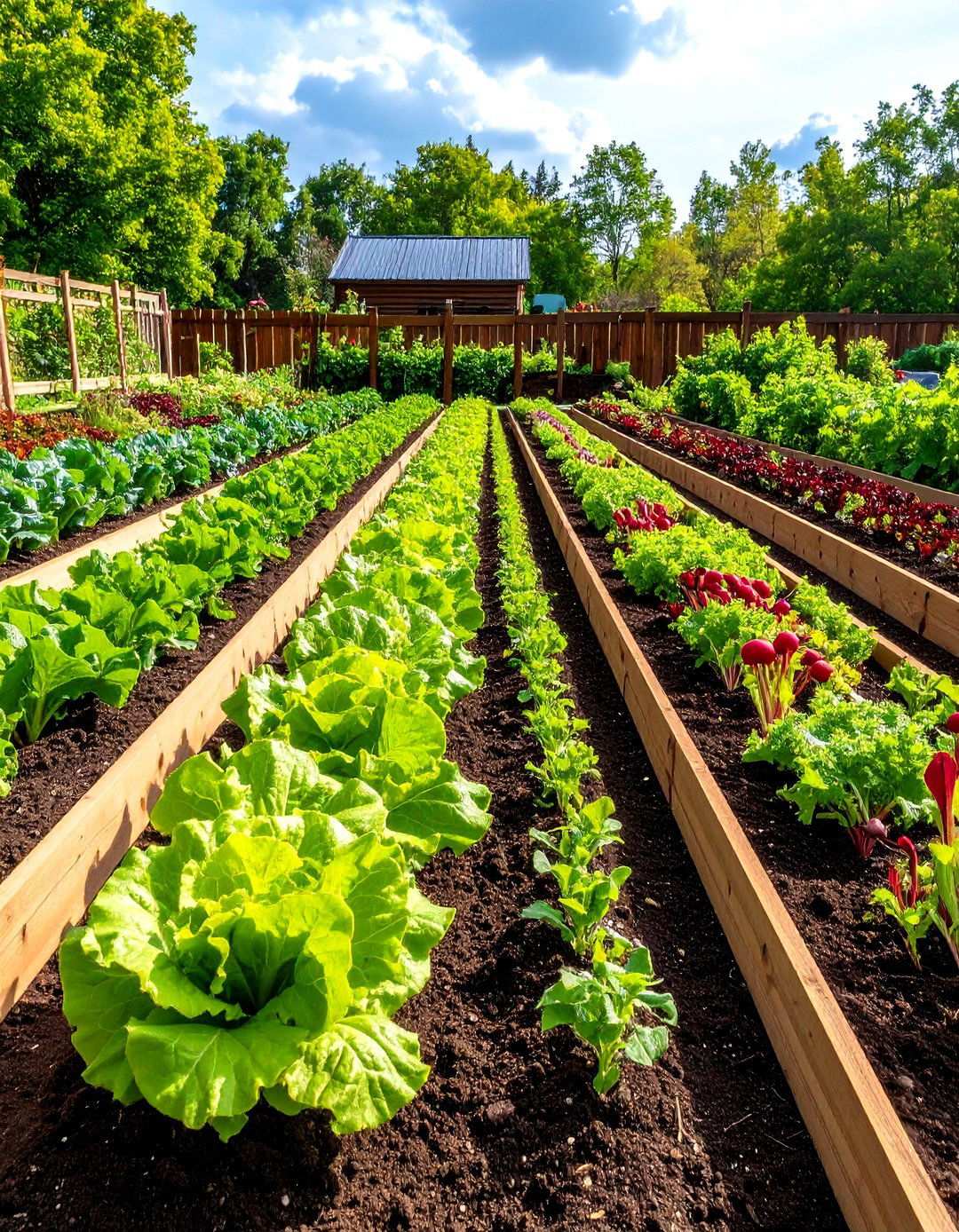
Staggered sowing dates of the same crop every few weeks ensures a continuous harvest, preventing gaps in production. As one planting matures, the next is ready to flourish, optimizing space and reducing waste. Succession planting works wonders with fast-growing greens, radishes, and bush beans, while longer-season crops like tomatoes can follow early peas to create a seamless harvest cycle.
17. Cultivating Resilience with Polyculture Garden Design
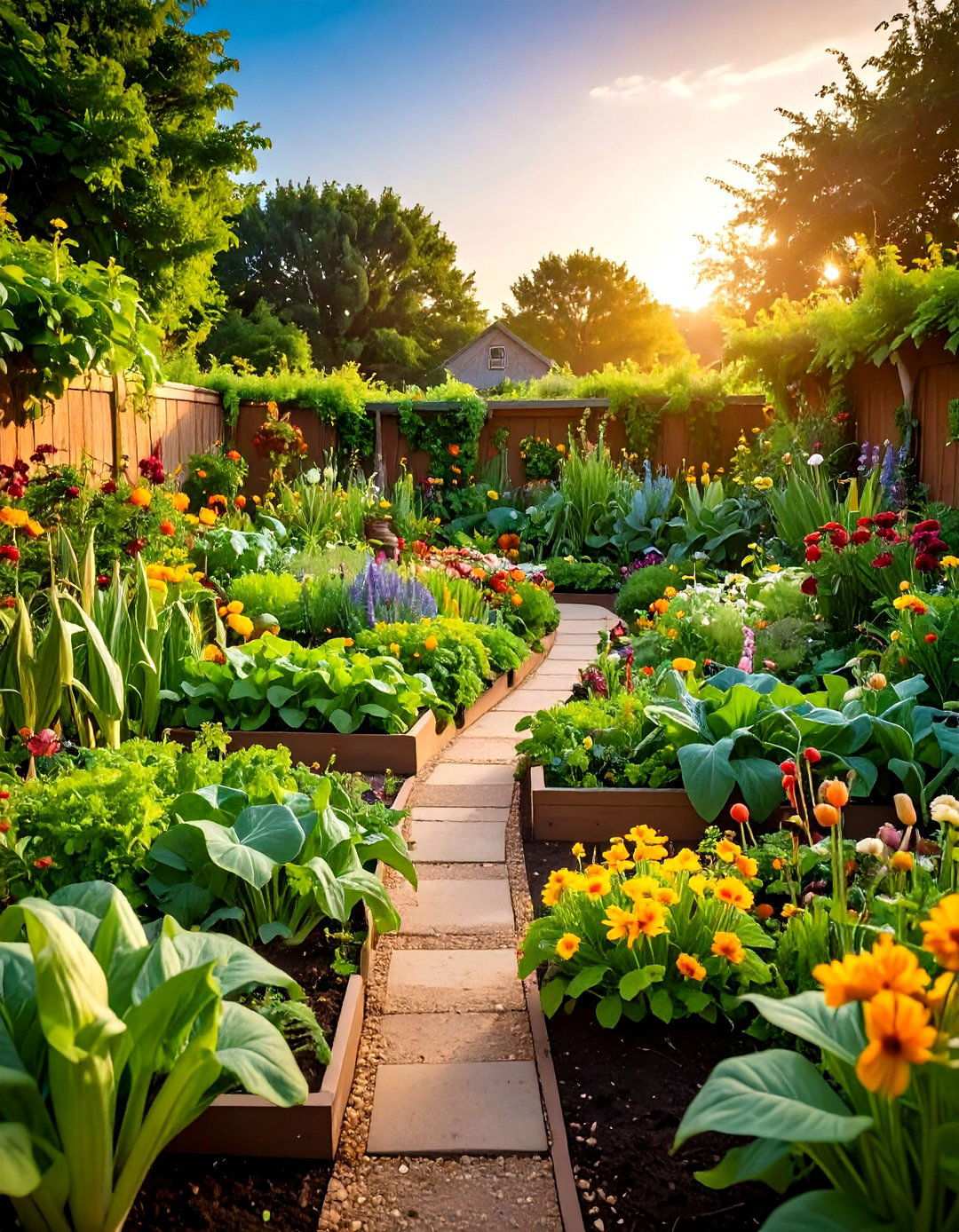
Polyculture garden design emulates natural ecosystems by growing multiple species together in guilds, such as the classic “Three Sisters” combination of corn, beans, and squash. This approach fosters biodiversity, reduces pests naturally, and enhances resilience against weather extremes. Thoughtful plant combinations can include dynamic accumulators like comfrey and pollinator-attracting flowers, fostering a balanced ecosystem.
18. Creating a Haven for Beneficial Wildlife
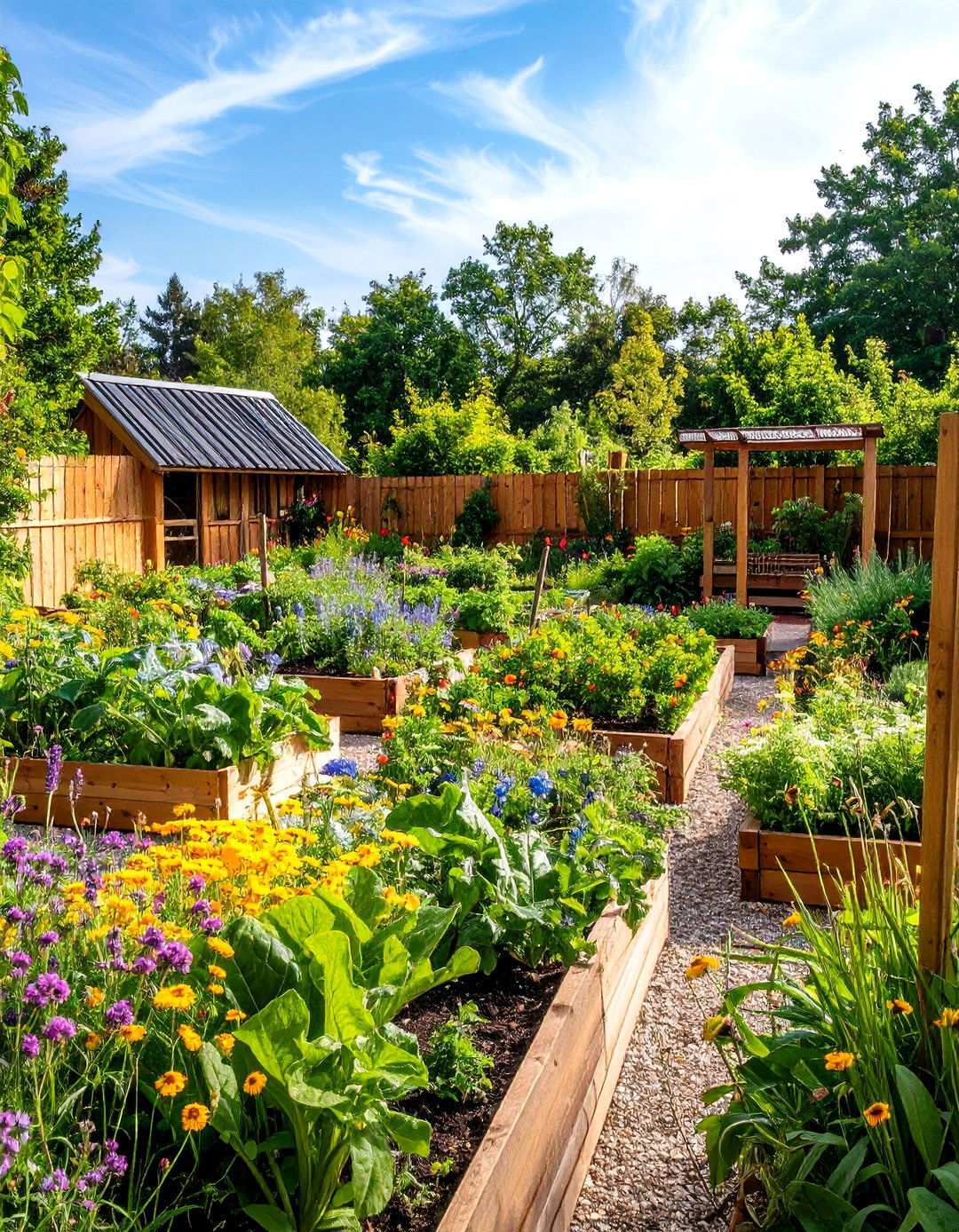
Incorporating native flowering plants, hedgerows, and insect-hotel structures attracts pollinators and beneficial insects, while creating habitat for predators like ladybugs and lacewings helps control pests without chemicals. A small water feature, such as a shallow birdbath, also supports birds and amphibians that prey on slug and snail pests, promoting a balanced ecosystem.
19. Elevating Your Garden with Edible Flower Integration
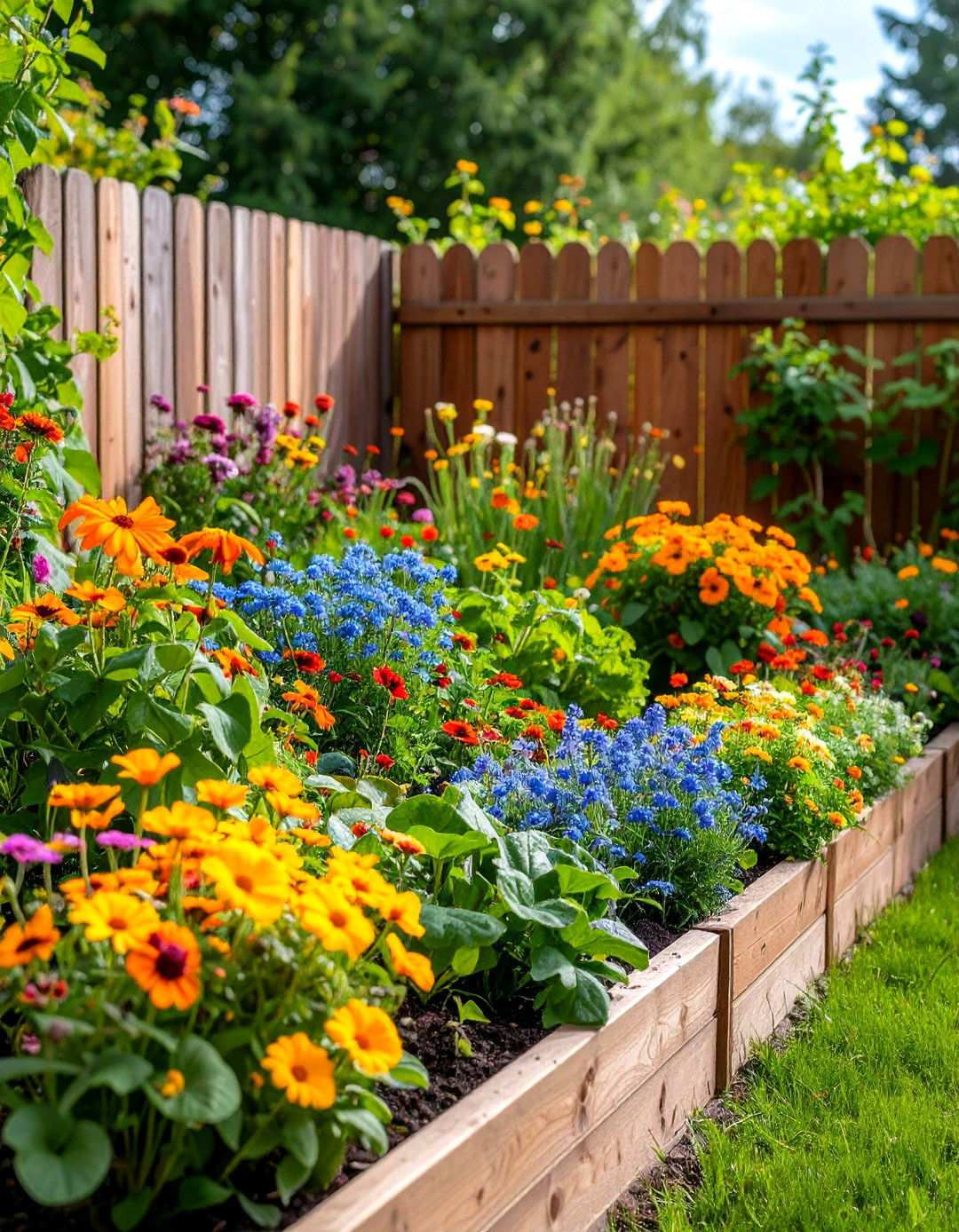
Integrating edible flowers like nasturtiums, calendula, and borage among vegetables adds color, attracts pollinators, and deters pests. Many edible flowers offer culinary delights, such as the peppery flavor of nasturtium leaves and blooms, while calendula petals can be used in salads and teas. This dual-purpose approach not only enhances aesthetics but also boosts productivity, making your garden a true culinary haven.
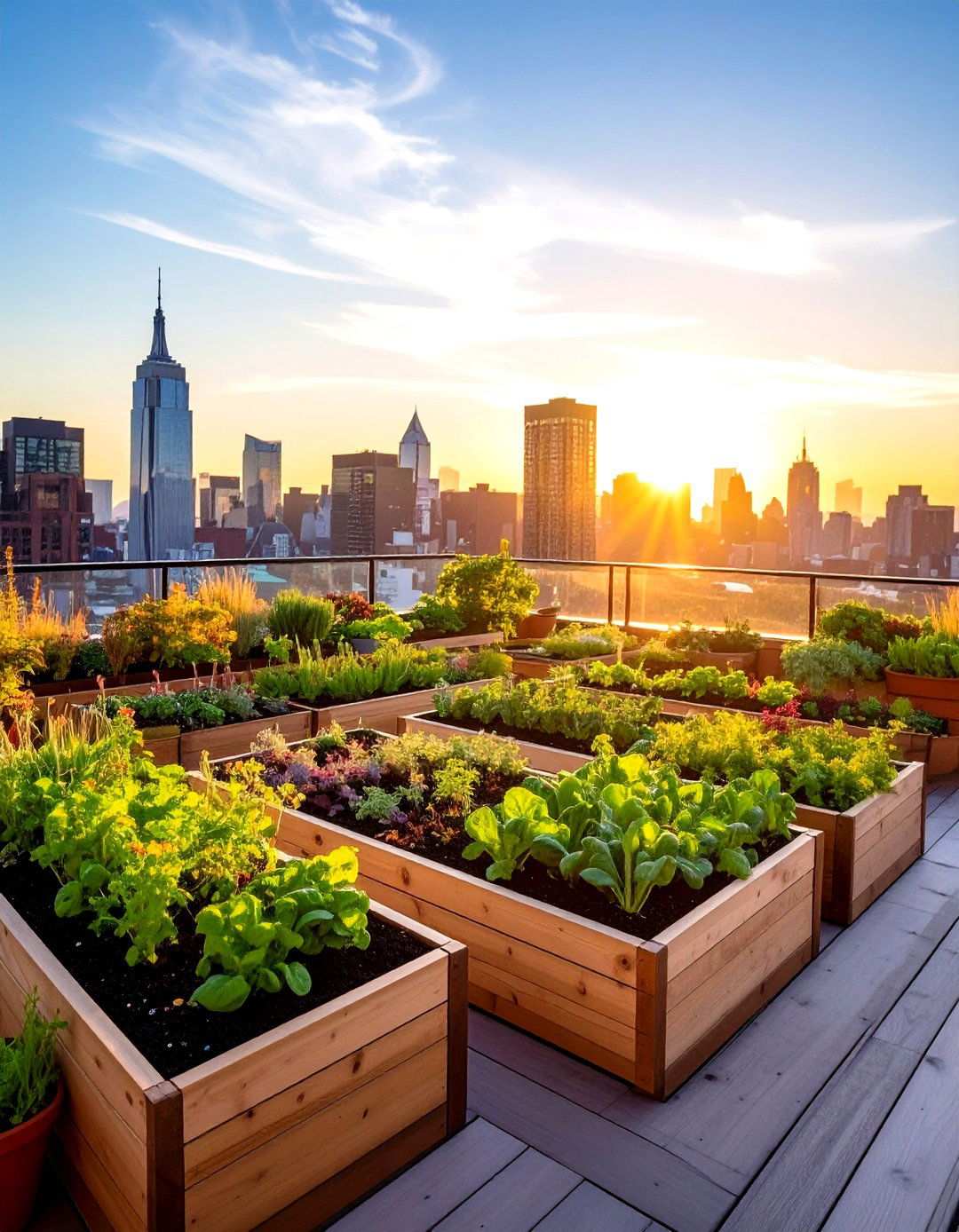
20. Elevated Urban Oasis in the Sky
Reimagine flat rooftops as vibrant, thriving spaces where gardening meets innovation. This is achieved by implementing lightweight raised beds or container systems that are integrated with efficient irrigation systems. Select shallow-rooted crops such as leafy greens and radishes, which not only require minimal maintenance but also produce bountiful harvests. To ensure the structural integrity and stability of these rooftop gardens, add protection against harsh winds by incorporating panels or trellises. By doing so, urban rooftop gardens not only mitigate the urban heat island effect but also provide insulation and serve as secluded, elevated sanctuaries for cultivating a multitude of fresh produce varieties.