1. Harmonious Contrast: Black Siding Meets Warm Cedar Accents
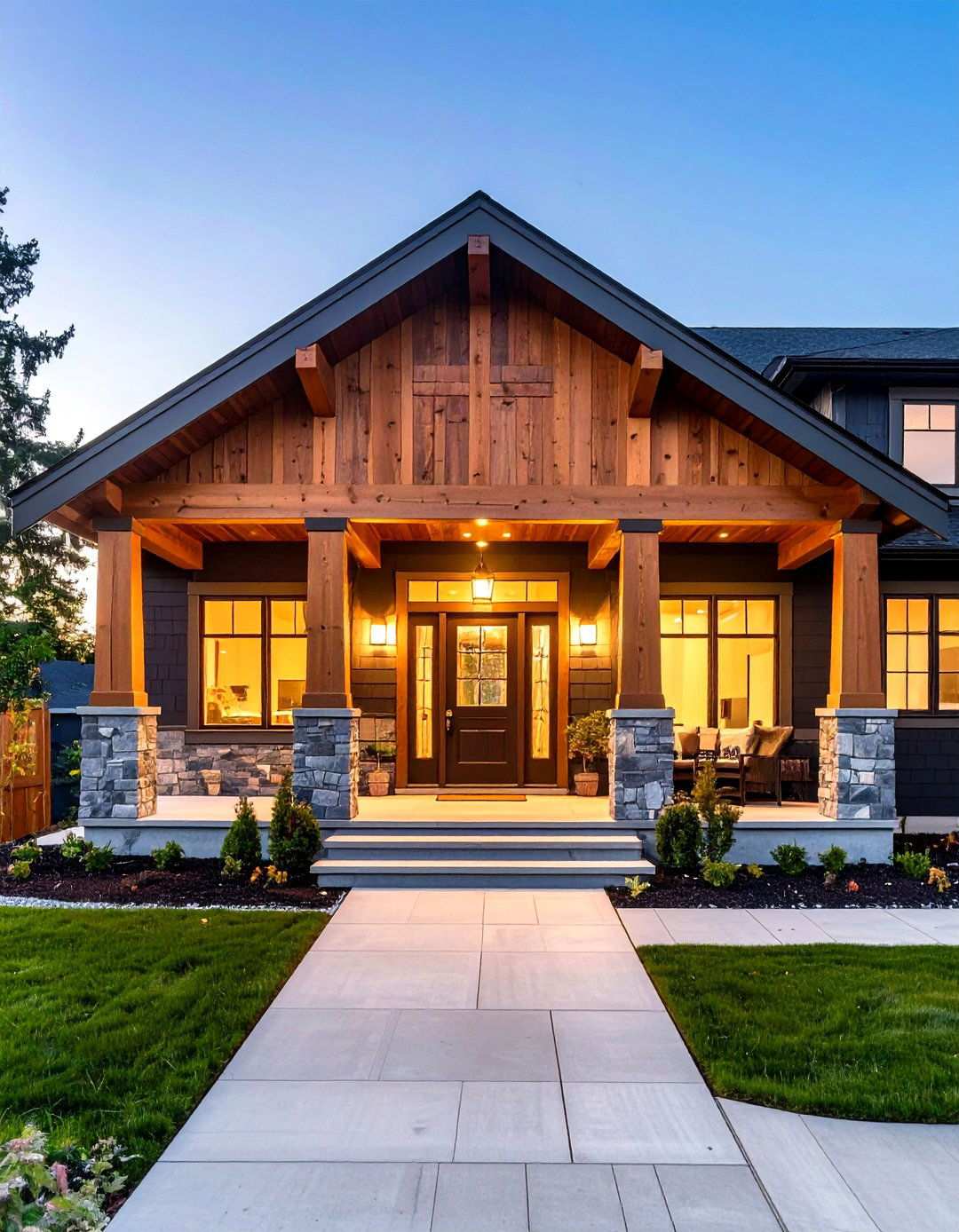
Designers have long fallen in love with the striking contrast of black exteriors paired with the rich warmth of cedar. This trend is not just a fleeting style; it has evolved into a defining characteristic of contemporary home design. The unique combination of dark, charred cladding and cedar’s golden grain creates a captivating visual effect that adds depth and character to a home’s façade. What’s more, cedar’s durability and resistance to moisture, insects, and decay ensure that this aesthetic remains crisp and vibrant for decades to come.
Beyond its aesthetic appeal, this design trend offers practical benefits. Cedar is an ideal choice for finishes, allowing for easy application and supporting robust rain-screen assemblies. Moreover, darker façades have a visually downsizing effect, enabling large homes to blend seamlessly into their surroundings. By incorporating cedar accents, homeowners can create a balanced and inviting exterior that nestles quietly into its site.

As an Amazon Associate I earn from qualifying purchases.
2. Creating Depth with Cedar and Matte Black Cladding
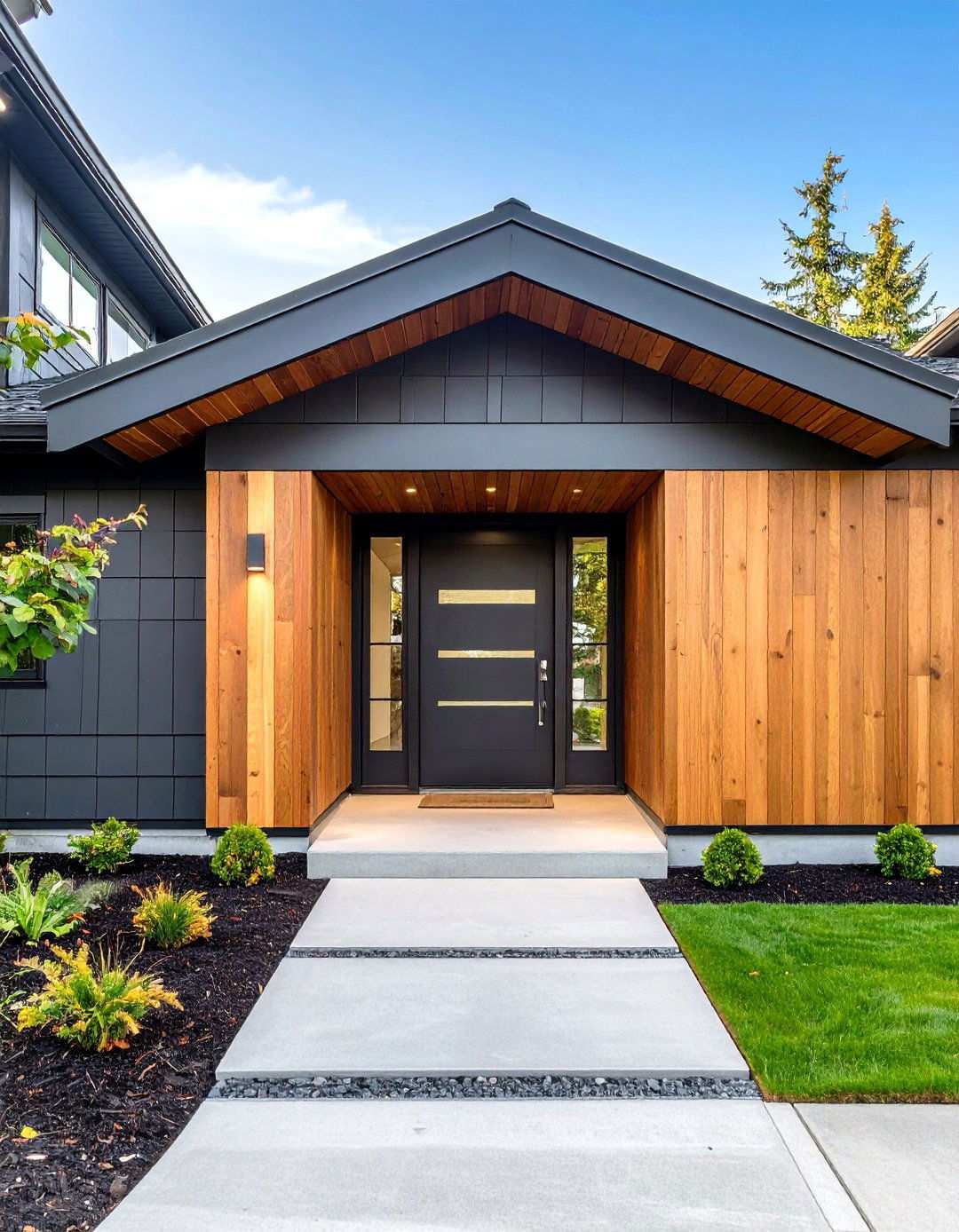
A striking visual effect can be achieved by combining the warmth of cedar with the sleek, matte black cladding that dominates the exterior of many modern homes. By using vertical cedar slats recessed under a deep roof plane, designers can create a cinematic sense of depth and draw the eye inward. This tactic is exemplified in Oregon’s Black Butte Lodge, where charred cedar volumes were used to bookend lighter cedar, emphasizing the threshold and creating a sense of drama. To replicate this effect, stagger cedar slats in alternating widths and space them ¼ inch apart to create animated shadow lines that add visual interest.
To maintain the integrity of the cedar, use clear oil to protect the wood and keep the hue honest. Avoid using semi-transparent stains, as they can blotch the surface of the cedar. By combining these design elements, homeowners can create a striking exterior that is both visually appealing and functional.
3. Elegant Roofline Detailing with Cedar Trim
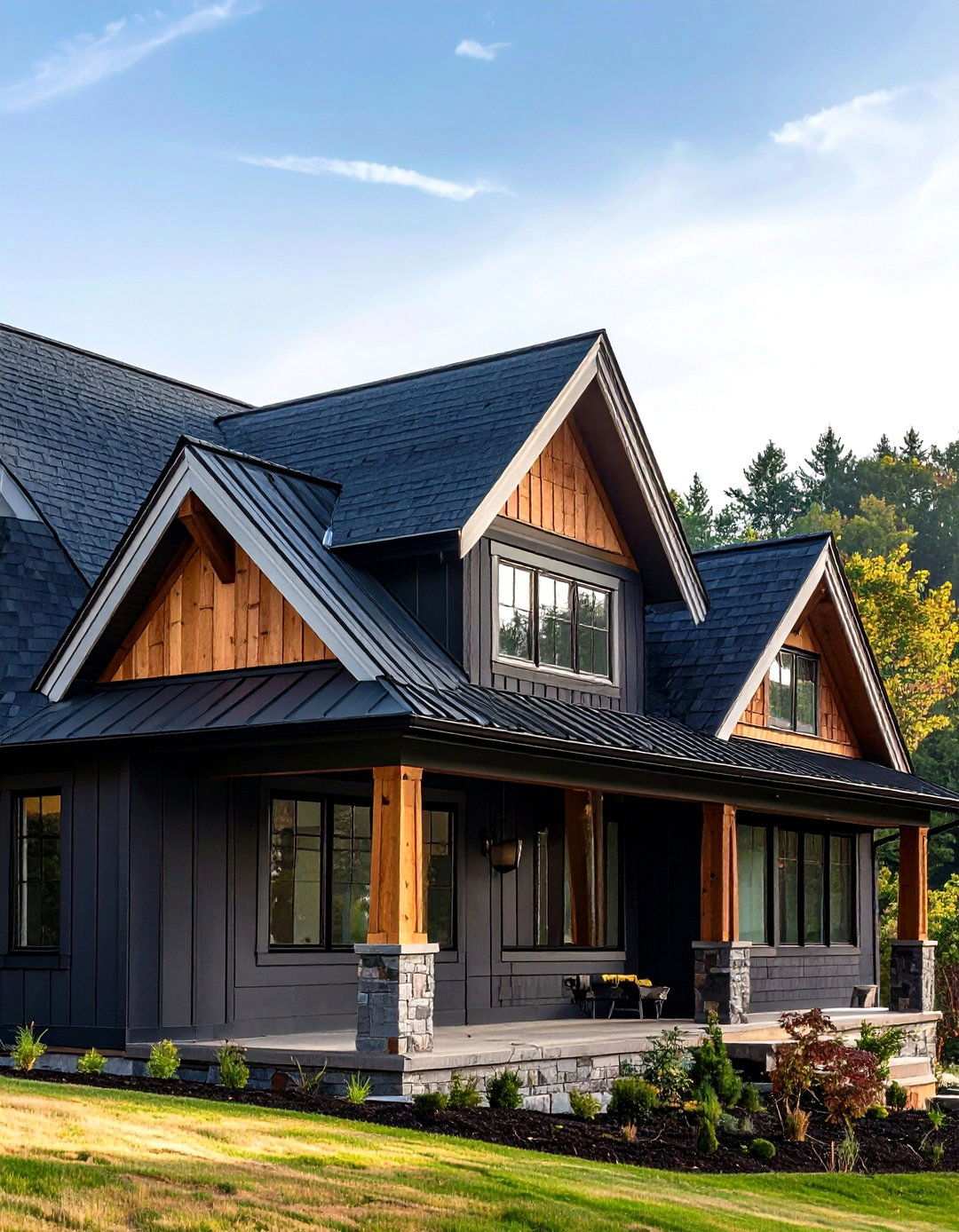
A slim band of cedar trim along a black gable can have a profound impact on the overall aesthetic of a home’s exterior. Unlike painted fascia, which can appear busy and overdone, cedar trim adds texture and visual interest without overwhelming the senses. Builders often choose 1×6 vertical-grain cedar for this application because it resists splitting at nail heads and accepts semi-transparent stains in a single coat. To create a clean and understated look, align the trim flush with the cladding, visually stretching rafters and reducing wind-driven water intrusion.
Homeowners can complete this elegant look with finish nails and a clear UV-blocking sealant. By incorporating cedar trim into their exterior design, homeowners can add a touch of sophistication and refinement to their home’s façade, suiting minimalist farmhouses and cabins alike.
4. Cedar Pergola Softens the Black Facade
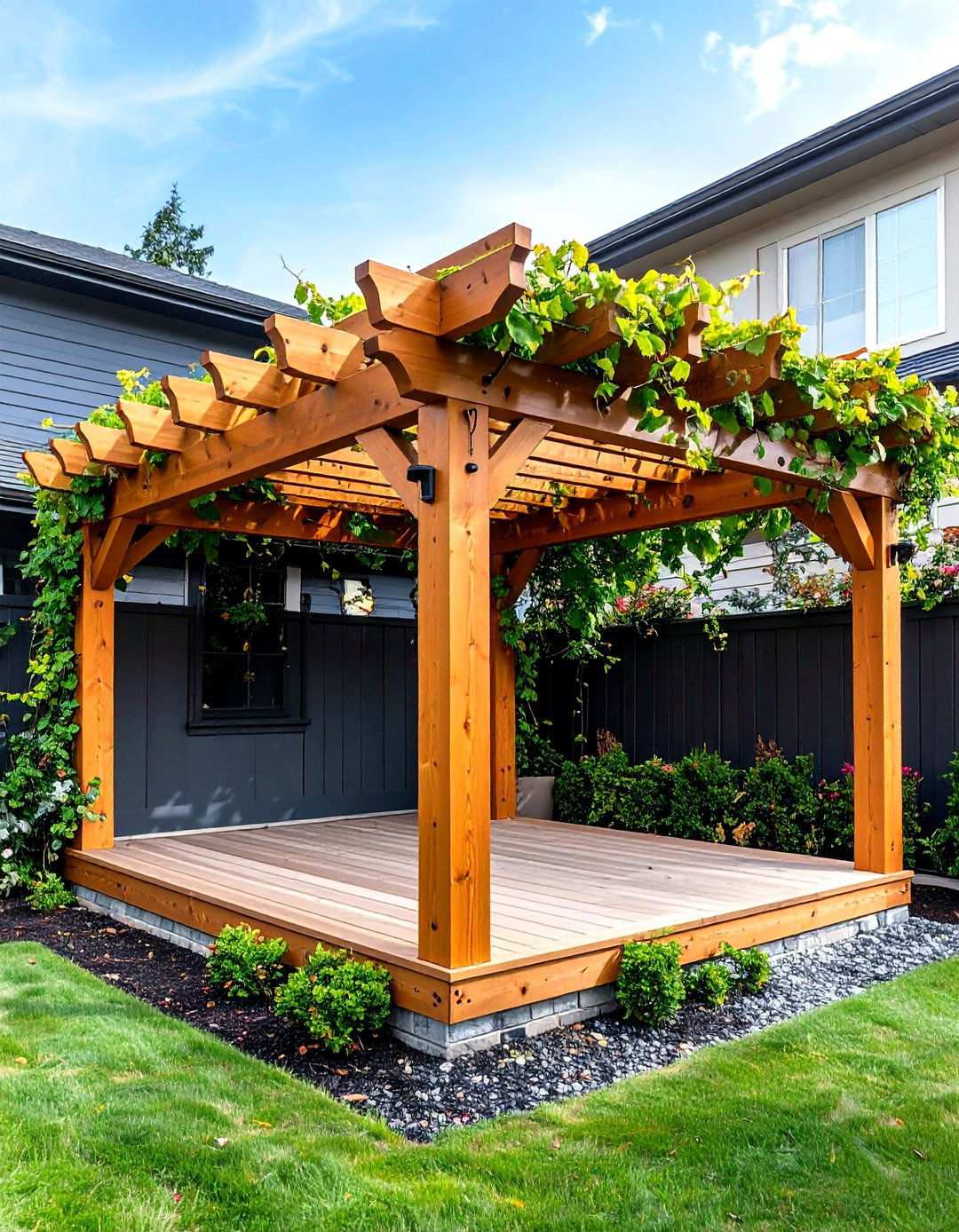
A well-placed cedar pergola can subtly break the visual dominance of a black wall, creating a more inviting outdoor space. By floating the pergola just a few inches from the dark cladding, the overhead lattice casts a dappled pattern on the ground below, filtering harsh sunlight and reducing heat gain on the paint. This thoughtful design also frames an outdoor lounge in natural warmth, making it the perfect spot to relax and unwind. To ensure moisture can freely ventilate, stainless lag screws through stand-off brackets allow air to circulate, while cedar’s inherent weather resistance keeps the beams strong without the need for heavy stain schedules. Regular cleaning with a mild soap solution helps to prevent mildew stains from forming, while deciduous vines add a pop of greenery in the summer months, providing natural shade and letting winter light warm the interior glazing.
5. Floating Cedar Deck Extends the Dark Envelope
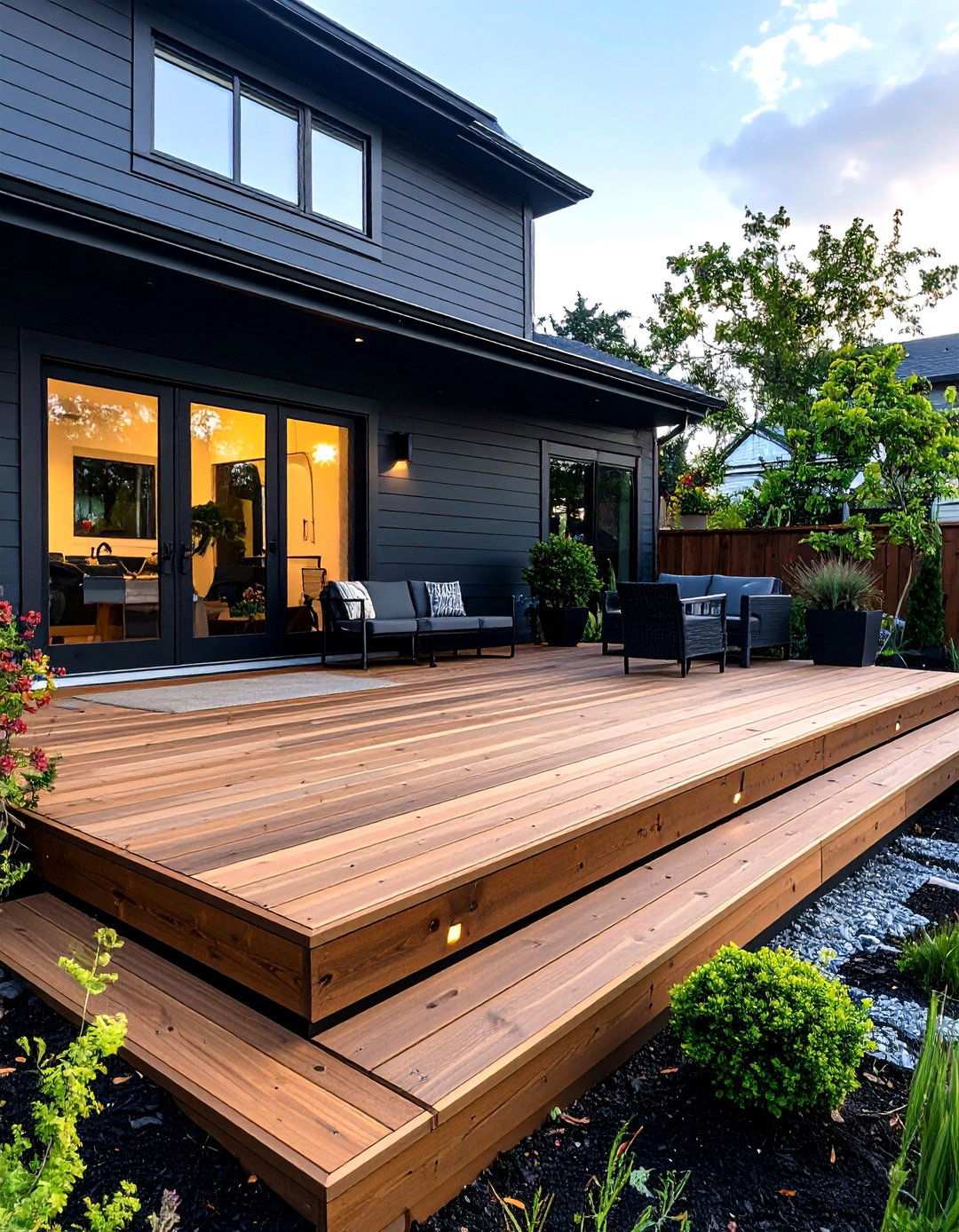
A floating cedar deck can cleverly stretch the perceived boundaries of a black house, creating a seamless transition between indoors and outdoors. By running the cedar horizontally, designers can visually expand the space, creating a stage for everyday life. To maintain a clean look, a ⅛ in. shadow gap is left between the deck and siding, making the deck appear as a furniture insert rather than an appendage. Cedar’s natural stability allows it to withstand ground-level moisture, although sealing the underside is still a good idea in areas where snow may linger. Hidden-fastener clips keep the surface clean and minimalist, while low-glare step lights add a touch of sophistication and safety, creating a subtle nighttime ambiance.
6. Vertical Cedar Battens Add Tactile Relief to Black Board-and-Batten
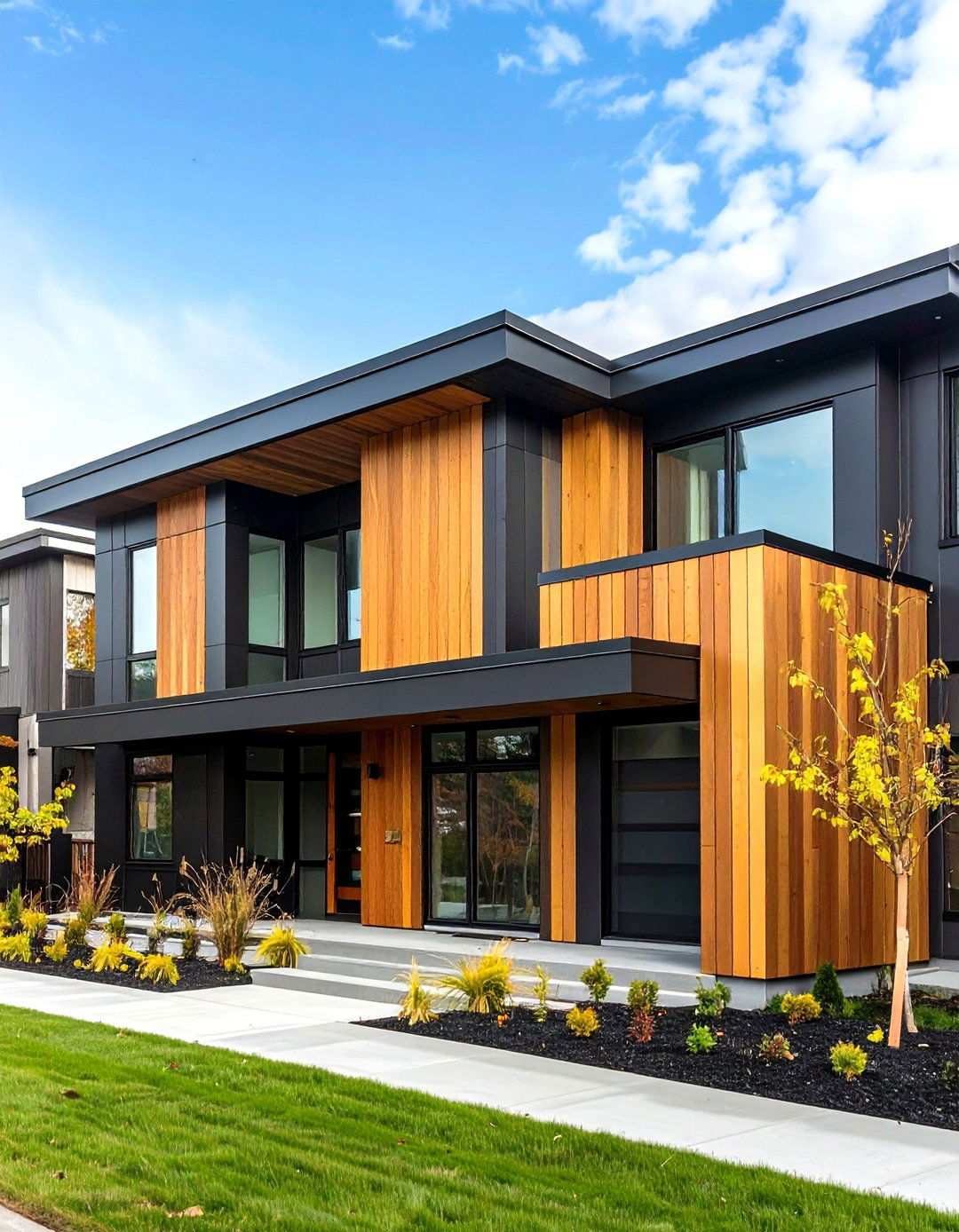
Board-and-batten siding painted a deep shadow black can sometimes appear flat and uninteresting; swapping the plywood battens for slender cedar staves introduces a welcome tactile element and a beautiful golden pinstripe effect. New cladding studies suggest using random batten widths, such as 1×2, 1×3, or 1×4, to avoid visual monotony and create visual interest. Cedar is a versatile material that can be painted or stained, allowing homeowners to leave the battens in their natural state while keeping the recessed boards a bold black for a striking weathered look. To minimize cupping, seal the end grains and use twin stainless brads per batten. The alternating profiles also help to disrupt wind-driven rain, adding an extra layer of resilience to the cladding.
7. Cedar Window Boxes Add a Pop of Color to the Dark Canvas
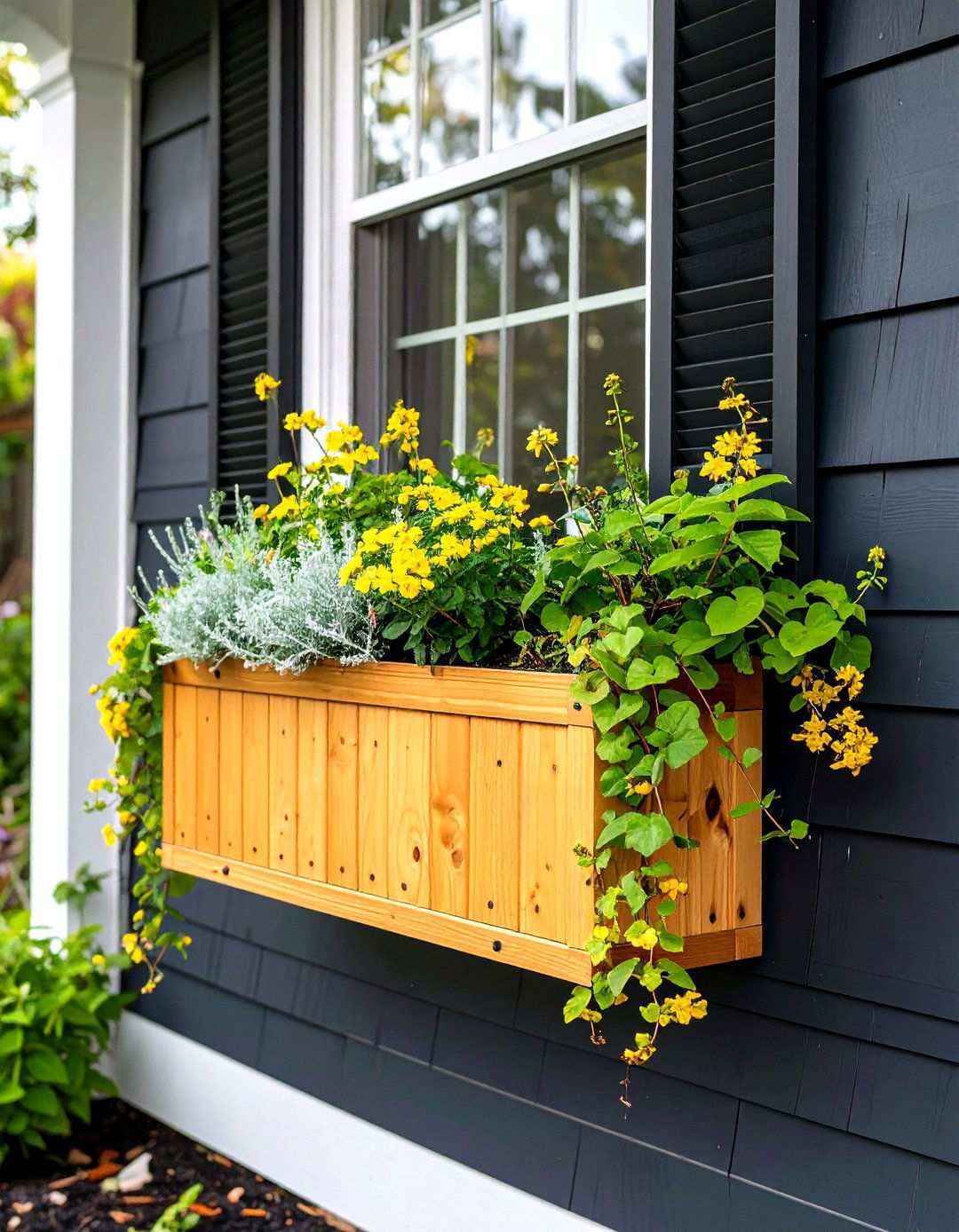
Window boxes built from knotty cedar can add a vibrant splash of color to black lap siding, creating a beautiful contrast between the dark and light elements. The light weight of cedar allows it to span wide windows without the need for heavy brackets, making it the perfect choice for this application. To prevent soil moisture from staining the wall, drill drainage holes and seal the surfaces with a breathable oil. Cedar’s natural oils discourage rot, so the window boxes stay sturdy even with a splashy watering schedule, and stainless lag bolts secure them to the studs. Fill the boxes with trailing sweet-potato vine or silver artemisia for a stunning display of green foliage against the dark paint, and swap out the plantings seasonally to keep the vibrancy fresh.
8. Elevating a Black House with Cedar Accents
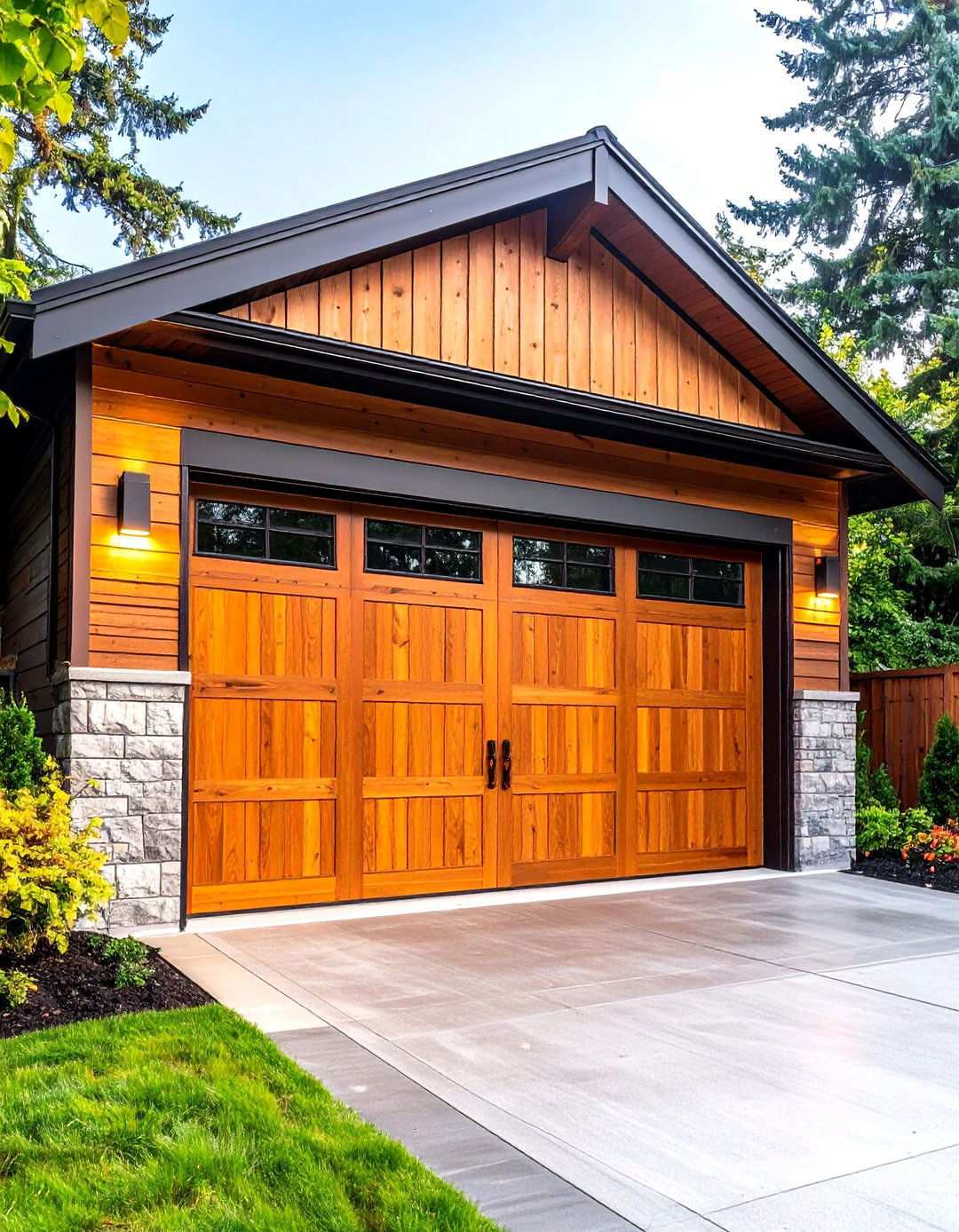
A flush cedar plank garage door transforms a utilitarian opening into a striking focal point on a black house with cedar accents. According to industry data, vertical-grain cedar laminated onto insulated cores offers comparable R-values to steel while weighing less, reducing the strain on garage openers. To create a seamless look, match the plank spacing to the adjacent siding, and use clear UV blockers to prevent cedar discoloration. Cedar’s natural dimensional stability ensures that it resists bowing across wide spans, while a slim LED band recessed along the jamb adds a touch of sophistication in the evening.
9. Embracing Light with Cedar Eaves
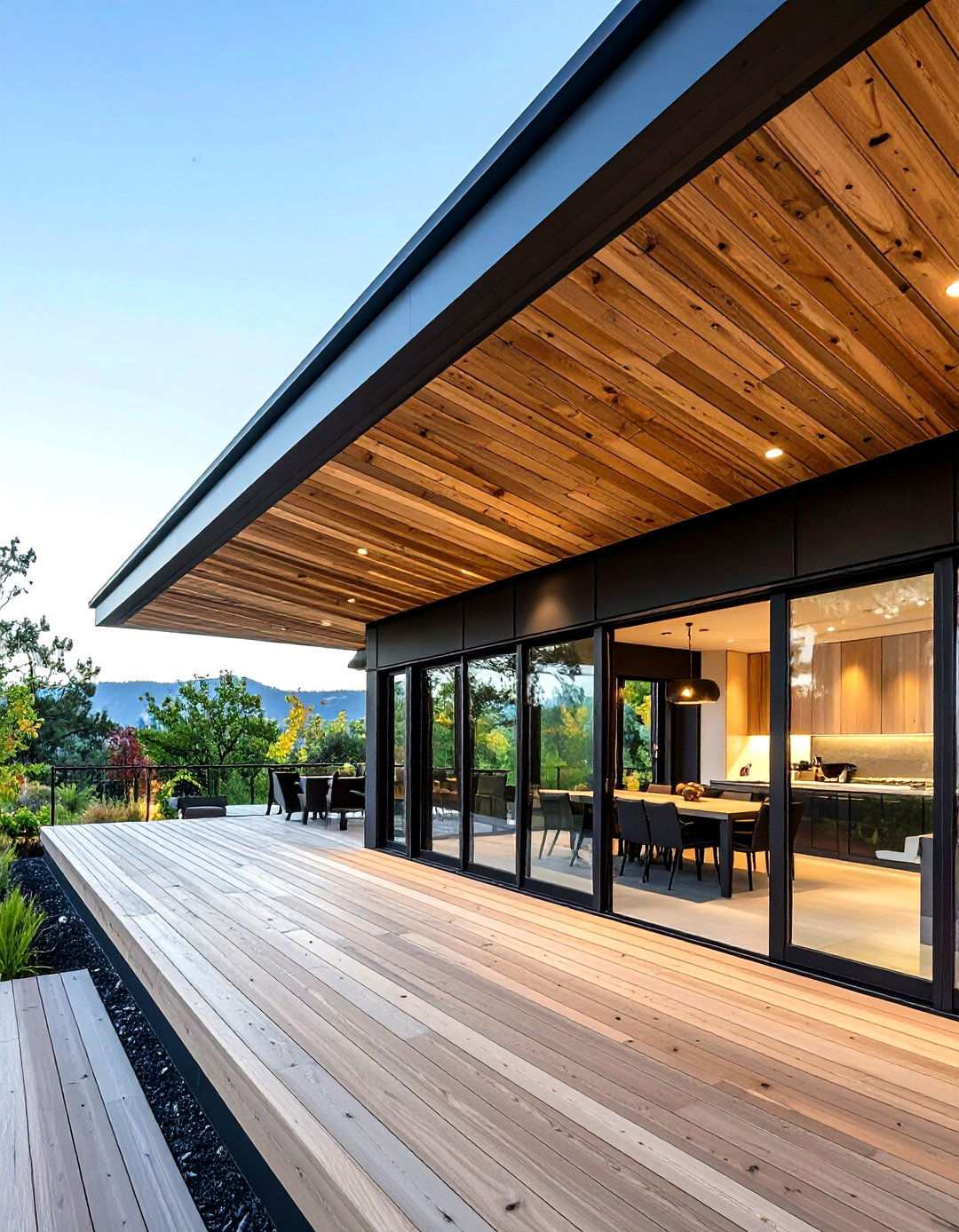
The underside of a roof often goes unnoticed on dark houses, but cedar tongue-and-groove eaves become glowing picture frames after sunset. Unlike other materials, cedar can be stained without developing a noticeable pitch, allowing light to bounce warm lumens onto walkways without the need for additional fixtures. By running boards perpendicular to the fascia, the eye is drawn to depth, creating a sense of visual interest. Studies have shown that natural soffits not only add aesthetic appeal but also shield fascia paint from UV splash-back, reducing maintenance needs. A simple yearly soap-and-water wipe keeps cobwebs at bay, and even small homes can gain a boutique-hotel vibe.
10. Welcoming Guests with Cedar Columns
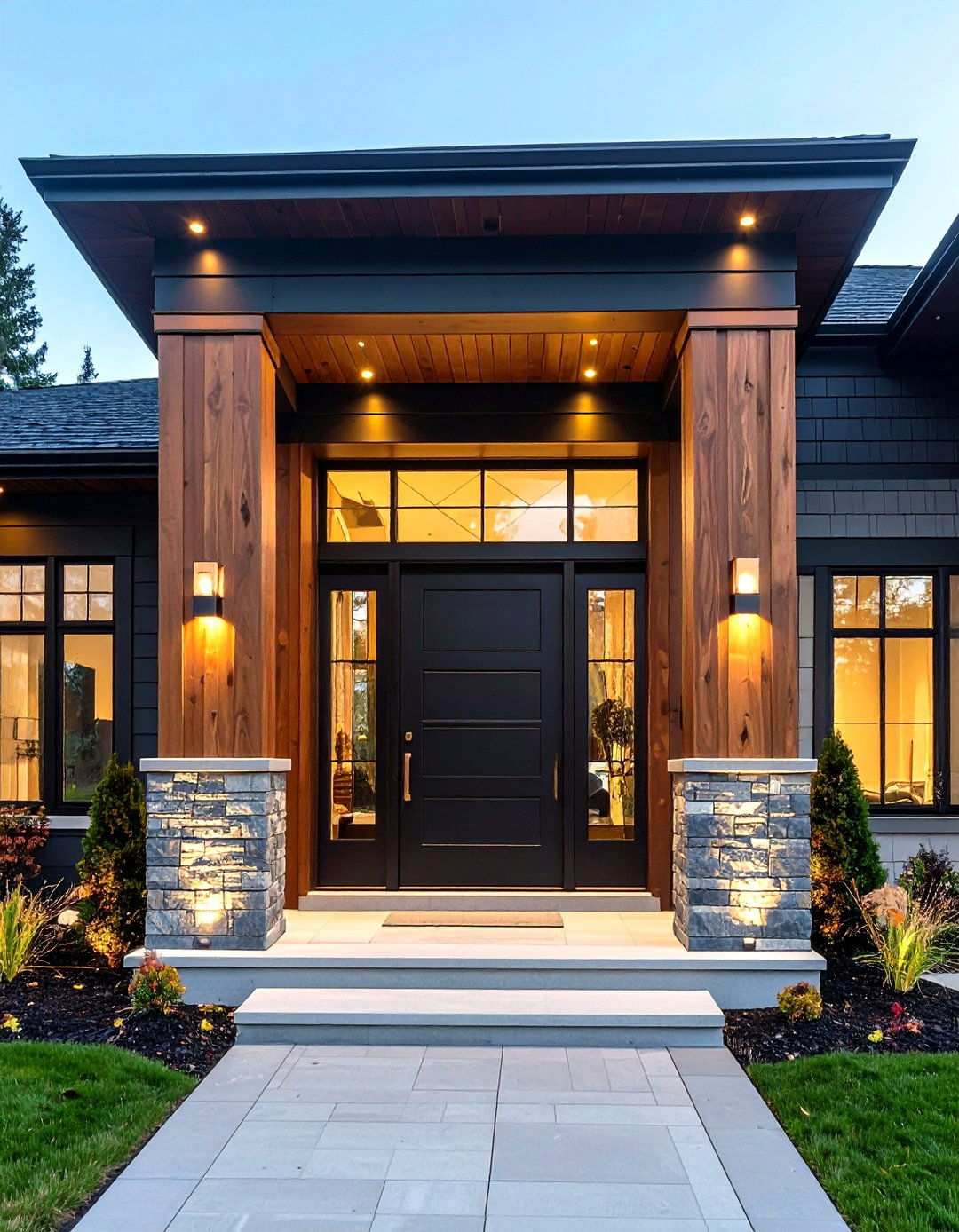
Cedar-wrapped columns flanking a black front door add a touch of warmth and invitation, while cedar’s natural insect resistance keeps bases sound without the need for metal flashings. Carpenters can build three-sided boxes over structural posts and pre-finish all interior faces to deter hidden rot. Cedar’s low shrinkage ensures that miters remain tight, even through seasonal swings, while a satin marine varnish sheds dust and adds a layer of protection. Copper hardware picks up cedar’s undertones while providing a striking contrast to the deep black paint, creating a sense of drama as visitors approach the entrance.
11. Creating Backyard Oasis with Cedar Screens
For backyard lounging, louvered cedar screens against black stucco deliver seclusion without the feeling of claustrophobia. By angling 2×4 slats at 45 degrees, views are blocked while allowing breezes to pass through. The rhythmic cedar pattern bounces warm light and counters heat absorbed by the wall, creating a cooler surface temperature; homeowners have reported up to 10°F cooler surfaces when shade and airflow combine. To maintain the screen’s appearance, use stainless screws and breathable oil, and consider adding climbing jasmine for a fragrant touch without hiding the cedar.
12. Adding Texture and Drama with Cedar and Shou Sugi Ban Boards
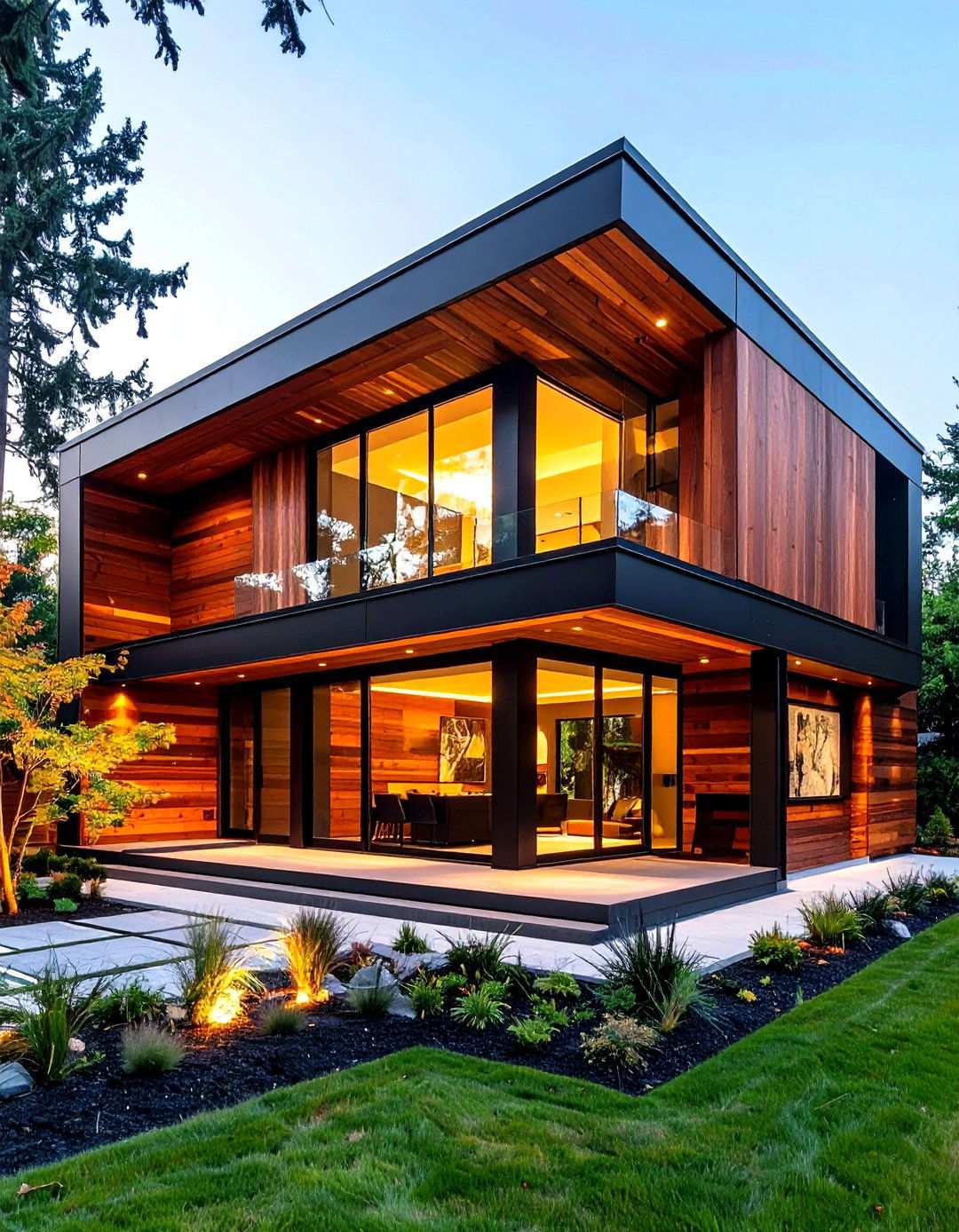
Layering natural cedar with Shou Sugi Ban boards delivers a triple contrast of color, sheen, and texture, adding depth and visual interest to any space. At Black Butte Lodge, charred modules recede while lighter boards advance, creating a dramatic effect. Pre-charred planks gain surface hardness and bug resistance, extending maintenance cycles. To ensure a seamless installation, include a horizontal break at floor level for movement joints, and mist boards before cutting to contain soot. Edges can be sealed cleanly, showcasing the beauty of the layered boards.
13. Unifying Spaces with a Cozy Cedar Under-Deck Ceiling
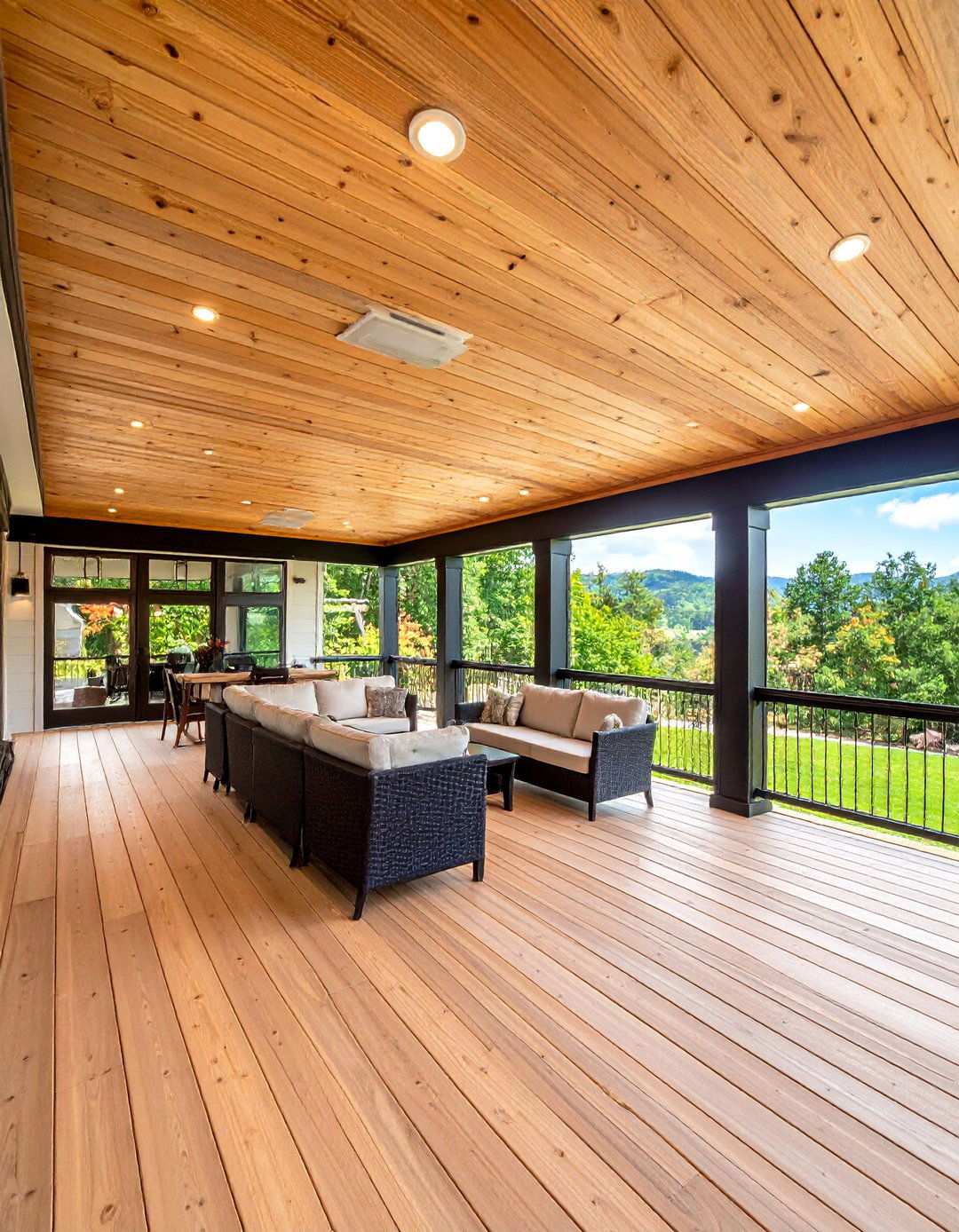
A black home’s deck underside can often feel foreboding, but by adding a cedar tongue-and-groove ceiling, homeowners can create inviting outdoor spaces. This thoughtful design spans 16-in. joists without sagging, negating the need for additional furring labor. For optimal performance, hidden vents strategically placed near the house wall help expel humidity, and bi-annual cleaning with a soft brush ensures a smooth finish. The addition of low-profile puck lights also enhances the ambiance in the evenings. As a result, this lounge becomes the family’s go-to spot on rainy days, providing a cozy retreat.
14. Expanding Black Cube Houses with Dynamic Cedar Balconies
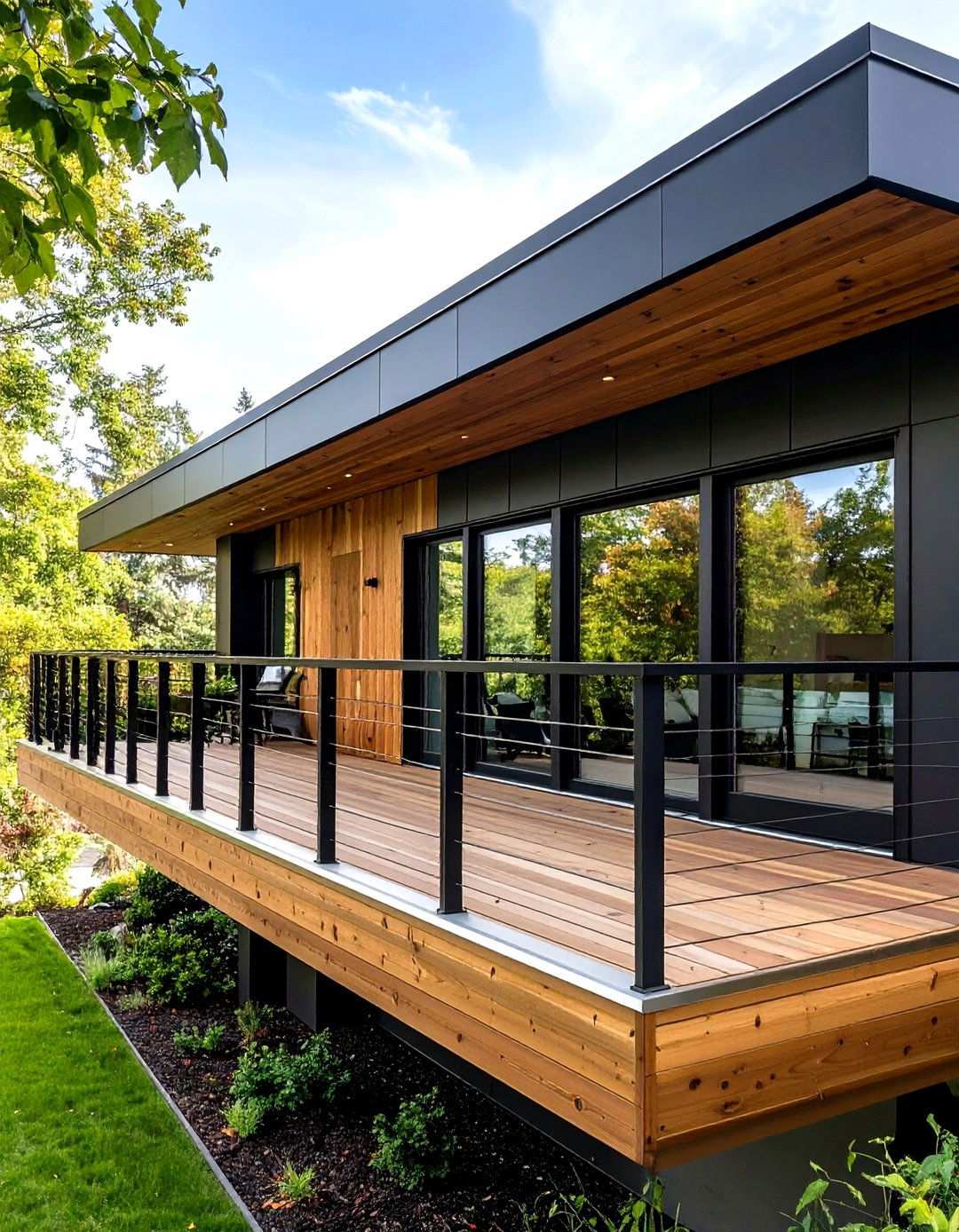
Cantilevering a cedar-clad balcony beyond the black wall of a modern home not only creates a striking silhouette but also shelters a patio below. By utilizing laminated cedar panels, homeowners can enjoy pleasant barefoot experiences on the balcony floor, thanks to their lower thermal conductivity compared to metal. To ensure a long-lasting design, back-prime panels, slope surfaces, and add stainless drip edges for added durability. Cedar’s stability ensures crisp edges year-round, maintaining the home’s sleek appearance. The seamless integration of floor-to-ceiling sliders with the cedar box creates a harmonious link between the interior and exterior, resulting in a captivating yet livable design.
15. Enhancing Climate Control and Aesthetics with Cedar Shutters
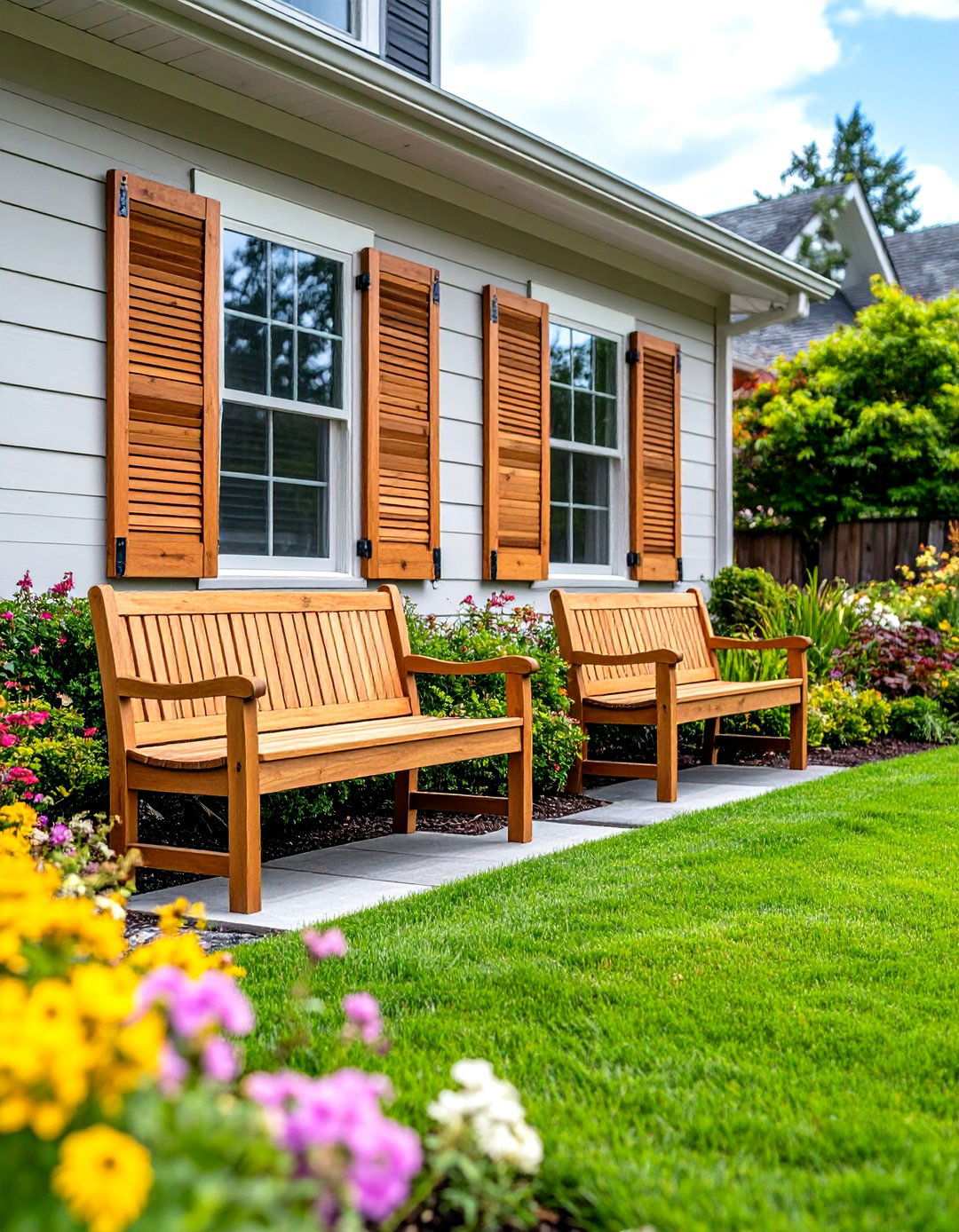
Operational cedar board shutters bring texture and climate control to a modern black farmhouse, elevating its visual appeal. By mounting them on stainless guitar hinges, homeowners can swing the shutters flat, creating sculptural wings that add visual interest. Cedar’s low weight makes it easy to move the shutters, and transparent stains set them apart from the siding. Closing the shutters on hot days helps reduce interior solar gain, which is particularly beneficial when a dark façade absorbs extra heat. Seasonal use also prolongs the finish life and adds depth to the home’s narrative.
16. Unifying the Black-and-Wood Palette with Cedar Fencing
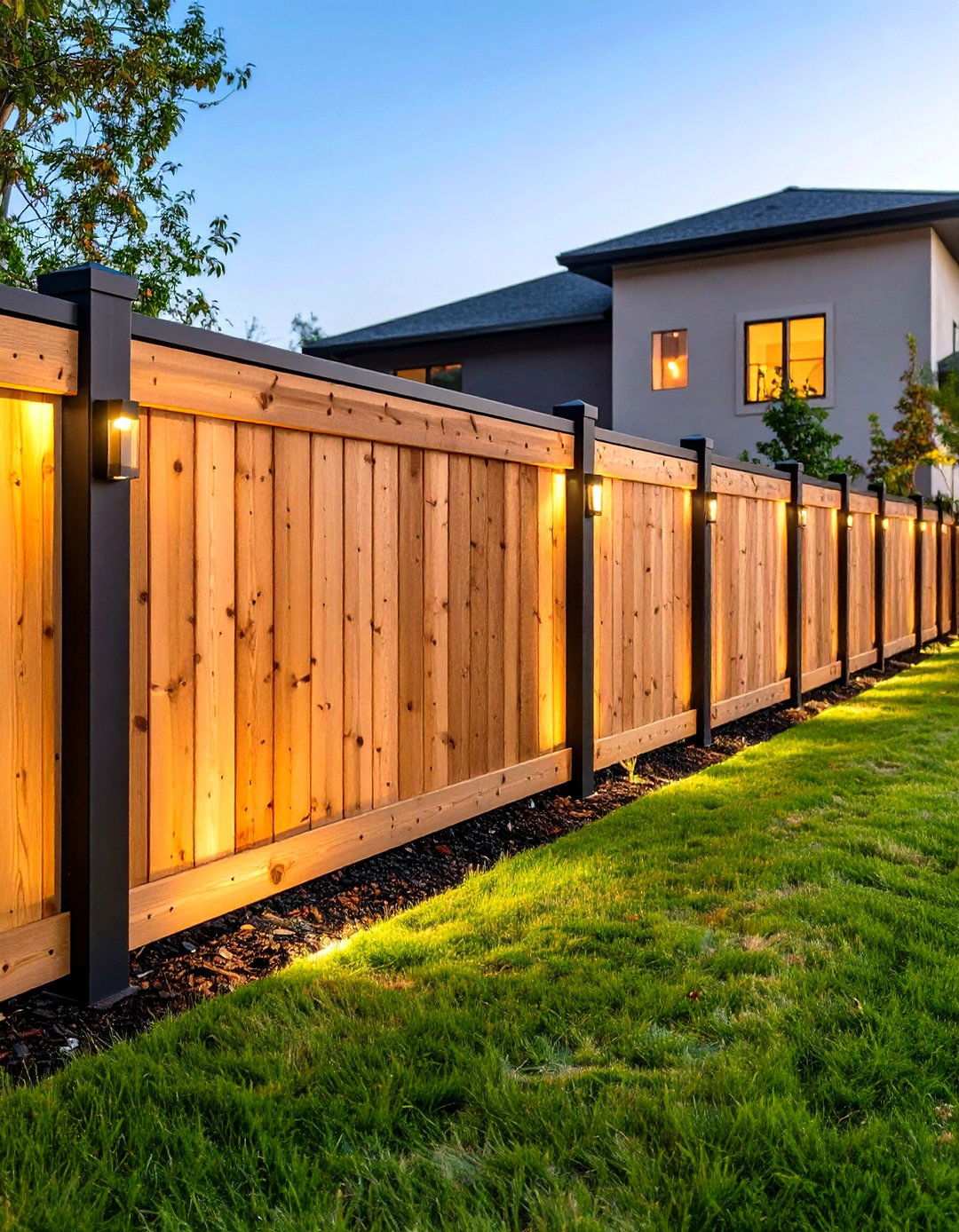
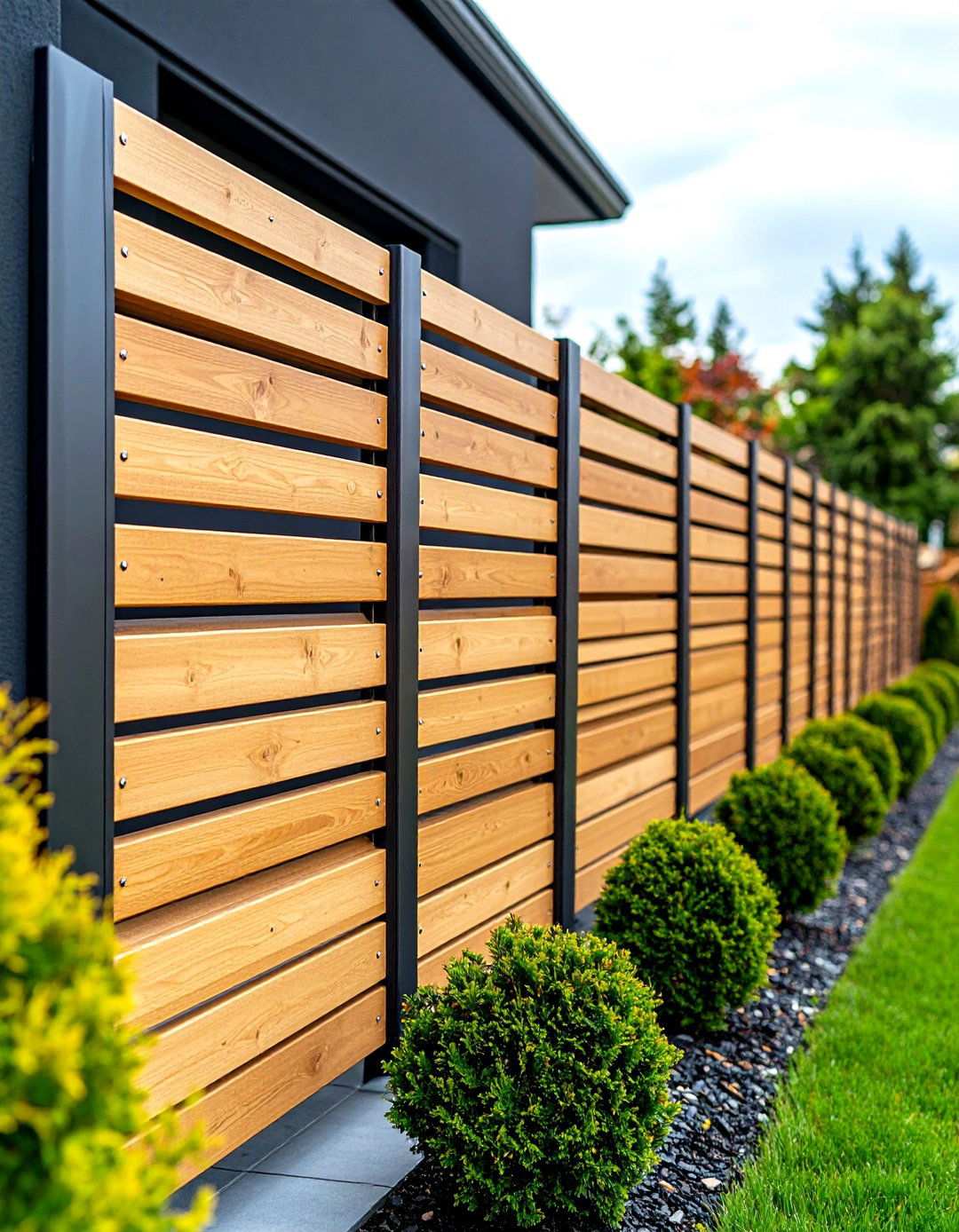
A horizontal cedar fence on black steel posts creates a seamless transition between the house and yard, unifying the overall aesthetic. By staggering 1×6 boards with slim gaps, the wood appears to float between shadow lines, adding a touch of elegance. Cedar’s weather resistance ensures the fence silvers gracefully over time, rather than warping. To maintain cohesion, repeat black on gate frames and cap rails, and conceal a steel channel in the top rail for added rigidity. Strategically placed landscape lighting highlights the fence at dusk, creating a beautiful visual effect.
17. Introducing Warmth with a Cedar Portico on a Black Stone Base
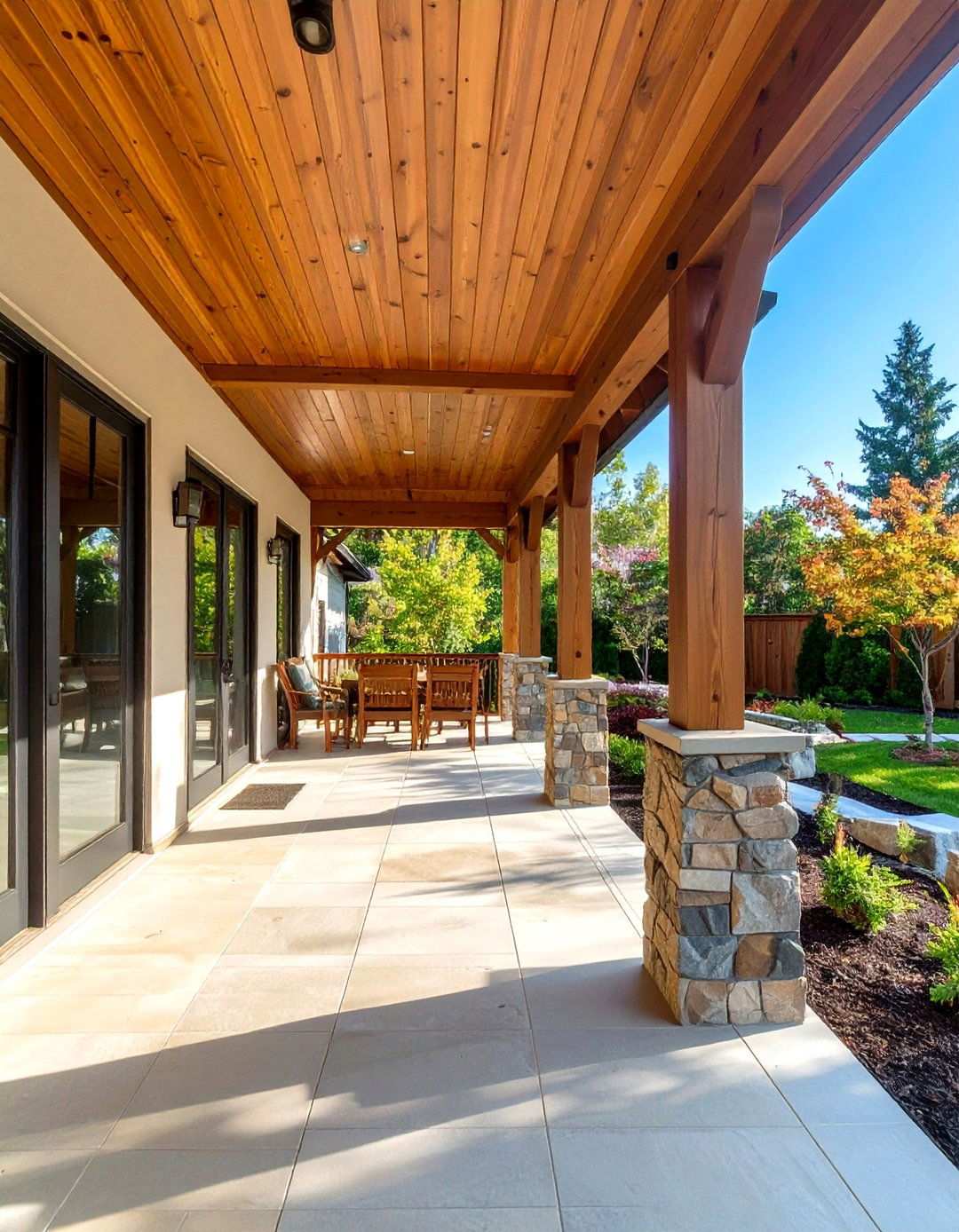
When a stone-clad base feels imposing, a cedar portico brings warmth and human scale to the entryway. By framing a timber A-frame before the entry and infilling the ceiling with narrow boards, homeowners can filter sunlight gently into the space. Cedar’s tonal variation pairs beautifully with stone veining, and its low density avoids overloading footings. Regular staining every four years shields against UV reflected off light stone, while checks on hidden hangers ensure the portico remains sound. As a result, visitors are greeted by a balanced blend of rustic and modern elements.
18. Mastering Industrial-Chic with a Cedar Accent Wall
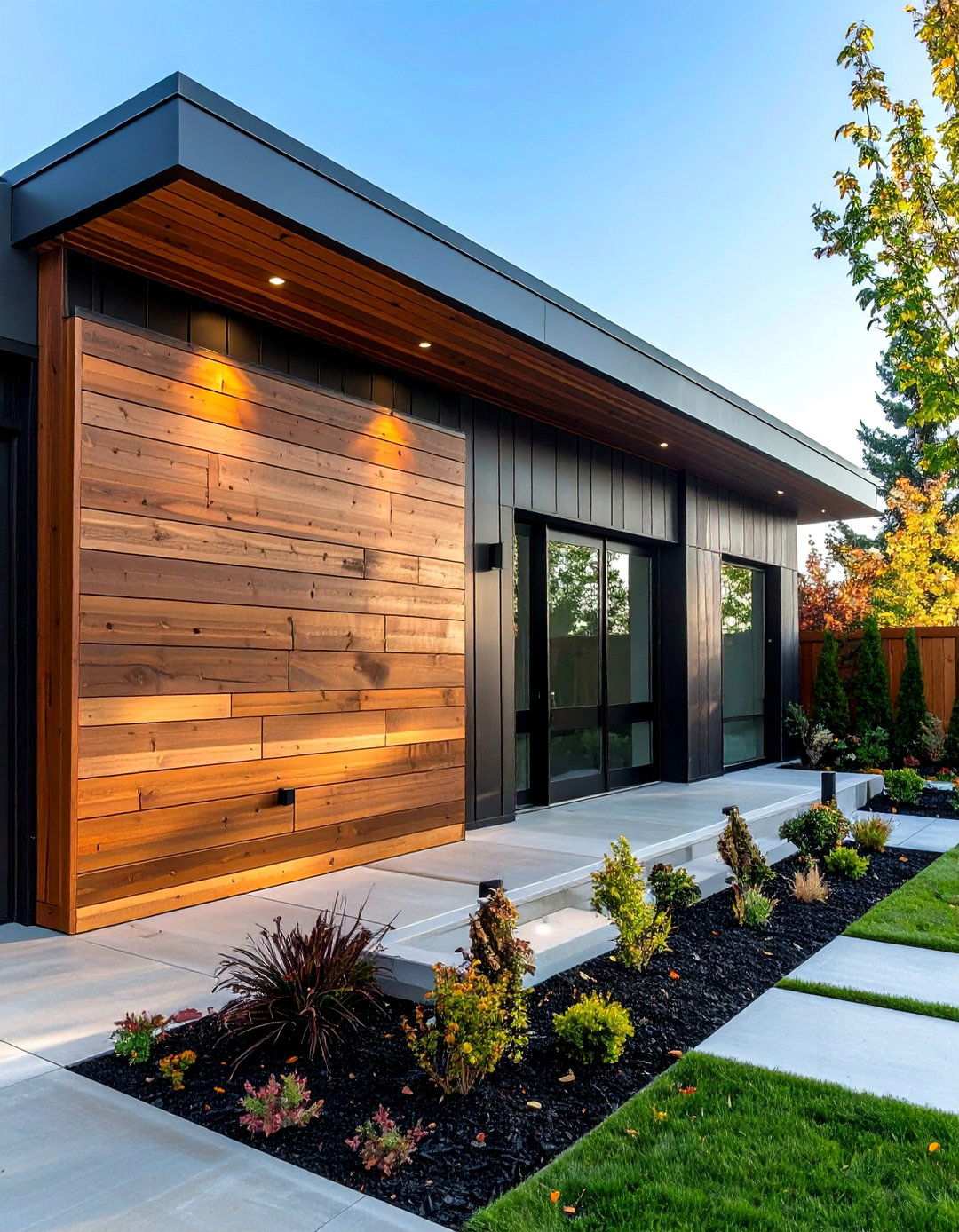
A sleek black barndominium can sometimes feel stark; a full-height cedar accent wall surrounding living-room windows injects warmth without sacrificing its industrial edge. By installing the cedar over horizontal furring, you’ll create a rainscreen that not only keeps the wood dry but also allows for the cedar to be floated proudly above the metal. This clever design decision also enables the cedar to be installed with alternate grain patterns for a visually appealing look, while concealed screw clips ensure quiet expansion. Plus, western red cedar’s inherent moisture resistance makes it an ideal choice for humid environments like those found on farmsteads, where sprinklers and livestock contribute to a higher humidity level. As night falls, the wall transforms into a warm, inviting beacon thanks to up-lighting.
19. Adding Warmth with Cedar Trim and Crisp Geometry
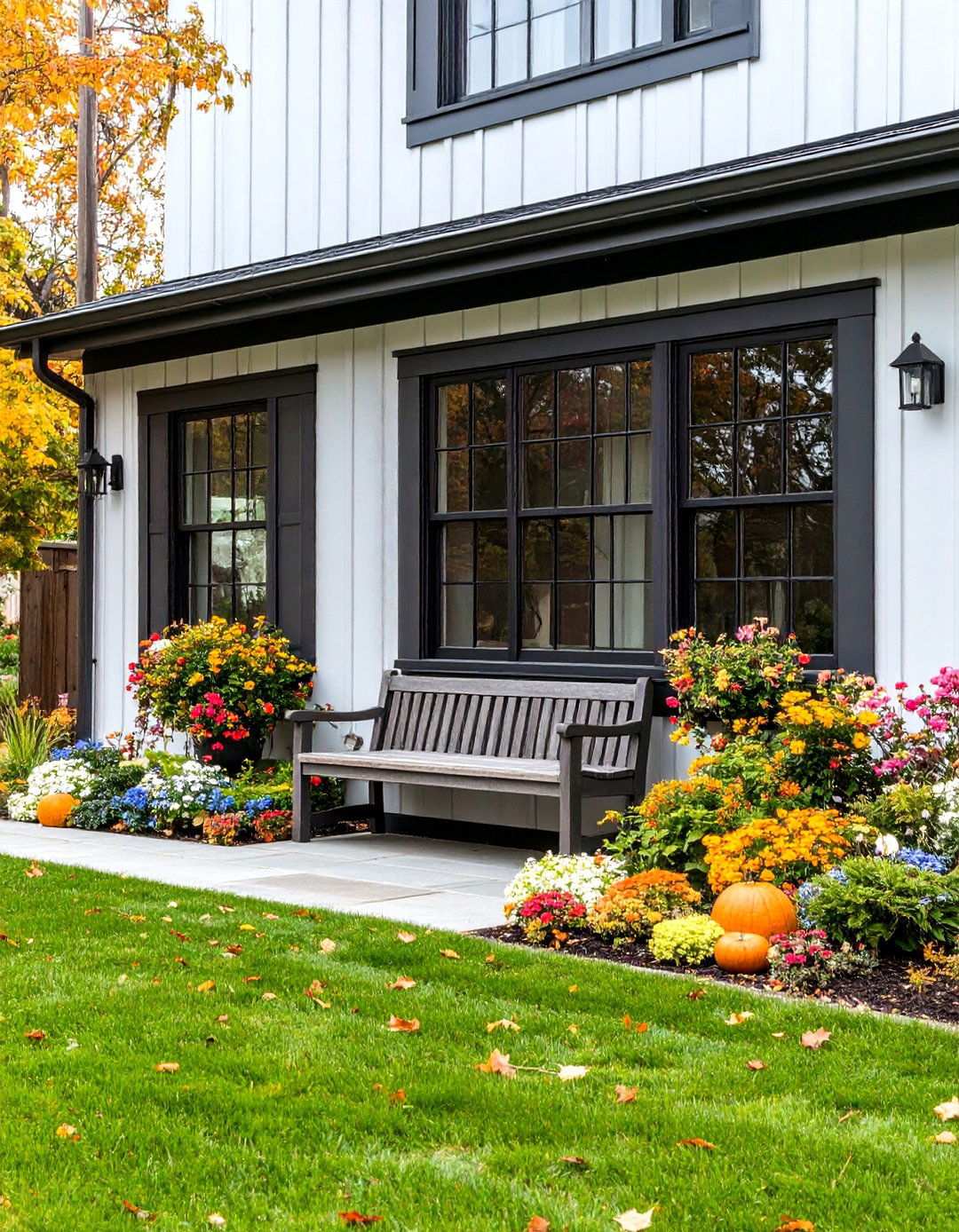
Black windows can often get lost against a dark background; 1×4 cedar trim brings crisp geometry and draws attention to the glazing rhythm. To add an extra layer of protection, back-prime the trim with breathable paint, before clear-oiling the face to showcase the beauty of the wood like a picture frame. For added weather protection, install thin metal Z-flashing behind the head trim, discreetly hiding it from view. Energy specialists note that tightly sealed trim gaps, sealed with high-performance tape, can not only improve airtightness but also help offset some of the cooling load associated with a dark façade.
20. Bridging the Gap with Cedar Landscape Elements
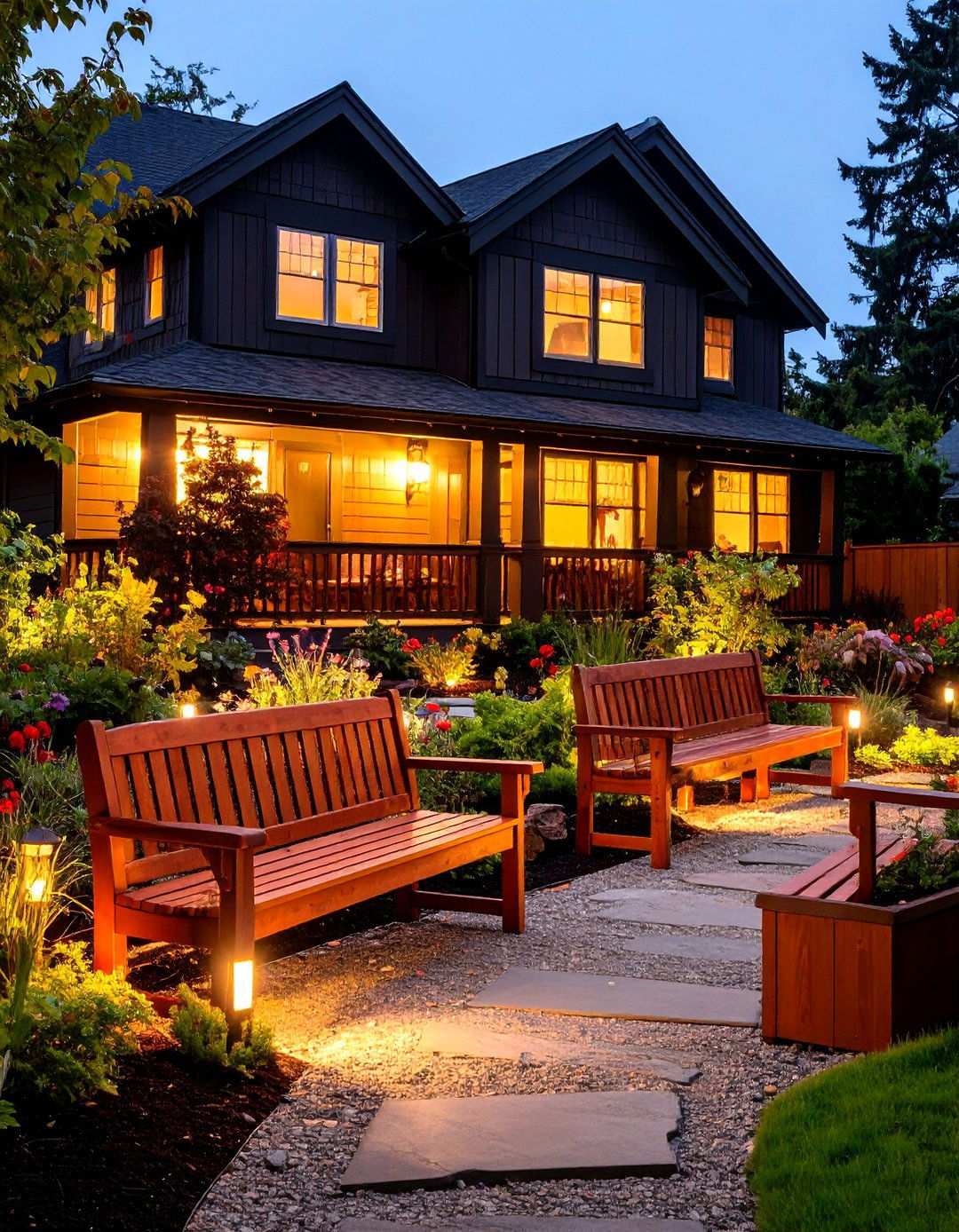
Extending cedar accents into the garden with benches, planter cubes, or pathway lights helps root the black house firmly within its landscape. Designers often opt for western red cedar for movable pieces like these, thanks to its exceptional rot resistance, which can withstand soil contact and irrigation overspray. By placing these elements in sightlines from key windows, you create a seamless transition between indoors and outdoors, drawing the eye outward and blurring the boundaries between spaces – a technique modern garden guides praise for creating cohesive small lots. A simple yearly sand-and-oil refresh ensures these elements continue to look intentional and well-cared for.