1. Bold Geometric Pattern Integration for a Timeless 1990s Look
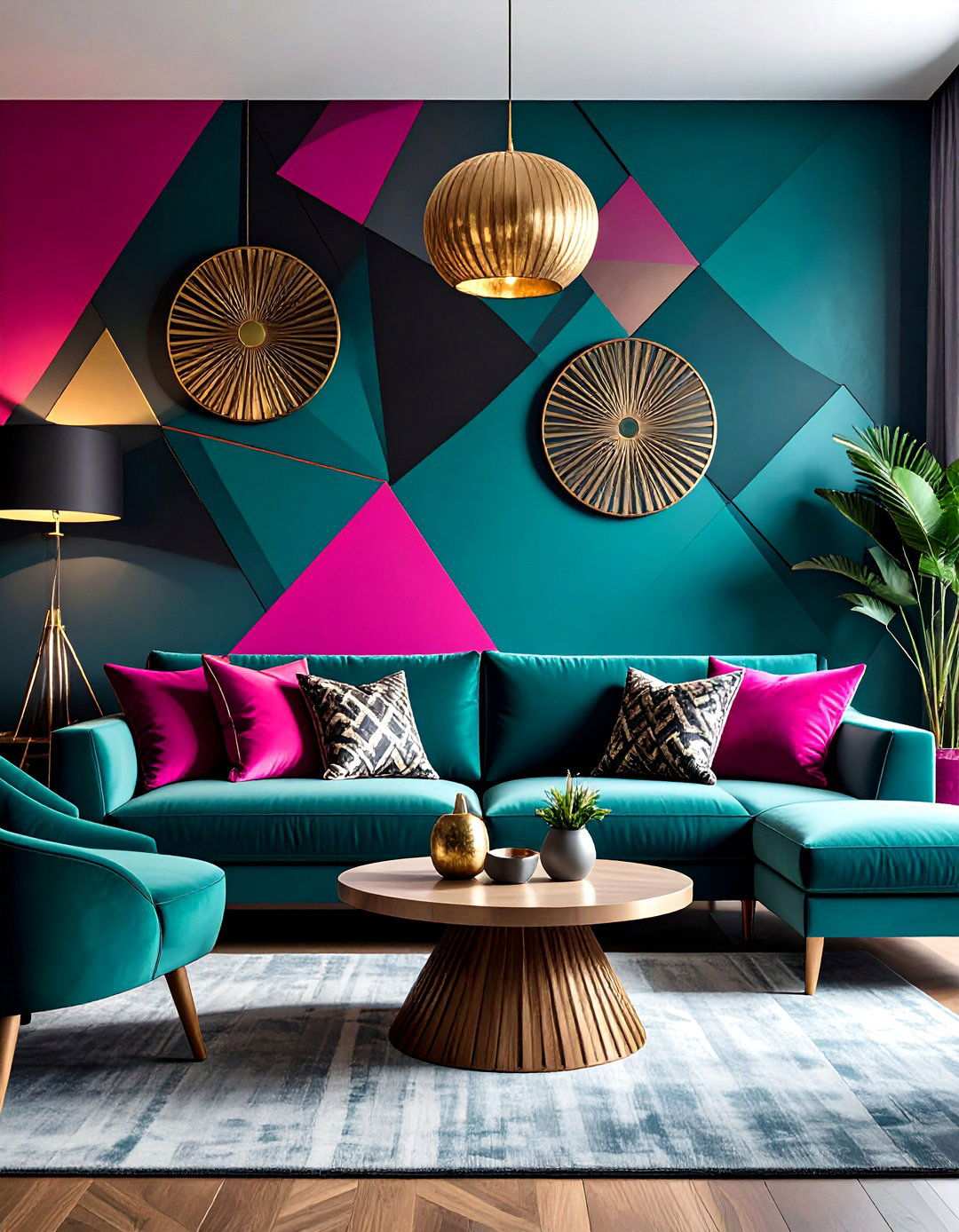
The 1990s design scene was characterized by the vibrant use of geometric shapes, including triangles, circles, and zigzags, which boldly adorned wall art, rugs, and bedding . This energetic aesthetic marked a shift from softer pastel hues, embracing a fresh and daring approach to interior design. To infuse modern spaces with this dynamic spirit, consider incorporating geometric throw pillows, area rugs, or accent wallpaper that create visual interest without overwhelming the room. By mixing different scales of geometric patterns within a cohesive color palette, you can strike the perfect balance. For a statement piece, incorporate geometric patterns in smaller spaces like powder rooms or home offices, where their bold presence can have a sophisticated impact.
2. Layered Neutral 1990s Color Schemes for a Sophisticated Atmosphere
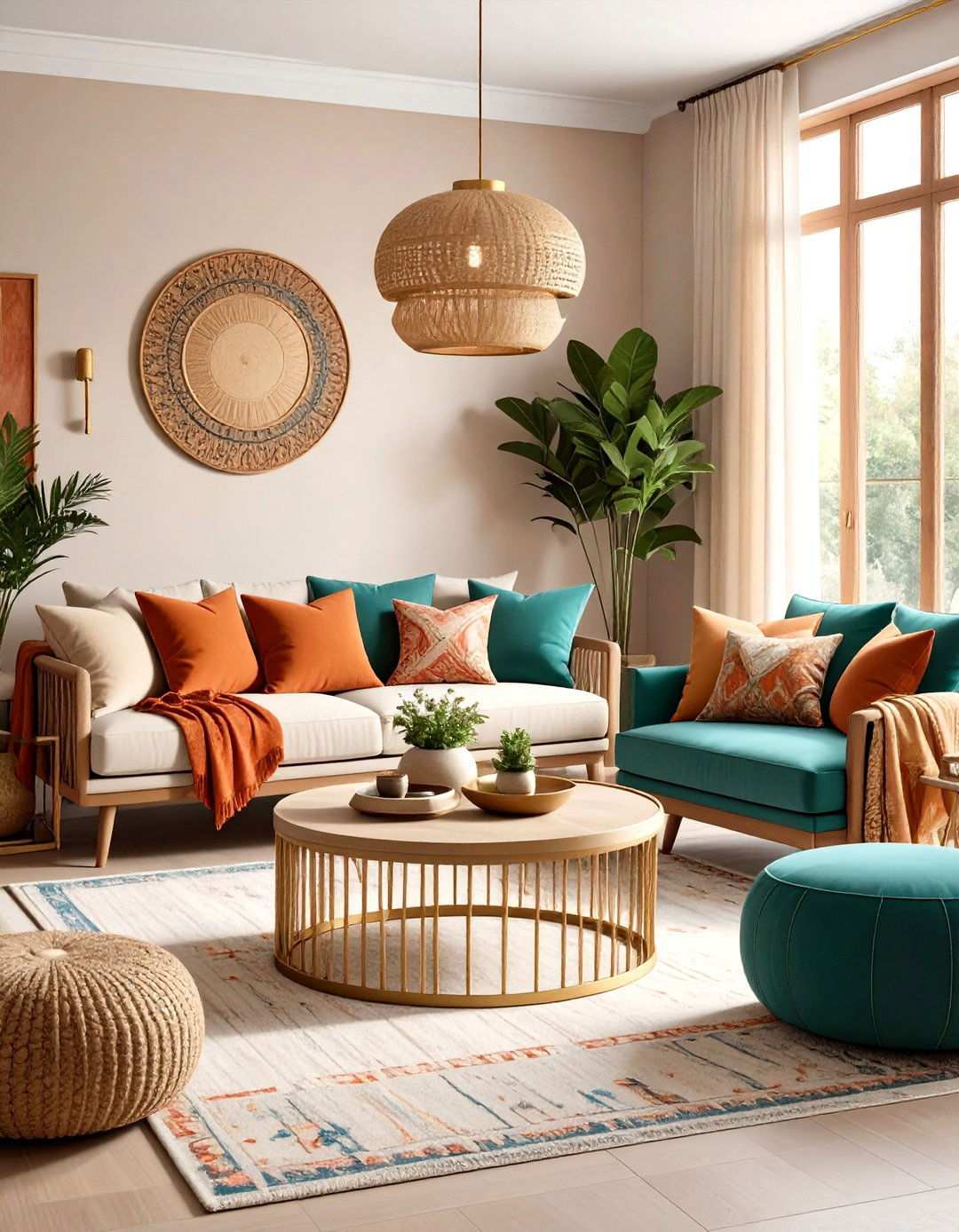
The 1990s design movement showcased a refined approach to color, featuring earthy tones like beige, terra cotta, sage, and gold, which drew inspiration from Tuscan influences . This approach created warm and inviting spaces that felt both timeless and fresh. To update this classic palette, layer different neutral tones with varied textures to add depth and visual interest without feeling monotonous. Pair soothing beige-on-beige combinations with natural wood, stone, and tactile fabrics to create a cozy atmosphere . Add a touch of warmth with brass or copper accents and incorporate natural materials like jute rugs or linen curtains. This harmonious color scheme is ideal for living rooms and bedrooms where you want to create a serene and sophisticated ambiance that promotes relaxation and tranquility.

As an Amazon Associate I earn from qualifying purchases.
3. Wicker and Rattan Furniture Redefined 1990s Charm
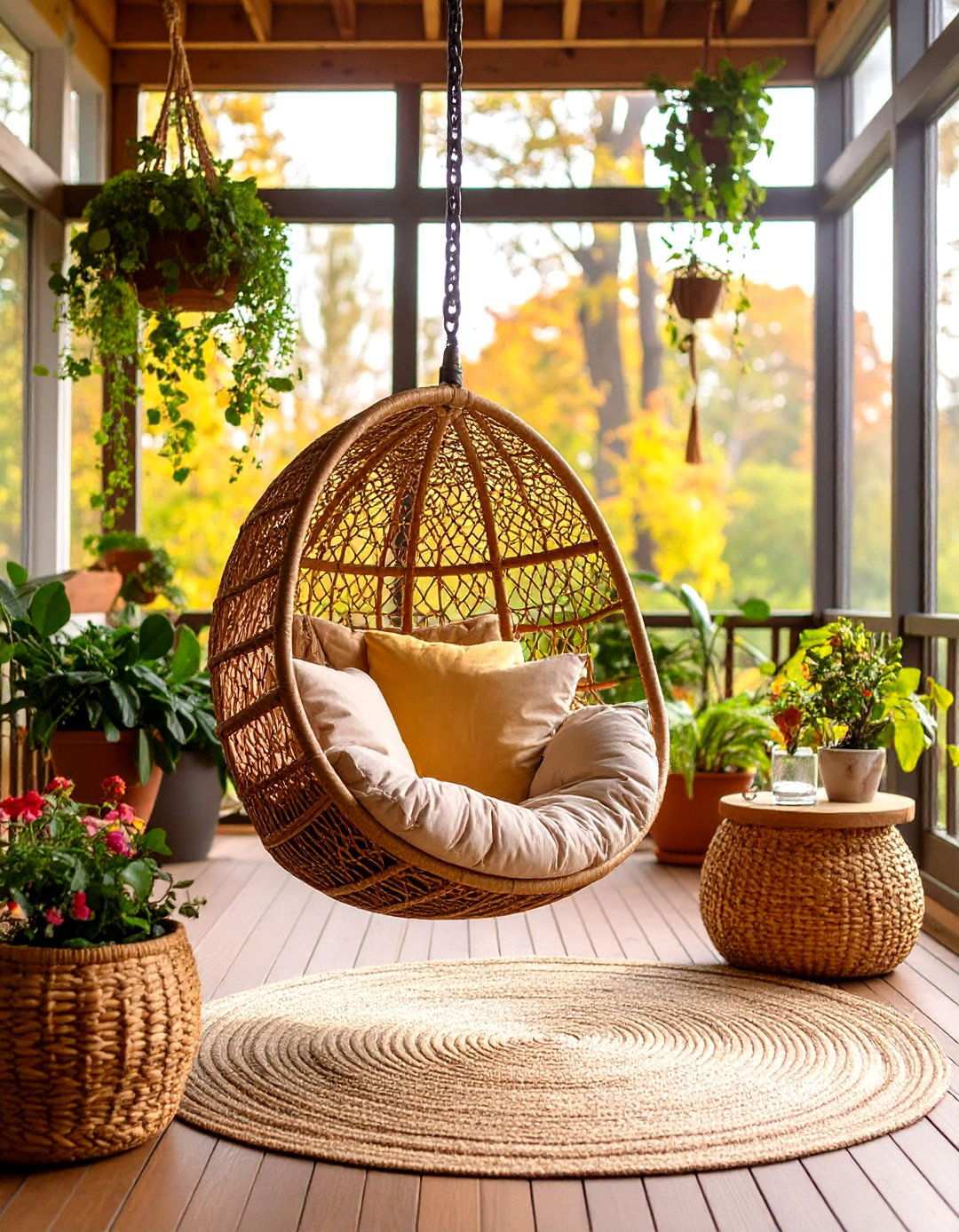
Wicker and rattan furniture dominated the 1990s design scene, prized for their effortless blend of natural beauty and laid-back sophistication . This winning combination brought organic warmth and inviting texture to interiors, perfectly capturing the era’s carefree spirit. Wicker furniture’s popularity reached new heights in the 1990s, often featuring bold combinations within single rooms . When it comes to modern applications, wicker pieces shine brightest as statement furniture, rather than forming complete room sets. A wicker accent chair, coffee table, or hanging chair can add a touch of effortless charm, making them perfect for sunrooms, bedrooms, or living spaces where a relaxed, natural ambiance is desired.
4. The Timeless Allure of Hunter Green Kitchen Cabinets
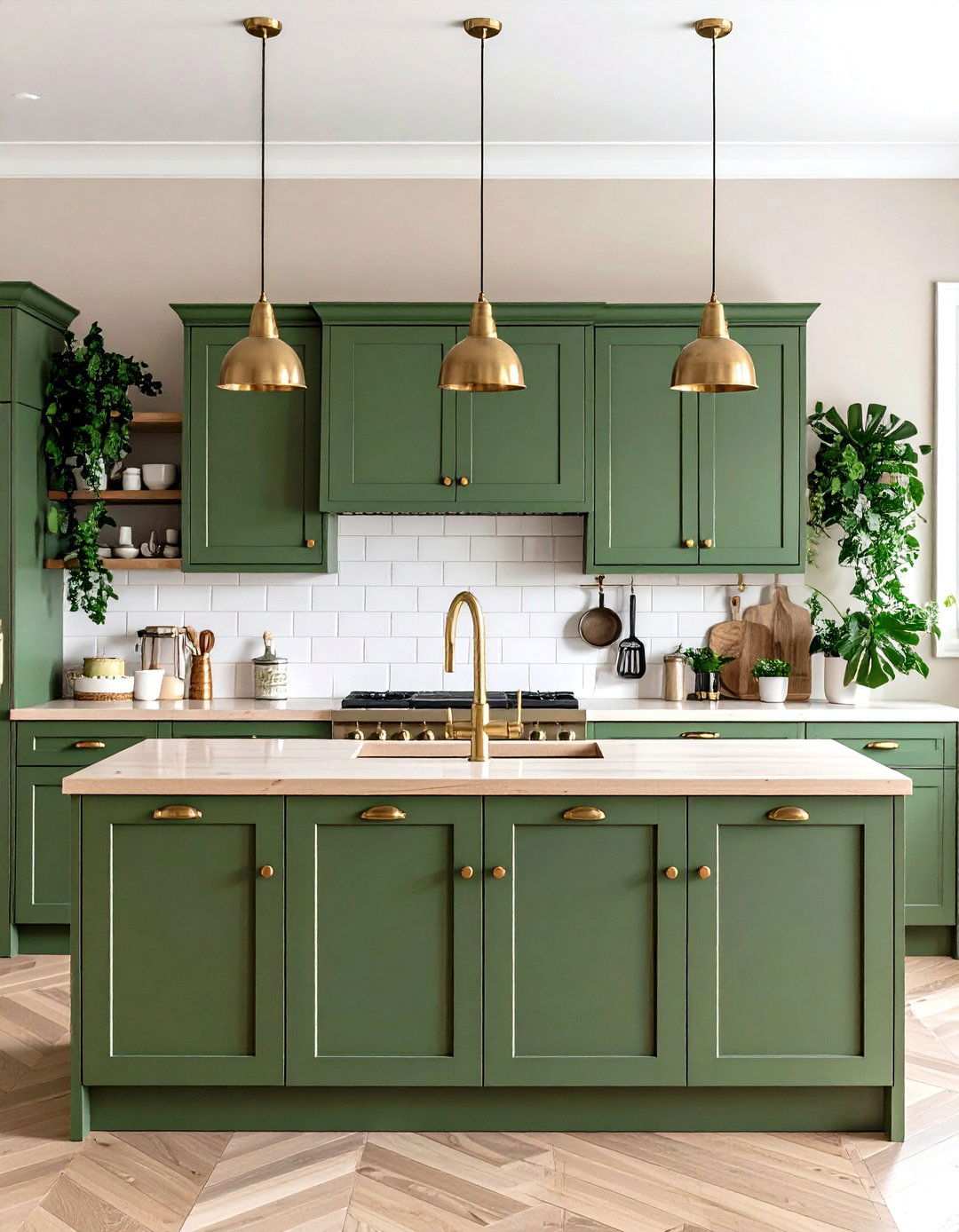
Hunter green emerged as a defining color of the 1990s, frequently used on kitchen cabinets to create dramatic, sophisticated statements . This rich, saturated hue brought unparalleled depth and elegance to kitchen spaces, echoing the decade’s affinity for nature-inspired tones. When paired with strategic accents, hunter green on kitchen cabinets, pillows, or painted buffets can evoke a sense of regal tradition . Modern reinterpretations of this classic color often combine hunter green with brass or gold hardware, natural wood countertops, and white or cream walls for an exquisite balance. This timeless color works particularly well in traditional or transitional kitchen designs where a sense of established elegance is desired. Consider balancing hunter green cabinets with lighter hues on upper cabinets to maintain visual harmony and prevent the space from feeling overpowering.
5. Evolving the Comfort of Sectional Sofas
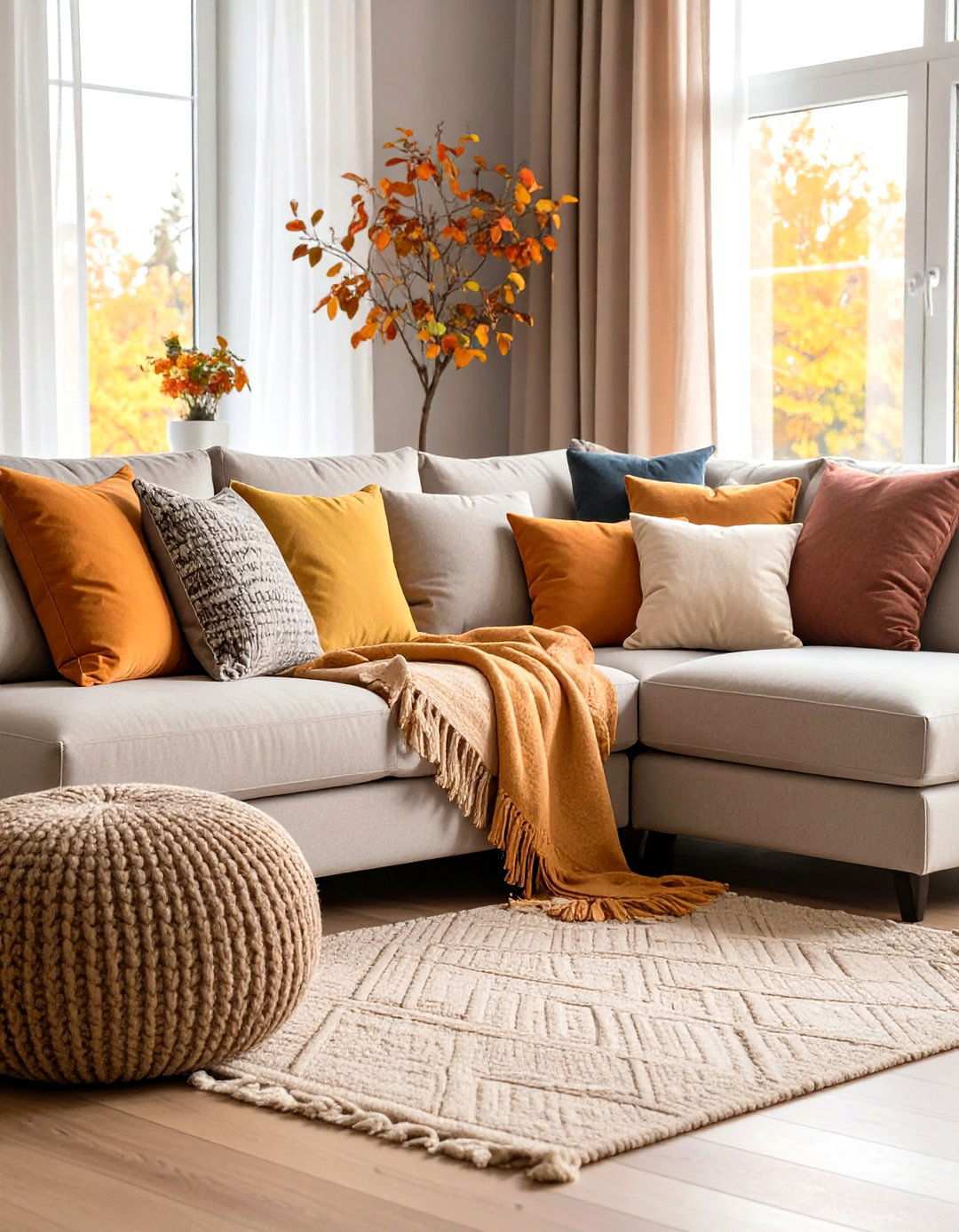
Sectional sofas epitomized the 1990s focus on comfort and casual living, available in sumptuous fabrics like velvet and durable materials that prioritized both aesthetic appeal and functionality . These large, modular seating arrangements encouraged relaxed gatherings and reflected the decade’s shift toward more informal living spaces. Plush sectionals and overstuffed sofas in fabrics like chenille and velvet defined the 1990s living room aesthetic . Today’s versions feature sleeker lines and eco-friendly fabrics while maintaining the comfort factor that made them so beloved. By choosing sectionals with modular components that can be rearranged as needed, and opting for neutral upholstery, you can easily update your living space with colorful throw pillows and blankets. This approach creates adaptable spaces perfect for modern family life, while honoring the decade’s commitment to comfort.
6. Neon Accent Lighting for a Vibrant Nostalgia
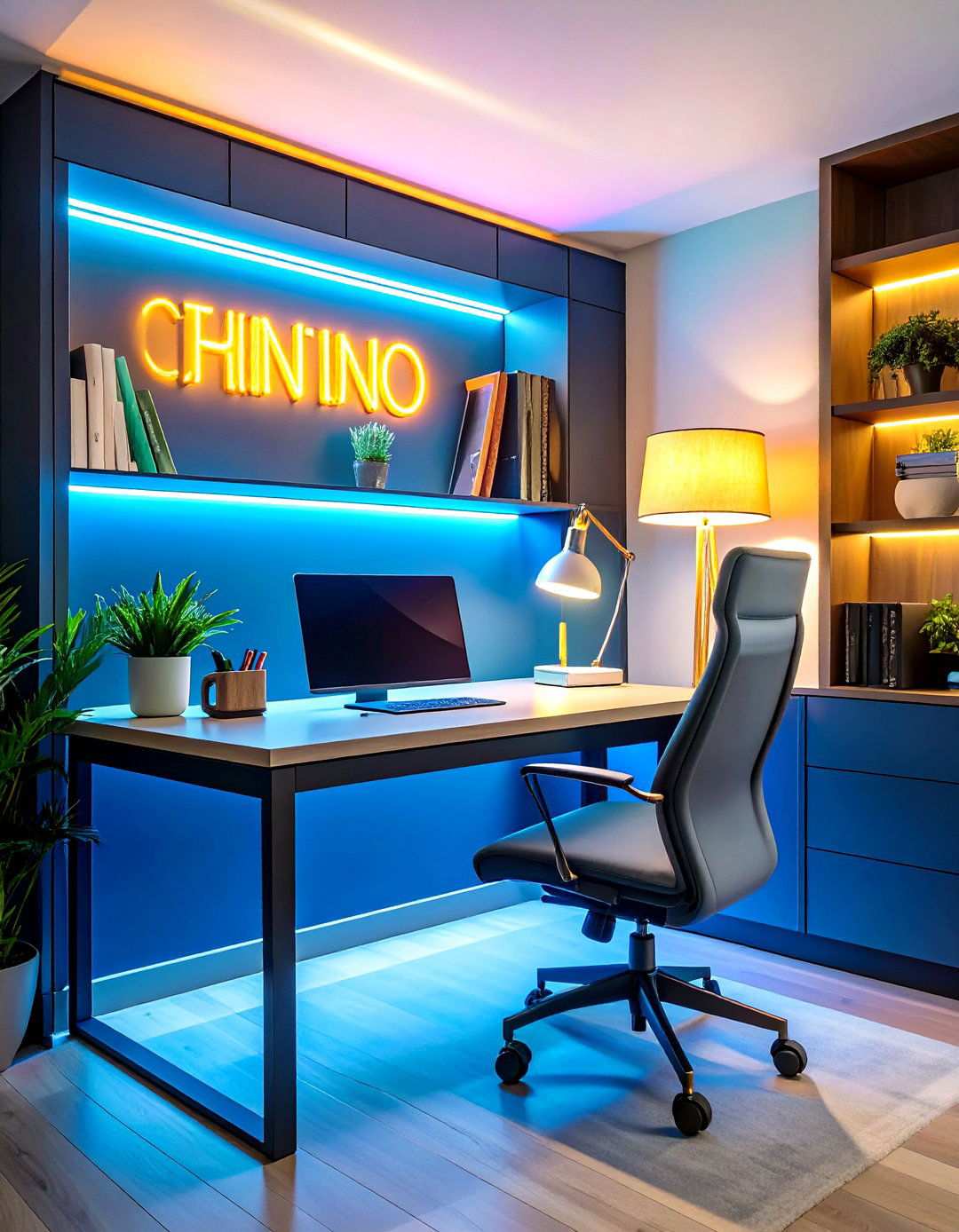
Neon’s resurgence in the 1990s saw it transcend its functional roots to become a statement piece in stylish interiors, injecting a dose of nightlife excitement into any room with its glowing fixtures . This bold lighting choice embodied the era’s love for vibrant colors and flashy accents, reflecting a desire for a more dynamic, attention-grabbing aesthetic . By using LED strips to highlight architectural features like alcoves or under counters, modern applications can create a futuristic look that pays homage to the decade’s fascination with cutting-edge tech . When employed as accent lighting, rather than primary illumination, neon’s impact is amplified, making it an ideal choice for statement pieces that add a touch of 1990s flair to home offices, entertainment rooms, or teen spaces. Incorporating neon signs with meaningful phrases, LED strip lighting under floating shelves, or neon-colored table lamps can help create an energetic atmosphere that celebrates the decade’s optimistic spirit.
7. Timeless Entertainment Centers Inspired by 1990s Innovation
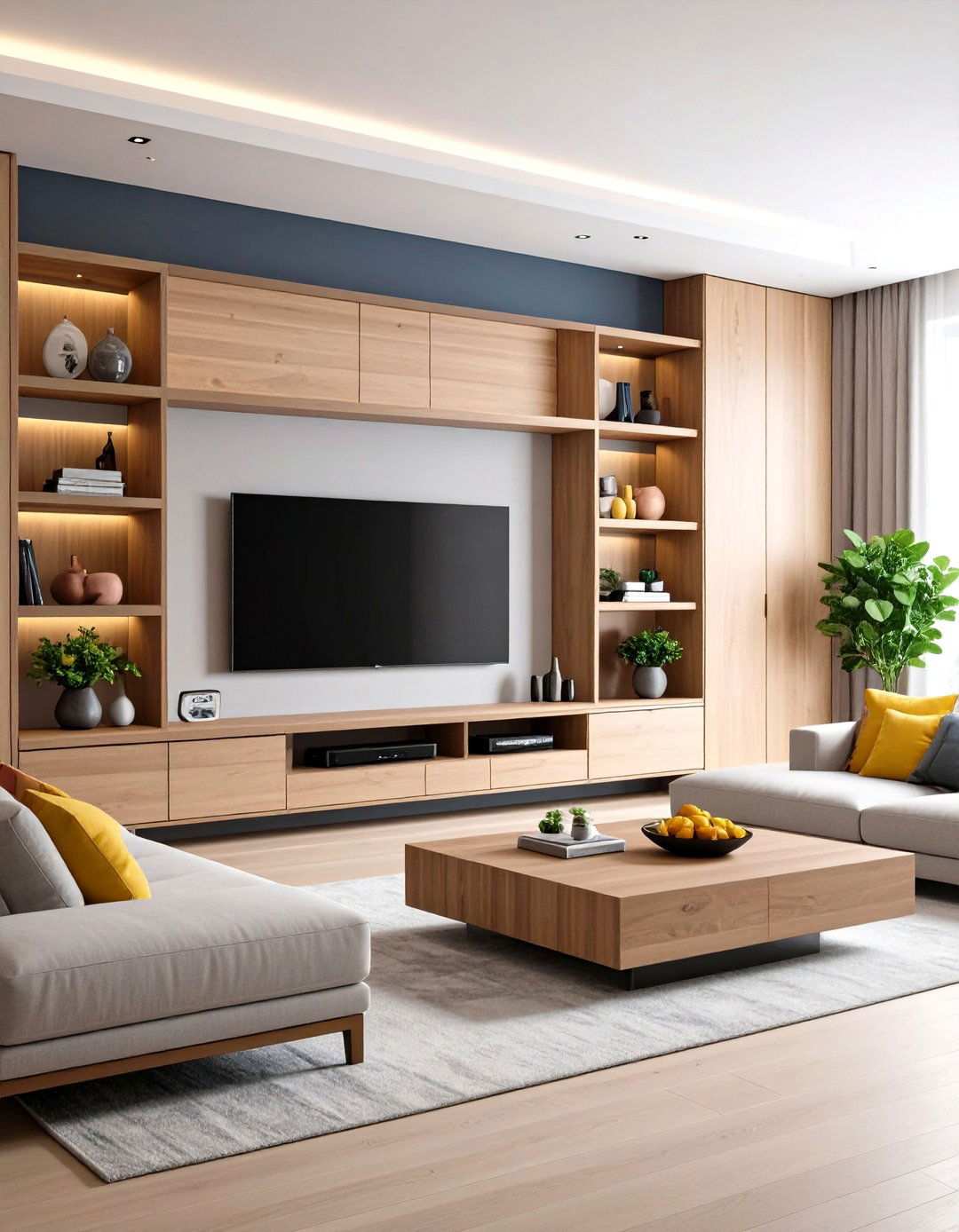
Entertainment centers of the 1990s were a testament to the era’s technological advancements, serving as the hub of home entertainment with their ability to house massive CRT televisions, VCRs, CD players, and video game consoles . These pieces not only provided organized storage for bulky equipment but also made a style statement with their intricate designs and glass doors, adding a touch of sophistication to the room . Fast forward to modern times, and entertainment centers have evolved to prioritize sleek, built-in media walls or floating consoles that seamlessly integrate today’s streamlined electronics. When selecting a piece, look for features like hidden cable management and adjustable shelving to ensure it adapts to changing technology needs and maintains the 1990s emphasis on organized entertainment spaces.
8. Faux Finishing Techniques for a Textured Revival
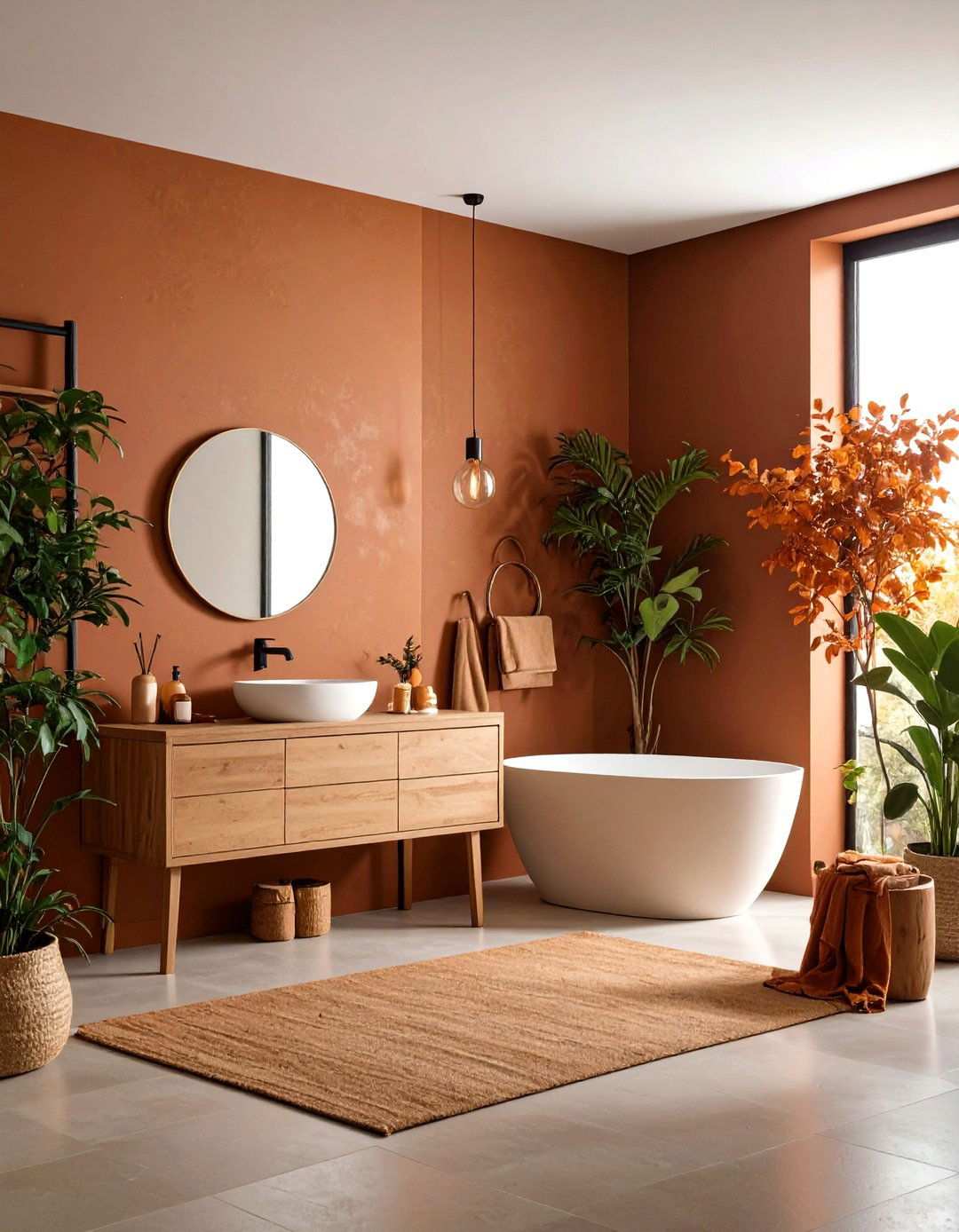
In the 1990s, sponge painting emerged as the go-to faux finishing technique, allowing homeowners to add depth and visual interest to their walls with creative flair . Bedroom walls were often sponged, rag-rolled, glazed, or painted with plastic wrap, enabling people to express their personality and style . The suede faux painting technique, in particular, proved adept at hiding wall imperfections, with popular color choices ranging from russet-tinged orange to yellow . To achieve a similar effect in modern spaces, consider subtle color-washing techniques that use similar tones to create a sophisticated look. Alternatively, you can try more contemporary approaches like limewash or textured plaster, which offer a range of creative possibilities for adding character and warmth to your space while honoring the decade’s creative spirit.
9. Reviving the Radiance of Light Wood Finishes
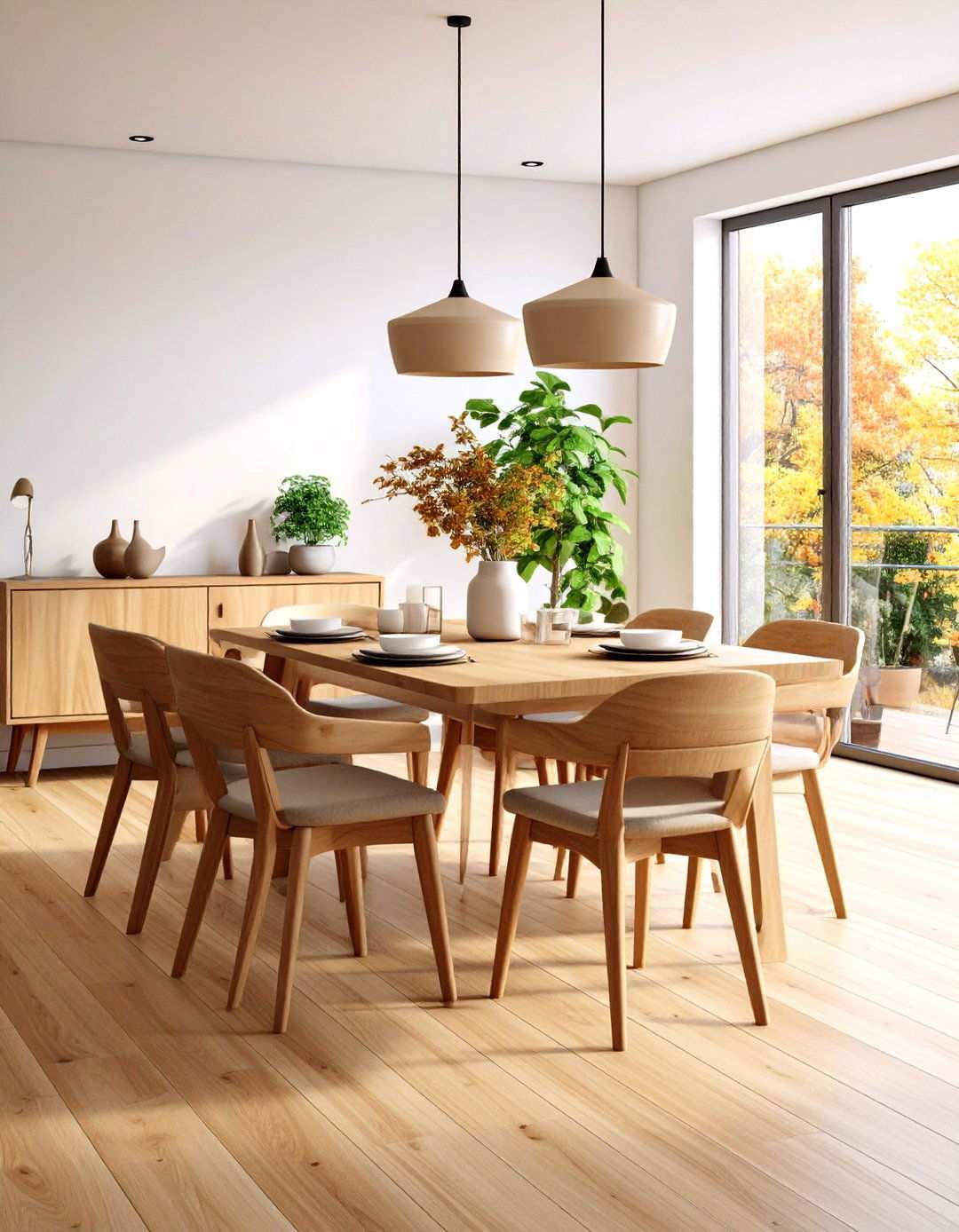
The charm of Scandinavian design, once a hallmark of 1990s interiors, made a lasting impact with its light wood finishes that effortlessly brightened up spaces, imbuing them with a sense of airiness and openness . Blonde wood finishes became an instant hit in loft spaces, offering a refreshing alternative to the traditional dark wood aesthetic . This shift in design philosophy reflected the decade’s move toward a more relaxed, casual lifestyle, with an emphasis on comfort and practicality . The prevalence of light wood finishes in cabinetry and flooring added to the warm and inviting atmosphere of the era, creating a sense of continuity between spaces . Modern interpretations take a more sustainable approach, incorporating natural oils to enhance the beauty of the wood grain while minimizing its environmental footprint . Consider incorporating light oak, maple, or blonde wood furniture, accent walls, or statement pieces to create a bright, airy environment that exudes both contemporary style and timeless appeal.
10. Unbridled Expression of Primary Color Palettes
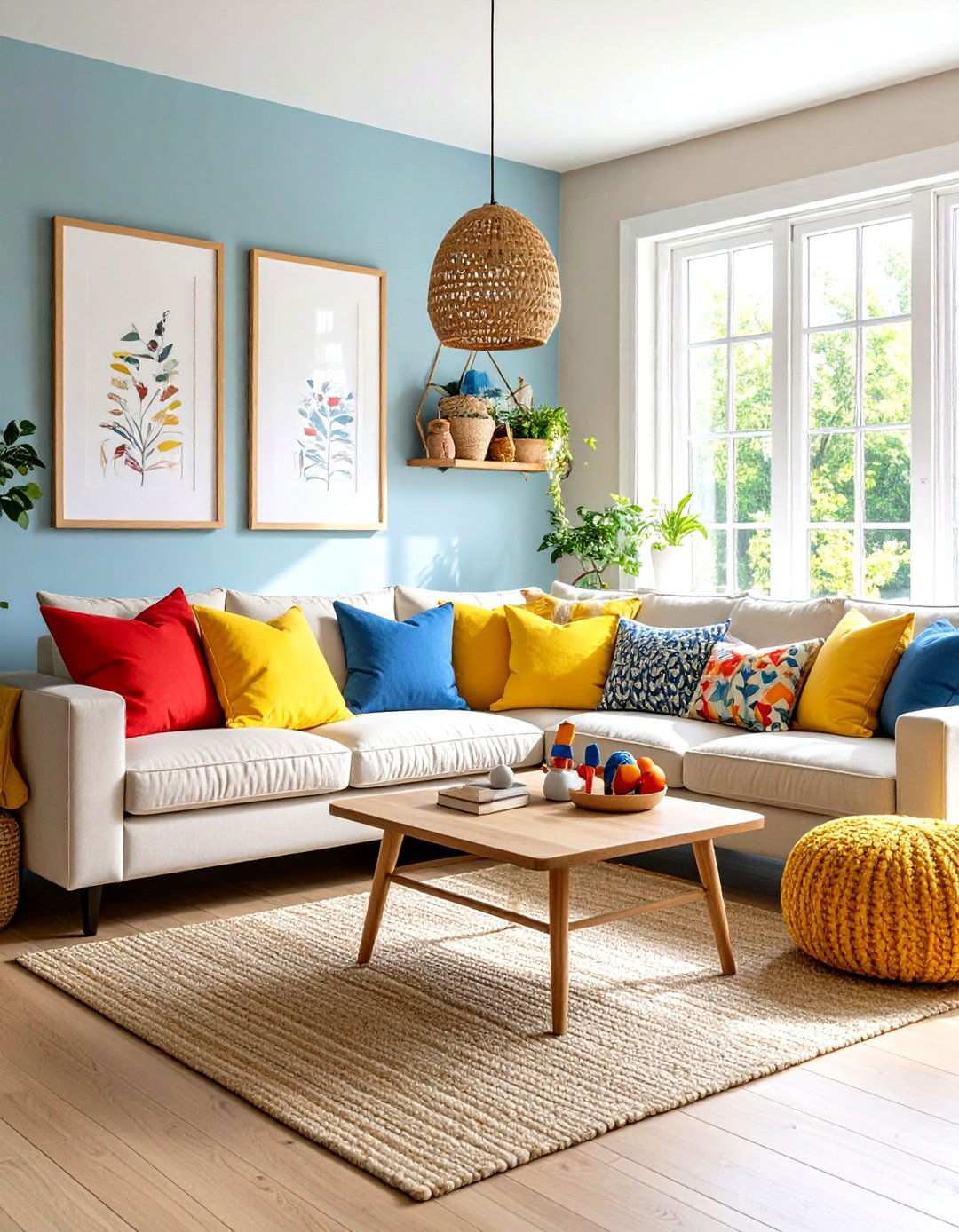
The 1990s was a decade that knew no bounds when it came to the fearless use of primary colors – red, yellow, and blue – which made their presence felt in every architectural style, from country to modern . Primary color accents, initially confined to kids’ bedrooms, soon spilled over into other areas of the home, adding a splash of vibrancy to the decor with bold throw pillows complementing pattern-heavy upholstery . This bold approach to color created spaces that were not only energetic but also optimistic, perfectly capturing the decade’s carefree spirit . Modern applications of primary colors benefit from using them as accents rather than dominant elements, allowing for a more nuanced and sophisticated expression of color . Consider incorporating primary-colored artwork, decorative accessories, or throw pillows to add pops of energy to neutral spaces. By striking the right balance between bold color and subtle restraint, you can create spaces that inspire creativity and energy while maintaining a sense of refinement.
11. The Evolution of Playful Seating Options
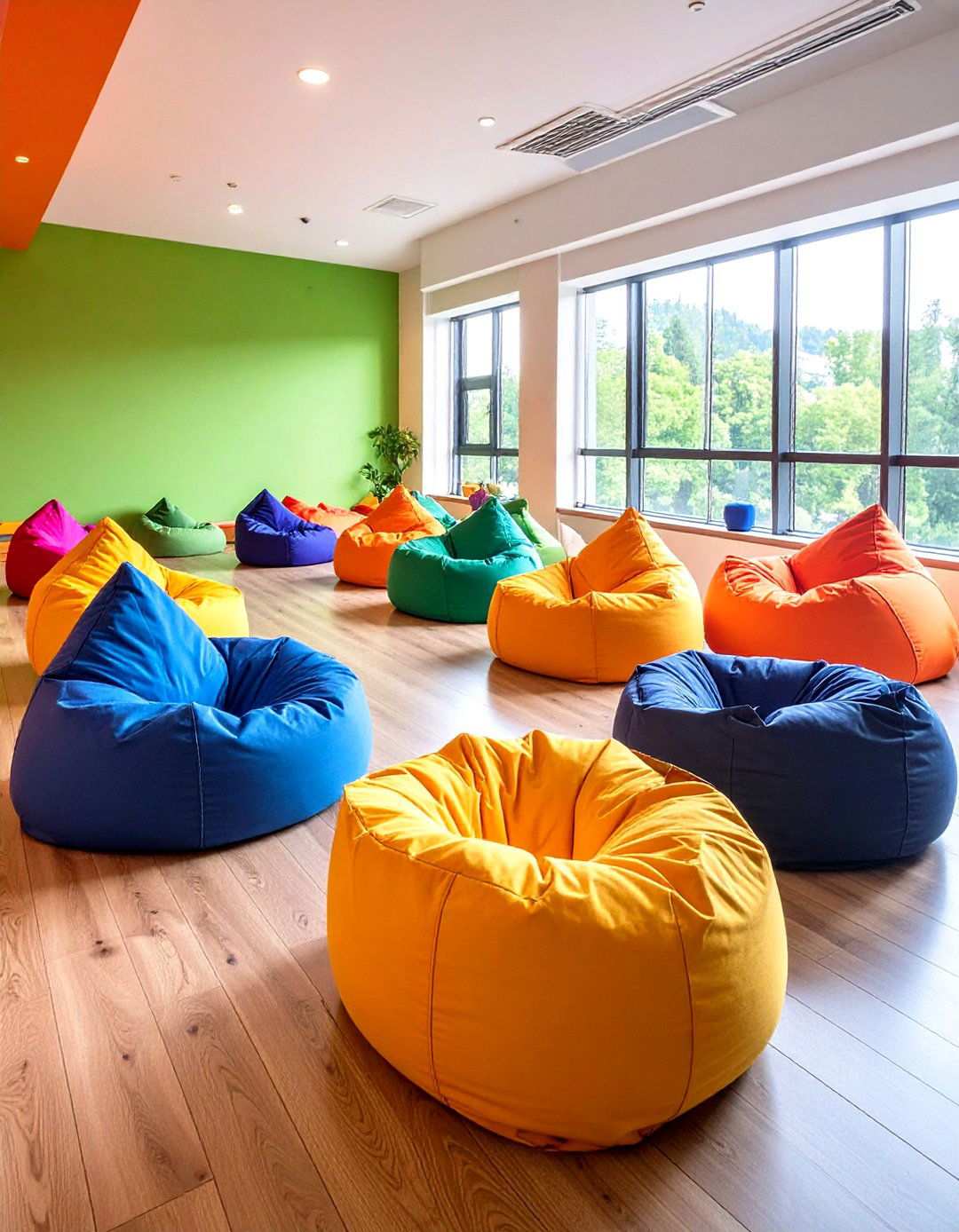
Inflatable furniture, a fleeting fad in the 1990s, left an indelible mark on the world of home decor with its bold, colorful appearance and playful vibe . This trend, particularly popular among teens and young adults, provided an affordable and fun way to furnish spaces with air-filled pieces that added a touch of whimsy to any room . While pure inflatable furniture may have fallen out of favor, its spirit of playful, unconventional seating remains a relevant design mantra . Consider modern alternatives like bean bags, floor cushions, or modular foam seating that captures the essence of inflatable furniture’s casual, flexible appeal . These options work beautifully in spaces where comfort and fun take precedence over formal elegance, such as teen rooms, game rooms, or casual gathering areas. By embracing the playful, unconventional approach of inflatable furniture, you can create spaces that embody the carefree spirit of the 1990s while maintaining a sense of practical functionality.
12. Reviving the 1990s Spirit: Open Floor Plans for Social Living
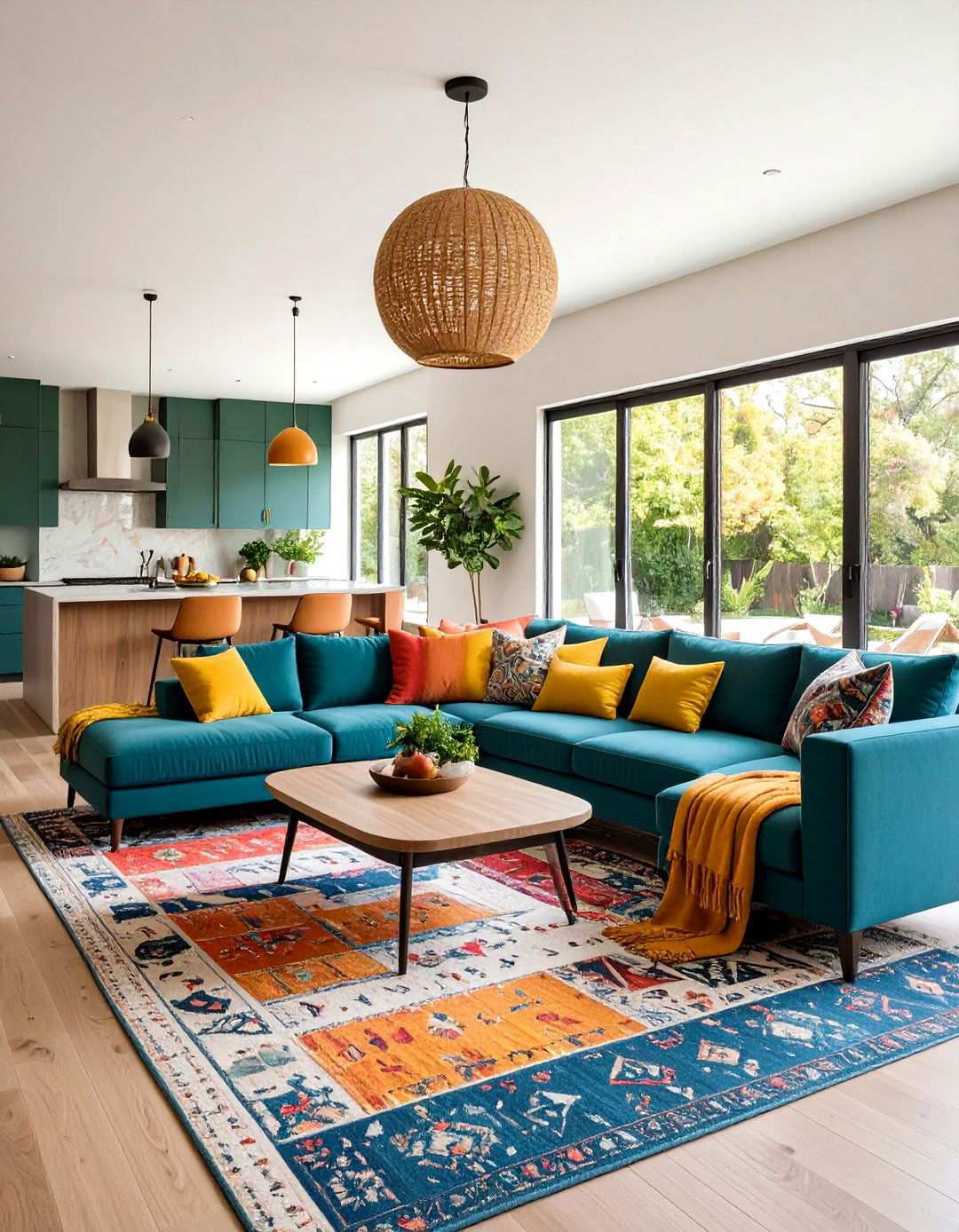
The 1990s witnessed a notable shift toward embracing open and adaptable living spaces, where kitchens seamlessly merged with family rooms to become vibrant hubs of interaction. This architectural phenomenon fostered free-flowing natural light and effortless social connections, mirroring the decade’s gradual shift toward a more casual, communal lifestyle. Open floor plans continue to thrive today, particularly when paired with cutting-edge technology, dynamic layouts, and eco-friendly materials. Contemporary interpretations emphasize defining areas within open layouts through strategic use of area rugs, lighting, or furniture arrangement, rather than relying on physical barriers. To create inviting conversation spaces, consider positioning sectional sofas, utilizing kitchen islands as natural gathering points, or incorporating multifunctional furniture that serves multiple purposes. By embracing this approach, homeowners can honor the decade’s emphasis on social interaction while catering to contemporary family needs and lifestyles.
13. Infusing 1990s Modernity: Stainless Steel Appliances and Beyond
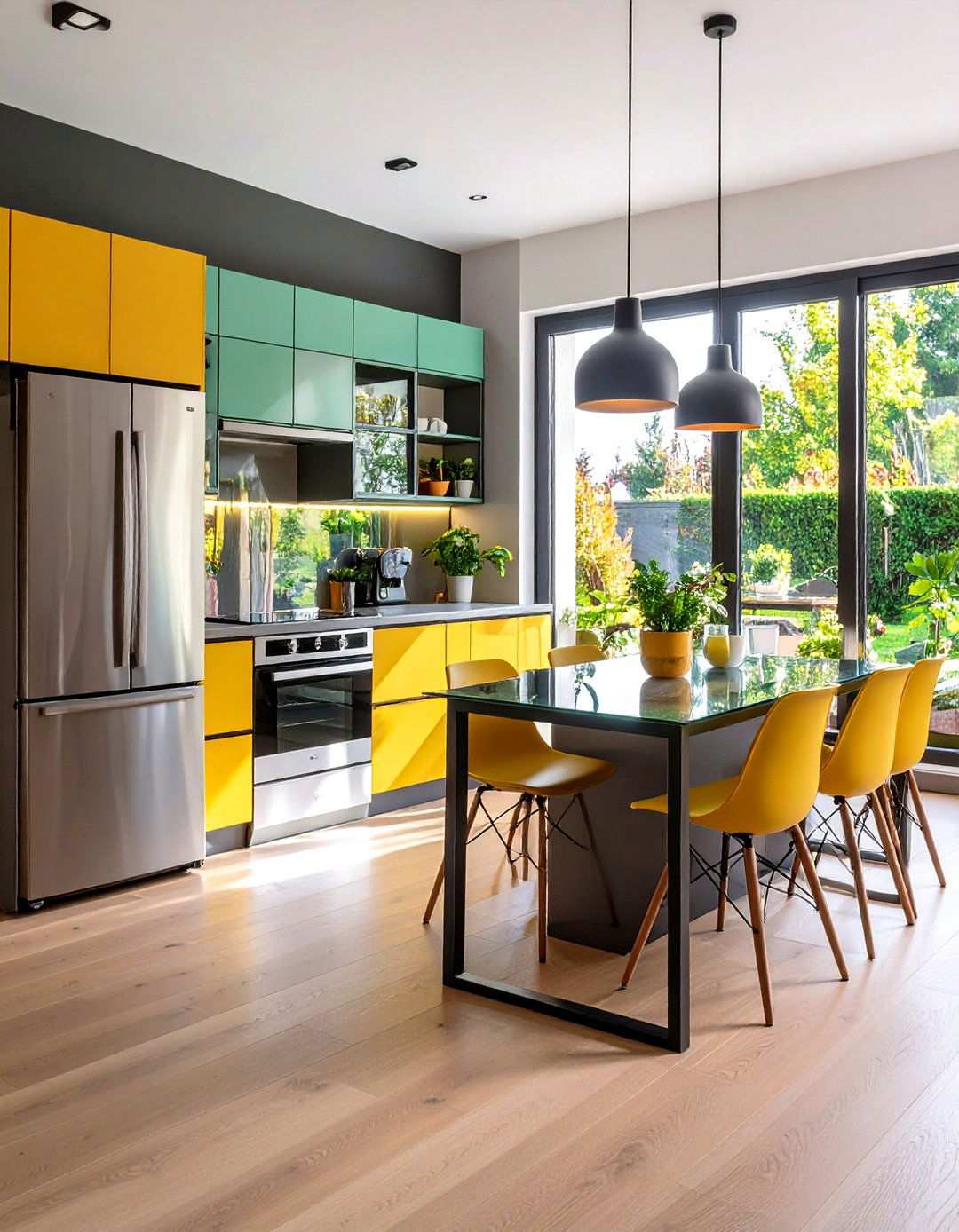
Stainless steel appliances catapulted kitchens into a realm of sleek sophistication and practicality, embodying the modern elements that defined the decade’s functional design aesthetic. Clean, sculptural coffee tables, cabinets, and bookshelves in stainless steel were highly prized for their contemporary allure. This material choice exemplified the era’s enthusiasm for technology and modern living while maintaining a focus on usability. Modern applications have extended the boundaries of stainless steel, incorporating it into furniture, lighting fixtures, and decorative accessories. Glass-top tables with metal frames were staples in 1990s decor, striking a refined balance between sleek, modern lines and more substantial furniture pieces. To inject contemporary sophistication into your space, consider incorporating stainless steel accents in lighting, hardware, or accent furniture, which can create striking contrast with warmer materials like wood or fabric. This innovative approach honors the decade’s forward-thinking design philosophy while elevating your living space to new heights.
14. Global Inspirations in 1990s Home Decor
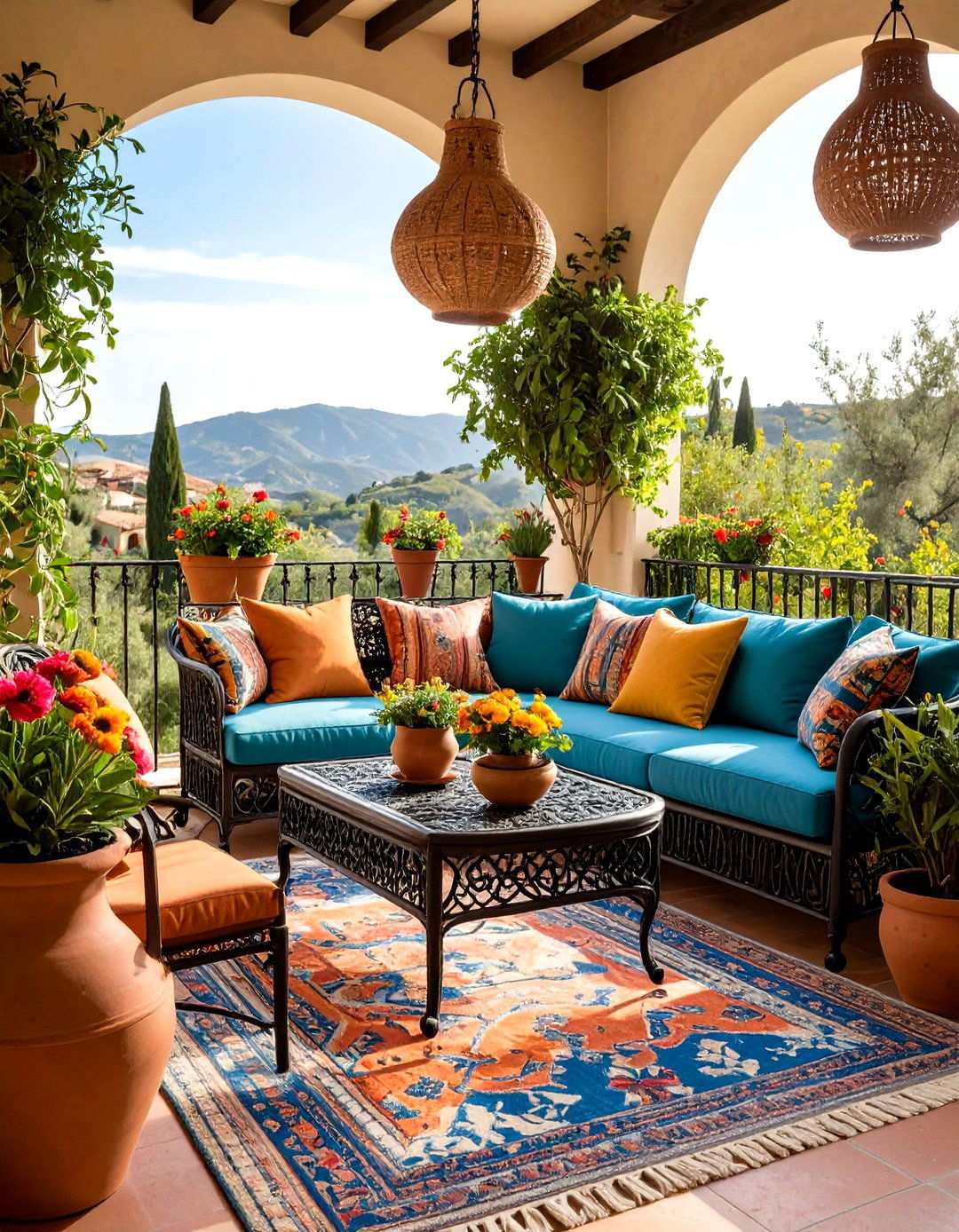
Southwestern and Tuscan interior design styles captured the hearts of homeowners in the 1990s, characterized by earthy tones, warm colors, and natural materials such as stone and wood. Tuscan influences swept the nation, introducing a palette of beige, terra cotta, earthy tan, sage, and gold to interior design. These styles created inviting atmospheres through the use of handcrafted items like pottery and textiles, adding a touch of charm and personality to spaces. Modern interpretations focus on seamlessly integrating these warm, earthy elements without overwhelming contemporary spaces. Consider incorporating terra cotta planters, wrought iron accents, or handwoven textiles as decorative elements to create a cohesive look. By incorporating natural stone backsplashes, warm wood furniture, and copper accessories, you can capture the essence of the style while maintaining contemporary functionality. This approach enables homeowners to create spaces that feel both globally inspired and timelessly comfortable.
15. Whispers of Minimalism for a Calm 1990s Revival
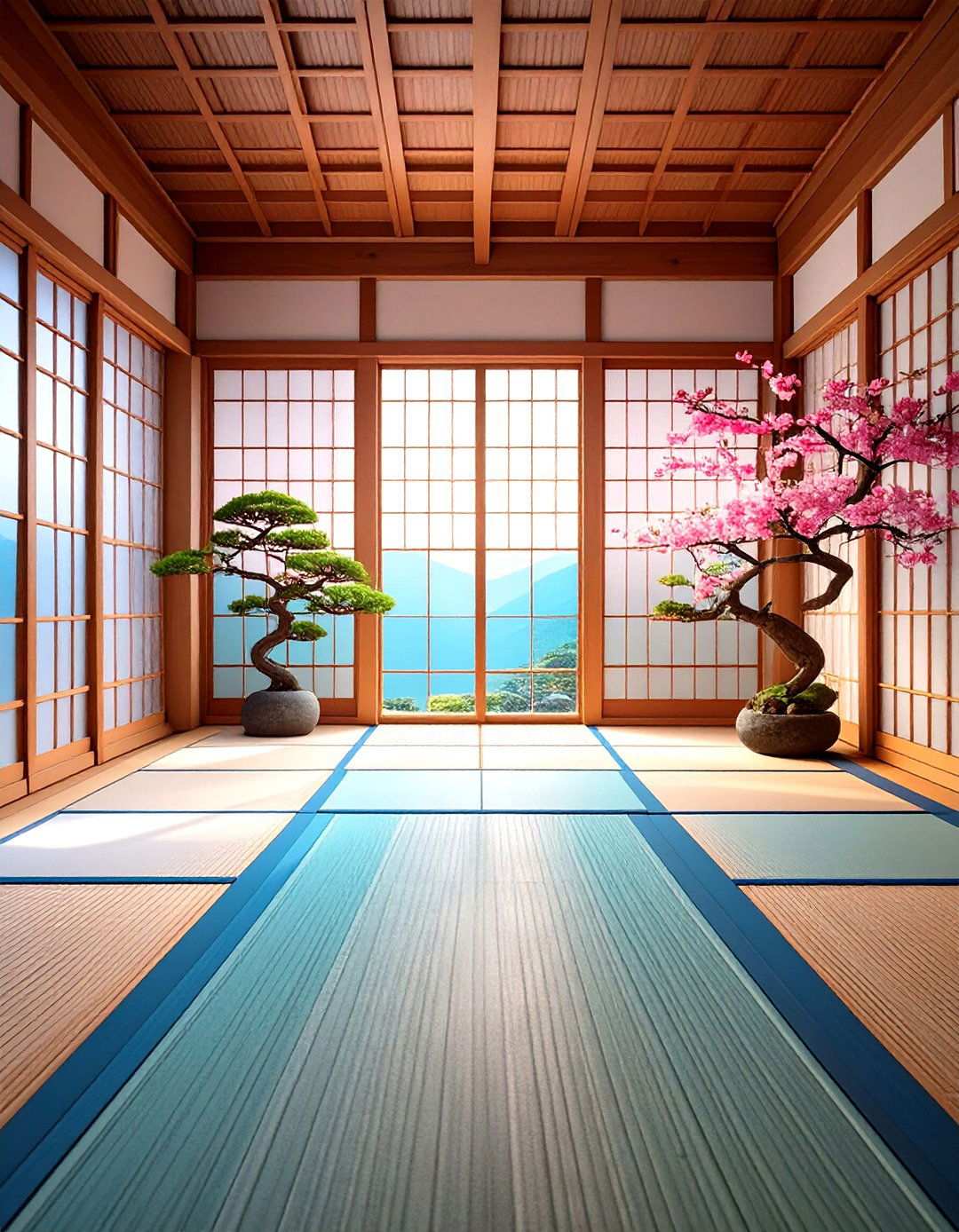
The understated elegance of 1990s minimalist and Zen design reignites a sense of serenity, embracing the simplicity and natural materials that evoke a strong connection with the outdoors. The subtle color palettes, characterized by neutral tones and clean lines, create an atmosphere of calm and tranquility. This timeless approach is reimagined today, focusing on the careful balance of natural elements, thoughtful object placement, and an emphasis on mindfulness. The gentle incorporation of Japanese influences, such as shoji screens, bonsai, and cherry blossom art, adds depth to the space while maintaining its serene ambiance. Contemporary applications of this style thrive in bedrooms, meditation spaces, and home offices, where the pursuit of focus and calm is paramount.
16. Reviving the 1990s Charm of Patterned Wallpaper
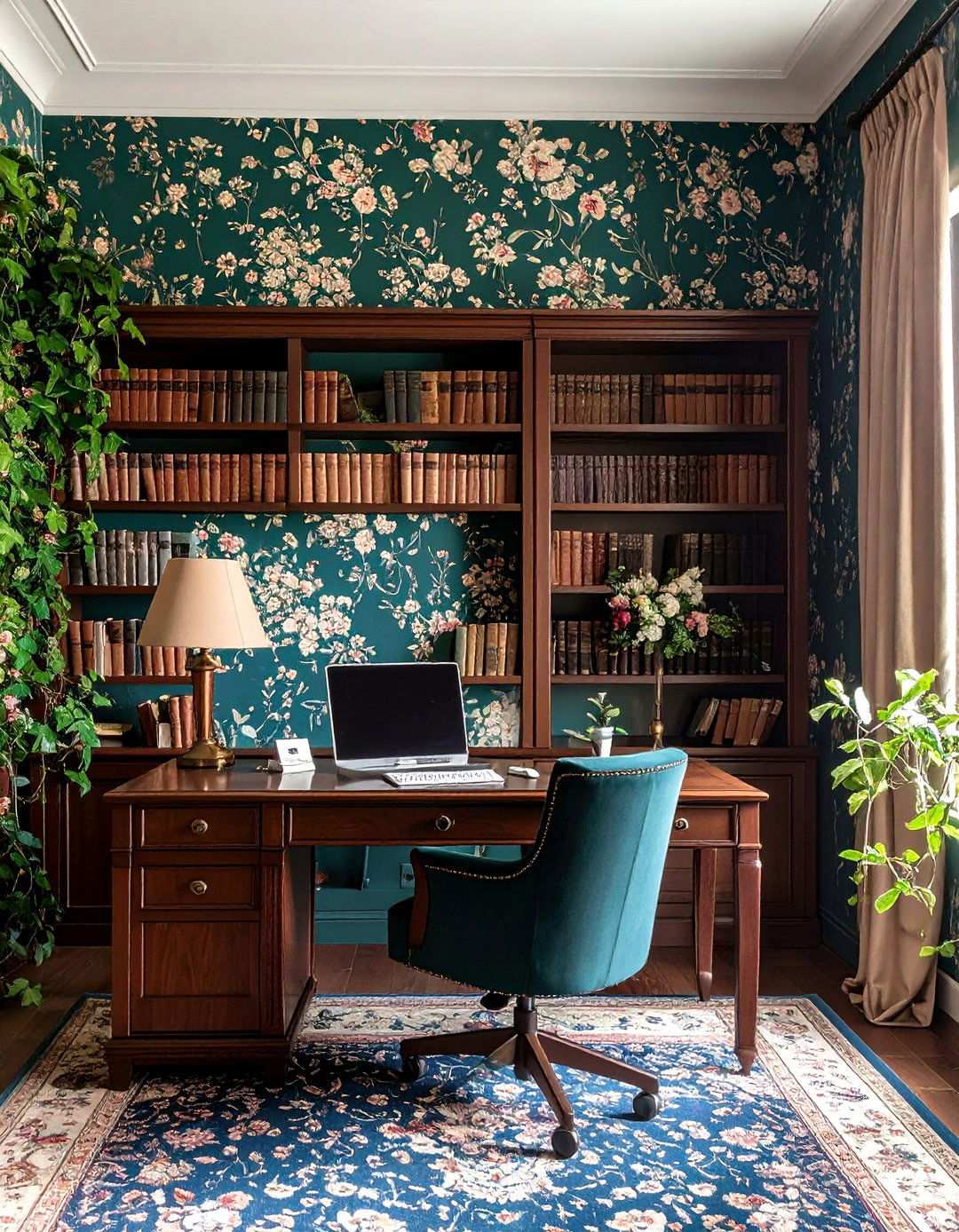
In the 1990s, wallpaper was an integral component of room design, serving as a statement piece that added character and personality to interiors. The bold, intricate patterns and ornate designs that adorned rooms back then are being reimagined today, with a focus on more subtle and sophisticated applications. Modern interpretations of 1990s-style wallpapers feature patterned designs that serve as accent elements rather than overwhelming focal points. Consider incorporating bold patterns on single accent walls, in powder rooms, or as a backing for built-in bookcases. By choosing patterns that complement your existing decor, you can add visual interest and personality to your space without compromising its contemporary sophistication.
17. Rekindling the Romance of Canopy Beds
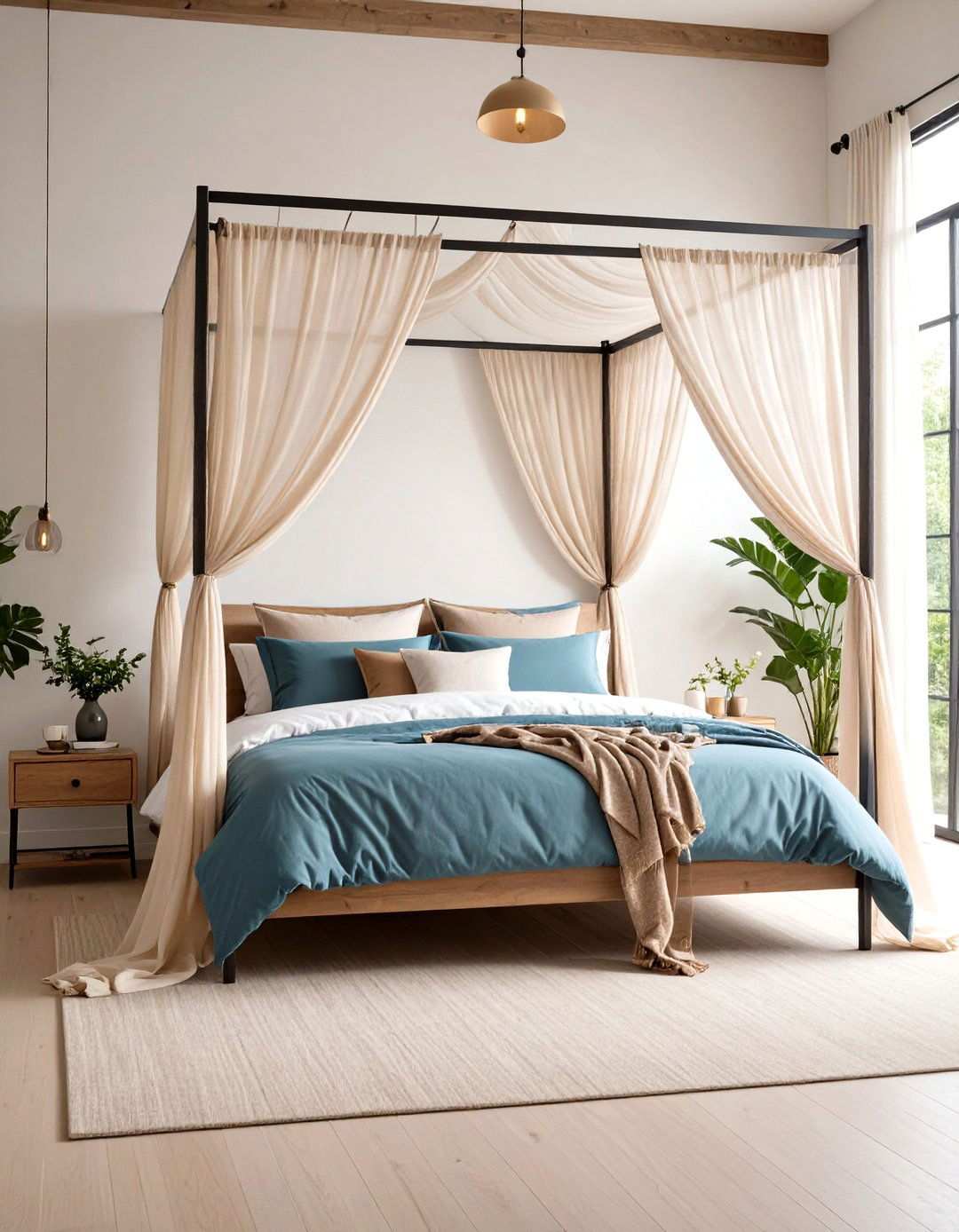
The grandeur of 1990s canopy beds, often characterized by four-poster designs and simple canopies, has been reimagined for modern bedrooms. These dramatic elements create intimate, cozy sleeping spaces while making bold architectural statements. Today’s canopy beds boast cleaner lines, simpler designs, and a romantic, sheltered atmosphere that has captivated generations. Consider incorporating metal frame canopies with simple curtains, wooden four-poster beds with minimal decoration, or ceiling-mounted curtain systems that create a canopy effect without traditional frames. These contemporary interpretations capture the essence of the original design while fitting seamlessly into modern bedroom aesthetics, perfect for creating a private, luxurious retreat in master bedrooms.
18. Built-In Storage Solutions for 1990s Organization
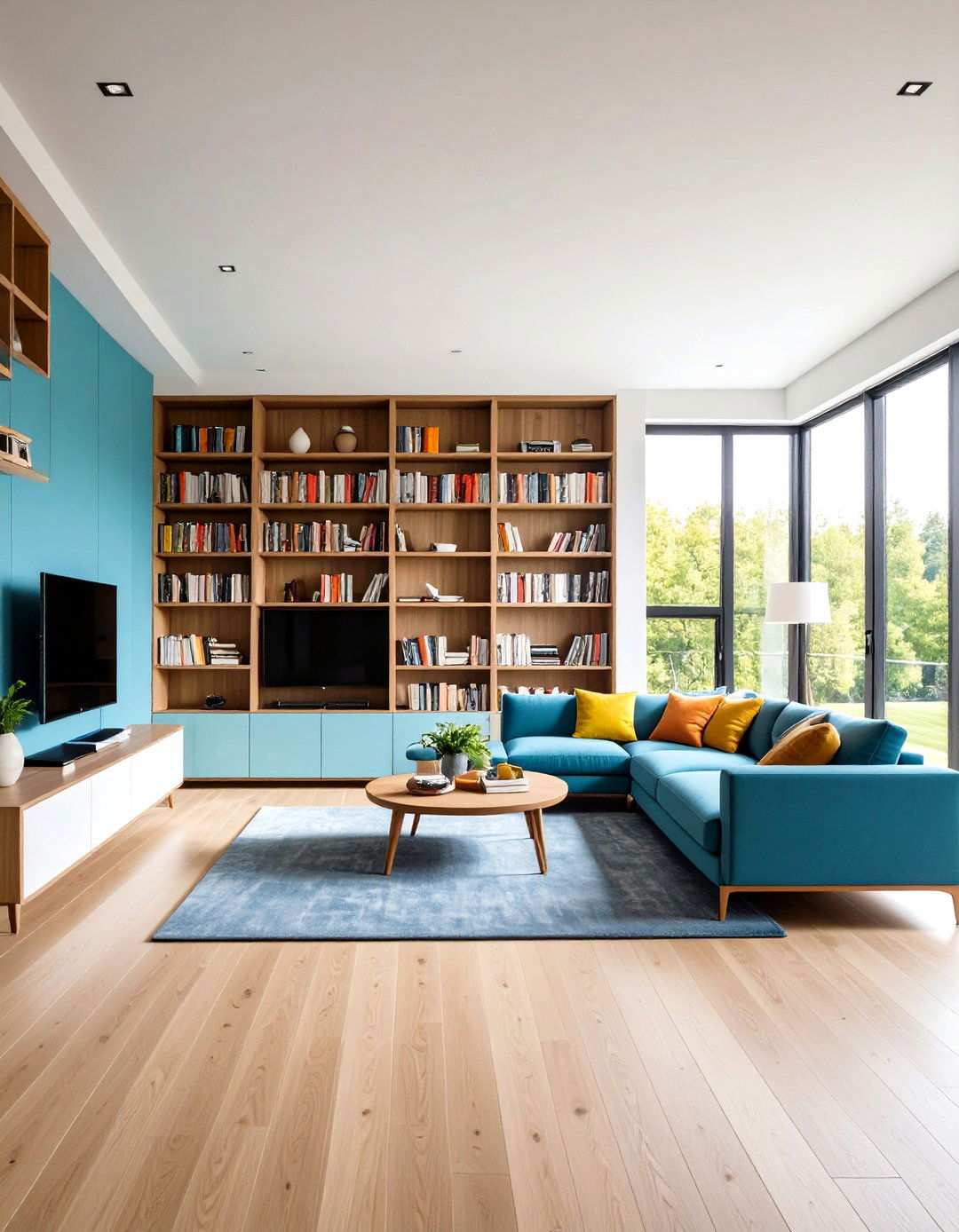
Elevating materials and craftsmanship was key in 1990s home design, where clean-lined cabinetry and understated storage solutions allowed the beauty of the materials to take center stage. As technology integration continued to grow, furniture began incorporating built-in spaces for computers and electronics, reflecting the era’s practical approach to modern living. This thoughtful approach to design also maintained a level of sophistication. Today, built-in storage solutions prioritize seamless integration with room architecture, accommodating contemporary technology and lifestyle needs while maintaining a clean, uncluttered aesthetic. Consider incorporating floor-to-ceiling bookcases, window seat storage, or media centers that blend harmoniously with wall designs. These space-maximizing solutions work particularly well in areas like family rooms, home offices, or bedrooms where organization and functionality take precedence.
19. Round Skirted Tables for 1990s Elegance
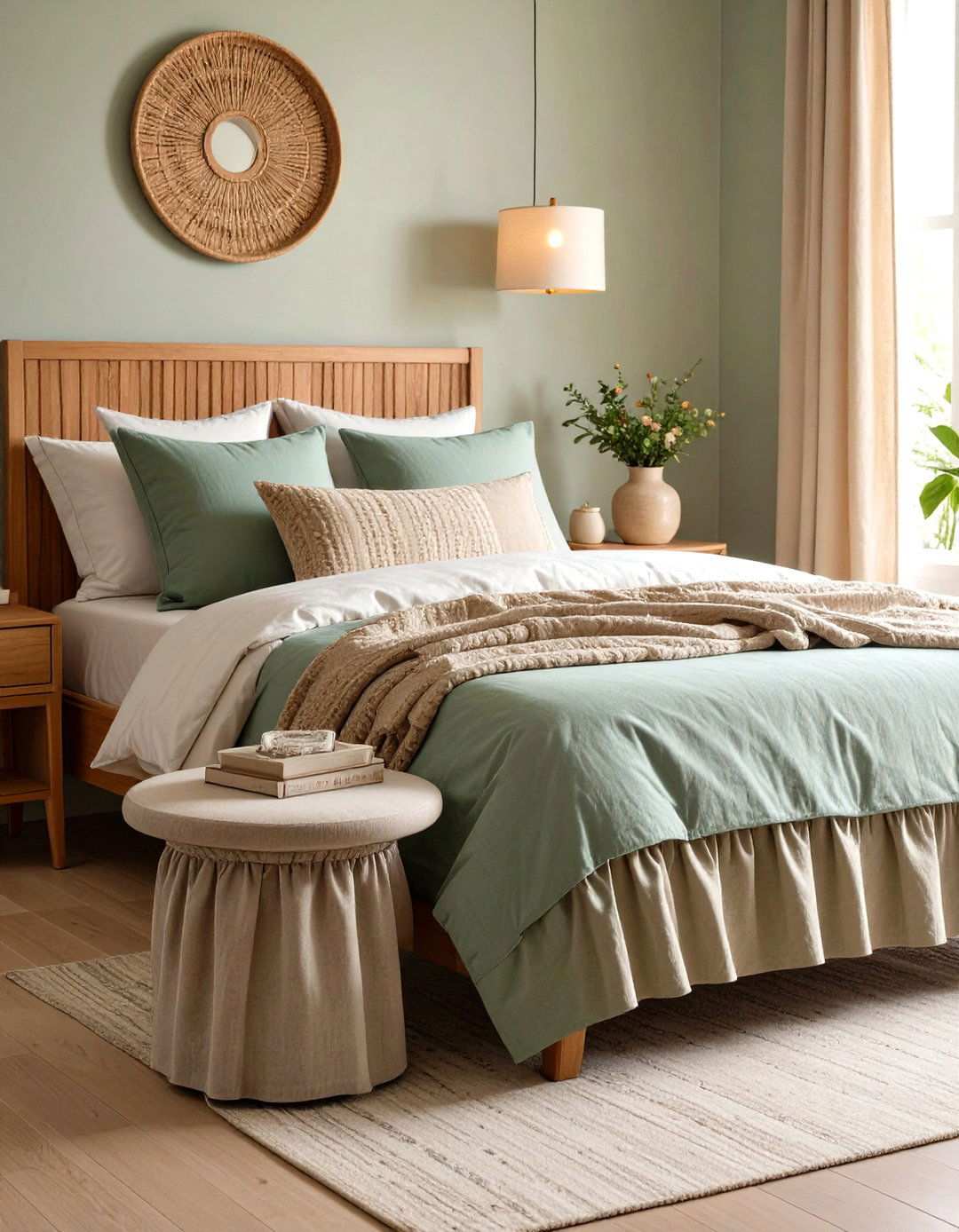
Round, skirted tables played a starring role in 1990s home decor, with many homes featuring multiple pieces in various rooms. These versatile pieces provided both surface space and hidden storage, adding a touch of softness to room designs through their fabric treatments. The tables’ adaptability made them suitable for a range of settings, from living rooms to bedrooms, offering flexibility in function and styling. Contemporary interpretations of these classic pieces focus on updated fabric choices and styling, maintaining the timeless appeal of the original silhouette. Consider using linen or subtle patterns instead of busy florals, and choose table heights that suit their intended purpose. These pieces work well as bedside tables, accent tables in living rooms, or writing desks in bedrooms, where adding a touch of femininity and practical functionality is a priority.
20. Adding Futuristic Flair with Chrome and Glass
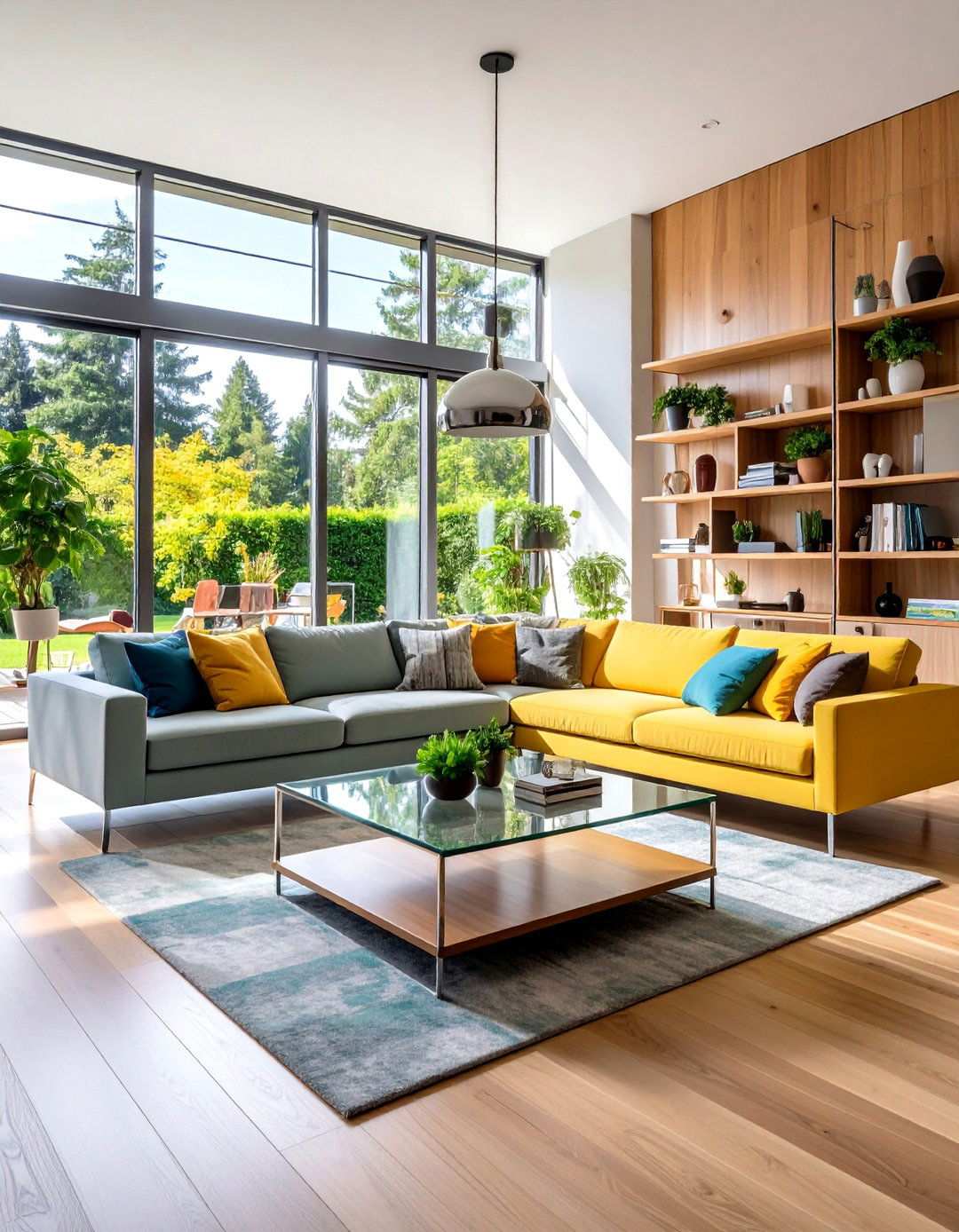
Incorporating chrome-plated metal and expansive glass planes, often employed in a minimalist style, enabled homeowners to infuse their living spaces with cutting-edge elements and a sense of technological advancement. The fusion of sleek glass and metal in glass-top tables with slender metal frames added an undeniable air of sophistication to 1990s decor, skillfully contrasting with the heaviness of traditional furniture pieces. As the decade celebrated its affinity for modern technology and forward-thinking design, these materials played a pivotal role in reflecting this sentiment. Chrome accents emerged as a defining feature of 1990s design, frequently featured in coordinated furniture sets and decorative accessories. For a more nuanced aesthetic, consider integrating chrome and glass accents as subtle enhancements, rather than prominent focal points. Chrome and glass coffee tables, side tables, or decorative accessories can effectively inject a touch of modernity into your space while striking a harmonious balance with warm, natural materials like wood or fabric, thus preserving the optimistic essence of the era.