1. Revival of European Elegance: Euro-Style Cabinets with Oak Accents
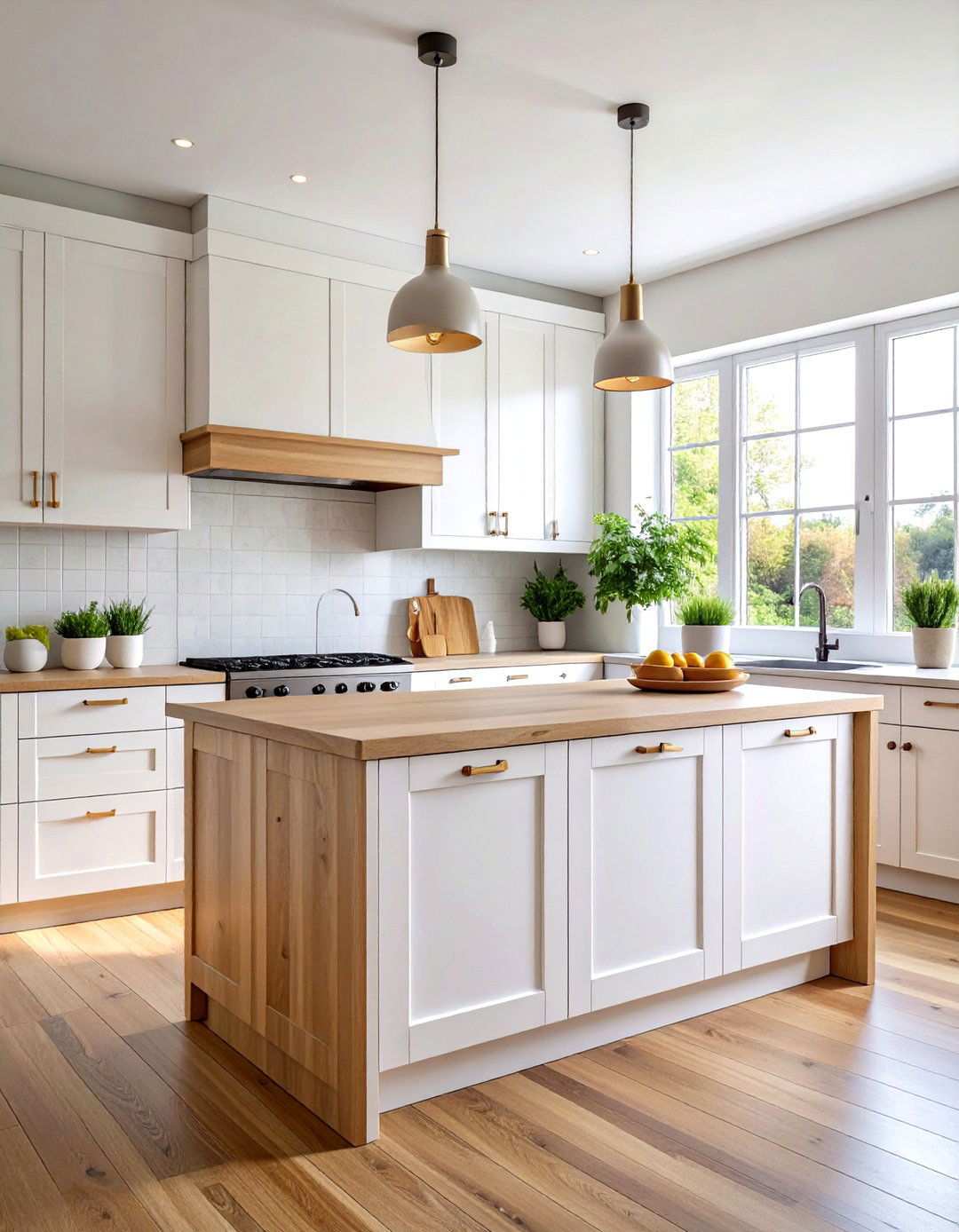
Elegant and sophisticated, the Euro-style cabinet stood out in 1980s kitchen design, boasting a striking fusion of modernity and natural charm. Characterized by white laminate fronts adorned with integrated oak trim handles, these cabinets exuded a sense of refined European aesthetics while maintaining the warmth of organic wood accents. The thoughtful design eliminated the need for separate hardware, streamlining the look and functionality of the space. Crafted from durable melamine surfaces, these cabinets not only offered remarkable longevity but also effortless maintenance, making them an ideal choice for busy households seeking a harmonious blend of style and practicality.
2. Electric Energies: Neon Kitchen Color Schemes and Accents
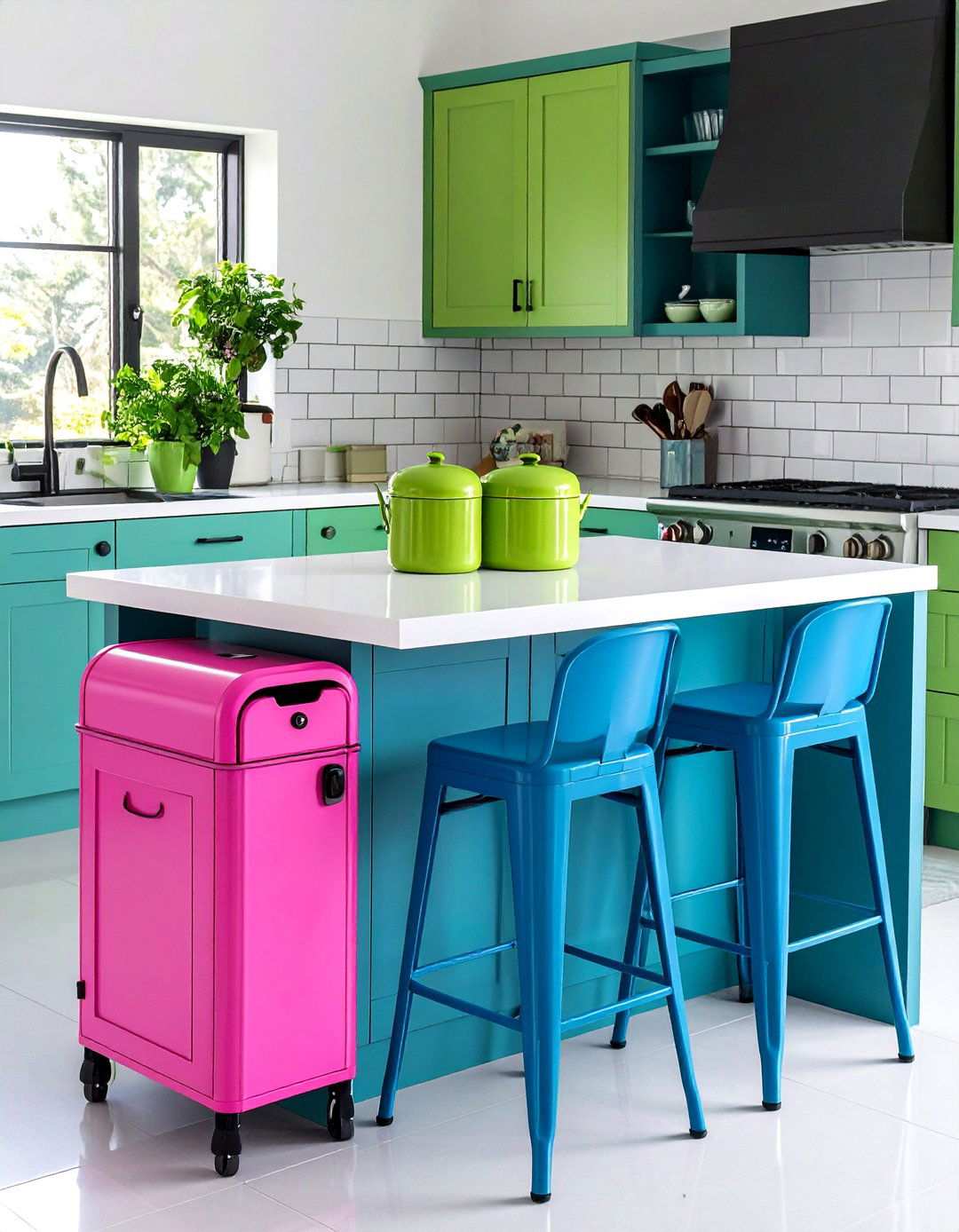
The 1980s kitchen was a vibrant reflection of the era’s unapologetic attitude, with neon colors bursting forth in bold, eye-catching hues. Hot pink bread bins, lime green canisters, bright green cabinets, and electric blue bar stools created an electrifying visual impact against the backdrop of black and white. This fearless approach to color was a deliberate rejection of subdued palettes in favor of energetic spaces that radiated personality. Kitchen designers of the time cleverly incorporated neon shades through small appliances, backsplashes, and decorative accessories, making it easy to update as trends evolved. Today, kitchens can recapture this energetic essence by strategically incorporating neon pops in stand mixers, lighting fixtures, or colorful tile accents, instantly transforming neutral spaces into dynamic hubs of entertainment and optimism.

As an Amazon Associate I earn from qualifying purchases.
3. Illuminating Kitchen Task Areas with Track Lighting Systems
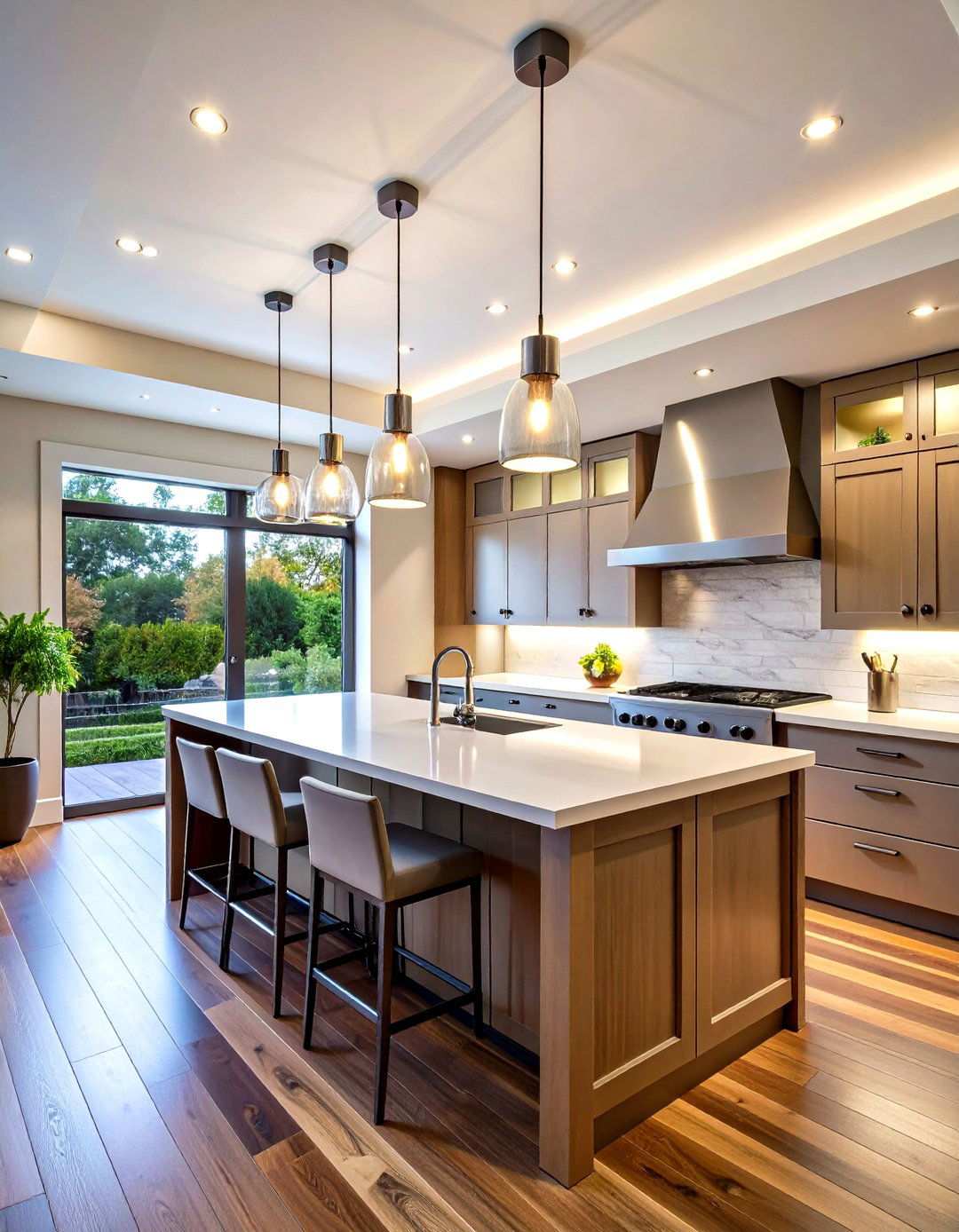
The track lighting system burst onto the scene in the 1980s as a sleek, modern alternative to fluorescent box lights, making its way into kitchens, islands, and countertops. This groundbreaking lighting solution offered unparalleled flexibility, empowering homeowners to direct illumination precisely where it was needed for cooking and dining. The decade’s lighting aesthetic was characterized by futuristic flair, often incorporating materials like chrome and aluminum that embodied the era’s high-tech ethos. Track systems allowed for the accommodation of multiple fixtures, making them ideal for kitchens that served multiple purposes as family gathering spaces. Modern track lighting retains this practical legacy while embracing LED technology and refined finishes that harmonize with both contemporary and retro kitchen aesthetics, underscoring the enduring value of this 1980s innovation.
4. Harnessing Natural Light with 1980s-Inspired Kitchen Skylights
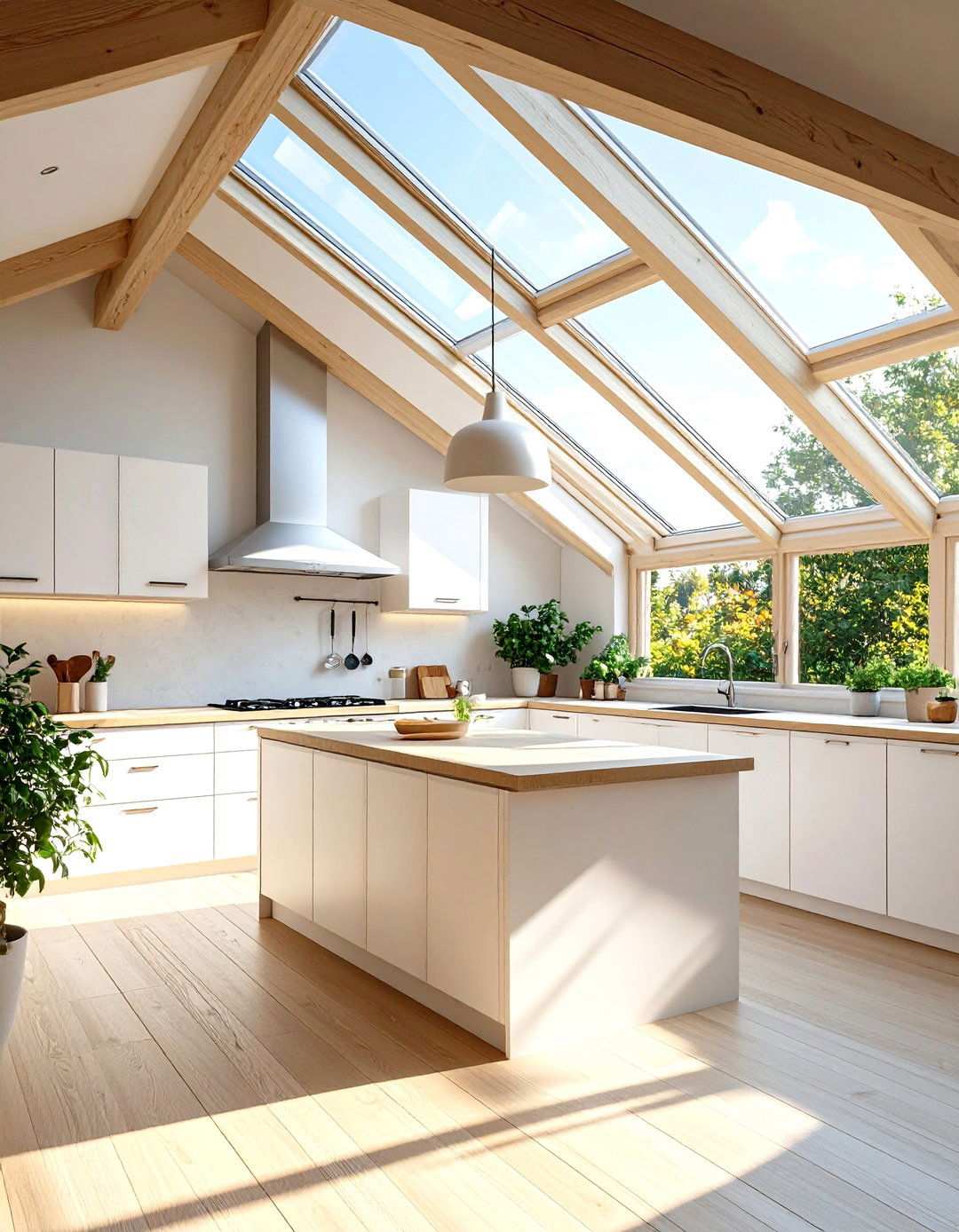
Skylights experienced a significant surge in popularity in 1980s kitchens, particularly in new builds, where having one was seen as the ultimate kitchen luxury. These architectural features revolutionized kitchen spaces by flooding them with natural light, creating a sense of expansiveness and connection to the outdoors. Skylights catered to the decade’s craving for bright, airy kitchen environments that transcended the darker, more enclosed designs of previous eras. They proved particularly effective above kitchen islands and dining areas, creating natural focal points that enhanced both functionality and ambiance. Many homeowners amplified the effectiveness of skylights by incorporating complementary track lighting around the perimeter for evening illumination. Today’s kitchen designs continue to benefit from this 1980s innovation, with modern skylights offering improved energy efficiency and automated controls while maintaining that signature sense of openness.
5. Integrating Greenhouse Kitchen Windows Above Sink Areas
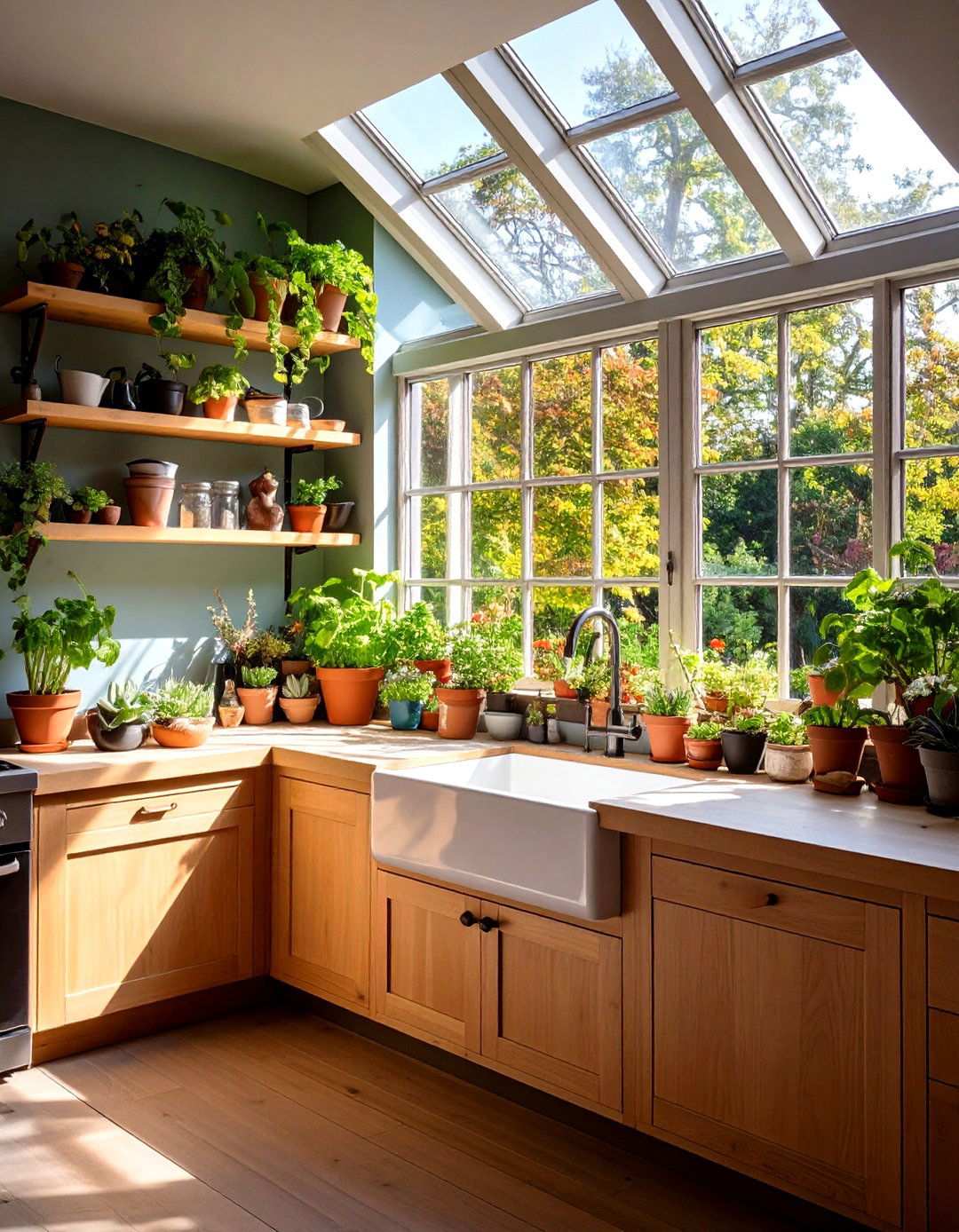
Suburban homeowners in the 1980s enthusiastically adopted greenhouse windows, often installed above kitchen sinks, which extended beyond the exterior of the house and featured shelves for showcasing houseplants, herbs, and cacti. These distinctive windows created mini indoor gardens that brought natural elements directly into kitchen spaces while providing practical growing areas for cooking herbs. The extended design maximized light exposure for plants while creating charming display opportunities that softened the decade’s bold design elements. Many 1980s kitchens boasted an abundance of plant life, with greenhouse windows serving as the perfect spots for modern planters and interesting herbs. Contemporary interpretations of this concept can incorporate sleek modern greenhouse windows that maintain the functionality while updating the aesthetic for today’s kitchen designs and sustainable living trends.
6. Ceramic Tile Kitchen Countertops with Grout Lines
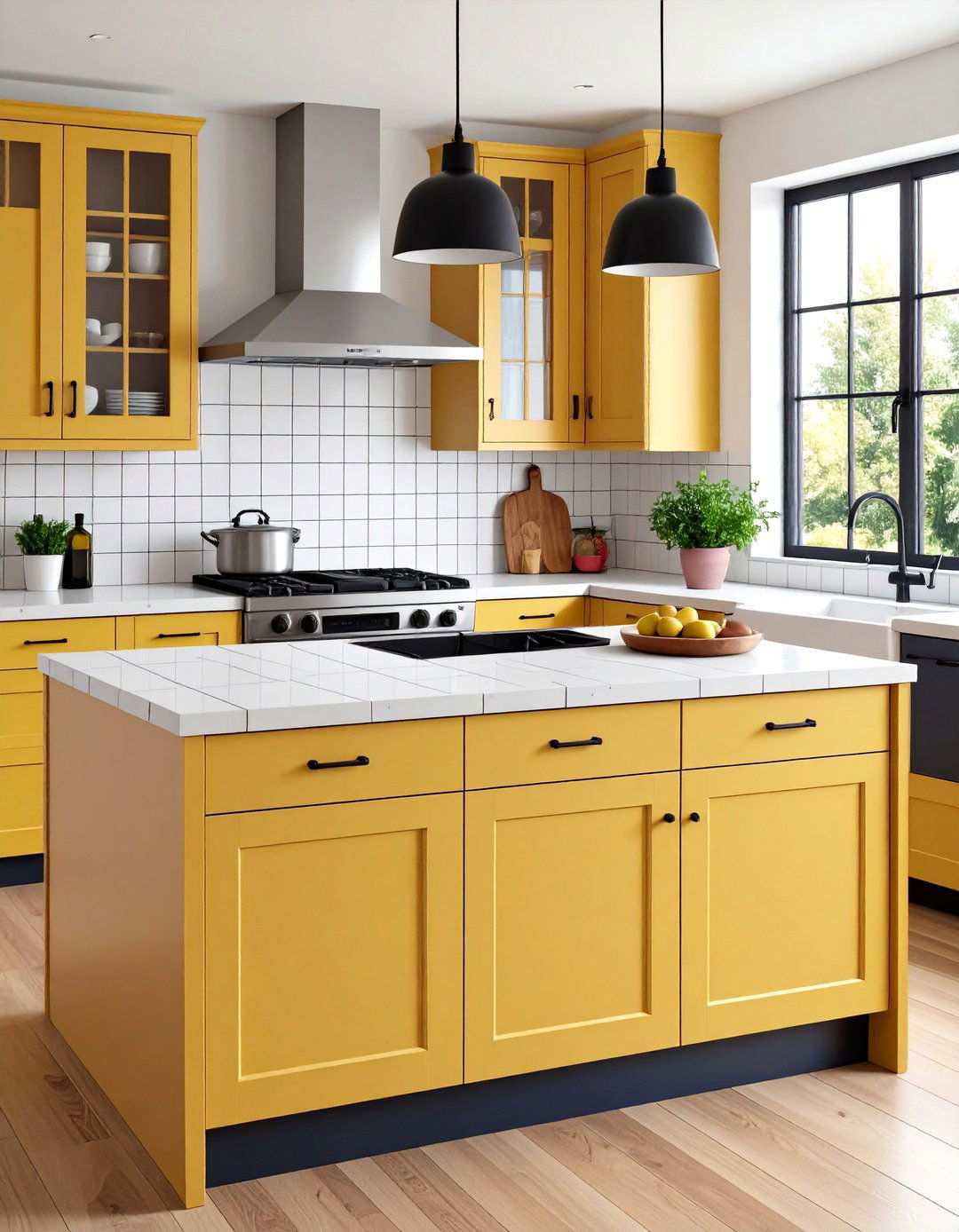
The ceramic tile countertop trend that emerged in the 1980s revolutionized kitchen design by introducing a distinctive surface texture that added visual interest to workspaces . This design movement marked a significant shift in the decade’s experimental approach to materials, blurring traditional boundaries between design styles. Ceramic tile countertops offered a unique combination of durability, heat resistance, and creative pattern possibilities, while the grout lines created geometric patterns that echoed the era’s affinity for bold graphics and architectural details. Although maintenance requirements initially limited the popularity of tile countertops, advances in tile technology and grout systems have renewed interest in this classic design feature, offering enhanced stain resistance and easier cleaning for contemporary applications.
7. Memphis Design Movement Kitchen Patterns and Shapes
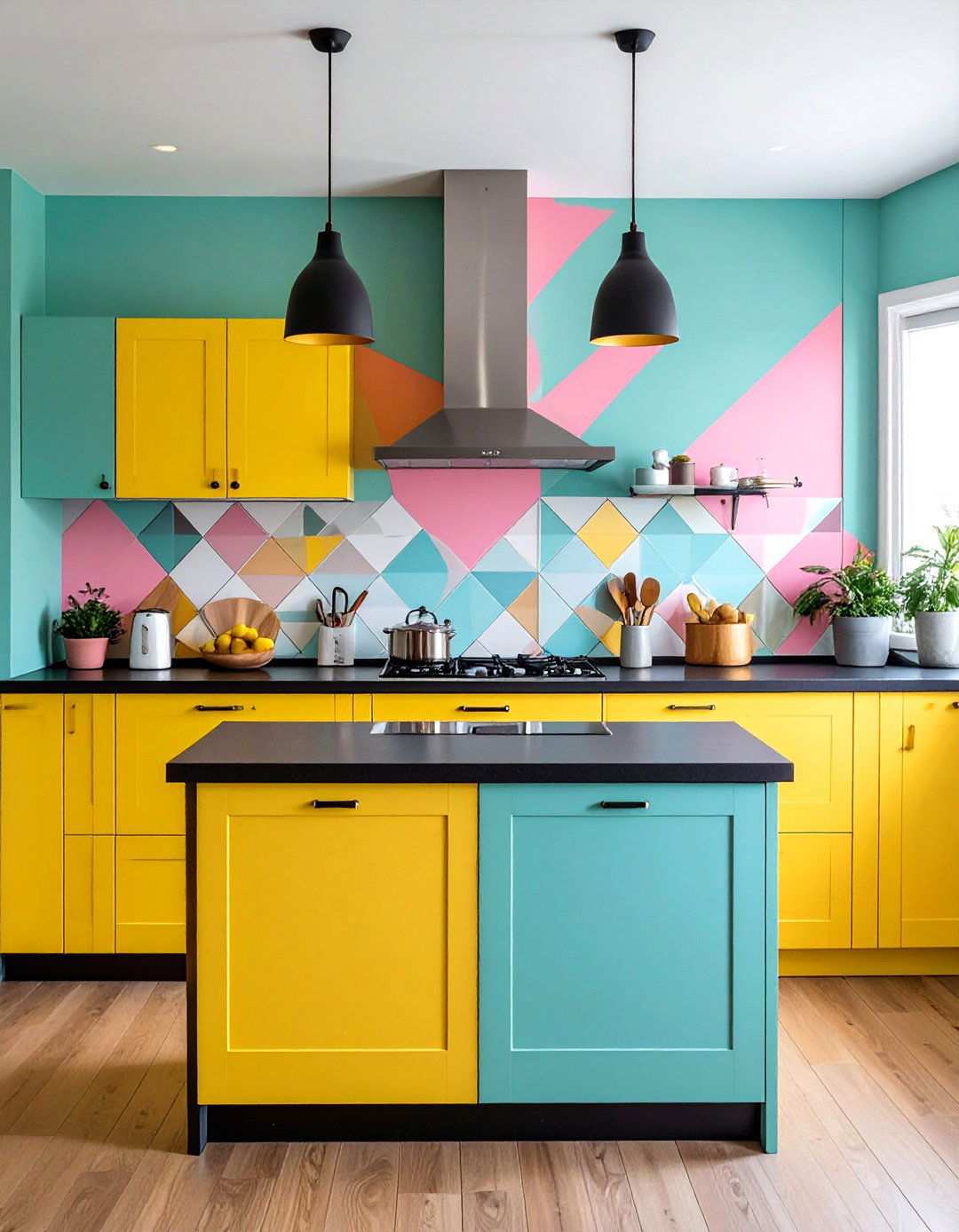
The Memphis design movement burst onto the scene in Italy in the early 1980s, bringing a bold new aesthetic that merged clashing colors, geometric shapes, and playful patterns to challenge traditional kitchen design conventions . Led by visionary designer Ettore Sottsass, this movement introduced playful color schemes and geometric shapes that captivated American kitchen design . The Memphis influence can be seen in bold geometric backsplashes, patterned floor tiles, and accessories featuring the movement’s signature angular forms and vibrant color combinations. By embracing the playful, cartoonish elements of this movement, modern kitchens can transform into artistic statements through the use of geometric tile patterns, bold color blocking, or statement lighting fixtures that embody the fearless spirit of Memphis design.
8. Lighted Kitchen Ceiling Fans for Air Circulation
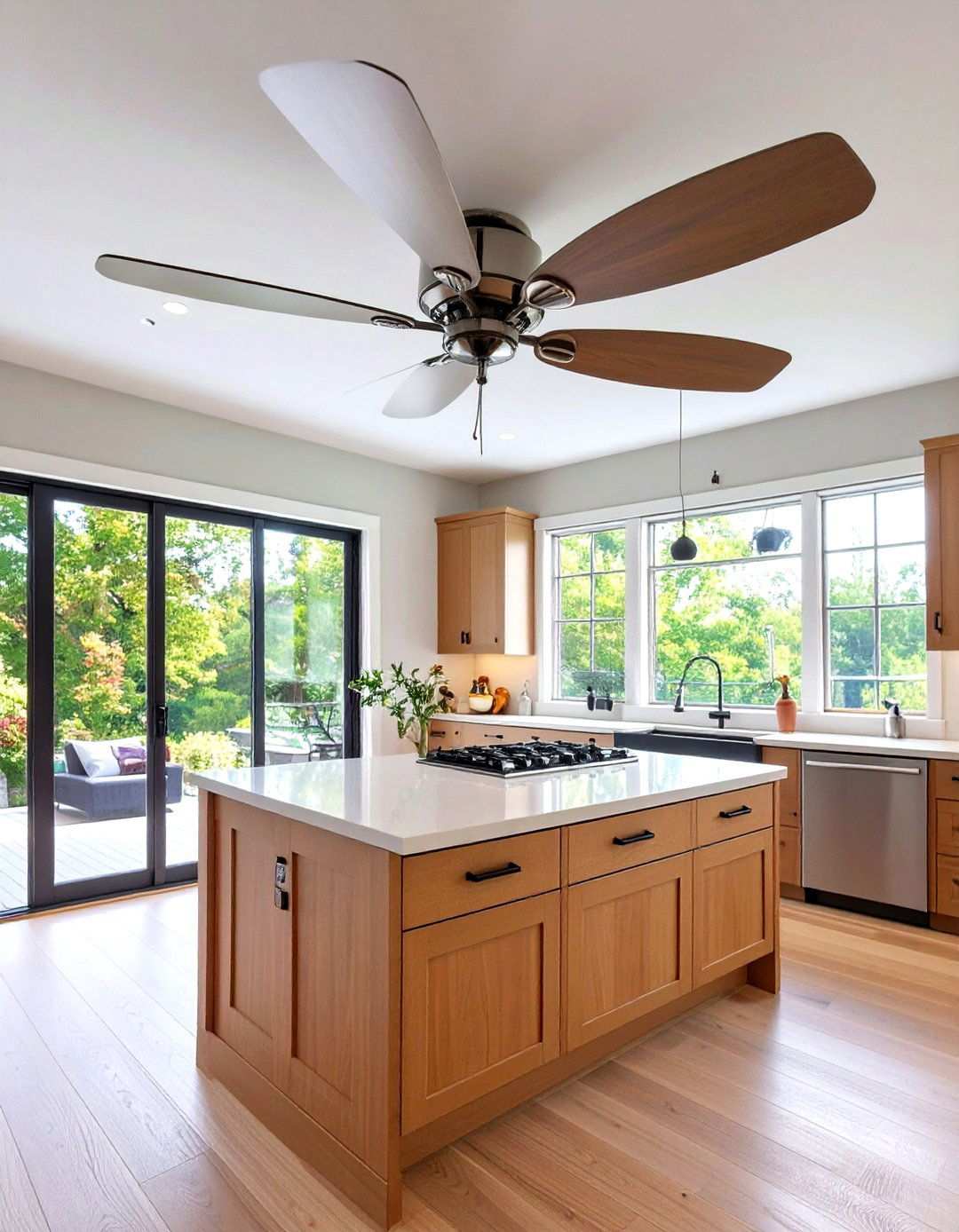
Lighted ceiling fans gained popularity in 1980s kitchens as part of a trio of innovative ceiling treatments designed to add both luminescence and air circulation to these increasingly larger, open spaces . By combining fan blades and integrated lighting, these dual-purpose fixtures eliminated the need for separate lighting and ventilation systems, while maintaining the streamlined aesthetic favored in 1980s design. For kitchens in warmer climates, ceiling fans provided a practical and energy-efficient cooling solution that added to the era’s casual, comfortable atmosphere . Modern ceiling fans continue to build on this legacy with improved motor efficiency, LED lighting integration, and remote controls that make them an ideal choice for contemporary kitchen spaces seeking both form and function.
9. Checkerboard Kitchen Flooring Patterns in Vibrant Hues
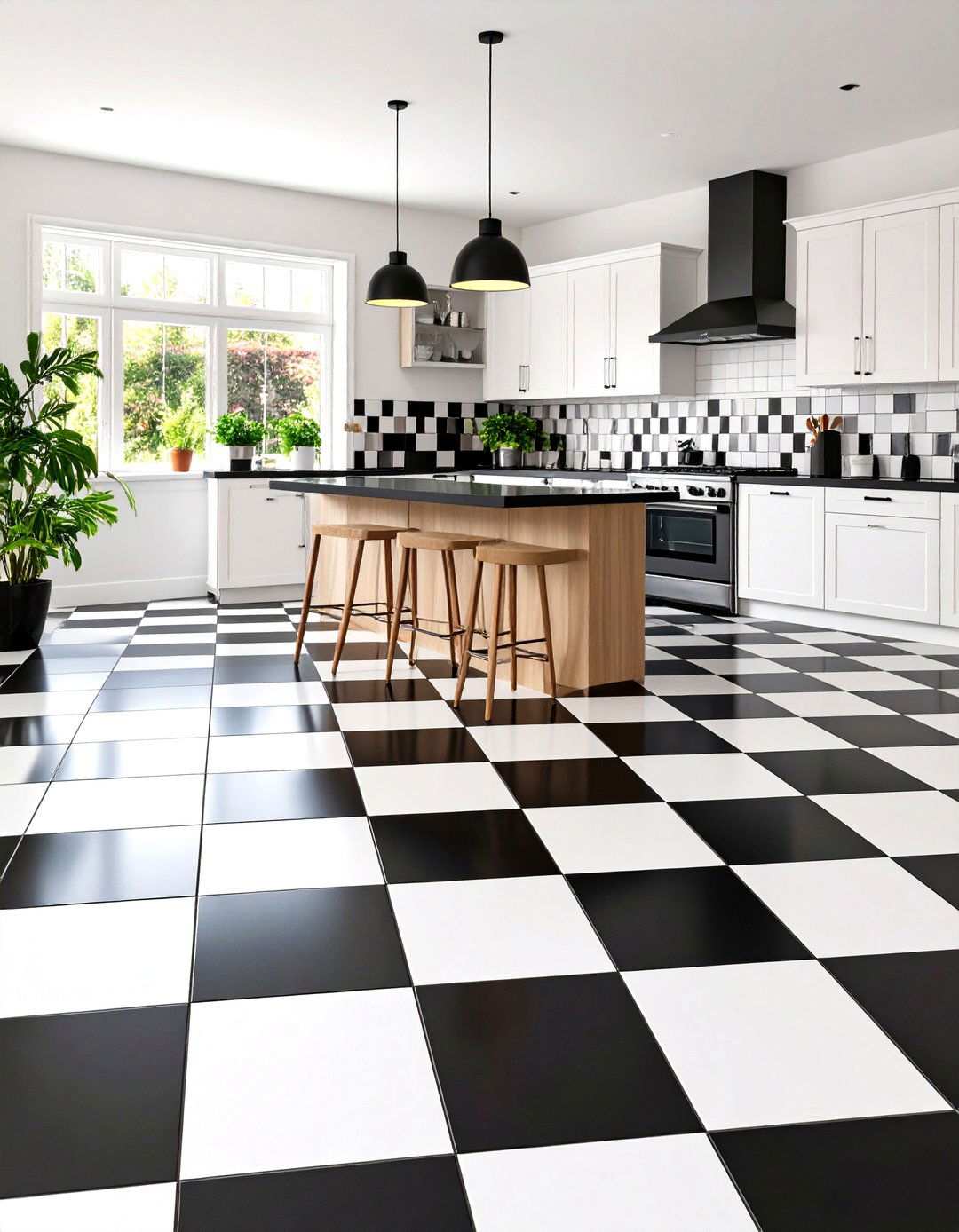
Checkerboard patterns have long been a staple of kitchen design, with the 1980s embracing bold and playful variations of red, blue, and other vibrant colors. The era’s affinity for geometric patterns and high-contrast design elements led to the widespread adoption of 9-inch square tiles, which imbued small kitchens with a sense of spaciousness and dynamism. By combining bold colors with the practical durability of tile, kitchen designers created visually striking spaces that continue to inspire homeowners today. With the availability of luxury vinyl tiles, ceramic options, and painted concrete floors, modern kitchens can easily capture the graphic impact of checkerboard patterns while benefiting from improved maintenance and design flexibility.
10. Soft-Hued Kitchen Color Schemes with Mauve Accents
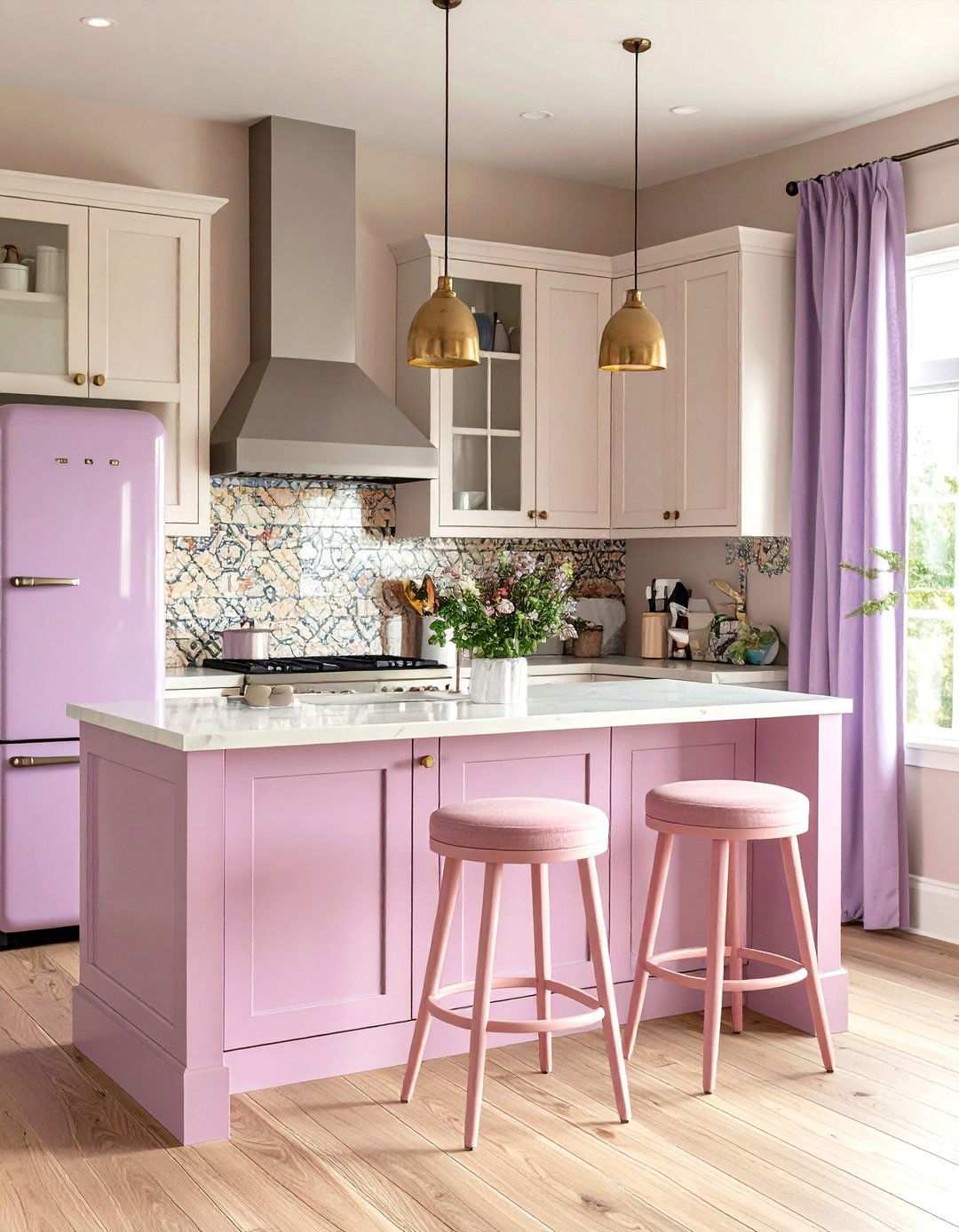
While bold neon colors captured the imagination of 1980s homeowners, pastel shades also gained significant traction, particularly in the realm of mauve, a pale pinkish-purple hue that adorned everything from curtains to appliances. The incorporation of pastel colors was, in part, a response to the decade’s affinity for earthy, Southwestern-inspired color combinations, which drew inspiration from Native American, Spanish, and Mexican cultures. These softer color choices offered a welcome respite from the high-energy palette of the era, while still reflecting the decade’s commitment to bold, expressive design. Today, homeowners can revisit this trend by pairing pastel pink with deep, rich tones or incorporating pastel appliances to add character and contrast to their kitchen spaces.
11. Sleek Chrome Kitchen Accents and Metallic Finishes
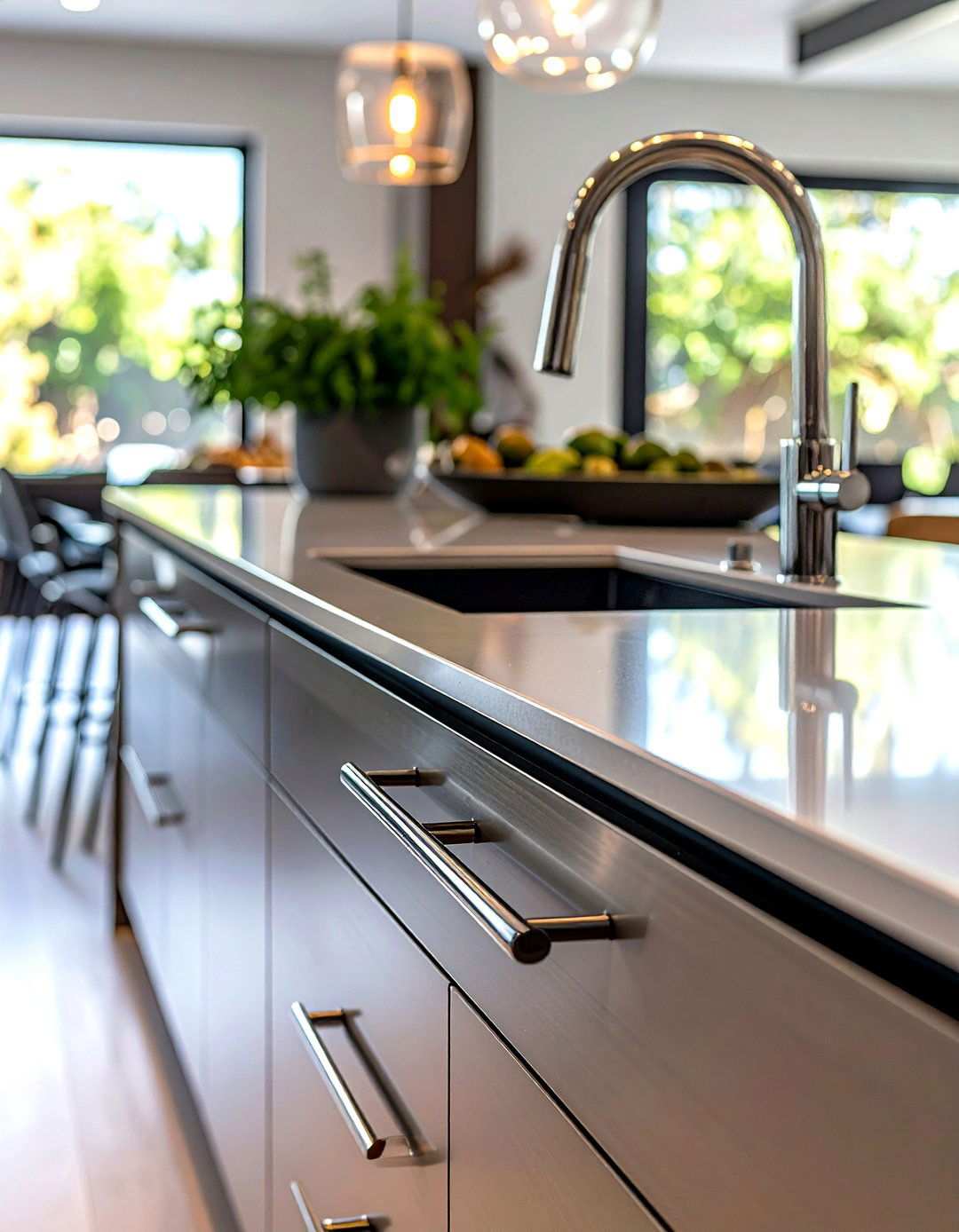
Chrome accents played a starring role in 1980s kitchen design, adding a touch of retro sophistication through faucets, handles, and bar stools. The era’s fascination with futuristic materials like chrome, aluminum, and plexiglass reflected a broader aesthetic sensibility that prized sleek, high-tech design. Chrome hardware effortlessly complemented both bold color schemes and neutral palettes, providing durable, easy-to-clean surfaces that thrived in busy kitchen environments. By incorporating chrome elements through cabinet hardware, faucets, or pendant lighting, modern kitchens can maintain the clean, modern appeal of this classic design element while benefiting from improved manufacturing techniques that enhance durability and resistance to water spots and fingerprints.
12. Kitchen Innovations That Blended Function and Style
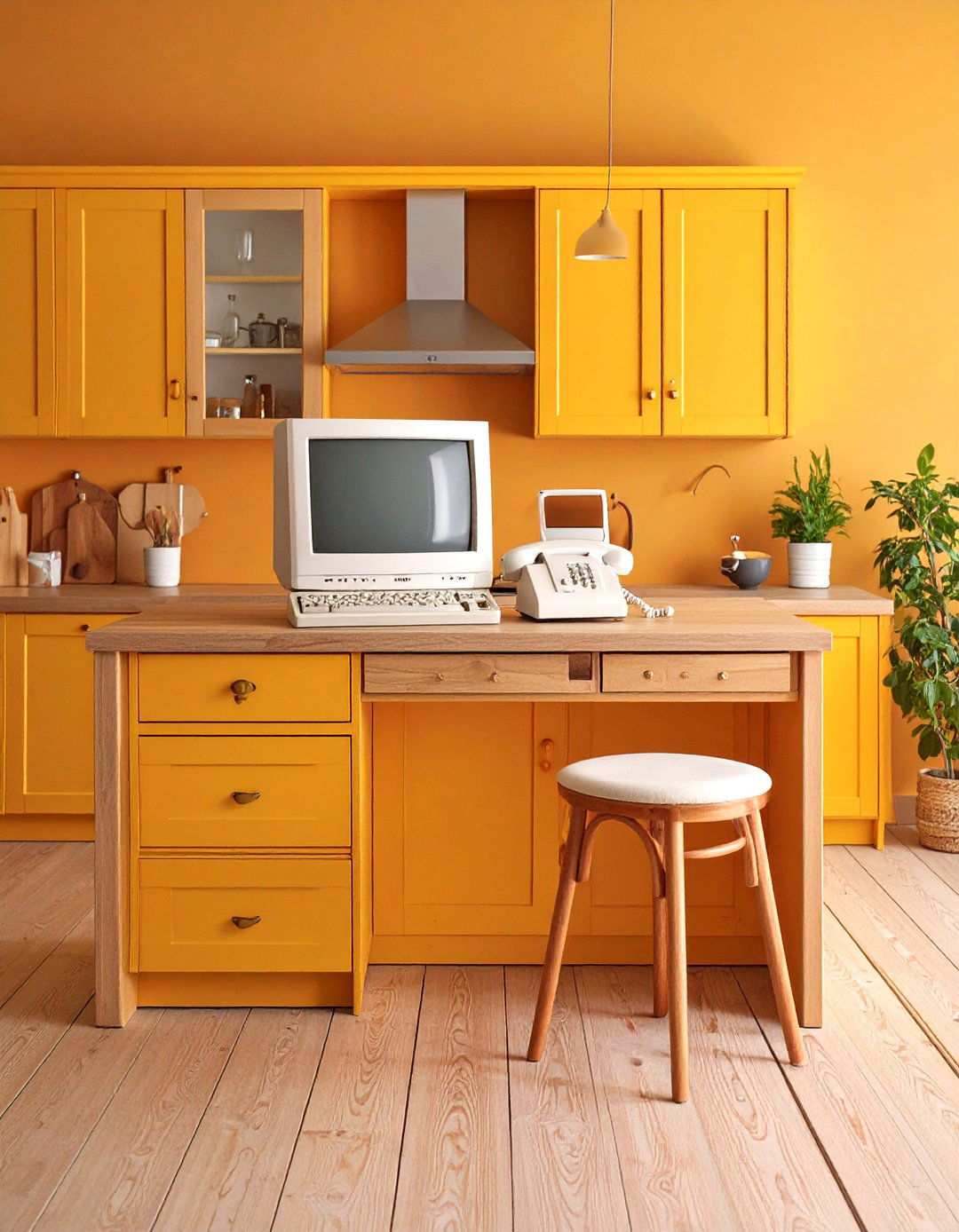
In the 1980s, the concept of kitchen office spaces emerged, integrating computer stations into kitchen islands and dedicated desk areas built into counters that served as family command centers . These work areas weren’t compartmentalized, as computers and monitors back then were bulky and took up considerable space, but families made them functional . Kitchen offices embodied the era’s recognition that kitchens went beyond food preparation, becoming central hubs for family communication and organization. A traditional landline phone with an extra-long cord typically completed the setup, making these spaces ideal for managing household tasks . Contemporary kitchen design has refined this concept into sleek charging stations, built-in tablet docks, and concealed computer areas that maintain the 1980s vision of kitchens as multifunctional family headquarters while adapting to modern technology and aesthetic preferences.
13. Geometric Patterns Bring Energy to Kitchen Spaces
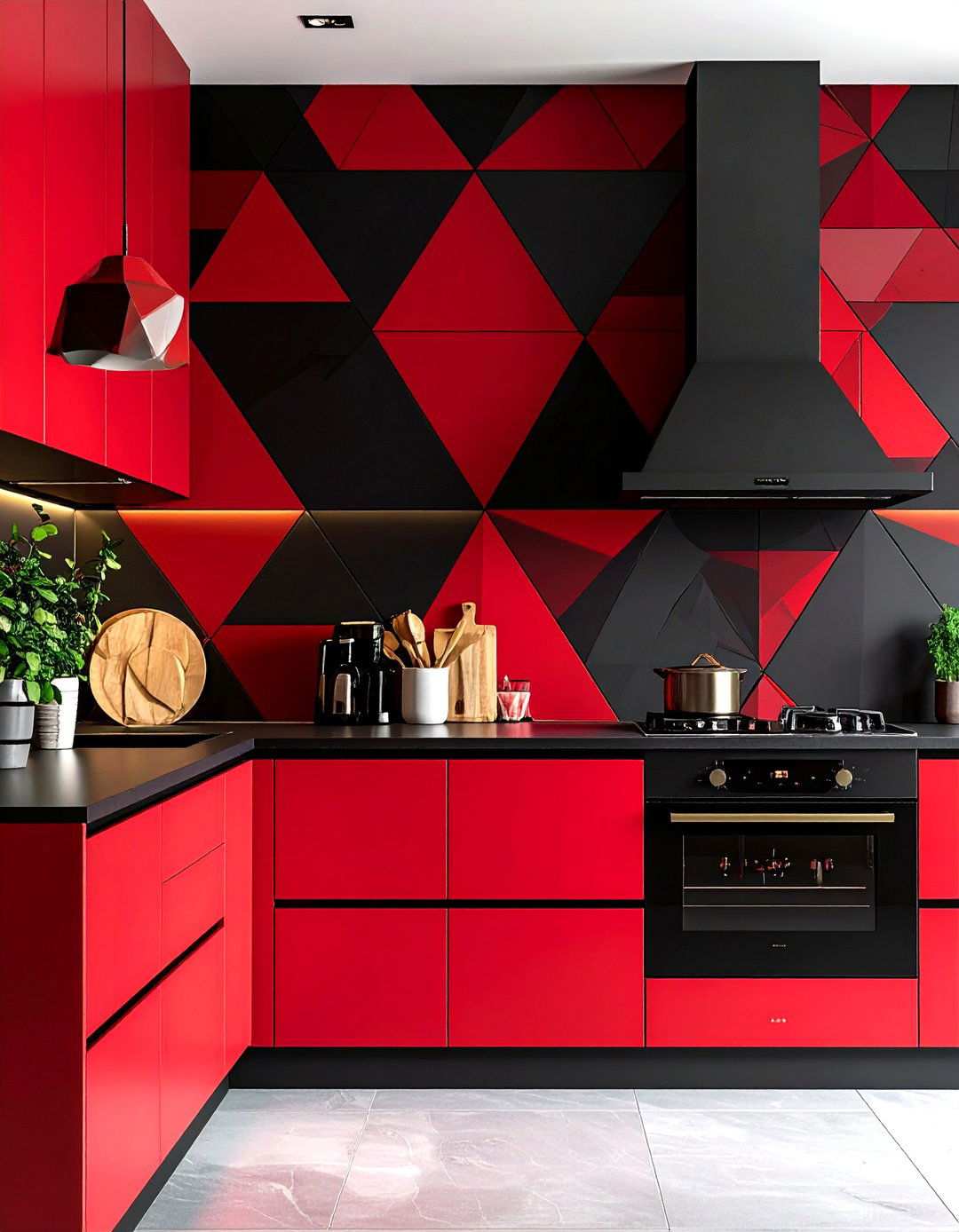
Patterned wallpapers were a staple of 1980s kitchen design, introducing bold visuals and dynamic energy through intricate geometric designs with crisp lines and vibrant colors that instantly revitalized kitchen spaces . While 1980s floral wallpaper featured rich jewel tones that often dominated spaces, geometric patterns provided structured visual interest . Kitchen wallpaper allowed homeowners to experiment with the decade’s bold aesthetic choices at an affordable cost, without major renovations . Modern applications push the trend further, using wallpaper as accent features and focal points rather than just on traditional four walls . Today’s kitchen designs can capture the spirit of the 1980s by incorporating geometric accent walls, wallpapered breakfast nook areas, or bold patterns in adjacent powder rooms, balancing retro flair with contemporary sophistication.
14. The Rise of Monochromatic Kitchen Appliance Color Schemes
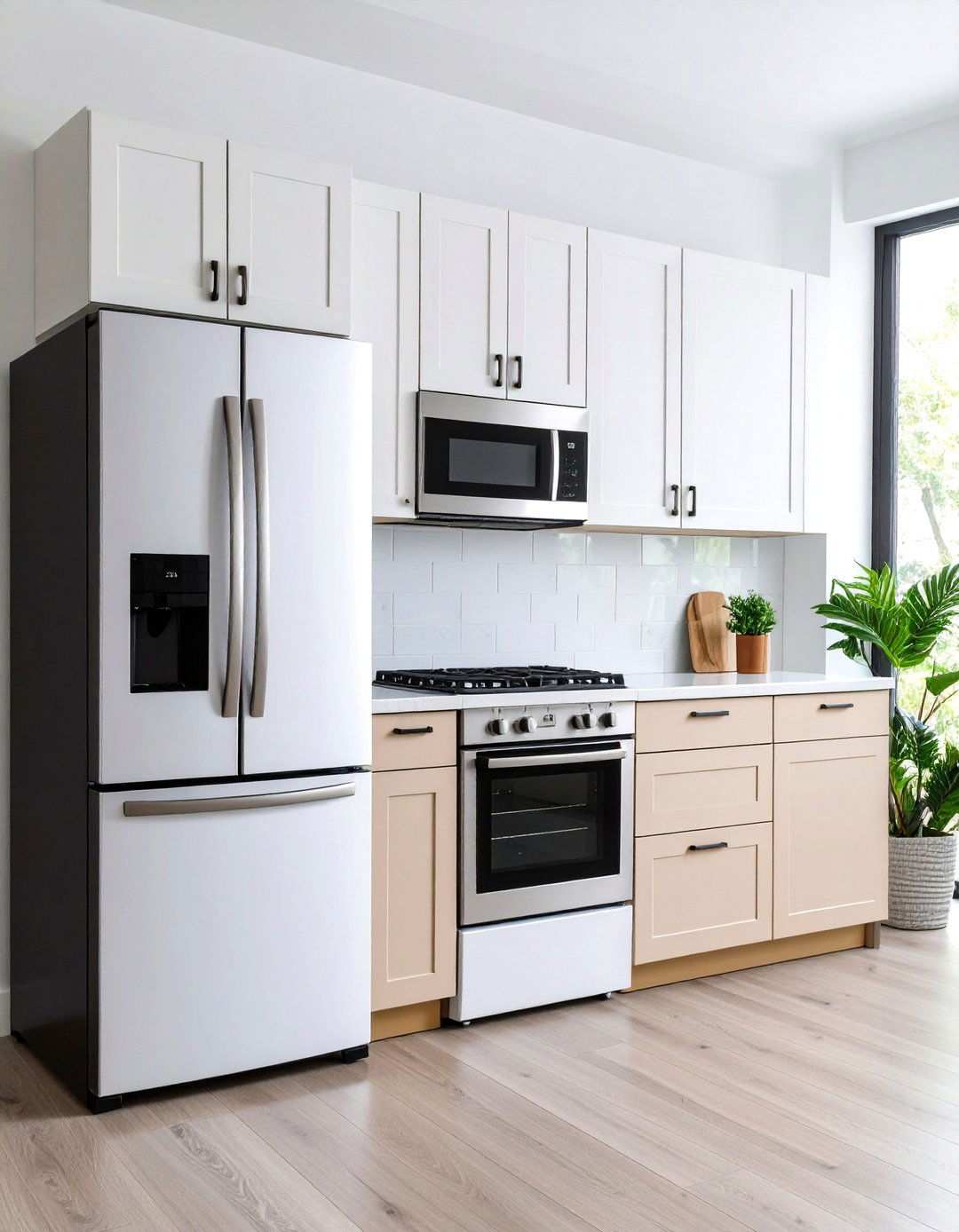
The 1980s and early 1990s witnessed a shift toward minimalist white, bisque, and black appliances, replacing the colorful options of previous decades . The colorful appliance palette gave way to sleek black or white options that complemented the decade’s more streamlined aesthetic . This shift toward neutral appliance colors reflected a growing desire for sophistication in kitchen design and the need for appliances that wouldn’t clash with changing decorative trends. White and black appliances became standard choices that harmonized with the era’s cabinet styles and emerging stainless steel accents . The coordinated approach to appliance colors laid the groundwork for principles that continue influencing kitchen design today, with homeowners choosing appliance suites that complement rather than compete with other design elements, creating cohesive looks that enhance rather than overwhelm kitchen spaces.
15. Linoleum Kitchen Flooring in Vibrant Color Combinations
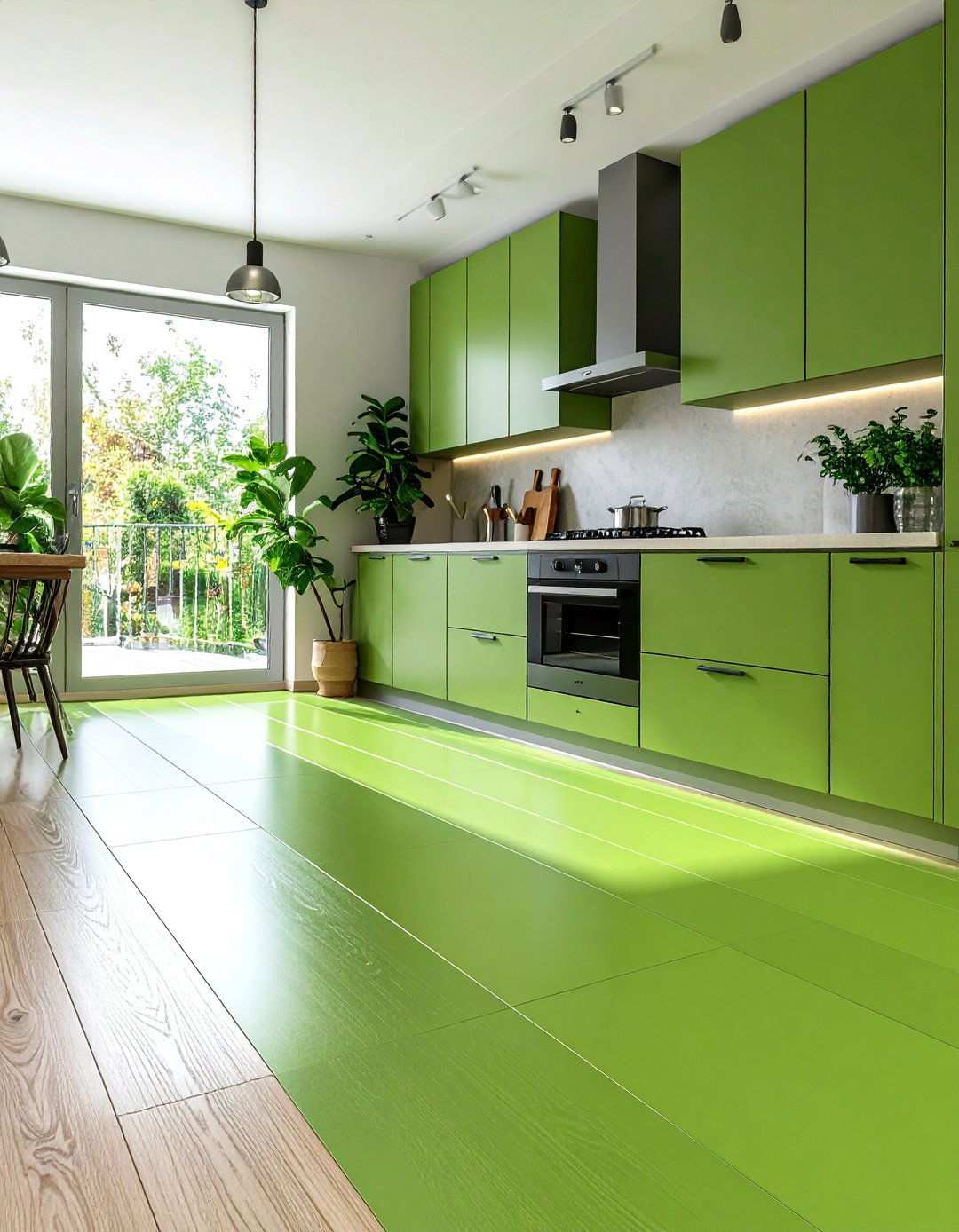
The resurgence of vinyl linoleum flooring in the 1980s led to a widespread adoption of this versatile material, particularly in kitchens where bright colors and bold patterns reigned supreme. Notably, shades of green, blue, and earthy tones like harvest gold became synonymous with 1980s kitchen design, offering homeowners a cost-effective and durable solution that added a pop of color to their spaces. The ease of installation and affordability of linoleum flooring made it an attractive option for everyday consumers, while its geometric patterns and bright hues kept checkerboard floors and bold visuals in the spotlight. Furthermore, linoleum’s resilience provided practical benefits, including easy maintenance, water resistance, and comfort underfoot, cementing its status as a staple of 1980s kitchen design. The modern revival of luxury vinyl and linoleum options continues to offer improved durability and expanded design choices, allowing homeowners to incorporate this vibrant material into their kitchen layouts.
16. Terra Cotta Accents and Backsplashes in 1980s Kitchen Design
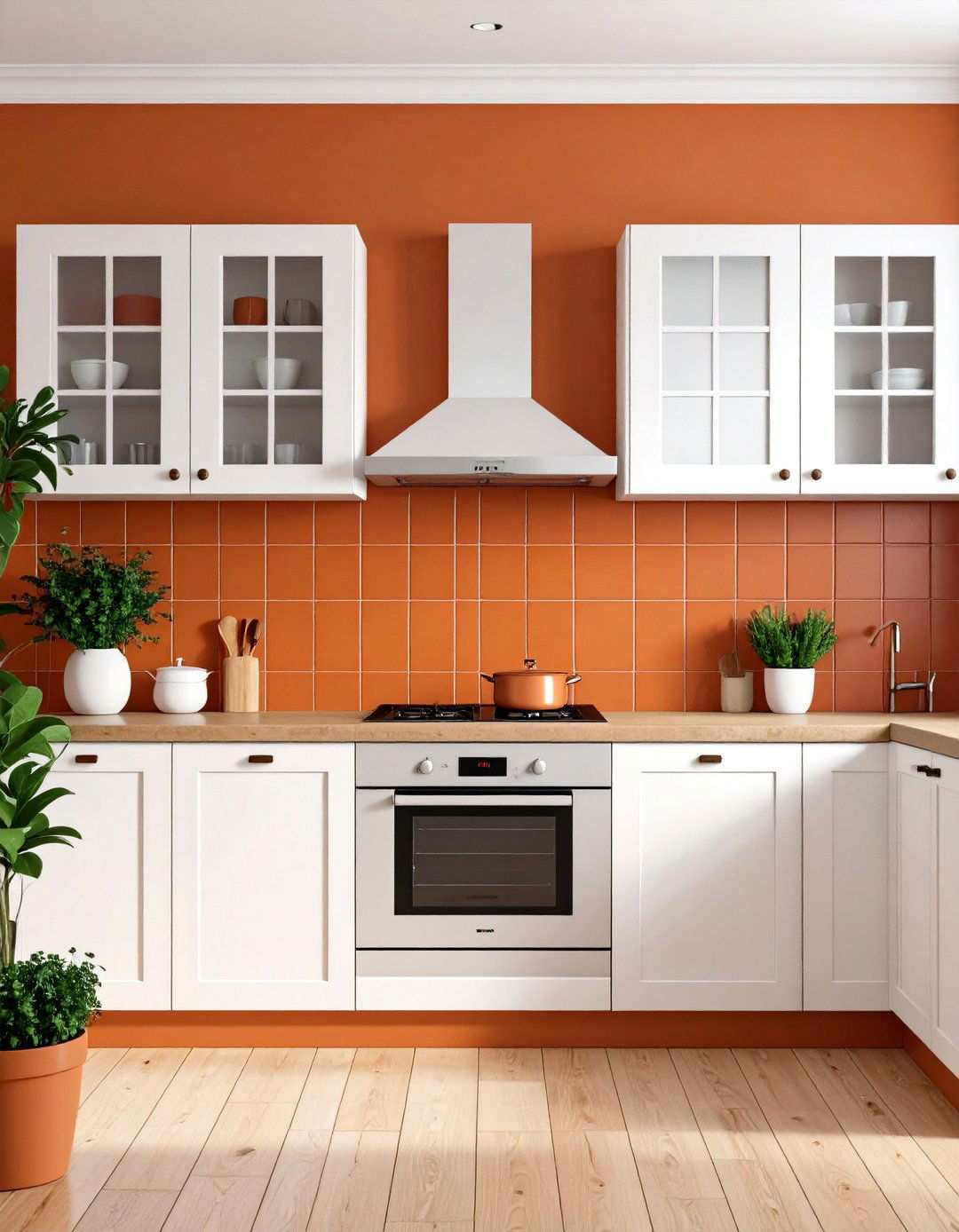
Terra cotta tiles experienced a resurgence in popularity during the 1980s, characterized by rich, orangy tones that contrasted with the more subdued, patinated appearances of today. This warm, earthy material added a natural texture and Mediterranean-inspired charm to kitchens, expertly balancing the era’s bold synthetic materials and bright color schemes. Terra cotta proved particularly effective in kitchen backsplashes, creating warm focal points that complemented both painted and wood cabinets, while the tiled range hood became a sought-after feature that added architectural interest. Kitchen islands and accent walls also benefited from terra cotta applications, introducing organic elements into spaces dominated by laminate and chrome finishes. Today, homeowners can incorporate terra cotta into their kitchen design through backsplashes, floor accents, or decorative borders, adding warmth and textural interest to their spaces while honoring this distinctive 1980s material choice.
17. Kitchen Peninsula Designs with Upper Cabinet Storage: A Legacy of Functionality
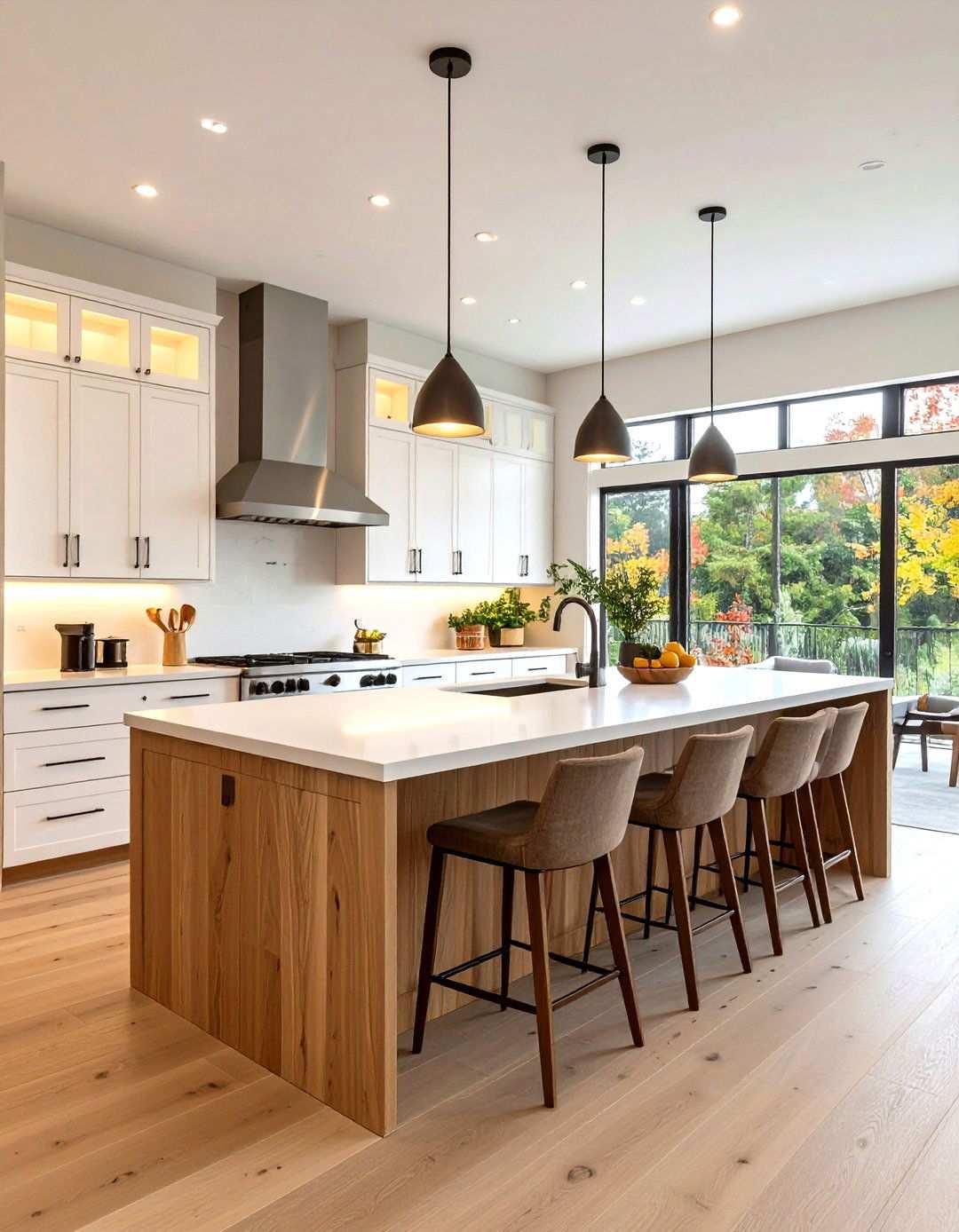
The 1980s saw a rise in popularity of kitchen peninsula designs featuring upper cabinets, which effectively divided kitchen and dining room spaces while maximizing storage. This architectural trend reflected the era’s shift toward open floor plans, while maintaining functional separation between cooking and eating areas. By incorporating peninsulas with overhead cabinets, homeowners could create additional counter space for food preparation and casual dining, while the cabinets provided valuable storage for dishes and serving pieces. This design created natural gathering spots where family members could interact with cooks, while maintaining workspace efficiency. As kitchen design continued to evolve, large islands and breakfast bars became staples of modern kitchen layouts, often incorporating open sight lines and eliminating upper cabinets in favor of sleek, contemporary aesthetics. However, the practical benefits of the peninsula design remained, including storage, seating, and spatial definition in contemporary kitchen layouts.
18. Effortless Elegance with Lucite Kitchen Furniture and Clear Accents
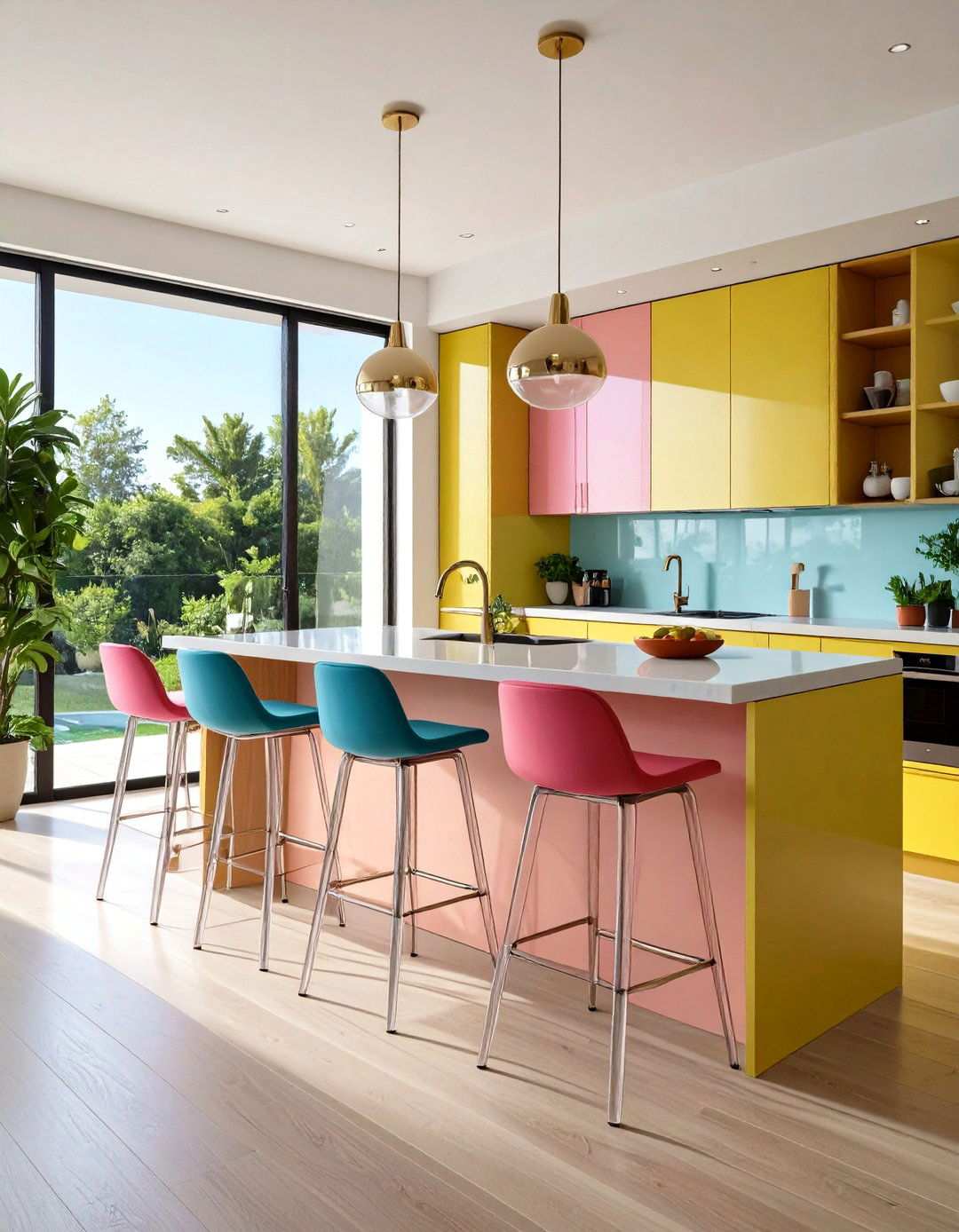
The 1980s witnessed a significant rise in the popularity of Lucite furniture in American kitchens, prized not only for its ability to create a sense of openness but also for its remarkable durability. Kitchen applications of Lucite were diverse, incorporating bar stools, cabinet handles, decorative accessories, and even components of small appliances that maintained functionality while seamlessly blending into the surroundings. This design choice perfectly encapsulated the decade’s fascination with high-tech aesthetics and space-age materials that promised a futuristic way of living. In smaller kitchens, the strategic use of Lucite elements proved particularly effective in minimizing visual weight while retaining practical functionality. The clear properties of Lucite cleverly created illusions of spaciousness that harmoniously complemented the era’s vibrant color palette. Contemporary kitchens can incorporate acrylic and clear resin elements, such as bar stools, pendant lighting, hardware details, or decorative objects, to achieve the same space-enhancing benefits with the added advantages of modern manufacturing improvements and design sophistication.
19. Luxurious Hollywood Regency Kitchen Glamour and Exquisite Lighting
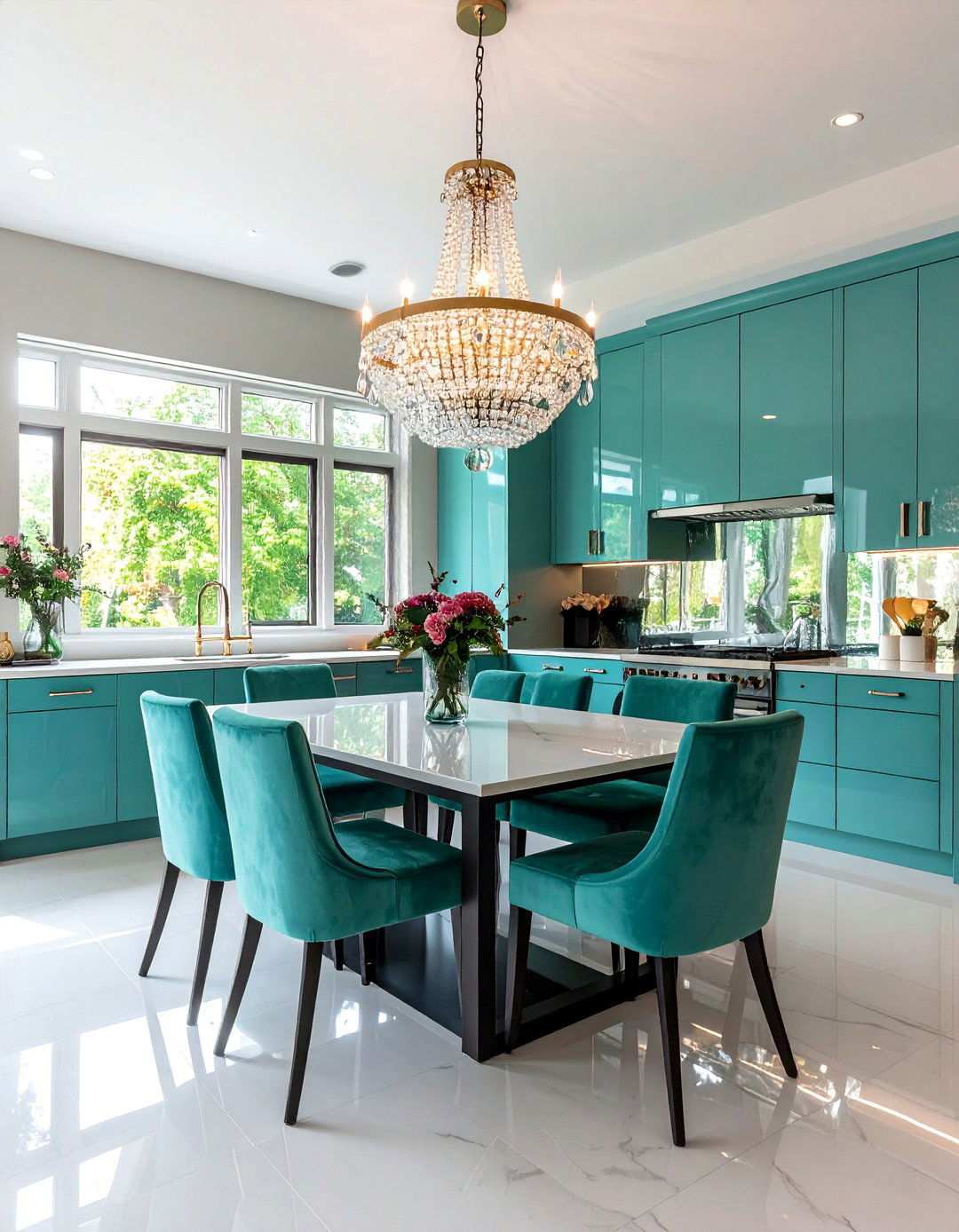
The Hollywood Regency design trend continued to make a lasting impact in the 1980s, injecting timeless glamour into kitchen spaces through oversized chandeliers and bold color combinations that added a touch of sophistication and fun. This style elevated kitchens into entertaining spaces worthy of the stars, with dramatic lighting fixtures, metallic accents, and bold patterns that added contrast and visual interest. Statement pieces like patterned dining tables and dramatic wall treatments created an air of drama and elegance. Kitchen implementations of this style included crystal or chrome chandeliers over dining areas, mirrored backsplashes, and high-gloss cabinet finishes that reflected light and created luxurious atmospheres. Metallic accents and chrome pendant lighting provided a sophisticated, industrial feel. Modern kitchens can recapture this glamorous energy through statement lighting fixtures, brass hardware, and high-contrast color schemes that bring a touch of red carpet drama to everyday cooking and dining experiences.
20. Redefining Kitchen Spaces: Open Floor Plans with Social Island Configurations
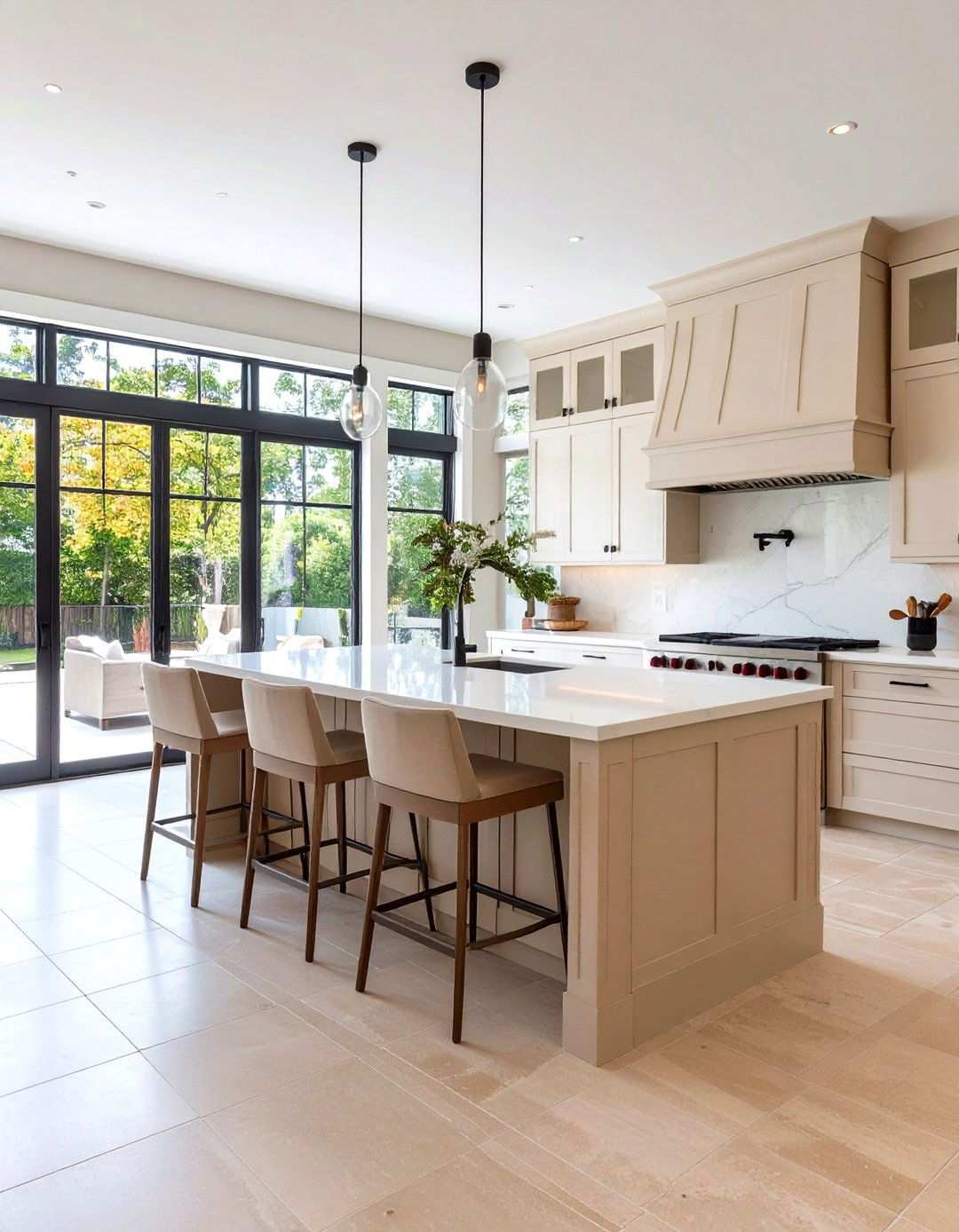
As the 1980s witnessed a pivotal shift in kitchen design, spacious islands and breakfast bars emerged, gradually transforming kitchens from isolated domestic zones into vibrant gathering spaces for families. This transformation paved the way for a more fluid approach to kitchen planning, where neutral color schemes like white and beige countertops became the norm to blend seamlessly with adjacent living areas. The result was a fundamental shift in the way kitchens were perceived, where cooking evolved from a solitary activity to a social experience that brought people together. Central kitchen islands played a crucial role in fostering interaction, while maintaining efficient work triangles to ensure that serious cooking tasks remained manageable. Today, the island remains a hallmark of modern kitchen design, marking the evolution of kitchens as dynamic social spaces where family and friends can connect and share experiences. Modern open-concept designs continue to build upon this innovative concept by integrating oversized islands, cozy seating areas, and seamless transitions between kitchen and living spaces that preserve the social essence while incorporating cutting-edge materials and technology.