1. Thriving Educational Oasis: Where Science Meets Nature
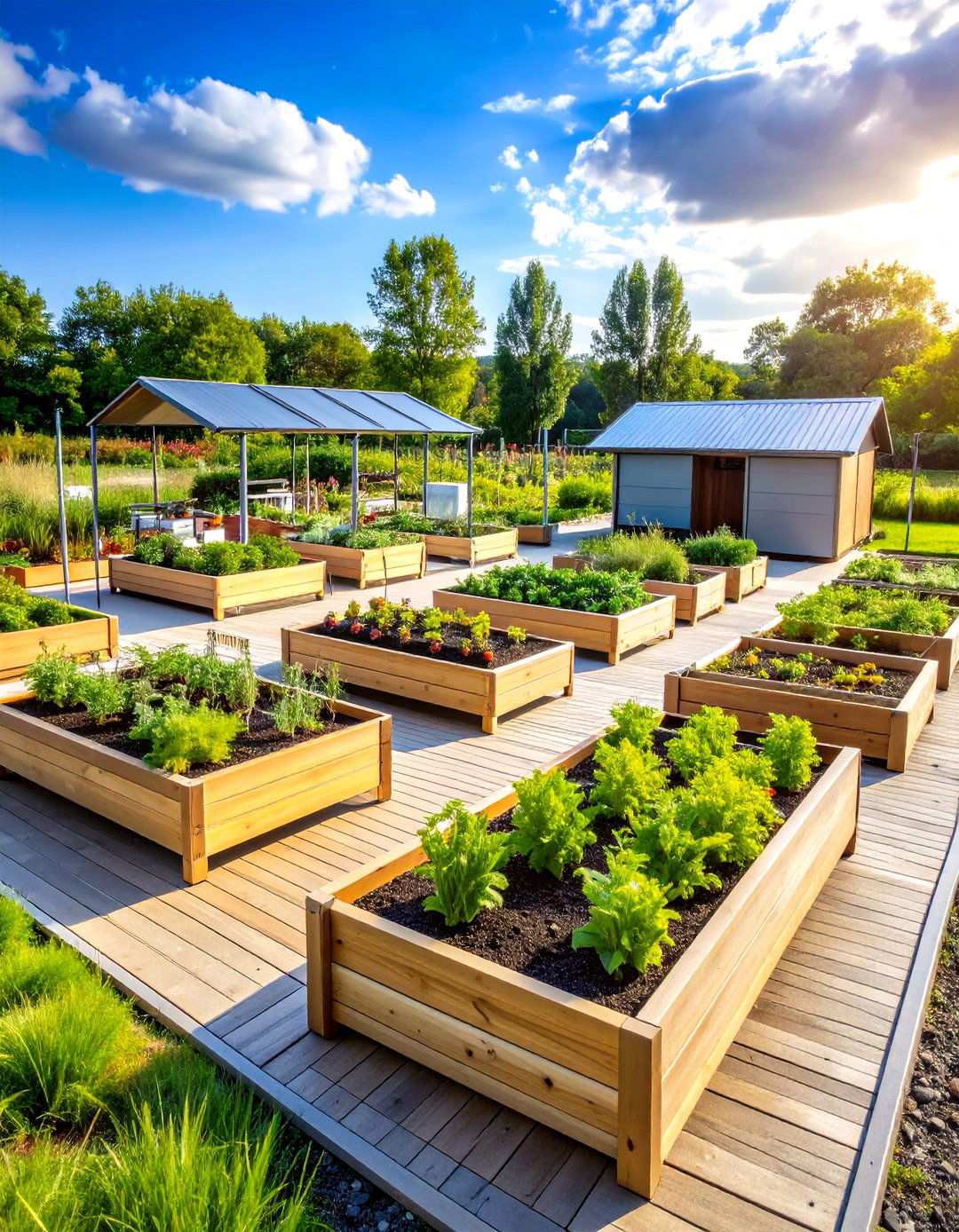
Imagine an outdoor learning space where students embark on hands-on botanical adventures, exploring the intricacies of plant growth, soil composition, and environmental interactions. This dynamic school garden serves as a living laboratory, where students conduct real-time experiments and collect data on the effects of different variables on plant development. By implementing designated research plots with controlled conditions, measurement stations, and data collection areas, students can investigate the impact of soil types, lighting, and watering schedules on plant growth. This experimental approach fosters a deeper understanding of scientific principles and encourages students to develop hypothesis-testing skills through garden journals and growth charts.
2. Global Garden Classroom: Celebrating Cultural Heritage and Diversity
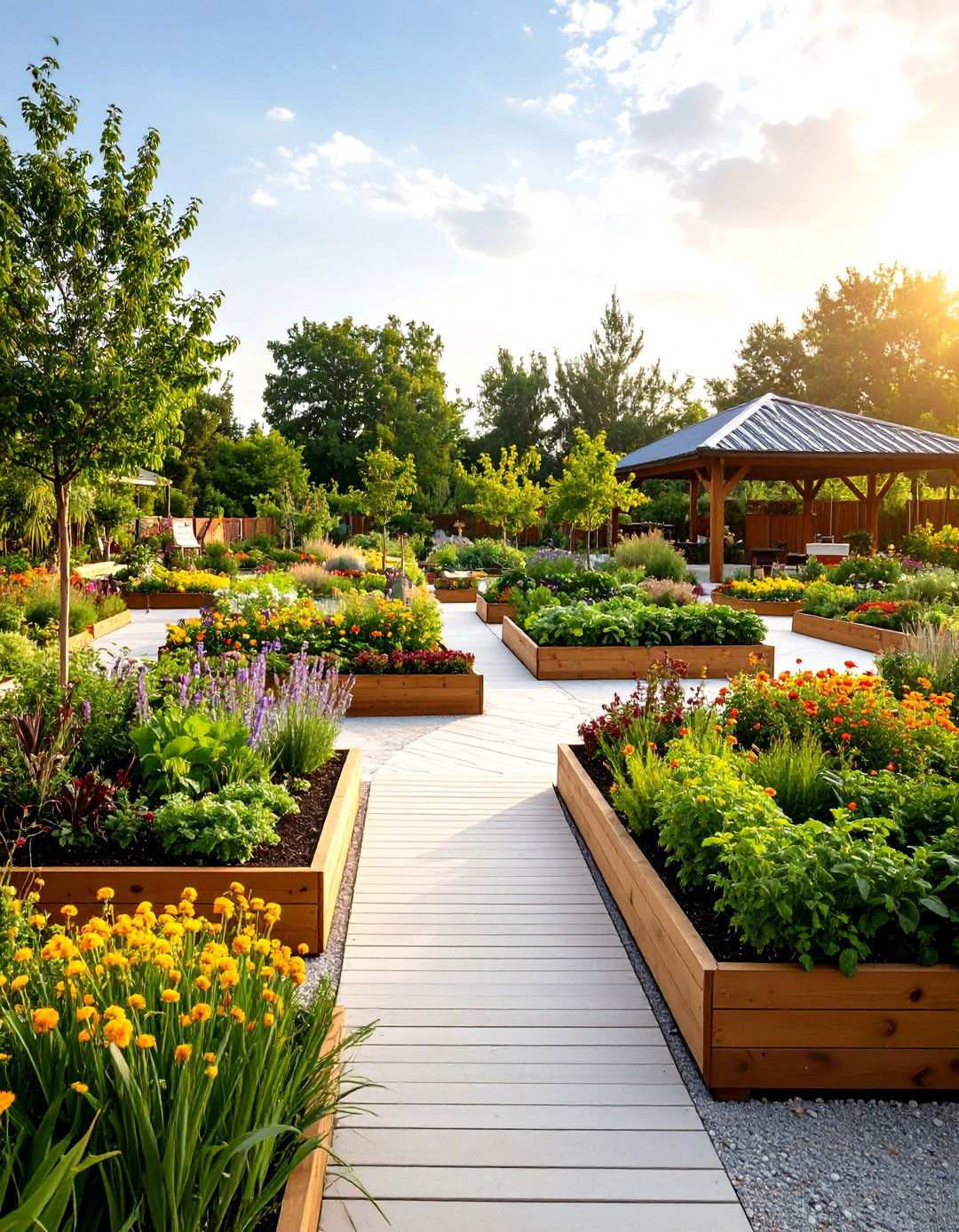
Envision a vibrant school garden that takes students on a culinary journey around the world, introducing them to the rich cultural traditions and agricultural practices of diverse communities. By creating themed sections representing different countries and cultures, this educational garden showcases traditional crops, herbs, and flowers used in various cuisines and customs. Mexican, Asian, Mediterranean, and African heritage sections feature unique plant species like corn, bok choy, basil, and okra, accompanied by informational signs detailing their cultural significance and historical uses. Cooking areas invite students to prepare traditional dishes using their harvests, promoting global awareness, cultural understanding, and a deep appreciation for the role of food in community traditions and identity.

As an Amazon Associate I earn from qualifying purchases.
3. School Garden Pollinator Paradise Habitat
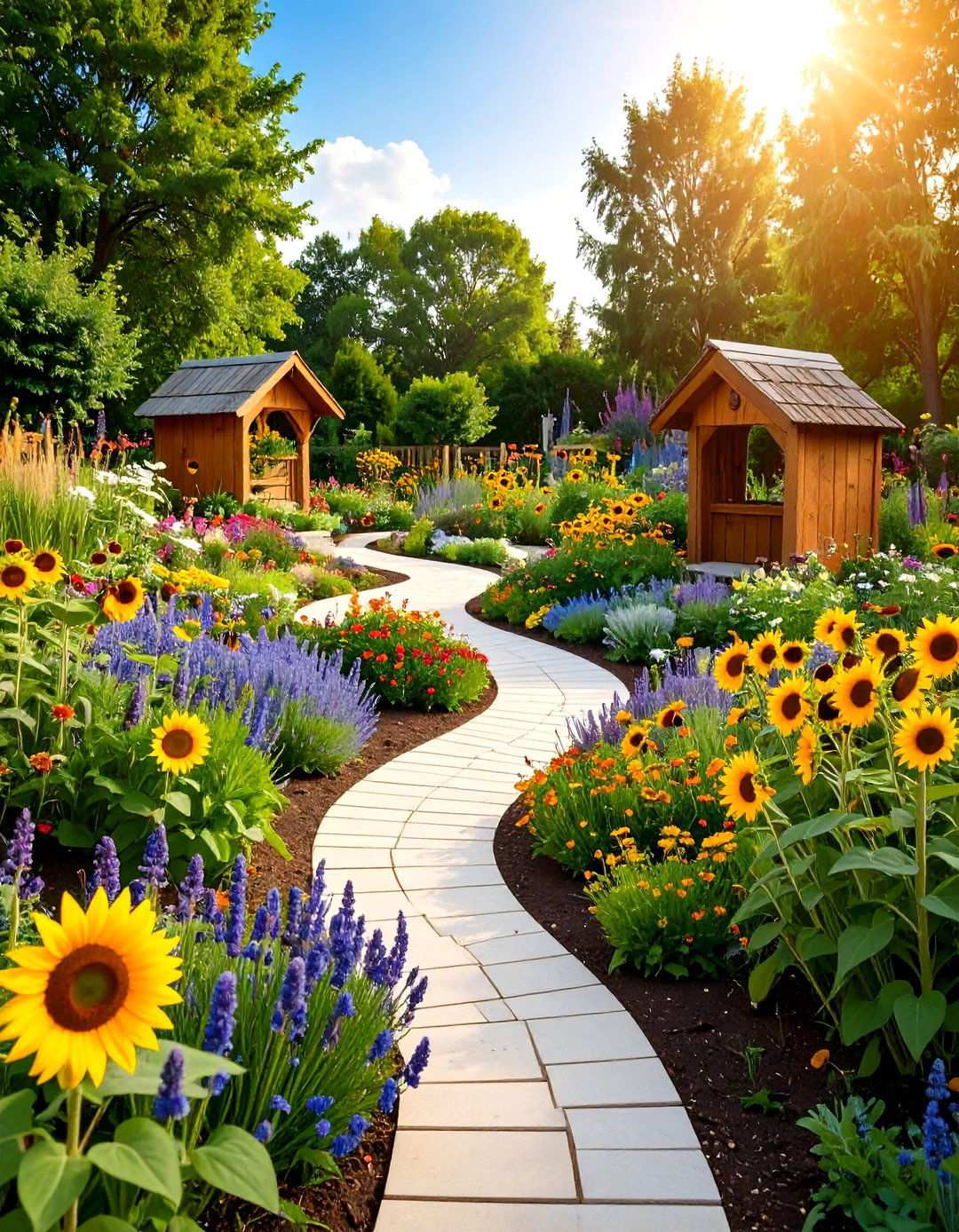
Design a thriving ecosystem that not only attracts and supports local pollinators but also serves as a dynamic learning environment, teaching students about the interconnectedness of biodiversity and environmental interdependence. This school garden design prioritizes native flowering plants, including sunflowers, coneflowers, and lavender, which are strategically arranged in vibrant, naturalistic patterns to create a haven for pollinators. To further support pollinator lifecycles, incorporate bee houses, butterfly landing spots, and water features that provide essential resources. The inclusion of magnifying equipment at observation stations allows students to closely examine insect behavior and pollination processes, fostering a deeper understanding of these critical ecological roles. Meandering pathways, carefully designed to minimize disturbance to the wildlife, invite students to explore the garden while absorbing the beauty of the natural surroundings. Through this living classroom, students gain hands-on experience with environmental stewardship, plant-animal relationships, biodiversity conservation, and the vital role pollinators play in global food systems.
4. School Garden Sensory Exploration Adventure
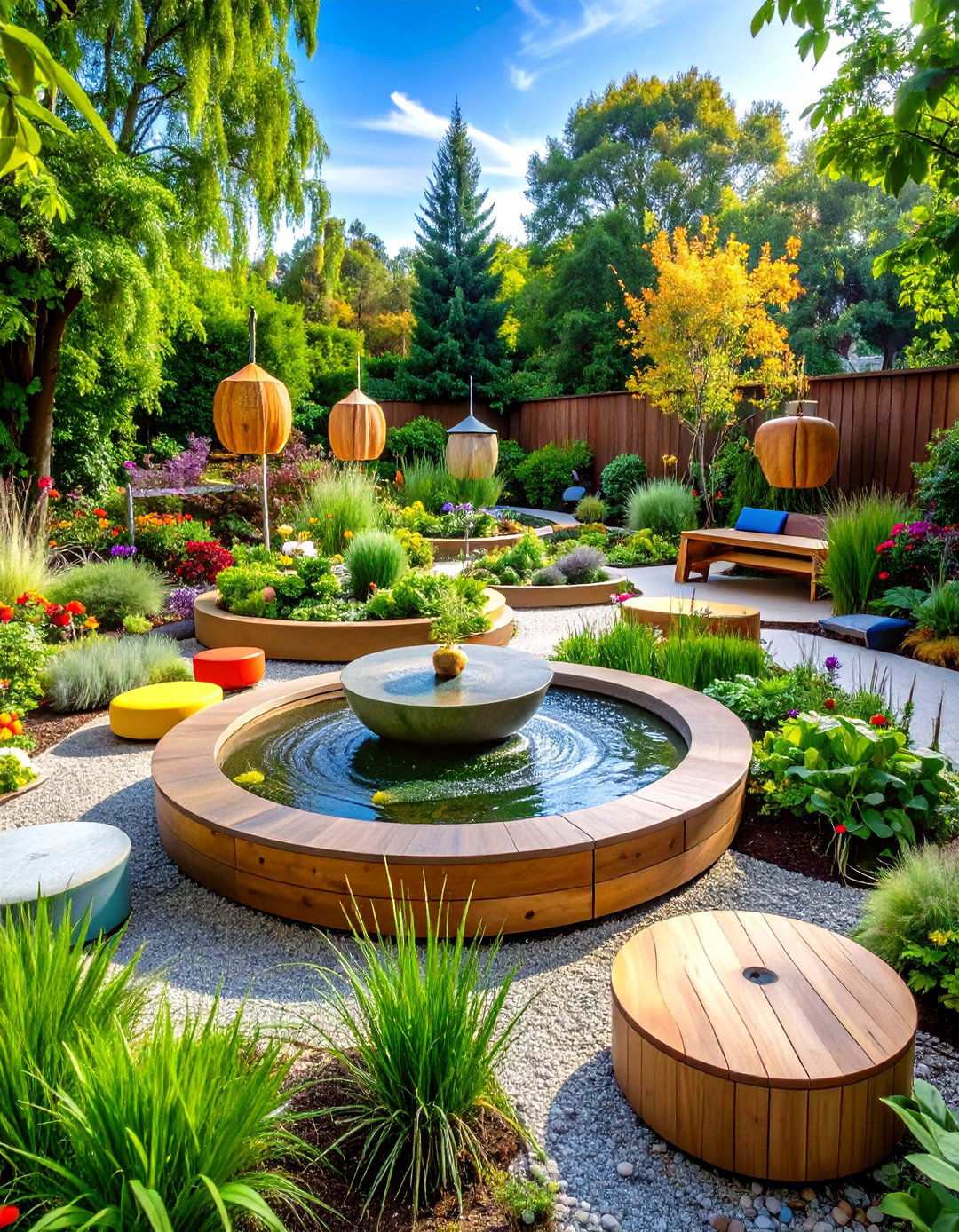
Create an immersive and inclusive garden experience that caters to diverse learning styles and abilities by engaging all five senses. This school garden design features plants chosen for their unique textures, scents, sounds, tastes, and visual appeal, including fuzzy lamb’s ear for tactile exploration, aromatic herbs like mint and rosemary for olfactory stimulation, ornamental grasses that rustle in the wind for auditory delight, edible flowers and herbs for gustatory experiences, and colorful vegetables for visual stimulation. Raised beds of varying heights cater to students with mobility impairments, while tactile pathways made from different materials invite exploration. Additional sensory experiences are provided through the installation of wind chimes, water features, and textured garden sculptures. Quiet reflection areas, complete with comfortable seating, allow students to process their sensory discoveries, creating a rich and inclusive learning environment that benefits all participants.
5. Savoring the Flavors of Education: A Pizza-Themed School Garden
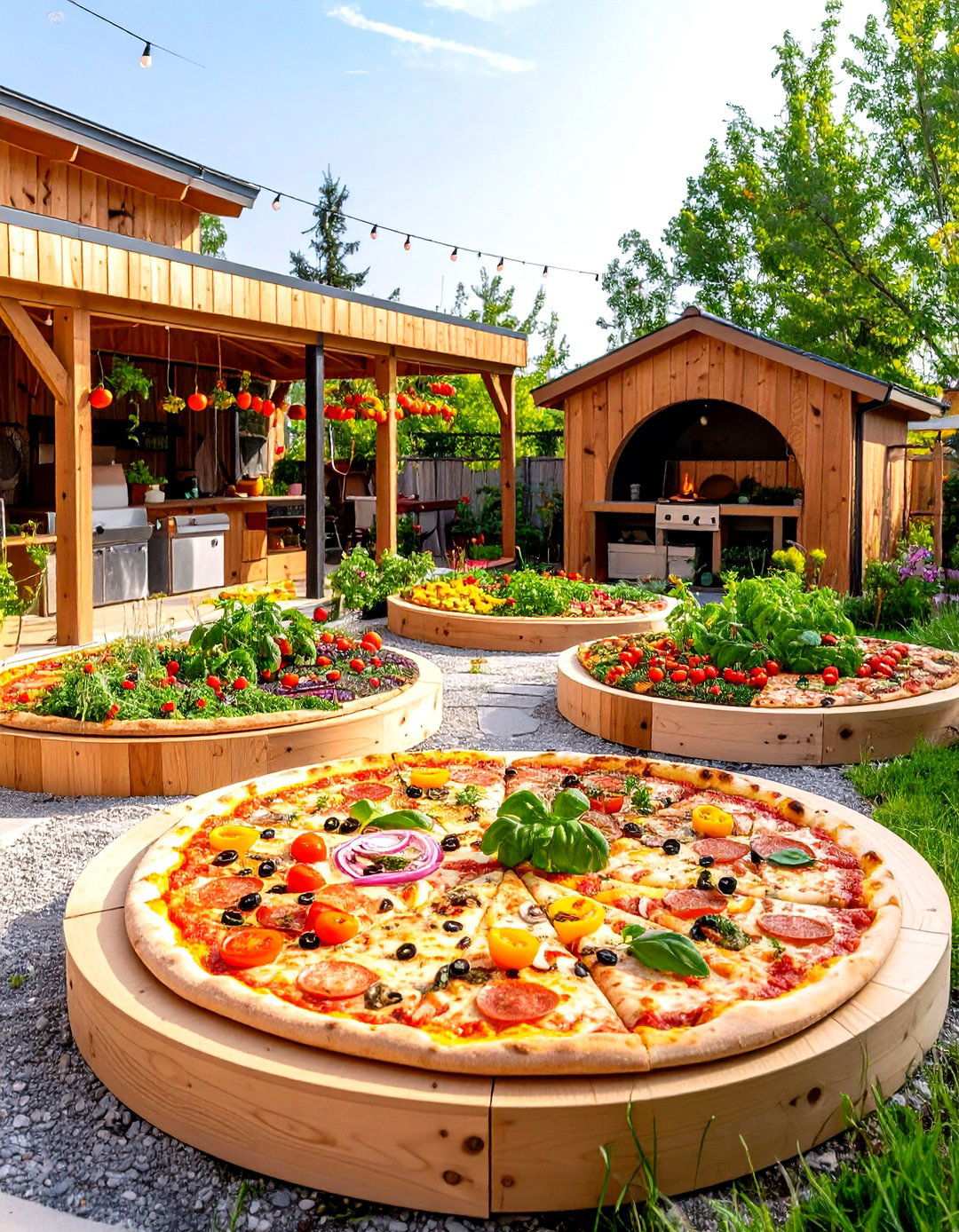
Ignite a passion for learning and cooking by cultivating a garden that serves up the flavors of homemade pizza. This innovative school garden design features distinct, pizza-inspired beds, each home to a variety of ingredients essential for crafting the perfect pie. Plant a medley of tomatoes, herbs like basil and oregano, and colorful bell peppers and onions, while incorporating wheat into the design to illustrate the process of flour production. A compact outdoor kitchen equipped with pizza ovens or portable cooking stations allows students to transform their harvest into mouth-watering meals. Integrated measurement stations facilitate hands-on exploration of quantities, fractions, and recipe calculations, while herb drying areas and food preservation equipment enable students to enjoy their harvest year-round. This engaging approach ties agriculture directly to nutrition education, fostering a deeper understanding of food origins, cooking techniques, and the satisfaction of cultivating and consuming one’s own creations.
6. Nurturing the Three Sisters: An Indigenous Heritage School Garden
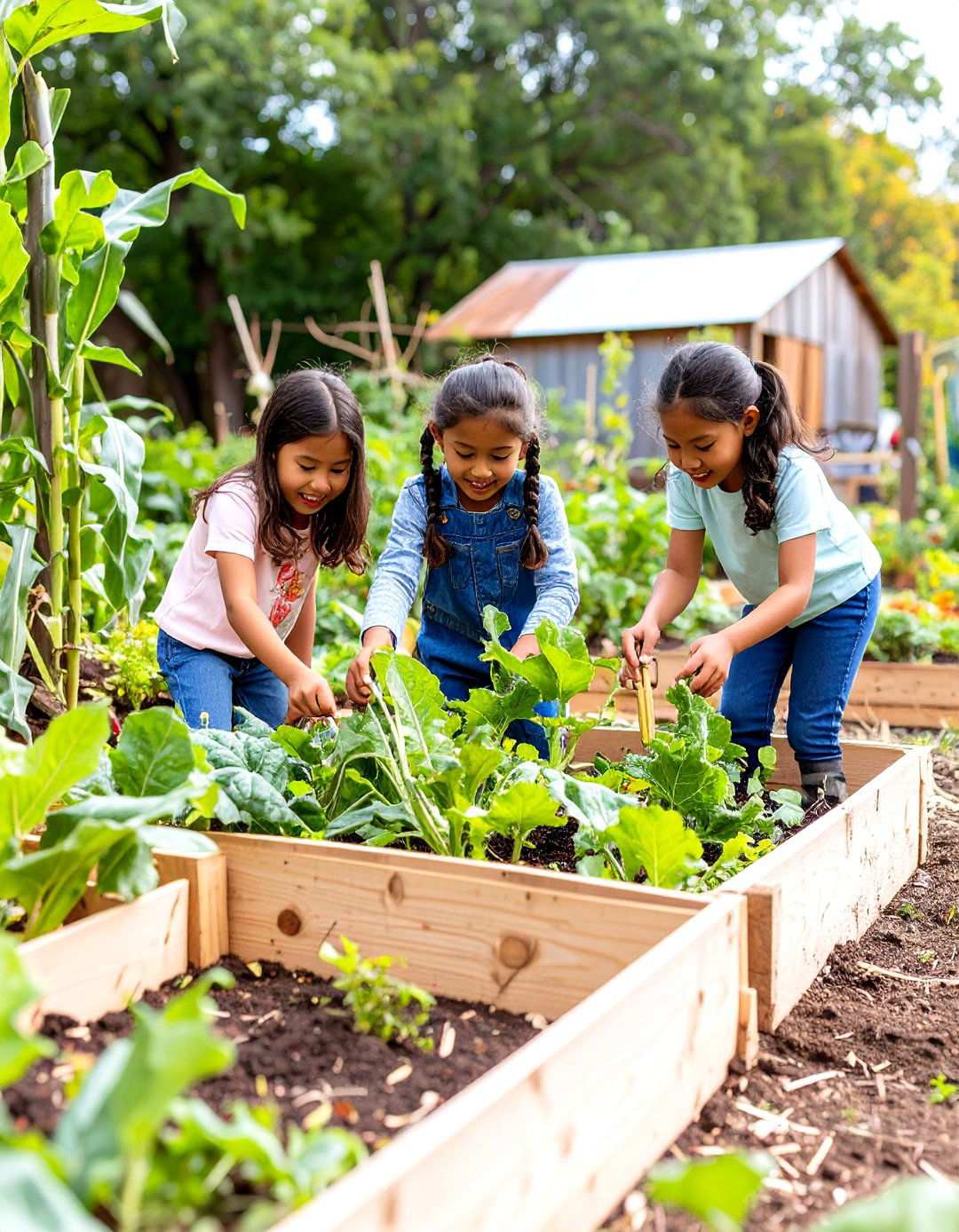
Celebrate the rich cultural heritage of Native American agricultural traditions by creating a garden based on the harmonious Three Sisters planting method of corn, beans, and squash. This educational design not only teaches sustainable growing practices but also honors indigenous wisdom and land stewardship principles. By planting corn stalks as natural supports for climbing beans, and allowing squash to spread across the ground, students learn the value of companion planting and its benefits for all three crops, including nitrogen fixation, natural pest control, and efficient space utilization. A designated ceremonial space within the garden invites storytelling and cultural education about Native American traditions and environmental relationships. Incorporating native medicinal and ceremonial plants used by indigenous peoples further enriches this design, demonstrating permaculture principles and fostering respect for indigenous knowledge, sustainable agriculture practices, and the historical connections between people and land that predate modern farming methods.
7. School Garden Vertical Container Innovation
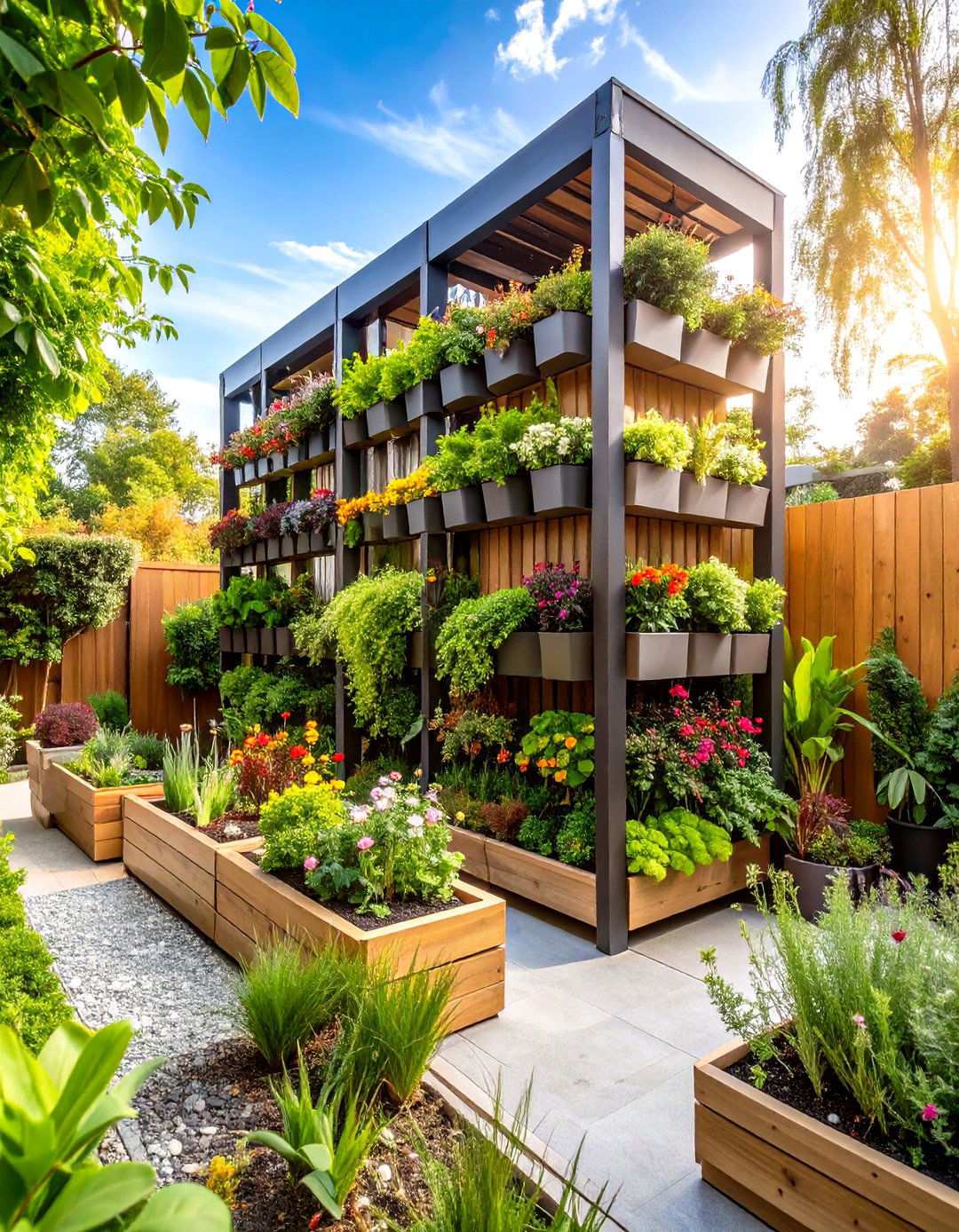
Unlock limitless possibilities in limited spaces by implementing cutting-edge vertical growing systems that embody the spirit of urban agriculture innovation. This forward-thinking school garden design leverages walls, fences, and vertical structures to craft multi-level growing environments through the strategic use of containers, hanging planters, and tower systems. By repurposing discarded materials such as recycled tires, pallets, and bottles, students can construct and maintain their own vertical gardens, fostering a sense of ownership and responsibility. Integrated drip irrigation systems not only promote water conservation but also serve as a valuable teaching tool for efficient growing methods. Furthermore, the inclusion of mobile container gardens allows for seamless adaptation to seasonal light conditions or indoor/outdoor requirements, providing students with a unique opportunity to experiment and observe the effects of environmental changes on plant growth. By featuring a diverse array of plants well-suited to container growing, such as herbs, lettuce, strawberries, and cherry tomatoes, this space-efficient approach empowers students to develop problem-solving skills and engineering principles while cultivating fresh produce in sustainable, replicable systems.
8. School Garden Hydroponic Innovation Laboratory
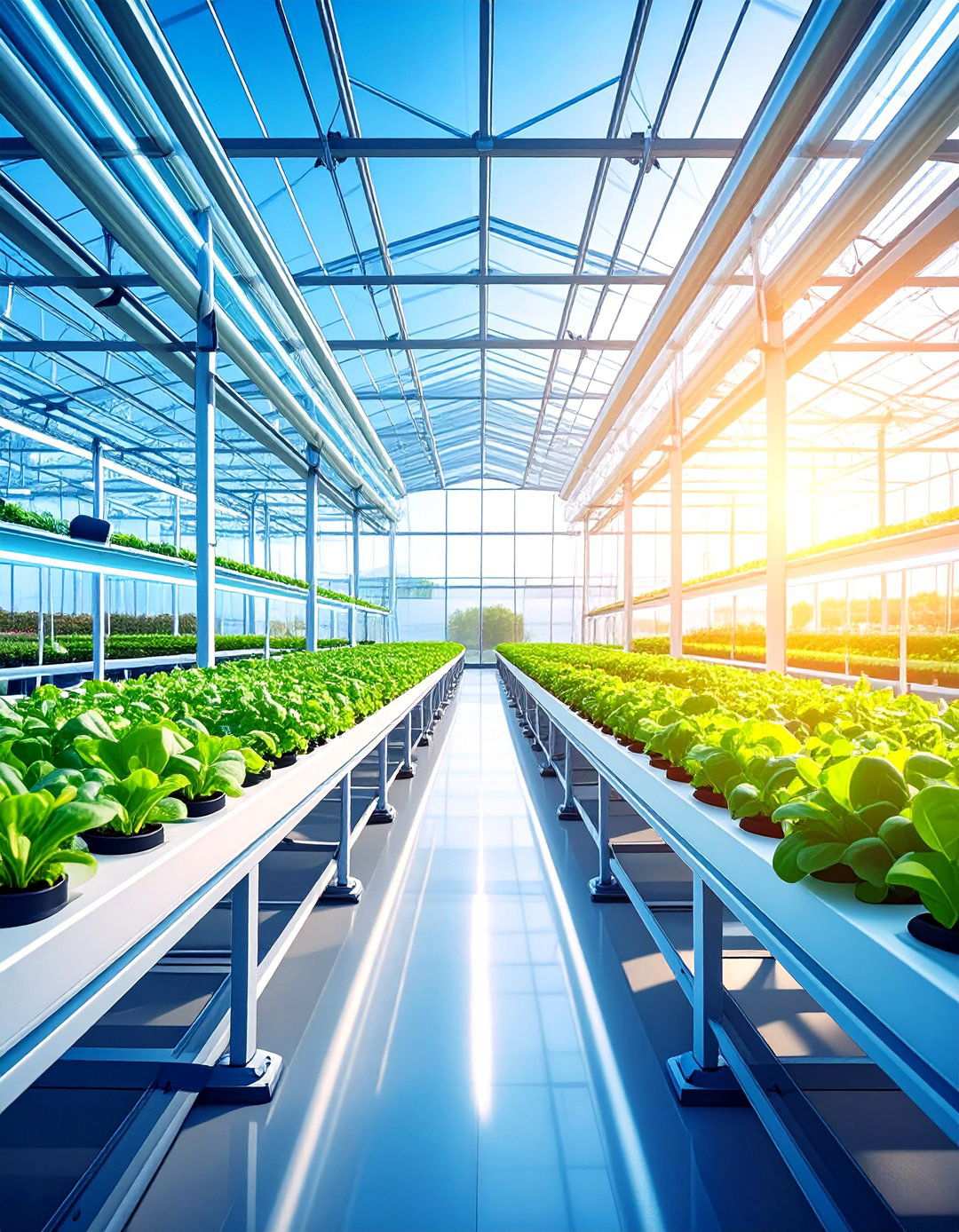
Delve into the fascinating world of soil-free growing methods through a comprehensive hydroponic garden that showcases the latest advancements in agricultural technology. This cutting-edge school garden design incorporates both elementary and advanced hydroponic systems, including deep water culture, nutrient film technique, and aeroponic towers. By creating interactive educational stations that explain the intricacies of plant nutrition, the critical role of pH in plant health, and water cycle management, students can develop a deeper understanding of the complex relationships within a hydroponic system. The incorporation of monitoring equipment for tracking plant growth rates, nutrient levels, and environmental conditions allows students to collect valuable data and make informed decisions. Furthermore, the use of transparent growing containers enables students to observe root development and nutrient uptake, providing a unique perspective on the intricate processes at play. By installing LED growing lights for year-round cultivation and climate-controlled growing areas, this high-tech approach ensures that students can grow fresh produce regardless of weather conditions or soil quality limitations, teaching them valuable lessons about water conservation, nutrient cycling, and precision agriculture.
9. School Garden Sanctuary for Butterfly Transformations
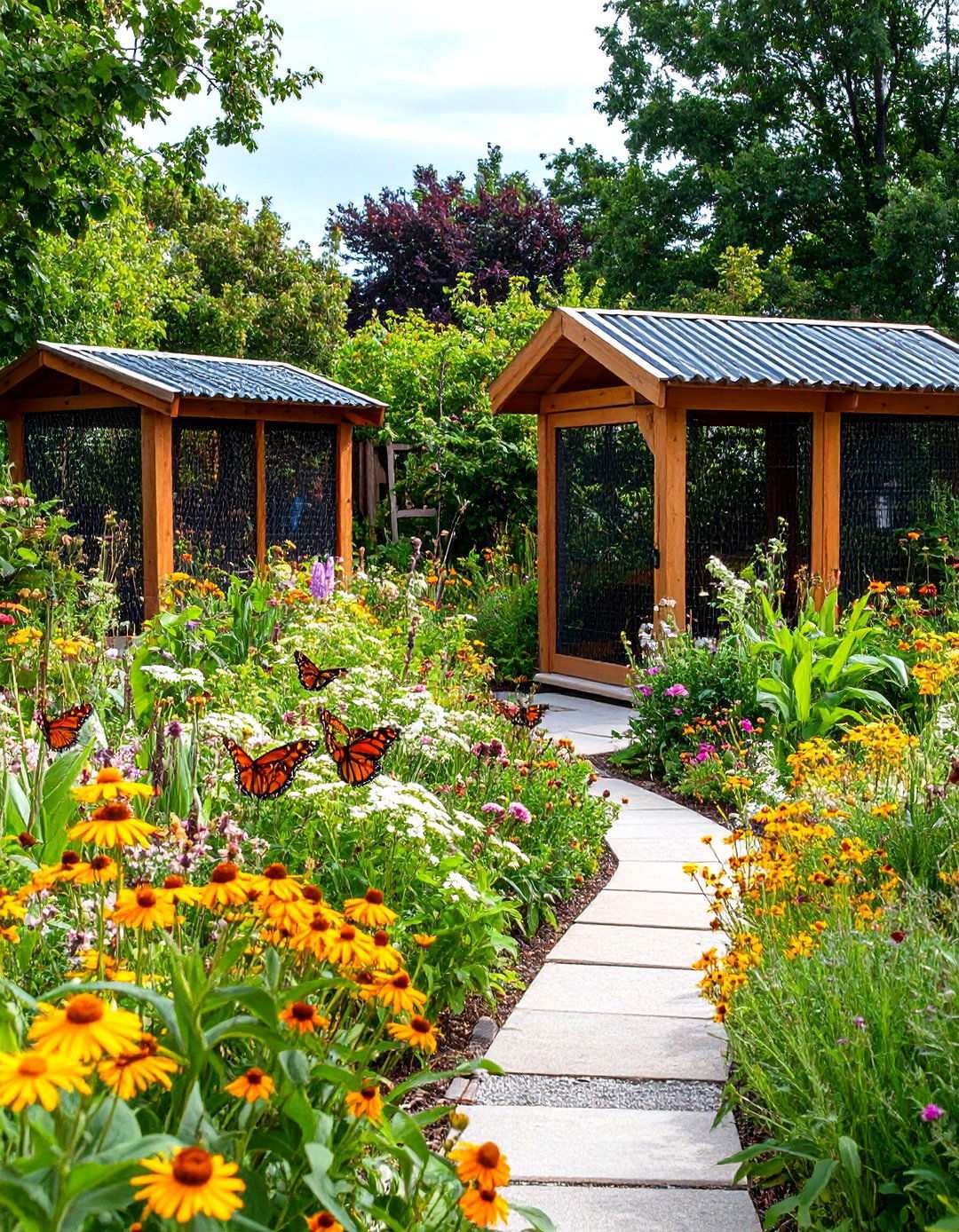
Imagine a vibrant outdoor classroom where students can witness the magical transformation of butterflies, from egg to caterpillar to winged adult. This immersive garden concept combines host plants for caterpillars, nectar sources for adult butterflies, and specially designed observation areas for in-depth study of insect development. To support a diverse range of butterfly species, incorporate a variety of plant species, such as milkweed for monarchs, parsley for swallowtails, and native wildflowers that provide a constant source of nectar and shelter. Enclosed mesh observation areas will allow students to safely observe the intricate process of chrysalis formation and emergence, while magnification stations and documentation areas will facilitate detailed recording of butterfly behavior and lifecycle stages. To create a dynamic outdoor classroom that changes with the seasons, incorporate seasonal planting schedules that ensure continuous blooms throughout the growing season. By incorporating water features and butterfly puddling stations, this living laboratory will not only teach students about biological processes, ecosystem relationships, and conservation practices but also provide a haven for these delicate creatures.
10. School Garden Oasis for Sustainable Water Management
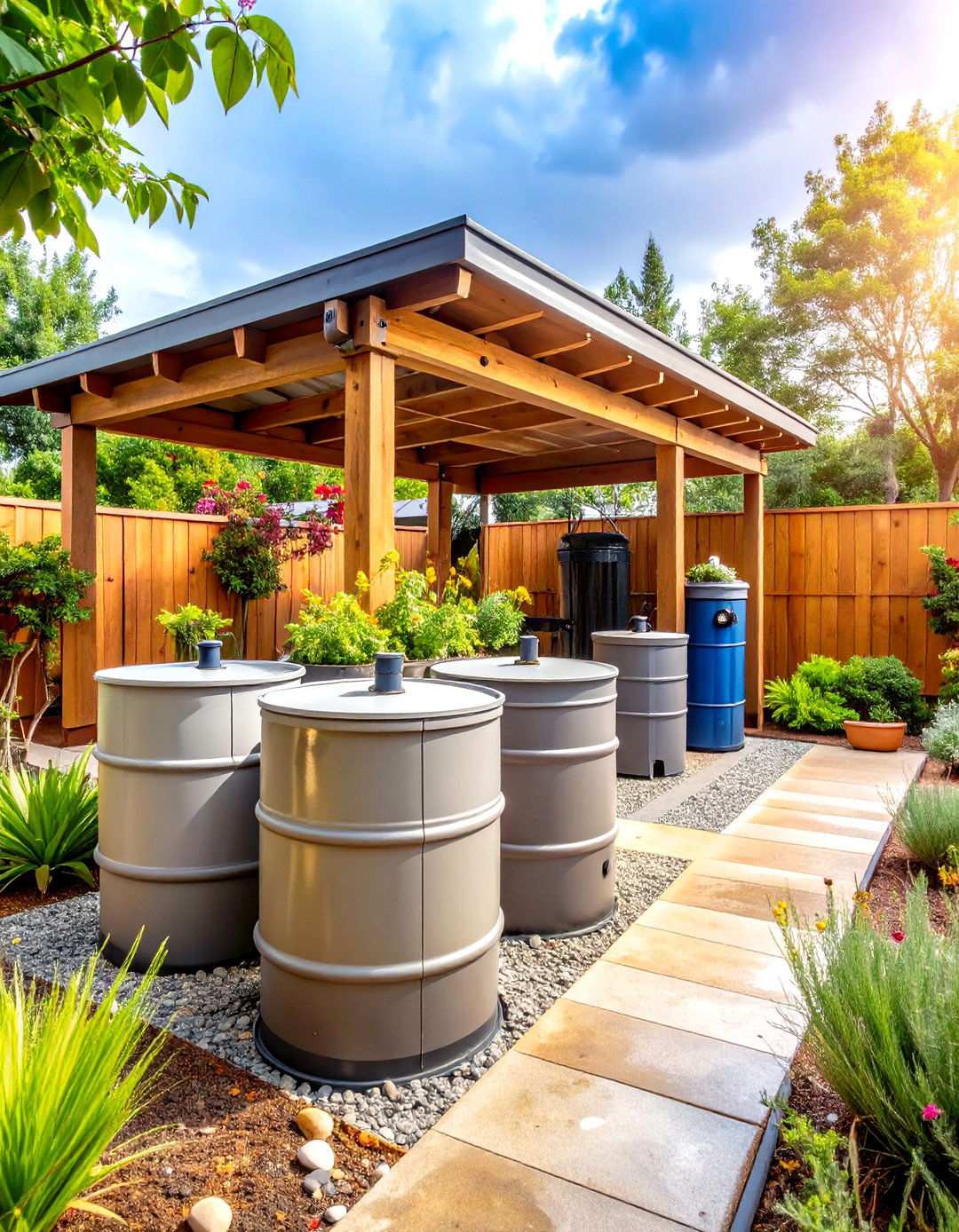
In today’s world, where water scarcity is a pressing concern, it’s more crucial than ever to teach the next generation about the importance of sustainable resource management. This comprehensive water conservation garden design showcases rainwater harvesting systems, greywater recycling, drought-tolerant plants, and water-wise irrigation methods that minimize waste and maximize efficiency. By installing rain barrels, cisterns, and collection systems that capture water from school buildings for garden irrigation, students will gain hands-on experience with rainwater harvesting techniques. Demonstration areas will showcase different watering strategies, including drip irrigation, soaker hoses, and mulching techniques, while native, drought-resistant plant species will require minimal water inputs while providing educational value. To further emphasize the importance of water conservation, include measurement stations for tracking rainfall, water usage, and plant moisture needs, as well as permeable pathways that allow water infiltration and prevent runoff. By adding educational signage that explains water cycles, conservation principles, and environmental impact, this sustainable design will not only teach students about resource conservation and climate adaptation but also provide practical solutions for water scarcity challenges facing communities worldwide.
11. School Garden Community Market Enterprise
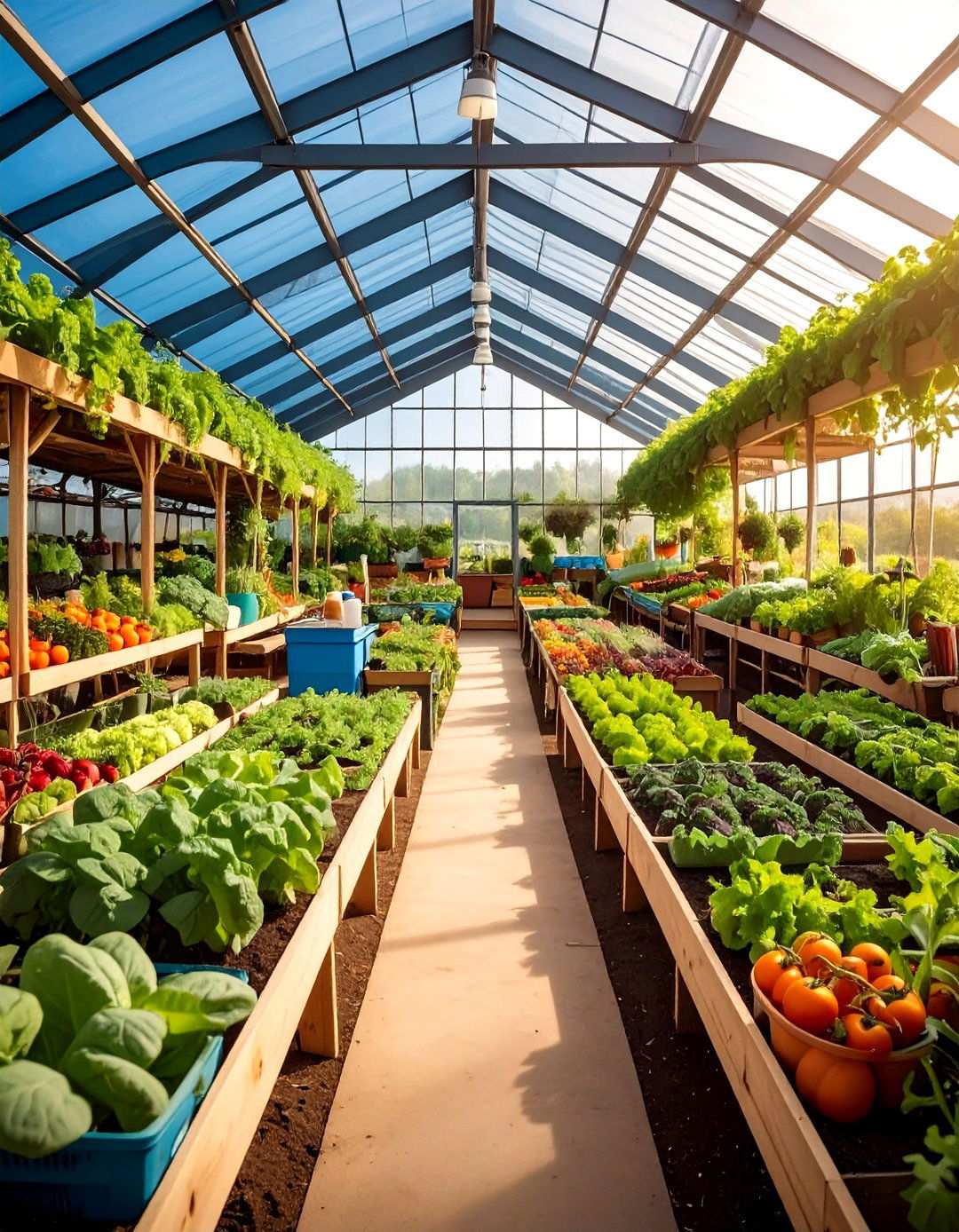
By launching a school garden community market enterprise, educators can create an immersive learning environment where students are immersed in the agricultural production cycle, from planting to sales. This entrepreneurial approach enables students to develop practical business skills, including marketing, sales, and financial management. To achieve this, the garden design should incorporate diverse crop production areas, harvest processing stations, and market preparation spaces where students can learn by doing. Focus on cultivating high-yield crops suitable for farmers market sales, such as fresh herbs, salad greens, colorful flowers, and specialty vegetables. Include wash-and-pack stations where students can prepare produce for sale, as well as educational displays explaining the principles of pricing, profit calculations, and exceptional customer service. Design visually appealing display areas for student-run farmers markets and community sales events, and install secure storage spaces for tools, supplies, and harvested produce. Finally, include record-keeping stations where students can track expenses, revenues, and profit margins, thereby gaining real-world experience in agricultural economics, entrepreneurship, and community engagement. This hands-on approach not only teaches students about agricultural economics but also fosters their math, communication, and problem-solving skills while instilling confidence through meaningful work that benefits their school and local community.
12. School Garden Medicinal Plants Learning Center
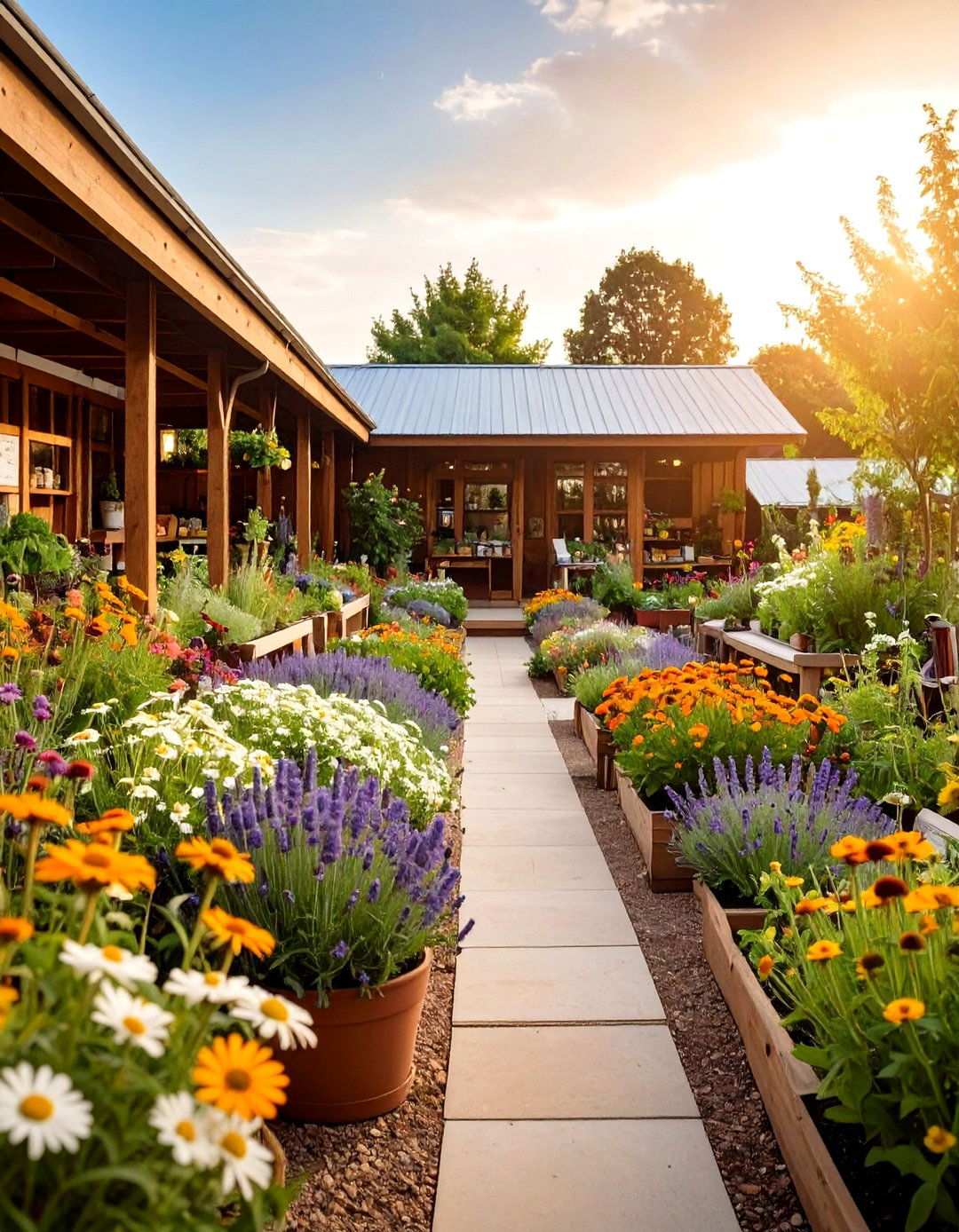
A well-designed medicinal garden can serve as a unique tool for introducing students to the healing properties of plants, thereby teaching botanical science and traditional plant medicine. This learning center concept features a selection of safe, educational herbs and plants with documented medicinal properties, including chamomile, calendula, echinacea, and lavender. Create educational stations that explain plant chemistry, traditional uses, and modern research about plant-based medicine, providing students with a comprehensive understanding of the subject matter. Include herb processing areas where students can safely dry plants, make herbal teas, and prepare simple remedies under close supervision. Design the space with clear labeling and safety protocols to ensure students understand the importance of proper plant identification and usage guidelines. Install research areas where students can study plant properties and document their observations, and include historical information about traditional medicine practices from various cultures. By taking a holistic approach, this educational endeavor teaches students about botany, chemistry, and cultural traditions while emphasizing safety, scientific research, and respect for traditional knowledge systems.
13. Cultivating Curiosity in the School Garden Alphabet Adventure
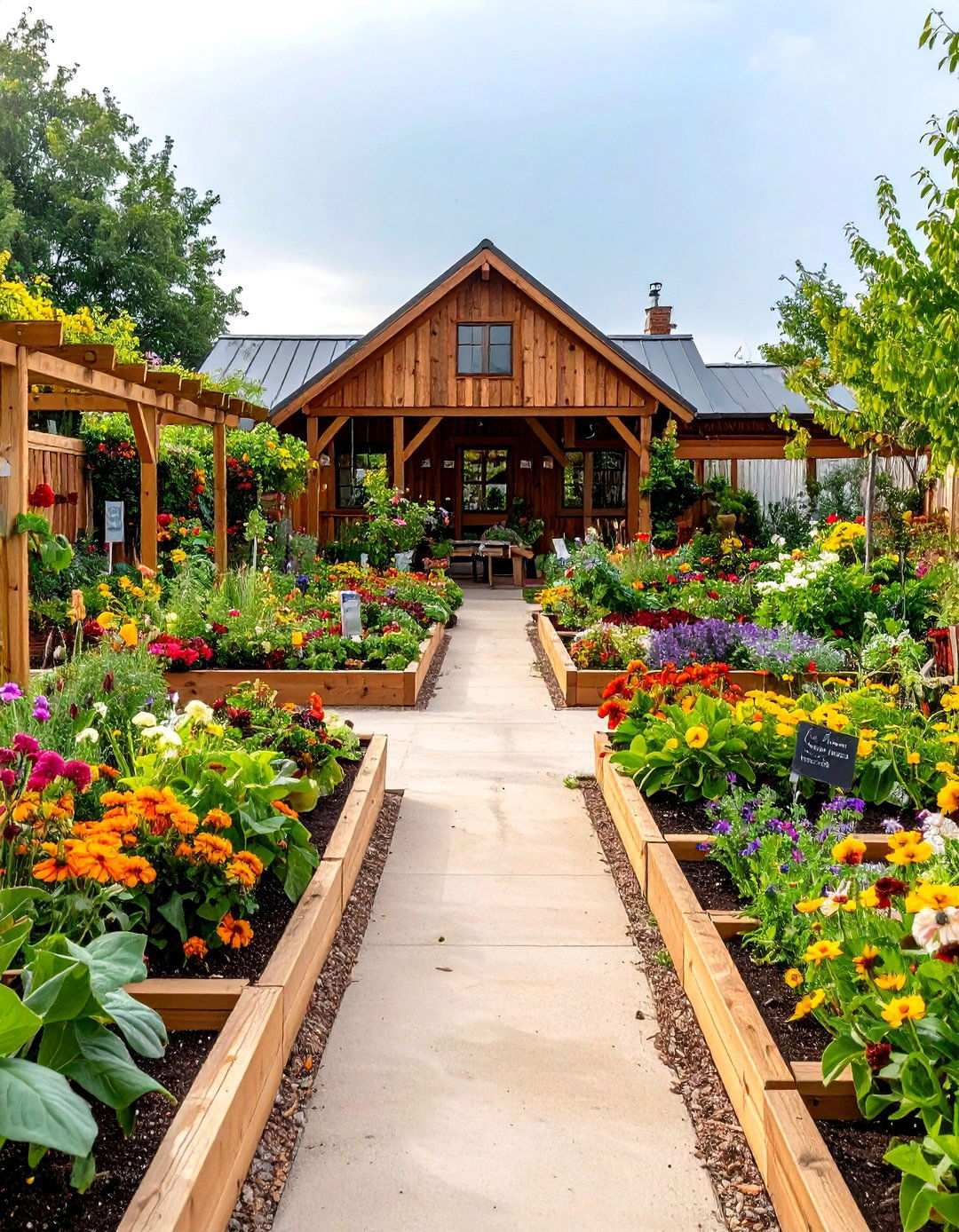
Imagine a garden that not only fosters a love for nature but also develops essential early literacy skills. By organizing plants alphabetically, educators can create an immersive learning environment that encourages students to explore and interact with the natural world. This innovative concept comprises 26 distinct planting areas, each showcasing plants that begin with different letters of the alphabet. From apricots to zinnias, students can discover a wealth of new vocabulary and letter recognition skills through hands-on experiences. To further enhance learning, incorporate weather-resistant books about plants and gardening in cozy reading nooks, where students can relax and absorb the wonders of the garden. Designing letter-shaped garden beds or decorative signs can become a valuable teaching tool, reinforcing letter recognition as students wander through the various plant varieties. Moreover, the incorporation of measurement activities that foster counting, sorting, and basic math skills will complement literacy learning, making the experience even more engaging and interactive. As students share their observations and create narratives about their garden experiences in designated storytelling areas, they will develop a deeper appreciation for reading and expand their vocabulary in a meaningful way. This literacy-focused approach supports early childhood education while making learning a memorable and enjoyable experience.
14. Seasonal Discovery in the School Garden Exploration Calendar
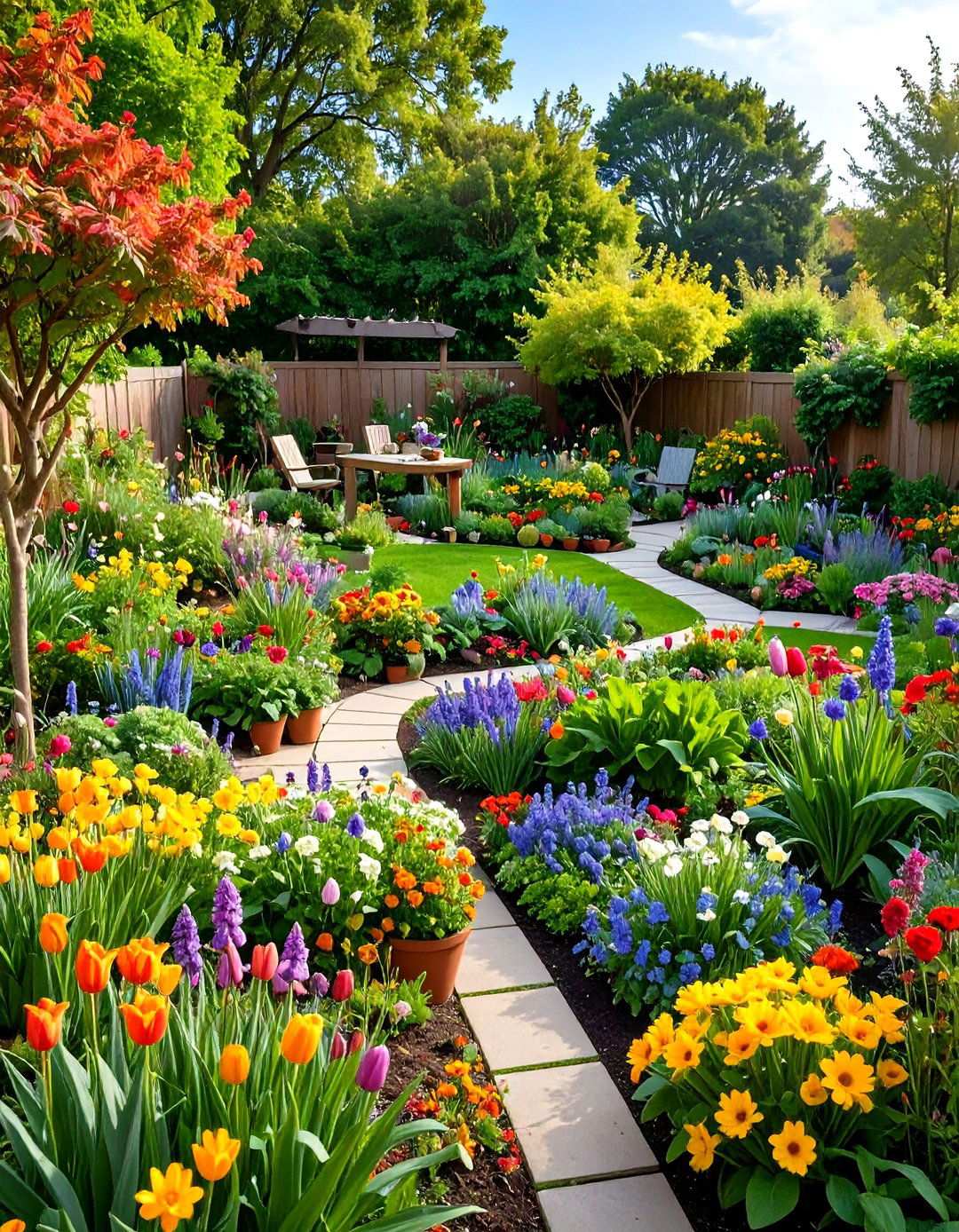
Create a dynamic and engaging educational garden that showcases the ever-changing beauty of the seasons. By incorporating plants that highlight different seasons through blooming times, harvest periods, and visual changes, educators can provide students with a comprehensive understanding of natural cycles throughout the year. A carefully curated collection of spring bulbs, summer flowers, fall vegetables, and winter interest plants will offer year-round educational opportunities that cater to students’ diverse interests. To further enhance the learning experience, establish weather monitoring stations where students can track temperature, precipitation, and daylight hours alongside observing plant responses. This hands-on approach will allow students to develop critical thinking skills as they record and analyze data. Design seasonal activity areas for different types of garden work, including spring planting, summer maintenance, fall harvesting, and winter planning. By incorporating observation journals and recording stations, students can document seasonal changes and plant development, fostering a deeper appreciation for the natural world. Furthermore, seasonal decorations and educational displays that change throughout the year will keep students engaged and curious. Preservation activities like seed saving, food drying, and winter preparation will extend learning beyond the growing season, teaching students about natural cycles, climate patterns, and seasonal adaptation while providing continuous learning opportunities regardless of weather conditions.
15. Revitalizing Educational Composting Systems
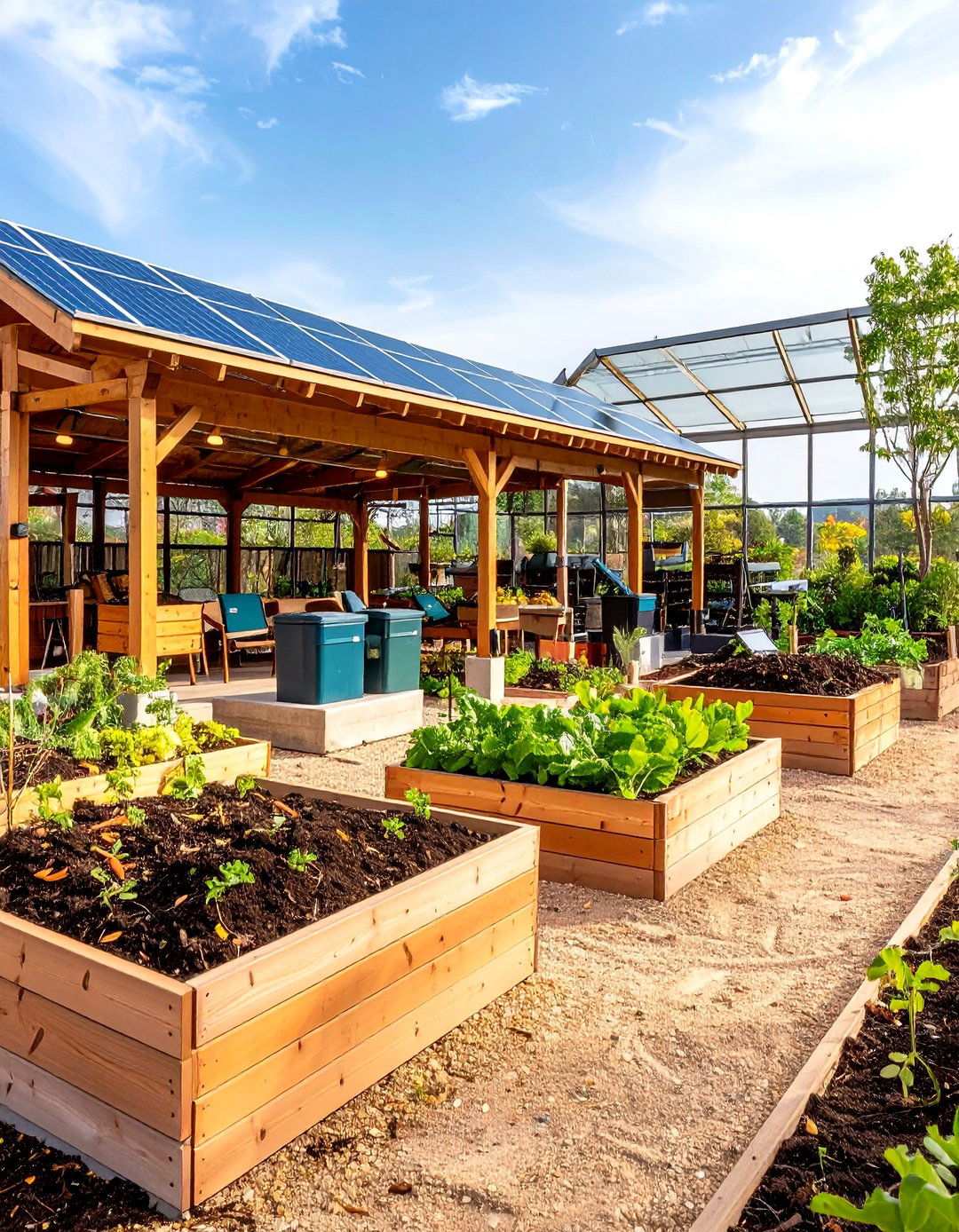
Unlock the potential of organic waste in school gardens by implementing a multi-faceted composting system that showcases decomposition, nutrient cycling, and waste reduction. This holistic design incorporates a range of composting methods, including traditional bins, worm-based vermicomposting, and leaf mold systems, each serving as a unique teaching tool. Create interactive learning stations to illustrate the decomposition process, soil health, and nutrient cycling in natural ecosystems, featuring microscope areas where students can directly observe the intricate world of soil organisms and decomposers. The space is designed with clear labeling, indicating the various stages of composting and waste sorting techniques, accompanied by temperature monitoring equipment and turning systems that students can safely operate. Additionally, measurement areas provide students with the opportunity to track composting progress and evaluate the quality of finished compost, while demonstration plots highlight the benefits of using compost amendments. This thought-provoking approach empowers students to understand waste reduction, soil science, and environmental cycles, fostering practical life skills and environmental stewardship values that extend beyond the garden to home and community practices.
16. Designing Wildlife Habitats as Educational Ecosystems
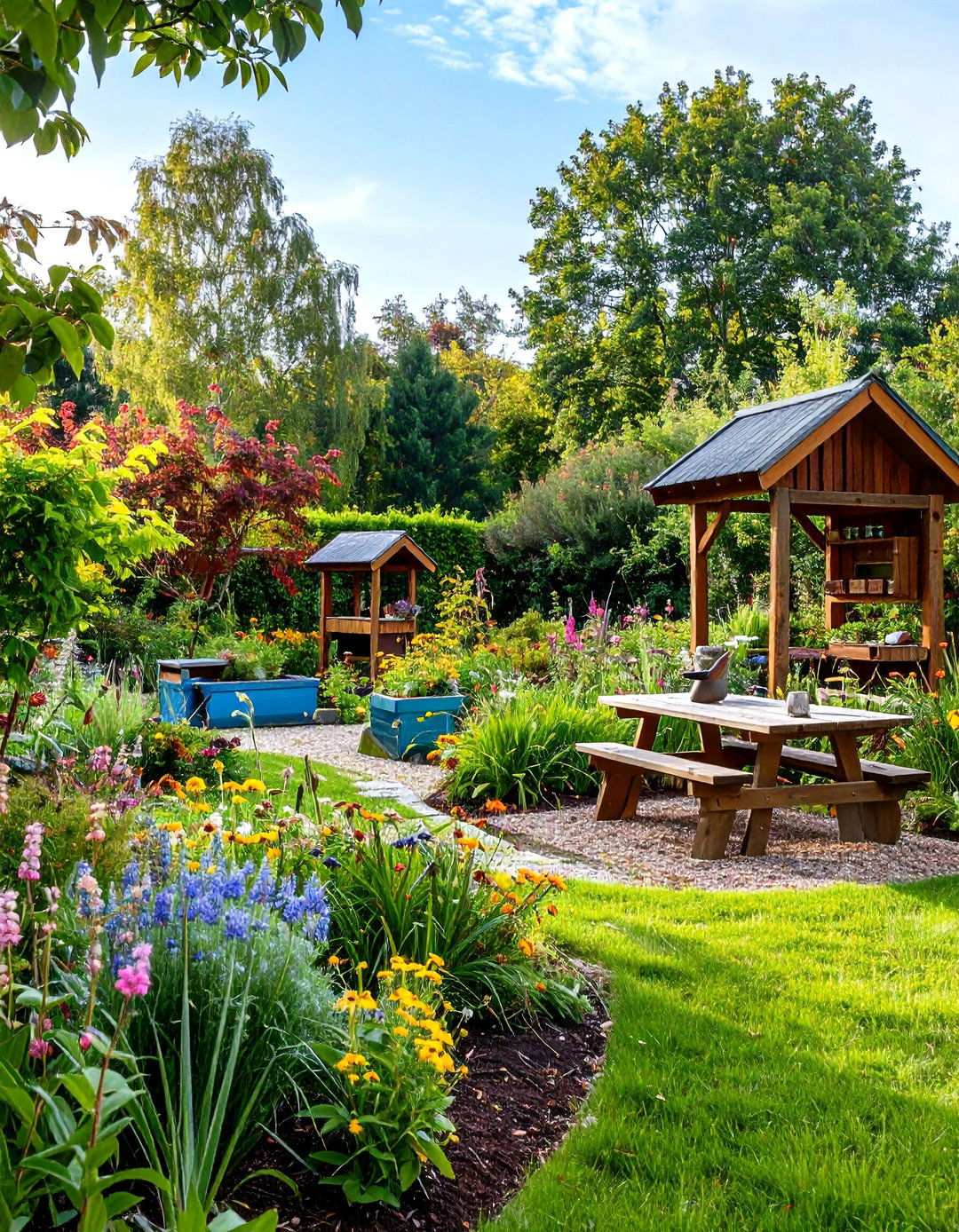
Develop a garden ecosystem that not only supports local wildlife but also serves as a living laboratory for students to learn about biodiversity, habitat requirements, and conservation practices. This innovative design incorporates native plants, water sources, shelter areas, and food sources, creating a haven for birds, beneficial insects, small mammals, and other local wildlife. Planting native trees, shrubs, and wildflowers provides seasonal food sources and nesting materials, while bird feeding stations, nesting boxes, and water features cater to the needs of wildlife throughout the year. Quiet observation areas and identification guides enable students to document wildlife sightings and behavioral observations, fostering a deeper understanding of ecosystem relationships, biodiversity importance, and conservation challenges. By minimizing human intervention areas, the space allows natural processes to unfold, creating a dynamic outdoor learning environment that evolves with the seasons and wildlife activity, and inspires students to develop a lifelong appreciation for ecological conservation practices.
17. Reviving America's Agricultural Past
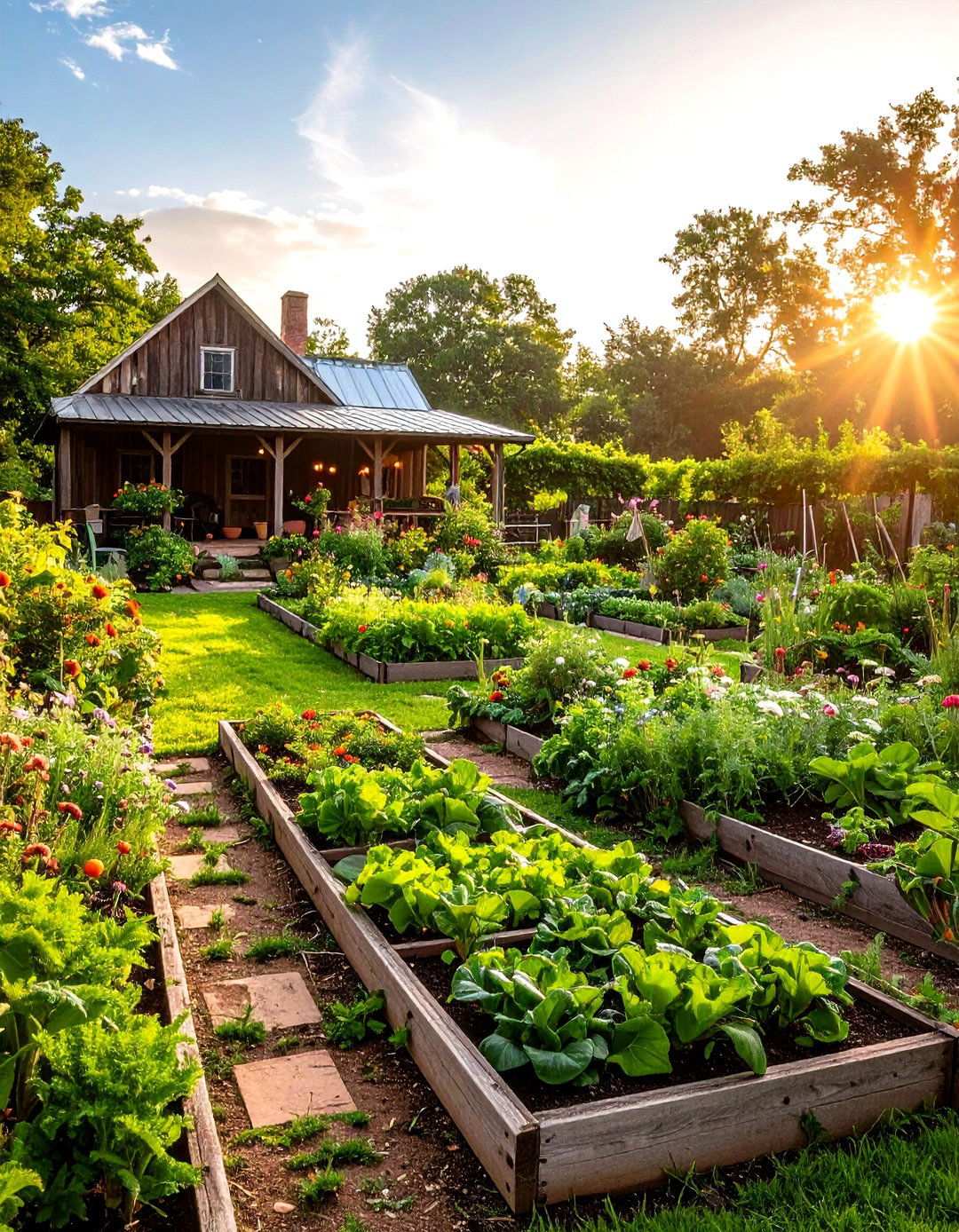
Bring students face-to-face with the agricultural legacy of America’s founding fathers by designing a school garden that honors historical farming practices. This unique garden features a collection of heritage varieties and traditional growing methods used by iconic figures such as George Washington and Thomas Jefferson. To create an immersive experience, plant a diverse array of heirloom vegetables, historic apple varieties, and crops that played a significant role in early American agriculture. Develop educational zones that delve into historical farming techniques, tool usage, and the challenges faced by early settlers. Incorporate hands-on demonstrations of traditional preservation methods, including root cellaring, seed saving, and food drying. The space should be designed to resemble the past with period-appropriate tools, structures, and growing methods, allowing students to connect with America’s agricultural heritage firsthand. To enhance the learning experience, incorporate interpretive materials that explain how agriculture shaped American history, westward expansion, and economic development. This historical approach also includes comparison areas to highlight the differences between modern and historical farming practices. By combining past and present through hands-on engagement with traditional growing methods and heritage plant varieties, students develop a deeper understanding of America’s agricultural roots.
18. The Culinary Connection
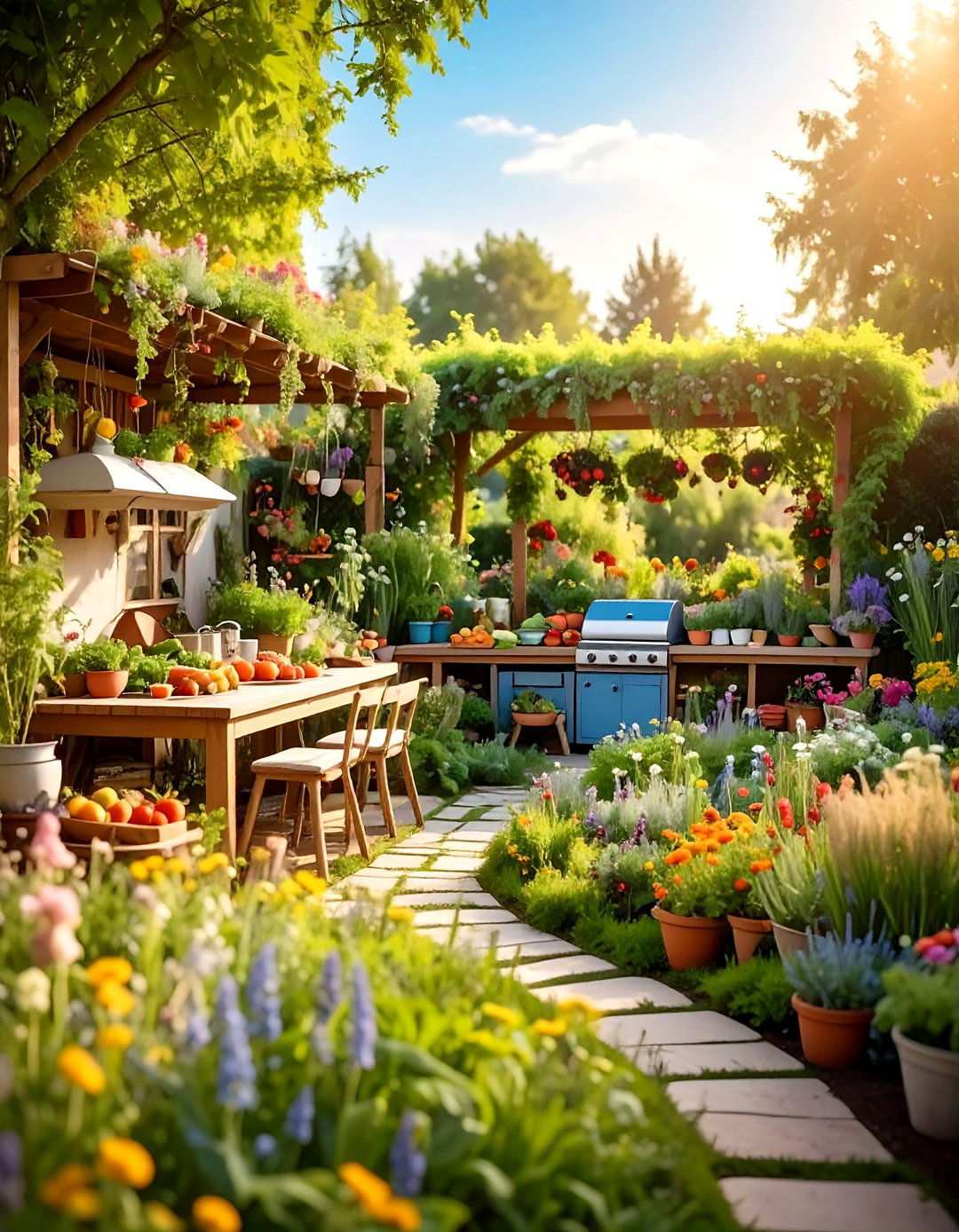
Integrate the school garden with a hands-on culinary experience that teaches students the connection between food production and nutrition. This comprehensive design features diverse food crops organized by cooking categories, including fresh eating, cooking ingredients, and preservation varieties. To facilitate hands-on cooking and food preparation, include outdoor kitchen facilities with safe cooking equipment, preparation areas, and storage for cooking tools and ingredients. Plant a variety of herbs for seasoning, vegetables for main dishes, and fruits for desserts, allowing students to create complete meal possibilities from their garden harvests. Develop recipe development areas where students can experiment with cooking techniques and flavor combinations. To ensure food safety, include educational stations teaching proper washing, preparation, and cooking methods. Design the space with seating areas for outdoor dining and food sharing experiences, fostering a sense of community and appreciation for fresh, locally grown ingredients. To make the most of the garden harvest, install preservation equipment for canning, drying, and freezing excess produce. By teaching students about nutrition, cooking skills, and food safety, this culinary approach empowers them to develop confidence in food preparation and a deeper appreciation for locally grown ingredients.
19. Nurturing Creativity Through Multidisciplinary School Garden Design
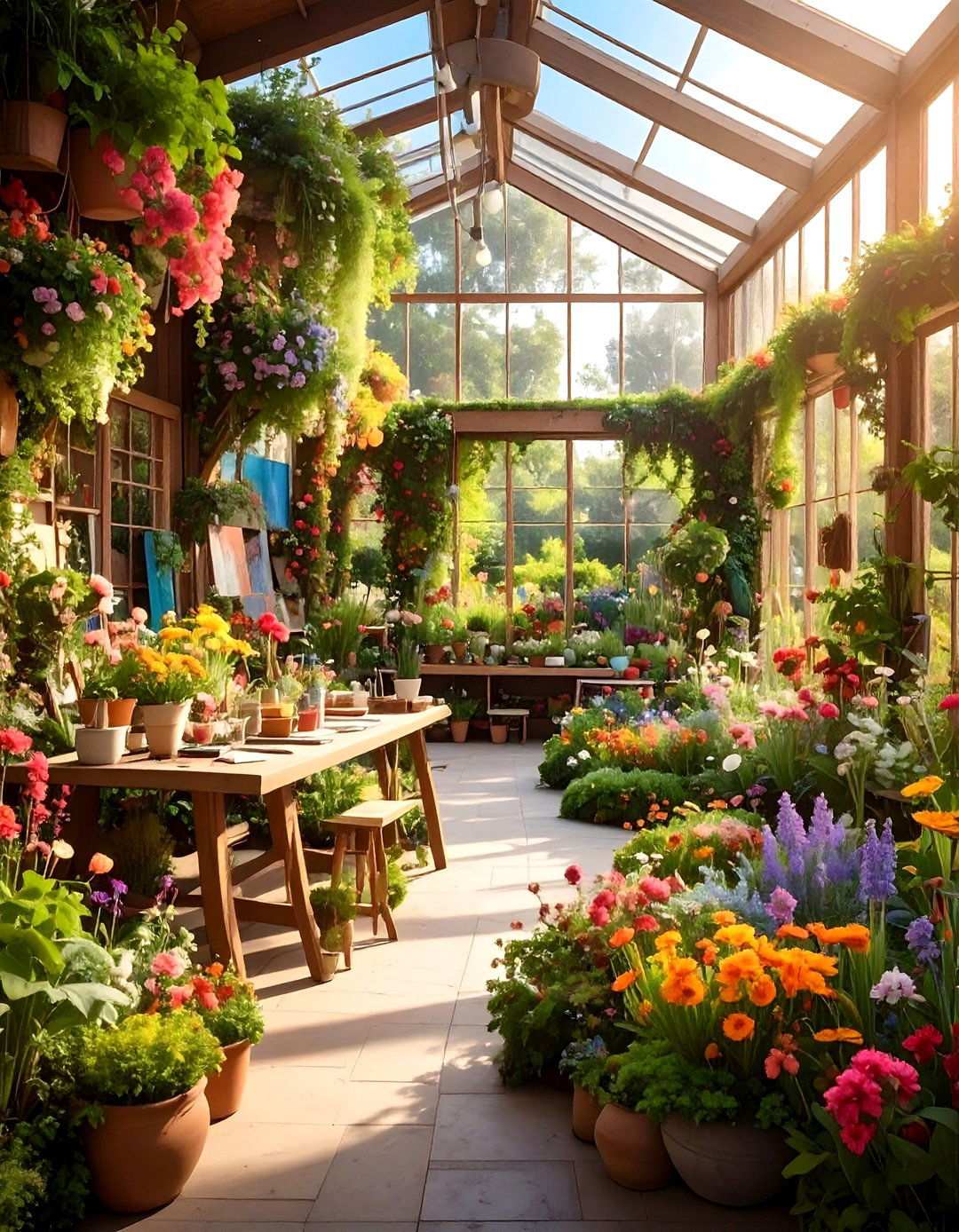
By merging visual arts education with the natural world, schools can create innovative garden spaces that foster creativity, self-expression, and a deeper appreciation for the aesthetic qualities of plants and gardens. This concept emphasizes color, texture, form, and creative expression, utilizing plants and garden materials to inspire artistic exploration. Students can engage with an array of plants chosen for their unique characteristics, including vibrant flowers, intricate foliage patterns, and sculptural growth forms. Outdoor art studios can be designed to incorporate natural materials for painting, sculpture, and craft projects, while dye gardens featuring plants that produce natural colors can be used for textile arts and painting projects. The space can also include living sculptures, topiary projects, and garden installations that students create and maintain, as well as weather-resistant art displays for showcasing their garden-inspired artwork and creative projects. Photography areas with unique backgrounds and lighting can be incorporated to facilitate the documentation of garden art and plant studies. Seasonal art projects can be designed to change with the garden’s development and harvest cycles, allowing students to develop their artistic skills while learning about plant characteristics and garden design principles.
20. Cultivating Mindfulness and Wellness in School Garden Design
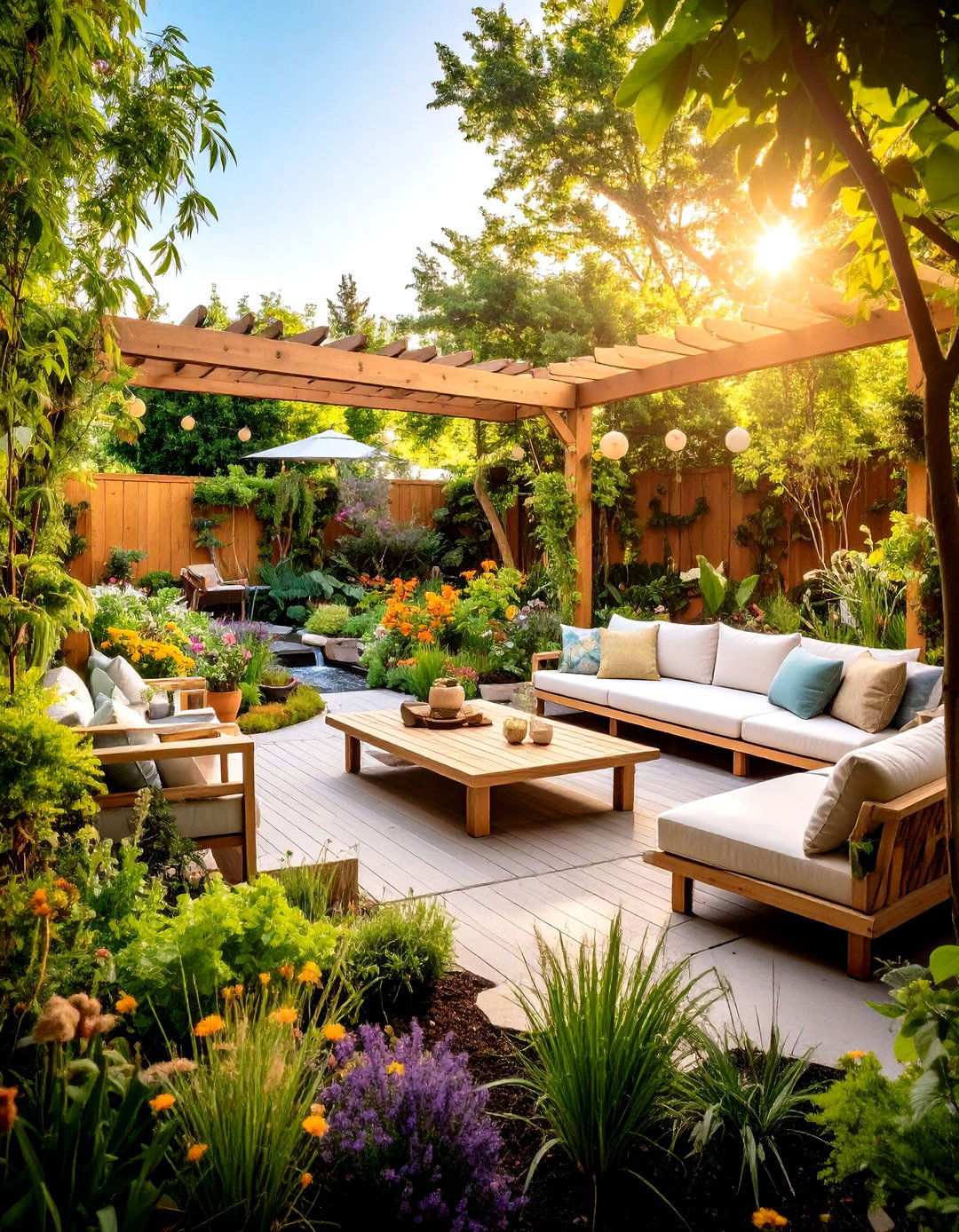
School gardens can serve as peaceful retreats that promote mental health, stress reduction, and mindfulness, while teaching students about the therapeutic benefits of nature. This concept features calming plants, quiet seating areas, and meditative pathways that create a restorative outdoor environment. Aromatic herbs, soft-textured plants, and species known for their calming properties, such as lavender, mint, and chamomile, can be incorporated to promote relaxation and sensory awareness. Meditation circles, reading nooks, and quiet reflection areas can be designed to provide students with a safe space to process emotions and practice mindfulness. Sensory elements like wind chimes, water features, and textured pathways can be included to further promote relaxation and sensory awareness. The space can be designed with natural materials, earth tones, and organic shapes to create peaceful and welcoming atmospheres. Journaling stations can be installed to allow students to reflect on their garden experiences and emotional responses to nature, while yoga or movement areas can be incorporated for gentle physical activity and stress relief. This wellness-focused approach teaches students about mental health, stress management, and the healing power of nature, providing essential emotional support and coping strategies through garden-based therapy and mindfulness practices.