1. Elevating Strawberry Gardens with Repurposed Materials
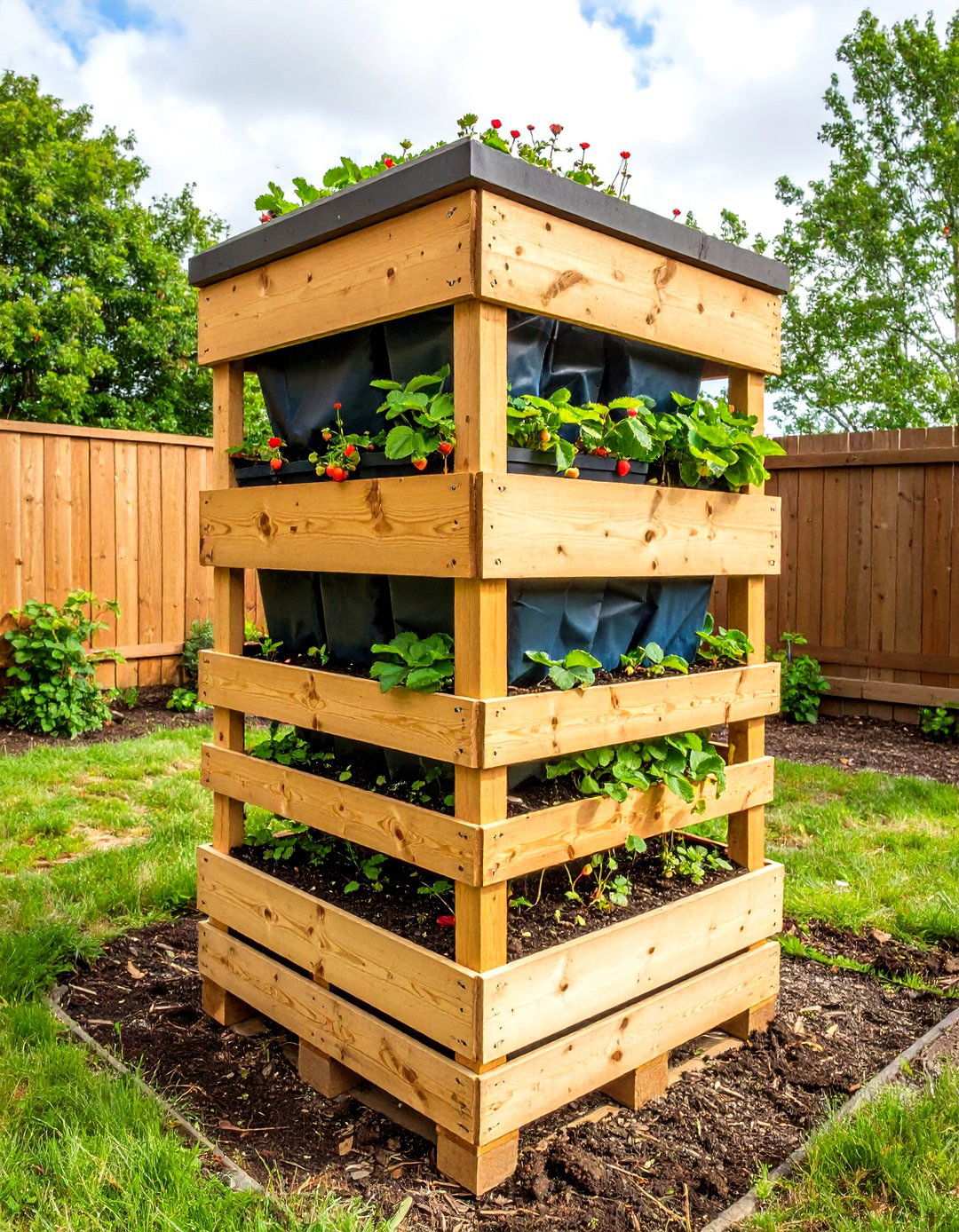
Small spaces can be transformed into lush, productive areas, offering both aesthetic appeal and bountiful harvests. By repurposing materials such as pallets, gutters, and tires, gardeners can create innovative planter systems that maximize vertical and horizontal space for growing strawberries, even in limited quarters. Self-sufficiency is key; these planters often incorporate self-watering systems, straw bale beds, and hydroponic towers to ensure consistent moisture and nutrient delivery. The creative use of containers, from teacups to mason jars, adds unique charm and encourages easy picking at waist height, reducing strain and deterring pests by keeping fruit off the ground. Whether you’re a beginner or seasoned gardener, these 20 ideas blend functionality and style to help you enjoy homegrown strawberries all season long.
2. Vertical Pallet Planter: A Space-Saving Marvel
A vertical pallet planter repurposes an old wooden pallet into a multi-layered strawberry garden by attaching landscape fabric to the back and filling the horizontal slats with potting mix. This design excels at maximizing narrow wall or fence space, allowing dozens of plants to grow upward instead of outward. The slatted structure promotes excellent drainage and airflow, making it ideal for a low-maintenance strawberry garden. With regular watering from top to bottom, gravity helps distribute moisture across all levels. By mounting the pallet on a sturdy frame or directly to a wall, easy access to ripe berries is ensured. This planter is perfect for balconies and small patios, offering a rustic aesthetic and efficient use of vertical real estate.

As an Amazon Associate I earn from qualifying purchases.
3. Terra-Cotta Strawberry Pot with Built-In Pockets
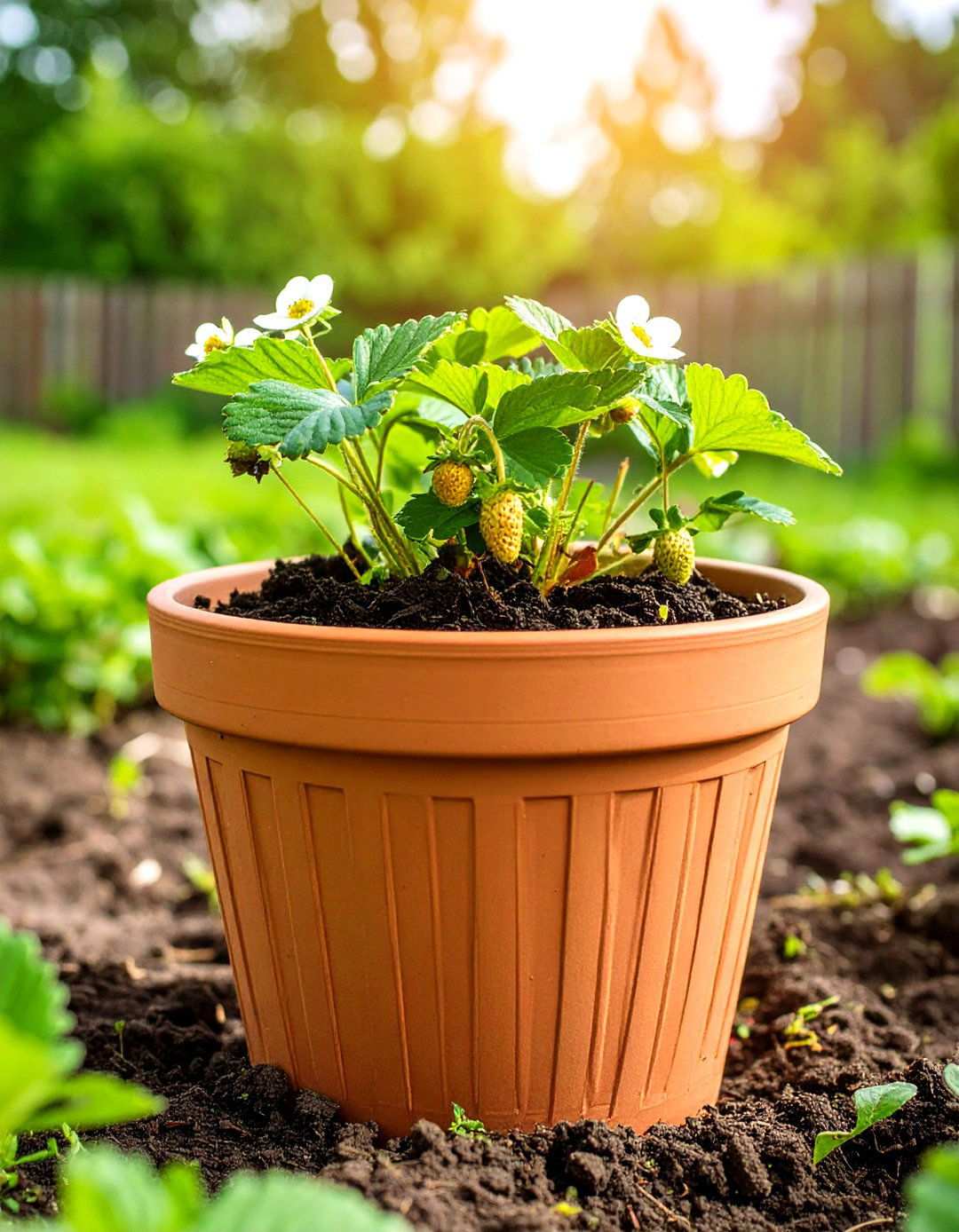
Terra-cotta strawberry pots feature built-in side pockets that cradle individual plants, providing a decorative yet functional container. One key consideration is to use potting mix rather than garden soil to ensure even drainage and prevent compaction around roots. To create a stunning display, fill each pocket sequentially, topping up with soil until the rim, then plant the central cavity with a larger strawberry cultivar. The porous clay walls moderate moisture levels, reducing overwatering, while the stacked pockets create a cascading waterfall of foliage and fruit. To maximize visual impact, group several pots for an eye-catching centerpiece on a sunny patio. Periodic feeding with slow-release fertilizer keeps plants vigorous and productive throughout the season.
Tiered Wooden Crate Planter
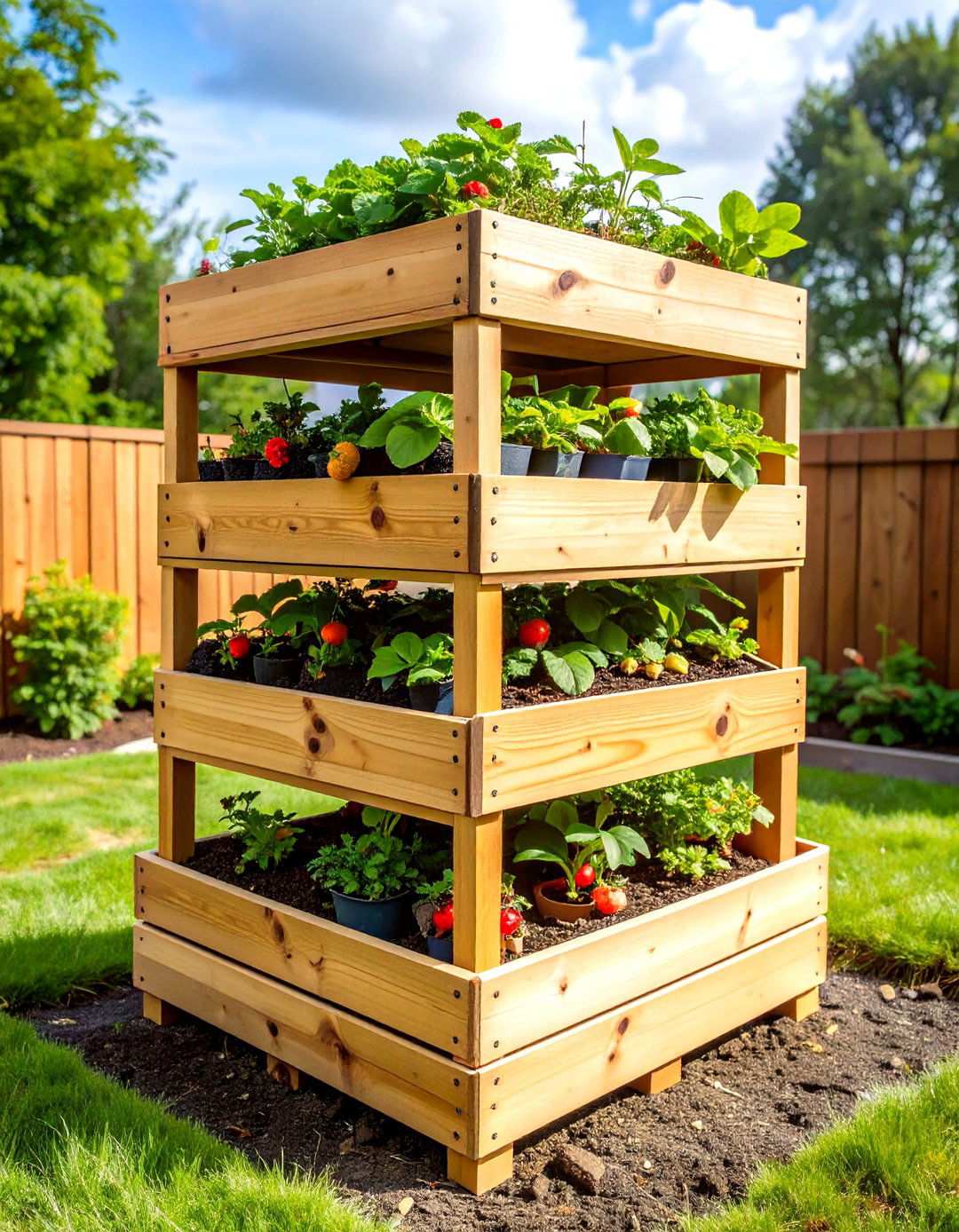
Elevate strawberry cultivation with a visually appealing, modular design using stacked wooden crates. Secure each level with screws or brackets, offsetting them slightly inward to create tiers for planting. Line the crates with landscape fabric to prevent soil loss, then fill with a lightweight potting medium. This tiered system allows for effortless harvesting, as berries hang over each level, and can be easily expanded vertically by adding more crates. The crates can be stained or painted to blend seamlessly with outdoor decor, while removable units simplify off-season storage or reconfiguration. By incorporating drainage holes in the base of each crate, waterlogging and root rot are effectively prevented.
4. Hanging Basket Display
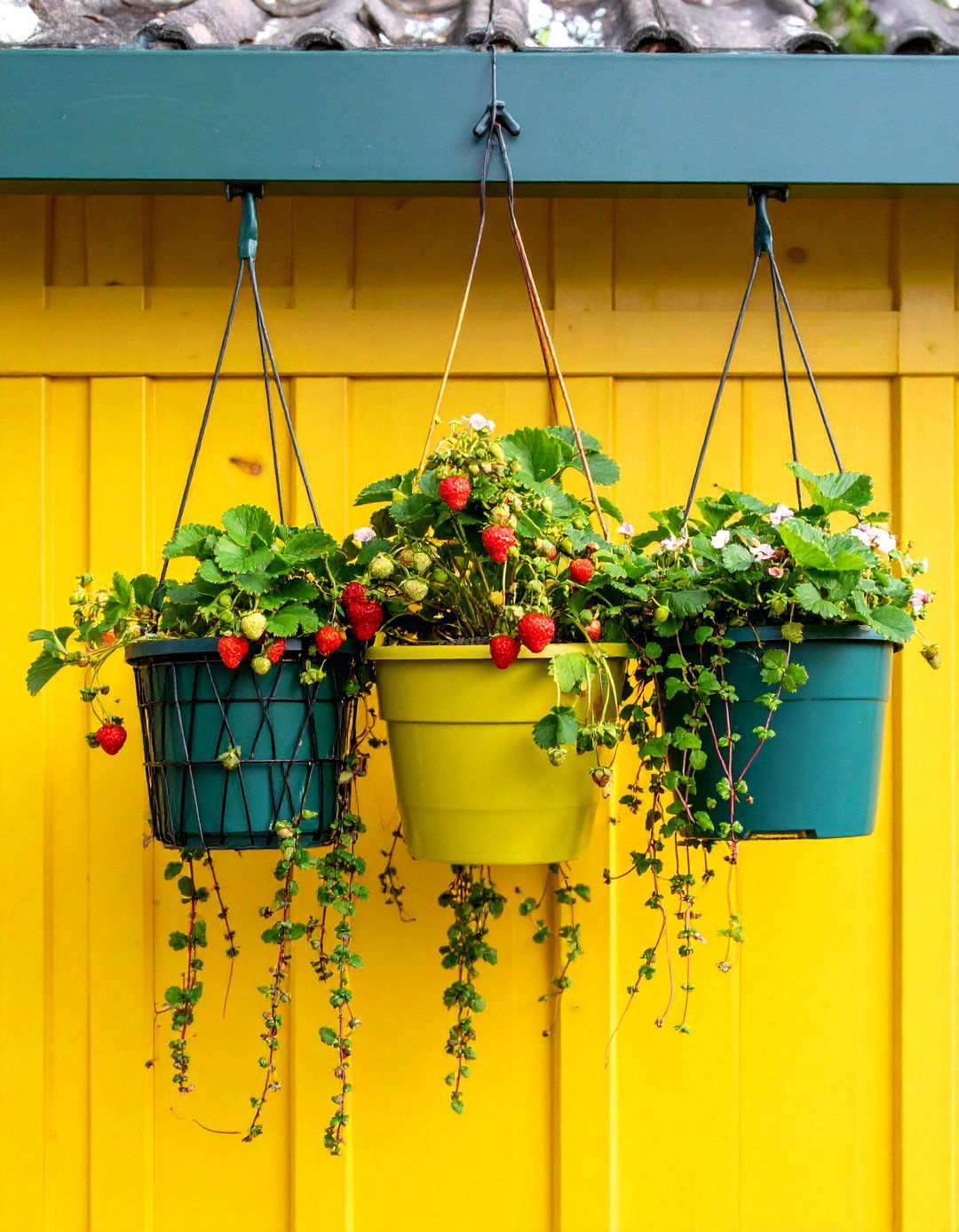
Optimize overhead space with hanging baskets by suspending straw-lined or wire containers filled with potting mix and strawberry plants. Select baskets with a diameter and depth of at least 10–12 inches to accommodate multiple plant crowns. Enhance water retention by installing self-watering inserts or layering moss under the soil. Position the baskets in full sun, rotating them occasionally for uniform ripening. The trailing habit of strawberry varieties creates a lush, green display with berries dangling attractively below. This approach protects fruit from ground pests and offers easy access for watering and picking. Pair hanging baskets with flowering annuals to create a vibrant, decorative display that adds visual interest to any space.
5. PVC Pipe Tower
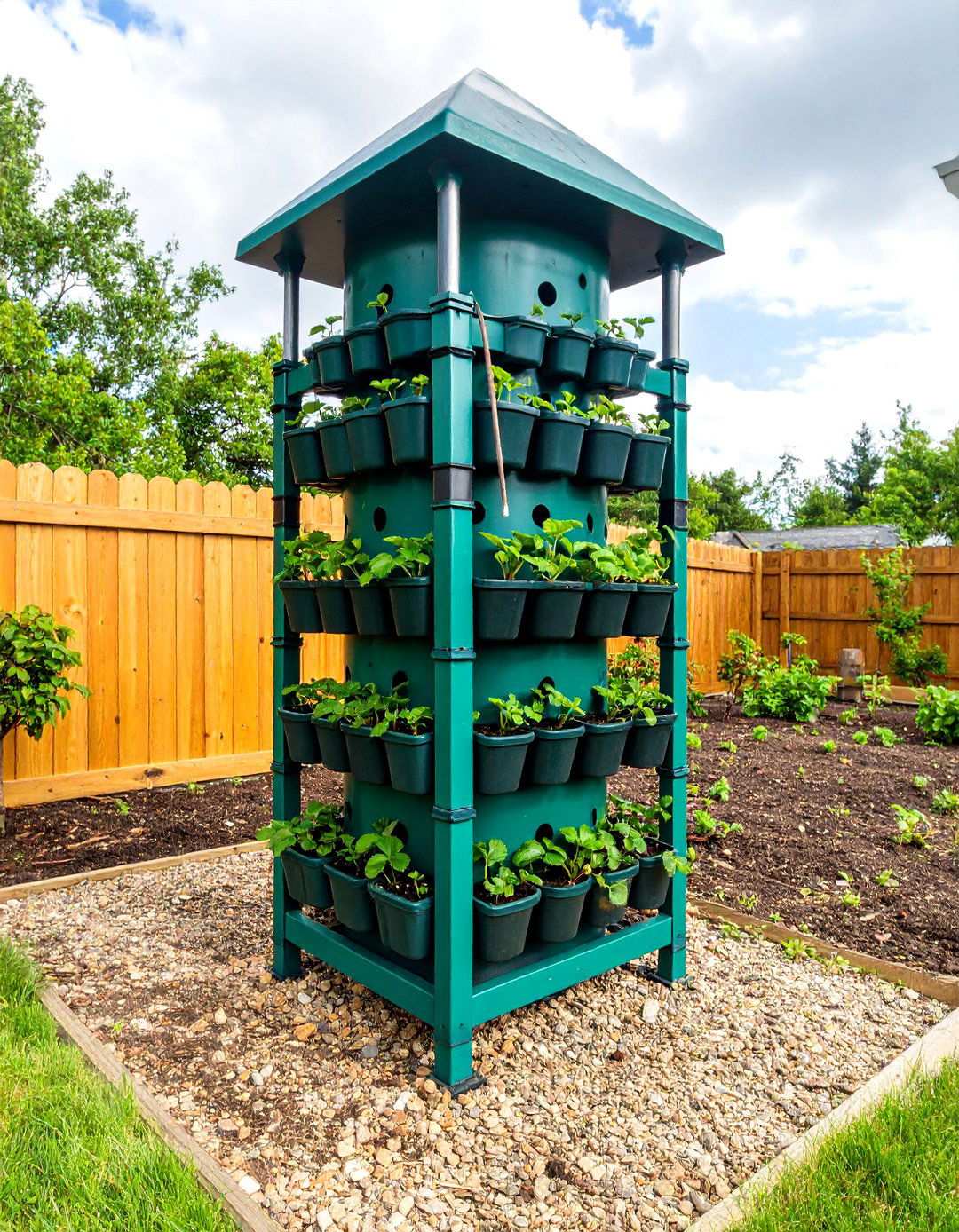
Create a space-efficient strawberry tower by drilling evenly spaced, 2- to 3-inch holes in the walls of a 4- to 6-inch diameter PVC pipe. Stand the pipe on a drip tray, secure it with gravel, and fill with a well-draining potting mix. Insert strawberry seedlings into each hole, then water through the top, allowing moisture to trickle down evenly via gravity. This vertical garden supports up to 15 plants in a compact footprint, making it ideal for small balconies, decks, and greenhouses. The smooth surface of the pipe deters slugs, and integration with a drip irrigation system automates watering. This lightweight and portable design makes it easy to relocate the tower as needed.
6. Repurposed Gutter Planters
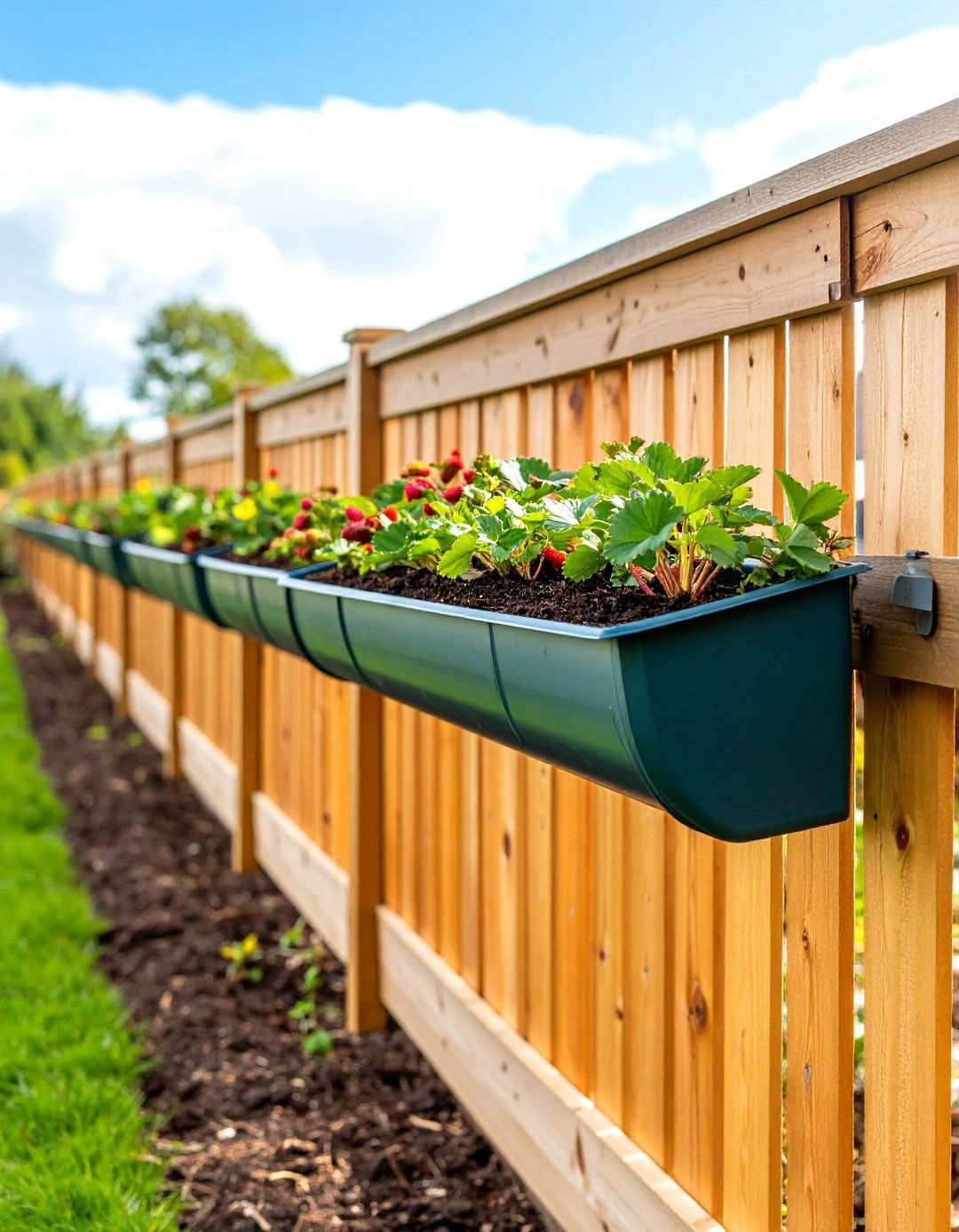
Transform old rain gutters into unique, long strawberry planters by mounting sections on a fence or railing. Drill drainage holes along the bottom, fill with a well-draining potting blend, and space plants evenly. This linear setup allows for several plants while creating a living green barrier or decorative railing garden. Gutters can be arranged at varying heights to create a cascading effect, and the shallow depth encourages root confinement, which can improve fruiting. Additionally, the elevated position reduces moisture competition from weeds. DIY kits with brackets make installation simple, and removable end caps facilitate seasonal cleaning and maintenance.
7. Revitalizing Strawberry Cultivation with Innovative Planters
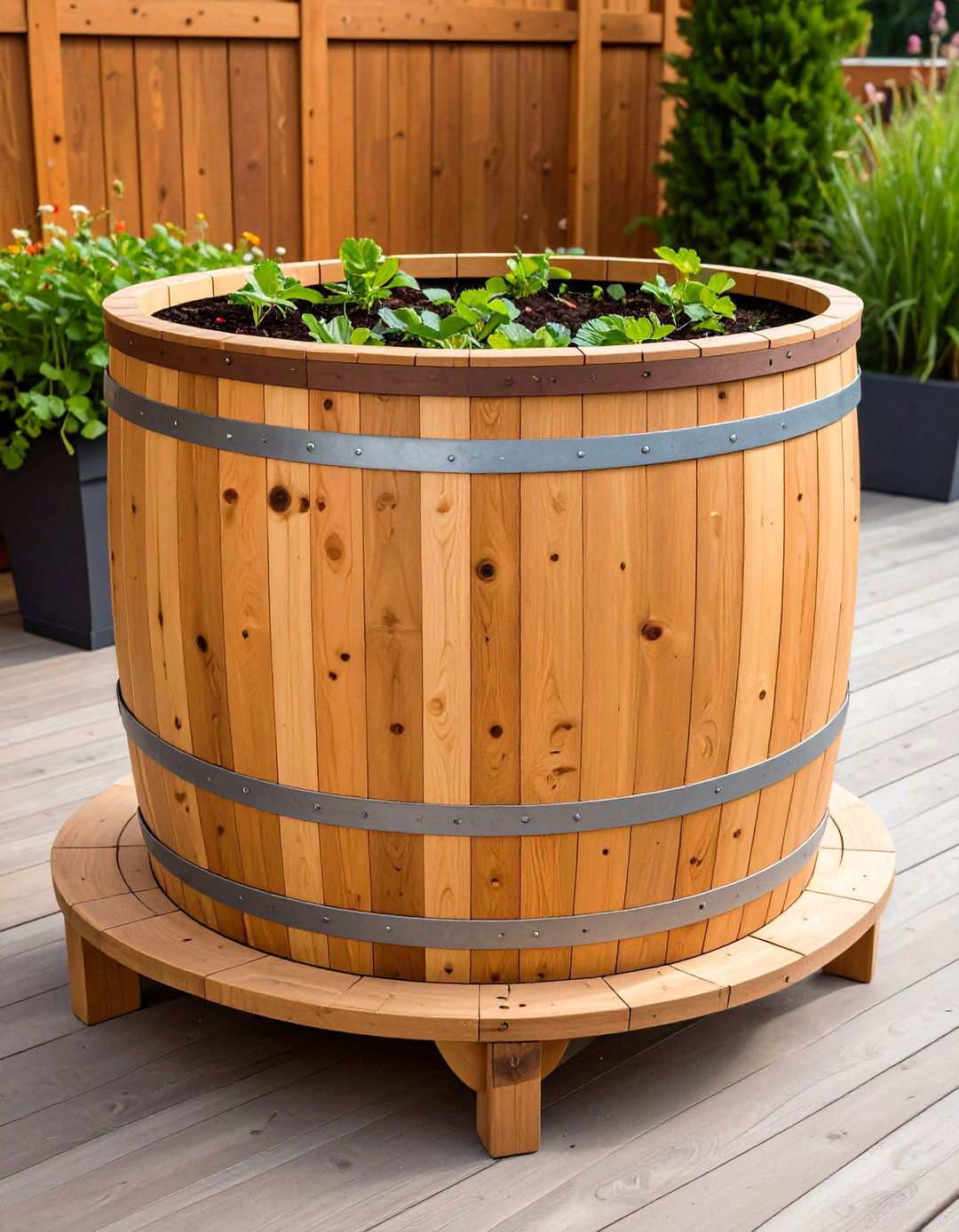
A traditional strawberry barrel planter is comprised of a halved hoop barrel fitted with inner spacers, generating concentric rings perfect for planting. With strategically drilled holes and rich soil, nestle strawberry crowns into each level, taking advantage of the ample soil volume at the center for healthy root development and increased yield. Displaying a charming rustic appearance, this planter seamlessly integrates with cottage gardens and expansive patios. Elevated on a raised platform, maintenance and harvesting become effortless tasks. To ensure long-term fertility, rotate rings annually and seal the interior of the barrel to prolong its lifespan.
8. Repurposing Waste into Functional Strawberry Planters
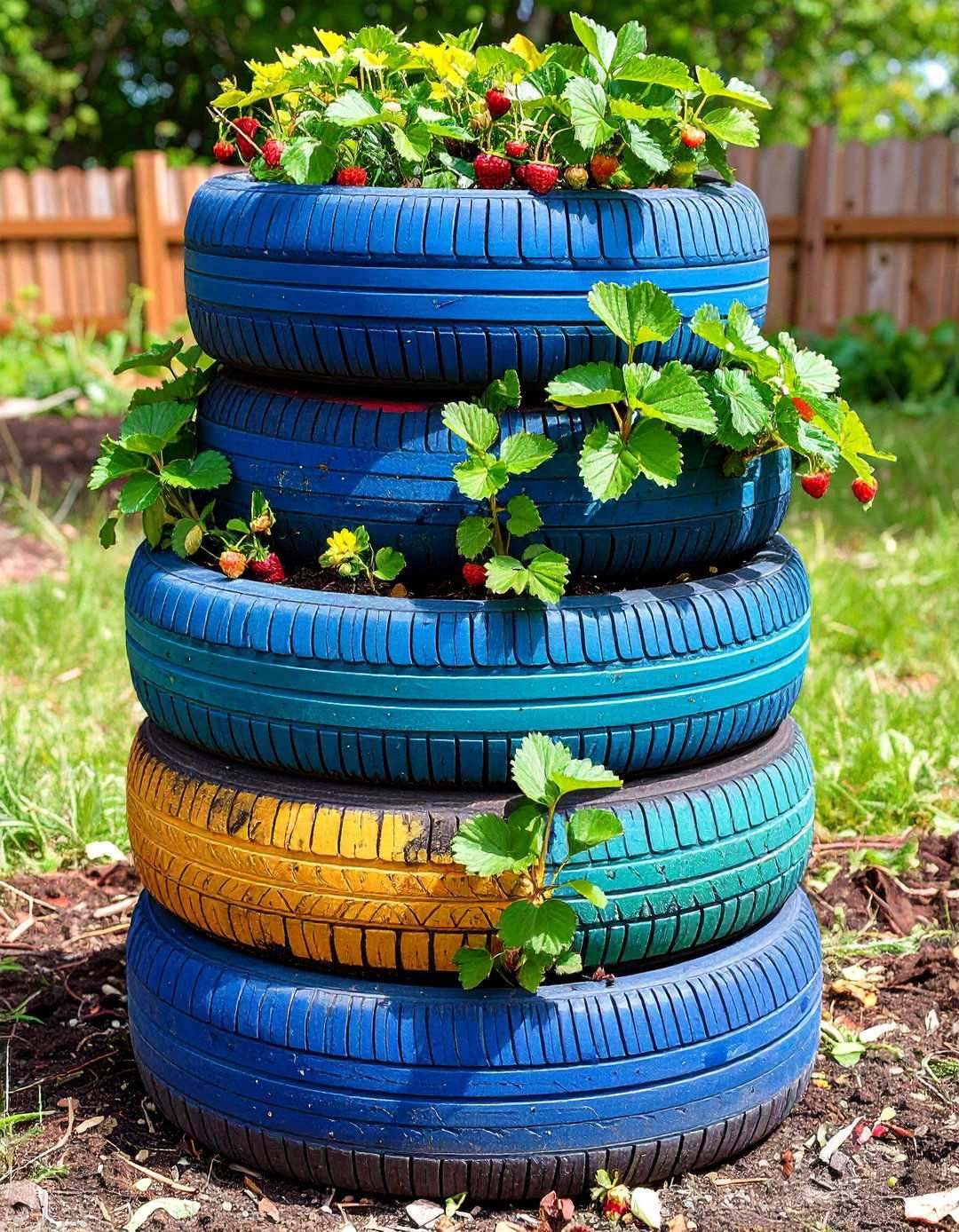
Breathe new life into discarded tires by repurposing them into durable strawberry planters. Begin by transforming the tires with vibrant paint for improved weather resistance, then stack multiple tiers to create a multi-level planter. Line the interior with landscape fabric, fill with high-quality potting medium, and plant on the top and sides for maximum growth potential. The rubber walls retain warmth, accelerating growth, while the circular shape optimizes water retention at the base. By painting tires in diverse colors, unique garden or patio displays become a reality. During frosty periods, stacking tires allows for insulated mini-greenhouses, extending the growing season. This eco-friendly design skillfully reuses waste while providing a sturdy, portable planter.
9. Delicate Mason Jar Planters for Year-Round Harvests
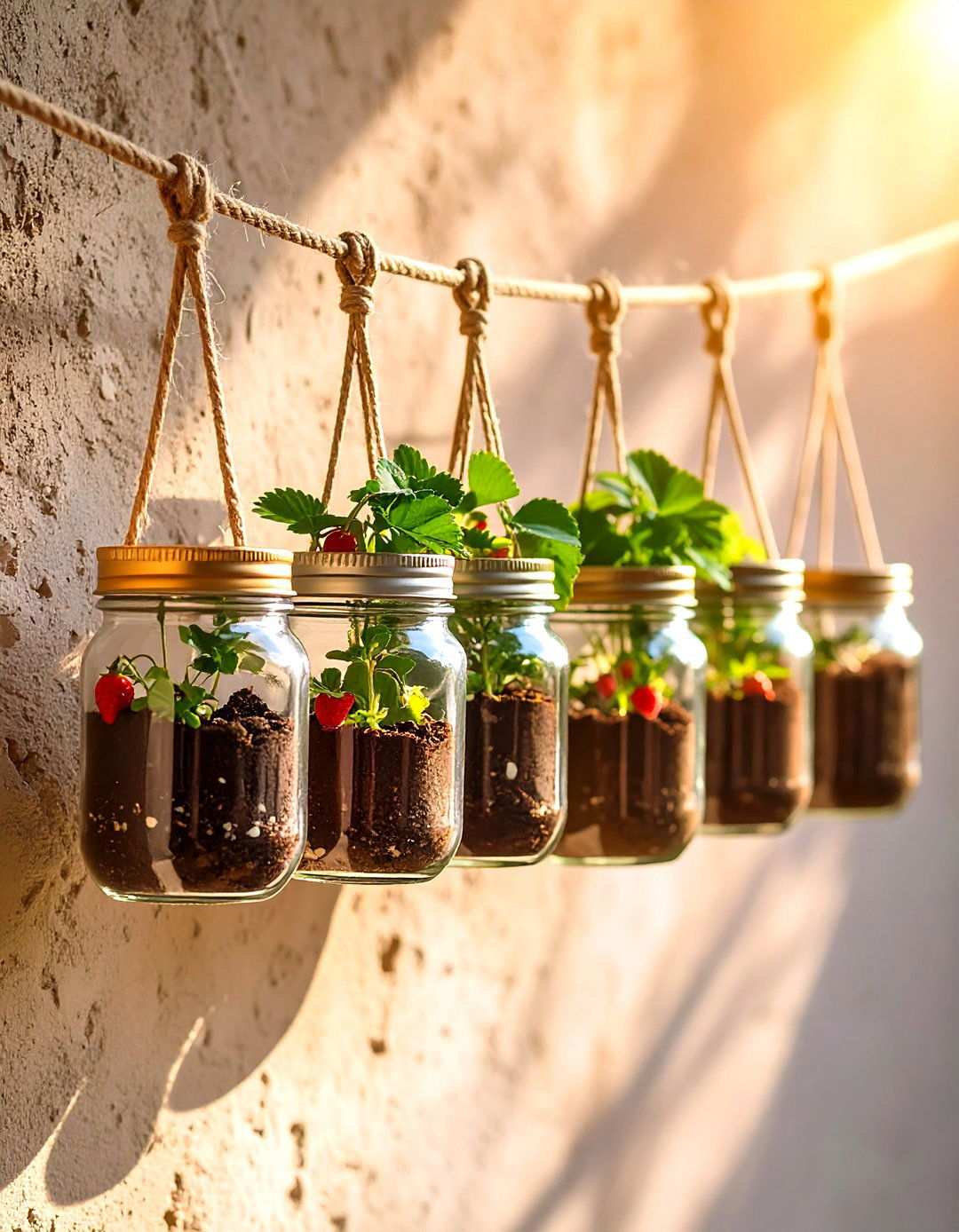
Mason jars serve as charming, individual strawberry planters when suspended in intricate macramé holders or mounted on a sun-drenched wall. To create a self-sustaining watering system, drill a small hole in the lid and insert a narrow PVC watering tube, then fill the jars with moist potting mix. Carefully plant a single strawberry crown in each jar, ensuring consistent moisture through the tube. The transparent glass allows for effortless root monitoring, and arranging jars at varying heights creates a visually captivating vertical display. Ideal for windowsills, balconies, and indoor sunrooms, this DIY project combines decorative appeal with fresh berries throughout the year.
10. Harnessing the Power of Straw Bale Raised Planters
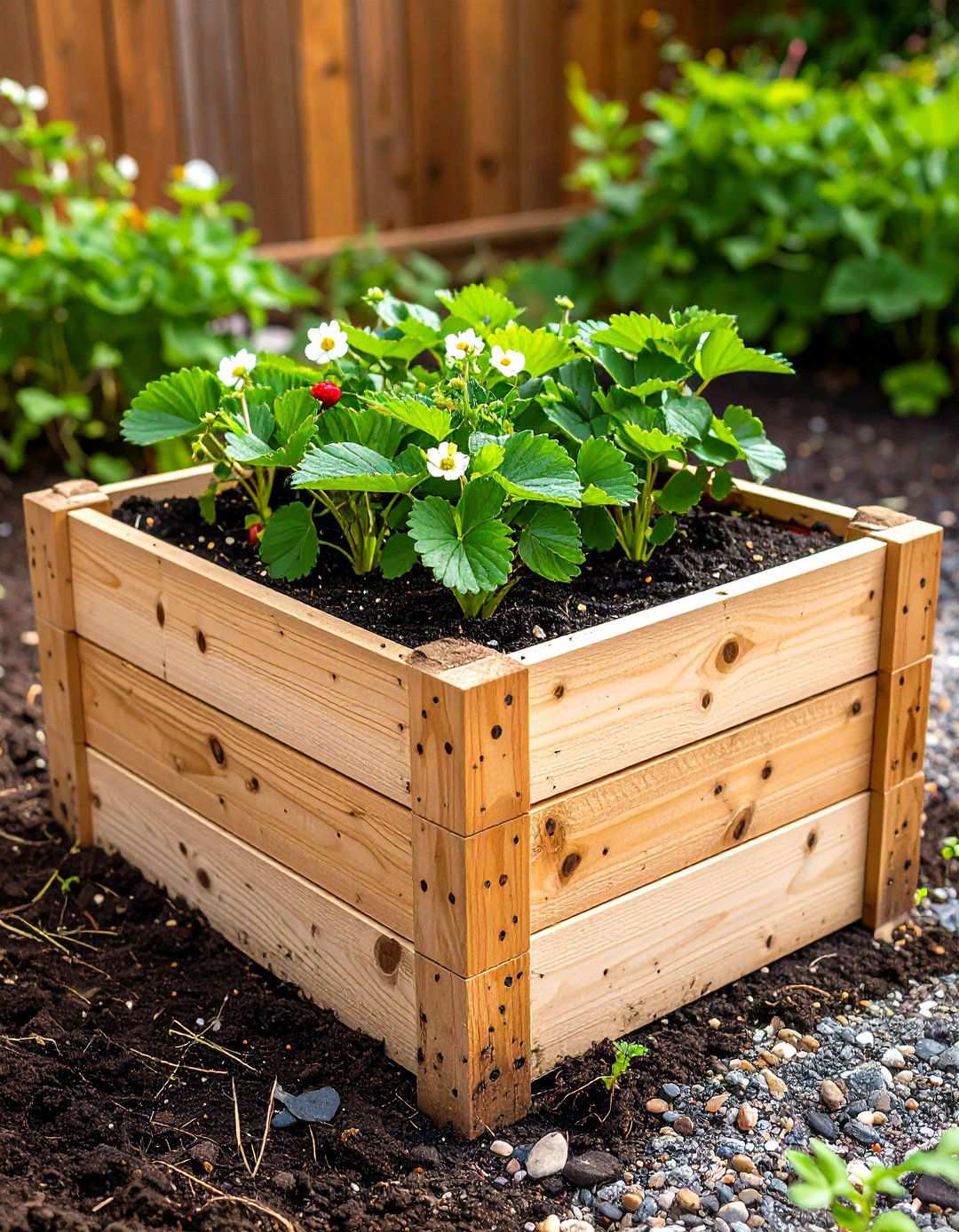
A straw bale raised planter utilizes compacted straw blocks arranged into a bed, which are then conditioned with fertilizer for approximately two weeks. As the straw decomposes, it generates heat and nutrients, creating a perfect environment for strawberry plants. This innovative method requires minimal soil, provides exceptional drainage, and warms roots early in spring. As the season progresses, the straw bales can be reconfigured or expanded as needed, making it ideal for temporary or rotating garden plots. At the end of the growing season, the bales naturally break down into compost, enriching the soil for subsequent plantings.
11. Artisan Wicker Basket Strawberry Planter
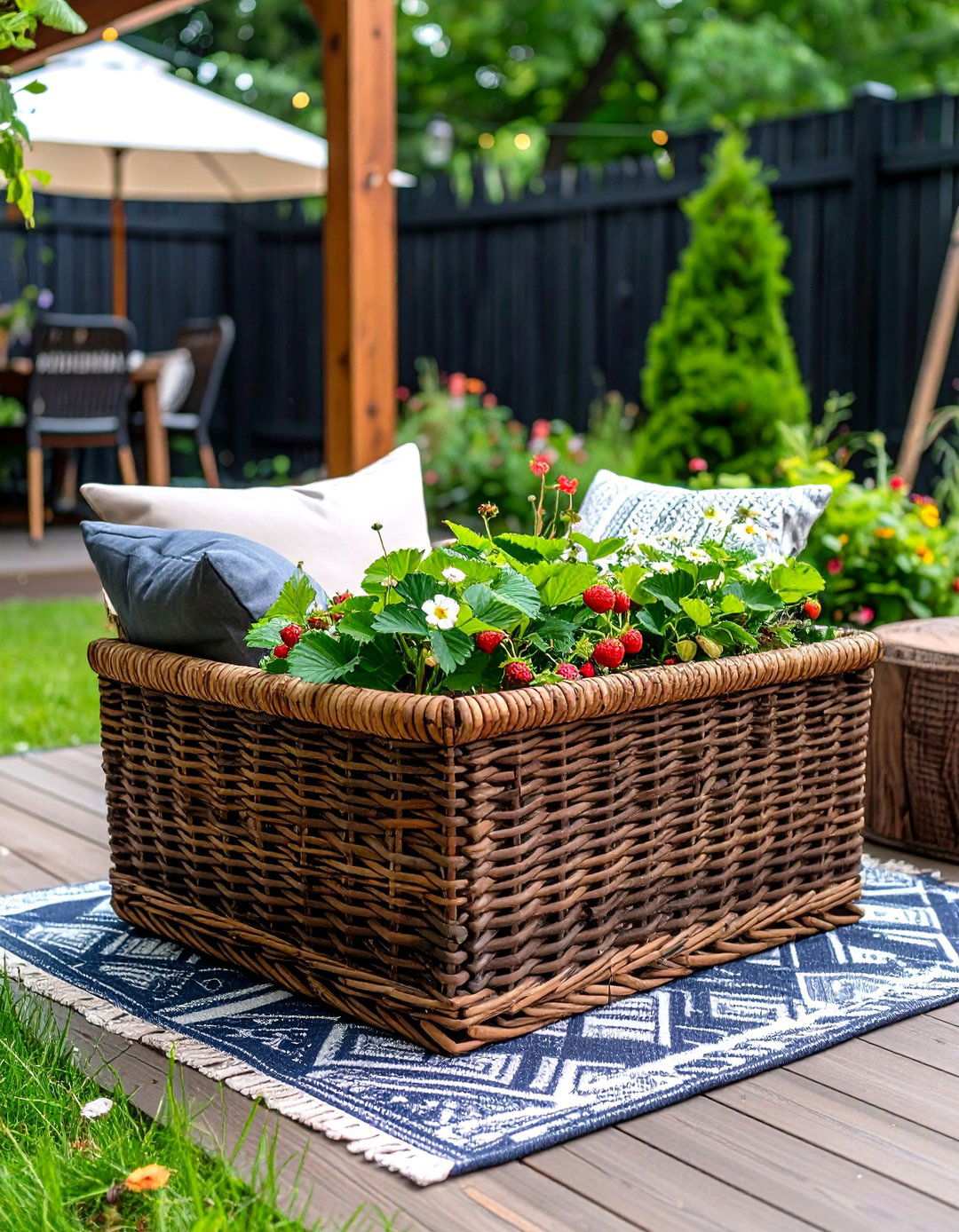
Give a creative twist to your garden with a wicker basket strawberry planter. Line a sturdy wicker basket with breathable landscape fabric, allowing for airflow and preventing waterlogging. Fill the basket with a layer of potting soil, and hang it on a fence or wall for a charming cottage-style display. The flexibility of the basket accommodates the strawberry plant’s roots, while its rustic texture adds a touch of warmth to your outdoor space. To keep your strawberries thriving, rotate the basket seasonally and refresh the soil annually. The finished product is lightweight and easy to relocate, making it simple to optimize sun exposure or find shelter from harsh weather conditions.
12. Handcrafted Concrete Strawberry Planter
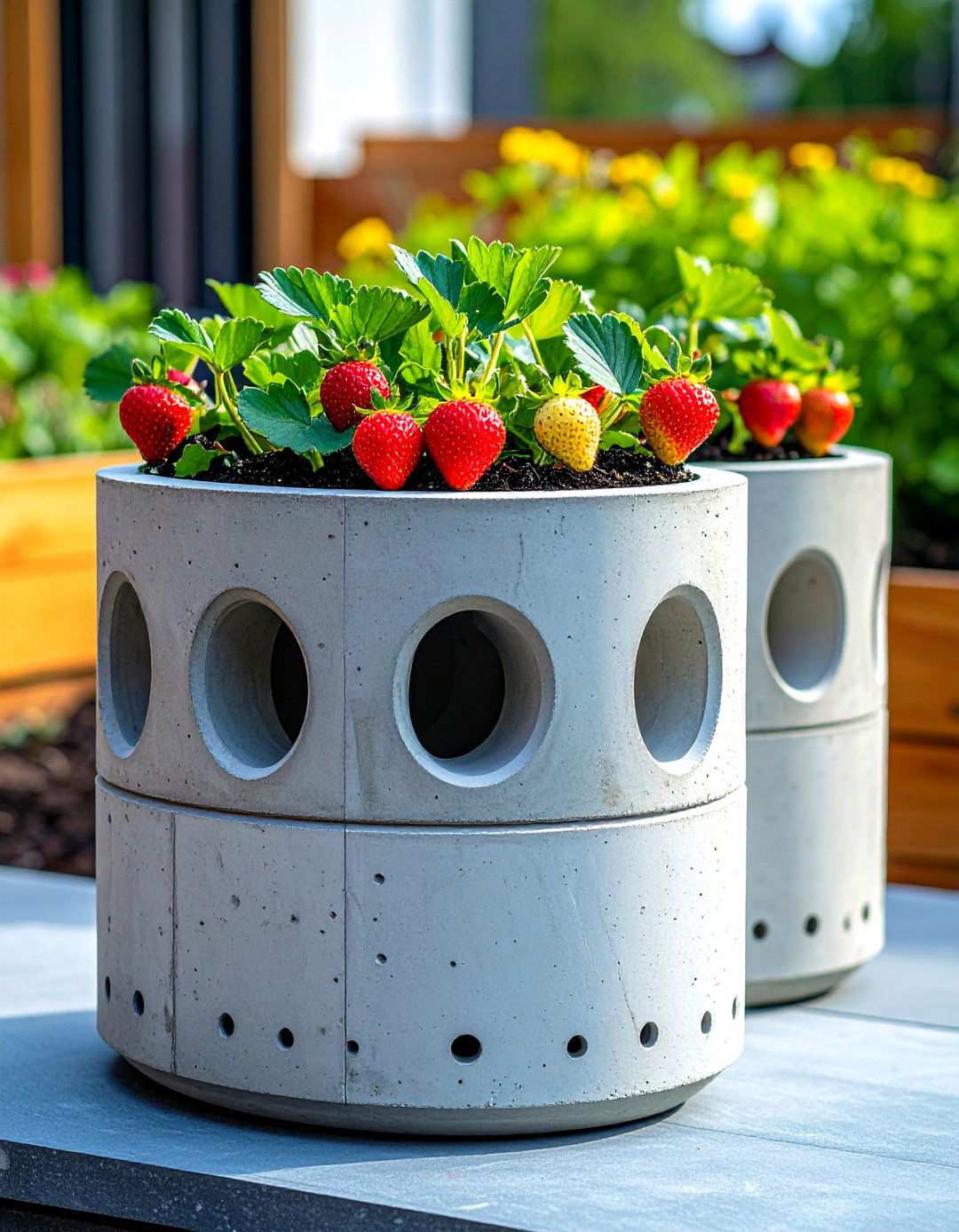
Cast a one-of-a-kind concrete strawberry planter using a DIY mold and a mix of cement and sand. Once the concrete has cured, remove the mold and drill pockets around the sides for planting. The sturdy structure of the planter resists weathering, adding a modern touch to your garden. Concrete’s thermal mass helps regulate soil temperature, shielding the roots from extreme fluctuations. Seal the planter to prevent cracking and ensure stain resistance. Position the planter on a sunny patio or near an entryway to create a striking focal point that doubles as a productive garden.
13. Repurposed Shoe Organizer Wall Planter
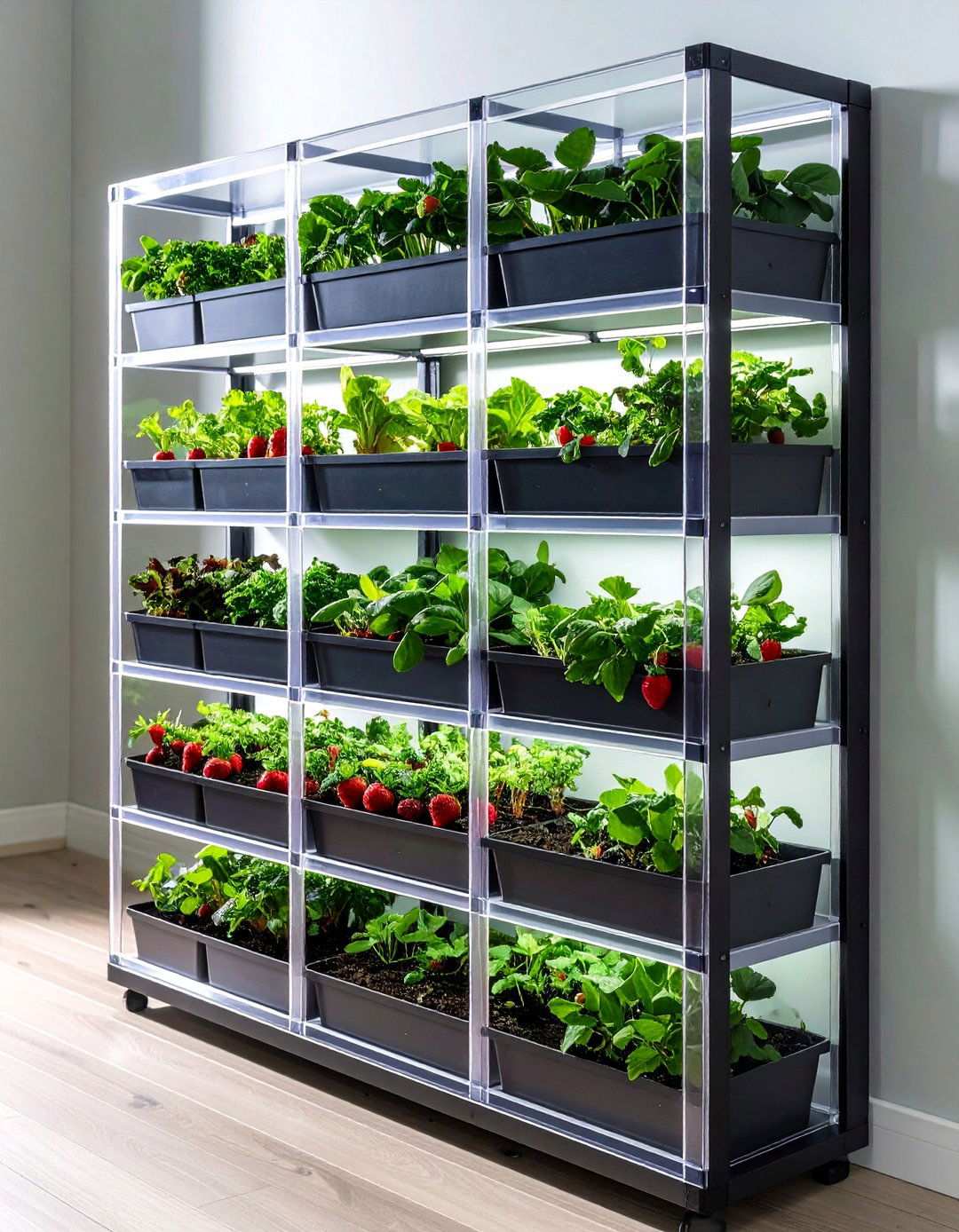
Transform a clear plastic shoe organizer into a space-saving strawberry planter by hanging it on a sturdy wall or fence. Fill each pocket with a small amount of potting mix and one strawberry plant, allowing for easy moisture checks through the transparent pockets. Install a drip irrigation tube along the top row to water all pockets simultaneously, simplifying garden maintenance. This budget-friendly solution is perfect for renters or temporary gardens, as the organizer can be removed without leaving any permanent alterations. Consider replacing fabric pockets with waterproof liners for added durability.
14. Self-Sustaining Strawberry Planter
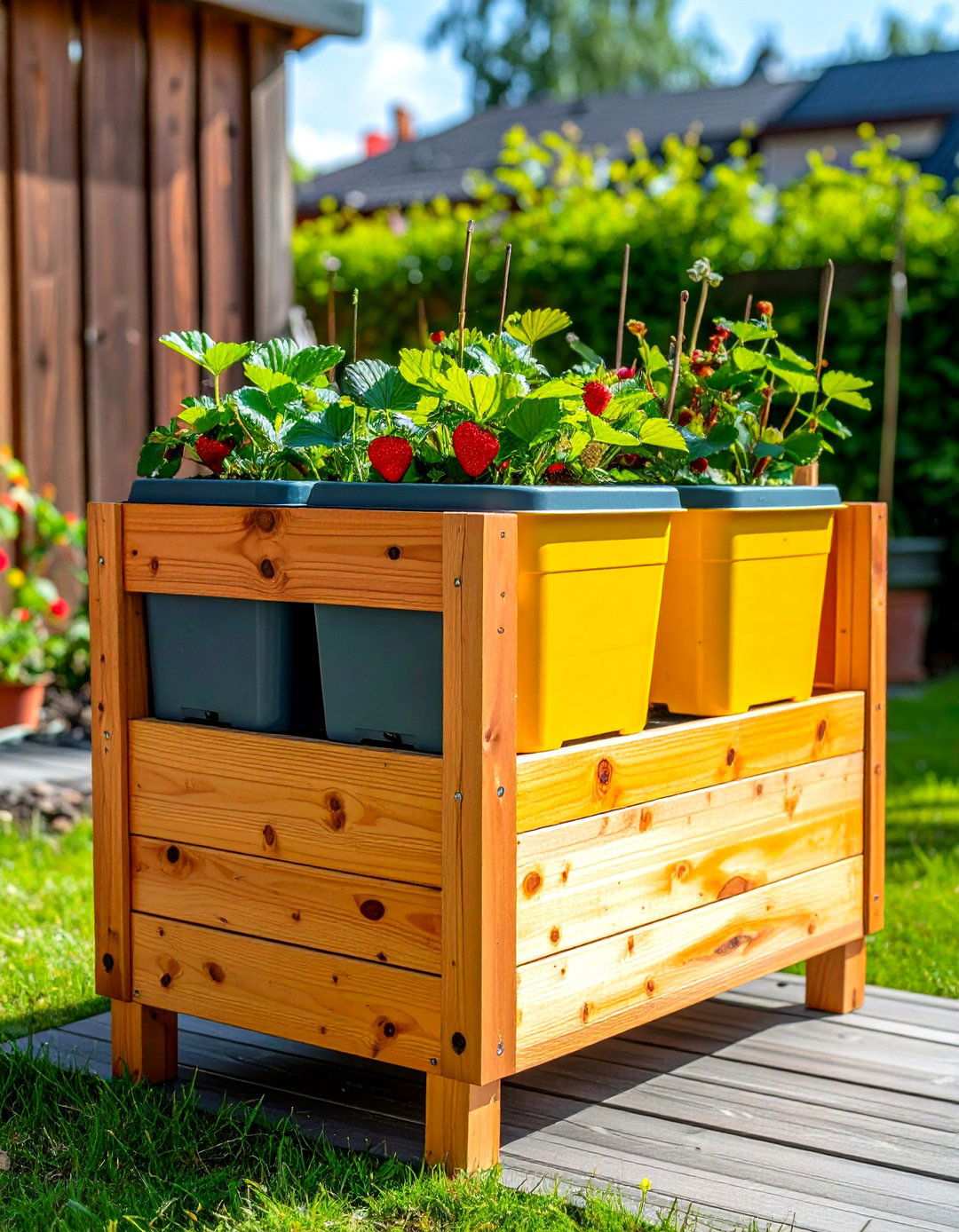
Create a self-watering strawberry planter by combining two pots: a larger reservoir pot and an inner planting pot with wicking strips at the base. Fill the reservoir with water, and the inner pot will draw moisture upward through the wicks, maintaining consistent soil moisture and reducing watering frequency. This innovative design prevents overwatering, making it ideal for areas with hot climates or for forgetful gardeners. Incorporate a water-level indicator to monitor reservoir capacity and ensure optimal growth. With self-watering containers, you can enjoy vigorous growth and extended harvests with minimal maintenance.
15. Vintage Teacup Strawberry Garden
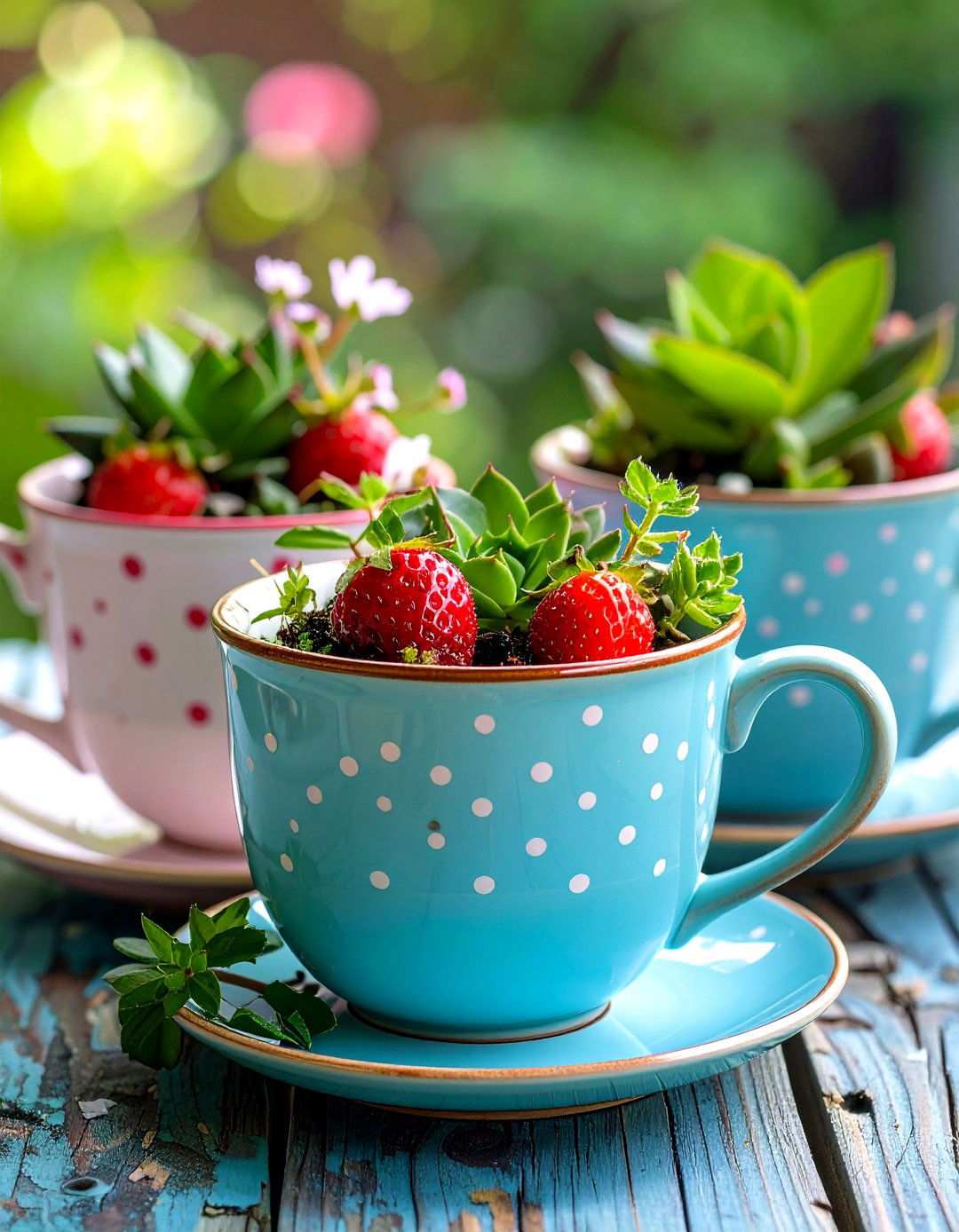
Create a whimsical and charming strawberry planter by filling a vintage teacup and saucer with a succulent-friendly potting mix amended for moisture retention. Plant a small strawberry crown alongside drought-tolerant succulents or moss for a mixed display that combines edible fruit with ornamental appeal. The shallow depth of the teacup suits varieties like alpine strawberries, which thrive in tight quarters. Place the teacups on a sunny windowsill or as tabletop décor to add a touch of whimsy to your garden. These miniature planters make charming gifts and conversation pieces, bringing a smile to the faces of friends and family.
16. Elevated Wooden Berry Column
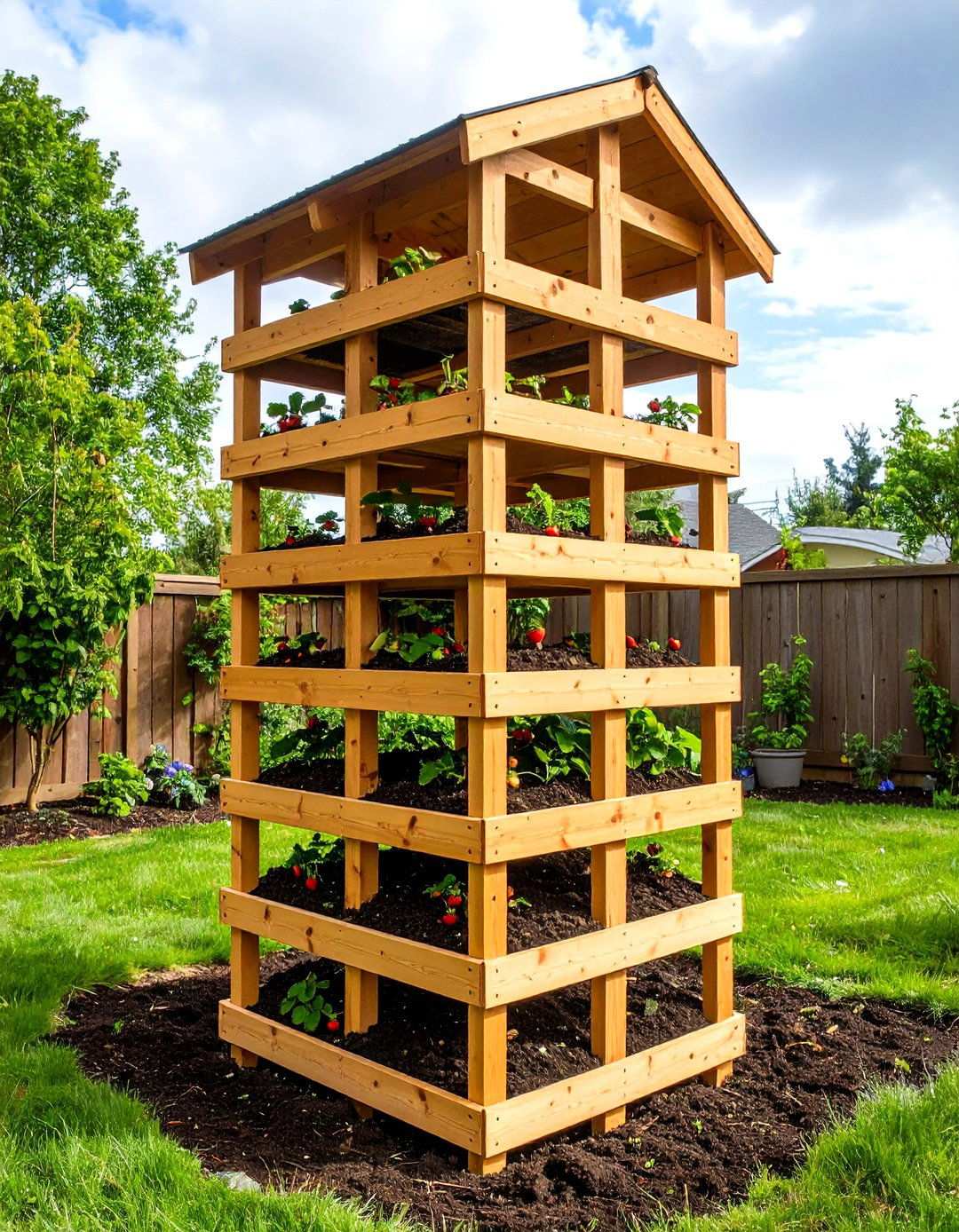
Elevate your garden with a striking wooden column, crafted by stacking tapered tiers of circular or square wood. Each layer should be lined with a breathable landscape fabric to promote drainage and aeration. Fill the tiers with a high-quality potting mix, and plant strawberry crowns in pre-drilled holes around each level. This unique design maximizes space and allows for efficient root growth, thanks to the natural insulation provided by the wood. To enhance its visual appeal, stain or paint the column to match your garden’s aesthetic, and secure it firmly to prevent any potential wobbling. This versatile planter can be easily adapted to accommodate herbs or flowers in different seasons.
17. Vibrant Wall-Mounted Berry Galleries
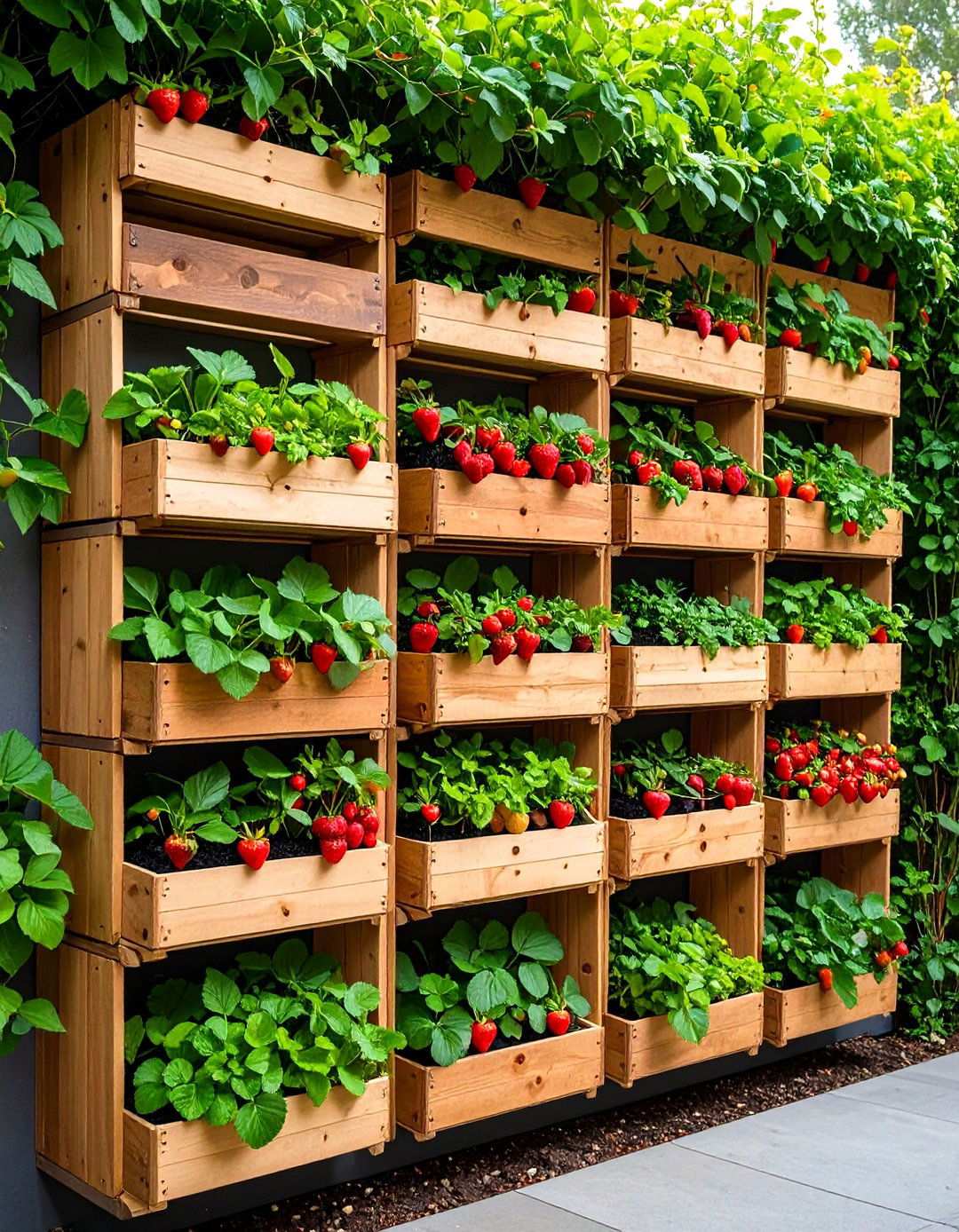
Bring a touch of artistry to your exterior walls by mounting multiple shallow wooden planters in a creative arrangement. Secure the planters with heavy-duty brackets and line the bottom of each with a durable drainage fabric. Fill the planters with a well-draining potting mix, and space strawberry plants evenly across the entire installation. This captivating display transforms blank walls into luscious, edible landscapes, making it effortless to harvest fresh berries at eye level. Regular rotation and soil refreshments will keep your strawberry plants thriving, while the painted or stained planters blend harmoniously with your home’s architectural features.
18. Revamped Vintage Drawer Planters
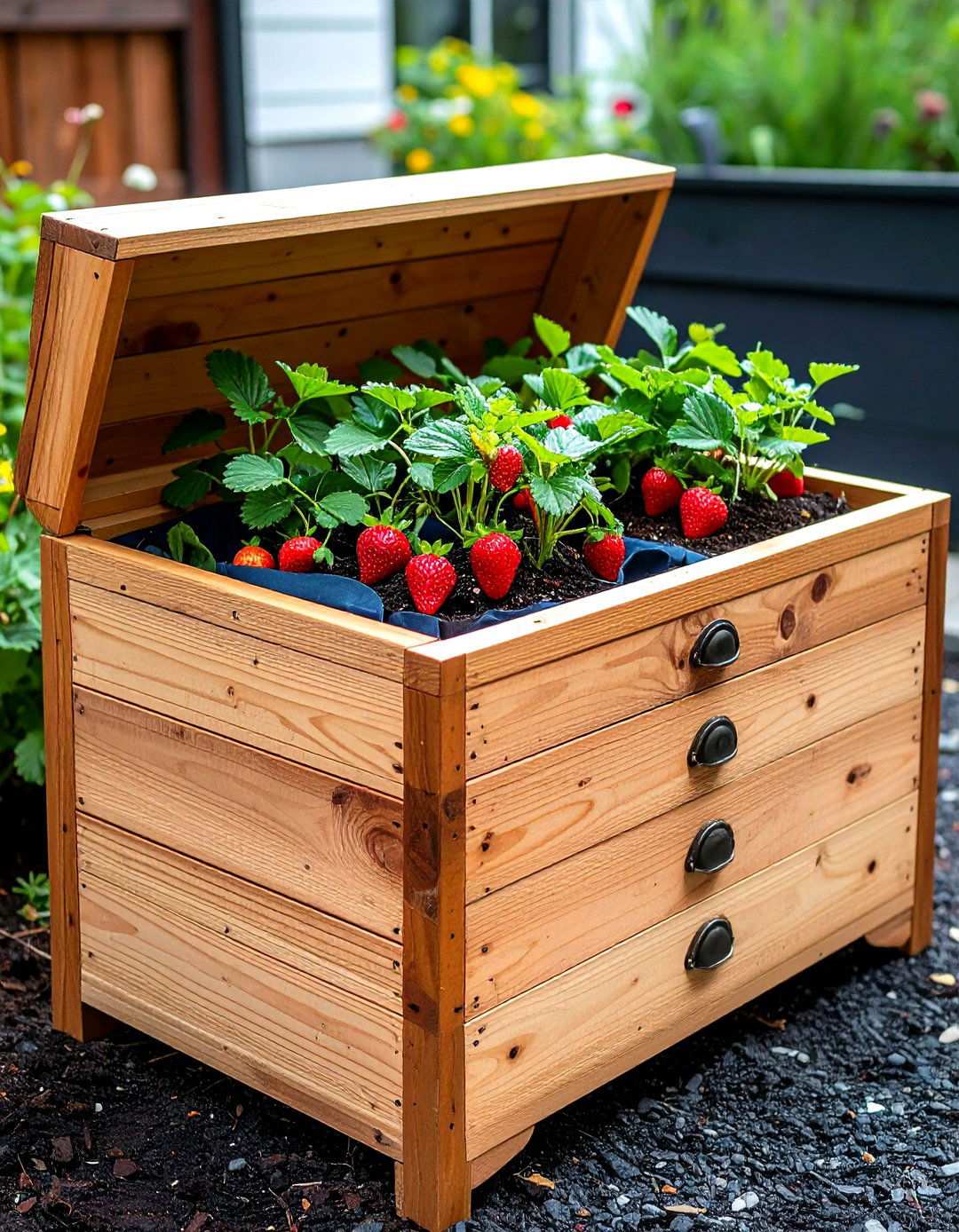
Give old wooden drawers new life by transforming them into charming strawberry planters. Begin by sealing the interior with a waterproof pond liner or landscape fabric, and drill drainage holes to prevent waterlogged soil. Add decorative drawer pulls to give your planter a touch of vintage charm. Fill the drawer with a lightweight potting mix and plant rows of strawberries. Place the planter on a deck or brick surface to catch any spills, or mount it on a fence for a unique, floating garden look. This creative upcycle not only adds character to your garden but also supports the growth of productive berry plants.
19. High-Tech Hydroponic Berry Towers
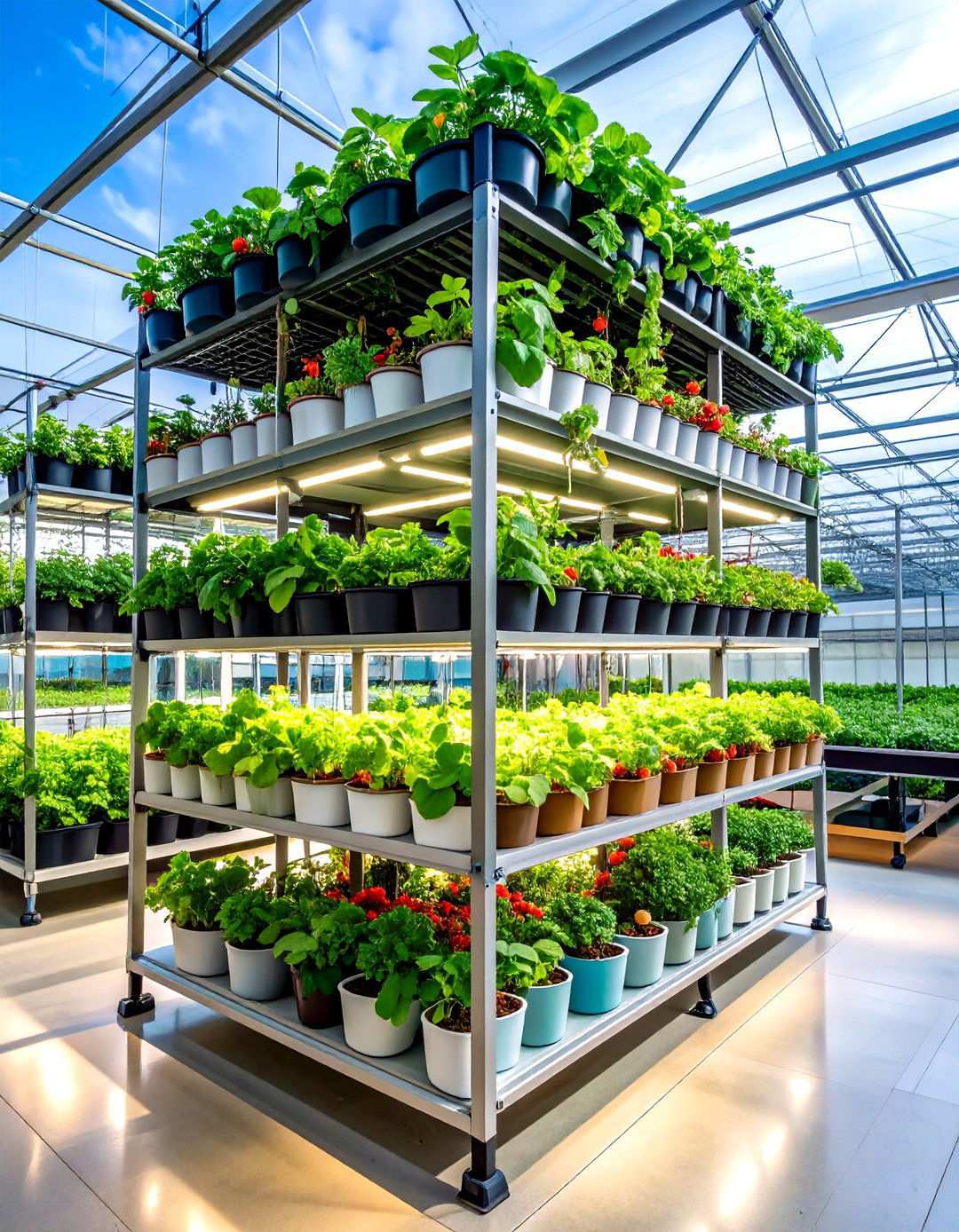
Unlock the full potential of your strawberries by growing them in a hydroponic tower system. This cutting-edge method involves assembling a stack of net pots, a water reservoir, and a small submersible pump, which circulates a nutrient-rich solution to the plants on a drip or nutrient film technique cycle. By growing strawberries in inert media like coco coir, you can accelerate growth, reduce the risk of pests, and enjoy year-round production in greenhouses or indoors. Monitor the pH and EC levels to ensure optimal yields, and reap the benefits of this innovative system, which includes high-density planting and unparalleled water efficiency.
20. Bountiful Herb-Strawberry Harmony
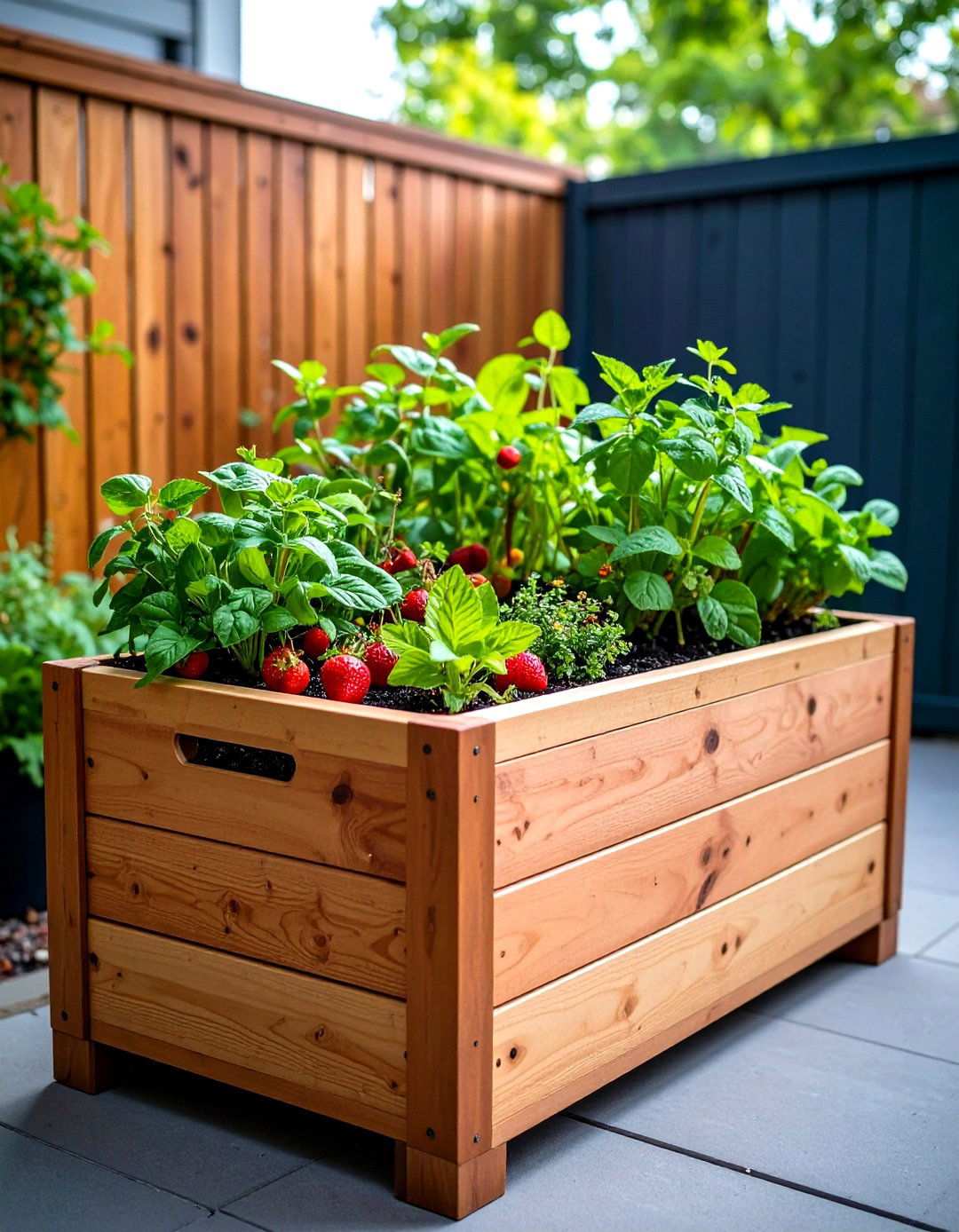
Take your garden to the next level by combining strawberries with complementary herbs like basil, chives, or mint in a single container. Use a large pot divided into sections or a multi-pocket strawberry pot to create a dynamic, layered landscape. Herbs thrive in sunny, drier pockets, while strawberries excel in moist, central areas. This clever combination not only deters pests – mint repels slugs – but also creates a vibrant, culinary garden at your fingertips. Enjoy the flexibility of harvesting herbs and berries together for fresh salads, desserts, and beverages, and reap the benefits of companion planting, which enhances pollination and overall plant health.