1. Timeless Picket Fencing
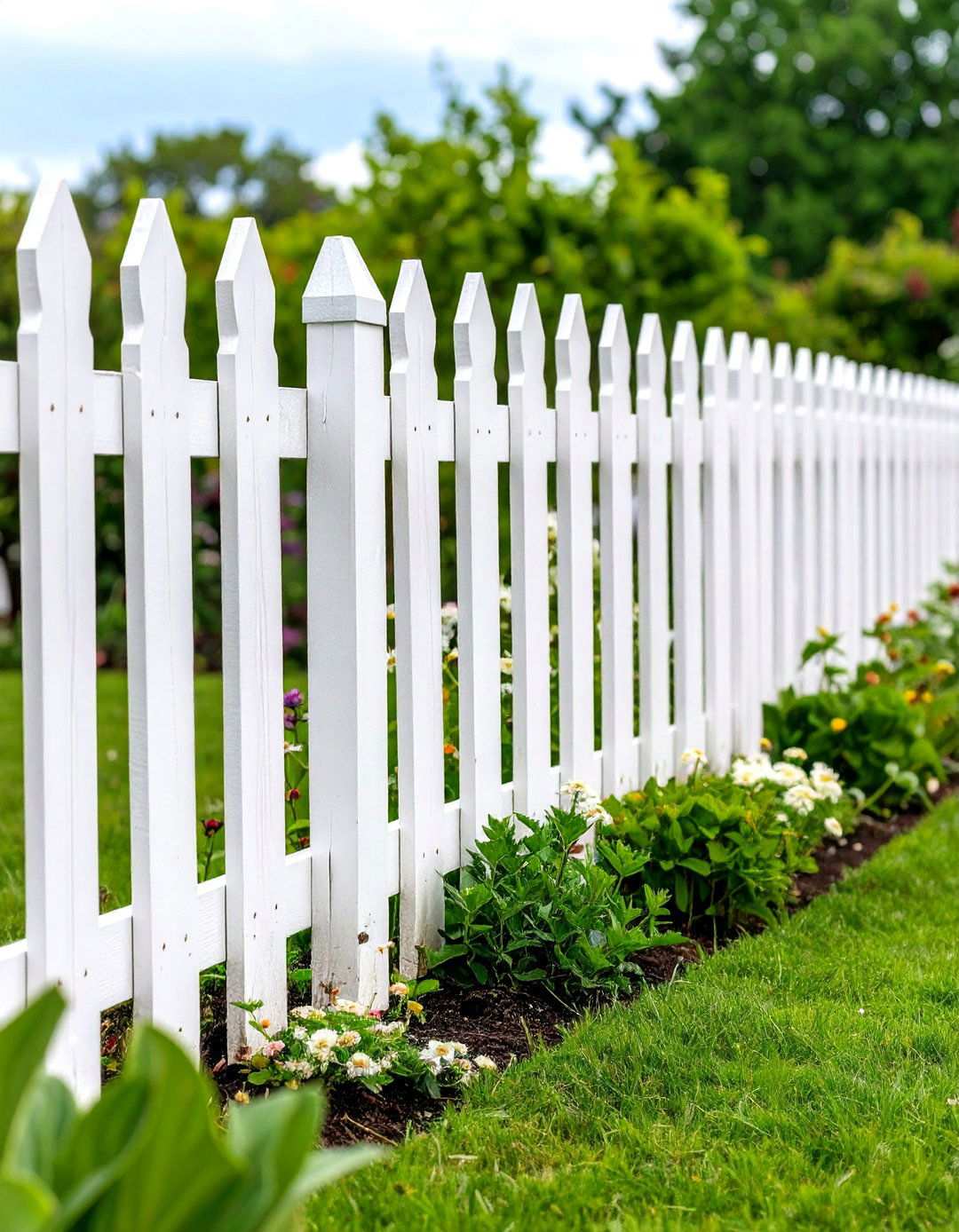
When it comes to safeguarding your vegetable garden, classic picket fencing stands the test of time. This traditional design combines functionality with aesthetic appeal, making it an ideal choice for gardeners seeking a balance between form and function. Crafted from durable materials such as cedar or pine, picket fences feature evenly spaced vertical boards attached to horizontal rails, creating a visually appealing structure that complements cottage-style gardens. Standing approximately 3-4 feet tall, these fences provide an effective barrier against rabbits and small critters while maintaining a sense of openness that fosters a welcoming atmosphere.
Proper installation involves setting sturdy posts in concrete footings, ensuring straight lines and level rails. Regular maintenance, including repainting and replacing damaged pickets, can significantly extend the lifespan of a wooden picket fence, which can last for decades. By incorporating wood treatments or paints, you can protect your fence against moisture and pests, ensuring it remains a beautiful and effective barrier for years to come.

As an Amazon Associate I earn from qualifying purchases.
2. Budget-Friendly Pallet Fence Solutions
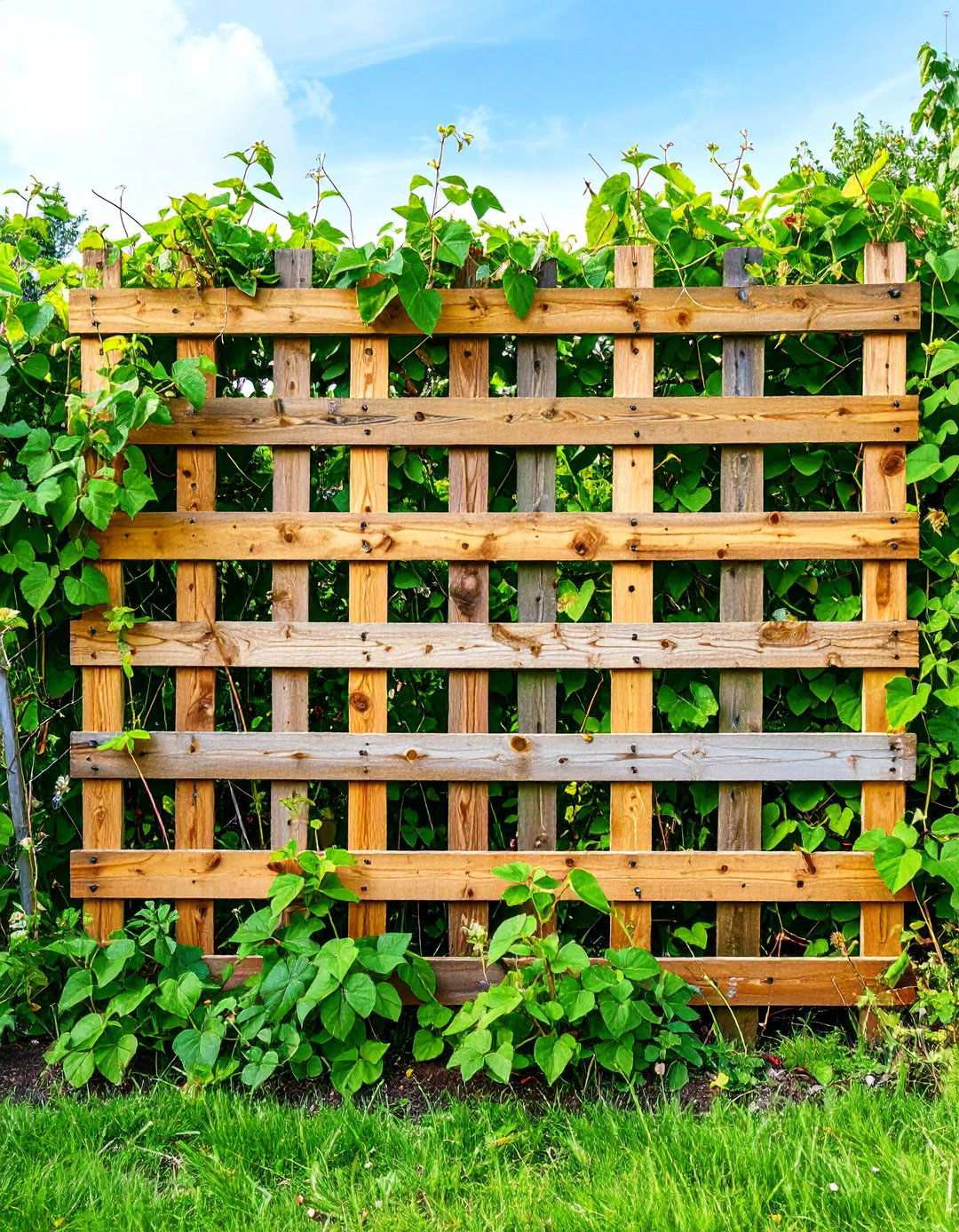
For gardeners on a tight budget, repurposing reclaimed pallets offers a cost-effective and eco-friendly way to create a fence. This innovative approach involves assembling pallets into a durable structure by standing them upright and securing them side by side between fence posts. The resulting barrier not only provides instant privacy but also serves as a charming backdrop for climbing plants like beans and cucumbers. By removing and reconfiguring pallet planks, you can create visually striking patterns, such as chevrons or color-blocked sections, that add an extra layer of visual interest to your garden.
While pallet quality and durability can vary, applying a protective sealant can help extend the lifespan of your fence. Occasional reinforcement and replacement of damaged boards will also ensure the structure remains solid and secure. With pallets often available for free, this approach minimizes material costs, making it an attractive option for gardeners looking to create a functional and stylish fence on a budget.
3. Effective Metal Mesh Fencing
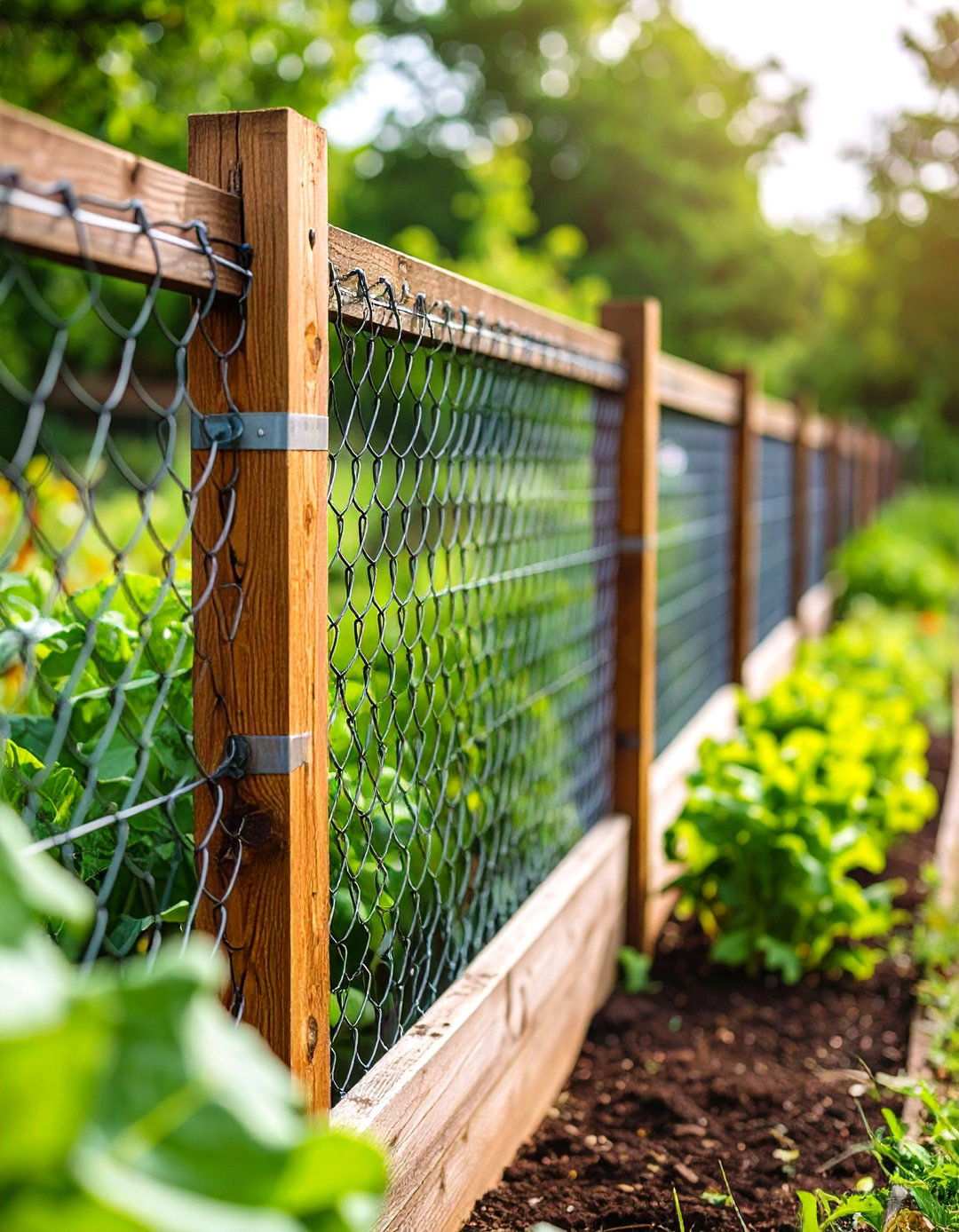
When it comes to encasing raised vegetable beds, metal mesh fencing is an excellent choice. With mesh openings typically measuring ½ inch or smaller, this fence effectively keeps out rodents, rabbits, and other ground-dwelling pests while allowing for good airflow and sunlight. Metal mesh panels can be easily attached to wooden or metal posts using staples, zip ties, or clips. Galvanized steel mesh is particularly resistant to rust and can withstand the damp conditions often found in garden environments.
For above-ground installations, burying the bottom of the mesh several inches into the soil or bending it into an L-shaped apron can prevent burrowing animals from accessing the area. By combining metal mesh fencing with decorative wooden frames or metal trellises, you can create a dual-purpose structure that not only safeguards your garden but also provides support for vining plants like peas and beans.
4. Gabion Wall Fence
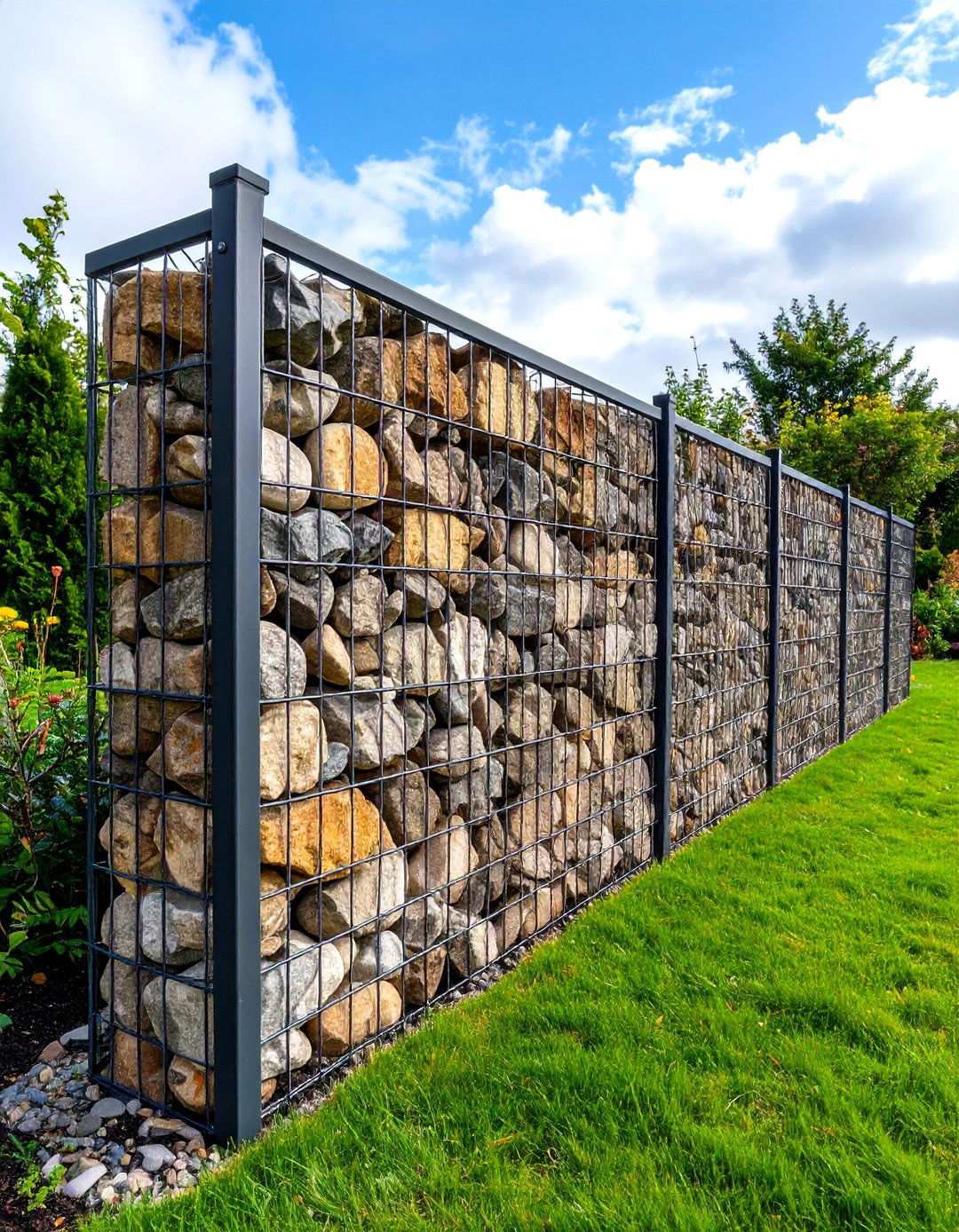
Gabion walls have become a popular choice for garden fences due to their striking appearance and durability. Originally used in civil engineering projects, these wire mesh cages filled with stones, bricks, or reclaimed concrete provide a sturdy barrier that seamlessly integrates with various garden elements. One of the key benefits of gabion walls is their modular design, allowing them to be built to any desired height (typically between 3 and 5 feet for garden applications). By using locally sourced stone, gardeners can also promote sustainability. Beyond their primary function as a boundary definition, gabion walls serve as multifunctional features, offering raised planters, seating areas, or vertical garden backdrops. To ensure a successful installation, it’s essential to establish a level foundation, use high-quality galvanized or PVC-coated mesh to prevent corrosion, and make occasional adjustments for settling.
5. Living Hedge Fence
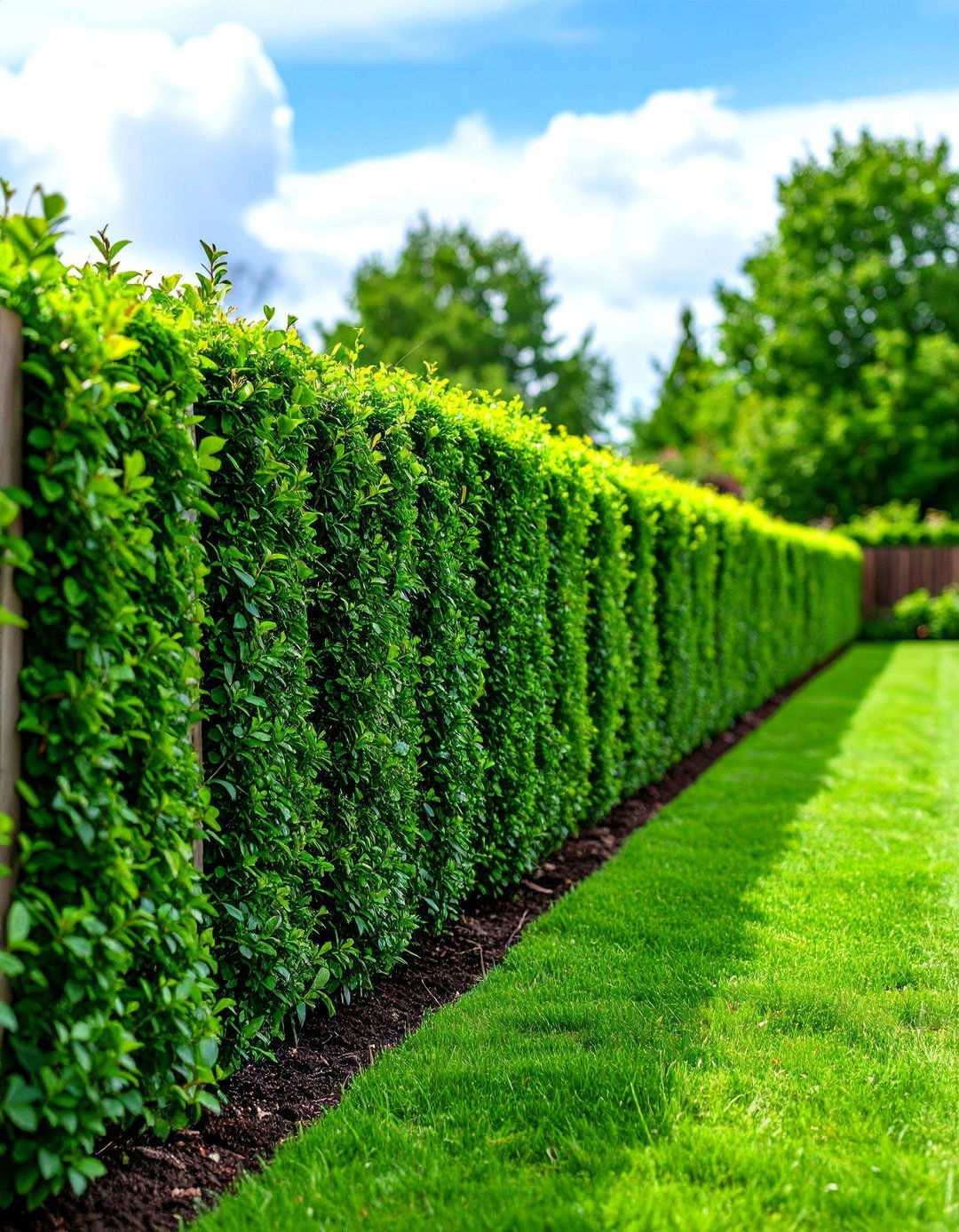
A living hedge fence is formed by planting rows of densely spaced shrubs or small trees to create a lush, green barrier. Suitable species include boxwood, hornbeam, and laurel, which are well-suited for regular pruning and form dense growth. For added protection against deer and rabbits, consider planting thorny or aromatic species such as barberry or holly. To create a uniform appearance, plantings are typically set 1–2 feet apart in a straight line, with regular clipping to maintain shape and height around 4–6 feet. Living hedges provide a habitat for beneficial insects and birds, enhance soil health, and absorb noise and wind, making them an attractive option for gardeners seeking sustainable boundaries. Although initial establishment takes a few seasons, living fences ultimately mature into organic, self-sustaining ecosystems that enrich garden environments.
6. Bamboo Fence
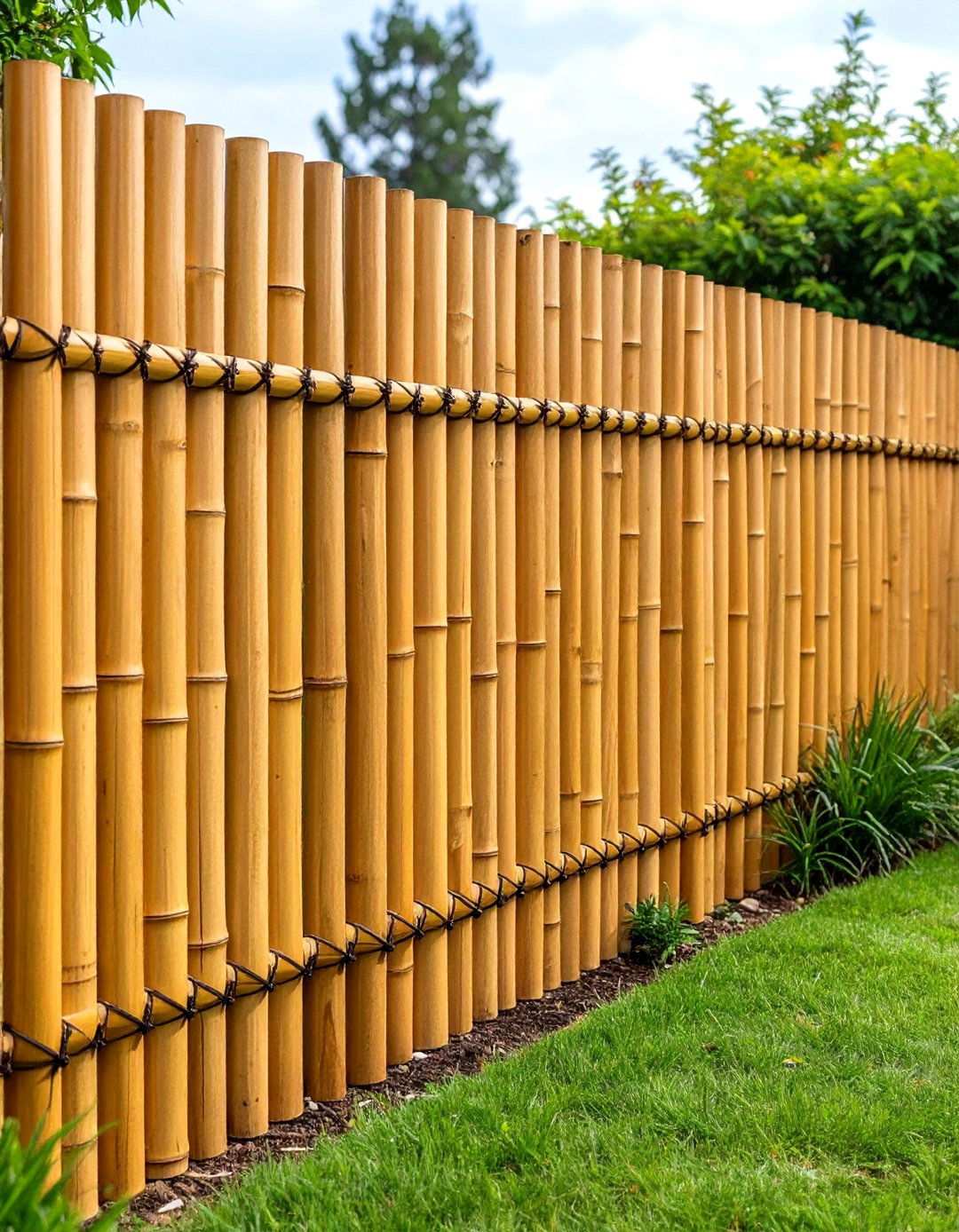
Bamboo fencing offers a unique and exotic-looking solution for garden screens, using either live bamboo plants or pre-manufactured bamboo rolls and panels. Live bamboo species, such as Phyllostachys nigra, can form a dense, tall barrier within a few years, but require root barriers to prevent invasive spreading. Alternatively, bamboo rolls made of split canes bound together provide instant privacy and a natural aesthetic, attaching easily to existing structures or posts with wire or zip ties. Bamboo fences resist rot and pests but may weather to a beautiful silver-gray finish over time. They pair perfectly with tropical or Asian-influenced garden themes and help shield delicate leafy greens from harsh afternoon sun.
7. Cattle Panel Fence
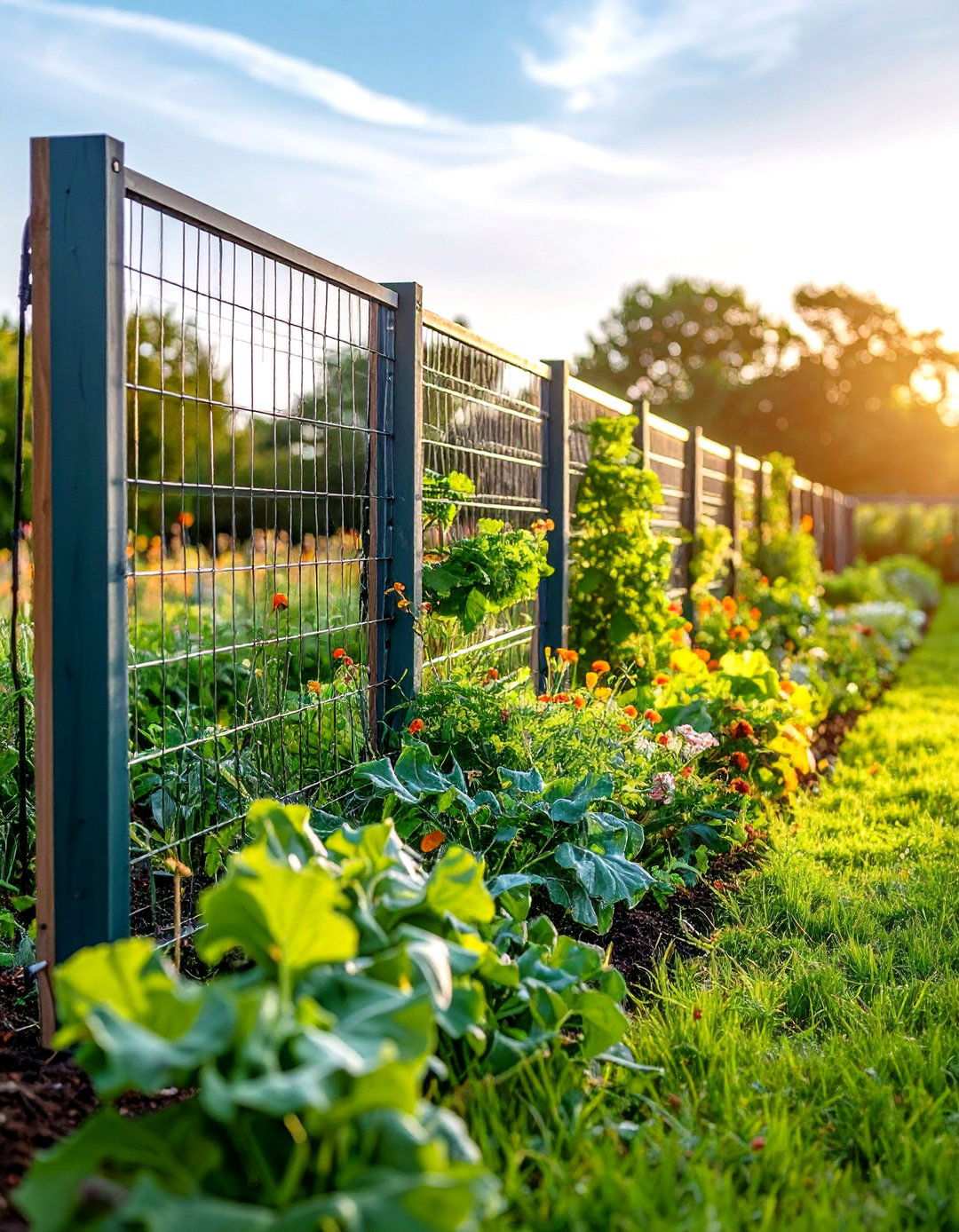
Cattle panels, originally designed for livestock, have found a new application in vegetable garden fencing due to their robust construction. These heavy-gauge wire panels, typically 16 feet long and available in 16- or 17-gauge steel, feature rectangular openings approximately 4 x 6 inches. To create a sturdy fence, set panels between robust T-posts or wooden posts and secure them with U-bolts or wire clips. For added protection against small critters, attach hardware cloth to the lower sections. The upper openings serve as natural trellises for climbing vegetables like cucumbers and pole beans, maximizing vertical growing space. Cattle panel fences stand 4–5 feet tall, offering both protection and structural support, and can last for decades with minimal maintenance.
8. Wattle Fence
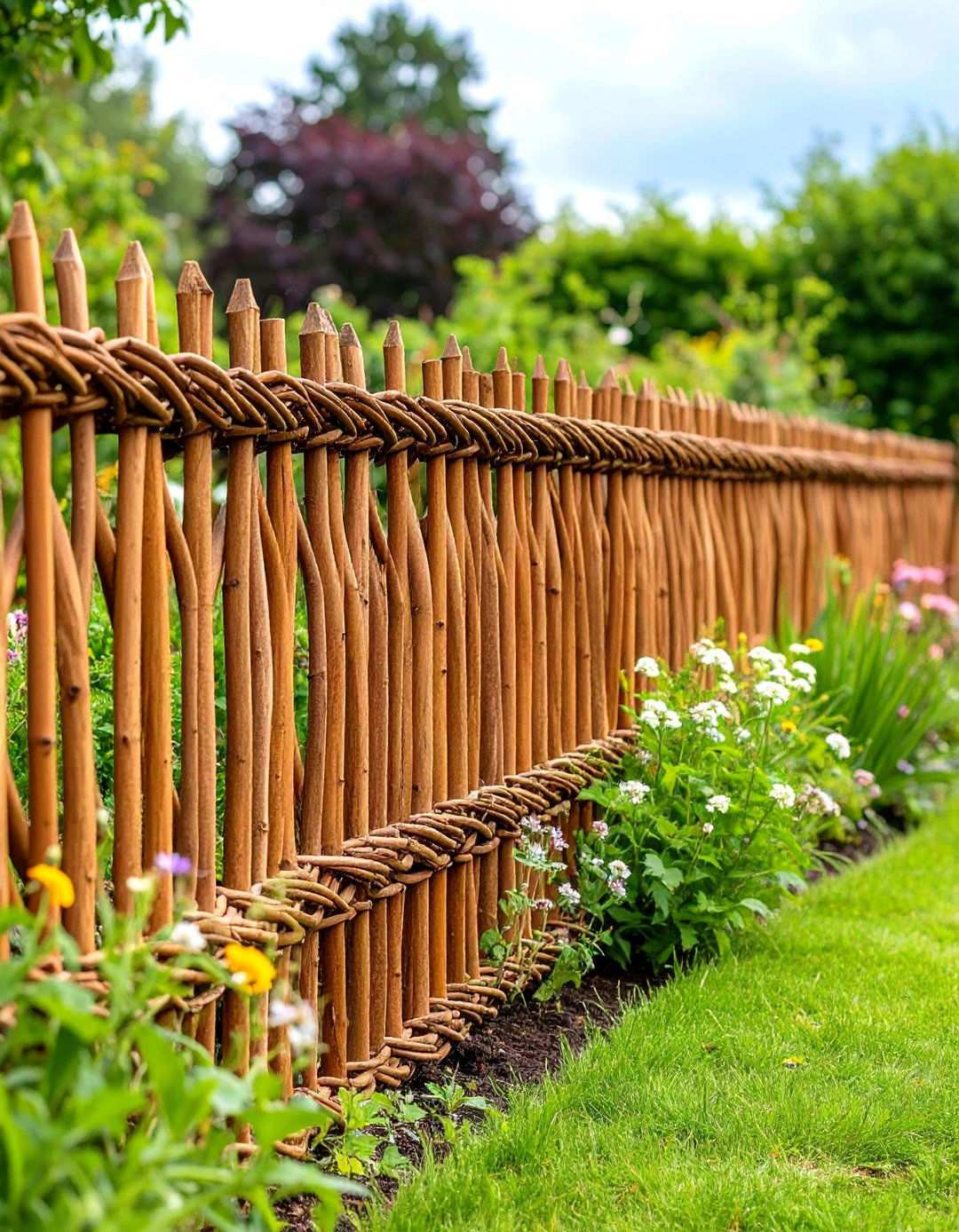
Traditional wattle fencing—also known as hurdle or woven stick fencing—is created by interweaving pliable branches, such as willow, hazel, or chestnut, between sturdy upright stakes. This natural barrier, standing approximately 3-4 feet tall, perfectly complements cottage-style vegetable plots. To construct, stakes are strategically placed in the ground at regular intervals, and flexible rods are carefully interlaced horizontally to form a tight weave that effectively deters rabbits and deer. As wattle fences gradually biodegrade over several years, they return valuable nutrients to the soil, though periodic replacement of individual rods is necessary to maintain structural integrity. The lightweight and labor-intensive nature of wattle building makes it an appealing option for those seeking handcrafted charm and ecological sustainability.
9. Lattice Fence with Climbing Plants
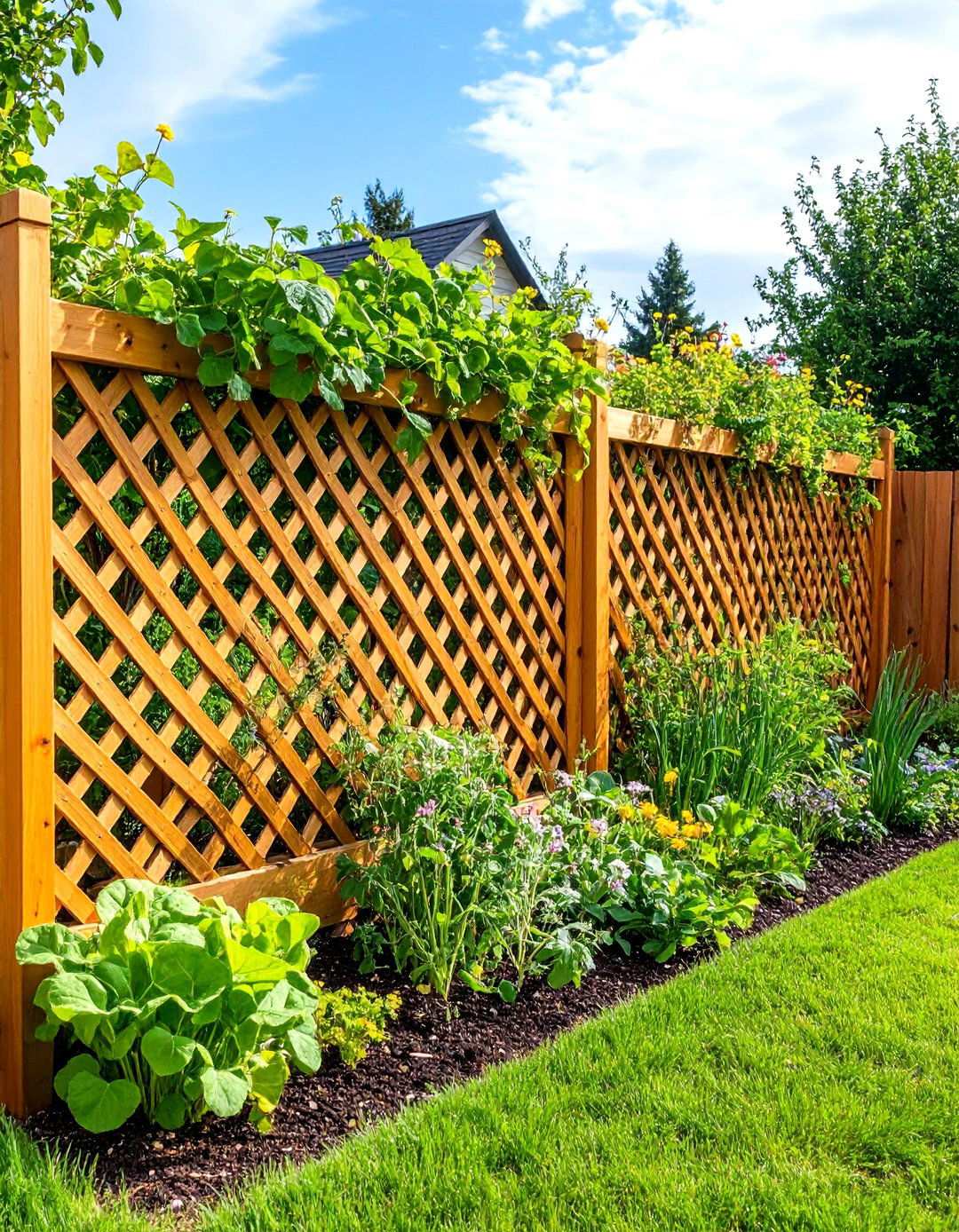
Wooden lattice panels, comprising interlocking cross-hatched strips forming square openings, skillfully merge aesthetics with functionality. Panels measuring 3-4 feet in height are easily secured to posts or leaned against existing fences to create a visually pleasing and practical barrier. The lattice design, featuring diamond- or square-patterned openings, provides a perfect support system for climbing vegetables like peas, beans, and cucumbers. As the plants mature and twine through the openings, they create a lush living screen that not only adds visual appeal but also serves as a natural boundary. Available in cedar, redwood, or treated pine, lattice panels can be protected from moisture damage through thoughtful painting or staining. This fence style artfully balances openness with support, allowing sunlight and air circulation while clearly defining garden beds.
10. Wire Mesh Raised Bed Fence
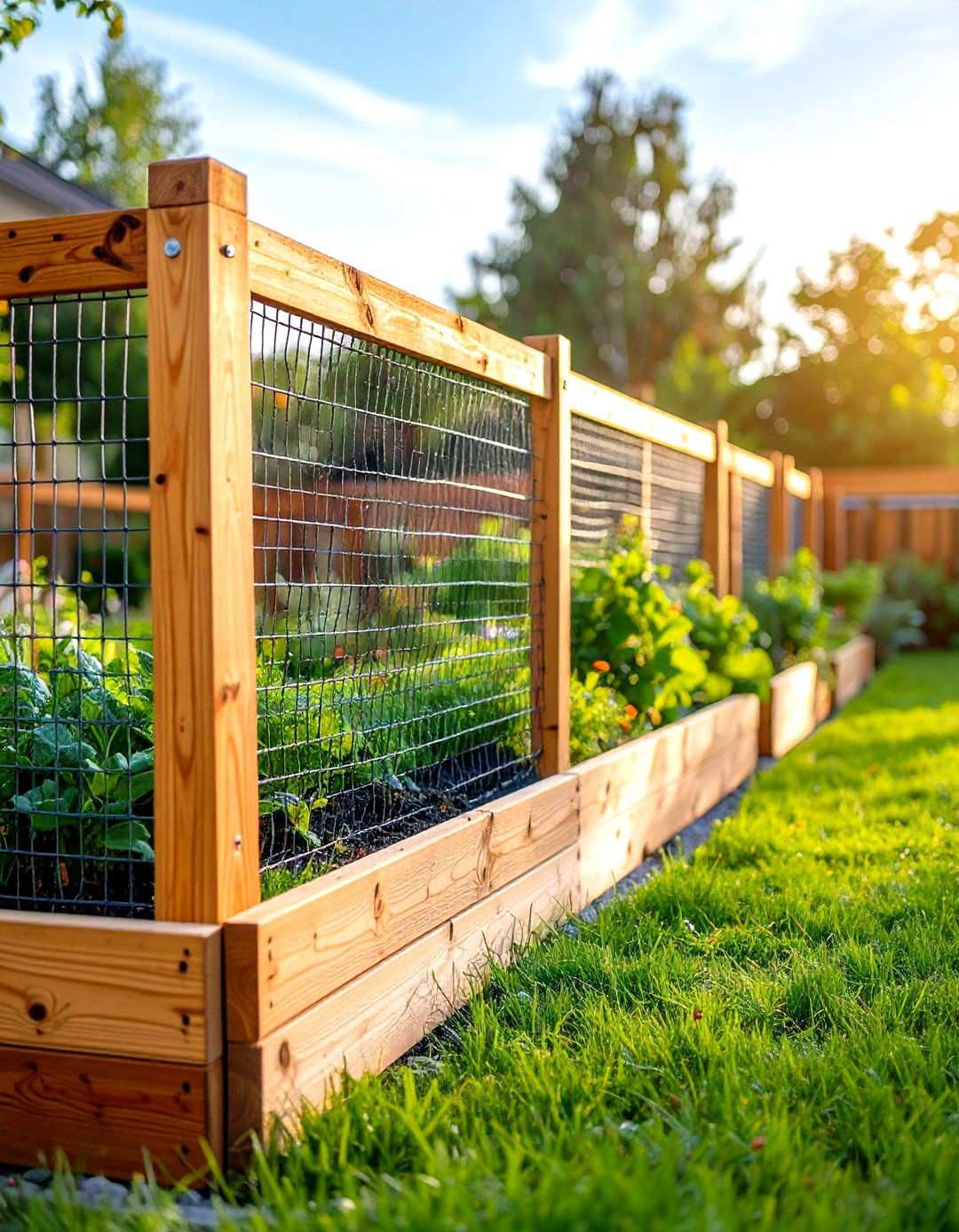
By integrating raised beds with fencing, gardeners can optimize space and resources. Installing wire mesh panels—such as hardware cloth—around the outer bed frames creates a protective barrier that safeguards the contents from digging pests like voles and rabbits. This clever design also allows for optimal airflow, preventing moisture buildup and reducing the risk of disease. Burying the mesh base into the ground adds an extra layer of protection against burrowers. The interior of the raised bed remains easily accessible for planting and harvesting, and the fence structure doubles as a trellis for vining crops. This modular system is particularly well-suited for small urban plots, facilitating efficient crop rotation and simple maintenance.
11. Wooden Post and Rail Fence
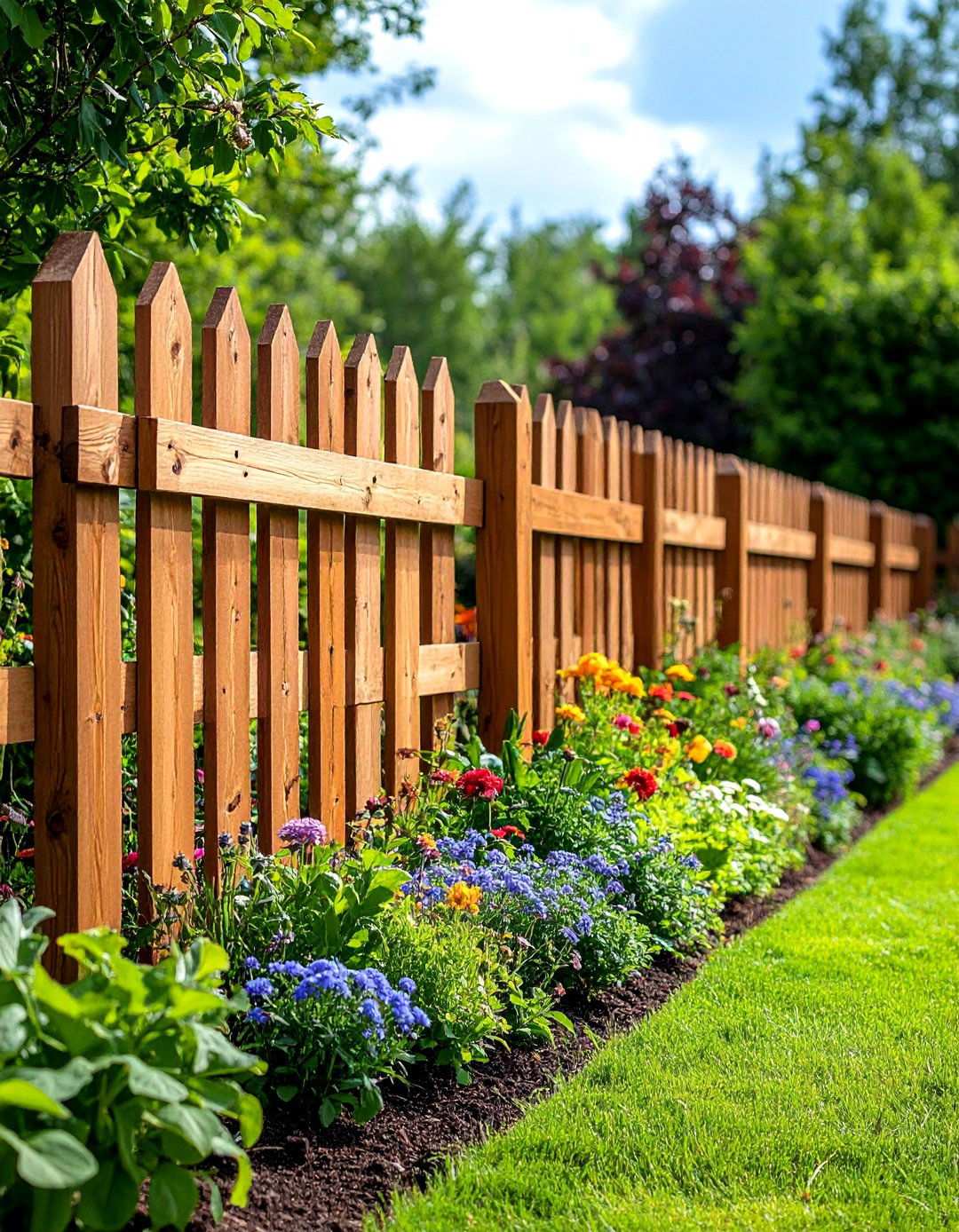
A post-and-rail fence features horizontal rails—typically two to three—spanning between sturdy posts set firmly in concrete. While primarily a decorative element, adding chicken wire or mesh between rails can enhance pest control. This fence style exudes a charming farmstead aesthetic, while allowing an open view of lush garden beds. Posts made from 4×4 or 6×6 lumber provide stability, with rails crafted from 2×6 or 2×8 boards. Rails can be notched into posts or securely attached with brackets. Applying a weatherproof stain or sealant can extend the service life of the fence. Post-and-rail sections accommodate gates for easy tool and plant access, making this style a practical choice for gardeners.
12. Decorative Metal Panel Fence
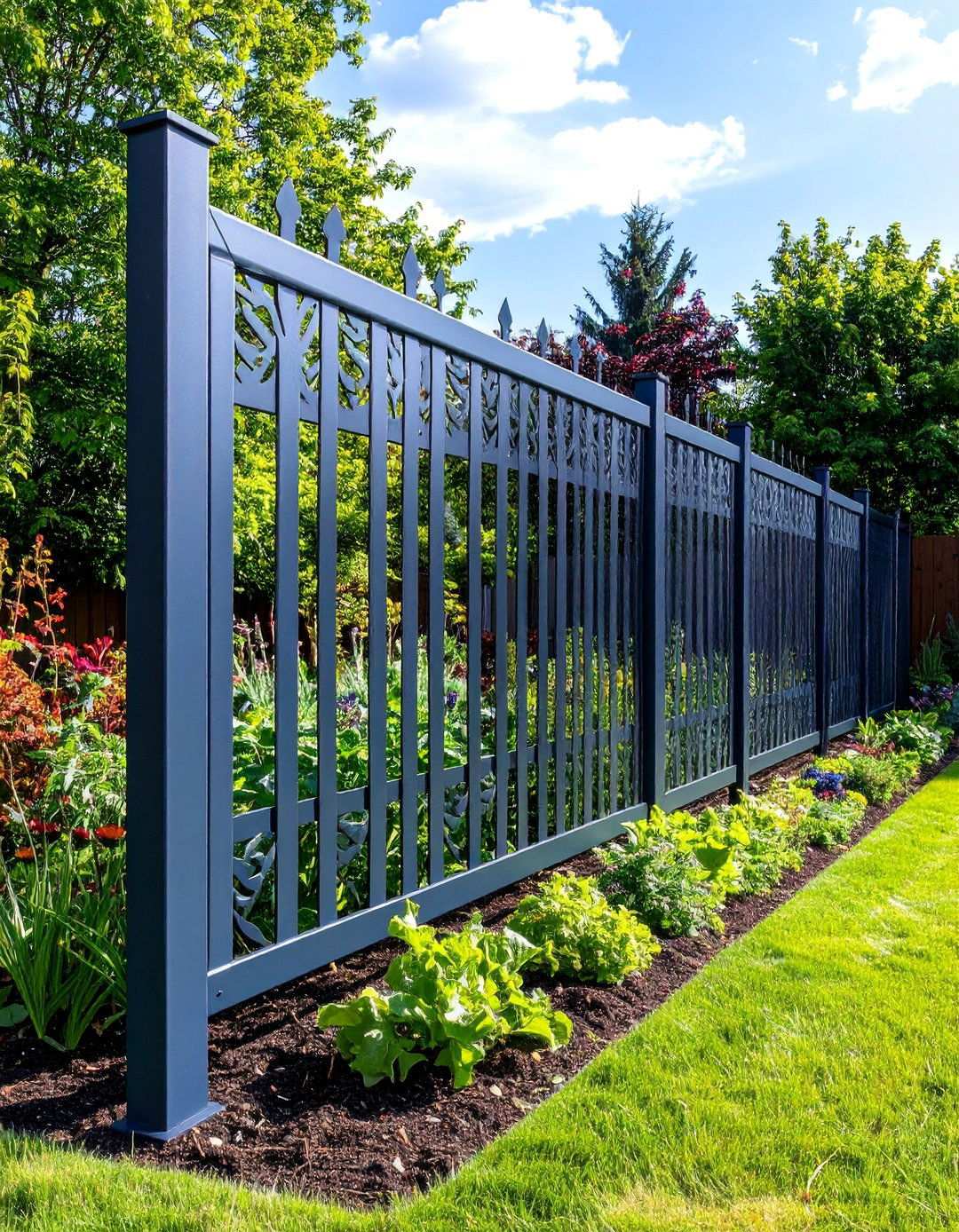
Aesthetic allure meets practicality with decorative laser-cut metal panels, crafted from weather-resistant steel or aluminum. Intricate designs such as leaves, vines, or geometric patterns adorn these modern barriers, which stand 4–6 feet tall between posts. As vines or climbing vegetables grow up, they intertwine through the cutouts, softening the metal’s sharp edges. Long-lasting powder-coated finishes prevent rust, ensuring the metal panels remain a stunning feature in contemporary or formal garden designs. While more expensive upfront, they require minimal upkeep, making them an excellent investment for those seeking a sleek, low-maintenance fence.
13. Vertical Garden Fence
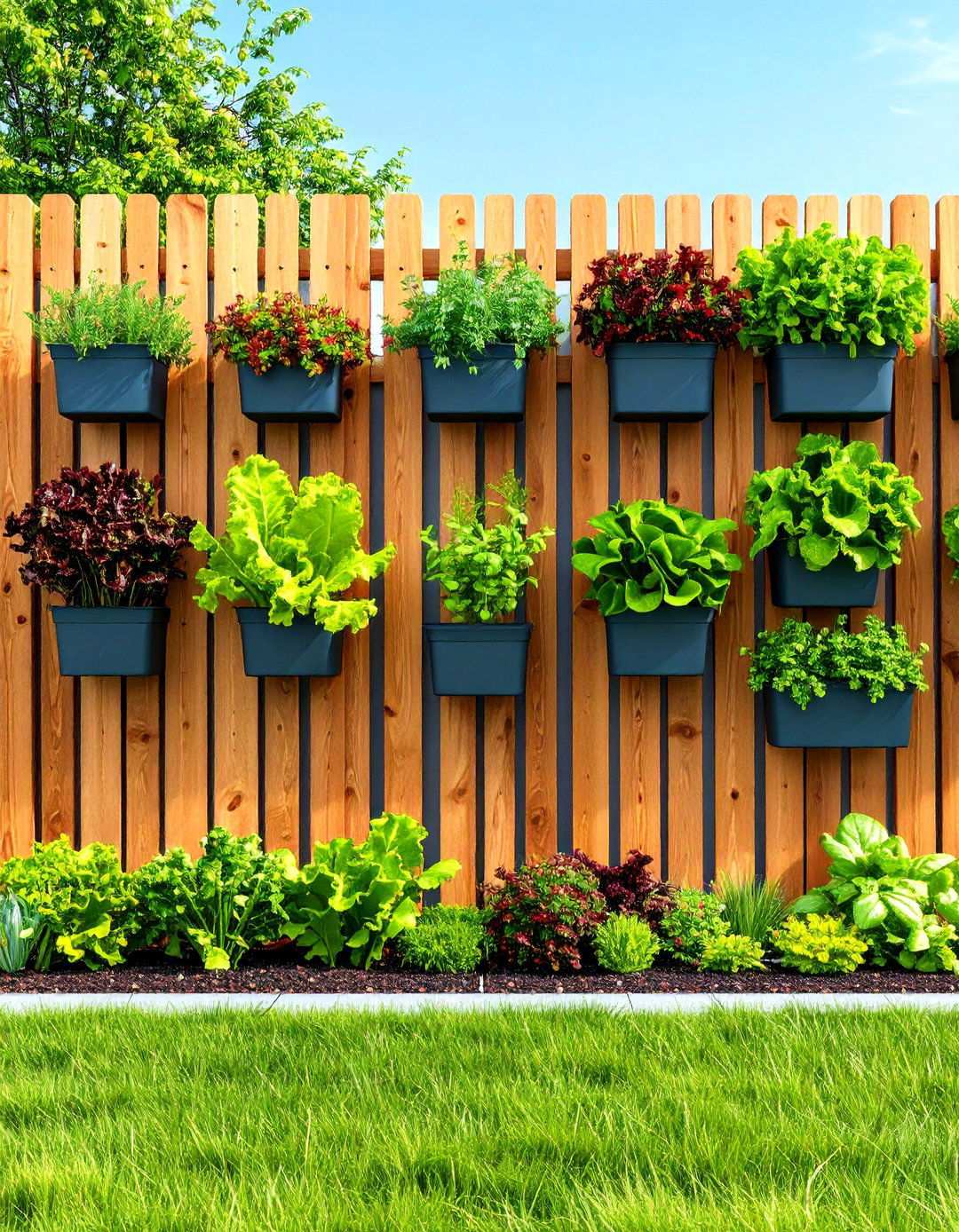
Turn a blank fence into a thriving vertical oasis by attaching planters, hooks, or gutter sections to panels. Small pockets or hung pots allow for easy cultivation of herbs, lettuce, and strawberries, while self-watering planters and modular pocket systems boost efficiency. Strategically placed hooks hold hanging baskets, maximizing space in narrow yards or balconies. The lush green walls created by this living fence not only provide a productive space but also infuse edible beauty into outdoor living areas. To maintain the soil’s health, regular irrigation and planting rotation are essential. This innovative approach to gardening transforms the humble fence into a vibrant, functional focal point.
14. Chicken Wire and T-Posts Fence
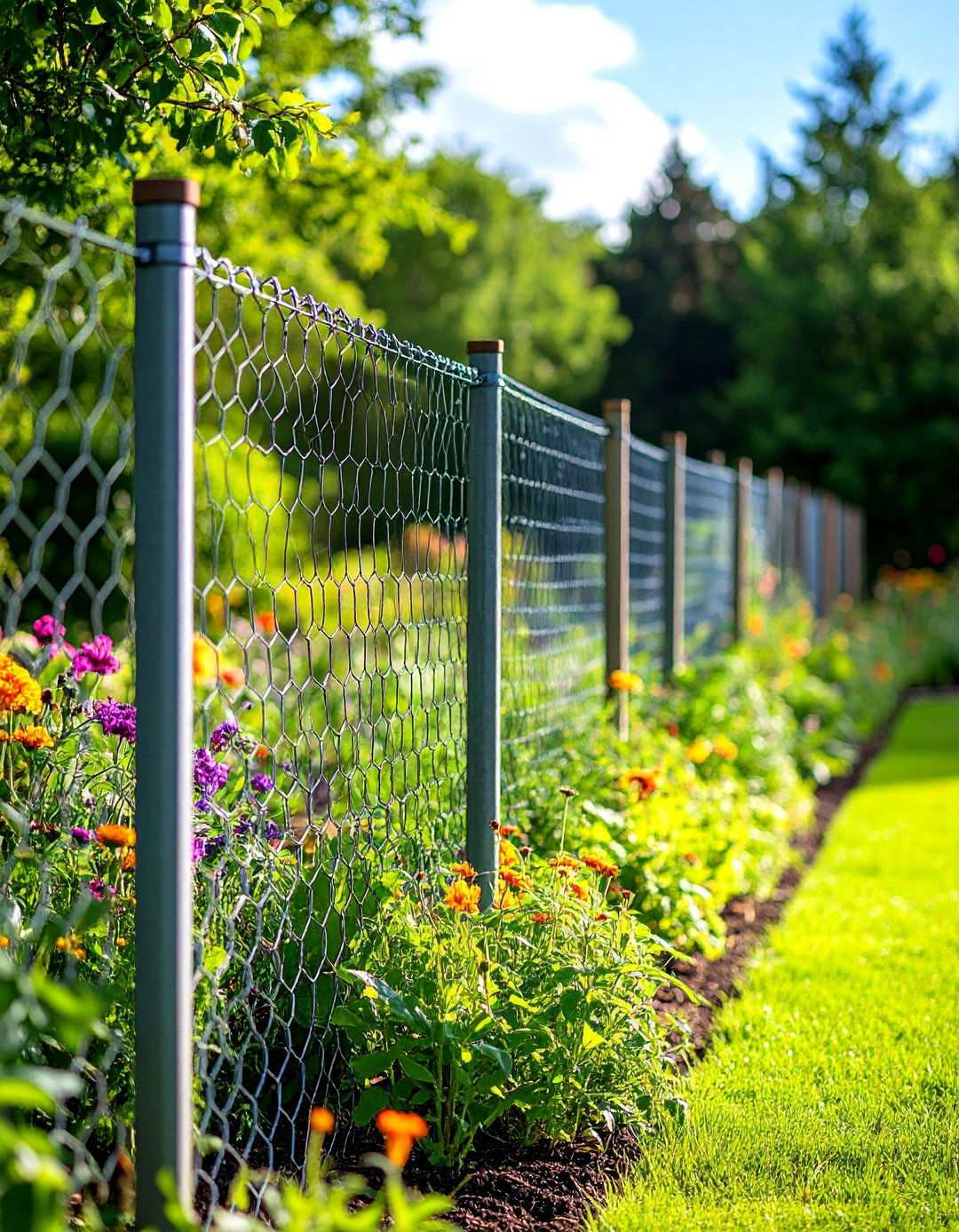
For rapid, lightweight fencing, staple chicken wire to T-posts driven into the ground at 6–8 foot intervals. The mesh’s 1-inch hexagonal openings effectively block small pests and birds. Adding a top strand of polywire or electric fence tape deters larger animals like raccoons and deer. Posts require minimal setup, making this approach ideal for seasonal or temporary gardens. The chicken wire fence’s affordability and ease of installation make it a popular choice, however, its durability is limited compared to welded wire. Regular replacement of damaged sections ensures the barrier remains effective.
15. PVC Teepee and Netting
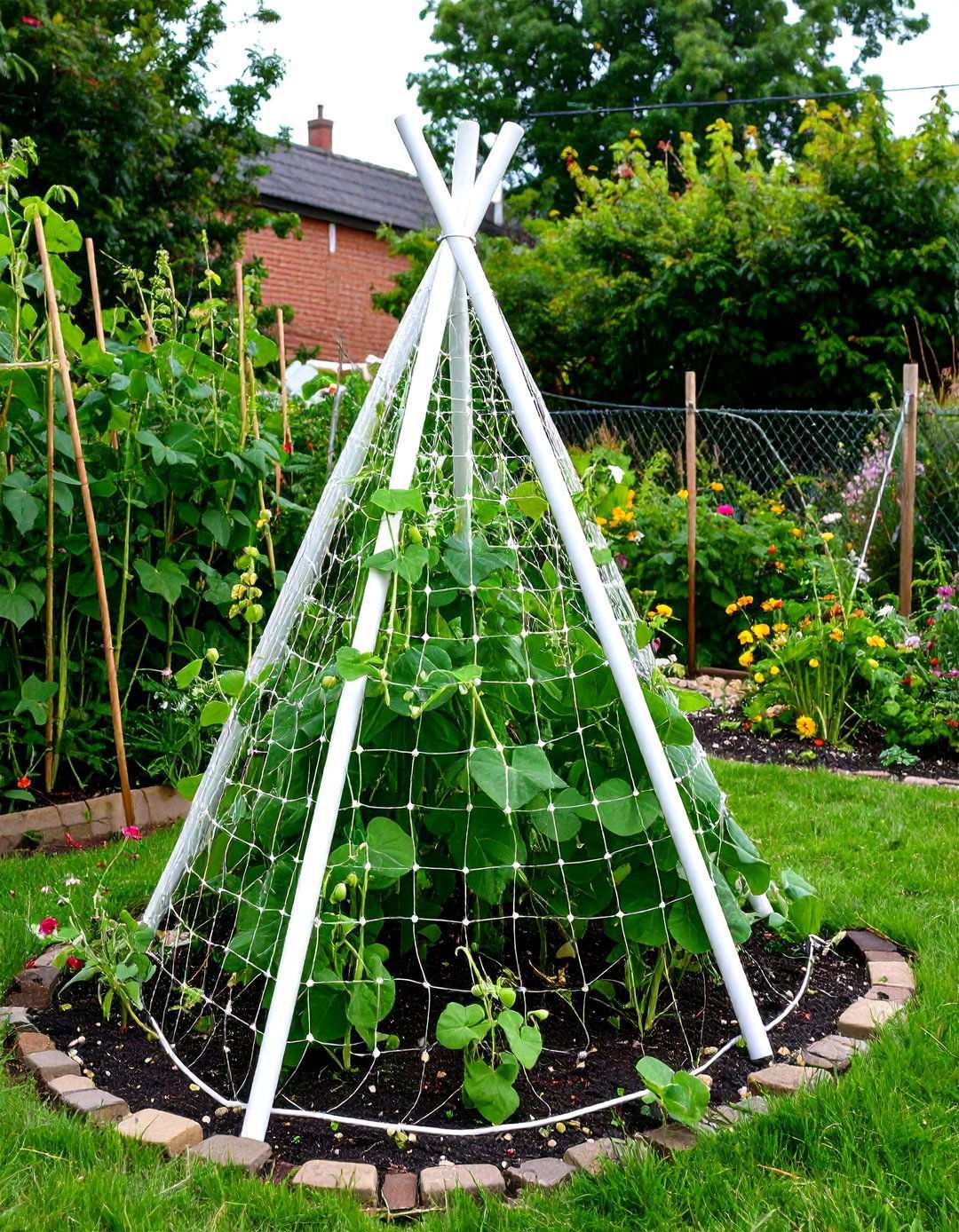
Construct a teepee frame using PVC pipe lengths tied at the top and spread at the base, providing a conical support for climbing peas or beans. Secure the structure with fine insect mesh or netting to protect against pests like aphids, beetles, and fluttering insects. The mesh attaches around the frame using zip ties or clips. This compact enclosure allows for easy access via a zippered flap. PVC-and-netting systems are lightweight, reusable, and perfect for small gardens, offering dual benefits of support and pest control in one structure. The flexibility of this setup makes it an ideal choice for gardeners with limited space.
16. Upcycled Found Materials Fence
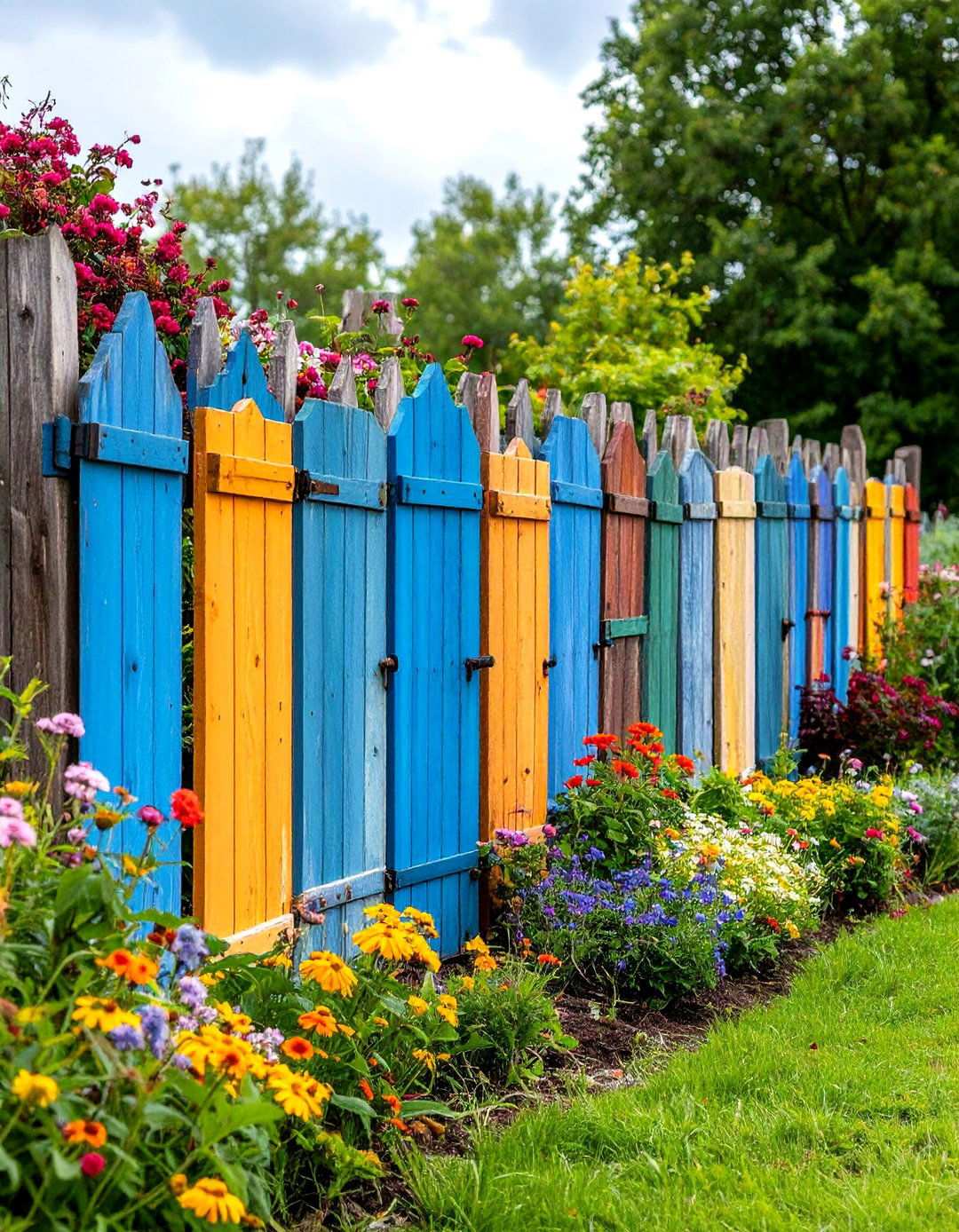
Breathing new life into discarded items like old doors, shutters, tin sheets, and garden tools, you can create a one-of-a-kind fence that reflects your personal style. Secure these materials between fence posts or mount them on an existing frame to form an eclectic barrier. Old toolbox drawers can be repurposed as plant containers, tin panels can provide reflective surfaces to deter birds, and shutter slats can be used as adjustable shade screens. This creative, sustainable approach to fencing reduces waste while allowing for endless customization possibilities. While assembly might be labor-intensive, the end result is a unique garden boundary that tells a story.
17. Stone and Iron Combo Fence
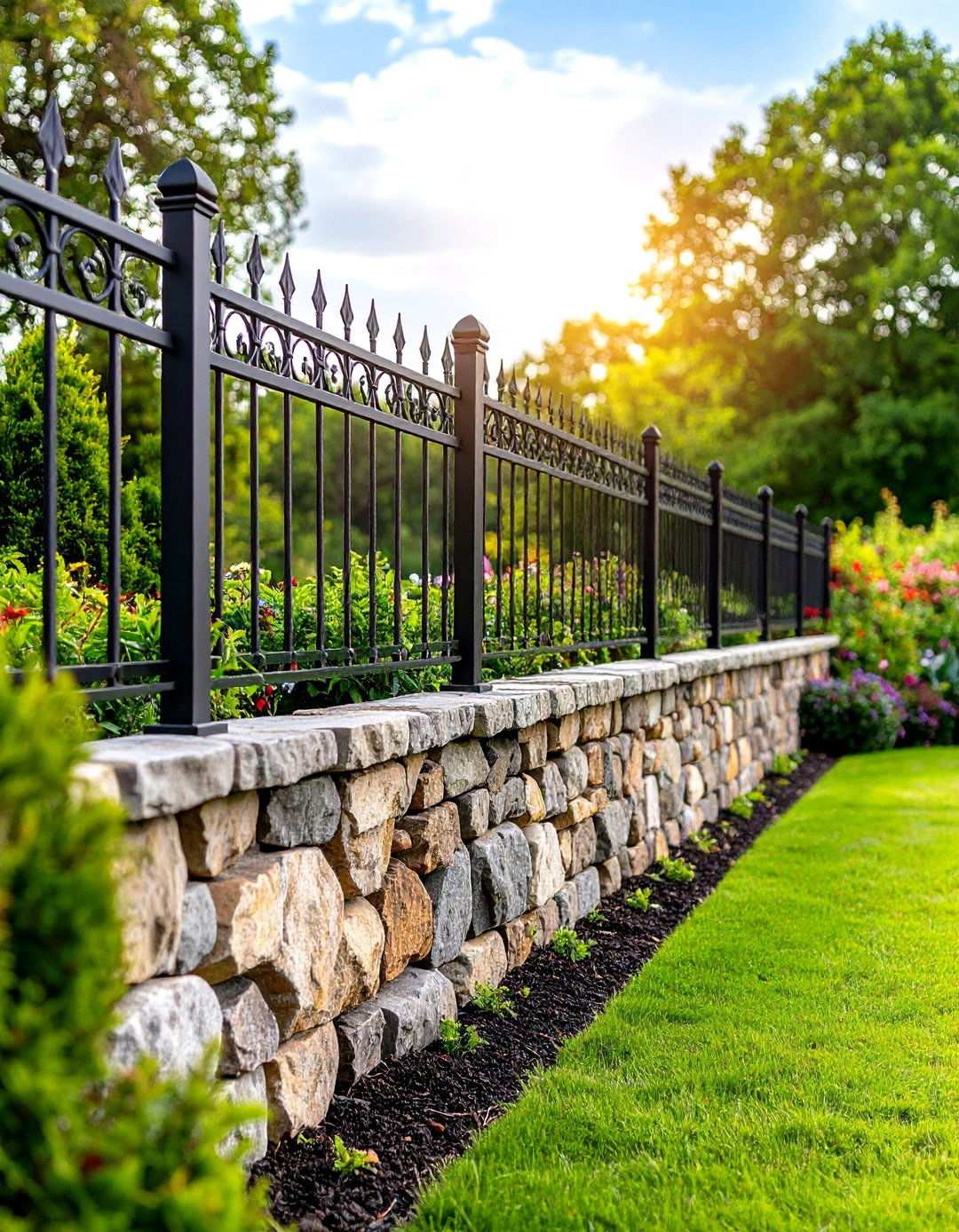
Combine the elegance of stone walls or pillars with the sturdiness of wrought-iron panels to create an enduring and sophisticated boundary for your vegetable garden. Low stone walls, typically ranging from 2 to 3 feet in height, paired with decorative iron fencing that adds another 2 to 3 feet, not only provide the necessary height for critter control but also ensure optimal airflow. The incorporation of stone veneers or stacked natural stone elements brings a rustic charm, while the addition of iron pickets adds a touch of vertical emphasis. By leveraging mortared stone for stability and powder-coated iron for rust resistance, this hybrid fence boasts long-term performance and exceptional aesthetic value, all while requiring professional installation to get it just right.
18. Upcycled Window Frame Fence
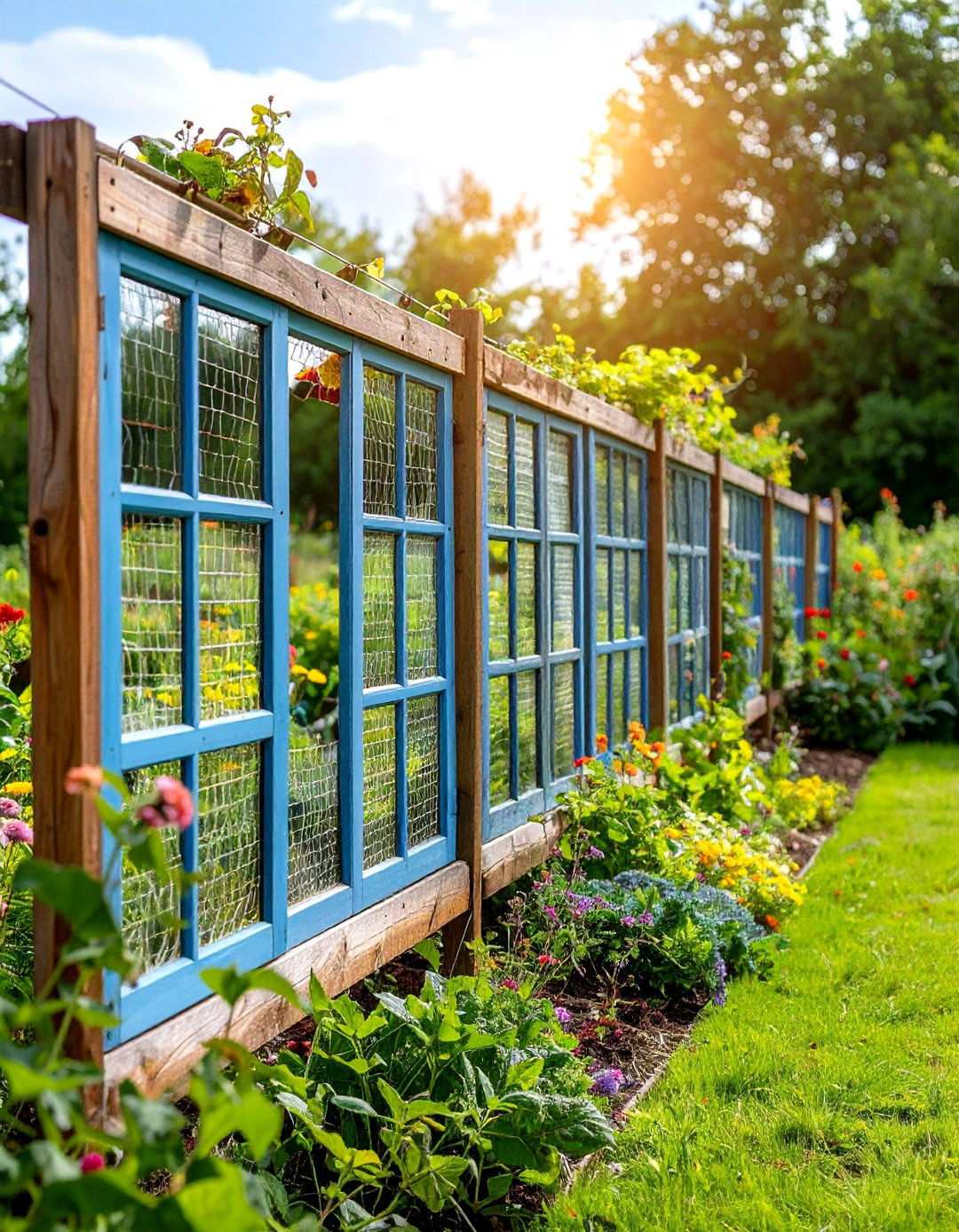
Transform your garden boundary into a unique work of art by repurposing salvaged window frames. Hang these frames along the fence to add architectural interest and create a functional trellis for climbing plants. Remove the glass panes and replace them with chicken wire, mirrors, or pot hooks to create a visually appealing display. Pre-painted or naturally weathered frames can be easily attached to existing fences using screws or brackets. As your vegetables and vines grow through the frames, they will create a dynamic and ever-changing living art piece. This budget-friendly option not only recycles materials but also allows you to personalize your garden boundary, ensuring it stands out from the rest. However, it’s essential to ensure that the frames are securely attached to withstand harsh winds and plant weight.
19. DIY Trellis Fence
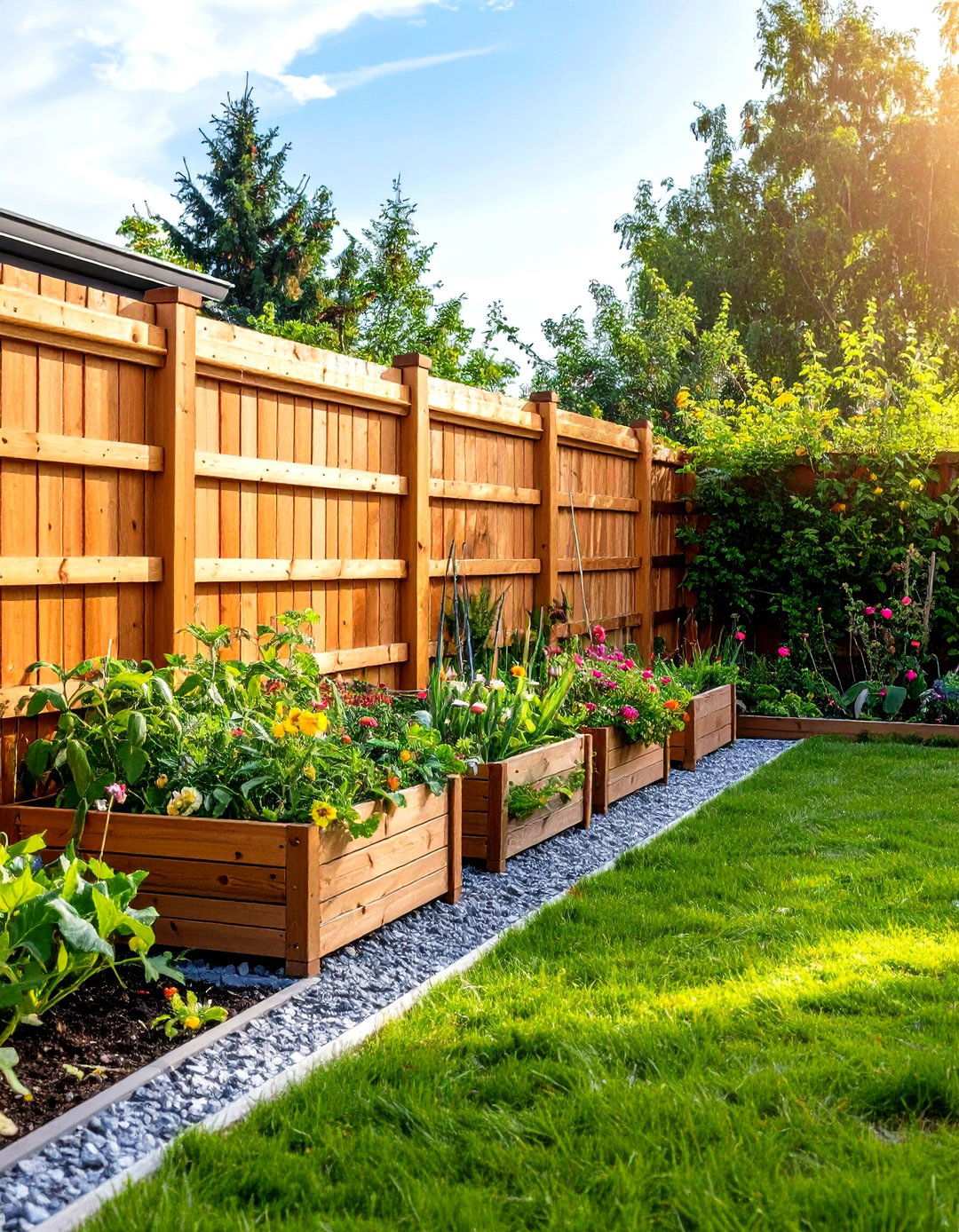
Maximize your garden’s vertical yield by installing a series of wooden trellis panels between posts. These simple frames with cross-slats provide the perfect support system for climbing vegetables like tomatoes, cucumbers, and beans. Trellis fences typically stand 5 to 6 feet tall, making them an excellent choice for space-conscious gardeners. Utilize treated lumber or rot-resistant species to ensure durability, and consider making panels removable for seasonal flexibility. The lattice design of trellis fences offers partial screening and decorative appeal, especially when overlain with flowering vines. Building trellis fences requires straightforward carpentry skills and basic hardware, making it an accessible DIY weekend project that can be accomplished with ease.
20. Reed and Bamboo Roll Fence
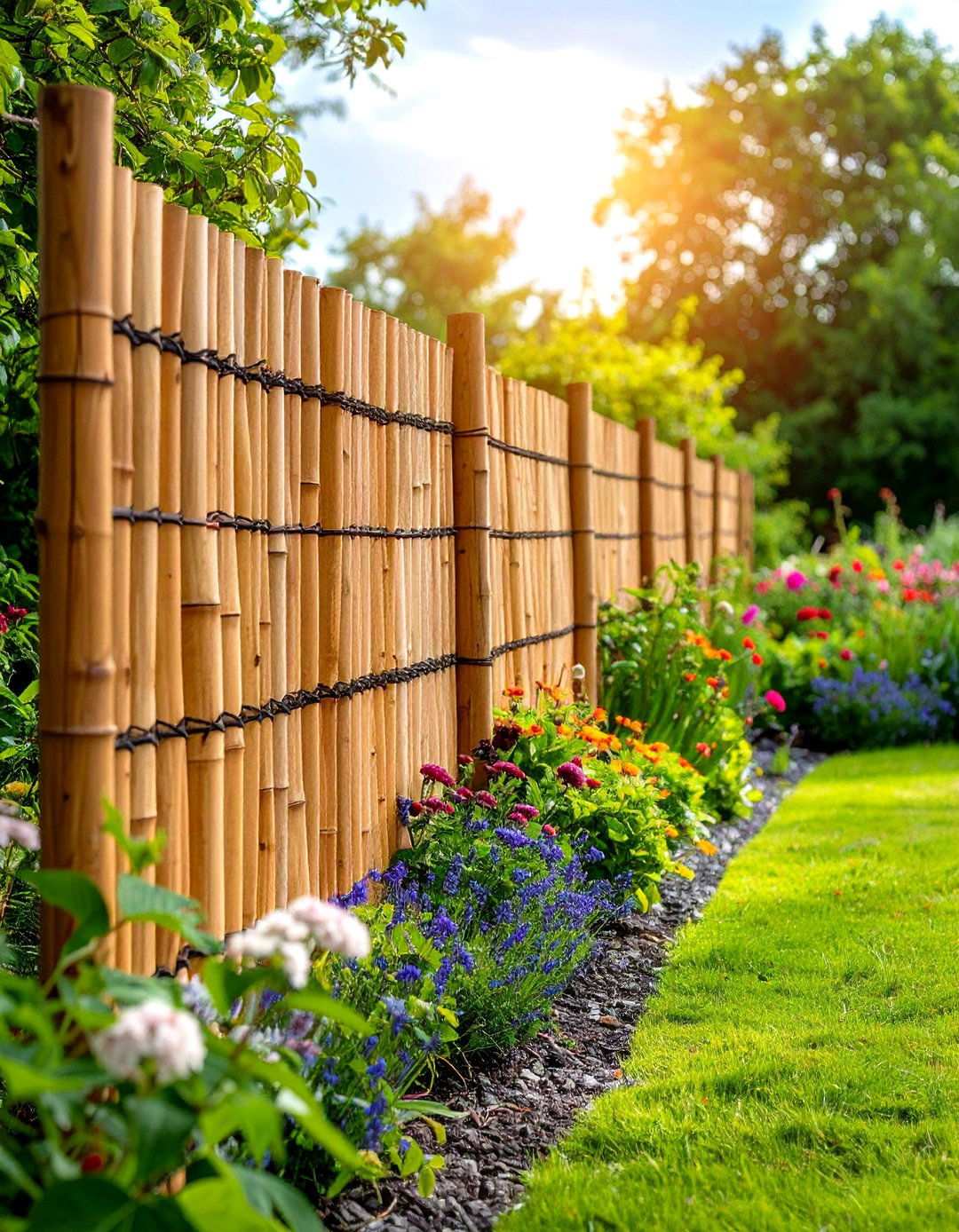
Create a natural and lightweight screen for your garden by utilizing reed or bamboo roll fencing. These rolls are quick to install and can be easily attached to posts or existing fences using stainless-steel wire or zip ties. Available in various heights (4 to 6 feet), reed fences filter views, reduce wind, and provide an organic backdrop to garden beds. Although susceptible to moisture wear, applying a UV-resistant sealant can extend the lifespan of this type of fencing. This fencing option is ideal for informal, tropical, or Zen-inspired vegetable gardens, seamlessly blending with greenery to create a harmonious and inviting atmosphere.